St Peter Cathedral things to do, attractions, restaurants, events info and trip planning
Basic Info
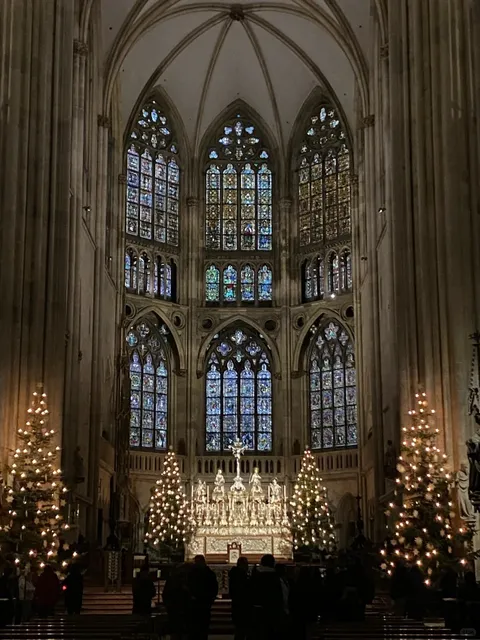
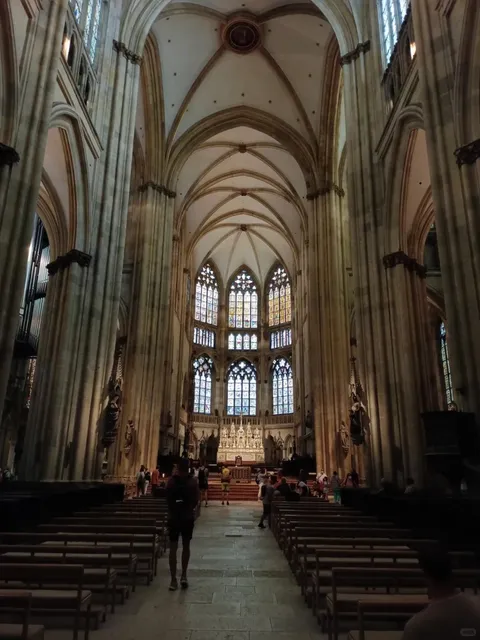
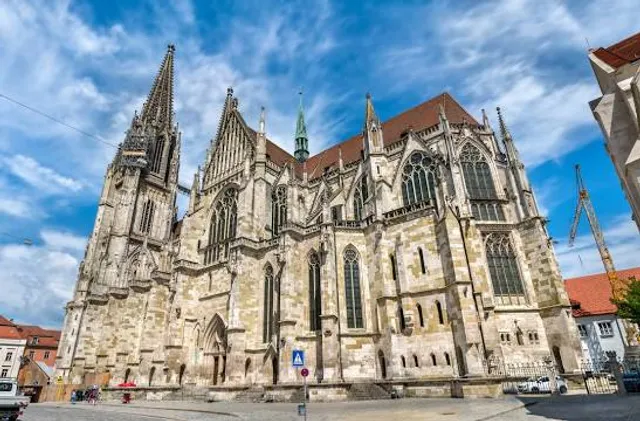
St Peter Cathedral
Domplatz 1, 93047 Regensburg, Germany
4.7(4.3K)
Open 24 hours
Save
spot
spot
Ratings & Description
Info
St. Peter Cathedral is a Roman Catholic church located at 230 West 10th Street in Erie, Pennsylvania.
Cultural
Accessibility
attractions: Porta Praetoria, Dackelmuseum, Old Stone Bridge, House of Bavarian History, Domschatz Regensburg, Basilica of the Nativity of Our Lady Regensburg, Museum St. Ulrich, New Parish Church, Maria Läng Chapel, Golfmuseum Regensburg, restaurants: Bischofshof am Dom, Weltenburger am Dom, Historische Wurstkuchl, ALEX Regensburg, Der Grieche am Herzogshof - Regensburg, WIRTSHAUS IN HEUPORT, HANS IM GLÜCK - REGENSBURG Innenstadt, Burgerheart Regensburg, Caffé Rinaldi - Regensburg, L'Osteria, local businesses: Neupfarrplatz, UNESCO Besucherzentrum Welterbe Regensburg, Douglas, Meat & veggie kebab, Berger Optik, Drubba Uhren & Geschenke, Museo histórico de Ratisbona, Eiserne Brücke, Füllgut Regensburg, Kepler Gedächtnishaus
 Learn more insights from Wanderboat AI.
Phone
+49 941 5971662
Website
domplatz-5.de
Plan your stay

Pet-friendly Hotels in Regensburg
Find a cozy hotel nearby and make it a full experience.

Affordable Hotels in Regensburg
Find a cozy hotel nearby and make it a full experience.

The Coolest Hotels You Haven't Heard Of (Yet)
Find a cozy hotel nearby and make it a full experience.

Trending Stays Worth the Hype in Regensburg
Find a cozy hotel nearby and make it a full experience.
Reviews
Live events

Candlelight: Coldplay meets Imagine Dragons
Sat, Feb 21 • 4:00 PM
Haidplatz 8, Regensburg, 93047
View details

Stadtabenteuer: Regensburg Altstadt Edition
Sat, Feb 21 • 9:00 AM
Domplatz, Regensburg, 93047
View details

Candlelight: Queen meets ABBA
Fri, Feb 27 • 8:30 PM
Ägidienplatz 5, Regensburg, 93047
View details
Nearby attractions of St Peter Cathedral
Porta Praetoria
Dackelmuseum
Old Stone Bridge
House of Bavarian History
Domschatz Regensburg
Basilica of the Nativity of Our Lady Regensburg
Museum St. Ulrich
New Parish Church
Maria Läng Chapel
Golfmuseum Regensburg
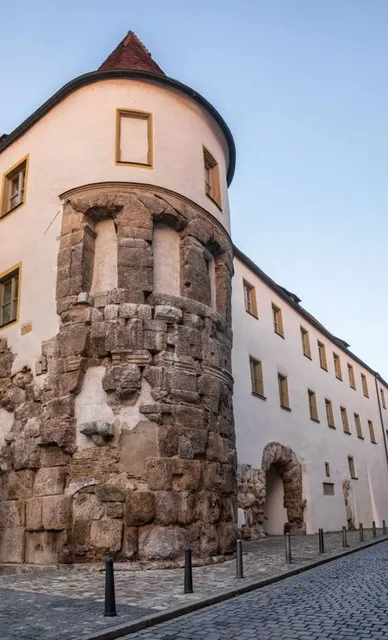
Porta Praetoria
4.5
(349)
Open until 12:00 AM
Click for details
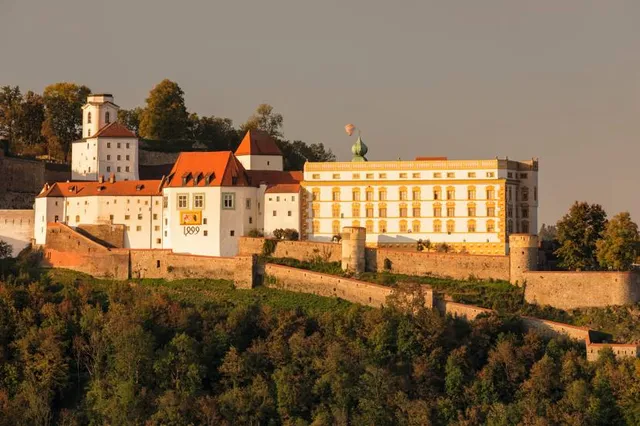
Dackelmuseum
4.6
(502)
Closed
Click for details
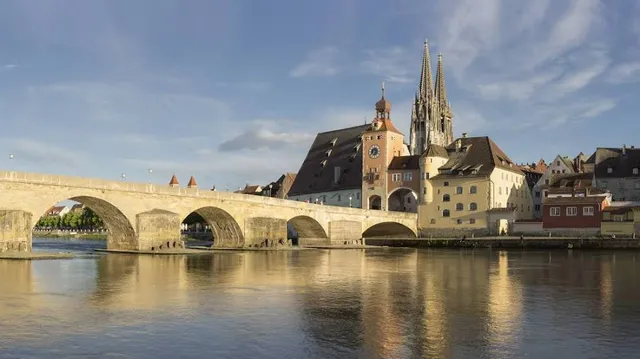
Old Stone Bridge
4.7
(5K)
Open until 12:00 AM
Click for details
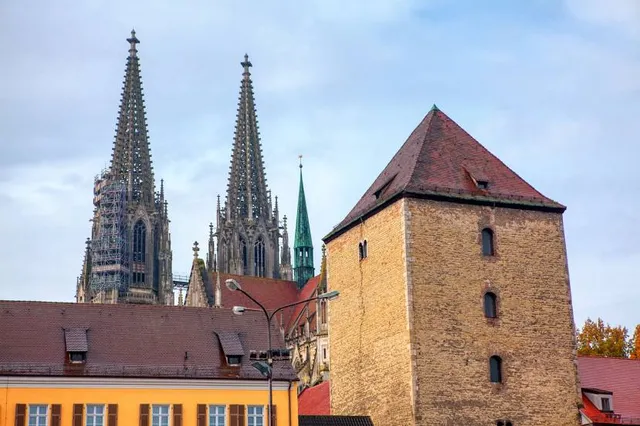
House of Bavarian History
4.4
(1.7K)
Closed
Click for details
Nearby restaurants of St Peter Cathedral
Bischofshof am Dom
Weltenburger am Dom
Historische Wurstkuchl
ALEX Regensburg
Der Grieche am Herzogshof - Regensburg
WIRTSHAUS IN HEUPORT
HANS IM GLÜCK - REGENSBURG Innenstadt
Burgerheart Regensburg
Caffé Rinaldi - Regensburg
L'Osteria
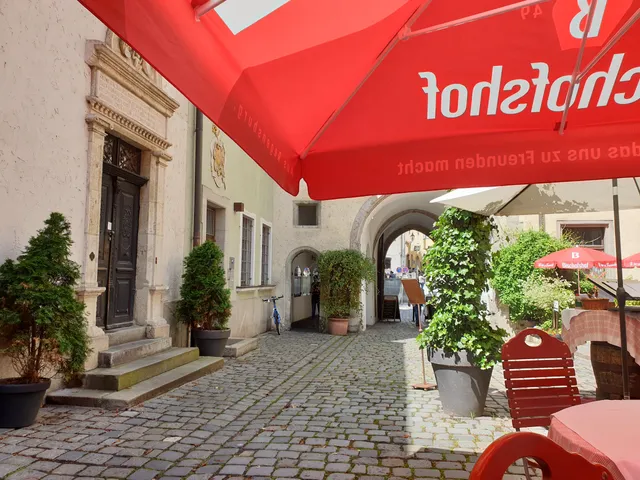
Bischofshof am Dom
4.3
(1.2K)
Click for details
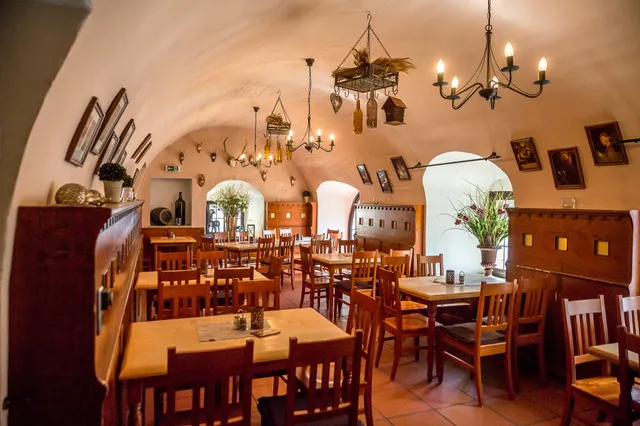
Weltenburger am Dom
4.6
(1.5K)
Closed
Click for details
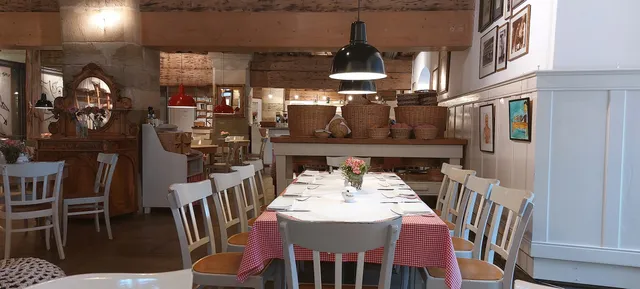
Historische Wurstkuchl
4.1
(2.4K)
Closed
Click for details

ALEX Regensburg
3.9
(1.4K)
Closed
Click for details
Nearby local services of St Peter Cathedral
Neupfarrplatz
UNESCO Besucherzentrum Welterbe Regensburg
Douglas
Meat & veggie kebab
Berger Optik
Drubba Uhren & Geschenke
Museo histórico de Ratisbona
Eiserne Brücke
Füllgut Regensburg
Kepler Gedächtnishaus
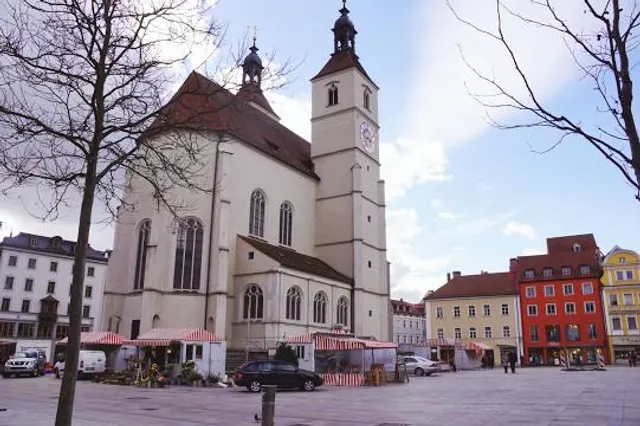
Neupfarrplatz
4.5
(443)
Click for details

UNESCO Besucherzentrum Welterbe Regensburg
4.6
(101)
Click for details

Douglas
4.4
(120)
Click for details
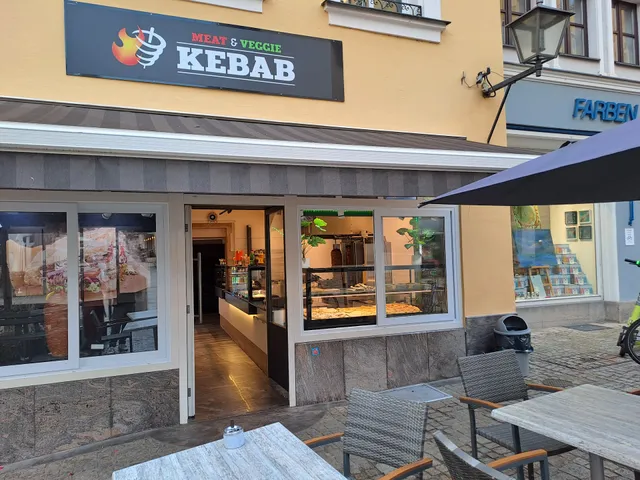
Meat & veggie kebab
4.6
(100)
Click for details