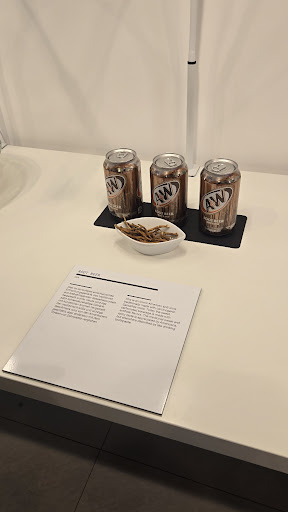
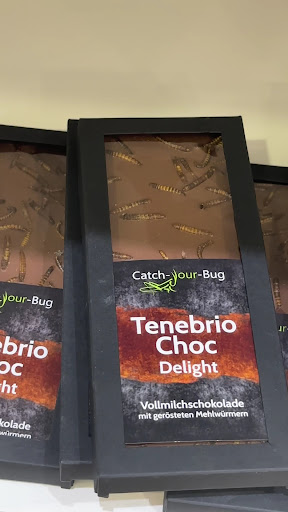
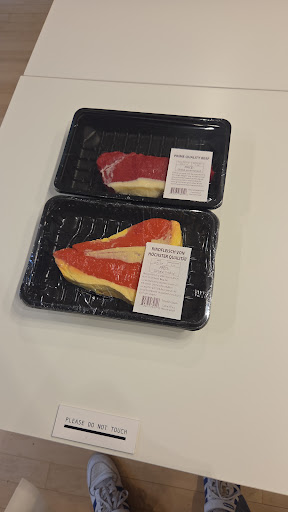
Disgusting Food Museum Stuttgart things to do, attractions, restaurants, events info and trip planning
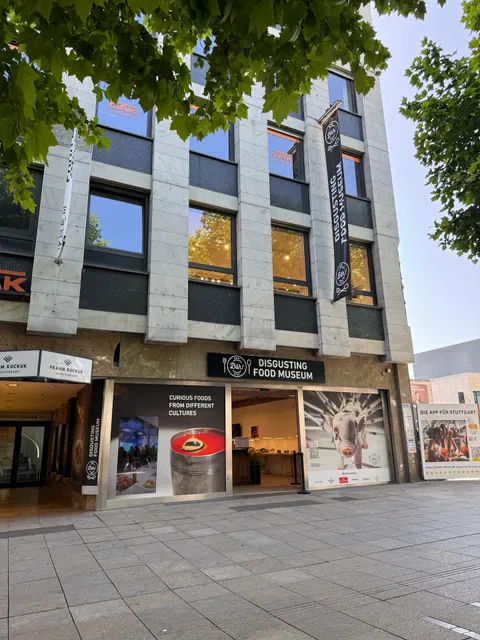
Basic Info
Disgusting Food Museum Stuttgart
Königstraße 21, 70173 Stuttgart, Germany
4.6(86)
Closed
Save
spot
spot
Ratings & Description
Info
Cultural
Entertainment
Family friendly
Accessibility
attractions: Schlossplatz, Stiftskirche, Stuttgart, Kunstmuseum Stuttgart, Old Castle, Fruchtkasten - Musikinstrumentenmuseum, History Museum Württemberg, Children's Museum Young Castle, Karlsplatz, Neues Schloss, Jubiläumssäule, restaurants: Nespresso Boutique Stuttgart, Ochs'n Willi, Restaurant Cochin 1982, L'Osteria Stuttgart Kronprinzstraße, Don Ya 丼屋, Tiffany Thaistyle, Alte Kanzlei Stuttgart, Energetic life Restaurant, Neun 9 Bar, Feinkost Böhm, local businesses: Markthalle Stuttgart, Plaza del Castillo, Schillerplatz, Schillerplatz, Lindt Chocolate, Stuttgarter Weindorf, Breuninger Stuttgart, Königsbau Passagen, Stuttgart Town Hall, Stuttgart City Tour
 Learn more insights from Wanderboat AI.
Phone
+49 711 1635311
Website
disgustingfood.de
Open hoursSee all hours
Wed11 AM - 8 PMClosed
Plan your stay

Pet-friendly Hotels in Stuttgart
Find a cozy hotel nearby and make it a full experience.

Affordable Hotels in Stuttgart
Find a cozy hotel nearby and make it a full experience.

The Coolest Hotels You Haven't Heard Of (Yet)
Find a cozy hotel nearby and make it a full experience.

Trending Stays Worth the Hype in Stuttgart
Find a cozy hotel nearby and make it a full experience.
Reviews
Live events

Viva Frida Kahlo - das immersive Erlebnis
Thu, Feb 26 • 10:00 AM
Mercedesstraße 69, Stuttgart, 70372
View details

Ballet of Lights: Dornröschen in einer funkelnden Show
Sat, Feb 28 • 3:30 PM
Stuttgarter Straße 65, Kornwestheim, 70806
View details
Candlelight: Tribut an Hans Zimmer
Fri, Feb 27 • 4:30 PM
Hohenheimer Straße 119 A, Stuttgart, 70184
View details
Nearby attractions of Disgusting Food Museum Stuttgart
Schlossplatz
Stiftskirche, Stuttgart
Kunstmuseum Stuttgart
Old Castle
Fruchtkasten - Musikinstrumentenmuseum
History Museum Württemberg
Children's Museum Young Castle
Karlsplatz
Neues Schloss
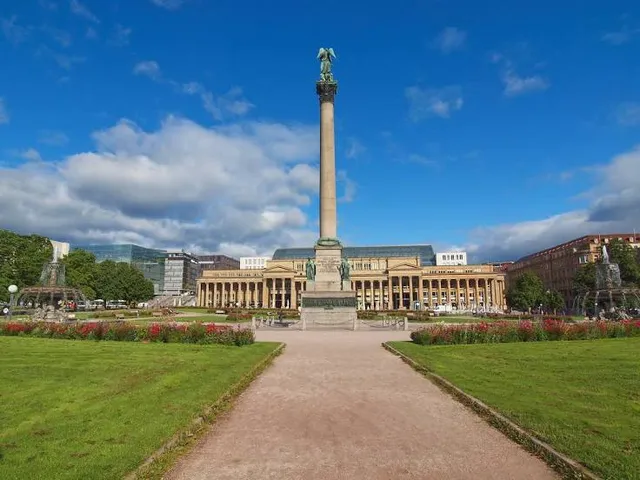
Jubiläumssäule
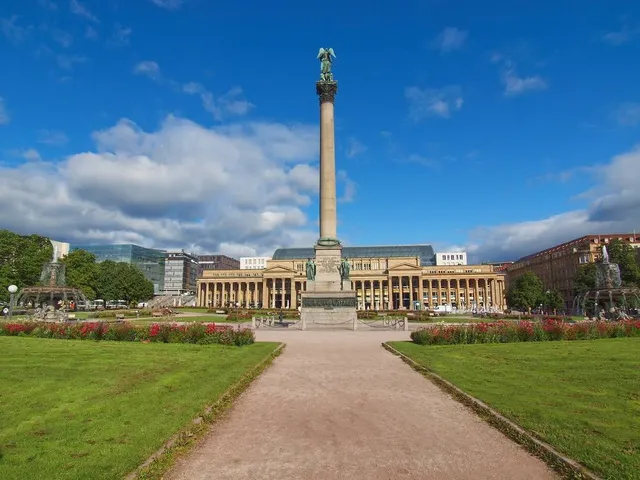
Schlossplatz
4.6
(16.9K)
Open until 12:00 AM
Click for details
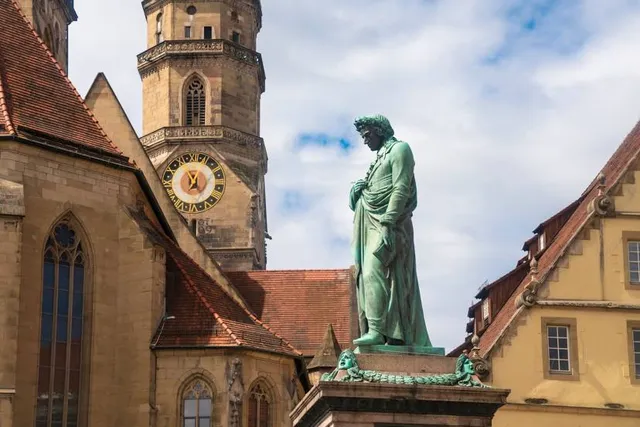
Stiftskirche, Stuttgart
4.6
(441)
Open 24 hours
Click for details

Kunstmuseum Stuttgart
4.5
(1.3K)
Closed
Click for details
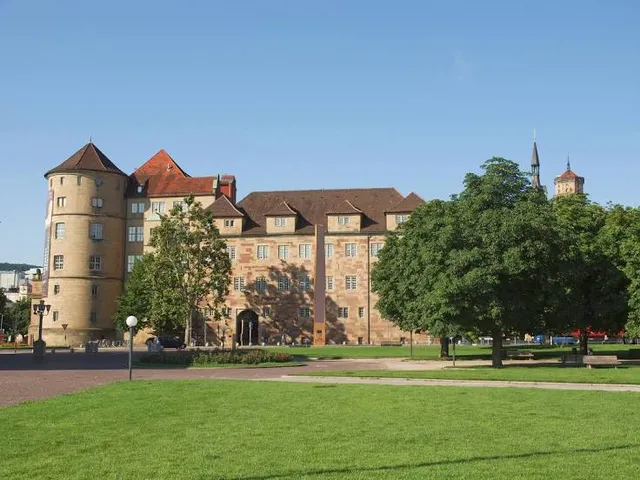
Old Castle
4.7
(970)
Closed
Click for details
Nearby restaurants of Disgusting Food Museum Stuttgart
Nespresso Boutique Stuttgart
Ochs'n Willi
Restaurant Cochin 1982
L'Osteria Stuttgart Kronprinzstraße
Don Ya 丼屋
Tiffany Thaistyle
Alte Kanzlei Stuttgart
Energetic life Restaurant
Neun 9 Bar
Feinkost Böhm
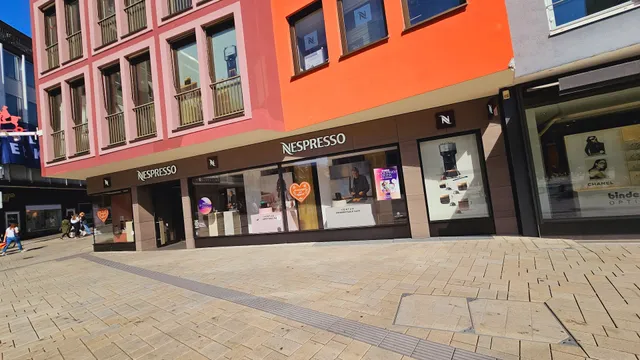
Nespresso Boutique Stuttgart
4.2
(488)
Closed
Click for details
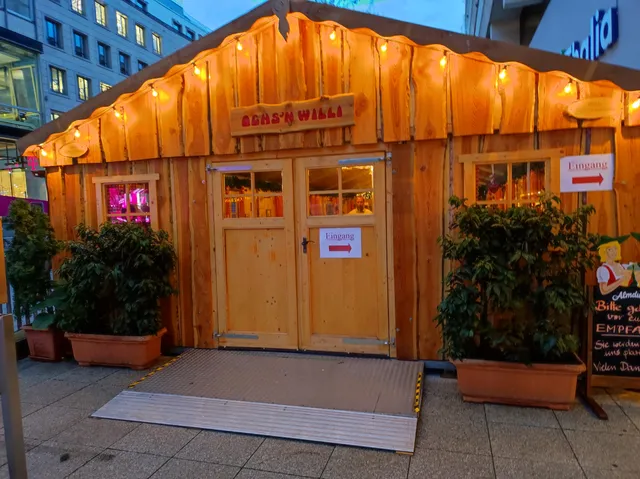
Ochs'n Willi
4.4
(2.7K)
Closed
Click for details

Restaurant Cochin 1982
4.5
(581)
Closed
Click for details
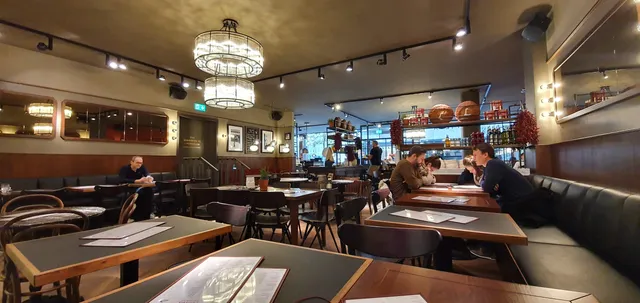
L'Osteria Stuttgart Kronprinzstraße
4.1
(1.5K)
Open until 11:00 PM
Click for details
Nearby local services of Disgusting Food Museum Stuttgart
Markthalle Stuttgart
Plaza del Castillo
Schillerplatz
Schillerplatz
Lindt Chocolate
Stuttgarter Weindorf
Breuninger Stuttgart
Königsbau Passagen
Stuttgart Town Hall
Stuttgart City Tour
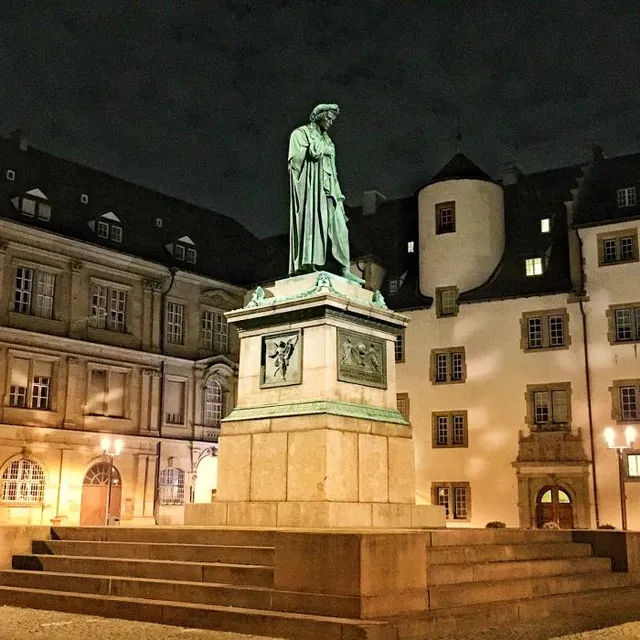
Markthalle Stuttgart
4.6
(4.2K)
Click for details
Plaza del Castillo
4.6
(14.6K)
Click for details

Schillerplatz
4.5
(1.1K)
Click for details

Schillerplatz
4.5
(1.1K)
Click for details