Palace of the Grand Master of the Knights of Rhodes things to do, attractions, restaurants, events info and trip planning
Basic Info
Palace of the Grand Master of the Knights of Rhodes
Ippoton, Rodos 851 00, Greece
4.6(10.4K)
Open until 12:00 AM


tickets
Save
spot
spot
Ratings & Description
Info
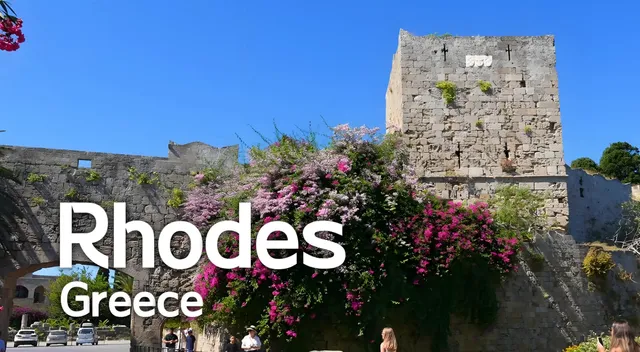
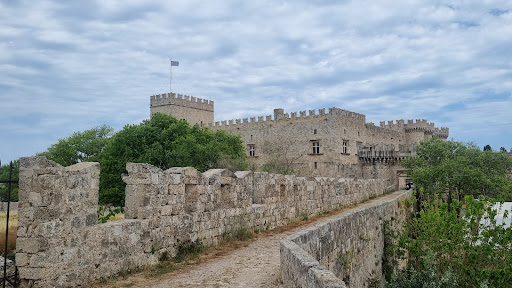
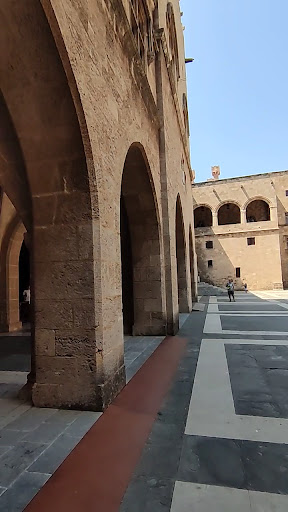
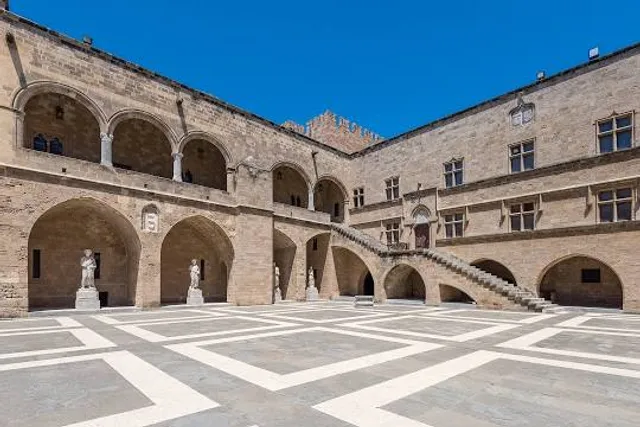
The Palace of the Grand Master of the Knights of Rhodes, also known as the Kastello, is a medieval castle in the city of Rhodes, on the island of Rhodes in Greece. It is one of the few examples of Gothic architecture in Greece.
Cultural
Accessibility
attractions: Medieval City of Rhodes, Medieval Clock Tower, Archaeological Museum of Rhodes, Street of the Knights of Rhodes, Suleymaniye Mosque, Sea Gate, Hippocrates Square, Decorative Arts Collection of Rhodes, Temple of Aphrodite, Saint Paul's Gate, restaurants: Mama Sofia, Socratous Garden, Romeo Restaurant, Fainos Restaurant, Boston Burger bar, Sissitio, Mama Mika, Afroditi Venus, Urban Burger Bar, Island Lipsi Restaurant, local businesses: Medieval City of Rhodes, Mevlana shisha bar Rhodes, Nea Agora, Hondos Center, Muslimische Bibliothek Hafız Ahmet Ağa, Our Lady of the Castle (Panayia), the fruitlab, Pull & Bear, Marks & Spencer, Museum antiker griechischer Technologie von Rhodos
 Learn more insights from Wanderboat AI.
Phone
+30 2241 365270
Website
oldtownrhodes.com
Open hoursSee all hours
Wed8:30 AM - 3:30 PMOpen
Plan your stay

Pet-friendly Hotels in Municipality of Rhodes
Find a cozy hotel nearby and make it a full experience.

Affordable Hotels in Municipality of Rhodes
Find a cozy hotel nearby and make it a full experience.

The Coolest Hotels You Haven't Heard Of (Yet)
Find a cozy hotel nearby and make it a full experience.

Trending Stays Worth the Hype in Municipality of Rhodes
Find a cozy hotel nearby and make it a full experience.
Reviews
Live events
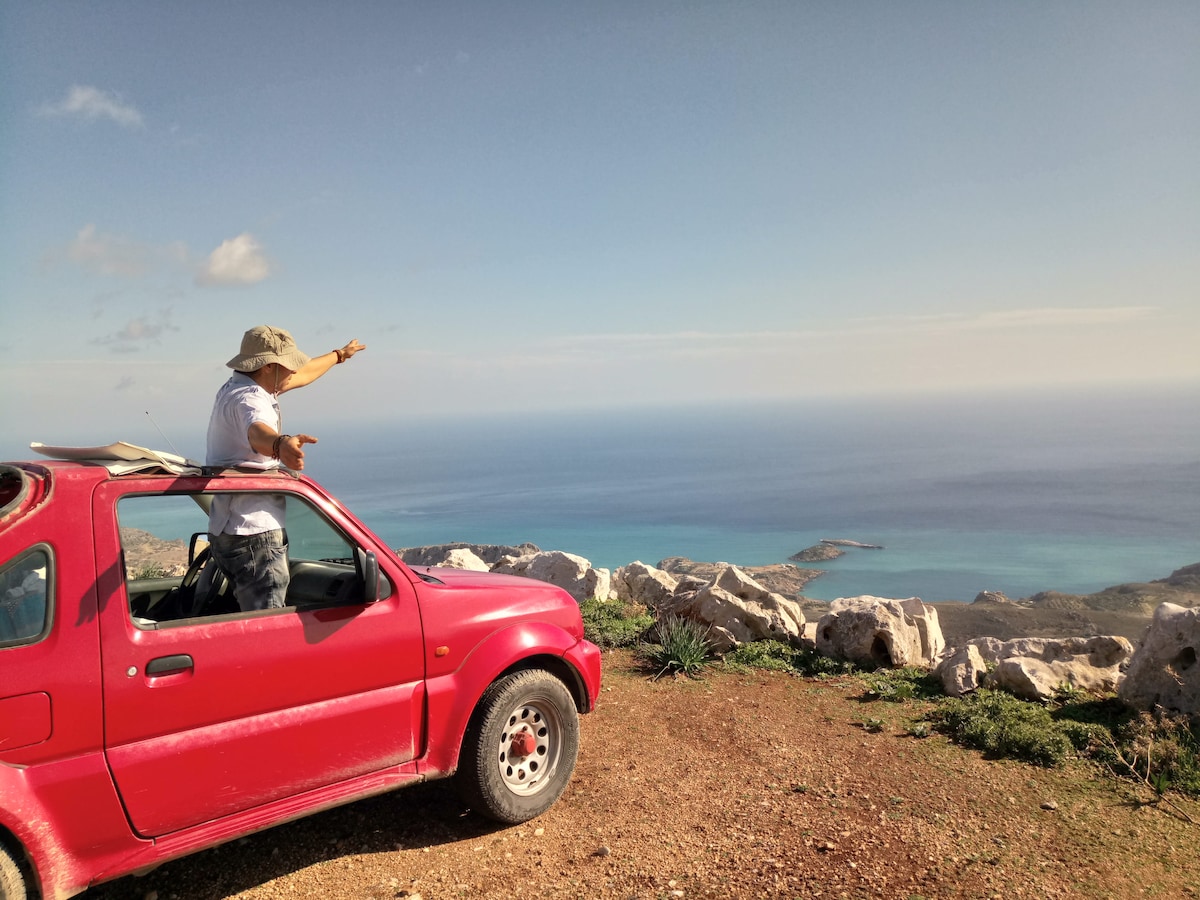
Explore hidden Rhodes
Wed, Feb 18 • 7:00 AM
851 00, Rhodes, Greece
View details
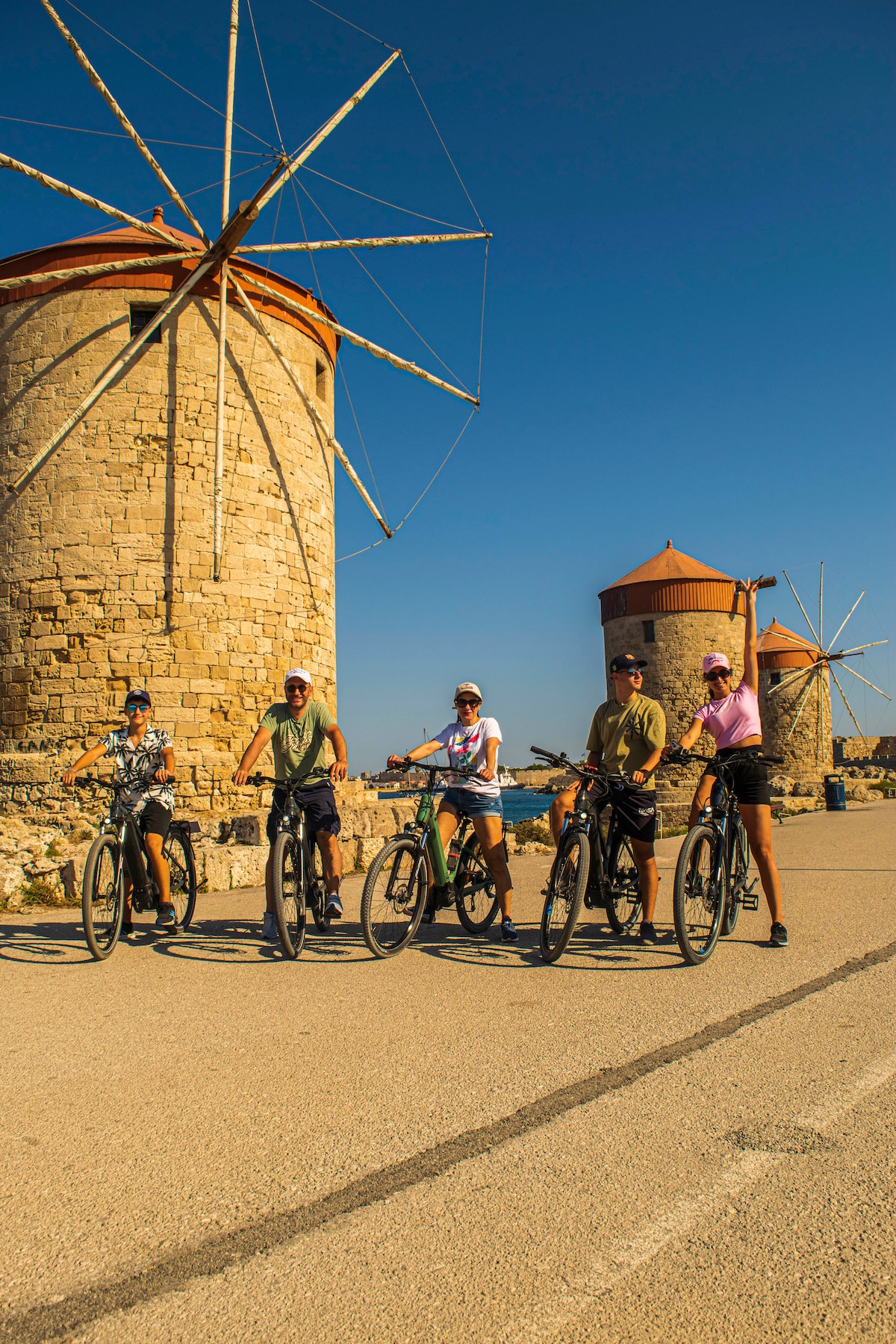
Ride medieval Rhodes with e-bike specialist
Wed, Feb 18 • 9:00 AM
85100, Rhodes, Greece
View details
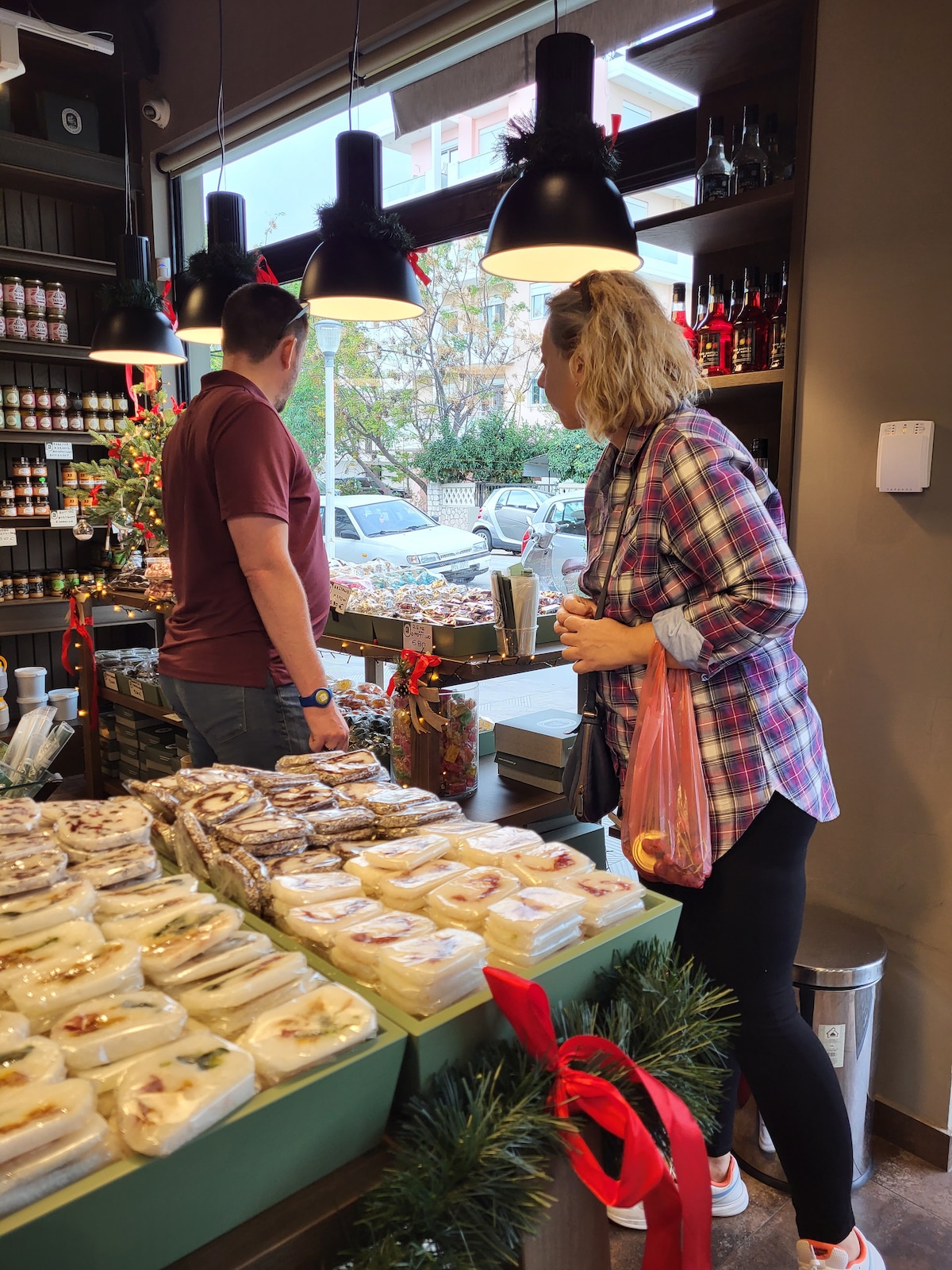
The Local Food markets tour
Wed, Feb 18 • 11:00 AM
851 32, Rhodes, Greece
View details
Nearby attractions of Palace of the Grand Master of the Knights of Rhodes
Medieval City of Rhodes
Medieval Clock Tower
Archaeological Museum of Rhodes
Street of the Knights of Rhodes
Suleymaniye Mosque
Sea Gate
Hippocrates Square
Decorative Arts Collection of Rhodes
Temple of Aphrodite
Saint Paul's Gate
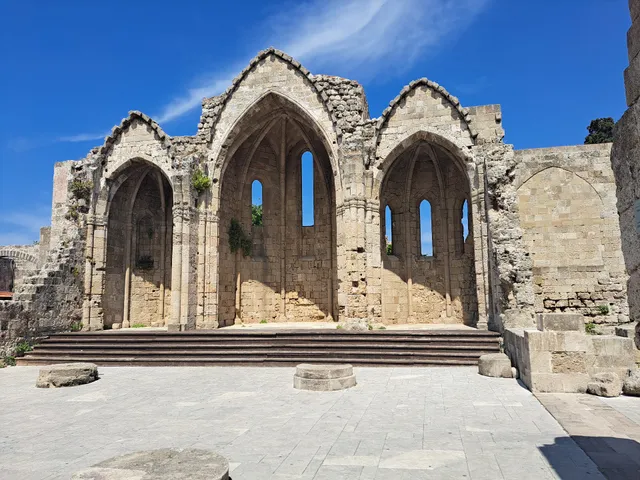
Medieval City of Rhodes
4.8
(9.9K)
Open until 12:00 AM
Click for details

Medieval Clock Tower
4.5
(772)
Closed
Click for details
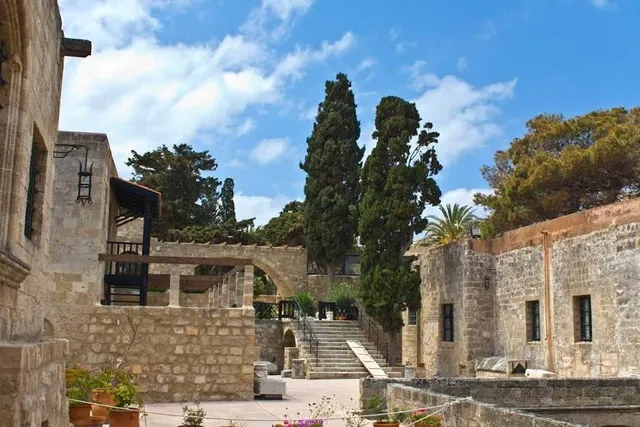
Archaeological Museum of Rhodes
4.6
(2.8K)
Open until 12:00 AM
Click for details
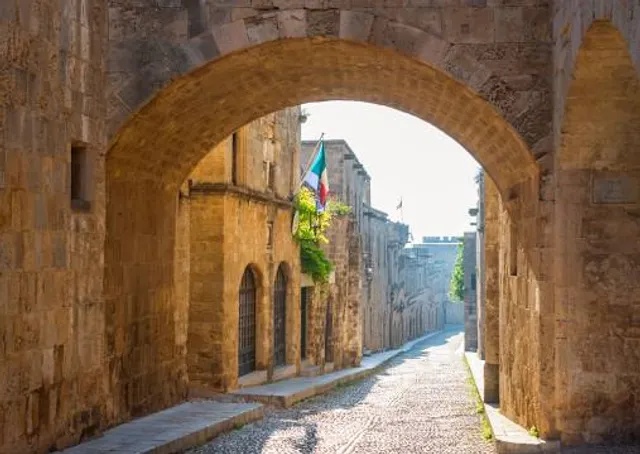
Street of the Knights of Rhodes
4.8
(1.4K)
Open until 12:00 AM
Click for details
Nearby restaurants of Palace of the Grand Master of the Knights of Rhodes
Mama Sofia
Socratous Garden
Romeo Restaurant
Fainos Restaurant
Boston Burger bar
Sissitio
Mama Mika
Afroditi Venus
Urban Burger Bar
Island Lipsi Restaurant
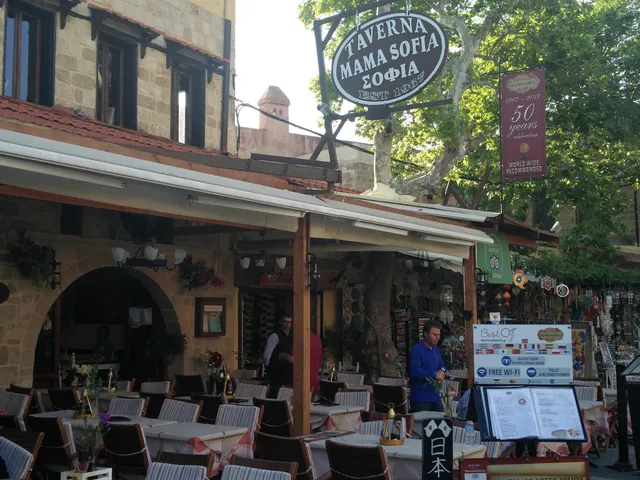
Mama Sofia
4.5
(2.4K)
$$
Click for details
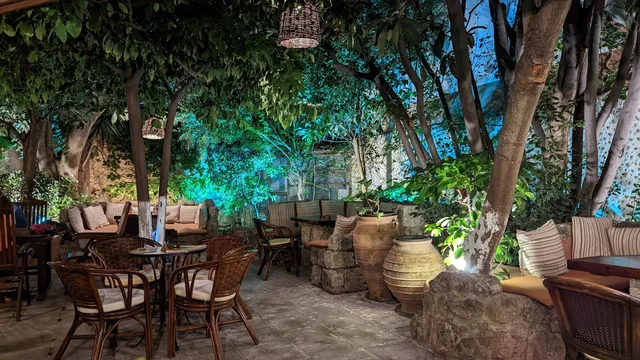
Socratous Garden
4.5
(2.5K)
Open until 12:00 AM
Click for details
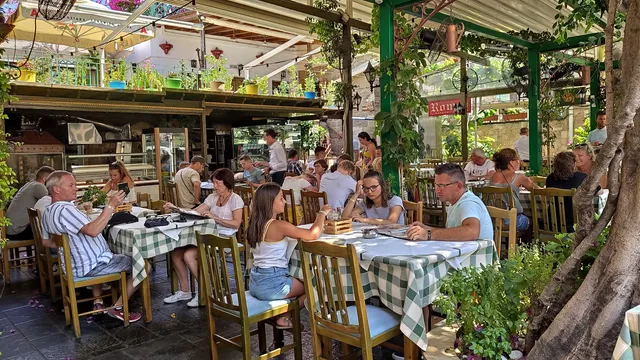
Romeo Restaurant
4.6
(2.6K)
$$
Closed
Click for details
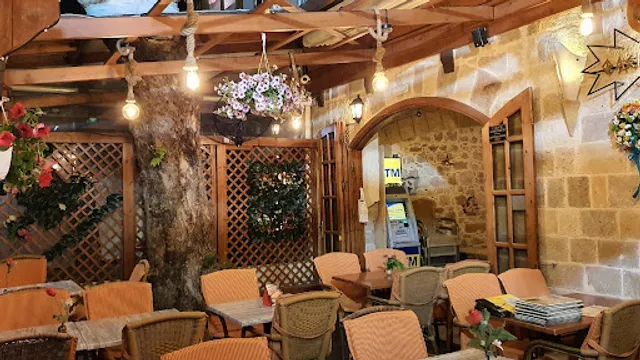
Fainos Restaurant
4.2
(371)
$$
Closed
Click for details
Nearby local services of Palace of the Grand Master of the Knights of Rhodes
Medieval City of Rhodes
Mevlana shisha bar Rhodes
Nea Agora
Hondos Center
Muslimische Bibliothek Hafız Ahmet Ağa
Our Lady of the Castle (Panayia)
the fruitlab
Pull & Bear
Marks & Spencer
Museum antiker griechischer Technologie von Rhodos
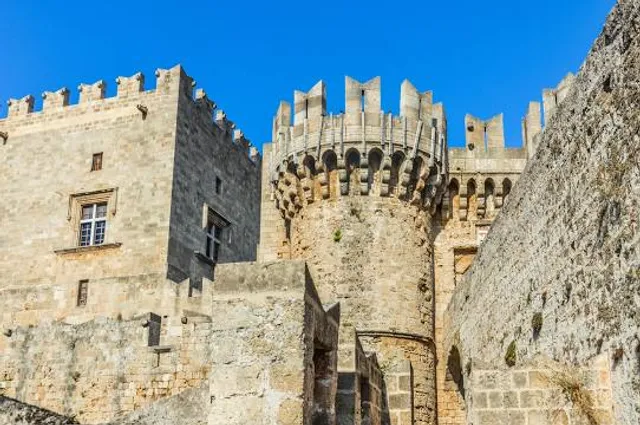
Medieval City of Rhodes
4.8
(6.5K)
Click for details
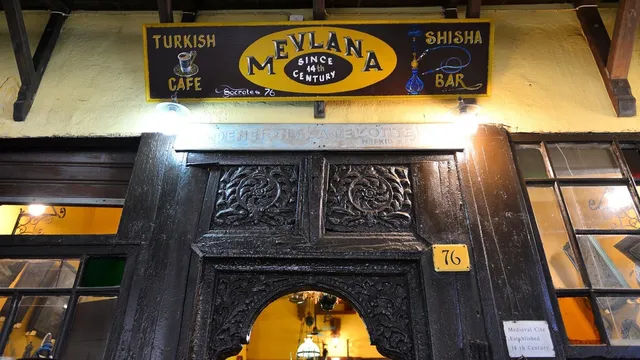
Mevlana shisha bar Rhodes
4.9
(855)
Click for details
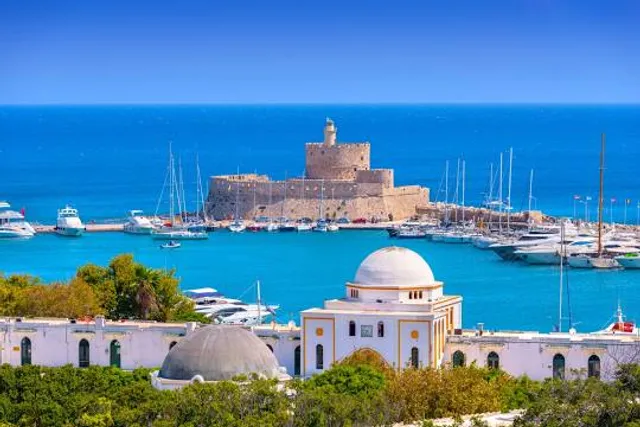
Nea Agora
4.3
(523)
Click for details
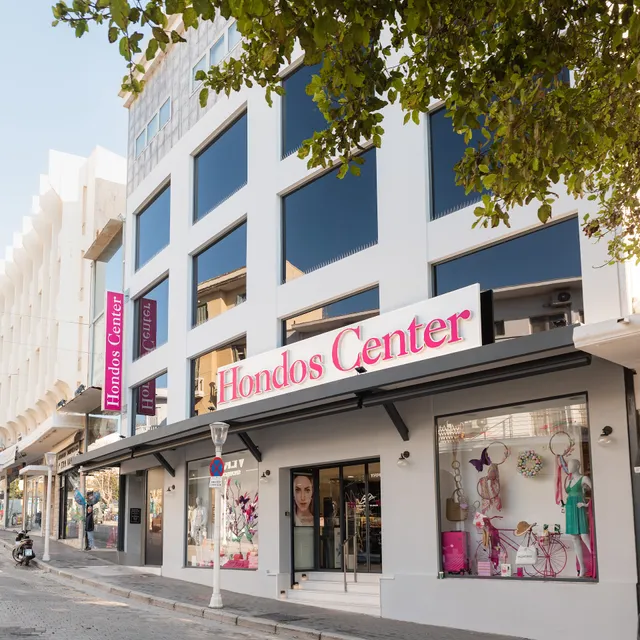
Hondos Center
4.2
(464)
Click for details