Archaeological Museum of Rhodes things to do, attractions, restaurants, events info and trip planning
Basic Info
Archaeological Museum of Rhodes
Akti Sachtouri 8, Rodos 851 00, Greece
4.6(2.8K)
Closed

tickets
Save
spot
spot
Ratings & Description
Info
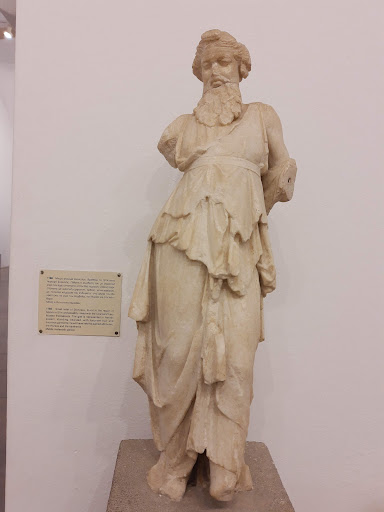
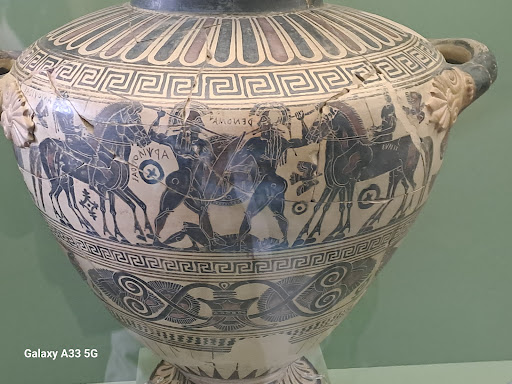
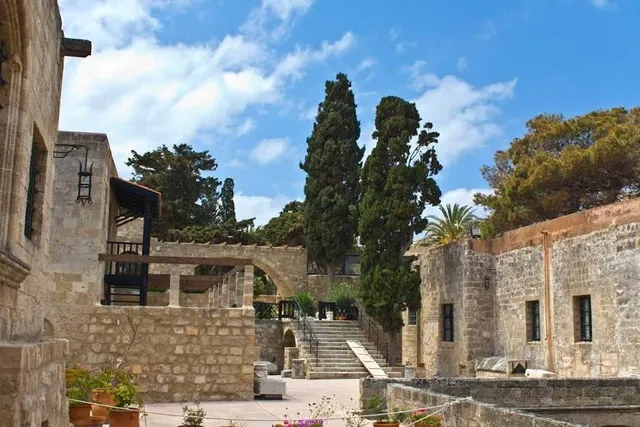
The Archaeological Museum of Rhodes is located in the Medieval City of Rhodes. The museum is housed in the monumental edifice that was the hospital of the Knights of Saint John. Construction was begun in 1440 and brought to completion in the time of the Grand Master d'Aubusson.
Cultural
Accessibility
attractions: Medieval City of Rhodes, Street of the Knights of Rhodes, Sea Gate, Hippocrates Square, Palace of the Grand Master of the Knights of Rhodes, Decorative Arts Collection of Rhodes, Temple of Aphrodite, Arnaldo Gate, Medieval Clock Tower, Path Of Gods - Greek History Museum, restaurants: Island Lipsi Restaurant, Beerõkouto, Zebrano Cafe Restaurant Bar, Socratous Garden, Romeo Restaurant, Sarris Bros., Fournariko, Zaytouna - All day food - Gyros Pizza Pasta Burgers Salads, Giallo Verde - Gelateria, Kambouropoulos, F. A., S.A., local businesses: Medieval City of Rhodes, Mevlana shisha bar Rhodes, Our Lady of the Castle (Panayia), Museum antiker griechischer Technologie von Rhodos, the fruitlab, Chillbox Rhodes, The Cellar of Knights, Nea Agora, Decan Bar, Hondos Center
 Learn more insights from Wanderboat AI.
Website
archaeologicalmuseums.gr
Open hoursSee all hours
Sun8:30 AM - 3:30 PMClosed
Plan your stay

Pet-friendly Hotels in Municipality of Rhodes
Find a cozy hotel nearby and make it a full experience.

Affordable Hotels in Municipality of Rhodes
Find a cozy hotel nearby and make it a full experience.

The Coolest Hotels You Haven't Heard Of (Yet)
Find a cozy hotel nearby and make it a full experience.

Trending Stays Worth the Hype in Municipality of Rhodes
Find a cozy hotel nearby and make it a full experience.
Reviews
Live events

Explore hidden Rhodes
Sun, Feb 22 • 7:00 AM
851 00, Rhodes, Greece
View details
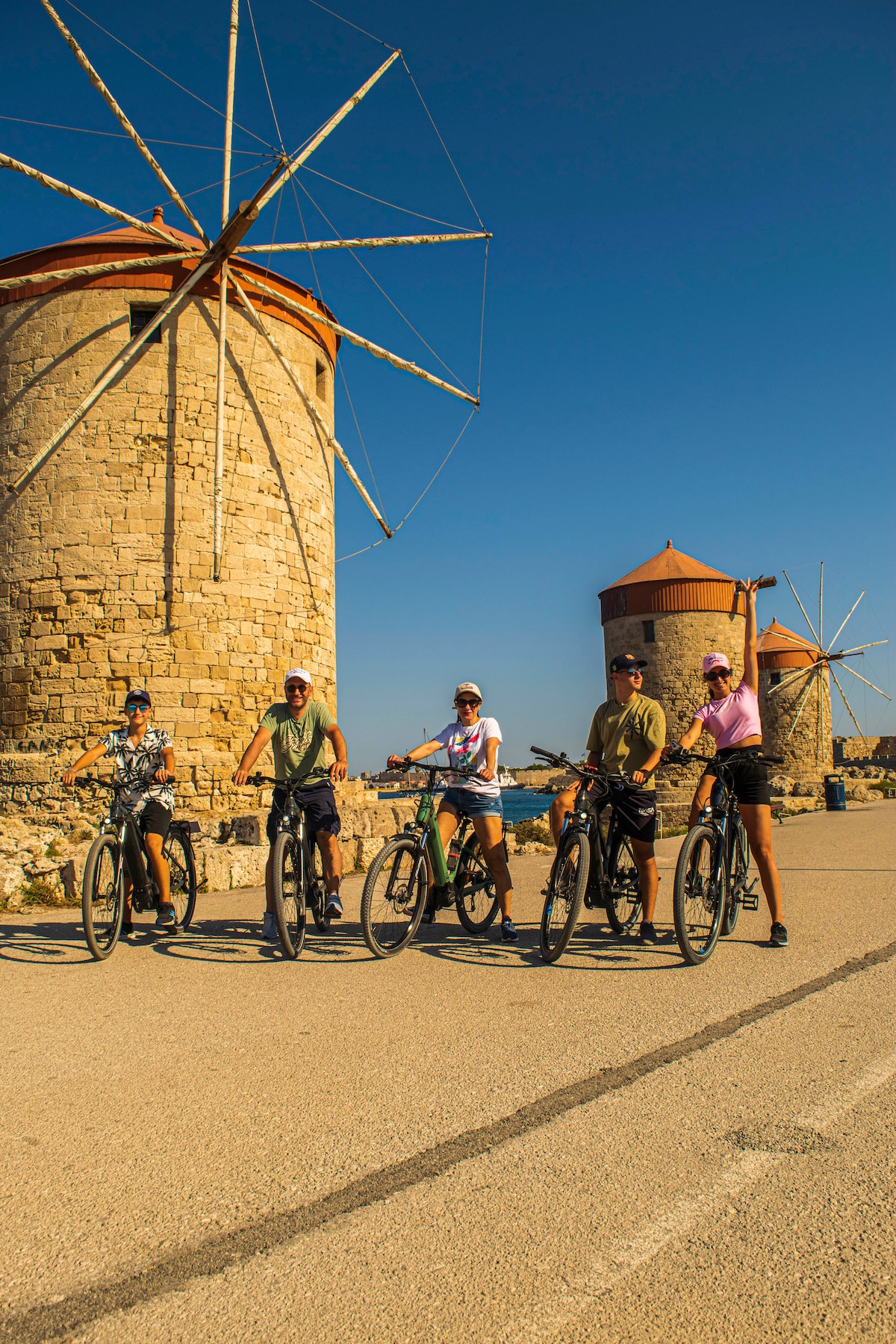
Ride medieval Rhodes with e-bike specialist
Sun, Feb 22 • 9:00 AM
85100, Rhodes, Greece
View details
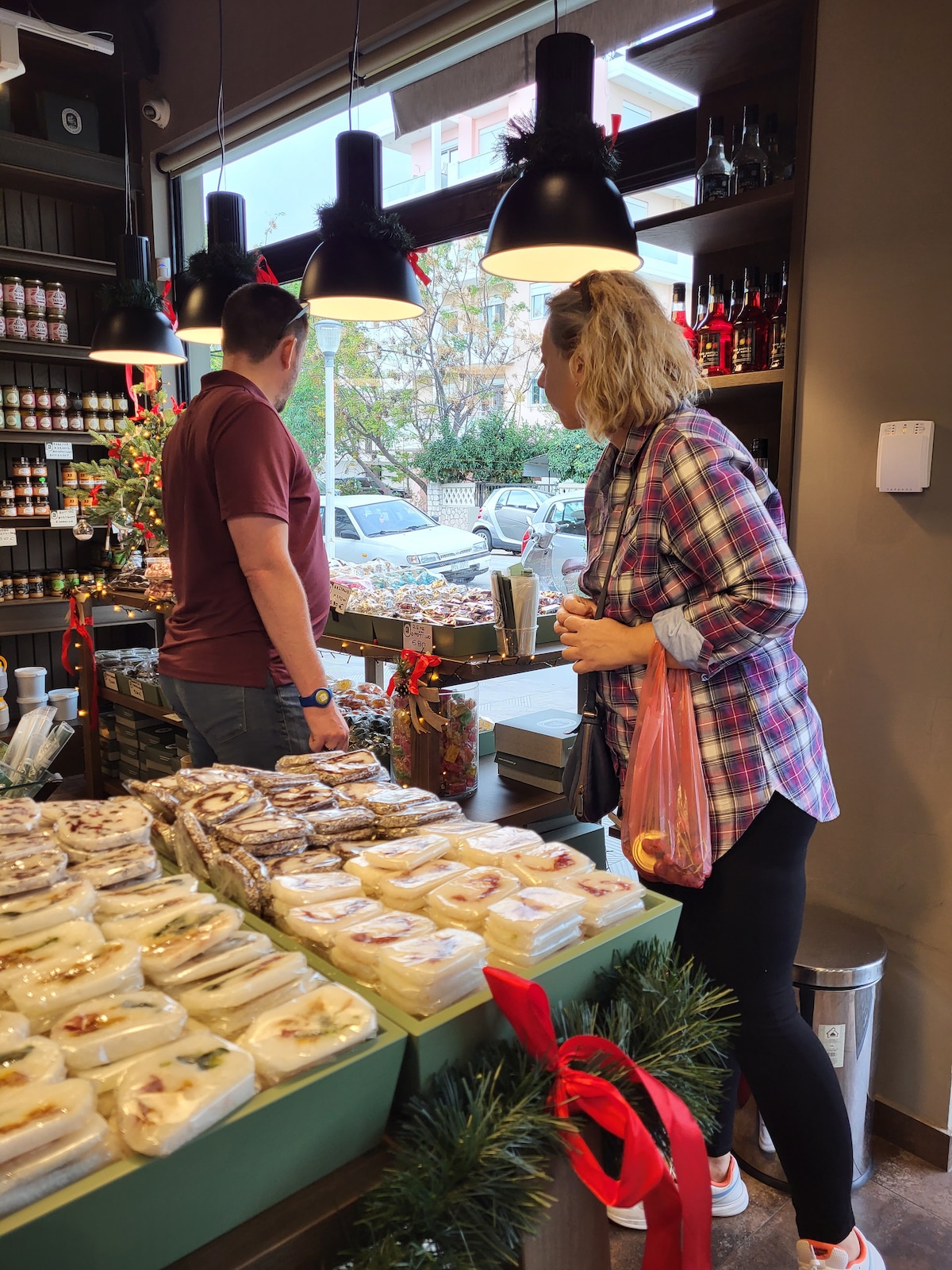
The Local Food markets tour
Mon, Feb 23 • 11:00 AM
851 32, Rhodes, Greece
View details
Nearby attractions of Archaeological Museum of Rhodes
Medieval City of Rhodes
Street of the Knights of Rhodes
Sea Gate
Hippocrates Square
Palace of the Grand Master of the Knights of Rhodes
Decorative Arts Collection of Rhodes
Temple of Aphrodite
Arnaldo Gate
Medieval Clock Tower
Path Of Gods - Greek History Museum
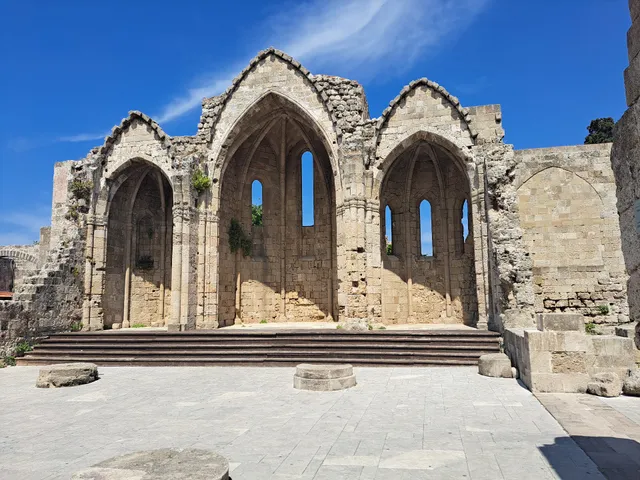
Medieval City of Rhodes
4.8
(9.9K)
Open until 12:00 AM
Click for details
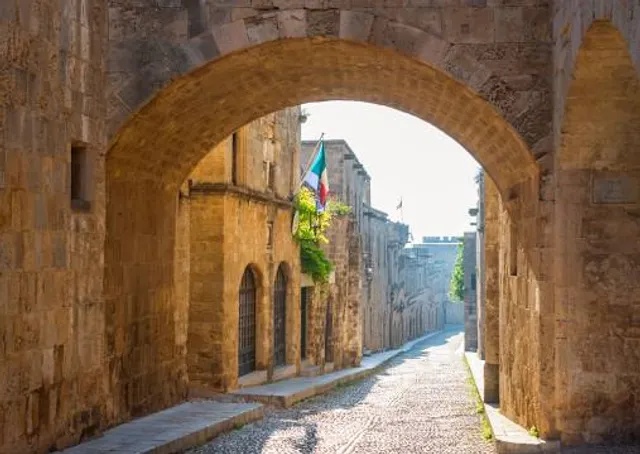
Street of the Knights of Rhodes
4.8
(1.4K)
Open until 12:00 AM
Click for details
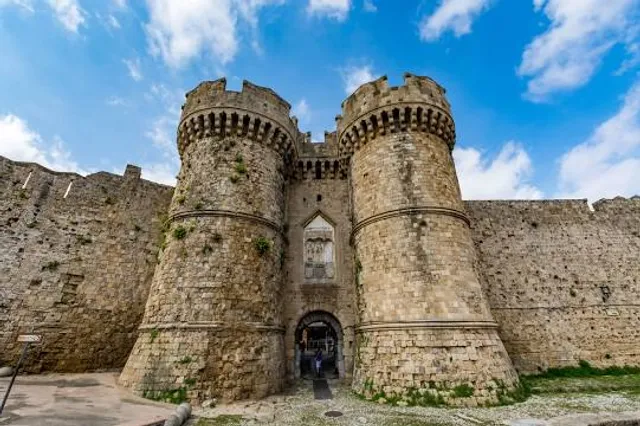
Sea Gate
4.7
(2.8K)
Open until 12:00 AM
Click for details
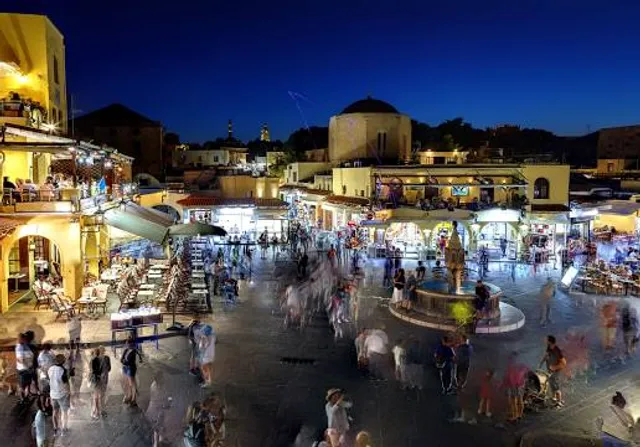
Hippocrates Square
4.6
(2.6K)
Open until 12:00 AM
Click for details
Nearby restaurants of Archaeological Museum of Rhodes
Island Lipsi Restaurant
Beerõkouto
Zebrano Cafe Restaurant Bar
Socratous Garden
Romeo Restaurant
Sarris Bros.
Fournariko
Zaytouna - All day food - Gyros Pizza Pasta Burgers Salads
Giallo Verde - Gelateria
Kambouropoulos, F. A., S.A.
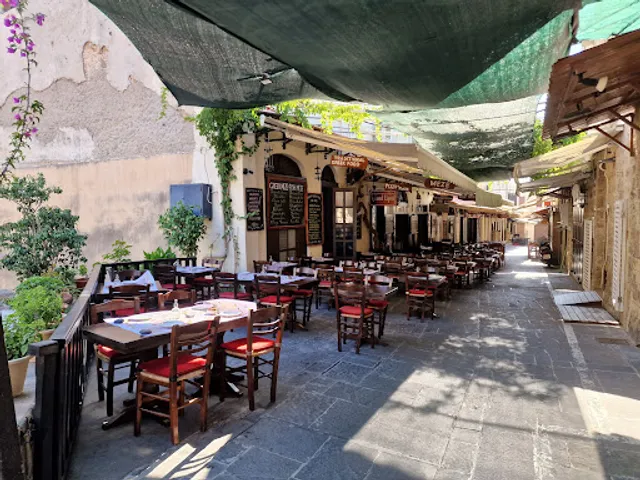
Island Lipsi Restaurant
4.4
(1.5K)
$$
Closed
Click for details
Beerõkouto
4.9
(859)
$$
Open until 1:00 AM
Click for details
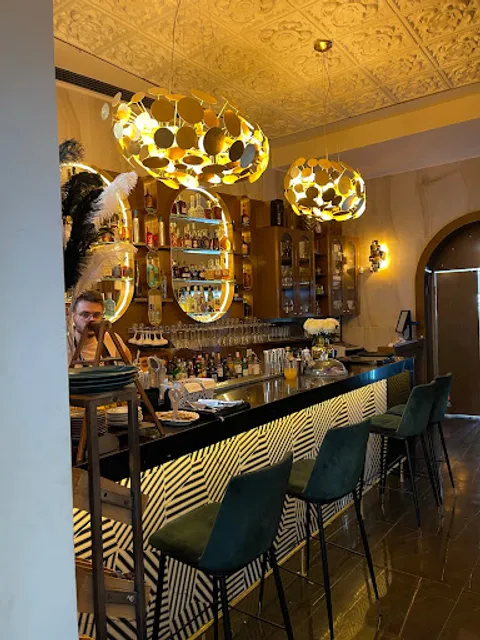
Zebrano Cafe Restaurant Bar
4.1
(586)
$$
Click for details
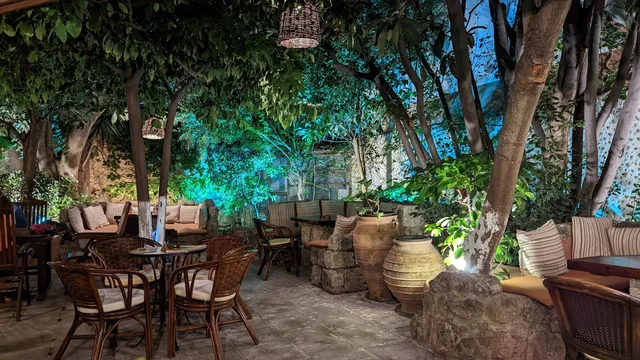
Socratous Garden
4.5
(2.5K)
Closed
Click for details
Nearby local services of Archaeological Museum of Rhodes
Medieval City of Rhodes
Mevlana shisha bar Rhodes
Our Lady of the Castle (Panayia)
Museum antiker griechischer Technologie von Rhodos
the fruitlab
Chillbox Rhodes
The Cellar of Knights
Nea Agora
Decan Bar
Hondos Center
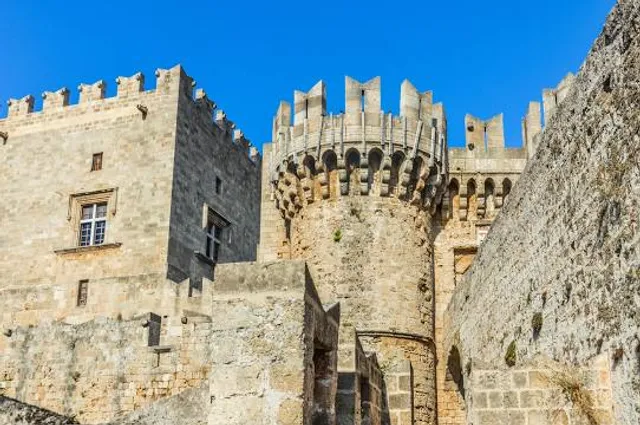
Medieval City of Rhodes
4.8
(6.5K)
Click for details
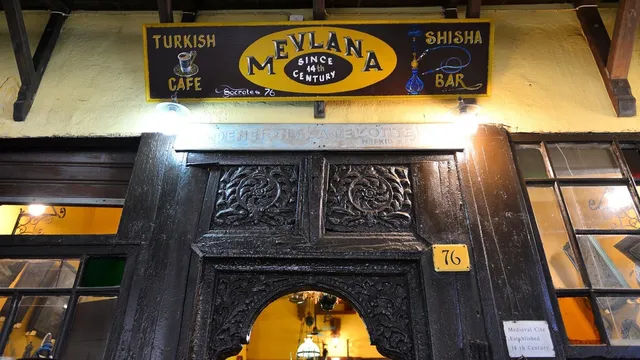
Mevlana shisha bar Rhodes
4.9
(855)
Click for details
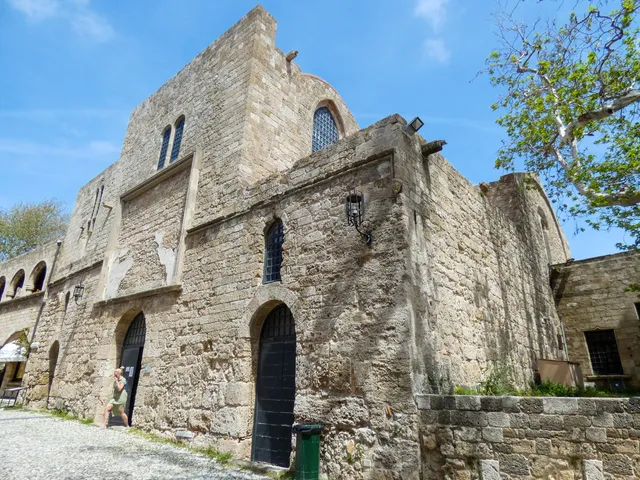
Our Lady of the Castle (Panayia)
4.4
(162)
Click for details
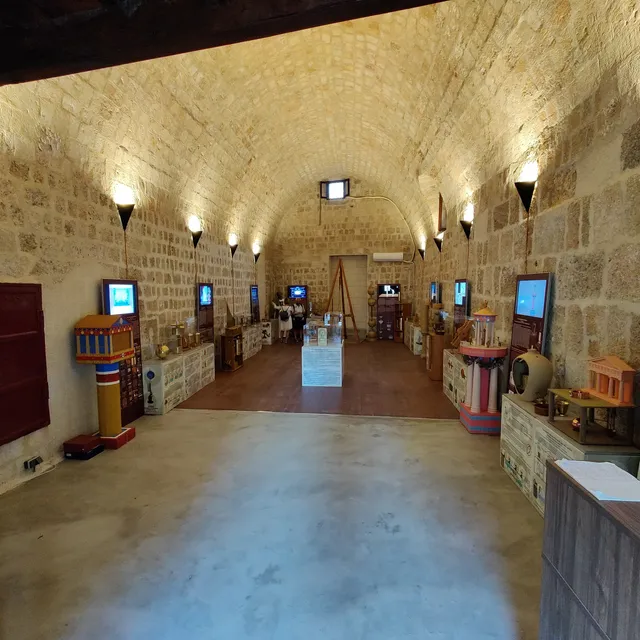
Museum antiker griechischer Technologie von Rhodos
4.8
(90)
Click for details