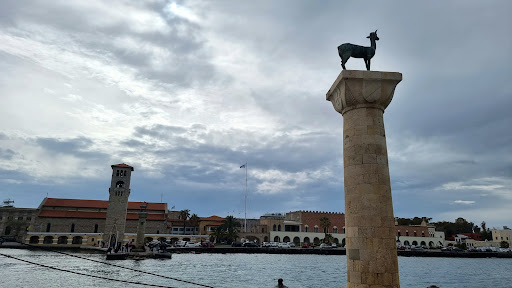
Saint Nicholas Fortress things to do, attractions, restaurants, events info and trip planning
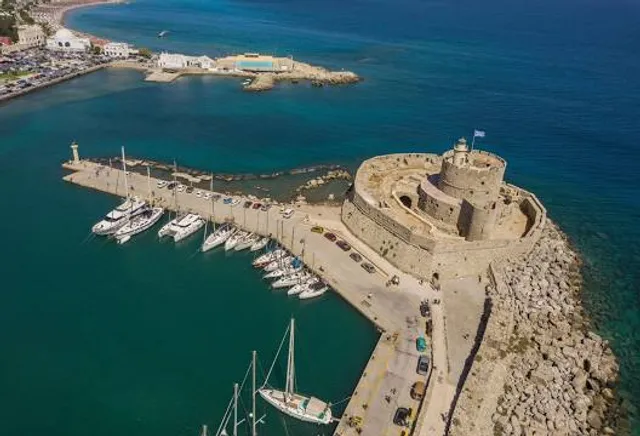
Basic Info
Saint Nicholas Fortress
Rhodes 851 00, Greece
4.5(314)
Open until 12:00 AM
Save
spot
spot
Ratings & Description
Info
St. Nicholas Fortress is a fortress located at the entrance to St. Anthony Channel, near the town of Šibenik in central Dalmatia, Croatia. It was included in UNESCO's World Heritage Site list as part of "Venetian Works of Defence between 16th and 17th centuries: Stato da Terra – western Stato da mar" in 2017.
Cultural
Scenic
Family friendly
attractions: Myth Colossus of Rhodes, Windmills of Rhodes, Throne of Helios: The History of Rhodes 9D Experience, Medieval City of Rhodes, Palace of the Grand Master of the Knights of Rhodes, Saint Paul's Gate, Archaeological Museum of Rhodes, Street of the Knights of Rhodes, Temple of Aphrodite, Sea Gate, restaurants: RONDA - Resto | Beach-Bar, NOR Beach House Project, People & People, Aktaion Classic, Meltemi, Elli World Rhodes, Monk Coffee/The Pure Roasters, Blue Lagoon, Azul Rhodes, Yachting Club Cafe, local businesses: Church of the Annunciation of the Theotokos, Church of the Annunciation of the Theotokos, Nea Agora, Hondos Center, Pull & Bear, Rhodes Casino, Medieval City of Rhodes, Victoria Mansion, Marks & Spencer, Our Lady of the Castle (Panayia)
 Learn more insights from Wanderboat AI.
Phone
+30 2241 365200
Open hoursSee all hours
WedOpen 24 hoursOpen
Plan your stay

Pet-friendly Hotels in Municipality of Rhodes
Find a cozy hotel nearby and make it a full experience.

Affordable Hotels in Municipality of Rhodes
Find a cozy hotel nearby and make it a full experience.

The Coolest Hotels You Haven't Heard Of (Yet)
Find a cozy hotel nearby and make it a full experience.

Trending Stays Worth the Hype in Municipality of Rhodes
Find a cozy hotel nearby and make it a full experience.
Reviews
Live events
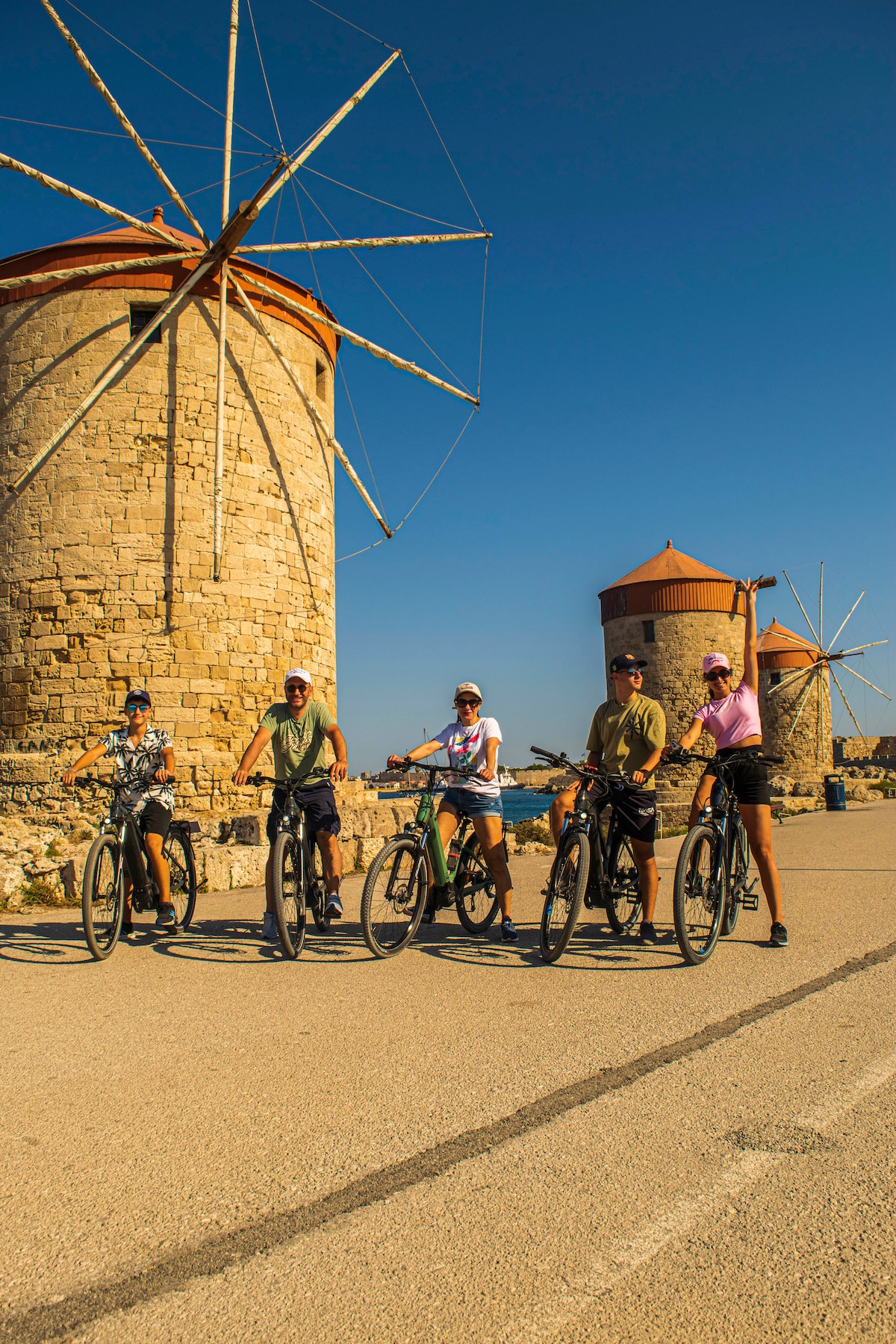
Ride medieval Rhodes with e-bike specialist
Thu, Feb 26 • 9:00 AM
85100, Rhodes, Greece
View details
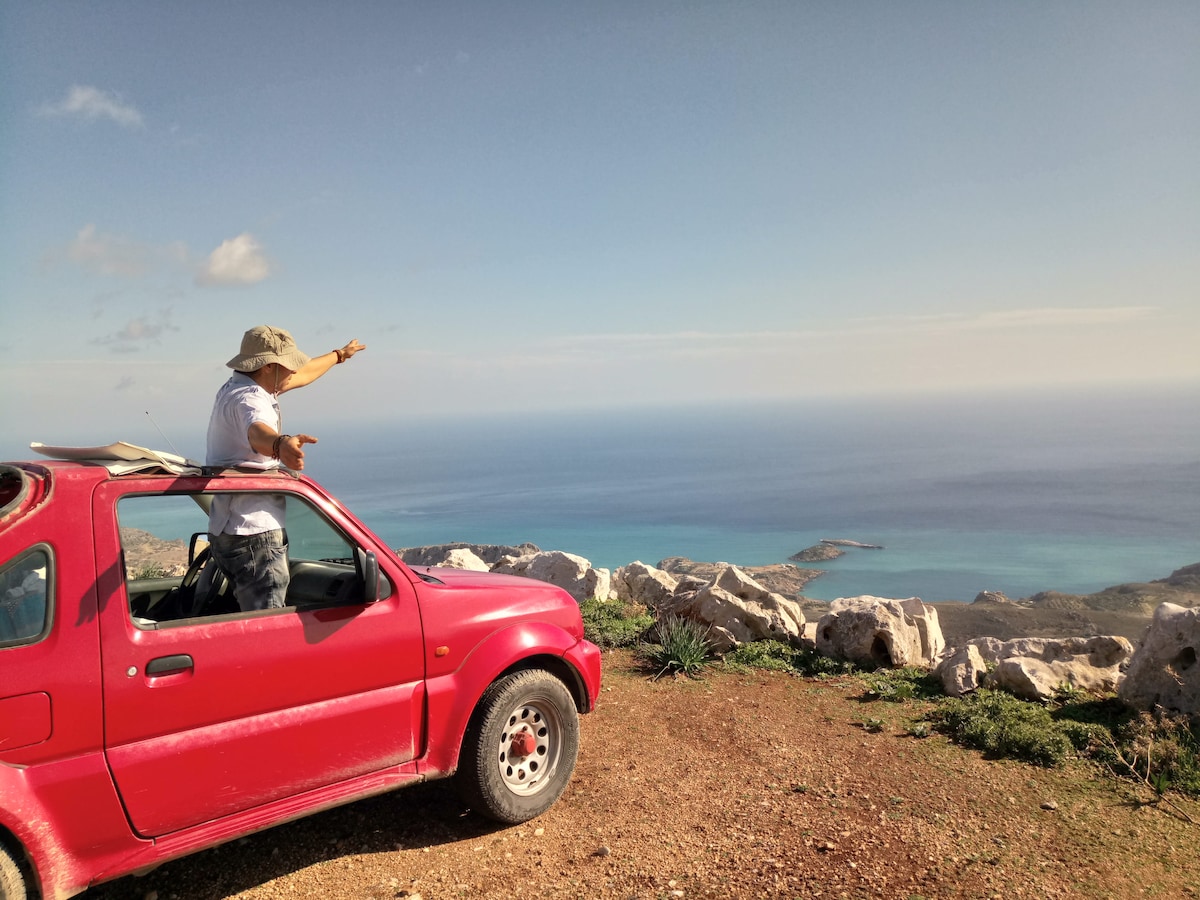
Explore hidden Rhodes
Wed, Feb 25 • 7:00 AM
851 00, Rhodes, Greece
View details
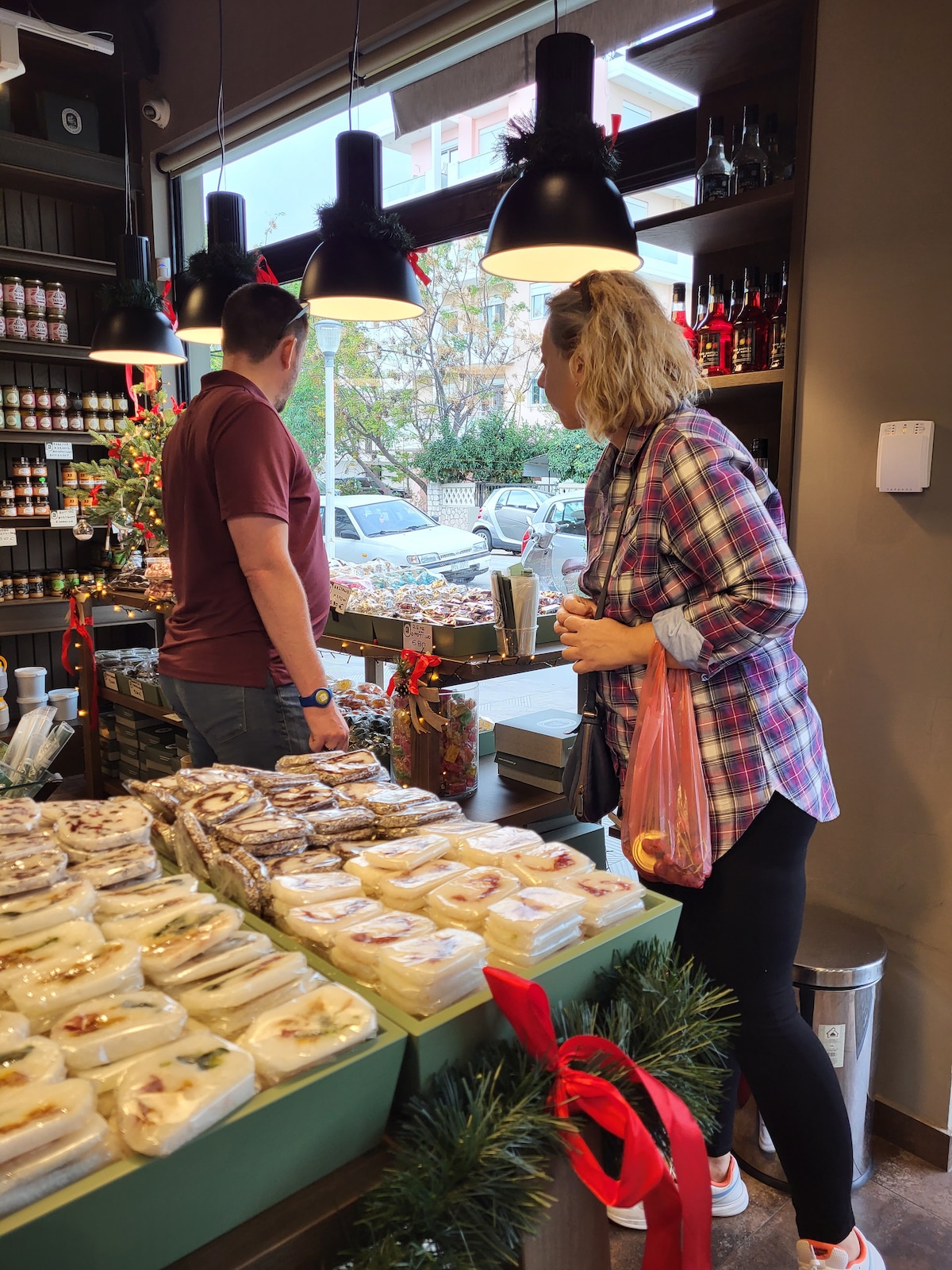
The Local Food markets tour
Wed, Feb 25 • 11:00 AM
851 32, Rhodes, Greece
View details
Nearby attractions of Saint Nicholas Fortress
Myth Colossus of Rhodes
Windmills of Rhodes
Throne of Helios: The History of Rhodes 9D Experience
Medieval City of Rhodes
Palace of the Grand Master of the Knights of Rhodes
Saint Paul's Gate
Archaeological Museum of Rhodes
Street of the Knights of Rhodes
Temple of Aphrodite
Sea Gate
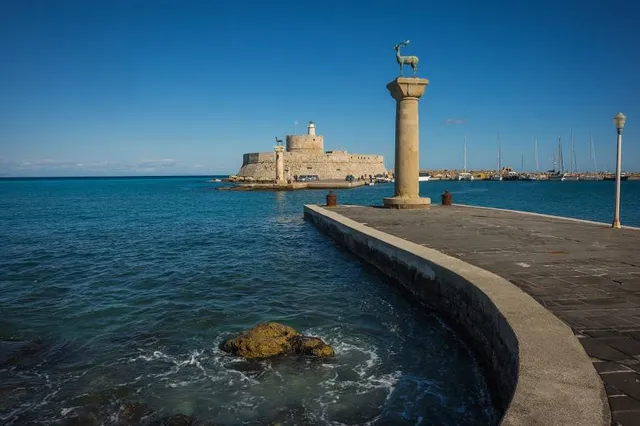
Myth Colossus of Rhodes
4.5
(2.3K)
Open 24 hours
Click for details
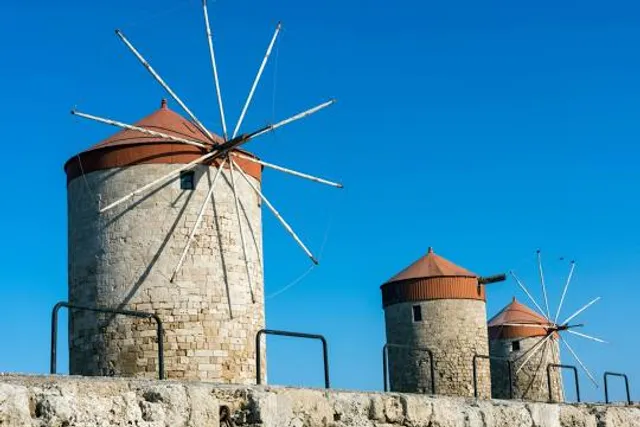
Windmills of Rhodes
4.6
(825)
Open until 12:00 AM
Click for details
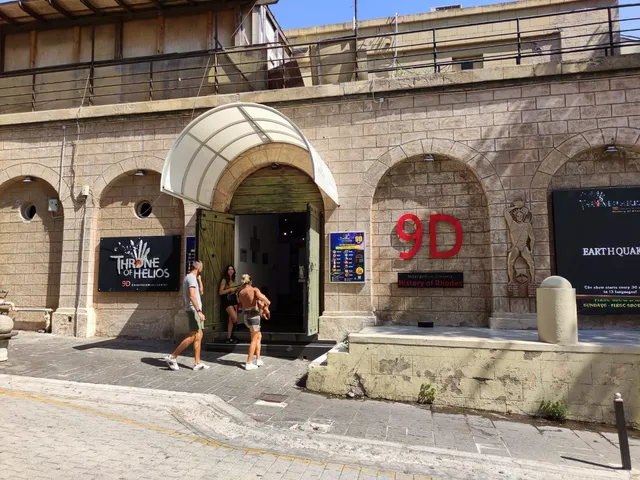
Throne of Helios: The History of Rhodes 9D Experience
4.5
(722)
Open until 12:00 AM
Click for details
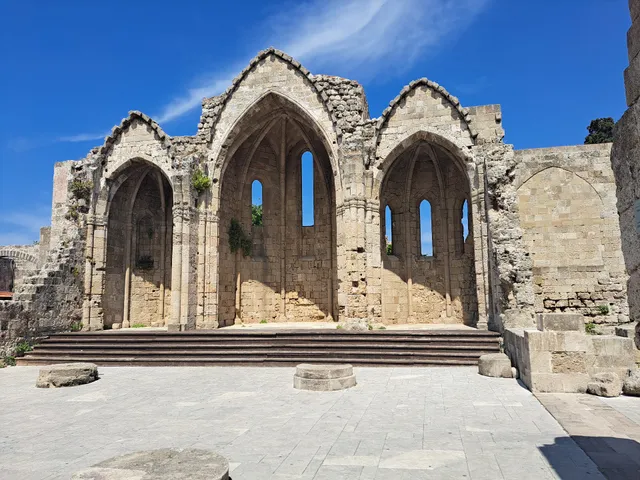
Medieval City of Rhodes
4.8
(10K)
Open until 12:00 AM
Click for details
Nearby restaurants of Saint Nicholas Fortress
RONDA - Resto | Beach-Bar
NOR Beach House Project
People & People
Aktaion Classic
Meltemi
Elli World Rhodes
Monk Coffee/The Pure Roasters
Blue Lagoon
Azul Rhodes
Yachting Club Cafe
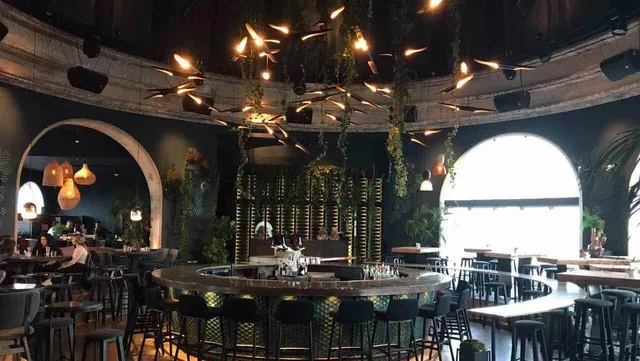
RONDA - Resto | Beach-Bar
4.1
(2.3K)
Open until 2:00 AM
Click for details
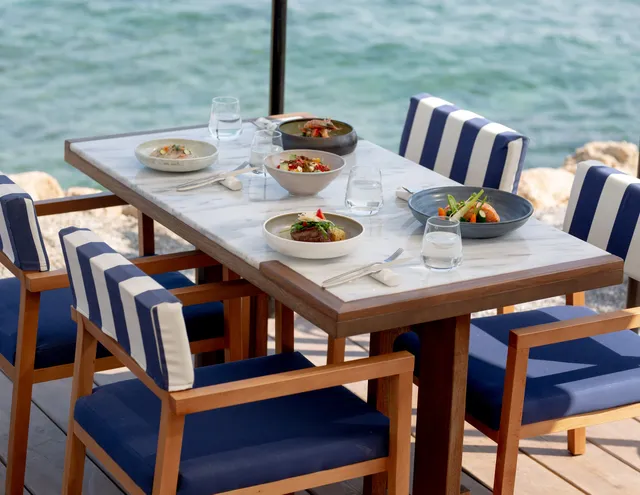
NOR Beach House Project
4.3
(432)
Click for details
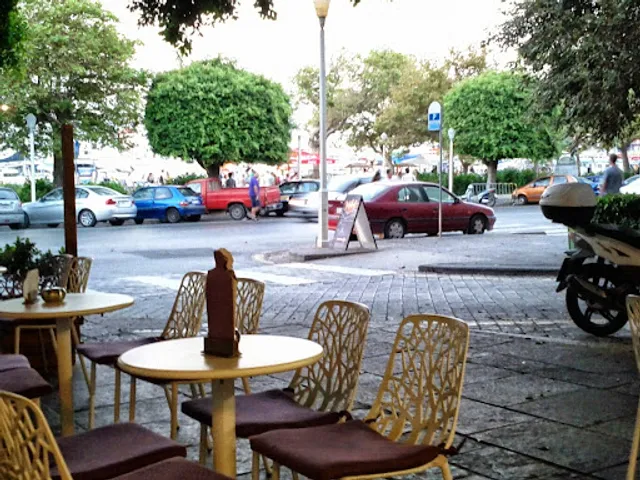
People & People
4.6
(606)
Open until 1:00 AM
Click for details
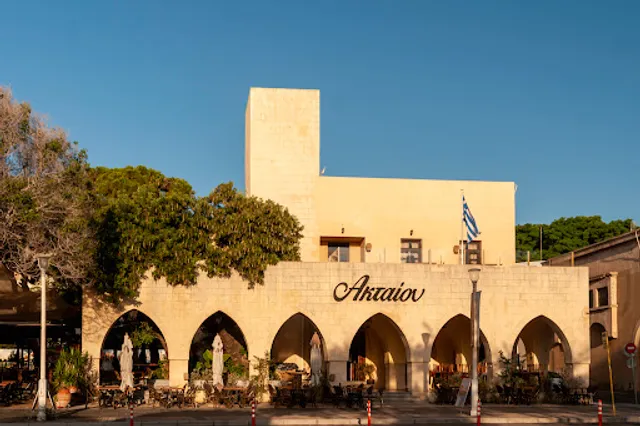
Aktaion Classic
4.2
(916)
$$
Click for details
Nearby local services of Saint Nicholas Fortress
Church of the Annunciation of the Theotokos
Church of the Annunciation of the Theotokos
Nea Agora
Hondos Center
Pull & Bear
Rhodes Casino
Medieval City of Rhodes
Victoria Mansion
Marks & Spencer
Our Lady of the Castle (Panayia)
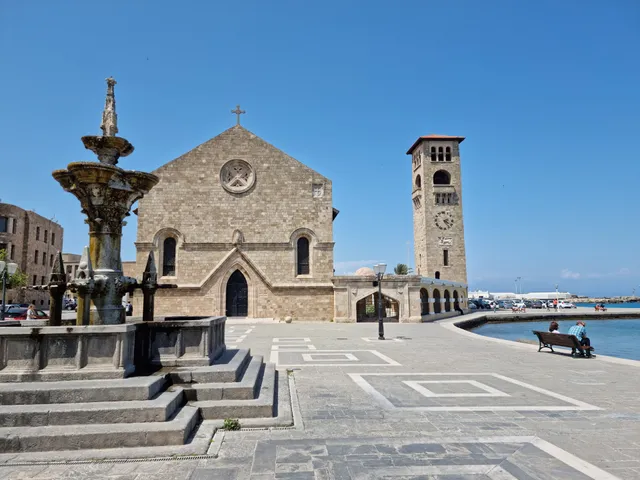
Church of the Annunciation of the Theotokos
4.8
(169)
Click for details
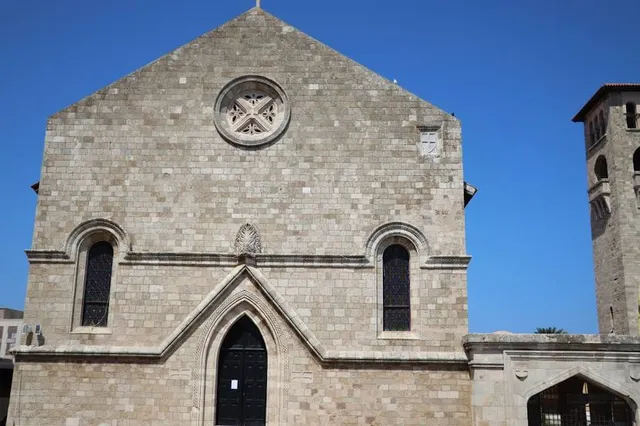
Church of the Annunciation of the Theotokos
4.8
(111)
Click for details
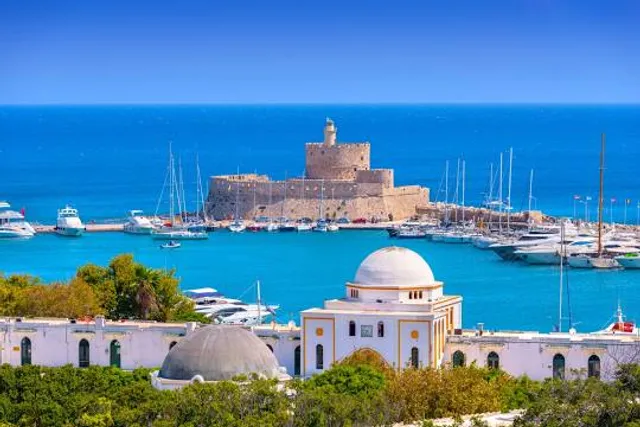
Nea Agora
4.3
(508)
Click for details
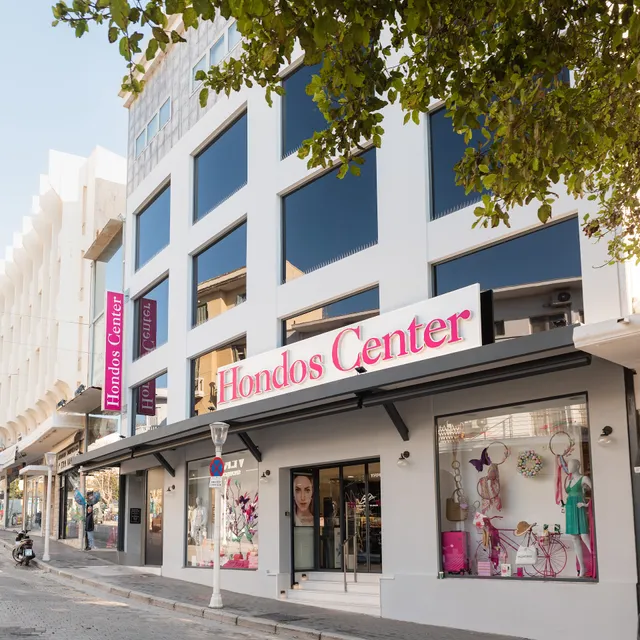
Hondos Center
4.2
(446)
Click for details