Latomos Monastery - Holy Church of Hosios David things to do, attractions, restaurants, events info and trip planning
GreeceMacedonia and ThraceMunicipality of ThessalonikiLatomos Monastery - Holy Church of Hosios David
Basic Info
Latomos Monastery - Holy Church of Hosios David
Epimenidou 17, Thessaloniki 546 33, Greece
4.8(441)
Closed
Save
spot
spot
Ratings & Description
Info
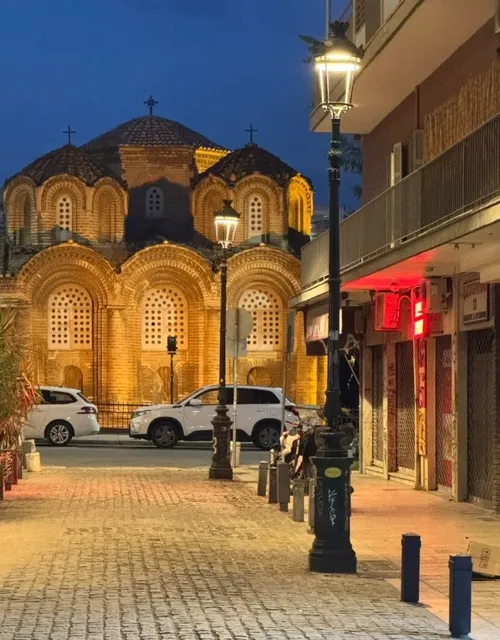
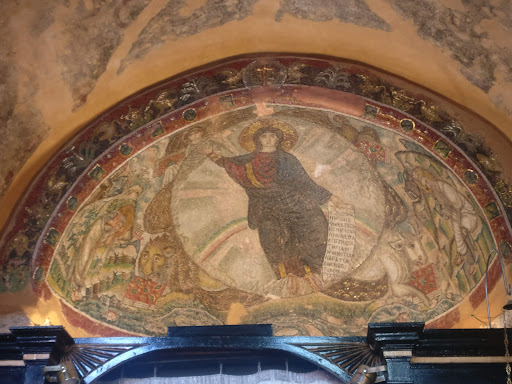
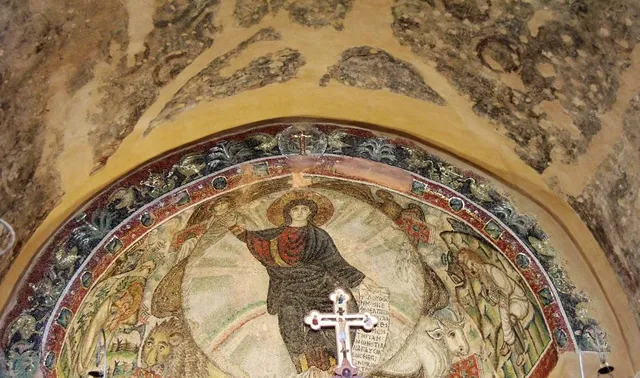
The Church of Hosios David is a late 5th-century church in Thessaloniki, Greece. During Byzantine times, it functioned as the katholikon of the Latomos Monastery, and was adorned with rich mosaic and fresco decoration, which was renewed in the 12th–14th centuries. The church is dedicated to David the Dendrite.
Cultural
Scenic
Family friendly
Accessibility
attractions: Vlatadon Monastery, Musa Baba Mausoleum, Byzantine Bath of Thessaloniki, Holy Church of the All-Great Taxiarchs, Church of Prophet Elijah, Aladja Imaret (Ishak Pasha Mosque), Ataturk Museum of Thessaloniki, Trigonion Tower, Tower of Manuel Palaiologos, Holy Church of Saint Nicholas Orphanos, restaurants: Wall by Wall, Drosia, Tsinari tavern, Anopolis, Konaki, Koukida Fun-Seafood, Nea Folia, Aigli Geni Hamam, Sarantoulis Greek Tavern, Byzantio Skybar & Bistro, local businesses: Acropolis Walls, Pasha’s Gardens, Cafe Prigipos, Cultural Venue of Islahane, Old School Barber Shop, Fast Pizza, Open Lab Μπουγατσοποιείο, Holy Church of Saint Panteleimon, TREE HOUSE REAL ESTATE, Holy Church of Saint Panteleimon
 Learn more insights from Wanderboat AI.
Phone
+30 231 026 1376
Open hoursSee all hours
Sat9 AM - 3:30 PMClosed
Plan your stay

Pet-friendly Hotels in Municipality of Thessaloniki
Find a cozy hotel nearby and make it a full experience.

Affordable Hotels in Municipality of Thessaloniki
Find a cozy hotel nearby and make it a full experience.

The Coolest Hotels You Haven't Heard Of (Yet)
Find a cozy hotel nearby and make it a full experience.

Trending Stays Worth the Hype in Municipality of Thessaloniki
Find a cozy hotel nearby and make it a full experience.
Reviews
Live events
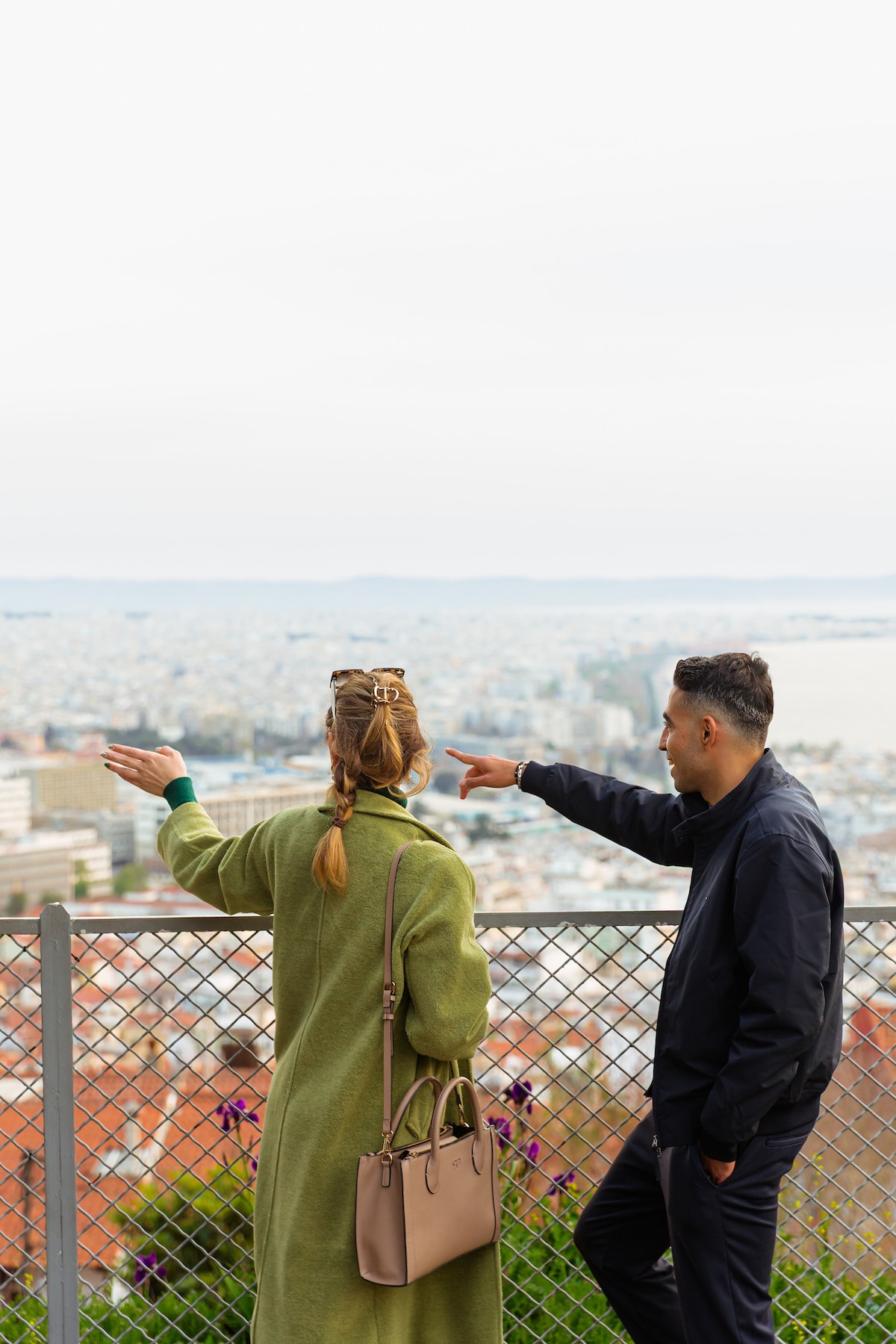
Thessaloniki walking tour-Greek language&Culture
Sat, Jan 31 • 10:30 AM
542 48, Thessaloniki, Greece
View details
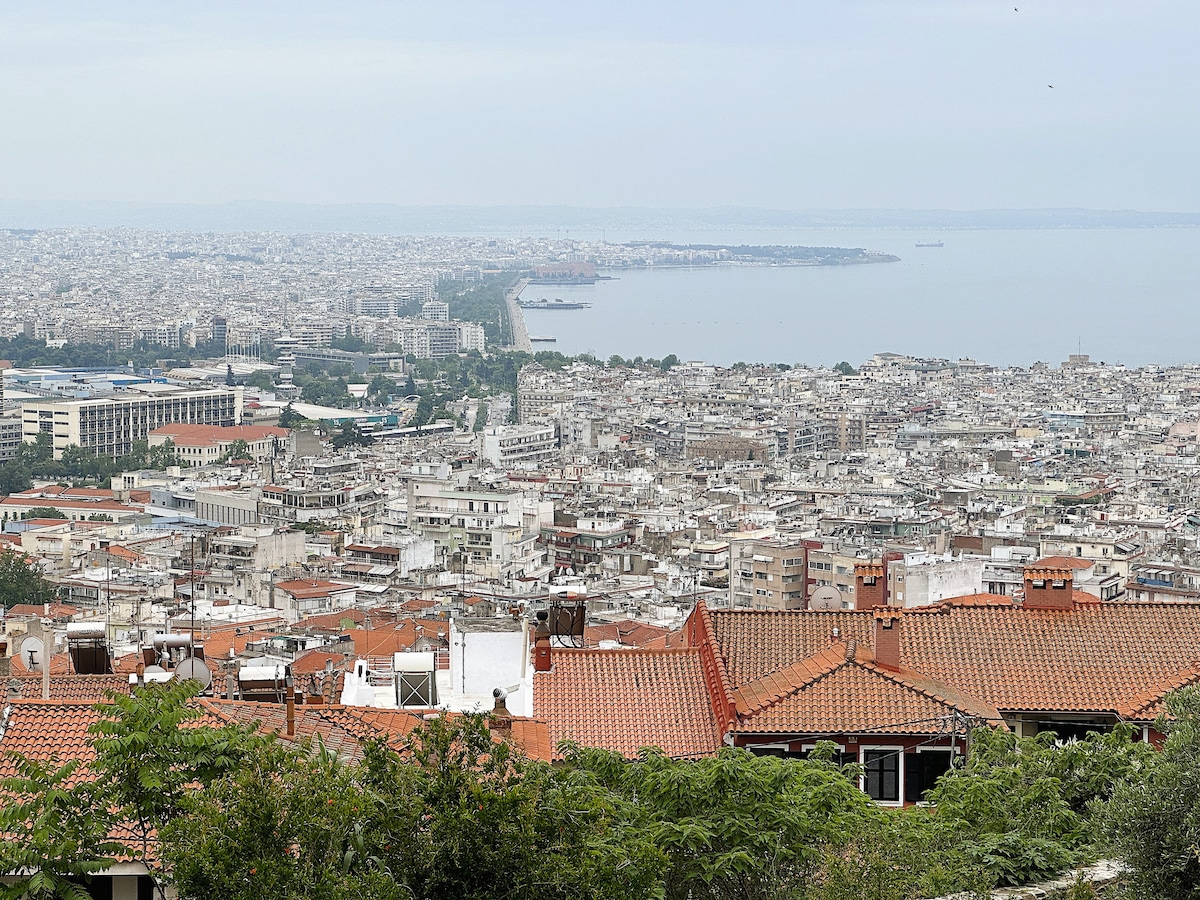
Old Town Tour: Culture-History-Myths-Nature
Sun, Feb 1 • 8:30 AM
546 34, Thessaloniki, Greece
View details
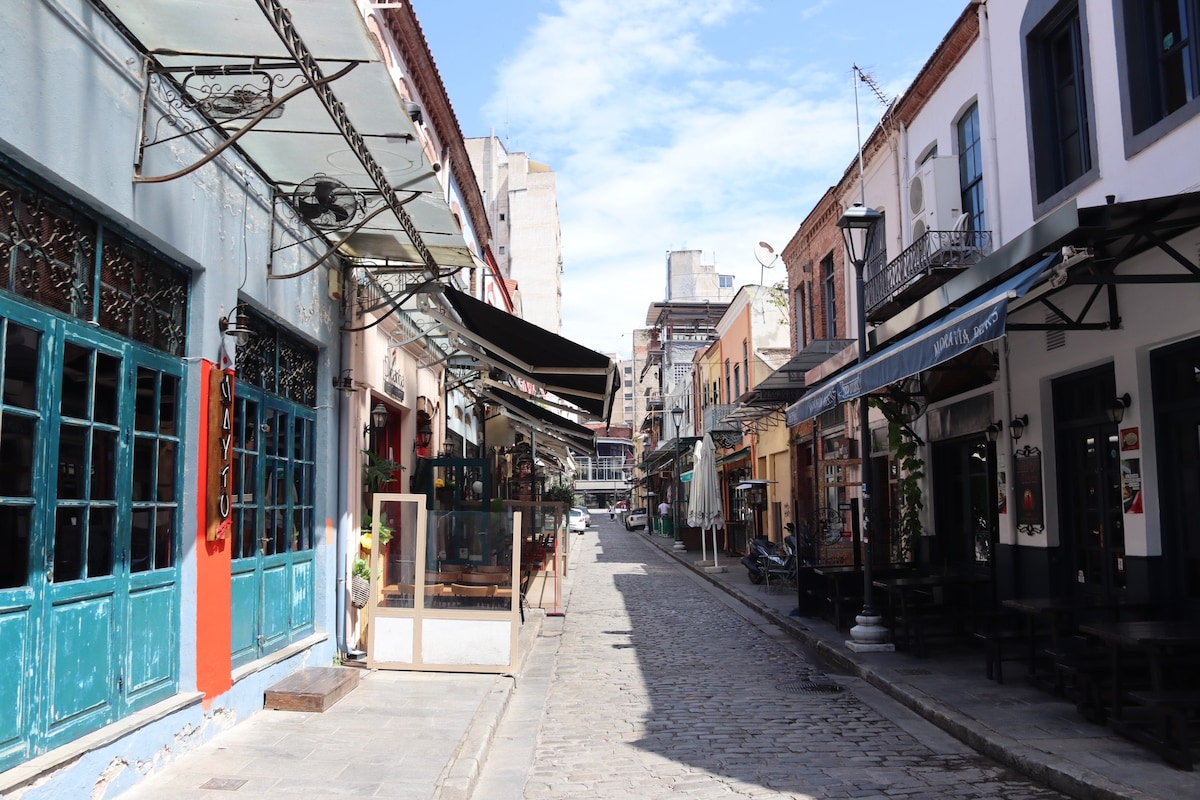
Explore Thessaloniki
Sat, Jan 31 • 12:30 PM
546 24, Thessaloniki, Greece
View details
Nearby attractions of Latomos Monastery - Holy Church of Hosios David
Vlatadon Monastery
Musa Baba Mausoleum
Byzantine Bath of Thessaloniki
Holy Church of the All-Great Taxiarchs
Church of Prophet Elijah
Aladja Imaret (Ishak Pasha Mosque)
Ataturk Museum of Thessaloniki
Trigonion Tower
Tower of Manuel Palaiologos
Holy Church of Saint Nicholas Orphanos
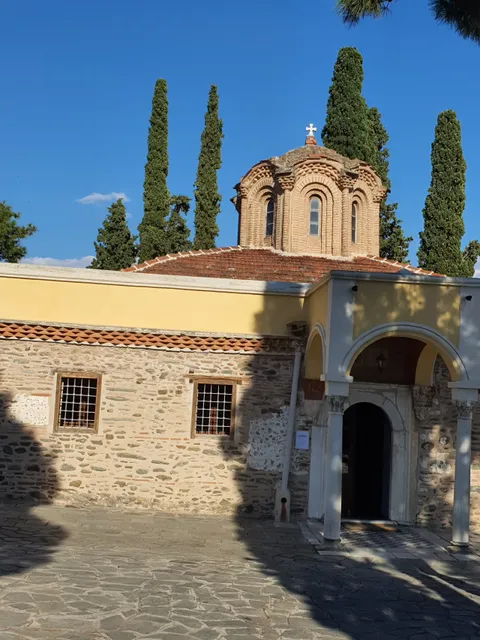
Vlatadon Monastery
4.7
(1.6K)
Closed
Click for details
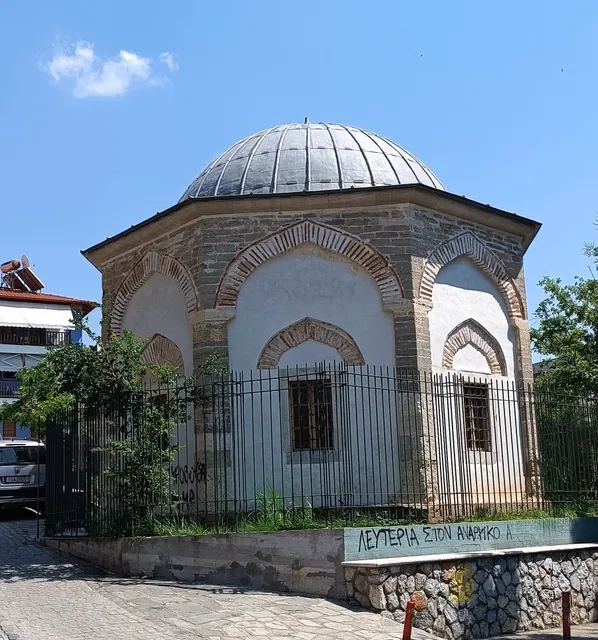
Musa Baba Mausoleum
4.3
(84)
Open 24 hours
Click for details
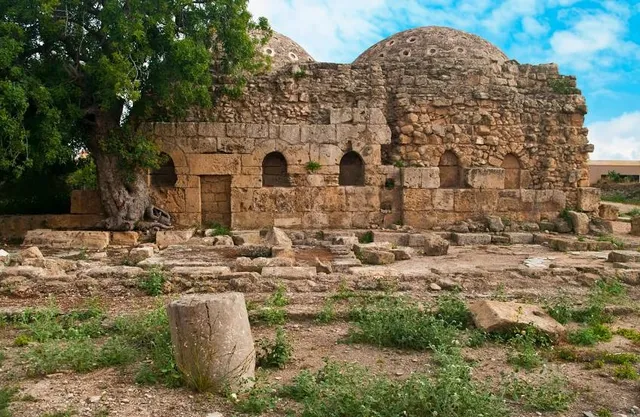
Byzantine Bath of Thessaloniki
4.6
(171)
Open until 12:00 AM
Click for details
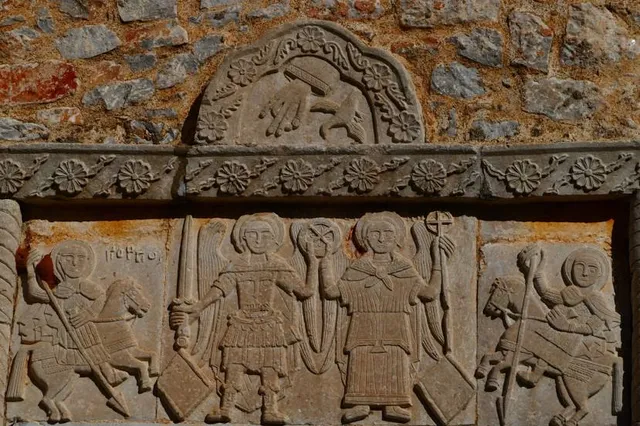
Holy Church of the All-Great Taxiarchs
4.8
(273)
Closed
Click for details
Nearby restaurants of Latomos Monastery - Holy Church of Hosios David
Wall by Wall
Drosia
Tsinari tavern
Anopolis
Konaki
Koukida Fun-Seafood
Nea Folia
Aigli Geni Hamam
Sarantoulis Greek Tavern
Byzantio Skybar & Bistro
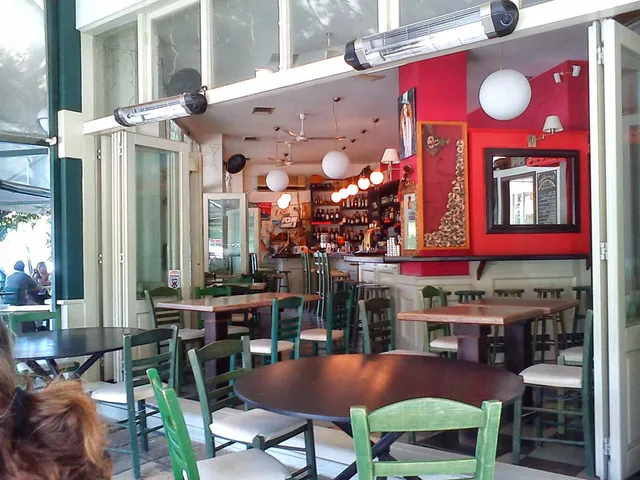
Wall by Wall
4.5
(2.4K)
Closed
Click for details
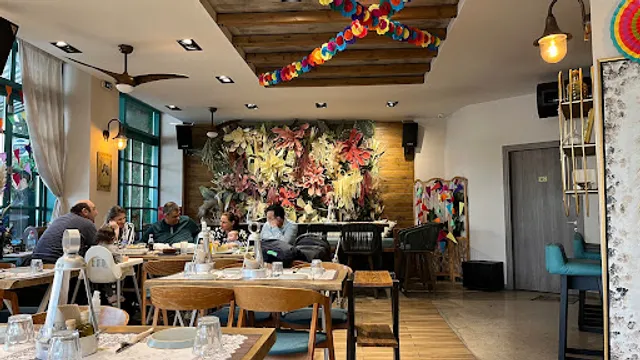
Drosia
4.6
(910)
Closed
Click for details
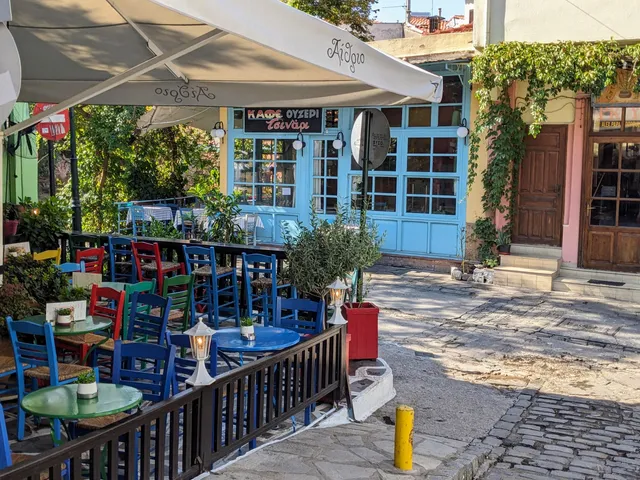
Tsinari tavern
4.5
(2.1K)
Closed
Click for details
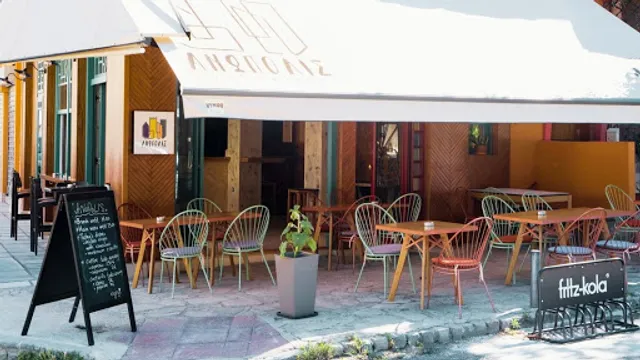
Anopolis
4.7
(468)
Closed
Click for details
Nearby local services of Latomos Monastery - Holy Church of Hosios David
Acropolis Walls
Pasha’s Gardens
Cafe Prigipos
Cultural Venue of Islahane
Old School Barber Shop
Fast Pizza
Open Lab Μπουγατσοποιείο
Holy Church of Saint Panteleimon
TREE HOUSE REAL ESTATE
Holy Church of Saint Panteleimon
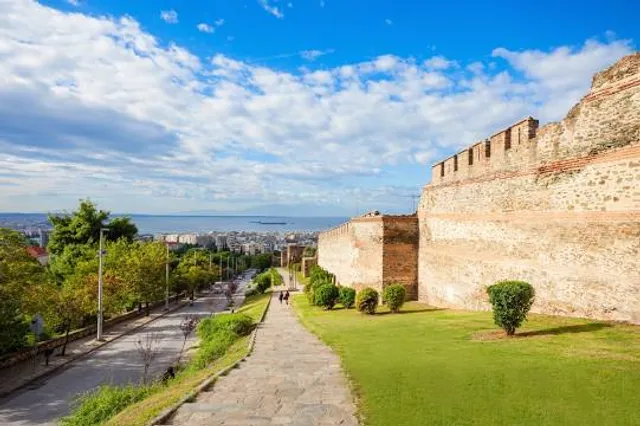
Acropolis Walls
4.7
(23)
Click for details
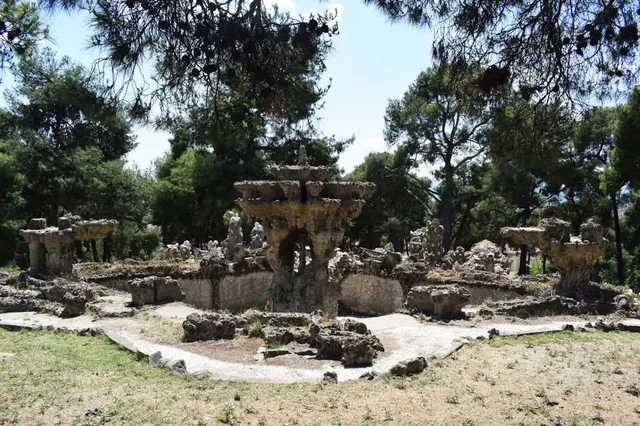
Pasha’s Gardens
4.4
(791)
Click for details
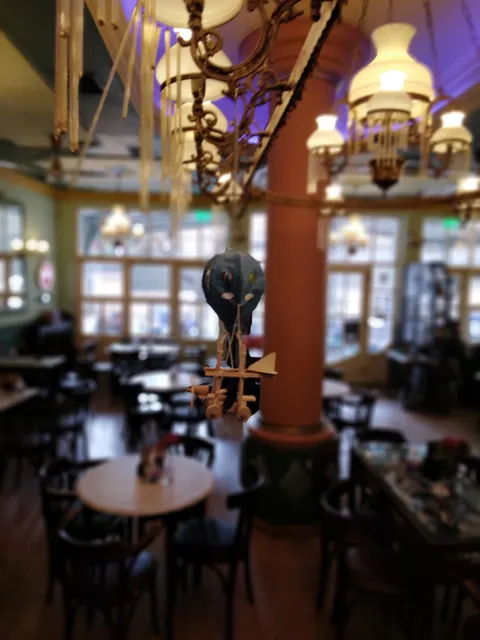
Cafe Prigipos
4.3
(694)
Click for details
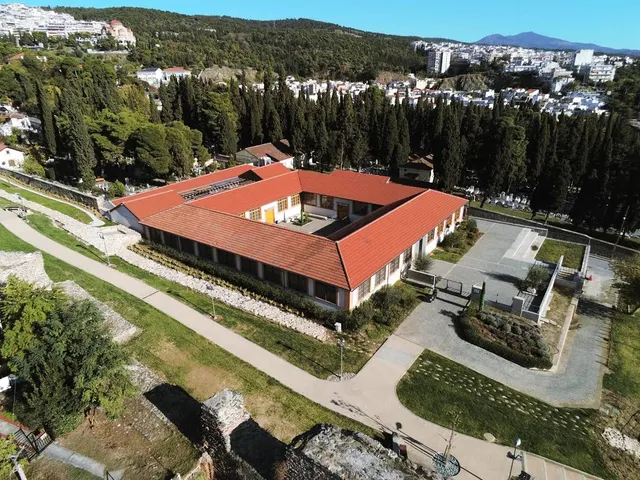
Cultural Venue of Islahane
4.8
(96)
Click for details