Gül Baba and Rosegarden things to do, attractions, restaurants, events info and trip planning
Basic Info
Gül Baba and Rosegarden
Budapest, Mecset u. 14, 1023 Hungary
4.8(2.1K)
Closed
Save
spot
spot
Ratings & Description
Info
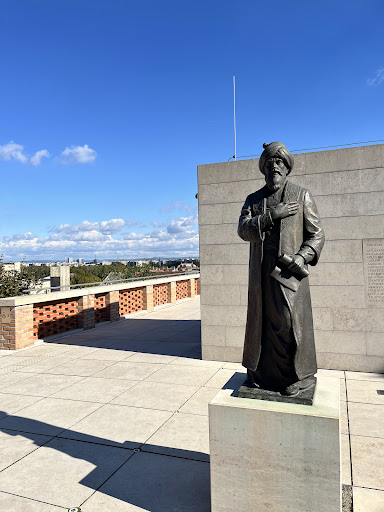
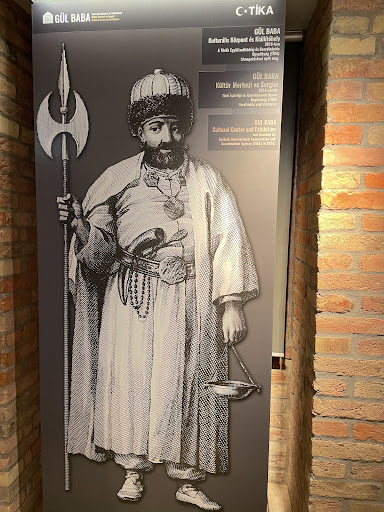
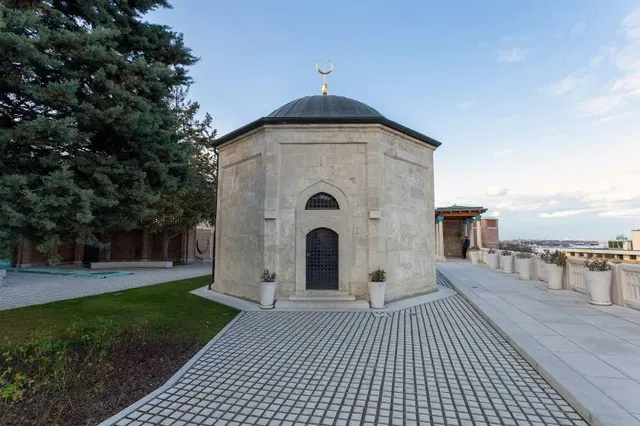
Gül Baba's tomb in Budapest, Hungary, is the northernmost Islamic pilgrimage site in the world. The mausoleum is located in the district of Rózsadomb on Mecset Street, a short but steep walk from Margaret Bridge. Gül Baba was a member of the Bektás Dervish Order, who died in Ottoman Buda in 1541.
Cultural
Outdoor
Family friendly
attractions: Lukacs Baths, Mansfeld Péter Park, Molnár János Cave, Mechart liget, Margit híd Budai hídfő kerékpáros alagút, Király Thermal Bath, Ganz Ábrahám Öntödei Gyűjtemény, Margitsziget Musical Fountain, Millenáris Park, Széllkapu park, restaurants: 99 Kínai Gyors Büfé, Törökméz, Murok Café - Bistro and Bar, Nagyi Kifőzdéje, Heureka Original Greek Food, Margaret's Restaurant & Pub, Calgary Antik Drinkbar, Grandma's Diner Hungarian original food, Breakfast Café-KicsiZso, Lipóti Bistro & Café, local businesses: Frankel Leó út 25-29, Irgalmasok Veli Bej Bath, Thermal Beerspa Budapest inside Lukács Bath, Hüsi Ice Bath Budapest, Margit híd, budai hídfő, Margit híd, budai hídfő H, R56 / Revolutio 56 Pub, Margit híd, budai hídfő H, Margitsziget / Margit híd, Margitsziget / Margit híd
 Learn more insights from Wanderboat AI.
Phone
+36 1 618 3842
Website
gulbabaalapitvany.hu
Open hoursSee all hours
Sat10 AM - 6 PMClosed
Plan your stay

Pet-friendly Hotels in Budapest
Find a cozy hotel nearby and make it a full experience.

Affordable Hotels in Budapest
Find a cozy hotel nearby and make it a full experience.

The Coolest Hotels You Haven't Heard Of (Yet)
Find a cozy hotel nearby and make it a full experience.

Trending Stays Worth the Hype in Budapest
Find a cozy hotel nearby and make it a full experience.
Reviews
Live events
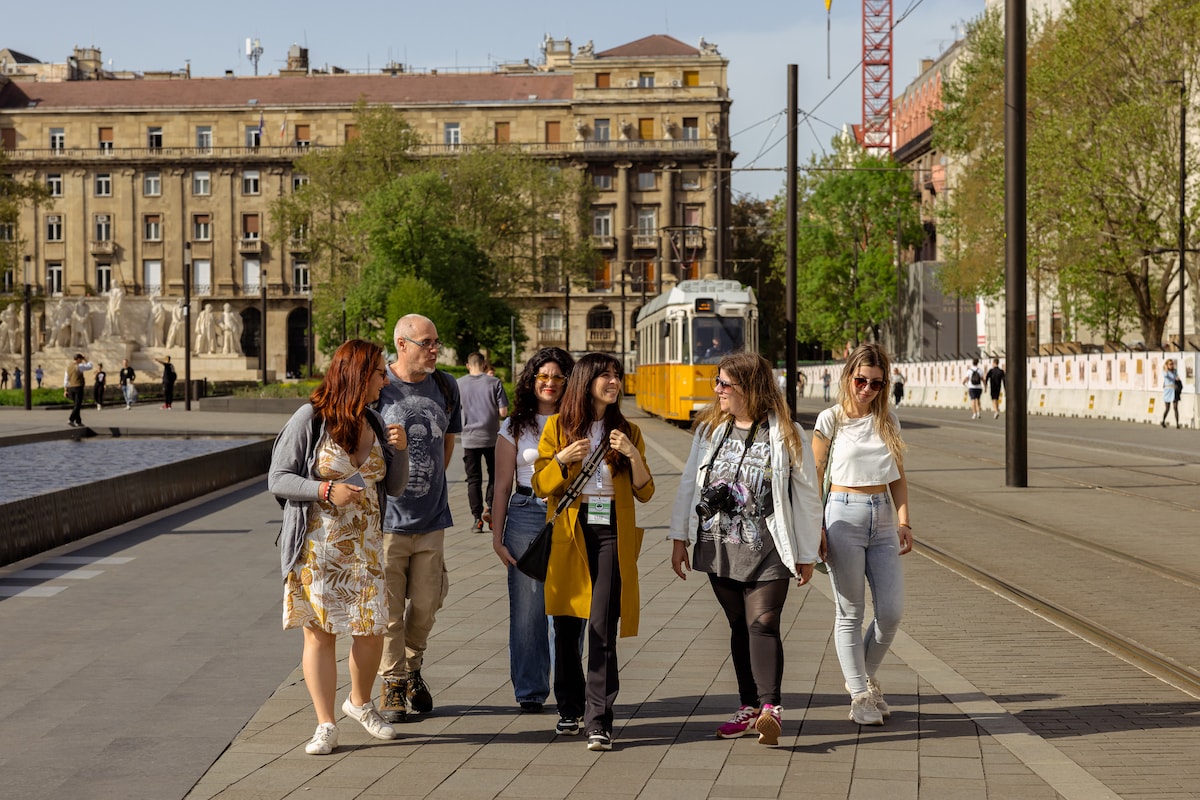
Free tour of downtown Budapest, in Spanish
Wed, Feb 25 • 10:30 AM
Budapest, 1055, Hungary
View details
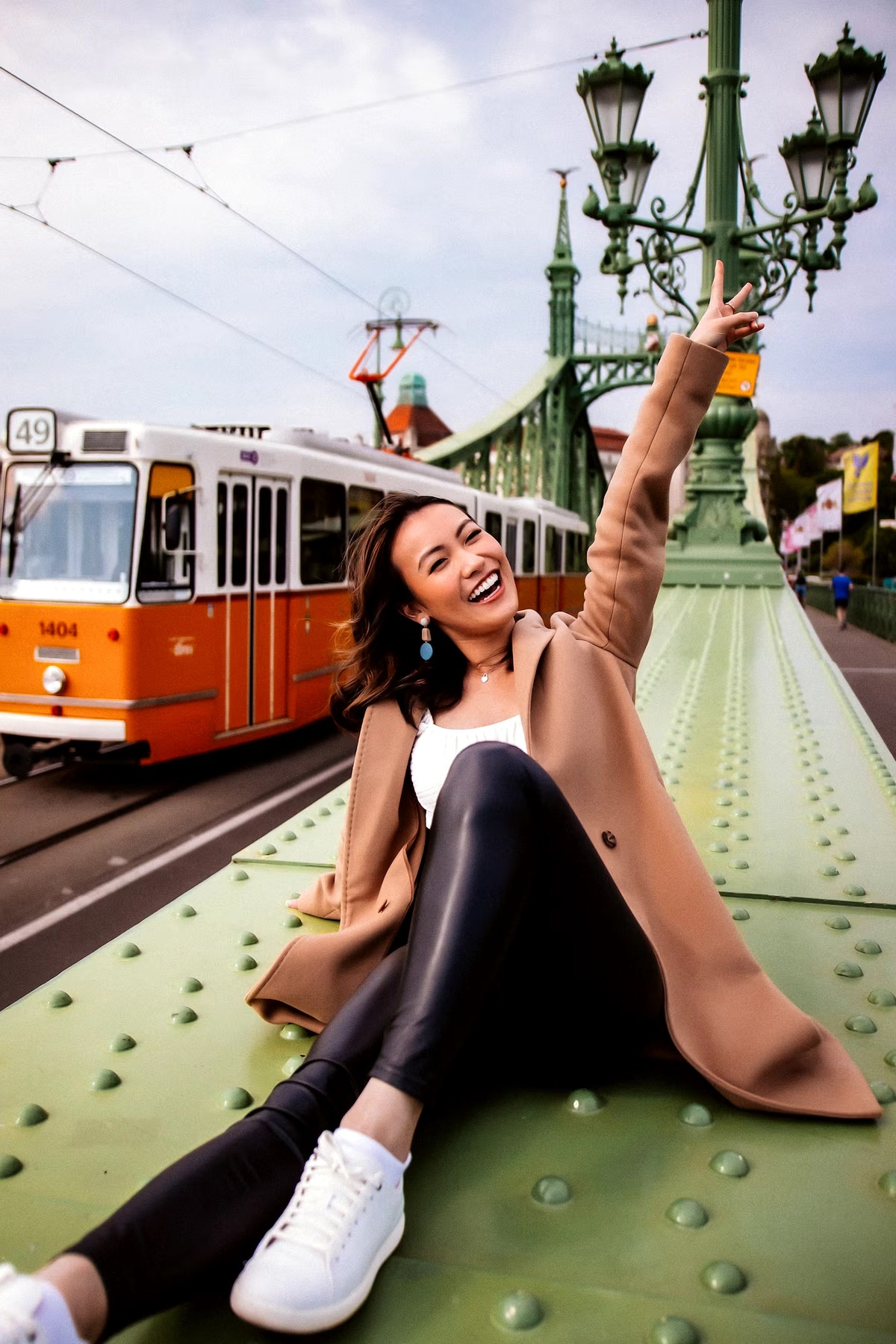
Amazing Private Photo Shoot in Budapest
Sun, Feb 22 • 7:00 AM
Budapest, 1014, Hungary
View details
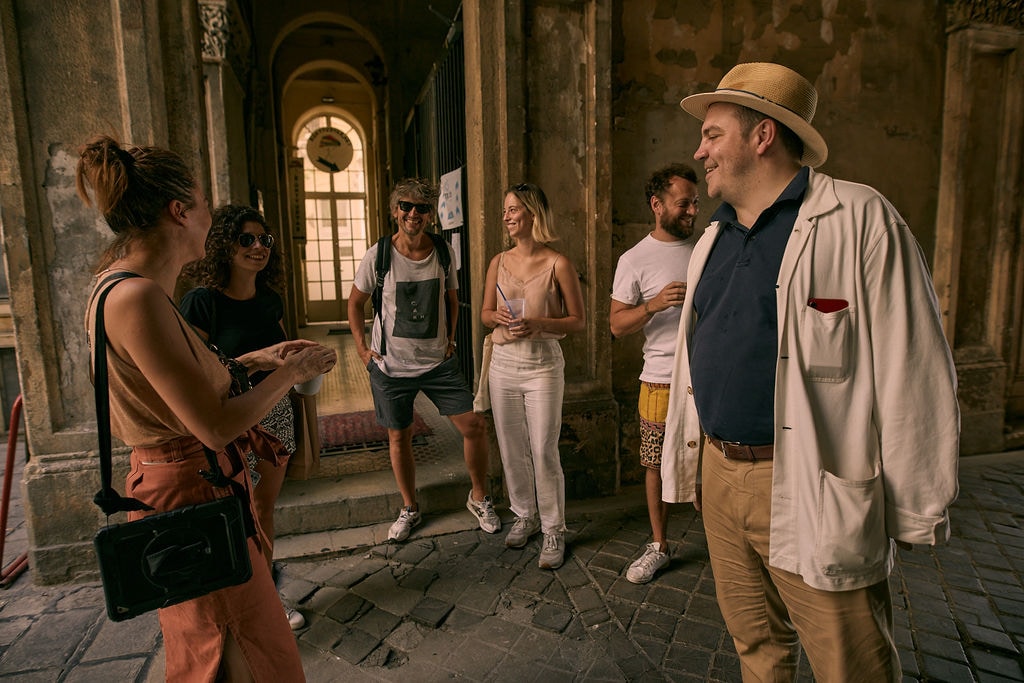
Budapest 101, an introduction to the city
Wed, Feb 25 • 2:00 PM
Budapest, 1096, Hungary
View details
Nearby attractions of Gül Baba and Rosegarden
Lukacs Baths
Mansfeld Péter Park
Molnár János Cave
Mechart liget
Margit híd Budai hídfő kerékpáros alagút
Király Thermal Bath
Ganz Ábrahám Öntödei Gyűjtemény
Margitsziget Musical Fountain
Millenáris Park
Széllkapu park
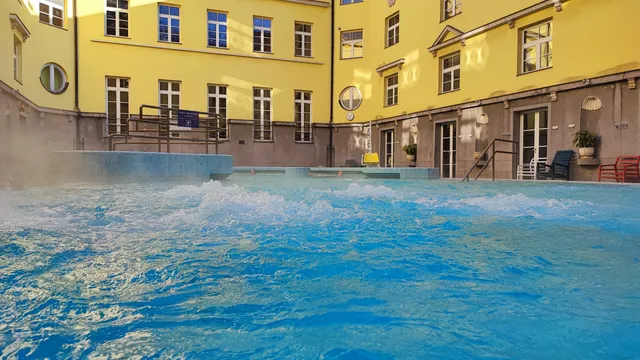
Lukacs Baths
4.3
(4.8K)
Closed
Click for details
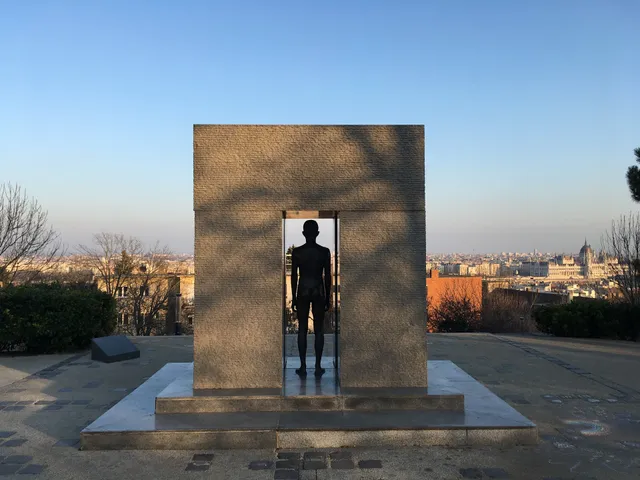
Mansfeld Péter Park
4.7
(381)
Open until 12:00 AM
Click for details
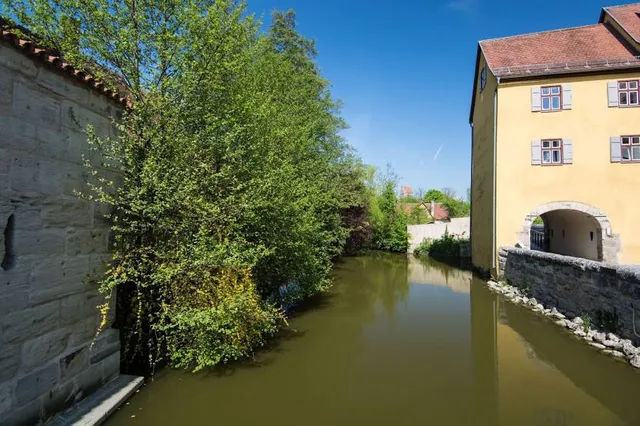
Molnár János Cave
4.8
(227)
Open 24 hours
Click for details
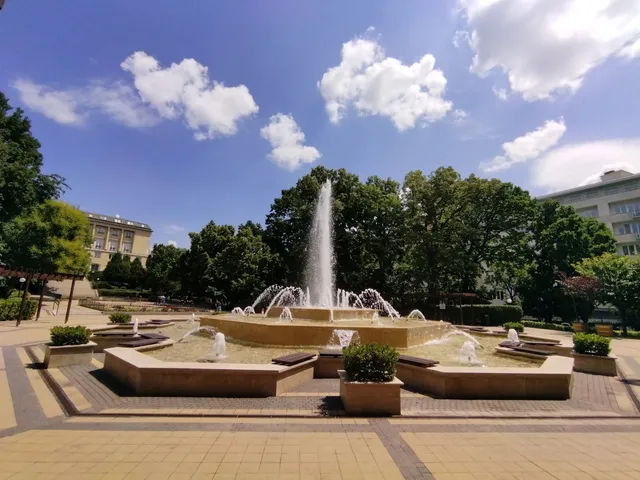
Mechart liget
4.6
(1.1K)
Closed
Click for details
Nearby restaurants of Gül Baba and Rosegarden
99 Kínai Gyors Büfé
Törökméz
Murok Café - Bistro and Bar
Nagyi Kifőzdéje
Heureka Original Greek Food
Margaret's Restaurant & Pub
Calgary Antik Drinkbar
Grandma's Diner Hungarian original food
Breakfast Café-KicsiZso
Lipóti Bistro & Café
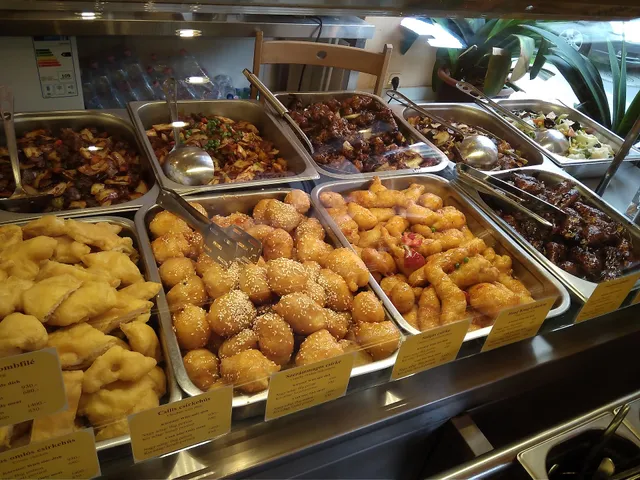
99 Kínai Gyors Büfé
4.4
(339)
Open until 9:00 PM
Click for details
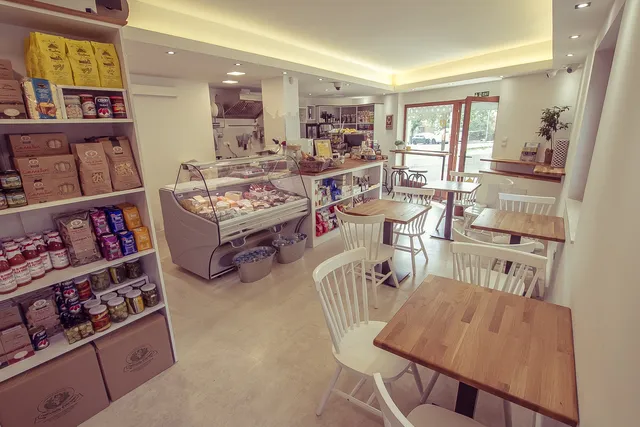
Törökméz
4.6
(885)
Closed
Click for details

Murok Café - Bistro and Bar
4.5
(331)
Open until 11:00 PM
Click for details
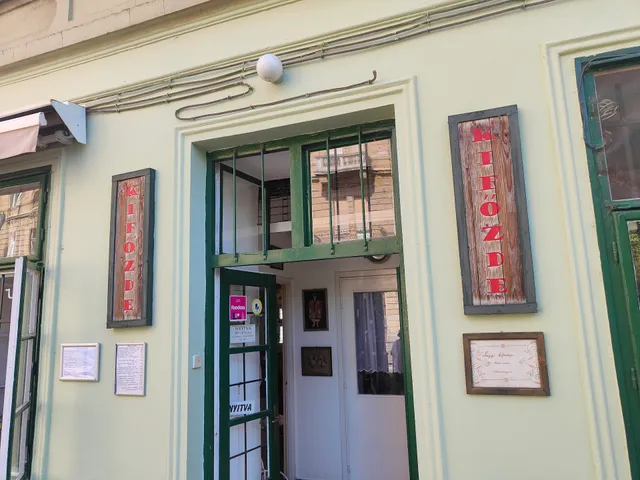
Nagyi Kifőzdéje
4.3
(269)
Closed
Click for details
Nearby local services of Gül Baba and Rosegarden
Frankel Leó út 25-29
Irgalmasok Veli Bej Bath
Thermal Beerspa Budapest inside Lukács Bath
Hüsi Ice Bath Budapest
Margit híd, budai hídfő
Margit híd, budai hídfő H
R56 / Revolutio 56 Pub
Margit híd, budai hídfő H
Margitsziget / Margit híd
Margitsziget / Margit híd
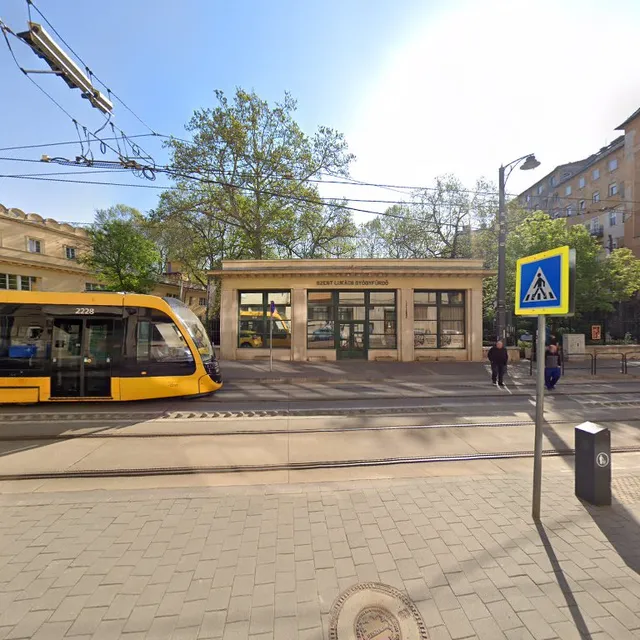
Frankel Leó út 25-29
4.3
(4.8K)
Click for details
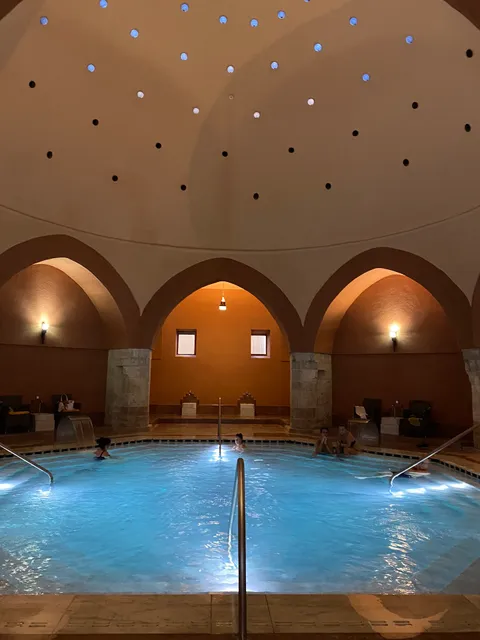
Irgalmasok Veli Bej Bath
4.6
(1.5K)
Click for details
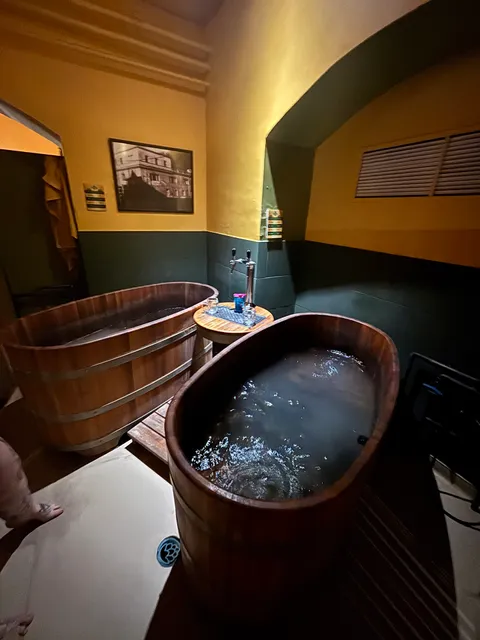
Thermal Beerspa Budapest inside Lukács Bath
4.6
(52)
Click for details
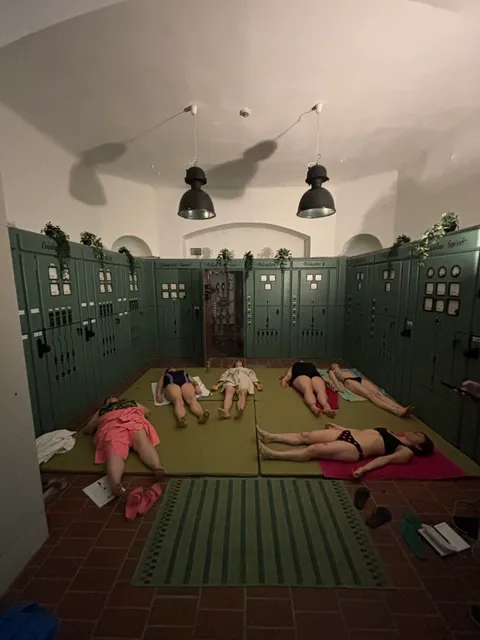
Hüsi Ice Bath Budapest
5.0
(26)
Click for details