The Hawa Mahal, also known as the "Palace of Winds," is one of the most recognizable landmarks in Jaipur and a must-visit for anyone exploring the Pink City. I had the chance to visit this architectural marvel over the weekend, and here's my review:
Booking tickets for the Hawa Mahal was quite simple, as the process is fairly straightforward. The palace is located in the heart of Jaipur, and unlike the Taj Mahal, it’s a relatively small site, so the ticketing process was quick and hassle-free. However, like many popular tourist spots, it still attracted a steady stream of visitors, especially during the weekend. The crowd wasn’t overwhelming, but there was a constant flow of people, making it a bit challenging to get clear shots of the palace’s intricate details.
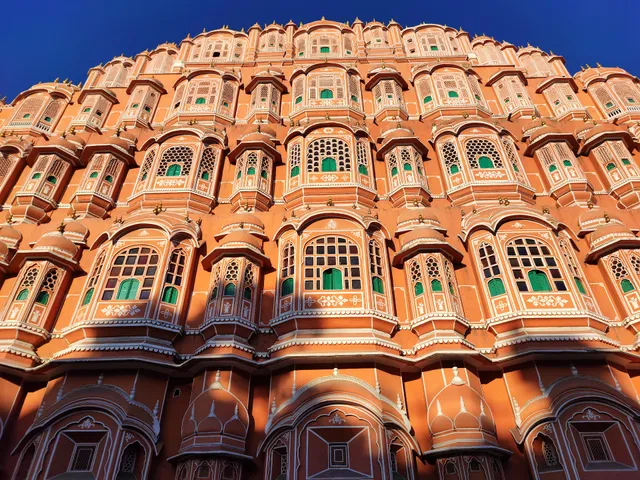
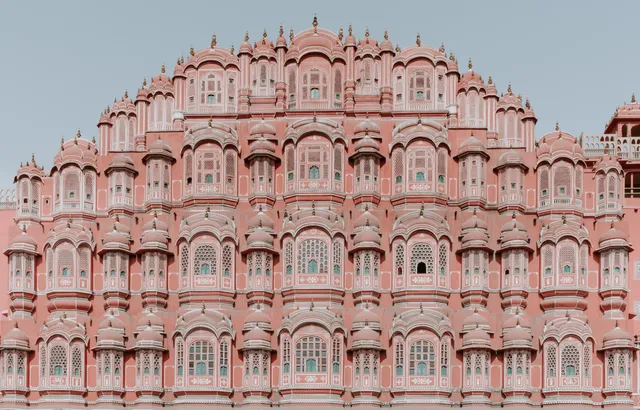
The Hawa Mahal itself is an architectural wonder. Built in 1799 by Maharaja Sawai Pratap Singh, this five-story structure was designed to allow royal women to observe street processions and life without being seen. The building is an example of Rajputana and Mughal architectural styles, with a stunning pink sandstone façade, decorated with over 900 small windows (called jharokhas), which provide ventilation and allow the breeze to flow through, making the palace cool even during the hot summer months.
As you approach the Hawa Mahal, its distinct honeycomb-like appearance immediately catches your attention. The palace is shaped like a crown, and the intricate latticework on the windows is a sight to behold. It's hard not to be impressed by the skill and attention to detail that went into its design. The building is beautifully symmetrical, and the pink hue of the sandstone, which gives Jaipur its nickname, “The Pink City,” adds a warm and inviting aura to the site.
Inside, the palace doesn’t disappoint either, though it’s relatively small compared to some other royal residences. The central courtyard is open to the sky, and there are narrow corridors that wind through the structure. The interior is quite simple, with minimal furniture and decor, but it’s the architecture that takes center stage. The best part of the palace is the view from the upper floors. Climbing to the top gives you a panoramic view of the city, with the bustling streets of Jaipur beneath and the imposing Aravalli hills in the background. It’s a perfect spot to snap some photos, though you’ll have to compete with other tourists for that ideal shot.
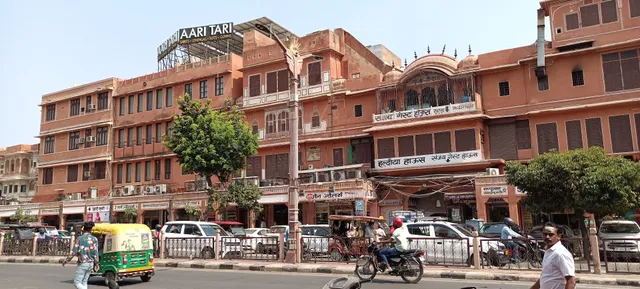
One thing to note about visiting Hawa Mahal is that it’s located on a busy road in Jaipur, so the surroundings can feel a bit chaotic. The noise of the traffic and the busy streets below can somewhat detract from the peacefulness of the palace itself, but once you’re inside, the historical charm of the place prevails. The crowds in the palace can be a bit distracting, especially in the narrow corridors, but it’s still manageable.
The staff was friendly, and there were guides available who could provide additional context about the history and significance of the monument, which added value to the experience. However, be prepared for a fair number of street vendors around the area, selling souvenirs and snacks, which might be a bit overwhelming for some visitors.
Overall, the Hawa Mahal is a stunning piece of architecture and a must-see in Jaipur. While the crowds and surrounding city noise may lessen the experience slightly, the beauty of the palace and the history behind it more than make up for it. For those interested in experiencing Jaipur’s royal heritage and vibrant culture, Hawa Mahal is a great...
Read moreHawa Mahal, also known as the Palace of Winds, is one of Jaipur’s most iconic landmarks and a must-visit for anyone exploring the Pink City. I had the chance to visit recently, and the experience was nothing short of fascinating, both for its architectural brilliance and the history it carries.
Built in 1799 by Maharaja Sawai Pratap Singh and designed by the architect Lal Chand Ustad, Hawa Mahal is not just another palace; it’s a masterpiece that reflects Jaipur’s royal heritage. The Maharaja was a devotee of Lord Krishna, and the façade of this monument was intentionally crafted in the shape of Krishna’s crown. Standing 87 feet tall, the palace has a distinctive five-storied, pyramid-like structure that looks like a honeycomb from the front. Its pink sandstone blends beautifully with the city’s overall “Pink City” theme.
What immediately catches the eye is the incredible façade with 365 intricately carved jharokhas (windows). These windows were not just ornamental; they allowed the royal women of the palace, who followed the strict purdah system, to observe daily life, street festivals, and grand processions like Teej and Gangaur without being seen by the public. Standing behind one of those windows, I could almost imagine how the queens and princesses would have once enjoyed these moments of connection with the world outside.
Inside the palace, each storey has its own significance and is named differently: Sharad Mandir – where autumn celebrations were held. Ratan Mandir – known for its glasswork and colorful interiors. Vichitra Mandir – a place where the king would worship Lord Krishna. Prakash Mandir – a brightly lit hall filled with natural light. Hawa Mandir – the topmost floor, famous for its strong breeze flowing through the many windows, which gives the palace its name.
The palace has two main entrances: Anandpoli and Chandrapoli, both opening into spacious courtyards. The second courtyard features a large water tank with fountains, which must have been a refreshing spot in the scorching Rajasthani summers. On the southern side lies Pratap Mandir, the personal chamber of Maharaja Sawai Pratap Singh, and on the northern side, the Bhojanshala (royal kitchen). Interestingly, Hawa Mahal is directly connected to the City Palace through a private passage, ensuring easy movement for the royal family.
One of the things I found most impressive is how naturally ventilated the entire structure is. Even on hot afternoons, a cool breeze flows through the windows, thanks to the palace’s unique design. This traditional Rajasthani architectural technique is what makes Hawa Mahal both beautiful and practical.
The palace is especially mesmerizing in the early morning, when the sun’s first rays hit its pink façade, giving it a golden glow. Standing there, I understood why this monument continues to be one of Jaipur’s most photographed sites.
While the interiors are relatively simple compared to other palaces, the historical value, the artistry of the jharokhas, and the cultural significance make the visit worthwhile. From the top floors, you get a wonderful panoramic view of Jaipur’s bustling bazaars and the surrounding hills.
Overall, Hawa Mahal is more than just a monument, it’s a blend of art, history, and culture. Whether you’re an architecture enthusiast, a history lover, or just a traveler seeking the essence of Jaipur, visiting Hawa Mahal will...
Read moreHawa Mahal, the "Palace of Winds," is not just a building; it's the very soul of Jaipur. Instantly recognizable and endlessly captivating, this five-story pink sandstone facade is a testament to the architectural genius and cultural traditions of the Rajput rulers. A visit to Jaipur would be incomplete without witnessing this magnificent landmark, a sight that is as beautiful from the bustling street below as it is from within. A Marvel of Ingenuity and Design Built in 1799 by Maharaja Sawai Pratap Singh, Hawa Mahal was designed by Lal Chand Ustad. Its most striking feature is its facade, a honeycomb-like structure with 953 intricate windows, or jharokhas. This unique design served a crucial purpose: it allowed the royal ladies, who observed the purdah system, to discreetly watch the lively street processions and daily life below without being seen. The latticework also created a clever air-conditioning system, allowing cool breezes to flow through the palace and keep it pleasant even during Jaipur's scorching summers.
The Inside Story While the exterior is what captivates every passerby, the interior offers a different, but equally rewarding, experience. The palace is surprisingly simple inside, contrasting with its ornate facade. Instead of stairs, you'll find ramps leading to the upper floors, designed to accommodate the royal palanquins. As you ascend, each floor, with names like Sharad Mandir and Hawa Mandir, presents a new perspective. From the top, you are rewarded with breathtaking panoramic views of the City Palace, the Jantar Mantar, and the vibrant markets of Jaipur. The experience of peering out of the tiny jharokhas, just as the royal women once did, is a humbling and enchanting moment that connects you to the city's rich history.
Visitor Information & Tips Best Time to Visit: Hawa Mahal is spectacular at any time of day, but the sunrise and sunset hours are particularly magical, as the changing light casts enchanting shadows on its pink facade. Entrance: Interestingly, the main entrance is not on the famous street-facing side, but rather at the back, through an imperial door that leads to a courtyard. Ticket Price: The entry fee is reasonable, and composite tickets are available for a two-day pass to several other Jaipur attractions, which can be a great value for tourists. Photography: Don't forget your camera! Both the exterior and the views from the top are incredibly photogenic. Nearby Attractions: Hawa Mahal is located in the heart of Jaipur's Pink City, making it a perfect starting point for exploring other major sights like the City Palace, Jantar Mantar, and the bustling Johari Bazaar. In conclusion, Hawa Mahal is an essential stop on any Jaipur itinerary. It's more than just a historical monument; it's a living piece of art that embodies the grace, ingenuity, and cultural spirit of Rajasthan. A visit here is a chance to step back in time and appreciate the timeless beauty and clever design that make this palace a true wonder...
Read more