Diwan-e-Khas things to do, attractions, restaurants, events info and trip planning
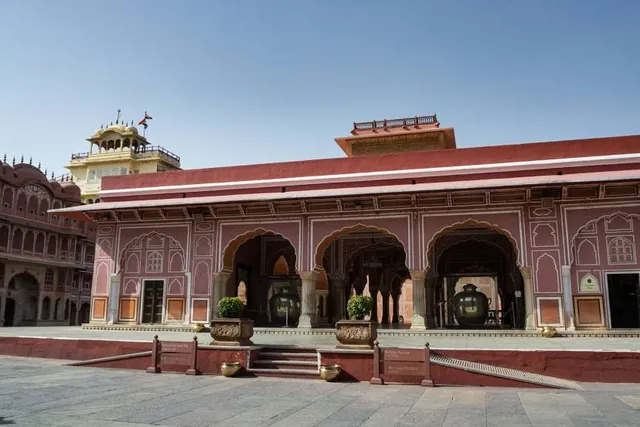
Basic Info
Diwan-e-Khas
WRGF+HFQ, Tulsi Marg, Gangori Bazaar, J.D.A. Market, Kanwar Nagar, Jaipur, Rajasthan 302002, India
4.6(81)
Save
spot
spot
Ratings & Description
Info
Cultural
Scenic
Accessibility
attractions: Jantar Mantar - Jaipur, The City Palace, Hawa Mahal, Maharaja Sawai Man Singh II Museum, Tripolia Gate, Chandra Mahal, Mubarak Mahal City Palace, Isarlat Sargasooli, Peacock gate, Tarkeshwar Mahadev Temple, restaurants: Baradari Restaurant & Bar, Govindam Retreat, Blue Door Cafe, Ramchandra Kulfi Bhandar, The Palace Cafe Restaurant, Nothing Before Coffee - Tripolia Bazaar, Jaipur, The Tattoo Cafe & Lounge, Kailash Veg Restaurant, Pandit Kulfi, 3 Brothers Rooftop Café, local businesses: THIKANA MANDIR SHRI GOVIND DEV JI, Hawa Mahal, All Rajasthan Shilp Gram Udyog, Kalki Temple, Johri Bazar, Laxmi Misthan Bhandar, Vijaylal Acharwala, Ishwar Ji Gajak Wale, Shankar Namkeen Bhandar , shop no 5, Mathura Pede Wala
 Learn more insights from Wanderboat AI.
Plan your stay

Pet-friendly Hotels in Jaipur Municipal Corporation
Find a cozy hotel nearby and make it a full experience.

Affordable Hotels in Jaipur Municipal Corporation
Find a cozy hotel nearby and make it a full experience.

The Coolest Hotels You Haven't Heard Of (Yet)
Find a cozy hotel nearby and make it a full experience.

Trending Stays Worth the Hype in Jaipur Municipal Corporation
Find a cozy hotel nearby and make it a full experience.
Reviews
Live events
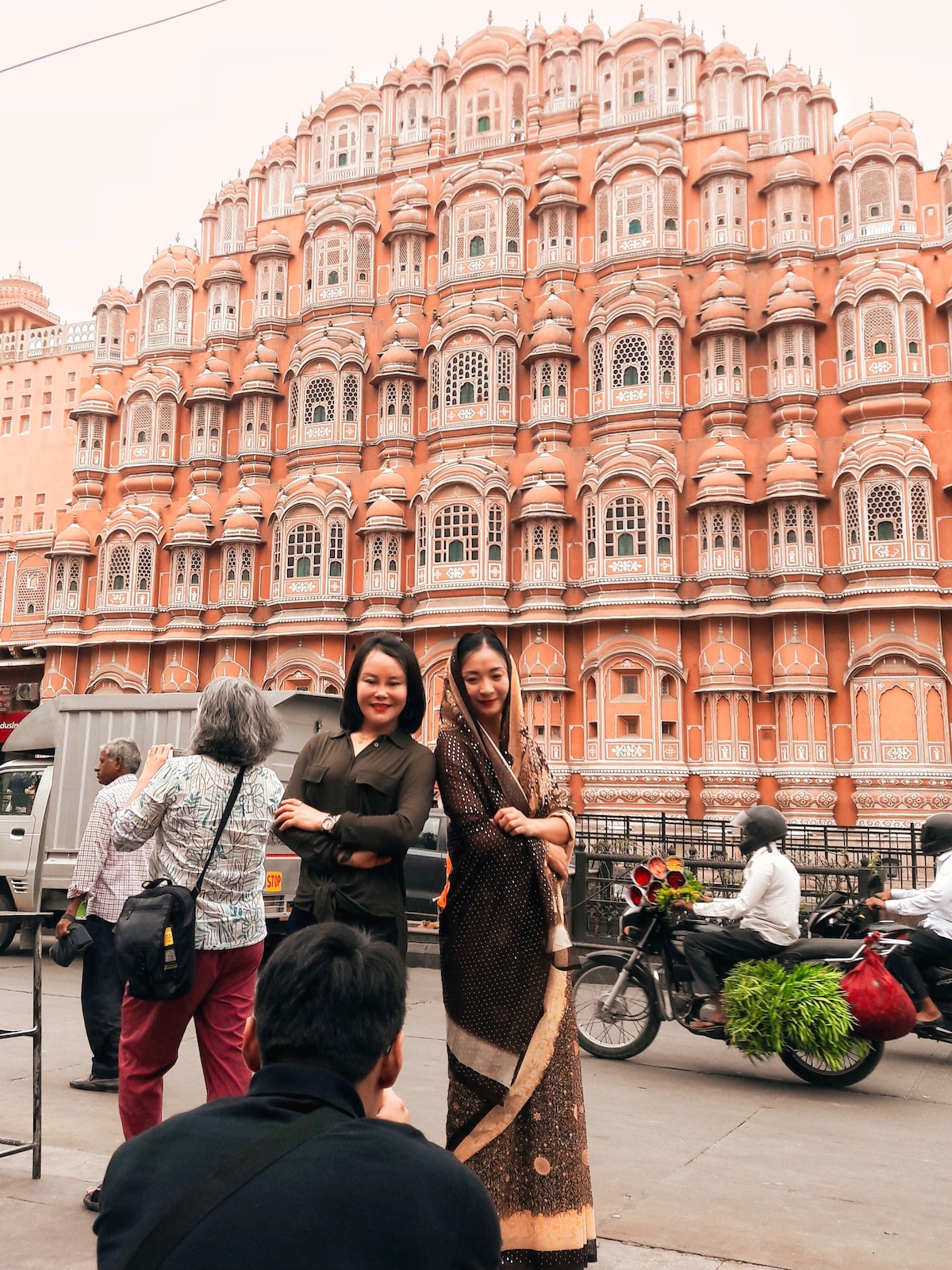
Hidden Gems of Pinkcity & Block Printing Workshop
Mon, Feb 16 • 8:00 AM
Jaipur, Rajasthan, 302001, India
View details
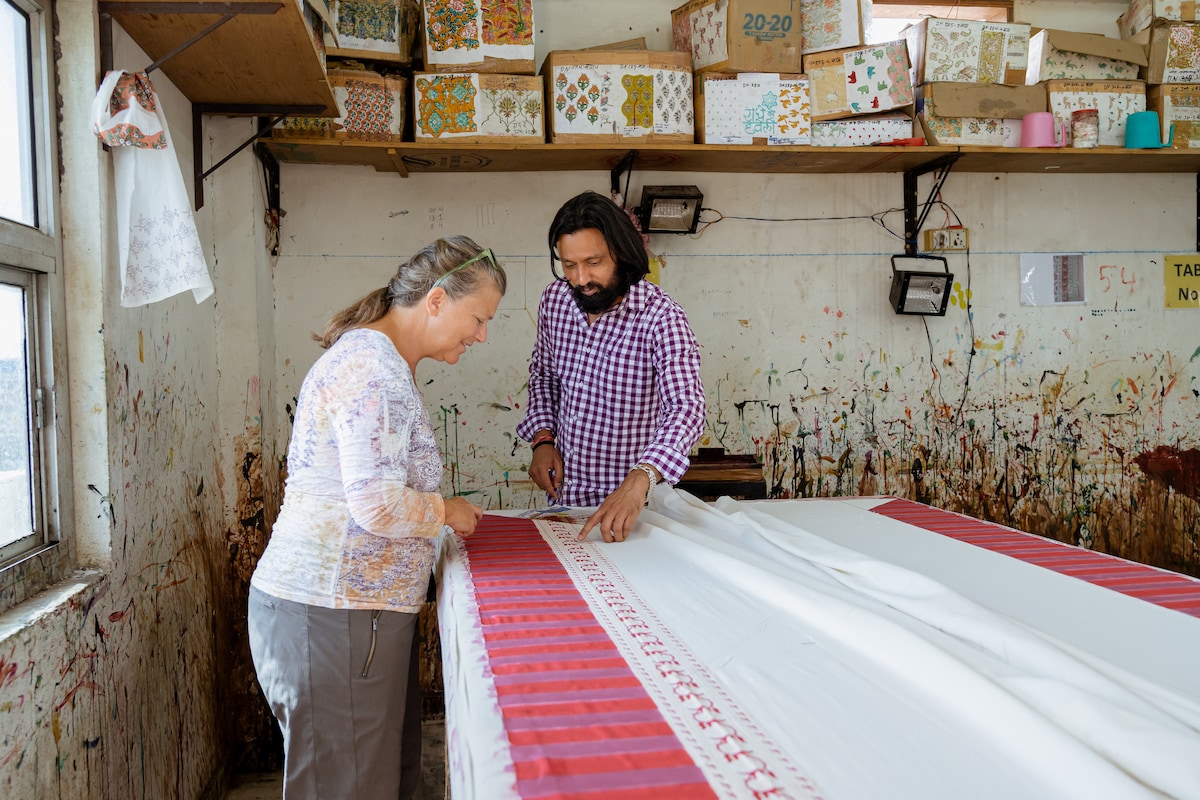
Create traditional handblock printed fabric
Mon, Feb 16 • 9:30 AM
Jaipur, Rajasthan, 302015, India
View details
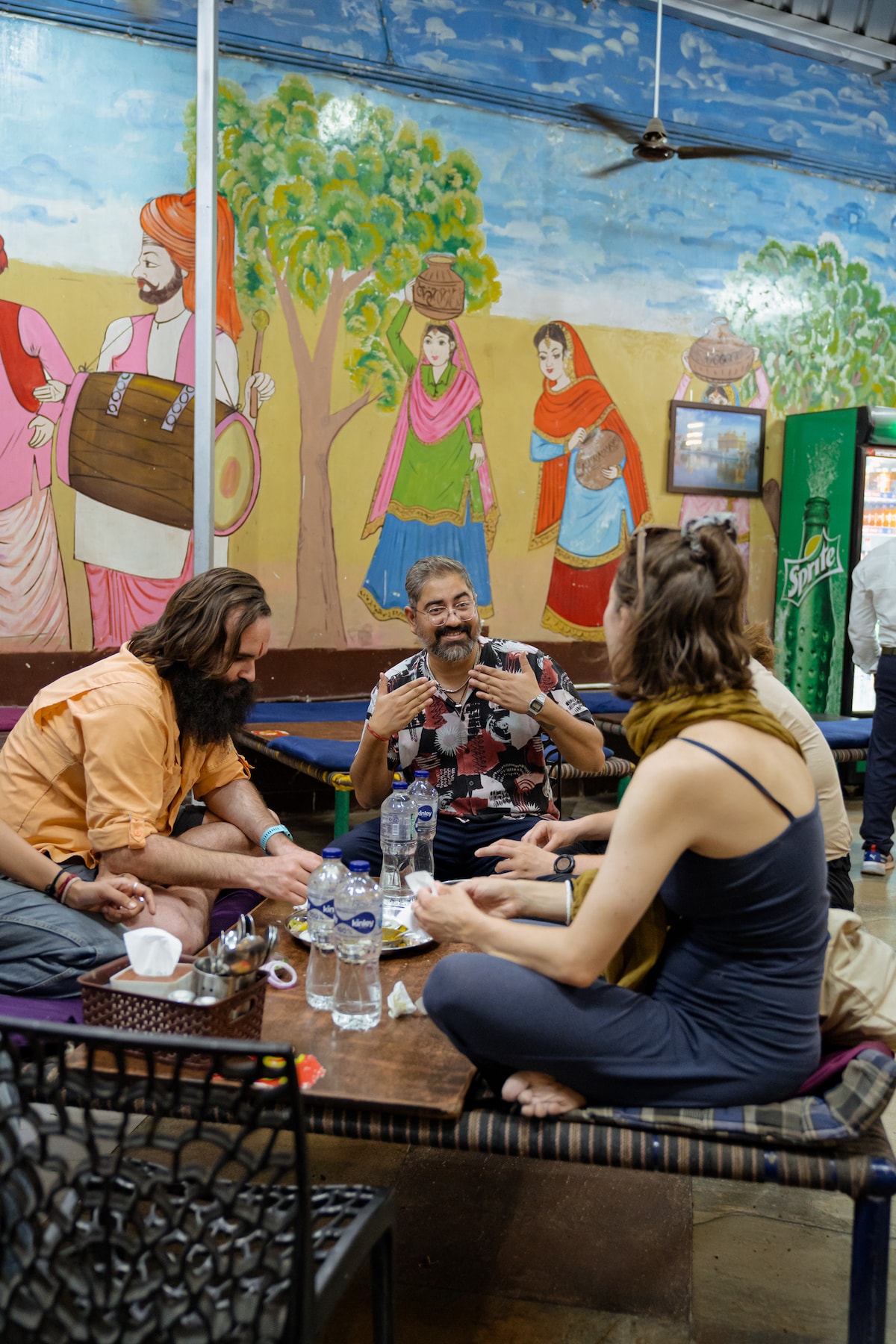
Eat like a local on Jaipur’s street food tour
Sun, Feb 15 • 6:30 PM
Jaipur, Rajasthan, 302007, India
View details
Nearby attractions of Diwan-e-Khas
Jantar Mantar - Jaipur
The City Palace
Hawa Mahal
Maharaja Sawai Man Singh II Museum
Tripolia Gate
Chandra Mahal
Mubarak Mahal City Palace
Isarlat Sargasooli
Peacock gate
Tarkeshwar Mahadev Temple
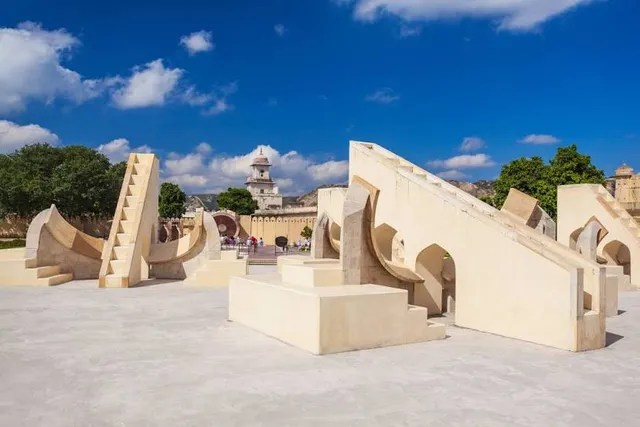
Jantar Mantar - Jaipur
4.5
(15.9K)
Open until 6:30 PM
Click for details
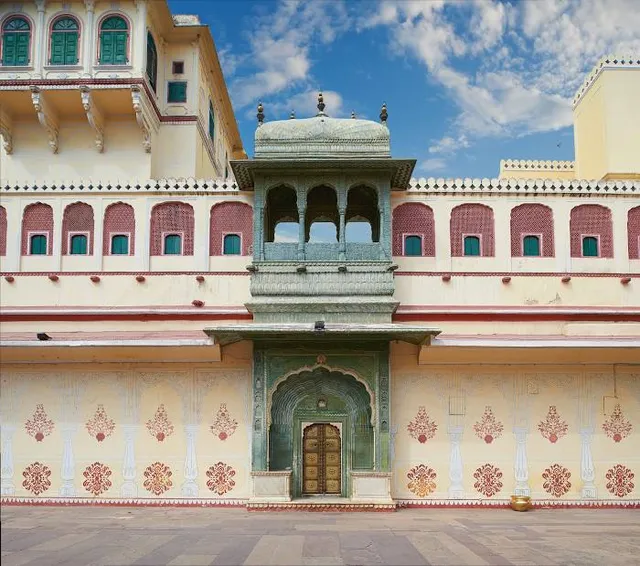
The City Palace
4.4
(1.1K)
Closed
Click for details
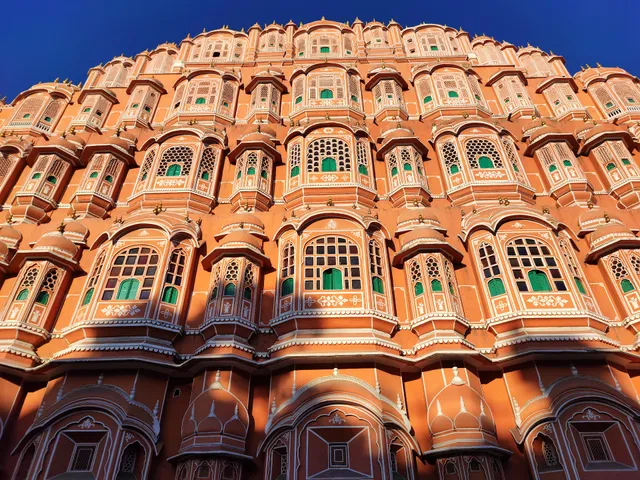
Hawa Mahal
4.5
(53.2K)
Open until 7:00 PM
Click for details
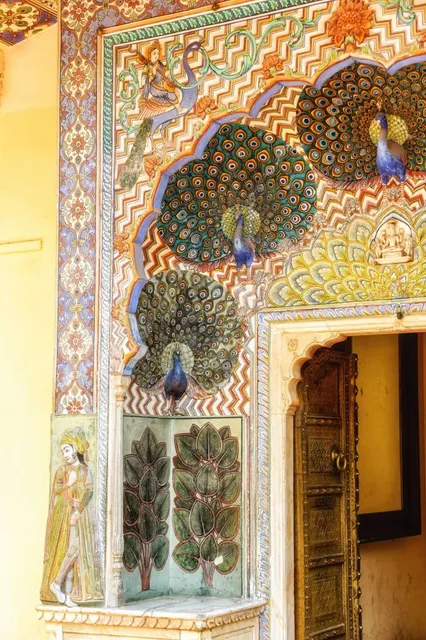
Maharaja Sawai Man Singh II Museum
4.4
(190)
Open until 5:00 PM
Click for details
Nearby restaurants of Diwan-e-Khas
Baradari Restaurant & Bar
Govindam Retreat
Blue Door Cafe
Ramchandra Kulfi Bhandar
The Palace Cafe Restaurant
Nothing Before Coffee - Tripolia Bazaar, Jaipur
The Tattoo Cafe & Lounge
Kailash Veg Restaurant
Pandit Kulfi
3 Brothers Rooftop Café
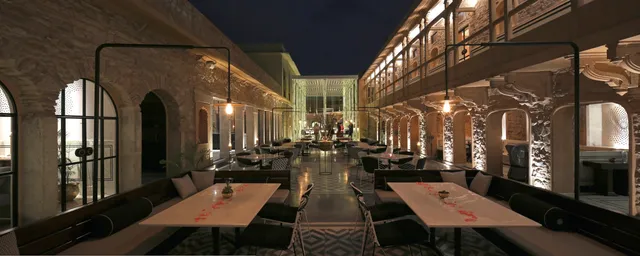
Baradari Restaurant & Bar
3.9
(1.1K)
$$$$
Open until 11:00 PM
Click for details
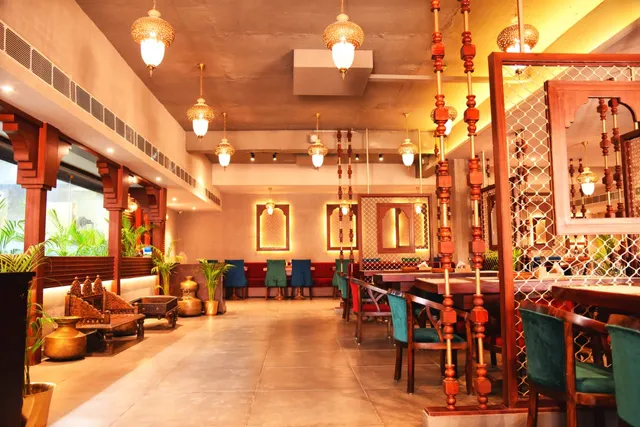
Govindam Retreat
4.4
(3.1K)
Open until 11:00 PM
Click for details
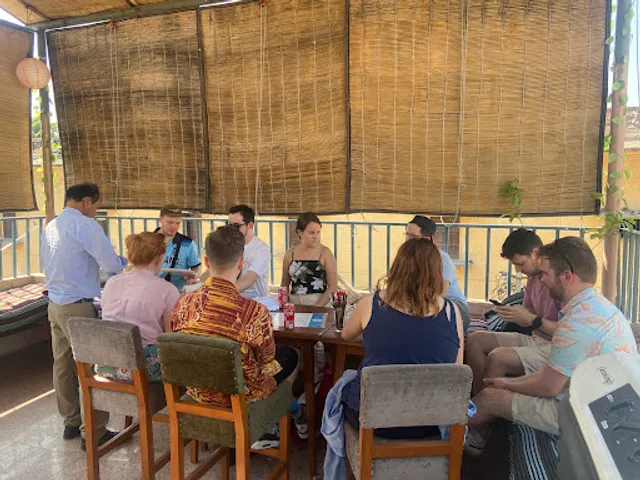
Blue Door Cafe
4.8
(662)
Open until 11:00 PM
Click for details

Ramchandra Kulfi Bhandar
4.4
(2K)
Open until 11:00 PM
Click for details
Nearby local services of Diwan-e-Khas
THIKANA MANDIR SHRI GOVIND DEV JI
Hawa Mahal
All Rajasthan Shilp Gram Udyog
Kalki Temple
Johri Bazar
Laxmi Misthan Bhandar
Vijaylal Acharwala
Ishwar Ji Gajak Wale
Shankar Namkeen Bhandar , shop no 5
Mathura Pede Wala
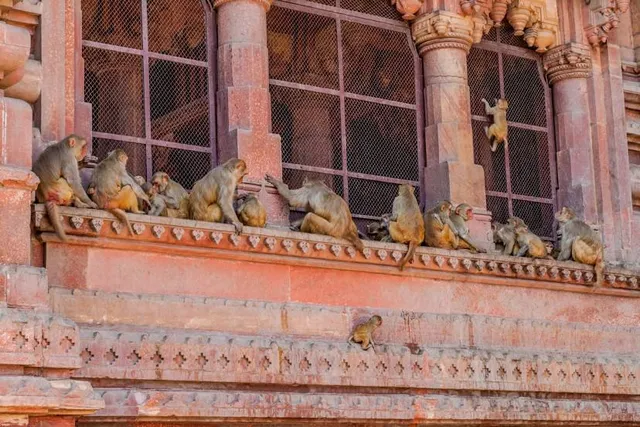
THIKANA MANDIR SHRI GOVIND DEV JI
4.9
(5.5K)
Click for details
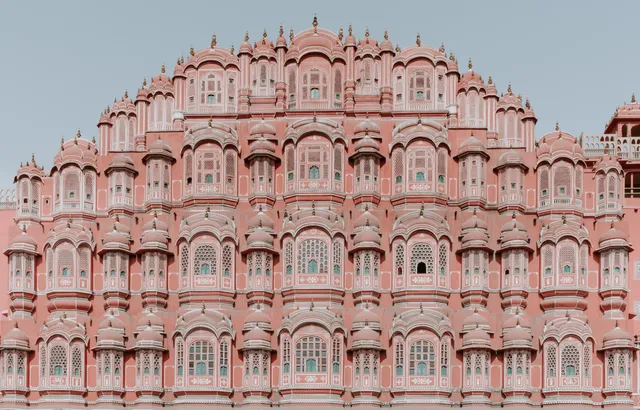
Hawa Mahal
4.4
(40.6K)
Click for details
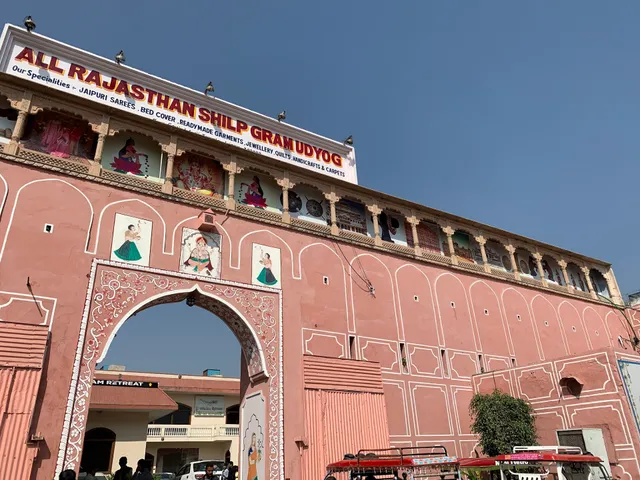
All Rajasthan Shilp Gram Udyog
3.8
(716)
Click for details
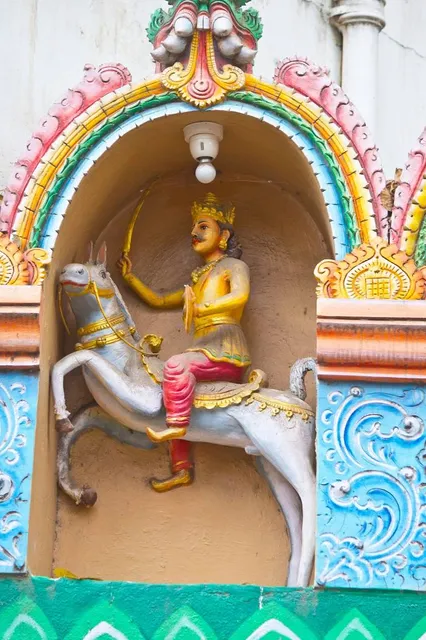
Kalki Temple
4.6
(156)
Click for details