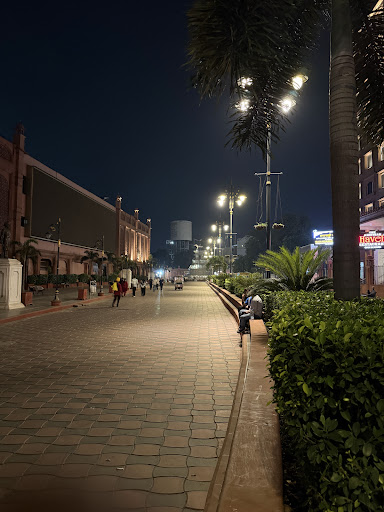
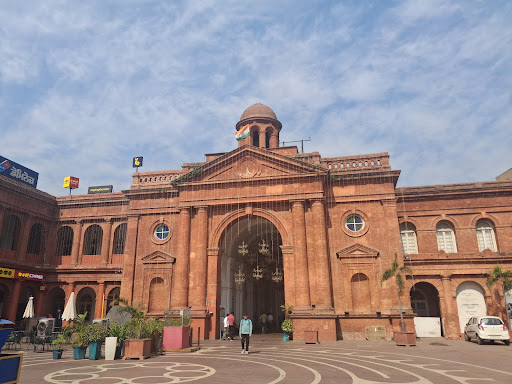
The Partition Museum, located in Amritsar, Punjab, is a unique and deeply moving institution dedicated to the memory of the 1947 Partition of India. It's the first of its kind in the world, serving as a powerful memorial and a central repository for the stories, artifacts, and documents from that tumultuous period. A "People's Museum" The museum's core mission is to tell the human stories of the Partition. Instead of focusing solely on political events, it highlights the experiences of the millions of people who were displaced, lost their homes, and endured immense suffering. The museum's collection is built largely on oral histories and personal artifacts donated by survivors and their families—things like clothes, utensils, and letters that people carried with them as they fled their homes. Location and Exhibits The museum is housed in the historic Town Hall building in Amritsar, a fitting location given the city's close proximity to the India-Pakistan border and its central role in the events of 1947. The exhibits are arranged chronologically, taking visitors through the events that led up to the Partition, the mass migration and violence that followed, and the subsequent efforts of rehabilitation and resettlement. Through photographs, videos, audio recordings, and personal belongings, the museum creates a powerful and often heartbreaking narrative. Why It's Important The Partition was one of the largest mass migrations in human history, with millions of people displaced and an estimated one to two million killed. For decades, there was no dedicated memorial or museum to commemorate this event. The Partition Museum fills this void, ensuring that the stories of the survivors and the legacy of this historical event are not forgotten. It serves as a reminder of the human cost of political decisions and the resilience of those who rebuilt their lives after such a profound upheaval. The Partition Museum, located in Amritsar, Punjab, is a unique and deeply moving institution dedicated to the memory of the 1947 Partition of India. It's the first of its kind in the world, serving as a powerful memorial and a central repository for the stories, artifacts, and documents from that tumultuous period. A "People's Museum" The museum's core mission is to tell the human stories of the Partition. Instead of focusing solely on political events, it highlights the experiences of the millions of people who were displaced, lost their homes, and endured immense suffering. The museum's collection is built largely on oral histories and personal artifacts donated by survivors and their families—things like clothes, utensils, and letters that people carried with them as they fled their homes. Location and Exhibits The museum is housed in the historic Town Hall building in Amritsar, a fitting location given the city's close proximity to the India-Pakistan border and its central role in the events of 1947. The exhibits are arranged chronologically, taking visitors through the events that led up to the Partition, the mass migration and violence that followed, and the subsequent efforts of rehabilitation and resettlement. Through photographs, videos, audio recordings, and personal belongings, the museum creates a powerful and often heartbreaking narrative. Why It's Important The Partition was one of the largest mass migrations in human history, with millions of people displaced and an estimated one to two million killed. For decades, there was no dedicated memorial or museum to commemorate this event. The Partition Museum fills this void, ensuring that the stories of the survivors and the legacy of this historical event are not forgotten. It serves as a reminder of the human cost of political decisions and the resilience of those who rebuilt their lives after such a...
Read moreThe Partition Museum in Amritsar is a profound and deeply moving tribute to one of the most significant and tumultuous events in South Asian history—the Partition of India in 1947. Located near the iconic Golden Temple, this museum serves as a poignant reminder of the human cost of the division that led to the creation of India and Pakistan.
Ambience and Design
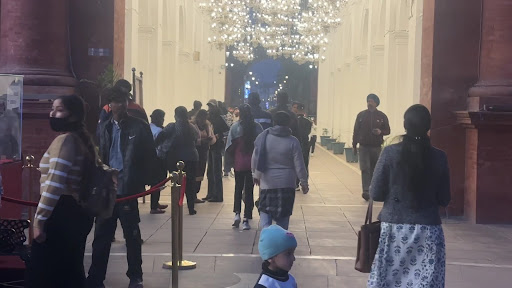
The museum is housed in the historic Town Hall building, and its architecture complements the gravity of its subject matter. The interiors are thoughtfully designed to evoke a sense of nostalgia and loss, using dim lighting, vintage photographs, and period artifacts to immerse visitors in the era.
Exhibits and Content
The exhibits are a mix of personal stories, historical documents, newspaper clippings, and audiovisual recordings. The museum does an excellent job of humanizing the tragedy by focusing on the personal experiences of those who lived through the Partition. Oral histories, letters, and photographs bring to life the pain, resilience, and hope of millions of displaced individuals.
Highlights include: • The Train Gallery, which captures the harrowing journeys undertaken by refugees. • Personal Belongings Section, showcasing items carried by families during their migration. • Maps and Documents, detailing the political decisions and boundary demarcations.
Interactive exhibits and audiovisual presentations also add a layer of engagement, making history accessible to younger generations.
Impactful Storytelling
The museum’s storytelling is balanced, offering perspectives from both sides of the border while emphasizing the shared humanity of those affected. It does not shy away from the violence and atrocities but also celebrates the resilience and courage of survivors.
Emotional Experience
Walking through the Partition Museum is an emotional journey. The carefully curated artifacts and stories evoke a mix of sorrow, empathy, and reflection. The memorial section, featuring a Wall of Remembrance with names of victims, is particularly heart-wrenching.
Educational Value
For anyone interested in understanding the complexities of India’s independence and the lasting impact of Partition, this museum is a treasure trove of information. It is not just a history lesson but a space for reflection on the importance of peace and tolerance.
Practical Information • Location: Close to the Golden Temple, making it an easy addition to your itinerary. • Entry Fee: 10 rupees for indian and 250 for all foreigners also free ticket below 5 years • Time Required: 30 minutes
Conclusion
The Partition Museum is a must-visit for history enthusiasts, students, and anyone who wishes to understand the human stories behind geopolitical decisions. It’s more than just a museum—it’s a space for remembrance, learning, and healing. Prepare to leave with a heavy heart but a deeper appreciation for the resilience of the...
Read moreThe Partition Museum, located in Amritsar, Punjab, is a unique institution dedicated to preserving and presenting the history and experiences of the Partition of India in 1947. It stands as a poignant reminder of one of the most significant and tragic events in South Asian history, which led to the creation of India and Pakistan.
Key features of the Partition Museum include:
Historical Exhibits: The museum houses a vast collection of artifacts, documents, photographs, and personal belongings donated by survivors and their families. These exhibits vividly portray the human suffering, mass migrations, and complex political circumstances surrounding the Partition.
Oral Histories: One of the museum’s most compelling features is its extensive archive of oral histories. These recorded interviews capture the personal stories and testimonies of individuals who lived through the Partition, offering a deeply personal and emotional perspective on the events.
Interactive Displays: The museum uses interactive displays and multimedia installations to engage visitors. These include audio-visual presentations, digital maps, and immersive experiences that help visitors understand the scale and impact of the Partition.
The Journey Gallery: This section of the museum focuses on the mass migrations that took place during the Partition. It illustrates the arduous journeys undertaken by millions of people who were forced to leave their homes and cross newly drawn borders.
Reconstruction of Refugee Camps: The museum features reconstructions of refugee camps, providing a stark visualization of the living conditions faced by displaced persons. This helps visitors appreciate the challenges and resilience of those who were uprooted.
Cultural and Artistic Displays: The museum also showcases the cultural heritage of the regions affected by Partition, including art, literature, and music. These displays highlight the shared cultural bonds that transcend the political divide.
Memorial to Lives Lost: A dedicated memorial space within the museum honors the lives lost during the Partition. This space provides a place for reflection and remembrance for visitors.
Educational Programs and Events: The Partition Museum conducts various educational programs, workshops, and events aimed at fostering a deeper understanding of Partition history. It also engages in academic research and collaborations to further study the Partition’s impact.
The Partition Museum in Amritsar serves as an important cultural and educational institution, preserving the memory of the Partition and its profound impact on the subcontinent. It is a place of remembrance, learning, and reconciliation, helping current and future generations understand the complexities and human dimensions of this pivotal...
Read more