HTML SitemapExplore
logo
Find Things to DoFind The Best Restaurants

Tripura State Museum — Attraction in Tripura

Name
Tripura State Museum
Description
Nearby attractions
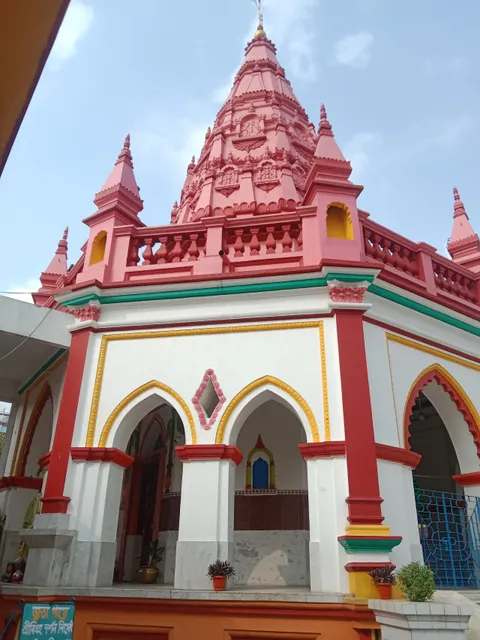
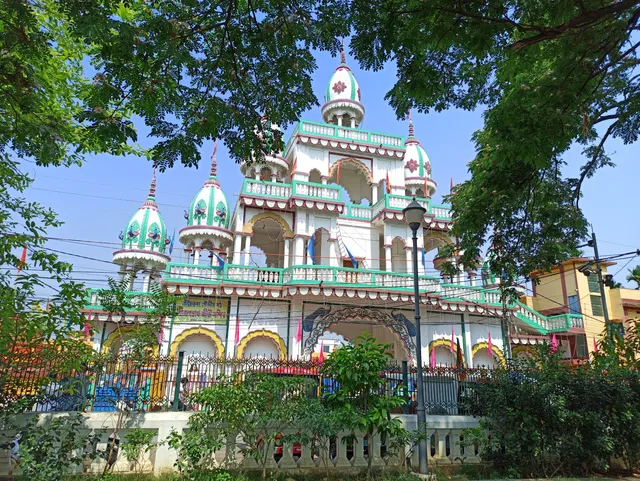
Jagannath Bari
Palace Compound, Krishna Nagar, Agartala, Tripura 799001, India
Dimsagar Lake Park
R7RJ+JRX Dim Sagar, near Haradhan Sangha, Indranagar, Agartala, Tripura 799001, India
Rajbari Lake
Palace Compound, Indranagar, Agartala, Tripura 799001
Dim Sagar
Indranagar, Agartala, Tripura 799001
Kaman Chowmuhani
Kaman Chowmohani, Dhaleswar, Agartala, Tripura 799001, India
Nearby restaurants
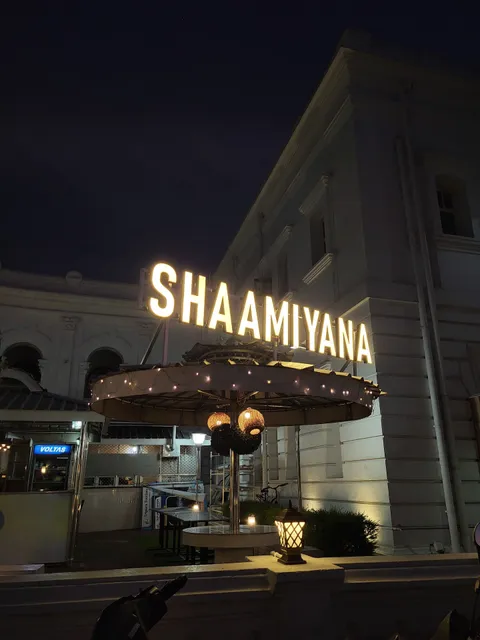
Shaamiyana
R7QM+3FP, near Town Hall, Palace Compound, Indranagar, Agartala, Tripura 799001, India
Hungrilla
R7QM+VQC, BK Rd, near Air India City Office, North, Palace Compound, Banamalipur, Indranagar, Agartala, Tripura 799001, India
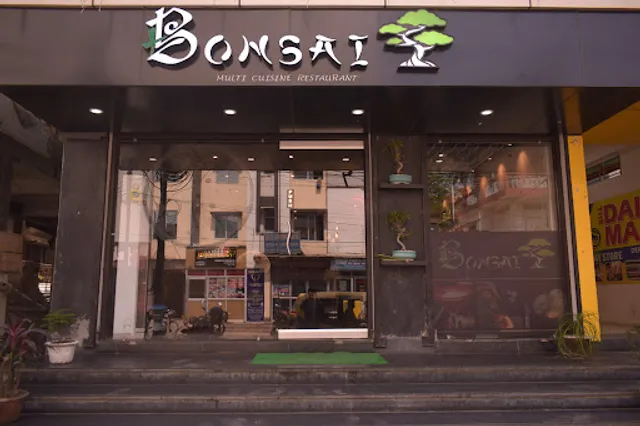
BONSAI
Colonel Chowmuhani, opposite to Tripura Darpan Building, Banerjee Para, Krishna Nagar, Agartala, Tripura 799001, India
GALBI GUI
Colonel Chowmuhani, Banerjee Para, Krishna Nagar, Agartala, Tripura 799001, India
Abhishek Prime Hotel and Restaurant
Durga Bari Rd, Opposite Rabindra Bhawan, Palace Compound, Indranagar, Agartala, Tripura 799001, India
Restaurant Rajdarbar
R7QP+J4J, BK Rd, Near CANARA BANK - AGARTALA BANAMALIPUR NORTH, Banamalipur, Indranagar, Agartala, Tripura 799001, India
Spice & Herbs
bidurkarta choumuhani, Jagganath bari road Colonel choumuhani to, Agartala, Tripura 799001, India
Bahari Panch Foron / বাহারি পাঁচ ফোড়ন
BK Rd, Opp. Canara Bank, Marachowmuhani, Palace Compound, Indranagar, Agartala, Tripura 799001, India
Pizza Hut | Durga Bari Road, Agartala
Ground Floor, Durga Bari Rd, Palace Compound, Indranagar, Agartala, Tripura 799001, India
Grill Nation
Bidurkarta Chowmuhani, Lakshmi Narayan Bari Rd, Palace Compound, Indranagar, Agartala, Tripura 799001, India
Nearby hotels
OYO 28627 Royal Guest House
Colonel Chowmuhani, Agartala, Palace Compound West, Agartala, Tripura 799001, India
Hotel Palace Inn
colonel chowmohoni, near care and cure nursing home, Palace Compound, Indranagar, Agartala, Tripura 799001, India
The Parkline Hotel
LAXMI, Lakshmi Narayan Bari Rd, opposite of RABINDRA BHAVAN, near Bidurkarta, Chowmuhani, Palace Compound, Parkline, Indranagar, Agartala, Tripura 799001, India
OYO Star View Guest House
BK Rd, Banamalipur, Indranagar, Agartala, Tripura 799001, India
Lakeview Apartments & Homestay
Krishna Nagar, Agartala, Tripura 799001, India
Hotel Anurag Palace
Icici bank, Alongside, Old, Motor Stand Rd, near Motorstand BOC, Agartala, Tripura 799001, India
Hotel Plaza
799001, Santipara, Dhaleswar, Agartala, Tripura 799001, India
Hotel Welcome Palace
Hari Ganga Basak Road, Post Office Chowmuhani, Agartala, Tripura 799001, India
Hotel Radha International
54, Central Rd, Santipara, Dhaleswar, Agartala, Tripura 799001, India
OYO Hotel Executive Inn
Hotel Executive Inn, 9, Mantribari Rd, opposite head post office chowmuhani, Dhaleswar, Agartala, Tripura 799001, India
Related posts
Keywords
Tripura State Museum tourism.Tripura State Museum hotels.Tripura State Museum bed and breakfast. flights to Tripura State Museum.Tripura State Museum attractions.Tripura State Museum restaurants.Tripura State Museum travel.Tripura State Museum travel guide.Tripura State Museum travel blog.Tripura State Museum pictures.Tripura State Museum photos.Tripura State Museum travel tips.Tripura State Museum maps.Tripura State Museum things to do.
Tripura State Museum things to do, attractions, restaurants, events info and trip planning
Tripura State Museum
IndiaTripuraTripura State Museum

Basic Info

Tripura State Museum

R7PM+W39, Lakshmi Narayan Bari Rd, Palace Compound, Indranagar, Agartala, Tripura 799001, India
4.5(698)
Open 24 hours
Save
spot

Ratings & Description

Info

Cultural
Family friendly
Accessibility
attractions: Jagannath Bari, Dimsagar Lake Park, Rajbari Lake, Dim Sagar, Kaman Chowmuhani, restaurants: Shaamiyana, Hungrilla, BONSAI, GALBI GUI, Abhishek Prime Hotel and Restaurant, Restaurant Rajdarbar, Spice & Herbs, Bahari Panch Foron / বাহারি পাঁচ ফোড়ন, Pizza Hut | Durga Bari Road, Agartala, Grill Nation
logoLearn more insights from Wanderboat AI.

Plan your stay

hotel
Pet-friendly Hotels in Tripura
Find a cozy hotel nearby and make it a full experience.

hotel
Affordable Hotels in Tripura
Find a cozy hotel nearby and make it a full experience.

hotel
The Coolest Hotels You Haven't Heard Of (Yet)
Find a cozy hotel nearby and make it a full experience.

hotel
Trending Stays Worth the Hype in Tripura
Find a cozy hotel nearby and make it a full experience.

Reviews

Nearby attractions of Tripura State Museum

Jagannath Bari

Dimsagar Lake Park

Rajbari Lake

Dim Sagar

Kaman Chowmuhani
Jagannath Bari

Jagannath Bari

4.6

(1.4K)

Open 24 hours
Click for details
Dimsagar Lake Park

Dimsagar Lake Park

4.1

(1.6K)

Open 24 hours
Click for details
Rajbari Lake

Rajbari Lake

4.3

(204)

Open 24 hours
Click for details
Dim Sagar

Dim Sagar

4.0

(94)

Open 24 hours
Click for details

Nearby restaurants of Tripura State Museum

Shaamiyana

Hungrilla

BONSAI

GALBI GUI

Abhishek Prime Hotel and Restaurant

Restaurant Rajdarbar

Spice & Herbs

Bahari Panch Foron / বাহারি পাঁচ ফোড়ন

Pizza Hut | Durga Bari Road, Agartala

Grill Nation
Shaamiyana

Shaamiyana

2.8

(104)

Click for details
Hungrilla

Hungrilla

3.7

(556)

Click for details
BONSAI

BONSAI

3.9

(455)

Click for details
GALBI GUI

GALBI GUI

3.8

(197)

Click for details
Get the Appoverlay
Get the AppOne tap to find yournext favorite spots!
Wanderboat LogoWanderboat

Your everyday Al companion for getaway ideas

CompanyAbout Us
InformationAI Trip PlannerSitemap
SocialXInstagramTiktokLinkedin
LegalTerms of ServicePrivacy Policy

Get the app

© 2025 Wanderboat. All rights reserved.
logo

Posts

Log MinusoneLog Minusone
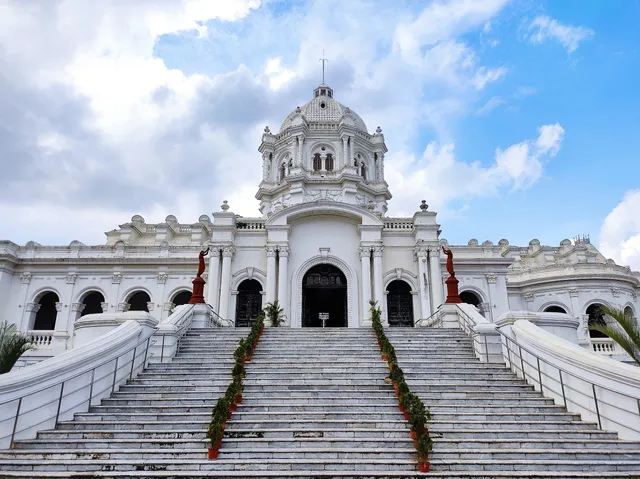
This is a cultural museum par excellence. The Ujjayanta Palace, where the museum is located, is exceptionally beautiful. The spotlessly white structure is a feast for the eyes. It was constructed by Martin & Company of Great Britain. There are urban legends, bolstered by recent publications, that Martin Burn and Company (some say of Germany, some say of Great Britain - legends vary) constructed it. A similar legend persists that it was the great poet Rabindranath Tagore who named it Ujjayanta. Again, this is not true. The word actually occurs in a Sanskrit shilalipi. However, this is not the correct forum to engage in a debate on these. The most colourful legend is that this palace was used as the model for a Maharaja's palace in a Tintin adventure named The Cigars of the Pharaoh. One look at Herge's drawing can dispel all doubts. There is no resemblance at all. These details are less important. What is important is the beauty of the palace and the architectural layout. The rulers of Tripura were cultured, educated and progressive. Their sense of history and aesthetics enabled them to approve designs which were in consonance with local traditions and culture. In front of the palace are two huge tanks - Lakshminarayan Dighi and Jagannath Dighi. A walkway separates them. Walking down the stairs of the palace, the Lakshminarayan Dighi is to the left while the Jagannath Dighi is on the right. The Uma Maheshwar Temple (Kalibari) lies to the left of the palace and the Jagannath Temple to the right. On the front, on either side of the main gate lie the Lakshminarayan Temple and the Durga Bari. A walk through the palace itself is a pleasure. The palace has been the Assembly Building for long. It is a matter of relief that we commoners can access this lovely structure now. One section of the palace is still out of bounds. The royal family of Tripura have their residence there. When the family is in present, a flag flutters over one of the domes. Now, the museum itself. A cultural, historical and overall facet of the state of Tripura and also North East India has been presented here. One gets a glimpse of the various tribal communities that have lived in this land, their culture and traditions. Sections on geography, zoology, botany and geology cover the non-human aspects of Tripura. The museum highlights some of the recent events which have shaped the state's history, e.g., the martyrs from the police who laid down their lives during the insurgency, the creation of Bangladesh in 1971, etc. Some of the best attractions are collections of Tripura's indigenous musical instruments, old newspaper cuttings of the 1971 war, weaving implements, ivory items, old kantha stitch clothing and, not the least, a number of antiquities. For while the museum is a cultural museum, it houses important antiquities as well. The Pala era stone sculptures are exquisitely beautiful. One cannot fail to mention the stone sculpture of Lakshminarayan where they are locked in a sensuous embrace. The gentleness of the caress is one that cannot be described in words. There are interesting collections of copper plates (tamralipis) and coins too. These coins were minted during the reign of the Manikya rulers through centuries. Statuettes from the Pilak area give an idea of the style of sculpture extant there. Finally, the piece-de-resistance. That is the palace ballroom. It is adorned by large portraits of erstwhile kings of Tripura, in their royal finery. Court attire, arms borne in the court, etc. are also tastefully displayed. I must mention here the Curator, Smt S. Midya, with whom I had a chance discussion. With limited resources and staff, she has done an excellent task of embellishing and maintaining this museum. My respects and thanks to her. To all in Agartala, whether you are a resident, a tourist, or even an itinerant professional on a whirlwind tour, there are few places in India where you get to walk about in such a beautiful palace and also experience a quality museum for a mere Rs. 20/-. Do not miss it!
Azaharul ahmedAzaharul ahmed
Visiting the Tripura State Museum, also known as the Ujjayanta Palace, offers a fascinating journey through the rich tapestry of Tripura's history and culture. Nestled in the heart of Agartala, the capital of Tripura, this museum is housed in a majestic royal palace that itself is a testament to the grandeur of the region's past. As you approach the museum, you're greeted by the splendid façade of Ujjayanta Palace. Built during the early 20th century, the palace exhibits a magnificent blend of Indo-Saracenic architecture, with its towering domes, intricately carved wooden ceilings, and sprawling corridors. This regal structure once served as the residence of the Manikya kings of Tripura, adding a royal charm to your visit. Inside, the museum's galleries are a treasure trove of artifacts that span the length and breadth of Tripura's history. From ancient sculptures and tribal artifacts to coins and ancient scriptures, each exhibit is thoughtfully curated to offer insight into the diverse cultural heritage of the region. Particularly notable are the displays dedicated to the indigenous tribes of Tripura, showcasing traditional attire, musical instruments, and handicrafts that reflect their vibrant lifestyle. The museum also delves into the state's more recent history, documenting its journey from a princely state to its current identity as part of modern India. Photographs, documents, and personal items of the erstwhile royalty help narrate this transition in a way that is both engaging and educational. Visitors find themselves immersed in the stories of Tripura's past, beautifully intertwined with its present. Whether you are a history enthusiast, an architecture lover, or someone curious about Indian culture, the Tripura State Museum provides a captivating and enriching experience that leaves a lasting impression. Engaging with the exhibits offers not just a look into history but also a reflection on how the diverse cultural influences have shaped present-day Tripura. As you conclude your visit, the museum's serene gardens provide a peaceful backdrop to reflect on the wealth of history you have absorbed.
Saurav ChakrabortySaurav Chakraborty
The Tripura State Museum, housed in the majestic Ujjayanta Palace in Agartala, is a cultural haven that showcases the vibrant history, art, and traditions of Tripura and the broader Northeast India. Established to preserve and promote the region's rich heritage, the museum offers a fascinating collection of exhibits that cater to history enthusiasts and cultural explorers alike. The museum features meticulously curated galleries, each focusing on different aspects of Tripura’s past and present. From archaeological artifacts and ancient sculptures to tribal relics, traditional costumes, and intricate handwoven textiles, the collection is diverse and captivating. The ethnographic gallery stands out, offering insights into the lifestyles, festivals, and rituals of the indigenous tribes of the region. Visitors are also treated to displays of exquisite stone carvings, terracotta figurines, and ancient manuscripts, which highlight the artistic and intellectual achievements of Tripura’s historical societies. Informative plaques and modern displays make the experience both educational and engaging. Nestled within the grandeur of Ujjayanta Palace, the museum's serene surroundings and well-maintained gardens add to its charm. A visit to the Tripura State Museum is not just a journey through history but also a celebration of the rich cultural tapestry of Northeast India.
See more posts
See more posts
hotel
Find your stay

Pet-friendly Hotels in Tripura

Find a cozy hotel nearby and make it a full experience.

This is a cultural museum par excellence. The Ujjayanta Palace, where the museum is located, is exceptionally beautiful. The spotlessly white structure is a feast for the eyes. It was constructed by Martin & Company of Great Britain. There are urban legends, bolstered by recent publications, that Martin Burn and Company (some say of Germany, some say of Great Britain - legends vary) constructed it. A similar legend persists that it was the great poet Rabindranath Tagore who named it Ujjayanta. Again, this is not true. The word actually occurs in a Sanskrit shilalipi. However, this is not the correct forum to engage in a debate on these. The most colourful legend is that this palace was used as the model for a Maharaja's palace in a Tintin adventure named The Cigars of the Pharaoh. One look at Herge's drawing can dispel all doubts. There is no resemblance at all. These details are less important. What is important is the beauty of the palace and the architectural layout. The rulers of Tripura were cultured, educated and progressive. Their sense of history and aesthetics enabled them to approve designs which were in consonance with local traditions and culture. In front of the palace are two huge tanks - Lakshminarayan Dighi and Jagannath Dighi. A walkway separates them. Walking down the stairs of the palace, the Lakshminarayan Dighi is to the left while the Jagannath Dighi is on the right. The Uma Maheshwar Temple (Kalibari) lies to the left of the palace and the Jagannath Temple to the right. On the front, on either side of the main gate lie the Lakshminarayan Temple and the Durga Bari. A walk through the palace itself is a pleasure. The palace has been the Assembly Building for long. It is a matter of relief that we commoners can access this lovely structure now. One section of the palace is still out of bounds. The royal family of Tripura have their residence there. When the family is in present, a flag flutters over one of the domes. Now, the museum itself. A cultural, historical and overall facet of the state of Tripura and also North East India has been presented here. One gets a glimpse of the various tribal communities that have lived in this land, their culture and traditions. Sections on geography, zoology, botany and geology cover the non-human aspects of Tripura. The museum highlights some of the recent events which have shaped the state's history, e.g., the martyrs from the police who laid down their lives during the insurgency, the creation of Bangladesh in 1971, etc. Some of the best attractions are collections of Tripura's indigenous musical instruments, old newspaper cuttings of the 1971 war, weaving implements, ivory items, old kantha stitch clothing and, not the least, a number of antiquities. For while the museum is a cultural museum, it houses important antiquities as well. The Pala era stone sculptures are exquisitely beautiful. One cannot fail to mention the stone sculpture of Lakshminarayan where they are locked in a sensuous embrace. The gentleness of the caress is one that cannot be described in words. There are interesting collections of copper plates (tamralipis) and coins too. These coins were minted during the reign of the Manikya rulers through centuries. Statuettes from the Pilak area give an idea of the style of sculpture extant there. Finally, the piece-de-resistance. That is the palace ballroom. It is adorned by large portraits of erstwhile kings of Tripura, in their royal finery. Court attire, arms borne in the court, etc. are also tastefully displayed. I must mention here the Curator, Smt S. Midya, with whom I had a chance discussion. With limited resources and staff, she has done an excellent task of embellishing and maintaining this museum. My respects and thanks to her. To all in Agartala, whether you are a resident, a tourist, or even an itinerant professional on a whirlwind tour, there are few places in India where you get to walk about in such a beautiful palace and also experience a quality museum for a mere Rs. 20/-. Do not miss it!
Log Minusone

Log Minusone

hotel
Find your stay

Affordable Hotels in Tripura

Find a cozy hotel nearby and make it a full experience.

Get the Appoverlay
Get the AppOne tap to find yournext favorite spots!
Visiting the Tripura State Museum, also known as the Ujjayanta Palace, offers a fascinating journey through the rich tapestry of Tripura's history and culture. Nestled in the heart of Agartala, the capital of Tripura, this museum is housed in a majestic royal palace that itself is a testament to the grandeur of the region's past. As you approach the museum, you're greeted by the splendid façade of Ujjayanta Palace. Built during the early 20th century, the palace exhibits a magnificent blend of Indo-Saracenic architecture, with its towering domes, intricately carved wooden ceilings, and sprawling corridors. This regal structure once served as the residence of the Manikya kings of Tripura, adding a royal charm to your visit. Inside, the museum's galleries are a treasure trove of artifacts that span the length and breadth of Tripura's history. From ancient sculptures and tribal artifacts to coins and ancient scriptures, each exhibit is thoughtfully curated to offer insight into the diverse cultural heritage of the region. Particularly notable are the displays dedicated to the indigenous tribes of Tripura, showcasing traditional attire, musical instruments, and handicrafts that reflect their vibrant lifestyle. The museum also delves into the state's more recent history, documenting its journey from a princely state to its current identity as part of modern India. Photographs, documents, and personal items of the erstwhile royalty help narrate this transition in a way that is both engaging and educational. Visitors find themselves immersed in the stories of Tripura's past, beautifully intertwined with its present. Whether you are a history enthusiast, an architecture lover, or someone curious about Indian culture, the Tripura State Museum provides a captivating and enriching experience that leaves a lasting impression. Engaging with the exhibits offers not just a look into history but also a reflection on how the diverse cultural influences have shaped present-day Tripura. As you conclude your visit, the museum's serene gardens provide a peaceful backdrop to reflect on the wealth of history you have absorbed.
Azaharul ahmed

Azaharul ahmed

hotel
Find your stay

The Coolest Hotels You Haven't Heard Of (Yet)

Find a cozy hotel nearby and make it a full experience.

hotel
Find your stay

Trending Stays Worth the Hype in Tripura

Find a cozy hotel nearby and make it a full experience.

The Tripura State Museum, housed in the majestic Ujjayanta Palace in Agartala, is a cultural haven that showcases the vibrant history, art, and traditions of Tripura and the broader Northeast India. Established to preserve and promote the region's rich heritage, the museum offers a fascinating collection of exhibits that cater to history enthusiasts and cultural explorers alike. The museum features meticulously curated galleries, each focusing on different aspects of Tripura’s past and present. From archaeological artifacts and ancient sculptures to tribal relics, traditional costumes, and intricate handwoven textiles, the collection is diverse and captivating. The ethnographic gallery stands out, offering insights into the lifestyles, festivals, and rituals of the indigenous tribes of the region. Visitors are also treated to displays of exquisite stone carvings, terracotta figurines, and ancient manuscripts, which highlight the artistic and intellectual achievements of Tripura’s historical societies. Informative plaques and modern displays make the experience both educational and engaging. Nestled within the grandeur of Ujjayanta Palace, the museum's serene surroundings and well-maintained gardens add to its charm. A visit to the Tripura State Museum is not just a journey through history but also a celebration of the rich cultural tapestry of Northeast India.
Saurav Chakraborty

Saurav Chakraborty

See more posts
See more posts

Reviews of Tripura State Museum

4.5
(698)
avatar
5.0
3y

This is a cultural museum par excellence.

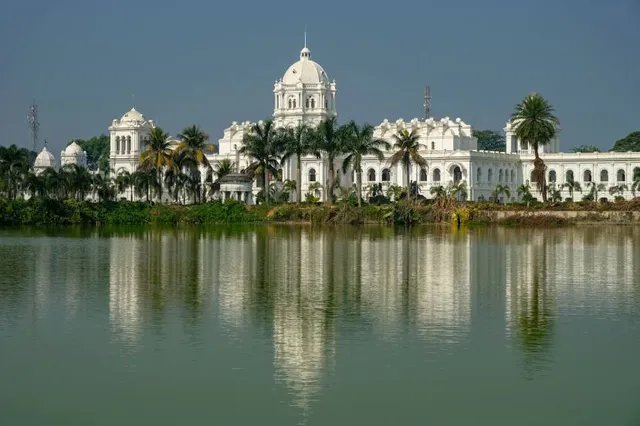
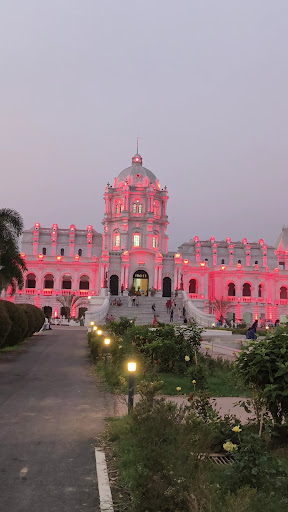
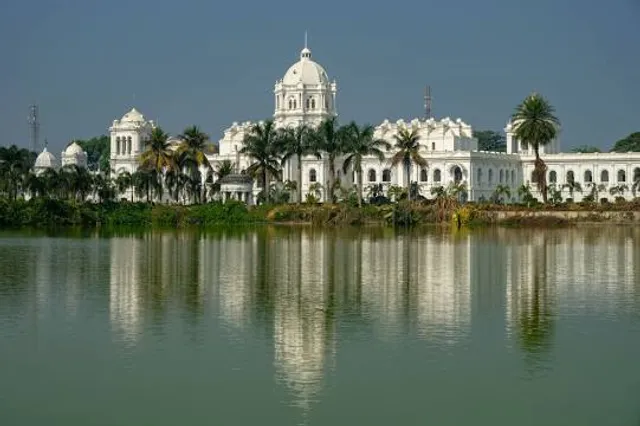
The Ujjayanta Palace, where the museum is located, is exceptionally beautiful. The spotlessly white structure is a feast for the eyes.

It was constructed by Martin & Company of Great Britain. There are urban legends, bolstered by recent publications, that Martin Burn and Company (some say of Germany, some say of Great Britain - legends vary) constructed it. A similar legend persists that it was the great poet Rabindranath Tagore who named it Ujjayanta. Again, this is not true. The word actually occurs in a Sanskrit shilalipi. However, this is not the correct forum to engage in a debate on these.

The most colourful legend is that this palace was used as the model for a Maharaja's palace in a Tintin adventure named The Cigars of the Pharaoh. One look at Herge's drawing can dispel all doubts. There is no resemblance at all.

These details are less important. What is important is the beauty of the palace and the architectural layout.

The rulers of Tripura were cultured, educated and progressive. Their sense of history and aesthetics enabled them to approve designs which were in consonance with local traditions and culture.

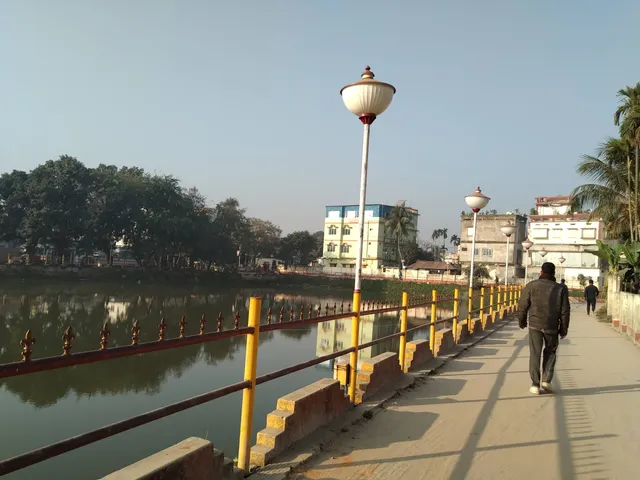
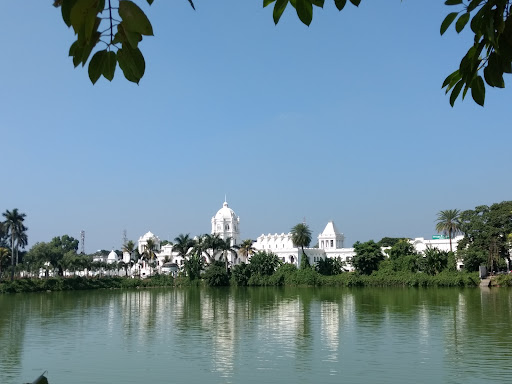
In front of the palace are two huge tanks - Lakshminarayan Dighi and Jagannath Dighi. A walkway separates them.

Walking down the stairs of the palace, the Lakshminarayan Dighi is to the left while the Jagannath Dighi is on the right. The Uma Maheshwar Temple (Kalibari) lies to the left of the palace and the Jagannath Temple to the right. On the front, on either side of the main gate lie the Lakshminarayan Temple and the Durga Bari.

A walk through the palace itself is a pleasure. The palace has been the Assembly Building for long. It is a matter of relief that we commoners can access this lovely structure now.

One section of the palace is still out of bounds. The royal family of Tripura have their residence there. When the family is in present, a flag flutters over one of the domes.

Now, the museum itself. A cultural, historical and overall facet of the state of Tripura and also North East India has been presented here. One gets a glimpse of the various tribal communities that have lived in this land, their culture and traditions.

Sections on geography, zoology, botany and geology cover the non-human aspects of Tripura. The museum highlights some of the recent events which have shaped the state's history, e.g., the martyrs from the police who laid down their lives during the insurgency, the creation of Bangladesh in 1971, etc.

Some of the best attractions are collections of Tripura's indigenous musical instruments, old newspaper cuttings of the 1971 war, weaving implements, ivory items, old kantha stitch clothing and, not the least, a number of antiquities.

For while the museum is a cultural museum, it houses important antiquities as well. The Pala era stone sculptures are exquisitely beautiful. One cannot fail to mention the stone sculpture of Lakshminarayan where they are locked in a sensuous embrace. The gentleness of the caress is one that cannot be described in words.

There are interesting collections of copper plates (tamralipis) and coins too. These coins were minted during the reign of the Manikya rulers through centuries. Statuettes from the Pilak area give an idea of the style of sculpture extant there.

Finally, the piece-de-resistance. That is the palace ballroom. It is adorned by large portraits of erstwhile kings of Tripura, in their royal finery. Court attire, arms borne in the court, etc. are also tastefully displayed.

I must mention here the Curator, Smt S. Midya, with whom I had a chance discussion. With limited resources and staff, she has done an excellent task of embellishing and maintaining this museum. My respects and thanks to her.

To all in Agartala, whether you are a resident, a tourist, or even an itinerant professional on a whirlwind tour, there are few places in India where you get to walk about in such a beautiful palace and also experience a quality museum for a mere Rs. 20/-.

Do...

   Read more
avatar
5.0
38w

Visiting the Tripura State Museum, also known as the Ujjayanta Palace, offers a fascinating journey through the rich tapestry of Tripura's history and culture. Nestled in the heart of Agartala, the capital of Tripura, this museum is housed in a majestic royal palace that itself is a testament to the grandeur of the region's past.

As you approach the museum, you're greeted by the splendid façade of Ujjayanta Palace. Built during the early 20th century, the palace exhibits a magnificent blend of Indo-Saracenic architecture, with its towering domes, intricately carved wooden ceilings, and sprawling corridors. This regal structure once served as the residence of the Manikya kings of Tripura, adding a royal charm to your visit.

Inside, the museum's galleries are a treasure trove of artifacts that span the length and breadth of Tripura's history. From ancient sculptures and tribal artifacts to coins and ancient scriptures, each exhibit is thoughtfully curated to offer insight into the diverse cultural heritage of the region. Particularly notable are the displays dedicated to the indigenous tribes of Tripura, showcasing traditional attire, musical instruments, and handicrafts that reflect their vibrant lifestyle.

The museum also delves into the state's more recent history, documenting its journey from a princely state to its current identity as part of modern India. Photographs, documents, and personal items of the erstwhile royalty help narrate this transition in a way that is both engaging and educational.

Visitors find themselves immersed in the stories of Tripura's past, beautifully intertwined with its present. Whether you are a history enthusiast, an architecture lover, or someone curious about Indian culture, the Tripura State Museum provides a captivating and enriching experience that leaves a lasting impression. Engaging with the exhibits offers not just a look into history but also a reflection on how the diverse cultural influences have shaped present-day Tripura. As you conclude your visit, the museum's serene gardens provide a peaceful backdrop to reflect on the wealth of history you...

   Read more
avatar
5.0
17w

The Tripura State Museum, located inside the iconic Ujjayanta Palace in Agartala, is an absolute gem for anyone interested in history, culture, and architecture. Built in 1901 by Maharaja Radha Kishore Manikya, the palace itself is breathtaking — with its grand white façade, impressive central dome, and sprawling gardens complete with fountains and a peaceful lake.

Inside, the museum offers a fascinating journey through Tripura’s royal legacy and cultural heritage. The galleries are thoughtfully organized, covering a wide range of subjects — from archaeological artifacts and royal belongings to traditional tribal costumes, weapons, coins, sculptures, and paintings. There are also sections dedicated to the folk traditions and performing arts of Tripura, making it a complete cultural experience.

Every exhibit is well-labeled with clear information, which makes the visit both enjoyable and educational. The building’s spacious halls, intricate wooden ceilings, and natural lighting enhance the overall charm.

The staff are polite, helpful, and knowledgeable, always ready to guide visitors and share interesting facts. Cleanliness and maintenance are top-notch, reflecting the importance given to preserving the museum’s treasures.

Whether you are a history enthusiast, a student, or simply a curious traveler, this museum is a must-visit. It beautifully preserves the essence of Tripura’s past while making it accessible to the...

   Read more
Page 1 of 7
Previous
Next