Title: A Divine Encounter at Sankat Mochan Temple, Varanasi
Rating: ★★★★☆
As an ardent traveler in search of spiritual experiences, I recently had the opportunity to visit the renowned Sankat Mochan Temple in Varanasi, India. Known for its immense spiritual power, this ancient temple left a lasting impression on me.
From the moment I stepped foot onto the temple grounds, I could sense an indescribable aura of serenity and tranquility. The lush greenery surrounding the temple, adorned with magnificent trees, provided a soothing atmosphere and offered respite from the bustling city outside. The temple's caretaker monkeys added a touch of liveliness and a unique charm to the experience. Observing these playful creatures interacting with visitors was truly delightful.
The spiritual energy within the temple complex was palpable. Devotees and pilgrims from all walks of life congregated here, their fervent prayers and chants filling the air. The atmosphere was charged with devotion and a profound sense of reverence. The temple's ambiance inspired a deep connection with the divine, allowing visitors to embark on a personal journey of self-reflection and introspection.
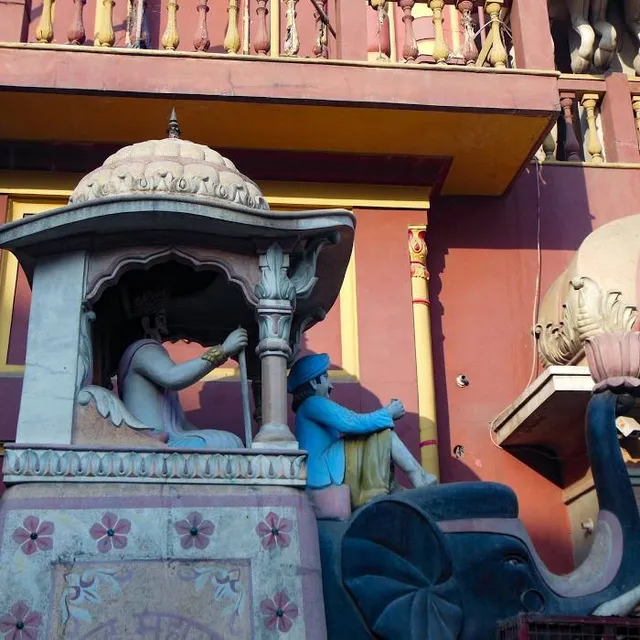
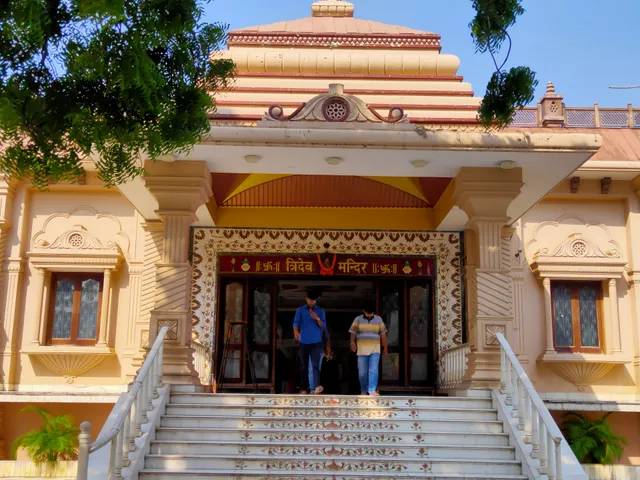
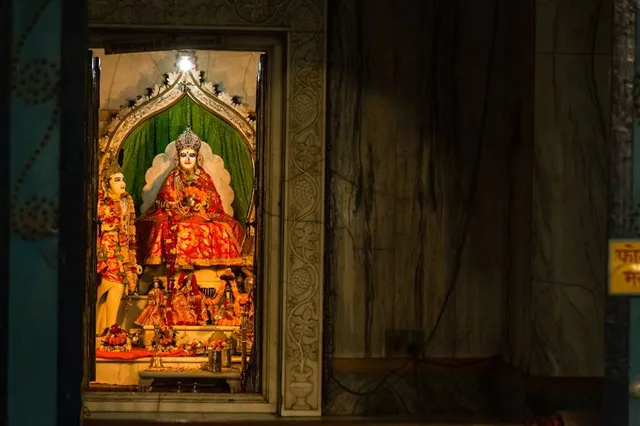
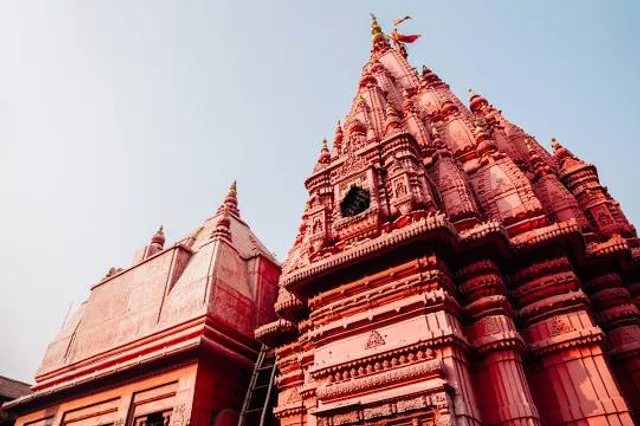
The architecture of Sankat Mochan Temple is a testament to the rich heritage of India. Intricate carvings and motifs adorned the walls, displaying the exquisite craftsmanship of ancient artisans. The main shrine dedicated to Lord Hanuman, the presiding deity of the temple, radiated a divine aura that enveloped all who entered. The sanctum sanctorum was adorned with vibrant flowers, incense, and glowing diyas, further enhancing the spiritual ambiance.
While the temple itself is undoubtedly a spiritual haven, the presence of monkeys within the premises added an element of joy and amusement. These mischievous creatures playfully interacted with visitors, often stealing offerings or engaging in friendly banter. Although it is important to exercise caution and respect their space, their presence added a unique and memorable aspect to my visit.
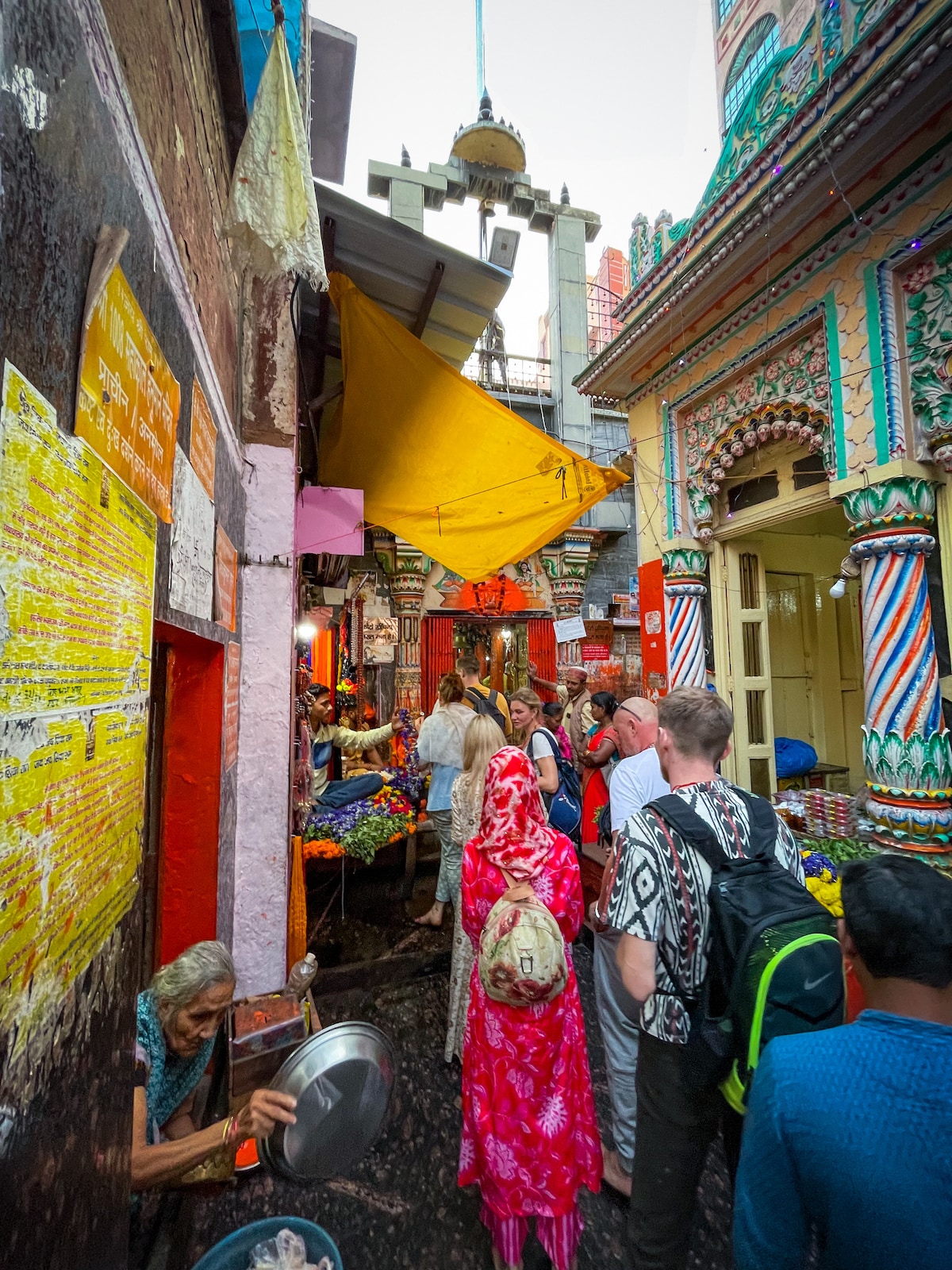
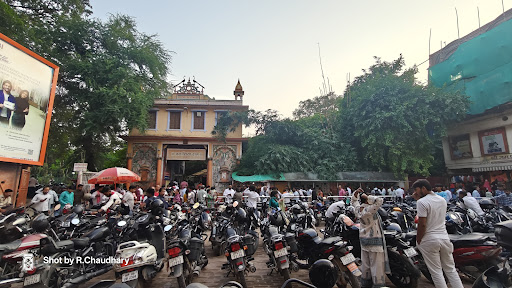
It is worth noting that due to its popularity, the temple can become crowded at times. Patience and a willingness to navigate through the throngs of devotees are necessary to fully enjoy the experience. Additionally, as with any religious site, it is advisable to dress modestly and maintain a respectful demeanor throughout your visit.
In conclusion, my visit to the Sankat Mochan Temple in Varanasi was a deeply enriching and spiritually uplifting experience. The tranquil ambiance, the divine energy, and the playful presence of the temple's resident monkeys combined to create a truly memorable journey. If you seek a place of solace and connection with the divine, this temple should undoubtedly be on your itinerary when exploring the spiritual wonders of...
Read moreThe Sankat Mochan Hanuman Mandir is a Hindu temple dedicated to Lord Hanuman, situated in Varanasi, Uttar Pradesh, India. Here's some information about this sacred temple:
Location: The Sankat Mochan Hanuman Mandir is in Varanasi, Uttar Pradesh, near the Durga Kund Temple and the Banaras Hindu University (BHU). It is easily accessible from various parts of the city and is a prominent landmark in Varanasi.
Deity: The temple is dedicated to Lord Hanuman, the divine monkey god and ardent devotee of Lord Rama. Hanuman is revered for his strength, devotion, and loyalty and is worshipped by millions of Hindus worldwide.
Significance: The Sankat Mochan Hanuman Mandir is one of the most revered temples in Varanasi and holds immense spiritual significance for devotees of Lord Hanuman. The name "Sankat Mochan" means "reliever of difficulties," and it is believed that worshipping Lord Hanuman at this temple can help alleviate problems and obstacles in life.
History: The temple has a long and rich history, dating back several centuries. It was established by the Hindu saint Tulsidas, renowned for his epic poem "Ramcharitmanas," which narrates the life story of Lord Rama. Tulsidas is said to have had a divine vision of Lord Hanuman at this location, prompting him to establish the temple.
Architecture: The Sankat Mochan Hanuman Mandir features traditional Hindu architectural styles, with a central shrine dedicated to Lord Hanuman. The temple complex also includes other shrines dedicated to various Hindu deities, prayer halls and facilities for devotees.
Devotional Activities: Devotees visit the Sankat Mochan Hanuman Mandir to offer prayers, seek blessings, and participate in various religious rituals and ceremonies. The temple is exceptionally crowded on Tuesdays and Saturdays, considered auspicious days for worshipping Lord Hanuman.
Charitable Initiatives: The temple is involved in various charitable activities, including providing free meals (prasadam) to devotees, organising medical camps, and supporting educational initiatives. It is known for its commitment to serving the community and helping those in need.
Festivals: The Sankat Mochan Hanuman Mandir celebrates various Hindu festivals throughout the year, including Hanuman Jayanti (the birthday of Lord Hanuman), Ram Navami, and Diwali. Special prayers, devotional singing, and religious discourses mark these festivals.
Overall, the Sankat Mochan Hanuman Mandir is a revered pilgrimage site in Varanasi, known for its spiritual ambience, historical significance, and devotion to Lord Hanuman. It continues to attract devotees and visitors from all over India and beyond who come to seek solace, guidance, and blessings from the...
Read moreSankat Mochan Hanuman Temple is a Hindu temple in Varanasi, Uttar Pradesh, India and is dedicated to the Hindu God Hanuman. The temple was established by famous Hindu preacher and poet saint Sri Goswami Tulsidas in the early 16th century and is situated on the banks of the Assi river. The deity was named "Sankat Mochan" meaning the "reliever from troubles". Sankat Mochan Hanuman Temple is a Hindu temple in Varanasi, Uttar Pradesh, India and is dedicated to the Hindu God Hanuman. The temple was established by famous Hindu preacher and poet saint Sri Goswami Tulsidas in the early 16th century and is situated on the banks of the Assi river. The deity was named "Sankat Mochan" meaning the "reliever from troubles". Sankat Mochan Mandir is an ancient temple and abode of deity Lord Hanuman Ji. The temple was established by Great Saint Poet Goswami Tulsidas Ji in the beginning of 16th century. The area surrounding the sanctum sanatorium is surrounded by green forest originally preserved since the establishment of temple. The temple exists within an area of forests on 8 acres of land. The city of Varanasi also known as anand kanan (forest of bliss) is visible here. Sankat Mochan Mandir vicinity a large airy forested complex has been traditionally considered to be a pilgrimage by the common mass. The name “Sankat Mochan”, a popular appellation for Hanuman, means “The Reliever of Troubles” or “The Liberation from Troubles”. These are believed to be the rewards of receiving the darshan of Hanuman Ji. In harmony with the name, the compound of Sankat Mochan Mandir has always been a somewhat secluded retreat from the daily troubles of the world. It was here, in the peaceful rural atmosphere, and in contact with the powerful murti of Hanuman, that Tulsidas is said to have taken spiritual refuge and received his greatest inspirations. It was here according to another popular legend, that Megharam (also known as Megha Bhakt), the disciple of Great Saint Tulsidas Ji, took refuge from his deep sorrow upon the great poet’s death. During his period of grief, in the healing seclusion the Hanuman’s temple, Megharam received the divine guidelines which would eventually result in the ritual resurrection of the Ram Raj.In older days, prior to the post World War-II residential expansion into the underdeveloped fields and forests of southern Banaras, Sankat Mochan Mandir was said to be a local pastoral pilgrimage and popular site for getting away from hectic life...
Read more