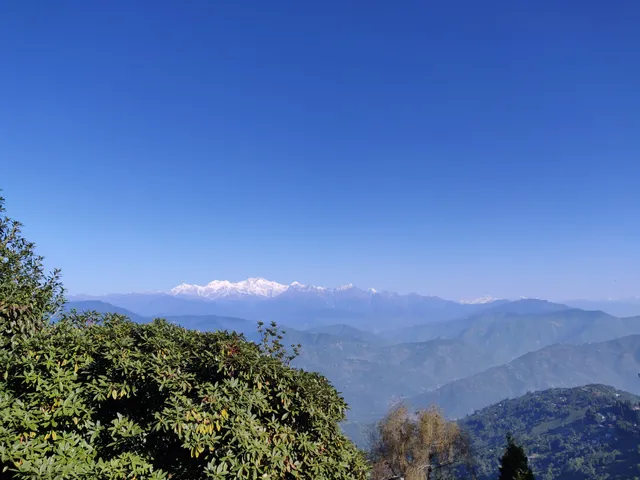
Darjeeling (/dɑːrˈdʒiːlɪŋ/,[14] Bengali: [ˈdarˌdʒiliŋ], Nepali: [darˈd͡ziliŋ]) is a town and municipality in the northernmost region of the Indian state of West Bengal. Located in the Eastern Himalayas, it has an average elevation of 2,045 metres (6,709 ft).[10] To the west of Darjeeling lies the easternmost province of Nepal, to the east the Kingdom of Bhutan, to the north the Indian state of Sikkim, and farther north the Tibet Autonomous Region region of China. Bangladesh lies to the south and southeast, and most of the state of West Bengal lies to the south and southwest, connected to the Darjeeling region by a narrow tract. Kangchenjunga, the world's third-highest mountain, rises to the north and is prominently visible on clear days.
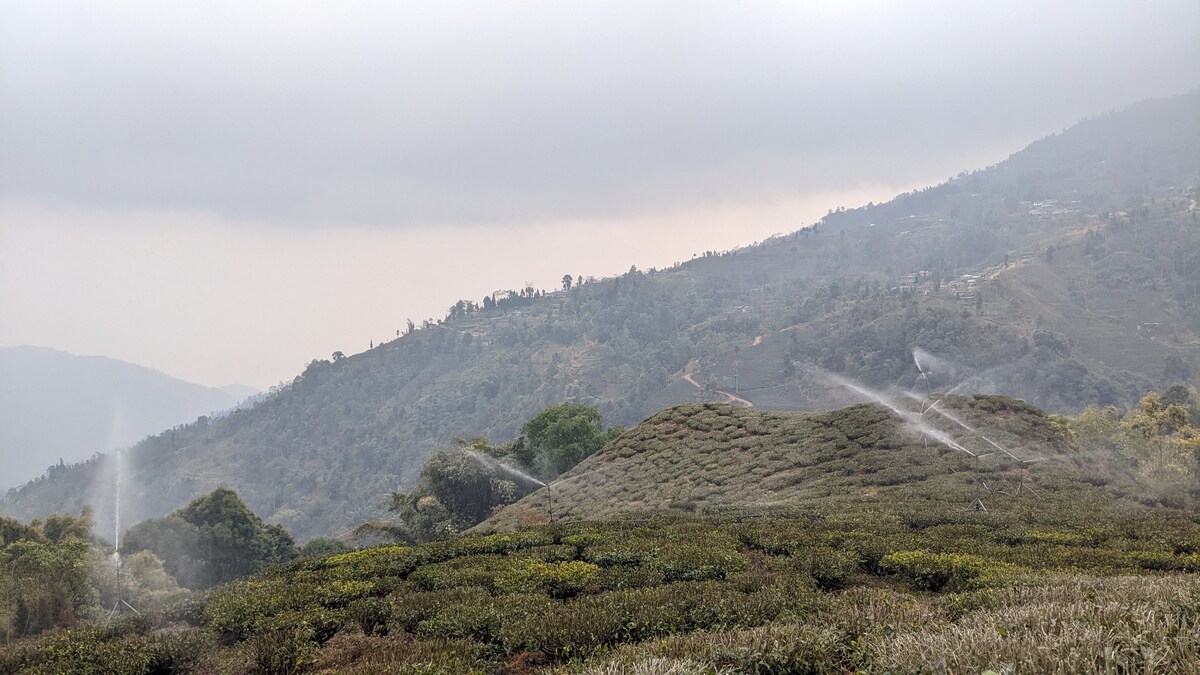
In the early 19th century, during East India Company rule in India, Darjeeling was identified as a potential summer retreat for British officials, soldiers and their families. The narrow mountain ridge was leased from the Kingdom of Sikkim, and eventually annexed to British India. Experimentation with growing tea on the slopes below Darjeeling was highly successful. Thousands of labourers were recruited chiefly from Nepal to clear the forests, build European-style cottages and work in the tea plantations. The widespread deforestation displaced the indigenous peoples. Residential schools were established in and around Darjeeling for the education of children of the domiciled British in India. By the late-19th century, a novel narrow-gauge mountain railway, the Darjeeling Himalayan Railway, was bringing summer residents into the town and carrying a freight of tea out for export to the world. After India's independence in 1947, as the British left Darjeeling, its cottages were purchased by wealthy Indians from the plains and its tea plantations by out-of-town Indian business owners and conglomerates. Darjeeling's population today is constituted largely of the descendants of the indigenous and immigrant labourers that were employed in the original development of the town. Although their common language, the Nepali language, has been given official recognition at the state and federal levels in India, the recognition has created little meaningful employment for the language's speakers nor has it increased their ability to have a significantly greater say in their political affairs. The tea industry and tourism are the mainstays of the town's economy. Deforestation in the region after India's independence has caused environmental damage, affecting the perennial springs that supply the town's water. The population of Darjeeling meanwhile has exploded over the years, and unregulated construction, traffic congestion and water shortages are common. Many young locals, educated in government schools, have taken to migrating out for the lack of jobs matching their skills. Like out-migrants from other regions of northeastern India, they have been subjected to discrimination and racism in some Indian cities. Darjeeling's culture is highly cosmopolitan—a result of diverse ethnic groups intermixing and evolving away from their historical roots. The region's indigenous cuisine is rich in fermented foods and beverages. Tourists have flocked to Darjeeling since the mid-19th century. In 1999, after an international campaign for its support, the Darjeeling Himalayan Railway was declared a World Heritage Site by UNESCO. In 2005, Darjeeling tea was given geographical indication by the World Trade Organization as much for the protection of the brand as for the development of the region that...
Read moreNice place. So fancying a trip to Darjeeling? You must be lured by the dazzling snow peaks of Kanchenjunga overlooking the hill town? And the beautiful tea gardens on the slopes of rolling hills, the orchids, pines & rhododendrons, the cute Himalayan toy train whistling its way through the mountains? And you want to combine all that with great sightseeing tours, food, shopping and other exciting activities. Right?
Yes, it's all possible in Darjeeling, a gem of a place known for its youthful vibe combined with modern as well as colonial charm. Excited? But perfectly planning & designing a tour here in the hills is tricky.
I have been exploring Darjeeling for decades, initially as a vacationer and then as a travel writer. Over time I have looked into many aspects of Darjeeling at great depths and can perhaps claim that I know almost every nook & corner of the hills and a lot about its life, people & culture.
This website is all about sharing those findings and experiences so that you can yourself easily design a great vacation in Darjeeling hills & Sikkim, and book hotels, sightseeing tours & activities. It not only helps cutting out unnecessary costs, you can shape it exactly the way you want.
About Darjeeling . So excited to design your own vacation in Darjeeling? Then read on...
Just to give you a head start about the place, Darjeeling hill town is located at an altitude of 6,710ft in north east India and is part of the state of West Bengal. The nearest airport is Bagdogra and the nearest major railway junction is New Jalpaiguri (NJP).
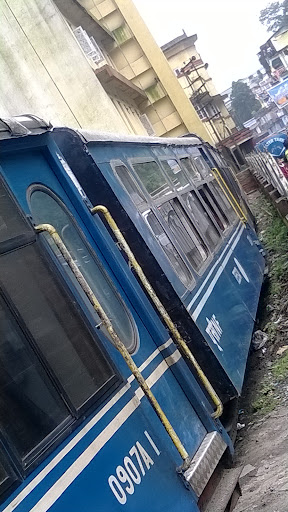
It takes about 3 hours to reach Darjeeling from both these locations by car. Private taxis (available at NJP and Bagdogra), shared taxis (available at NJP) and bus (from Siliguri bus stand, only 8kms from NJP) are the main public transports to reach Darjeeling from NJP station or Bagdogra airport. Alternatively, you can take the fascinating toy train from NJP or Siliguri all the way up to Darjeeling soaking in the Himalayan beauty in a 7-hour ride.
NOTE: Only private taxis are available at Bagdogra airport, no bus service, shared taxis or toy train. Unlike in Gangtok, there is no helicopter service from Bagdogra to Darjeeling. You need to go by road and negotiate steep & winding mountain roads.
Although the area of Darjeeling hill town itself is small (about 10 square kilometers), Darjeeling is also a district and spans over a large area of about 2,100 square kilometers. The district has subdivisions like Kurseong, Siliguri etc as well as the hill resort town of Mirik. So there are many lovely places to visit within Darjeeling hills itself.
Update February 2017: Kalimpong which was earlier a subdivision of Darjeeling district has become a separate district of West Bengal effective 14th Feb 2017 with an area of 1,056 square kilometers of its own. It is no longer a subdivision of Darjeeling district. But that makes no difference to the tourists. In fact, Darjeeling, Kalimpong, Kurseon and a large part of Sikkim including Gangtok remains as the loved tourist destinations since over a century and several of them can be combined on a single trip.
Within Darjeeling town area, you can walk to visit several tourist attractions. Plenty of taxis (which are private commercial vehicles of various types - small & large) are available at the stands. They offer both local sightseeing tours as well as point-to-point transfers. You can also get shared taxis (mainly Jeep type vehicles) at the stands, but they are mostly available for transfers and...
Read moreTitle: Darjeeling Clock Tower: A Timeless Gem Amidst Himalayan Splendor
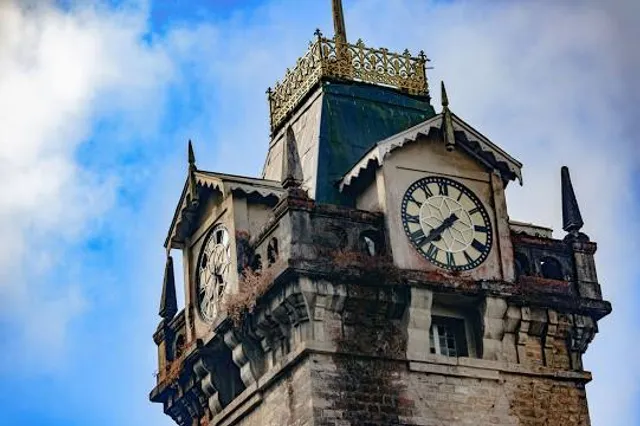
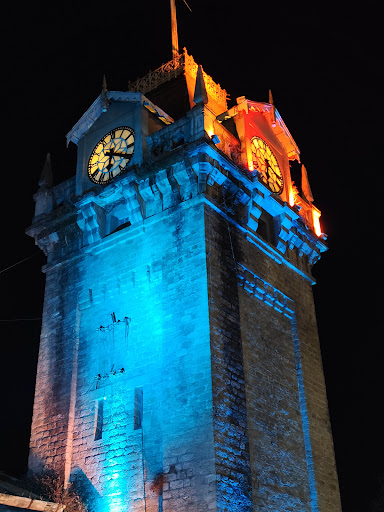
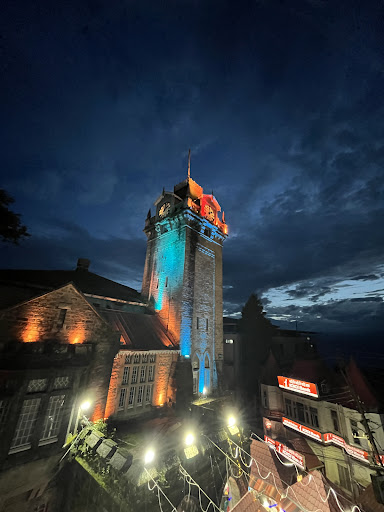
In the heart of the enchanting hill station of Darjeeling, the iconic Darjeeling Clock Tower stands as a nostalgic sentinel, marking not just the passage of time but also preserving the town's rich colonial history and distinctive charm. This elegant timepiece, affectionately known as the "Clock Tower," serves as a poignant reminder of an era gone by, while effortlessly blending into the breathtaking natural backdrop of the Himalayas. Having had the privilege of wandering the cobbled streets around this remarkable landmark, I am compelled to share my impressions of this timeless gem.
The Darjeeling Clock Tower's historical significance is deeply interwoven with the town's colonial past. Erected in 1850, during the heyday of the British Raj, the tower bears witness to the colonial influence that once shaped Darjeeling. Its Victorian architecture and ornate design evoke a sense of nostalgia, transporting visitors back to an era when Darjeeling was a favored hill station for British officers seeking respite from the sweltering Indian plains.
The Clock Tower stands as a silent yet eloquent storyteller, sharing the tales of bygone days through its intricate carvings, old-world charm, and the mellow chimes of its bell. As the clock strikes each hour, its resonating melody harmonizes with the rhythm of life in Darjeeling, a testament to the enduring influence of the past on the present.
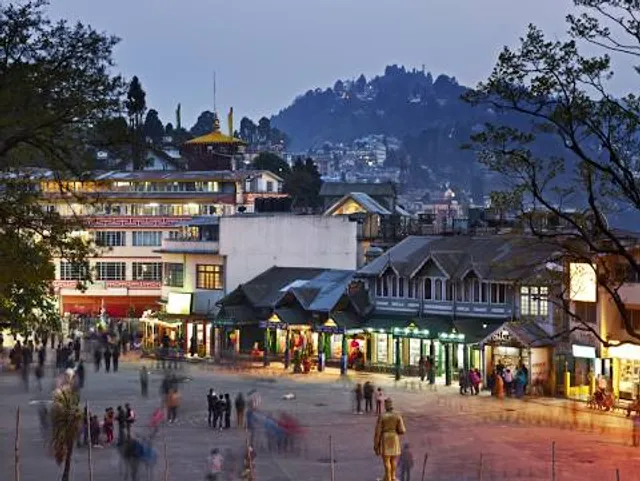
The tower's strategic location at the bustling crossroads of Darjeeling adds to its allure. It serves as a central meeting point for locals and tourists alike, a vibrant hub where diverse cultures and backgrounds converge. The lively energy that surrounds the tower is infectious, creating an atmosphere that is both festive and welcoming.
The Clock Tower's visual appeal is undeniable. Set against the backdrop of the majestic Himalayas, it stands as a captivating juxtaposition of human craftsmanship and nature's grandeur. The tower's intricate detailing and vibrant color palette make it a perfect subject for photographers and artists, capturing the essence of Darjeeling's unique blend of culture and heritage.
A visit to the Clock Tower is not just a visual treat; it's also an opportunity to engage with the local way of life. The nearby marketplaces, filled with a kaleidoscope of goods, entice visitors to explore and interact with the vibrant community. Whether it's savoring local delicacies, shopping for souvenirs, or engaging in conversations with the friendly locals, the area around the Clock Tower offers a multifaceted experience that goes beyond its architectural beauty.
Moreover, the Clock Tower serves as a reference point for navigating Darjeeling, making it an invaluable guide for those exploring the town's narrow winding streets and hidden alleys. Its presence provides a comforting sense of orientation amidst the charming chaos of this hill station.
In conclusion, the Darjeeling Clock Tower is more than just a timekeeping mechanism; it is a symbol of Darjeeling's rich heritage, an emblem of its colonial past, and a beacon of cultural convergence. Its timeless elegance and historical resonance make it a must-visit destination for travelers seeking a glimpse into Darjeeling's multifaceted identity. Standing tall amidst the breathtaking landscapes of the Himalayas, the Clock Tower reminds us that while time may march forward, the echoes of history continue to resonate in the heart of this charming...
Read more