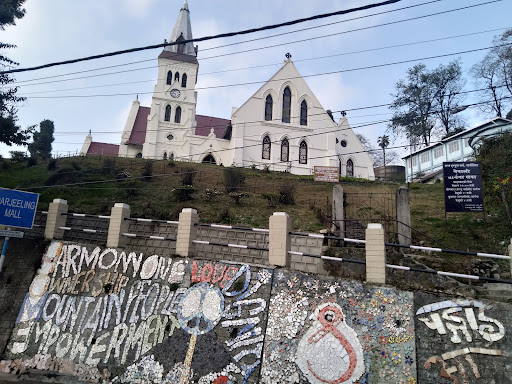
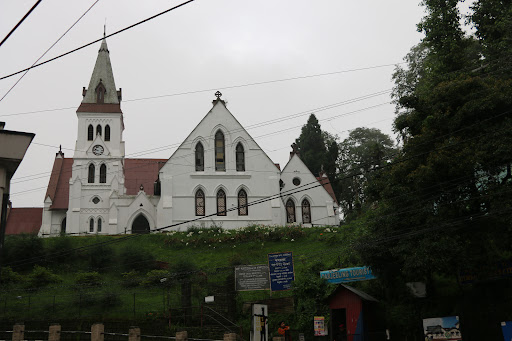
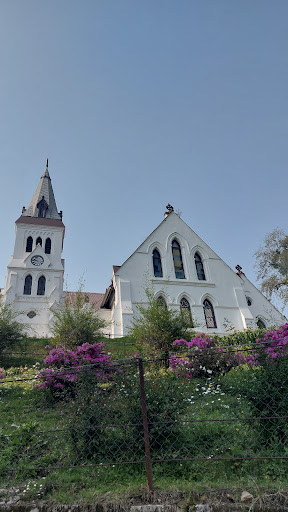
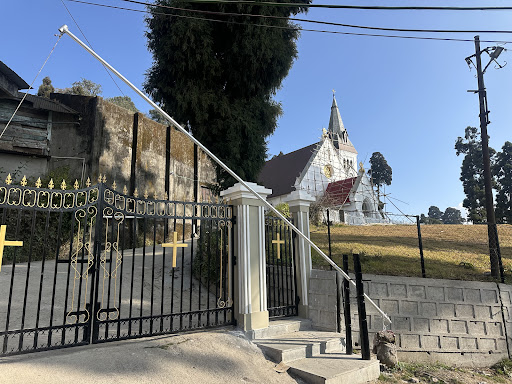
St. Andrews Church things to do, attractions, restaurants, events info and trip planning
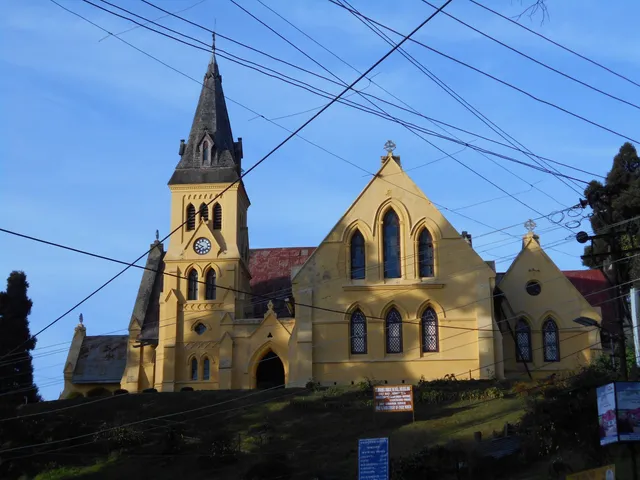
Basic Info
St. Andrews Church
27X8+4QG, Chauk Bazaar, Darjeeling, West Bengal 734101, India
4.4(174)
Open 24 hours
Save
spot
spot
Ratings & Description
Info
Cultural
Scenic
Accessibility
attractions: Mahakal Temple, Darjeeling Mall, Observatory Hill View Point, Chowrasta Darjeeling, Deshbandhu Museum, Tea Garden View, Lloyd Botanical Garden, Darjeeling Clock Tower, Tibetan Refugee Self-Help Centre, Happy Valley Tea Estate, restaurants: Grains Pure Veg by Udaan Nirvana, Darjeeling, The Sundeck - Rooftop Café, Cafe House by The Retreat Darjeeling, Glenary's— Bakery, Resturant & Pub, New Lion Gate Hotel, Restaurant & Bar, Silver Fir Cafeteria, Golden Tips Teattoria Tea Boutique, Lazeez Affaire, SA-RANG-HAE CAFE SIP OF LOVE ❤️, Himalayan Coffee, local businesses: Mall Market, Kanchenjunga View Point (Behind Mahakal Mandir)
 Learn more insights from Wanderboat AI.
Plan your stay

Pet-friendly Hotels in West Bengal
Find a cozy hotel nearby and make it a full experience.

Affordable Hotels in West Bengal
Find a cozy hotel nearby and make it a full experience.

The Coolest Hotels You Haven't Heard Of (Yet)
Find a cozy hotel nearby and make it a full experience.

Trending Stays Worth the Hype in West Bengal
Find a cozy hotel nearby and make it a full experience.
Reviews
Nearby attractions of St. Andrews Church
Mahakal Temple
Darjeeling Mall
Observatory Hill View Point
Chowrasta Darjeeling
Deshbandhu Museum
Tea Garden View
Lloyd Botanical Garden
Darjeeling Clock Tower
Tibetan Refugee Self-Help Centre
Happy Valley Tea Estate

Mahakal Temple
4.7
(1.8K)
Open until 7:00 PM
Click for details
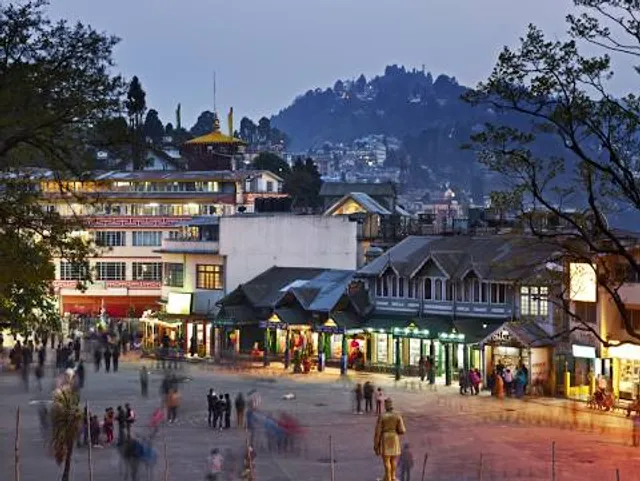
Darjeeling Mall
4.5
(13.4K)
Closed
Click for details
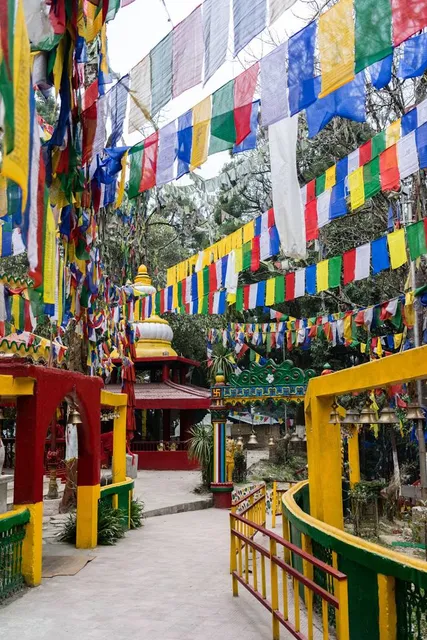
Observatory Hill View Point
4.7
(2.3K)
Open 24 hours
Click for details
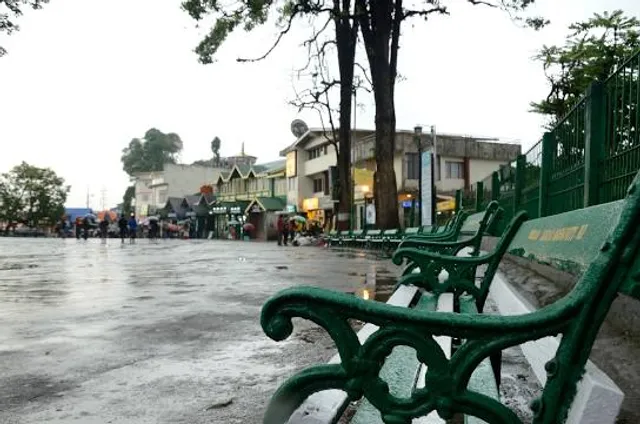
Chowrasta Darjeeling
4.5
(1.3K)
Open until 12:00 AM
Click for details
Nearby restaurants of St. Andrews Church
Grains Pure Veg by Udaan Nirvana, Darjeeling
The Sundeck - Rooftop Café
Cafe House by The Retreat Darjeeling
Glenary's— Bakery, Resturant & Pub
New Lion Gate Hotel, Restaurant & Bar
Silver Fir Cafeteria
Golden Tips Teattoria Tea Boutique
Lazeez Affaire
SA-RANG-HAE CAFE SIP OF LOVE ❤️
Himalayan Coffee
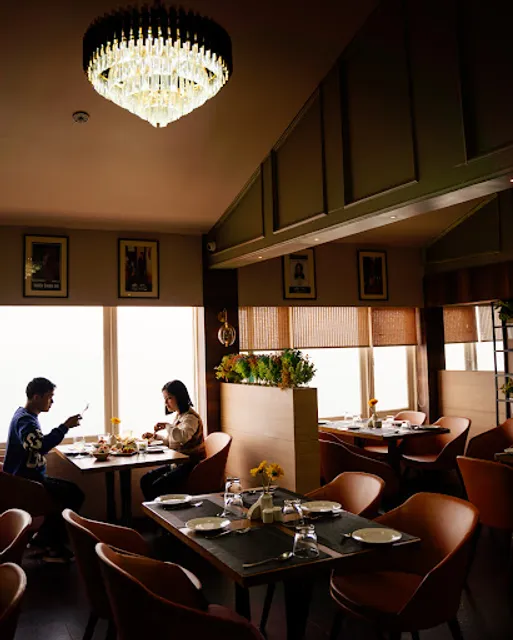
Grains Pure Veg by Udaan Nirvana, Darjeeling
4.9
(506)
Closed
Click for details
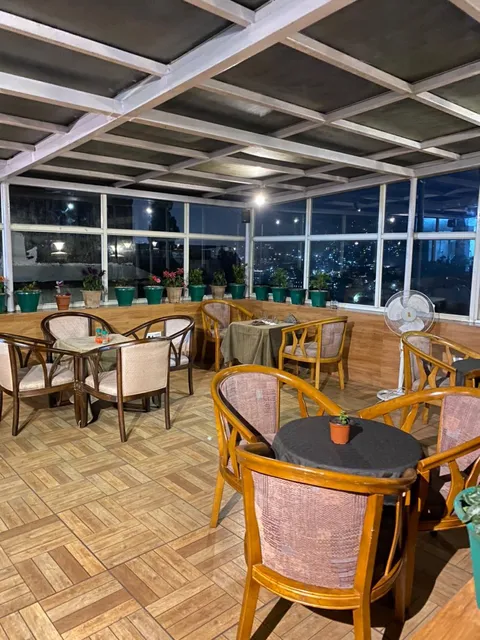
The Sundeck - Rooftop Café
4.8
(97)
Closed
Click for details
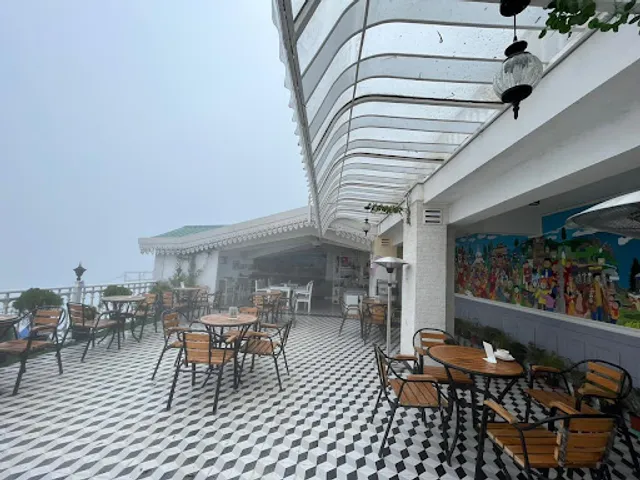
Cafe House by The Retreat Darjeeling
4.4
(141)
Closed
Click for details
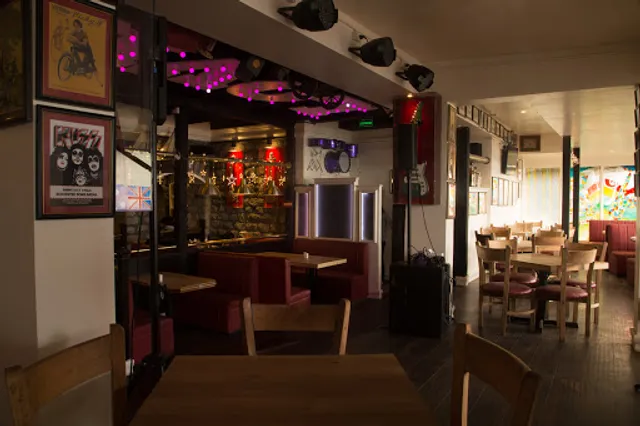
Glenary's— Bakery, Resturant & Pub
4.4
(7.9K)
Open until 10:30 PM
Click for details
Nearby local services of St. Andrews Church
Mall Market
Kanchenjunga View Point (Behind Mahakal Mandir)

Mall Market
4.4
(2K)
Click for details
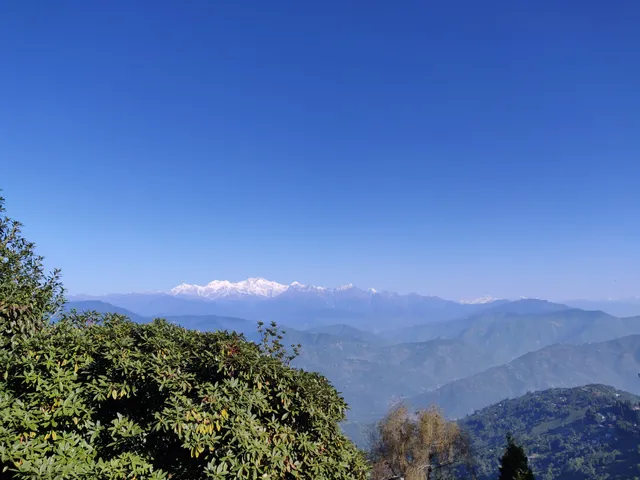
Kanchenjunga View Point (Behind Mahakal Mandir)
4.7
(158)
Click for details