Gass Forest Museum things to do, attractions, restaurants, events info and trip planning
Basic Info
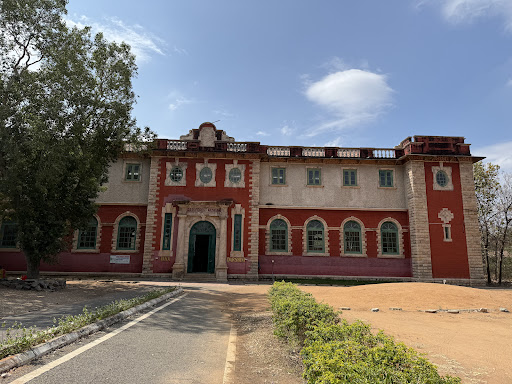
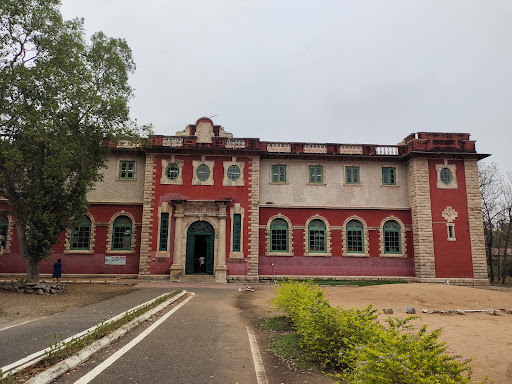
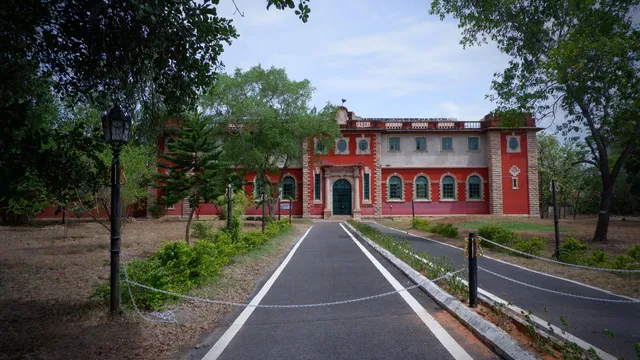
Gass Forest Museum
2W8W+J99, Cowley Brown Rd, R.S. Puram, Coimbatore, Tamil Nadu 641002, India
4.5(682)
Closed
Save
spot
spot
Ratings & Description
Info
Gass Forest Museum is a government run natural history museum situated at Coimbatore, Tamil Nadu, India.
Cultural
"family friendly"
"accessibility"
attractions: Bharathi Park, restaurants: The French Door (Café & Restaurant), Eat Italiano, CAHYO ~ garden restaurant, Jalpaan Coimbatore, Just Bake RS Puram, Four Cups(veg restaurant), Bombay Kulfi Ice Creams R.S. Puram, Ramesh Mess, Balle Balle, Chicago Pizza| The best pizza in coimbatore|, local businesses: Oswalds Ice cream, Thulasi Pharmacy - R S Puram, Coimbatore, Chettinad Canteen, Dr Agarwals Eye Hospital, Coloco Imprints, Om Saravanaa orchard, Kovai KRS Bakery, Mahaveer Sweets, Sri Maruthi Gana sabha, KLAY RS Puram - Pre Schools and Daycare
 Learn more insights from Wanderboat AI.
Phone
+91 422 245 0307
Open hoursSee all hours
Tue9 AM - 1 PM, 2 - 5 PMClosed
Plan your stay

Pet-friendly Hotels in West Zone
Find a cozy hotel nearby and make it a full experience.

Affordable Hotels in West Zone
Find a cozy hotel nearby and make it a full experience.

The Coolest Hotels You Haven't Heard Of (Yet)
Find a cozy hotel nearby and make it a full experience.

Trending Stays Worth the Hype in West Zone
Find a cozy hotel nearby and make it a full experience.
Reviews
Live events
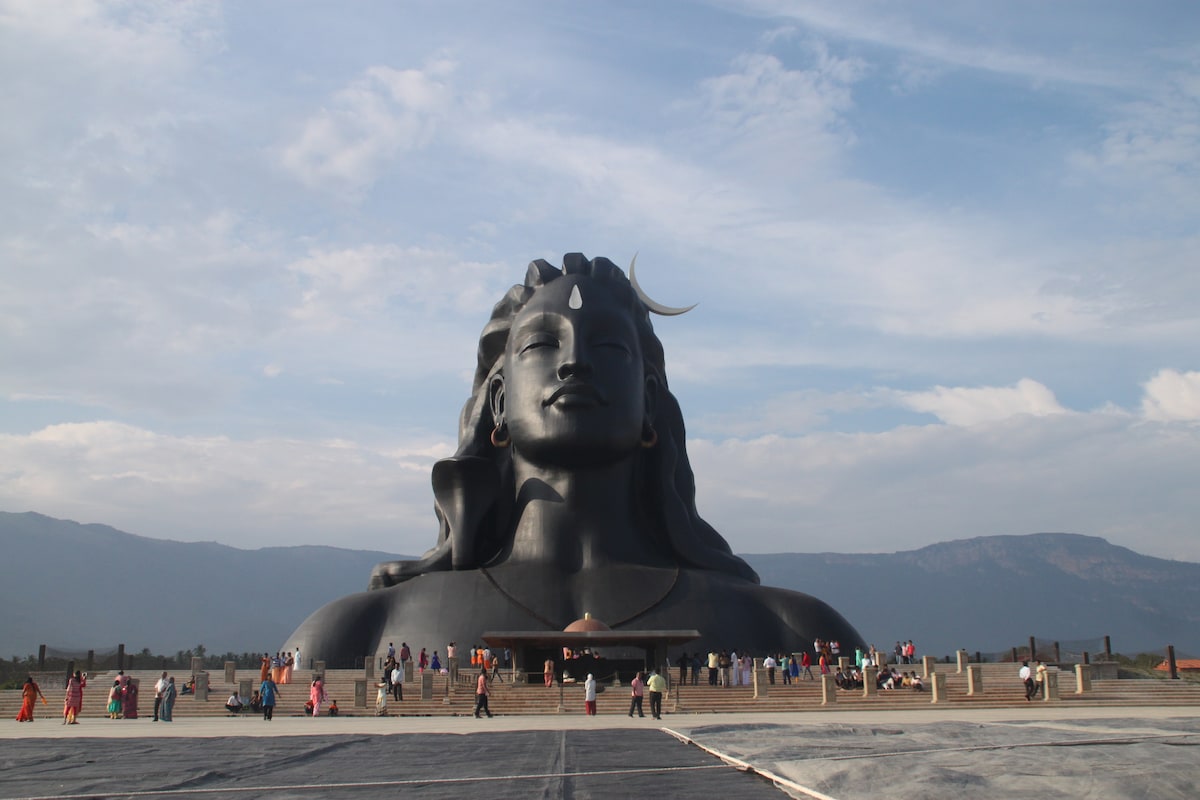
Coimbatore: History, Heart & Living Traditions
Tue, Feb 24 • 9:30 AM
Coimbatore, Tamil Nadu, 641018, India
View details
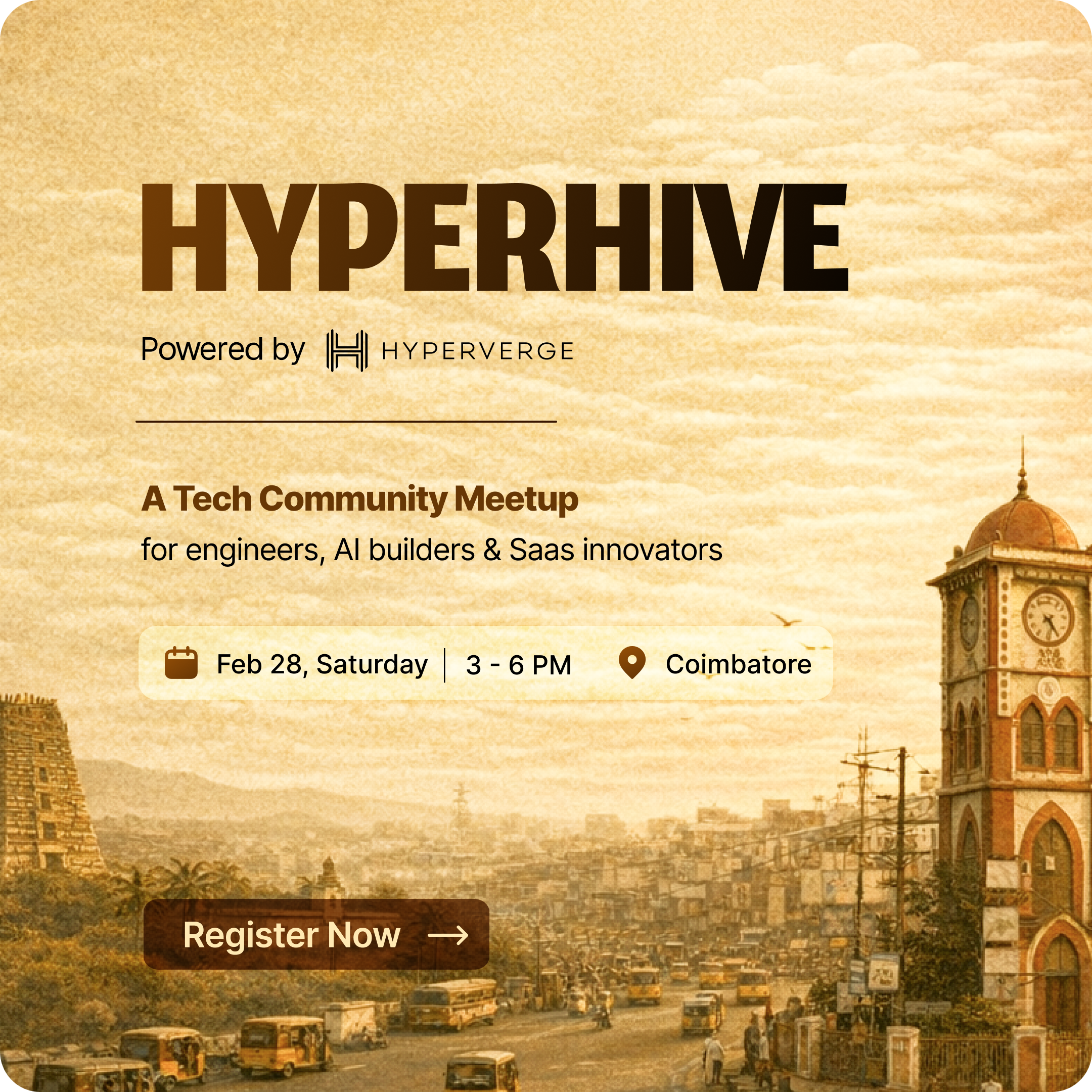
HyperHive Coimbatore - Tech Community Meet Up
Sat, Feb 28 • 9:30 AM
Coimbatore, Tamil Nadu, India
View details
Nearby attractions of Gass Forest Museum
Bharathi Park
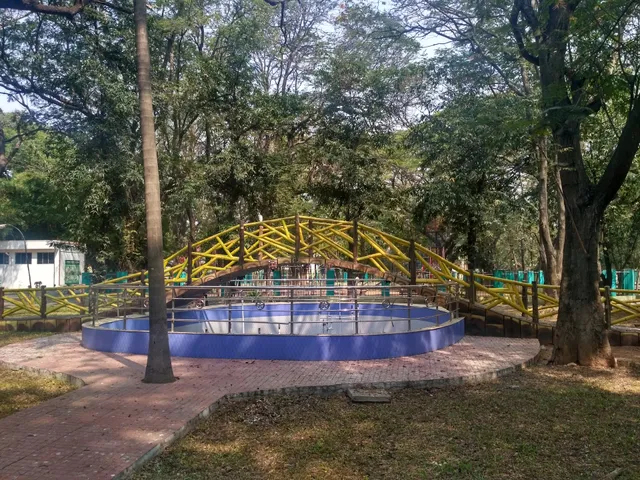
Bharathi Park
4.2
(859)
Closed
Click for details
Nearby restaurants of Gass Forest Museum
The French Door (Café & Restaurant)
Eat Italiano
CAHYO ~ garden restaurant
Jalpaan Coimbatore
Just Bake RS Puram
Four Cups(veg restaurant)
Bombay Kulfi Ice Creams R.S. Puram
Ramesh Mess
Balle Balle
Chicago Pizza| The best pizza in coimbatore|
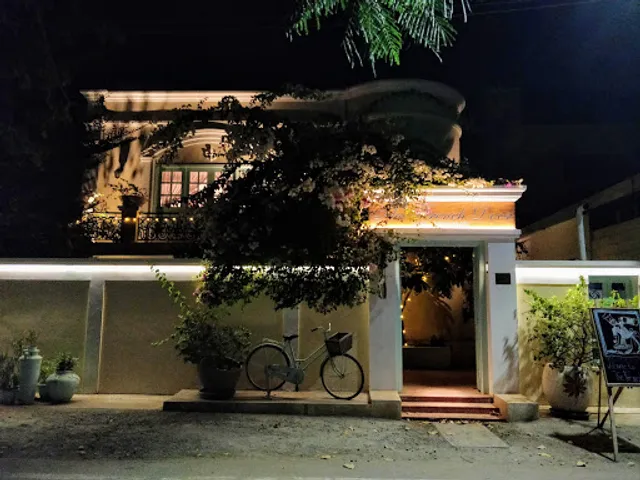
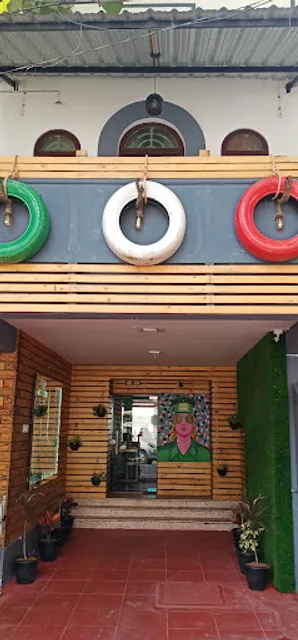
The French Door (Café & Restaurant)
4.2
(1.5K)
$$$
Closed
Click for details
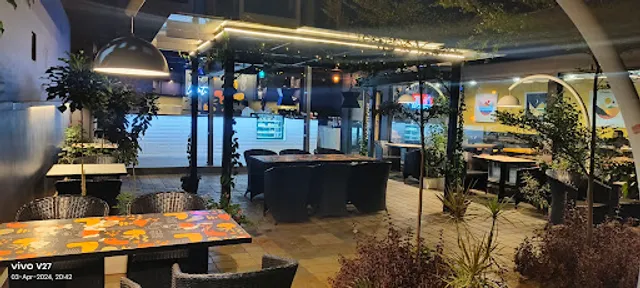
Eat Italiano
4.2
(304)
Closed
Click for details
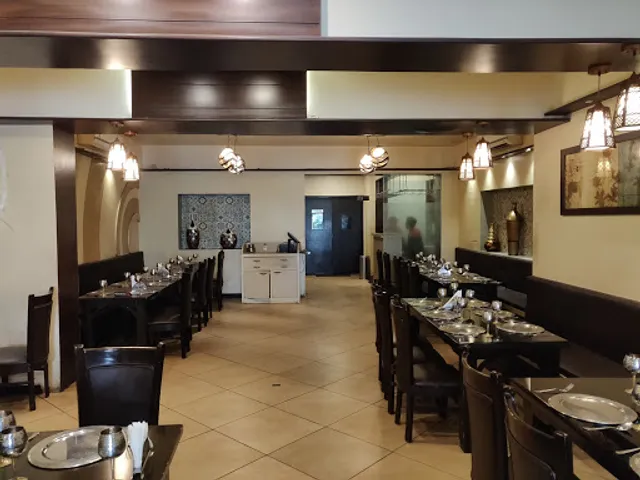
CAHYO ~ garden restaurant
3.8
(351)
Closed
Click for details
Jalpaan Coimbatore
4.1
(654)
$$$
Click for details
Nearby local services of Gass Forest Museum
Oswalds Ice cream
Thulasi Pharmacy - R S Puram, Coimbatore
Chettinad Canteen
Dr Agarwals Eye Hospital
Coloco Imprints
Om Saravanaa orchard
Kovai KRS Bakery
Mahaveer Sweets
Sri Maruthi Gana sabha
KLAY RS Puram - Pre Schools and Daycare
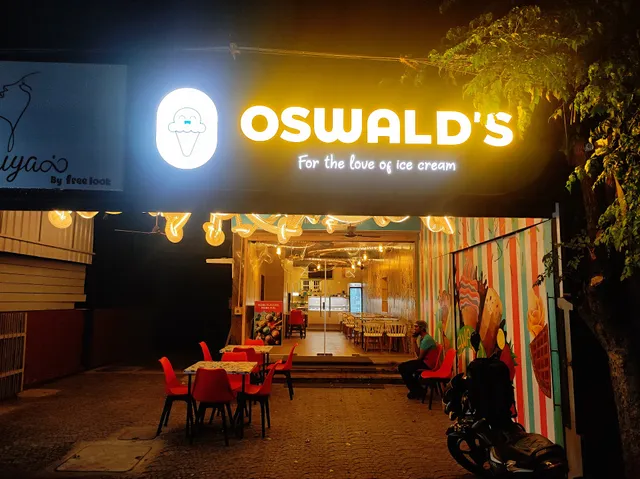
Oswalds Ice cream
4.7
(430)
Click for details
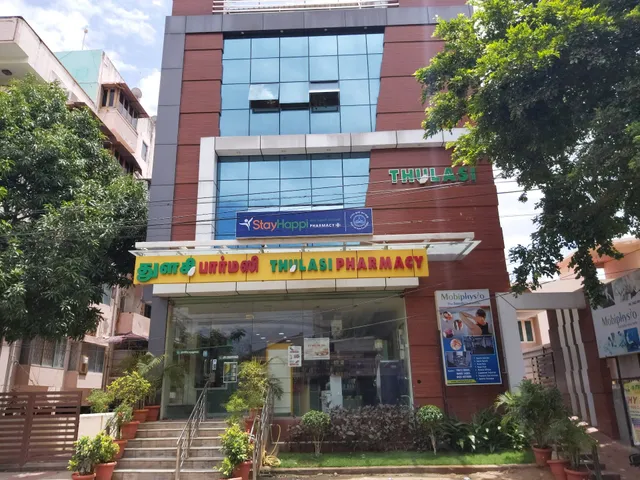
Thulasi Pharmacy - R S Puram, Coimbatore
4.6
(141)
Click for details
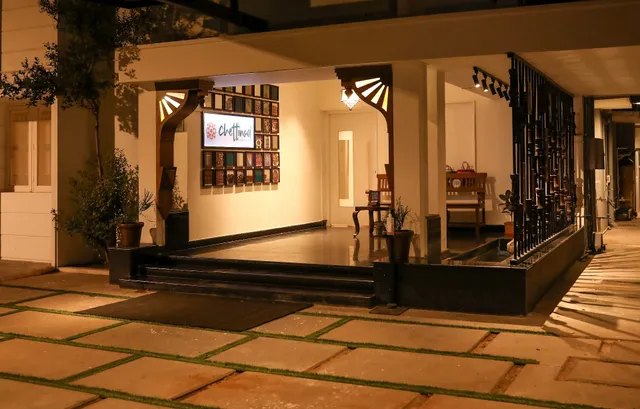
Chettinad Canteen
4.4
(514)
Click for details
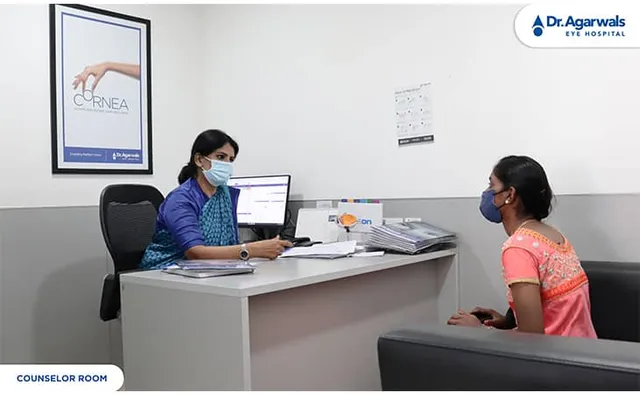
Dr Agarwals Eye Hospital
4.8
(3.7K)
Click for details