Istiqlal Mosque things to do, attractions, restaurants, events info and trip planning
Basic Info
Istiqlal Mosque
Jalan Taman Wijaya Kusuma, Pasar Baru, Sawah Besar, Central Jakarta City, Jakarta 10710, Indonesia
4.8(7.3K)
Open until 10:00 PM
Save
spot
spot
Ratings & Description
Info
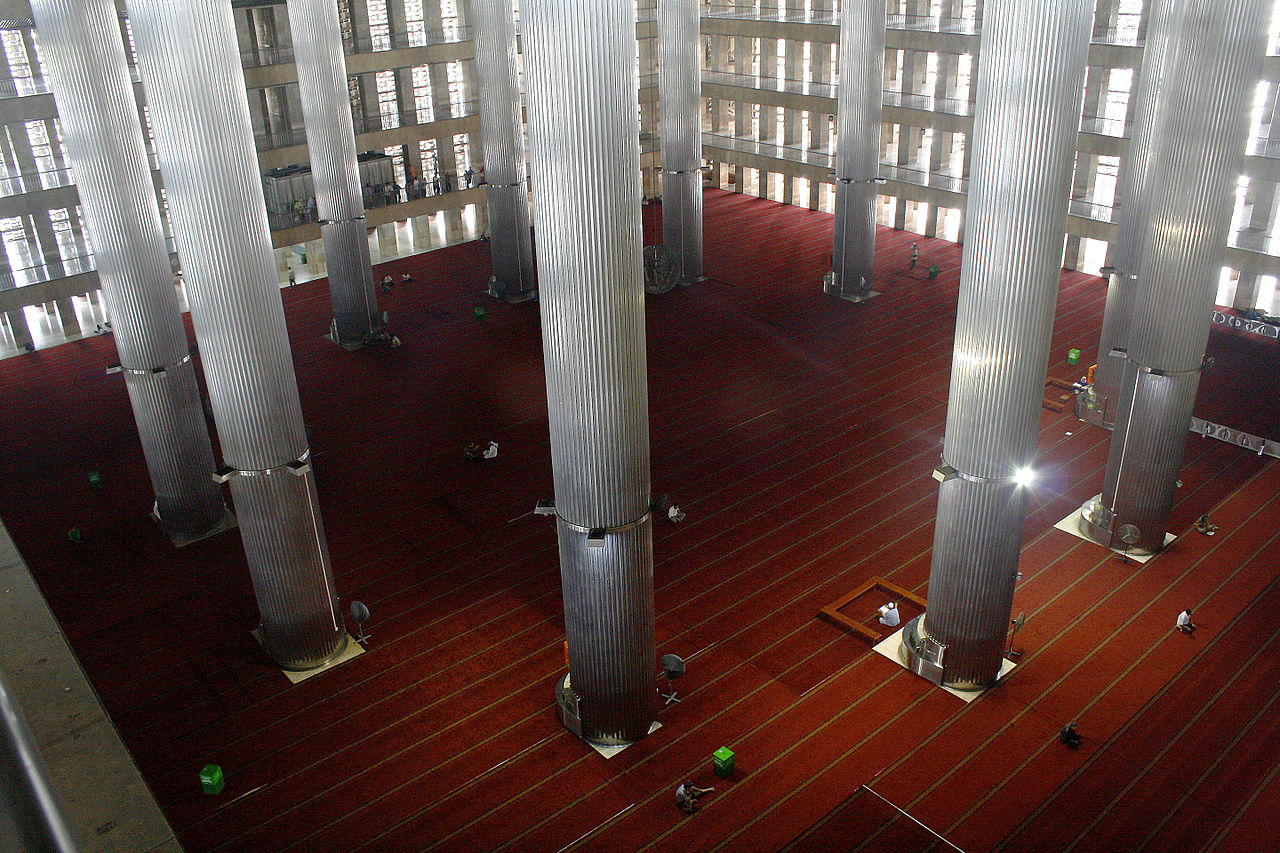
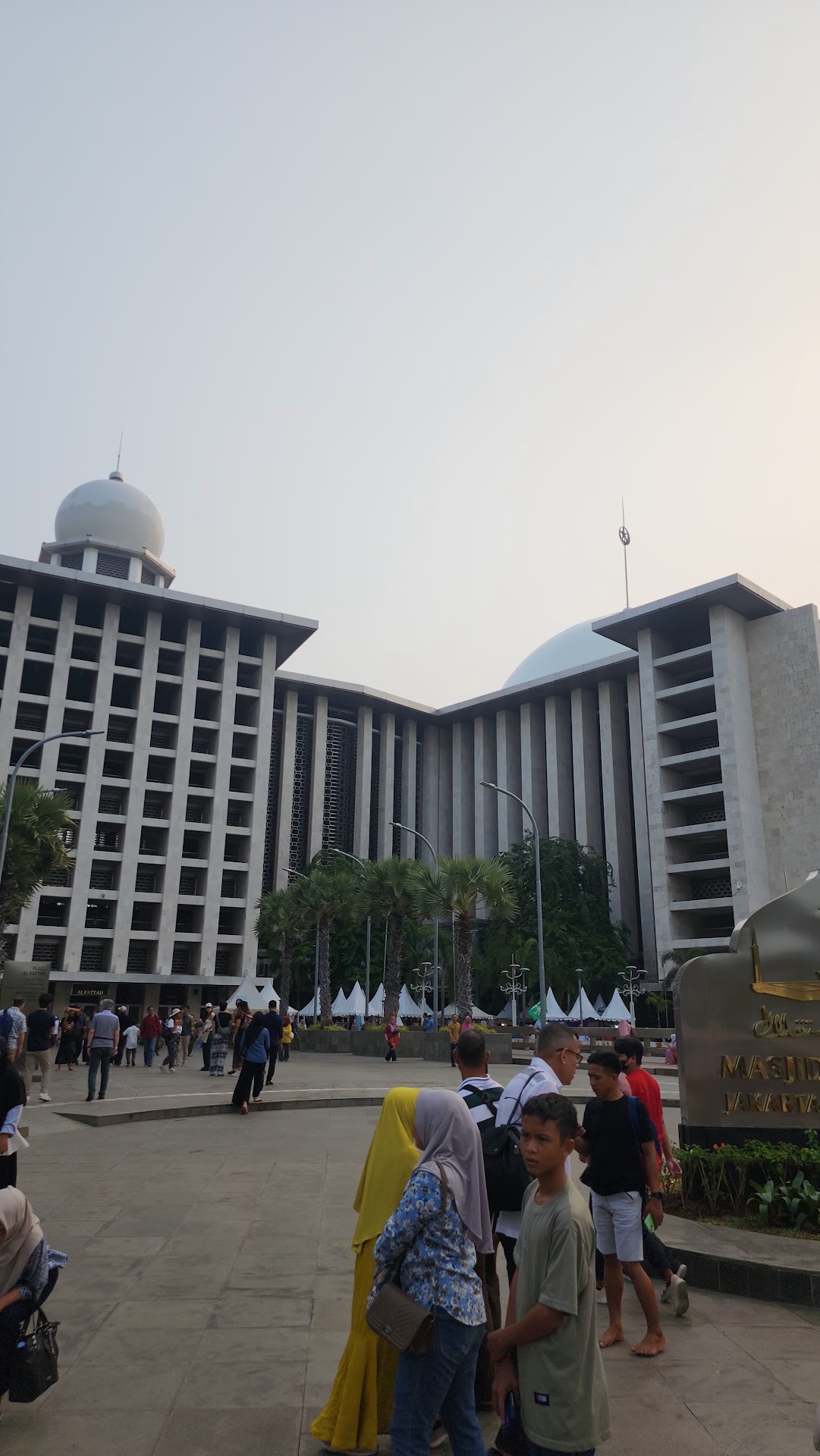
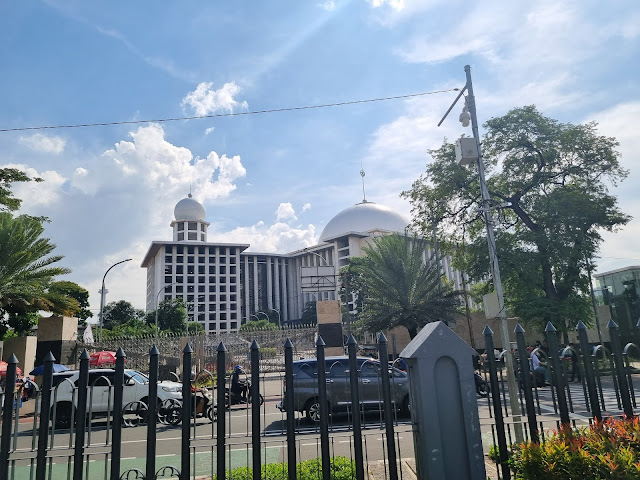
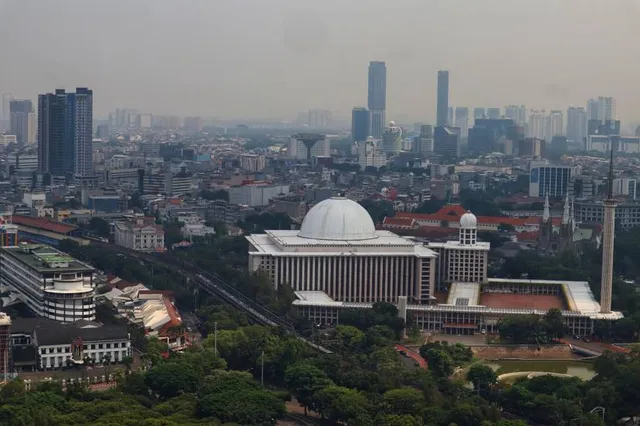
Istiqlal Mosque in Jakarta, Indonesia is the largest mosque in Southeast Asia and the ninth largest mosque in the world in terms of worshipper capacity. Built to commemorate Indonesian independence, this national mosque of Indonesia was named "Istiqlal", an Arabic word for "independence".
Cultural
Family friendly
Accessibility
attractions: Jakarta Cathedral, Irian Jaya Liberation Monument, Museum Katedral Jakarta, National Monument, Gedung Kesenian Jakarta, Gedung Pancasila, Lapangan Banteng Dancing Fountain, Lapangan Banteng Park, Antara Gallery of Photo Journalism, National Gallery of Indonesia, restaurants: Ragusa Es Italia, 21 Factory, Dapur Babah Elite, DEUSEYO KOREAN BBQ & JJIGAE - Juanda, Euphoria Jakarta, Starbucks Juanda Hotel Sriwijaya, Soto Madura Pak Hadi Surabaya, SEDJUK BAKMI & KOPI POS BLOC, Malacca Toast Juanda, Siang Malam, local businesses: Keuskupan Agung Jakarta, Gedung Filateli Jakarta, Pasar Baru, GPIB Immanuel Jakarta, H RESIDENCE PASAR BARU SQUARE, Harco Pasar Baru
 Learn more insights from Wanderboat AI.
Phone
+62 21 3811708
Website
eng.istiqlal.or.id
Open hoursSee all hours
Tue4 AM - 10 PMOpen
Plan your stay

Pet-friendly Hotels in Jakarta
Find a cozy hotel nearby and make it a full experience.

Affordable Hotels in Jakarta
Find a cozy hotel nearby and make it a full experience.

The Coolest Hotels You Haven't Heard Of (Yet)
Find a cozy hotel nearby and make it a full experience.

Trending Stays Worth the Hype in Jakarta
Find a cozy hotel nearby and make it a full experience.
Reviews
Live events
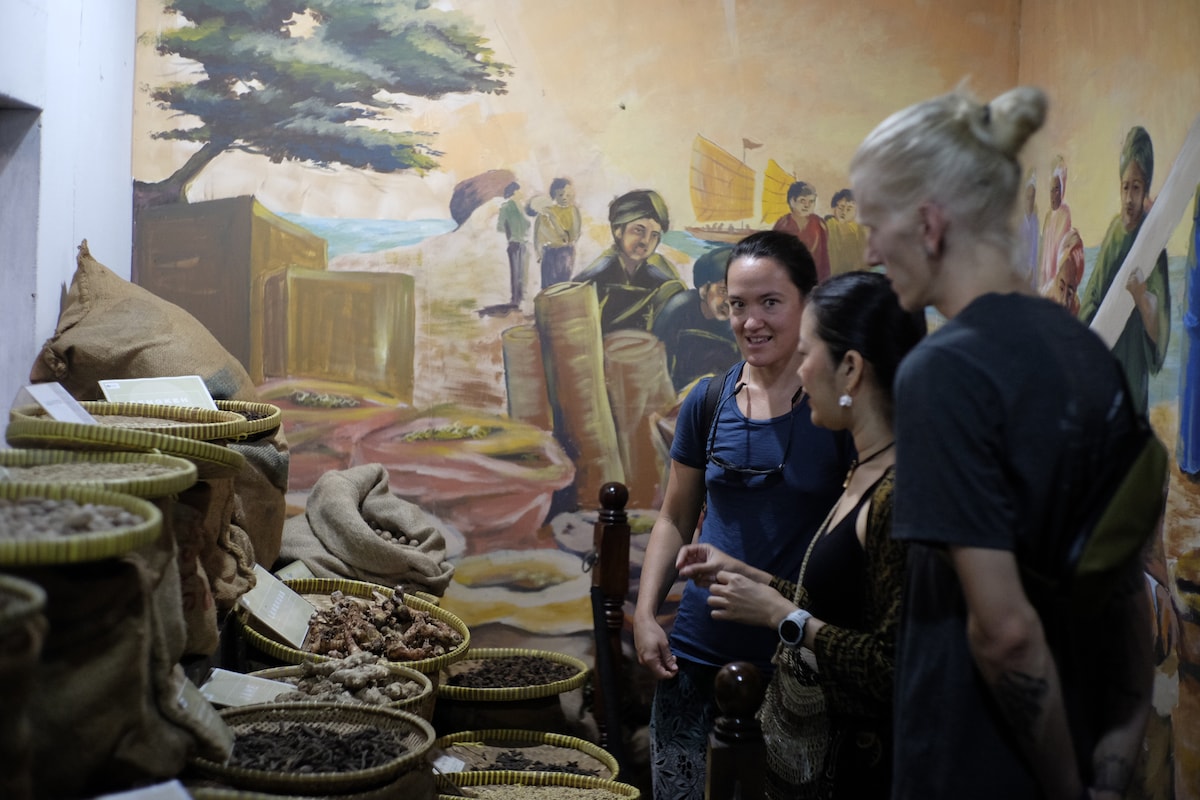
Understanding Jakarta
Tue, Feb 24 • 8:00 AM
Menteng, Jakarta, 10350, Indonesia
View details
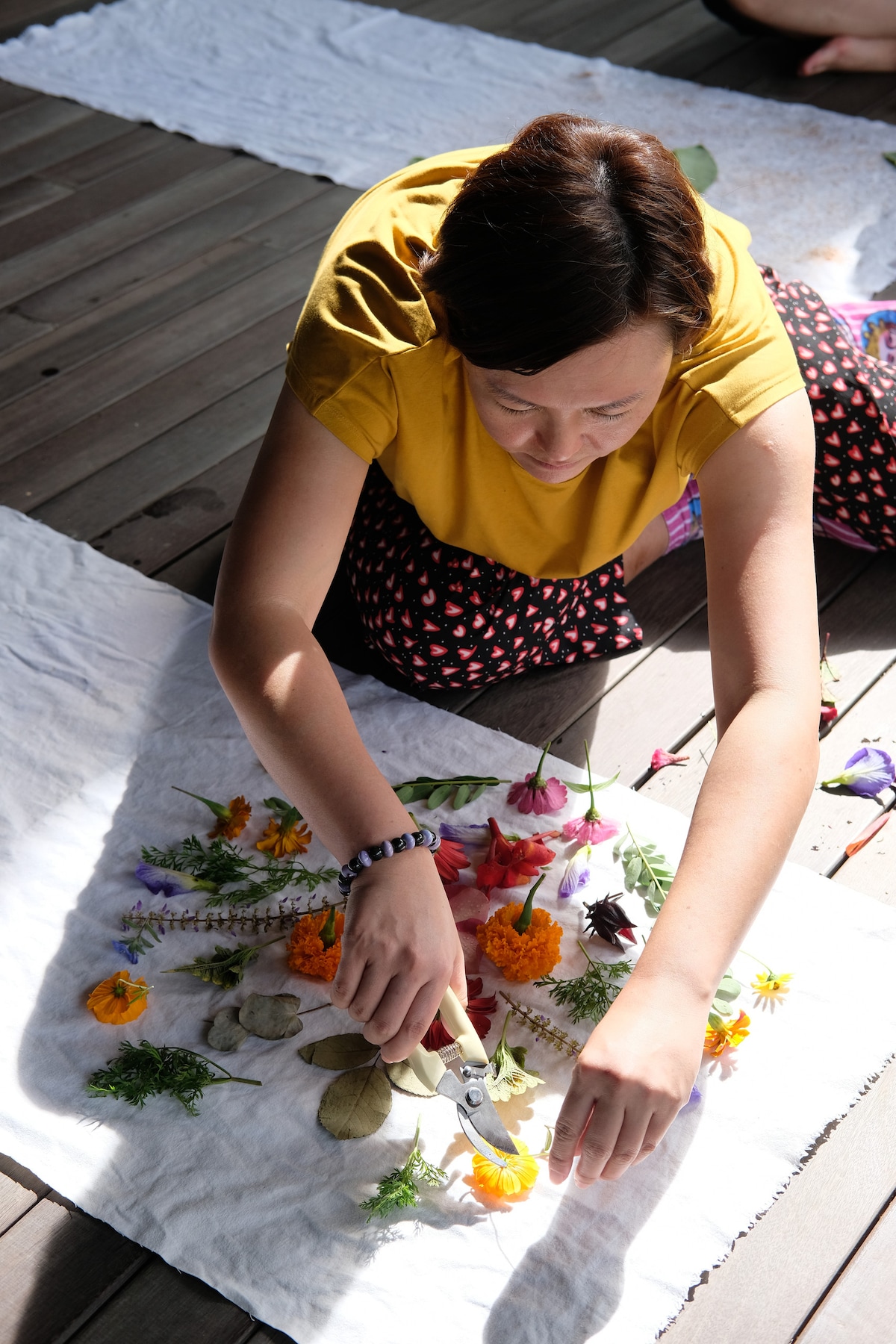
Create unique textile art with local flowers
Thu, Feb 26 • 10:00 AM
Taman Anggrek Residence Grogol petamburan, Jakarta, 11470, Indonesia
View details
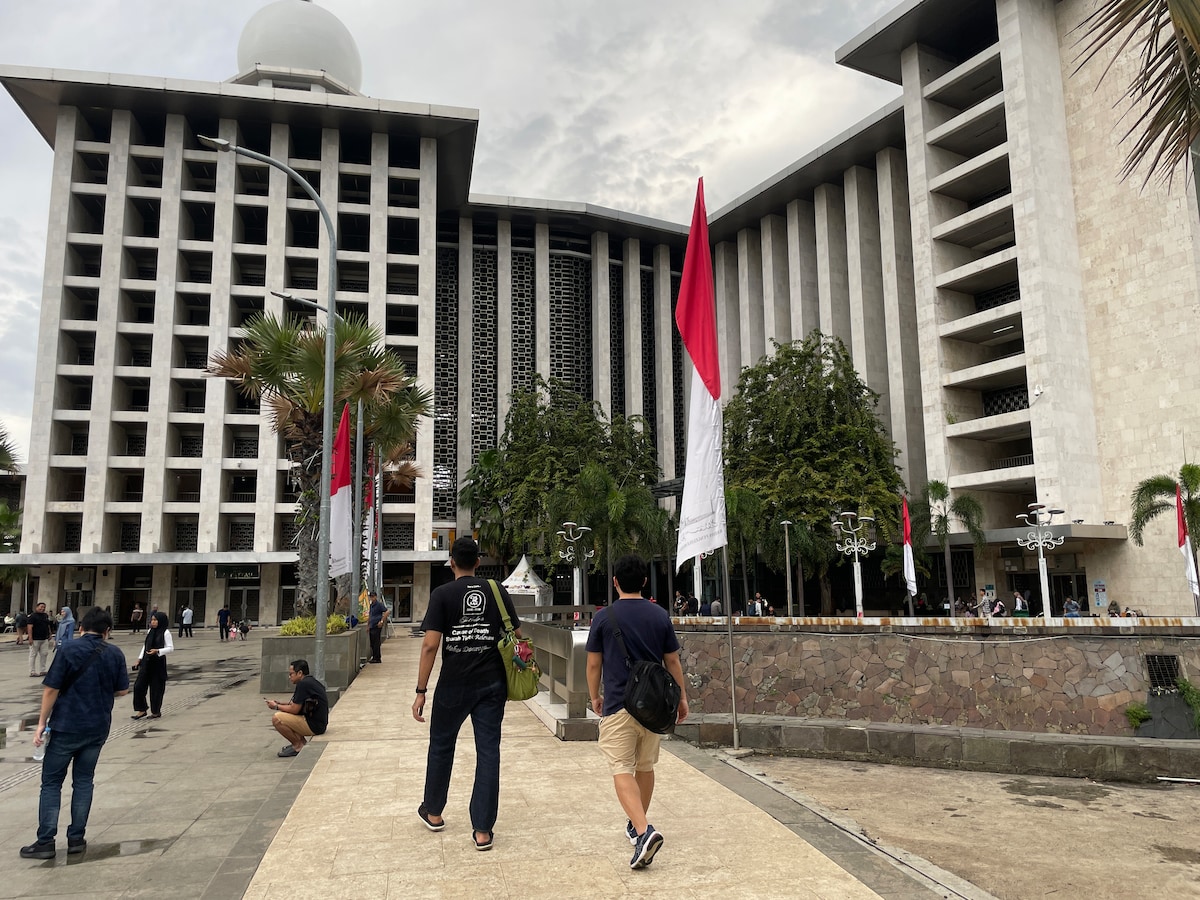
Jakarta Social and Political Walk
Tue, Feb 24 • 7:00 PM
Sawah Besar, Jakarta, 10710, Indonesia
View details
Nearby attractions of Istiqlal Mosque
Jakarta Cathedral
Irian Jaya Liberation Monument
Museum Katedral Jakarta
National Monument
Gedung Kesenian Jakarta
Gedung Pancasila
Lapangan Banteng Dancing Fountain
Lapangan Banteng Park
Antara Gallery of Photo Journalism
National Gallery of Indonesia
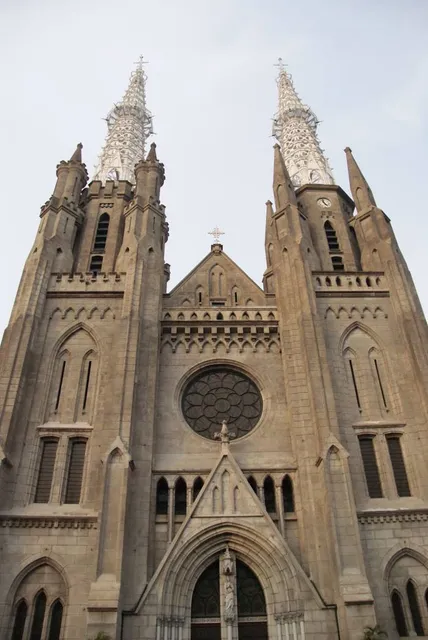
Jakarta Cathedral
4.8
(5.9K)
Closed
Click for details
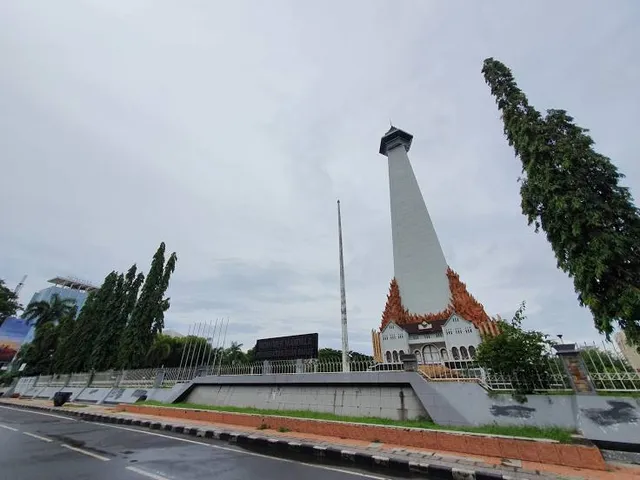
Irian Jaya Liberation Monument
4.7
(1.1K)
Open until 12:00 AM
Click for details
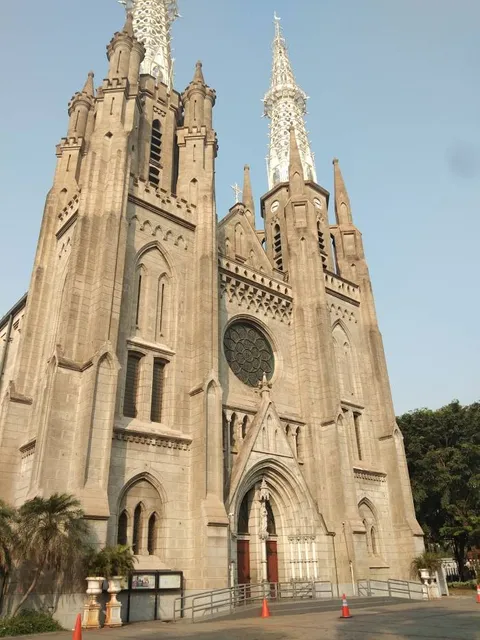
Museum Katedral Jakarta
4.8
(126)
Open until 12:00 AM
Click for details
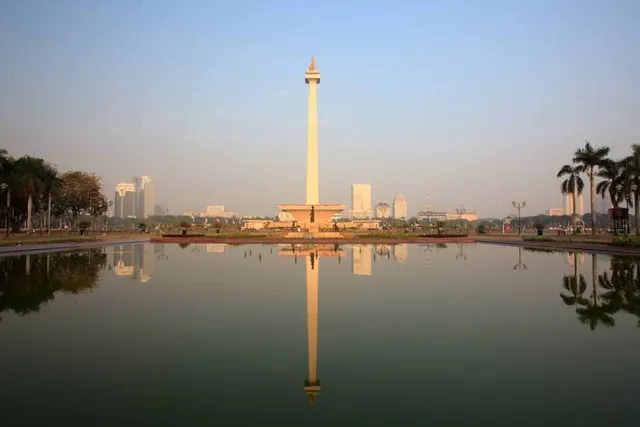
National Monument
4.6
(37.9K)
Open until 12:00 AM
Click for details
Nearby restaurants of Istiqlal Mosque
Ragusa Es Italia
21 Factory
Dapur Babah Elite
DEUSEYO KOREAN BBQ & JJIGAE - Juanda
Euphoria Jakarta
Starbucks Juanda Hotel Sriwijaya
Soto Madura Pak Hadi Surabaya
SEDJUK BAKMI & KOPI POS BLOC
Malacca Toast Juanda
Siang Malam
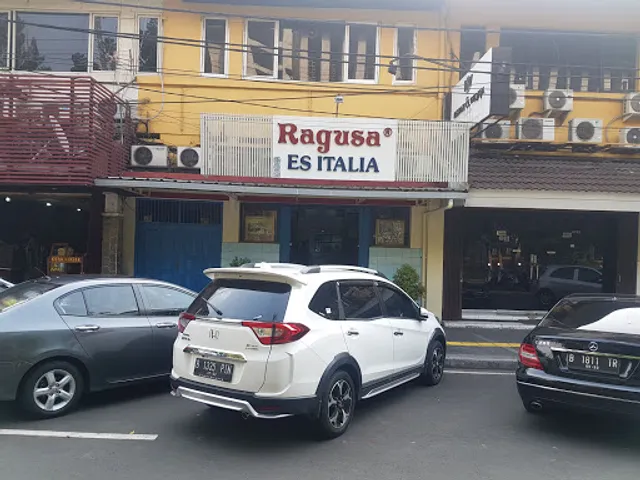
Ragusa Es Italia
4.4
(7.8K)
$$
Closed
Click for details
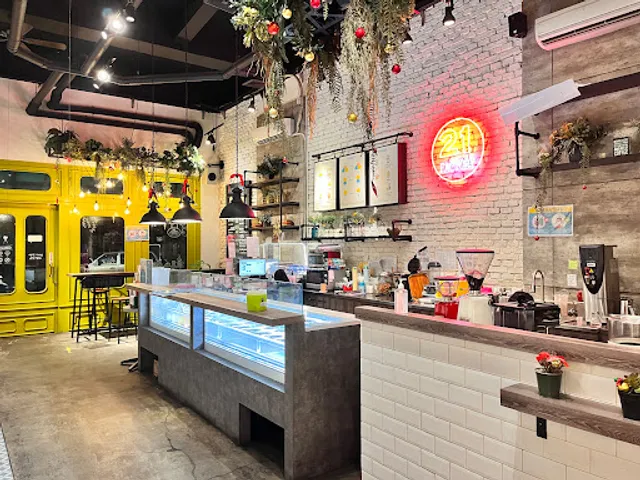
21 Factory
4.5
(535)
Closed
Click for details
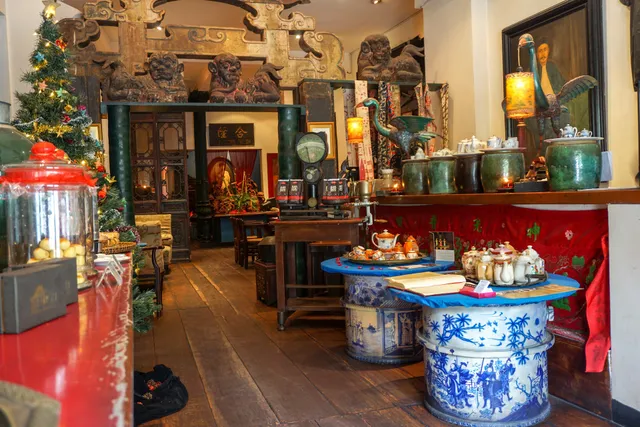
Dapur Babah Elite
4.5
(428)
$$$
Closed
Click for details
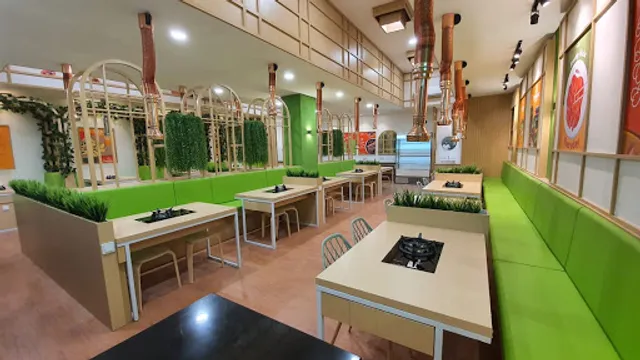
DEUSEYO KOREAN BBQ & JJIGAE - Juanda
4.8
(963)
Closed
Click for details
Nearby local services of Istiqlal Mosque
Keuskupan Agung Jakarta
Gedung Filateli Jakarta
Pasar Baru
GPIB Immanuel Jakarta
H RESIDENCE PASAR BARU SQUARE
Harco Pasar Baru
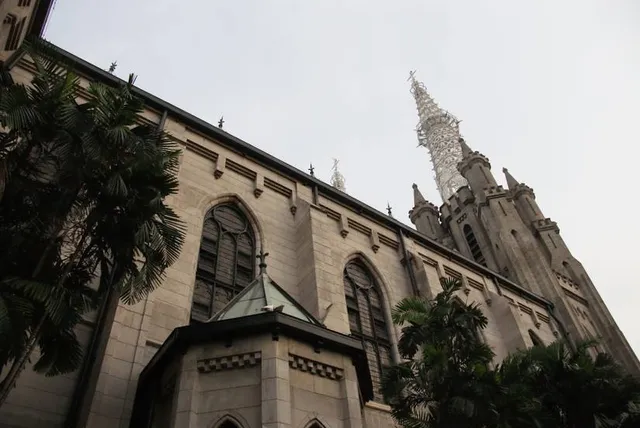
Keuskupan Agung Jakarta
4.8
(169)
Click for details
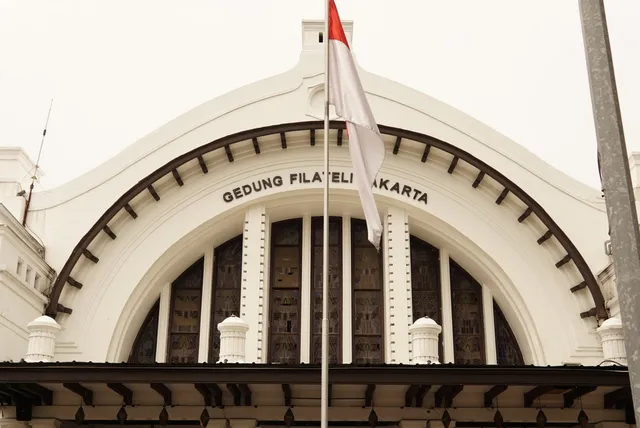
Gedung Filateli Jakarta
4.6
(2.1K)
Click for details
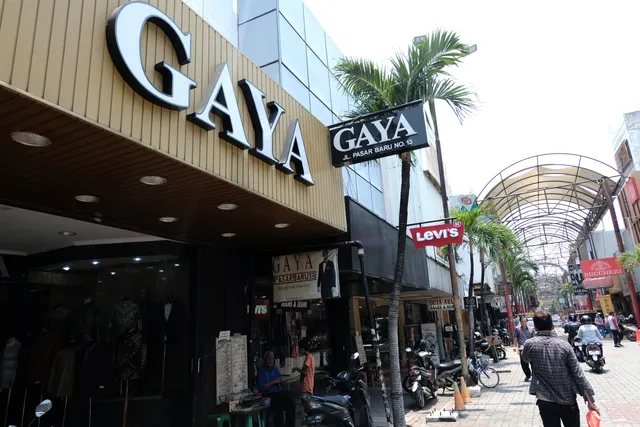
Pasar Baru
4.4
(967)
Click for details
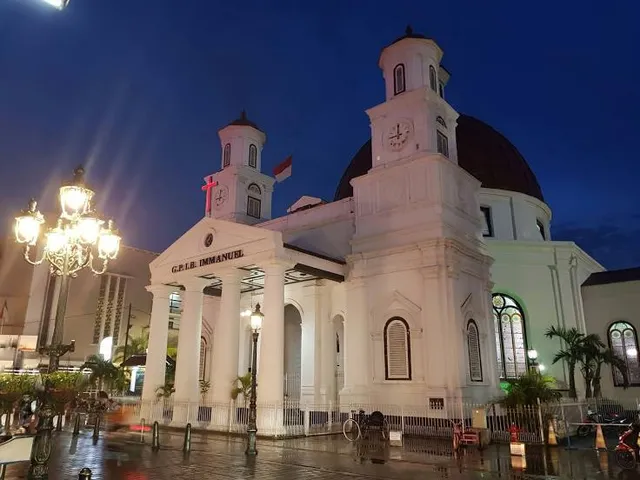
GPIB Immanuel Jakarta
4.8
(606)
Click for details