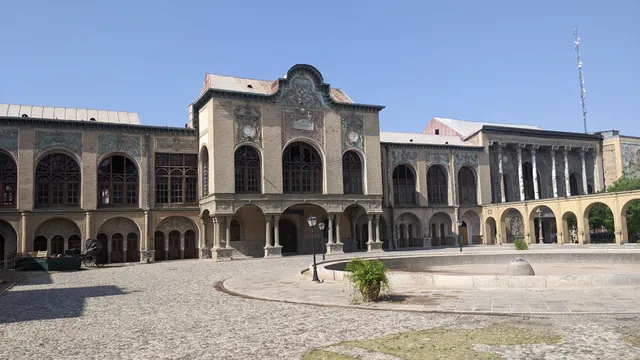
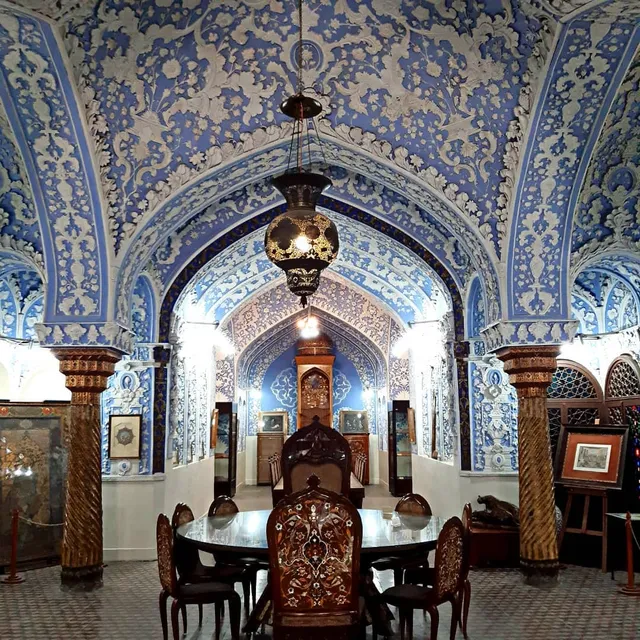
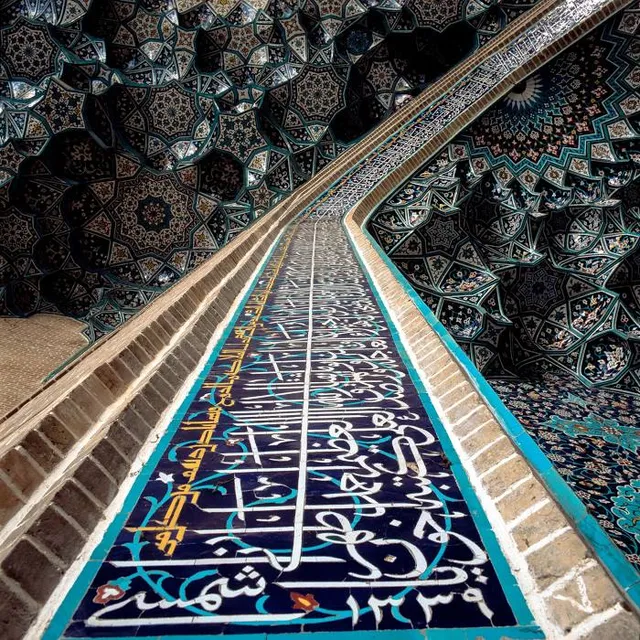
There is interesting! The mansion includes two interior, exterior and other parts. The mansion complex has 5 mansions, Sardar mansion, Mushir al-Dawla mansion, dining hall, pool house, Seyed Javadi mansion, and all kinds of art can be seen in this mansion. These arts include tiling, plastering, murals, calligraphy and exquisite decorations, as well as spatial divisions with various functions.
The existence of 7 inscriptions in this historical collection has added to its validity and importance. Of these inscriptions, one has an inscription on the front door of the carriage, and the other two inscriptions have been installed on the main entrance.
In this historical monument, the mansions of Divan Khaneh, Mushir al-Dawla mansion, Mushiri courtyard, backyard mansion, backyard, mansion in front of the carriage, dining room, courtyard of Seyed Javadi, mansion of Seyed Javadi, mansion in front of the sidewalk and crazy garden house are among the parts. They are considered to be the main building of Masoudiyeh and there are also new buildings in it.
Also, another important feature of the Masoudiyeh mansion in Tehran is that many of the country's cultural buildings were built in the Masoudiyeh mansion, one of which is the first national library and museum in Iran, which was created in a corner of this mansion. About the formation and history of the first library in this place, it is said that the Education Association used one of the mansion rooms as a library in 1304, and thus the first official library of Iran was formed and the library started its work. It was the cornerstone of the National Library. Masoudiyeh mansion is a building related to the Qajar period, which is located in Tehran's Baharestan Square. The garden of Masoudiyeh mansion was built by the order of Massoud Mirza, nicknamed Zol-e-Sultan, son of Nasser al-Din Shah, in 1295 AH, on a land with an area of about 4000 square meters, composed of exterior (court house) and interior and other additions.
Masoudiyeh mansion along with Bagh Negarestan, Lalehzar Garden and Sardar Irvani Garden is one of the places that was built in the northern area of Shah Tahmasbi fence in Tehran in the Naseri era and as it has the characteristics of Iranian gardens, it is decorated with motifs and elements of French architecture. The name of this mansion is derived from the name of Massoud Mirza and is known as Masoudiyeh and the architect of this building is Master Shaban Memar Bashi.
Masoudiyeh mansion complex includes 5 mansions of Divankhaneh, Sofrekhaneh, Hozkhaneh, Seyed Javadi mansion, Mushir al-Molki mansion and Sardar mansion, full of plastering, tiling, calligraphy, murals and in general exquisite decorations, spatial divisions and various functions. This historical complex has 7 inscriptions, two inscriptions on the main entrance, one inscription on the door of the carriage, two inscriptions in the mansion of the madhouse and two inscriptions in the mansion...
Read moreMasoudieh Palace is one of the most beautiful and historically rich places I have visited in Tehran. Built in 1879 during the Qajar dynasty, this palace is not just a monument of history, but a place where you can feel the essence of Persian architecture, art, and culture. The stunning combination of intricate stucco work, colorful stained glass windows, beautiful arches, and detailed tilework makes Masoudieh Palace a true gem for architecture and history lovers.
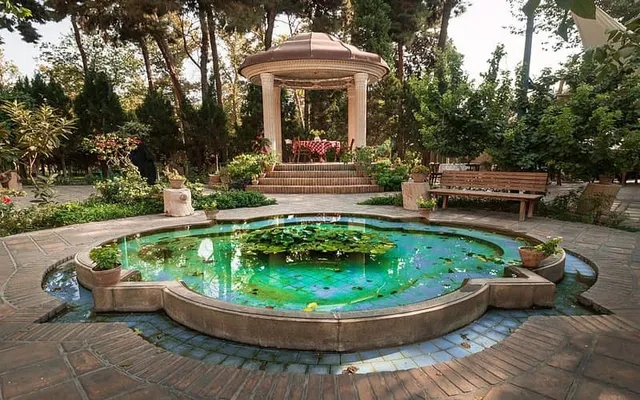
What makes this place unique is its peaceful and quiet atmosphere right in the middle of a busy city. Walking through the courtyard and gardens gives you a sense of calmness and beauty, surrounded by well-preserved historical buildings. The garden is a great place to relax and enjoy the serene environment, and it is often less crowded than other famous sites in Tehran, giving you more time to enjoy the beauty without rush.
Inside the palace, you can admire the artistic details of Persian decorative styles — from carved wooden doors to mirrored halls and elegant balconies. There are various parts of the palace to explore, and some rooms are open for exhibitions or cultural events, adding an educational value to the visit.
Masoudieh Palace is also very photogenic, and if you are into photography, you will love the angles, lights, and patterns this place offers. It is perfect for those who want to capture the beauty of Persian heritage.
The staff are kind and helpful, and they provide basic information about the history and significance of the palace. I recommend spending at least 1-2 hours here to enjoy everything fully. Also, since it is located near other important sites, you can plan to visit it as part of a larger cultural tour.
In conclusion, Masoudieh Palace is a hidden treasure in Tehran — a must-visit for anyone interested in history, architecture, or simply a peaceful and beautiful place to spend time. I will...
Read moreمسعود میرزا، ملقب به ظل السلطان، فرزند ناصرالدین شاه در سال ۱۲۹۵ هجری قمری دستور ساخت باغ عمارت مسعودیه را درزمینی به وسعت حدود ۴۰۰۰ متر صادرکرد. این باغ و عمارت زیبای آن در نزدیکی میدان بهارستان تهران واقع شده و شاهد بسیاری ازحوادث طول تاریخ معاصر بوده است. این باغ از دو بخش بیرونی و اندرونی تشکیل شده و دارای ۵ عمارت دیوانخانه، عمارت مشیر الدوله، عمارت سردر، سفره خانه، عمارت سید جوادی، حوضخانه است. هنرهای گوناگونی نظیر کاشی کاری ، نقاشی دیواری، گچ بری، خطاطی وتزئینات نفیس دراین بنا به چشم خورده و زیبایی ویژه ای این باغ و عمارت های آن بخشیده است. در این مجموعه ۷ کتیبه وجود داشته که به اعتبار و ارزش این بنا افزوده و از آنها می توان به عنوان سندی بر قدمت این باغ یاد کرد. عمارت مسعودیه به دستور مسعود میرزا در سال ۱۲۹۵ ساخته شده در جریان جنبش مشروطه عمارت مسعودیه به علت نزدیکی به میدان بهارستان و اختلاف ظل السطان با برادر خود، مظفرالدین شاه و فرزند او، یکی از پایگاههای مشروطه خواهان و مخالفان محمدعلی شاه بود. همچنین درسال ۱۲۸۷ در نزدیکی عمارت بمبی در زیر کالسکه محمدعلی شاه منفجر شد که همین موضوع بهانه به توپ بستن مجلس را به دست او داد و نیز عمارت مسعودیه به همراه خانه ظهیرالدوله و سایر مشروطه خواهان به رگبار بسته شد. این باغ باشکوه و زیبا که تلفیقی از معماری ایرانی و فرنگی را در خود دارد به دستان هنرمند استاد شعبان معمار باشی با ظرافت و دقت با نقش و نگارهای بی نظیر ساخته شده و نشان دهنده قدمت، هنر ایران و تاریخ کشور است باغ عمارت مسعودیه از دوبخش تشکیل شده اندرونی و بیرونی از دیگر ویژگیهای این مجموعه، بنا شدن بسیاری از ساختمان های فرهنگی کشور در آن بوده که از اولین آنها می توان از کتابخانه و موزه ملی ایران که درگوشه این عمارت واقع شده نام برد. همچنین تاریخچه کتابخانه احداث شده در این عمارت اینگونه است که انجمن معارف درسال ۱۳۰۴یکی از اتاق های عمارت را به عنوان کتابخانه برگزیدند و به این صورت اولین کتابخانه رسمی ایران شکل گرفته و رکن اساسی و آغازین کتابخانه ملی ایران محسوب می شود.
چند سال پس از احداث کتابخانه در عمارت مسعودیه، یکی از اتاق های این عمارت به نگهداری از اشیا قیمتی وارزشمند و عتیقه اختصاص داده شد و در واقع اولین موزه ایران به شمار میآید. البته باید اشاره کرد که درسال ۱۳۱۸ اشیای ارزشمند و عتیقه این موزه به اولین موزه ملی ایران...
Read more