HTML SitemapExplore
logo
Find Things to DoFind The Best Restaurants

Aosta Cathedral — Attraction in Aosta

Name
Aosta Cathedral
Description
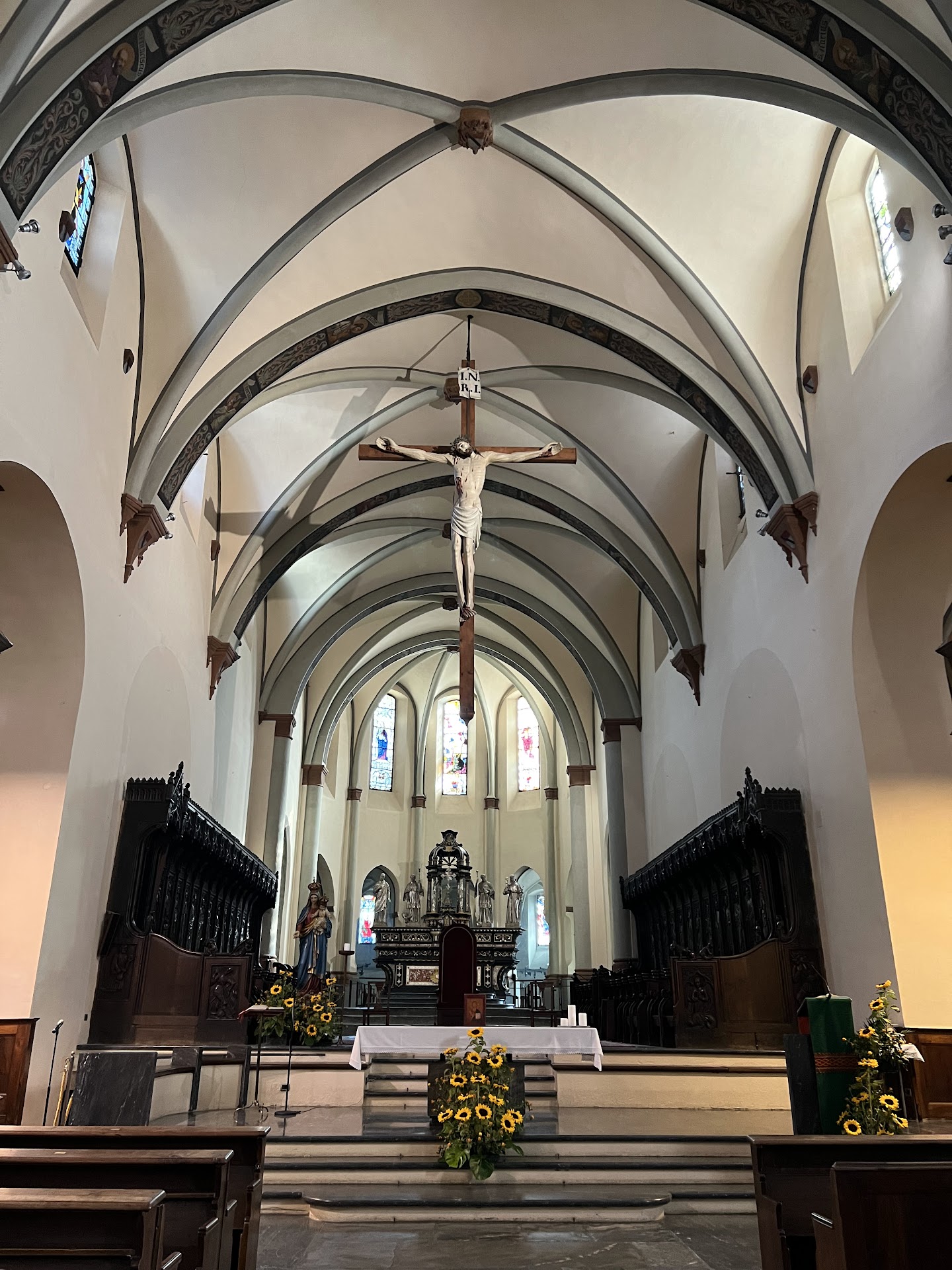
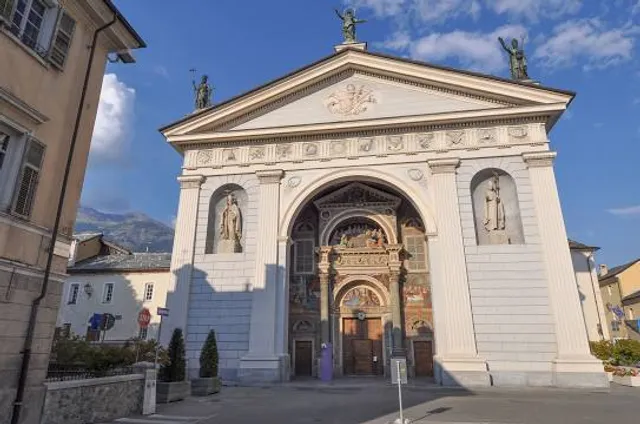
Aosta Cathedral is a Roman Catholic cathedral in Aosta, in north-west Italy, built in the 4th century. It is the episcopal seat of the Diocese of Aosta. In the 11th century the Palaeo-Christian structure was replaced by a new one, dedicated to the Assumption of the Virgin Mary and Saint John the Baptist.
Nearby attractions
Museo Archeologico Regionale
Piazza Pierre-Leonard Roncas, 12, 11100 Aosta AO, Italy
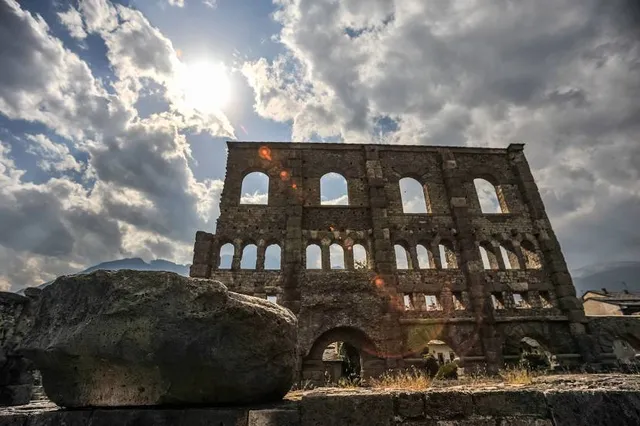
Roman Theatre
Via Porta Pretoria, 1, 11100 Aosta AO, Italy
Porta Pretoria
Piazza Porta Pretoria, 11100 Aosta AO, Italy
Roncas Palace
Piazza Pietro Leonardo Roncas, 3, 11100 Aosta AO, Italy
Roman Walls
Via Monte Solarolo, 1, 11100 Aosta AO, Italy
Ente Parco Nazionale Gran Paradiso - Sede Aosta
Via Losanna, 5, 11100 Aosta AO, Italy
Leper's Tower
Via Tour de Lepreux, 2, 11100 Aosta AO, Italy
Chiesa Paleocristiana di San Lorenzo
Via Sant'Orso, 11100 Aosta AO, Italy
Parco Saumont
Strada Saumont, 6, 11100 Aosta AO, Italy
Nearby restaurants
B63 Birrificio
Piazza Severino Caveri, 11100 Aosta AO, Italy
Ad Forum
Via Monsignore de Sales, 11, 11100 Aosta AO, Italy
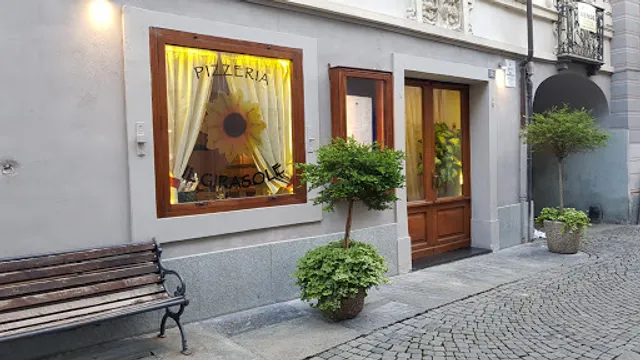
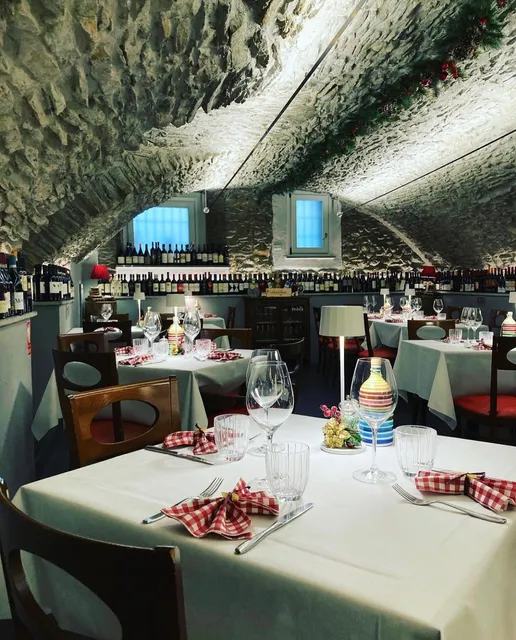
Ristorante Il Girasole
Via Monsignore de Sales, 29, 11100 Aosta AO, Italy
Aldente Restaurant
Via Croix-de-Ville, 34, 11100 Aosta AO, Italy
Hostaria del Calvino Trattoria Ristorante Aosta
Via Croce di Città, 24, 11100 Aosta AO, Italy
Break House
Via de Lostan, 3, 11100 Aosta AO, Italy
Mafrica
Via Jean Baptiste de Tillier, 38, 11100 Aosta AO, Italy
Celebrity – Bar Risto Burger
Via de Lostan, 27, 11100 Aosta AO, Italy
Moderno • Pizzeria Restaurant
Via Édouard Aubert, 21, 11100 Aosta AO, Italy
Osteria dell'Oca
Via Édouard Aubert, 15, 11100 Aosta AO, Italy
Related posts
Keywords
Aosta Cathedral tourism.Aosta Cathedral hotels.Aosta Cathedral bed and breakfast. flights to Aosta Cathedral.Aosta Cathedral attractions.Aosta Cathedral restaurants.Aosta Cathedral travel.Aosta Cathedral travel guide.Aosta Cathedral travel blog.Aosta Cathedral pictures.Aosta Cathedral photos.Aosta Cathedral travel tips.Aosta Cathedral maps.Aosta Cathedral things to do.
Aosta Cathedral things to do, attractions, restaurants, events info and trip planning
Aosta Cathedral
ItalyAosta ValleyAostaAosta Cathedral

Basic Info

Aosta Cathedral

Piazza Papa Giovanni XXIII, 11100 Aosta AO, Italy
4.5(708)
Open 24 hours
Save
spot

Ratings & Description

Info

Aosta Cathedral is a Roman Catholic cathedral in Aosta, in north-west Italy, built in the 4th century. It is the episcopal seat of the Diocese of Aosta. In the 11th century the Palaeo-Christian structure was replaced by a new one, dedicated to the Assumption of the Virgin Mary and Saint John the Baptist.

Cultural
Scenic
Family friendly
Accessibility
attractions: Museo Archeologico Regionale, Roman Theatre, Porta Pretoria, Roncas Palace, Roman Walls, Ente Parco Nazionale Gran Paradiso - Sede Aosta, Leper's Tower, Chiesa Paleocristiana di San Lorenzo, Parco Saumont, restaurants: B63 Birrificio, Ad Forum, Ristorante Il Girasole, Aldente Restaurant, Hostaria del Calvino Trattoria Ristorante Aosta, Break House, Mafrica, Celebrity – Bar Risto Burger, Moderno • Pizzeria Restaurant, Osteria dell'Oca
logoLearn more insights from Wanderboat AI.
Phone
+39 0165 40251
Website
diocesiaosta.it

Plan your stay

hotel
Pet-friendly Hotels in Aosta
Find a cozy hotel nearby and make it a full experience.

hotel
Affordable Hotels in Aosta
Find a cozy hotel nearby and make it a full experience.

hotel
The Coolest Hotels You Haven't Heard Of (Yet)
Find a cozy hotel nearby and make it a full experience.

hotel
Trending Stays Worth the Hype in Aosta
Find a cozy hotel nearby and make it a full experience.

Reviews

Nearby attractions of Aosta Cathedral

Museo Archeologico Regionale

Roman Theatre

Porta Pretoria

Roncas Palace

Roman Walls

Ente Parco Nazionale Gran Paradiso - Sede Aosta

Leper's Tower

Chiesa Paleocristiana di San Lorenzo

Parco Saumont
Museo Archeologico Regionale

Museo Archeologico Regionale

4.4

(490)

Open 24 hours
Click for details
Roman Theatre

Roman Theatre

4.5

(2.5K)

Open 24 hours
Click for details
Porta Pretoria

Porta Pretoria

4.5

(2.4K)

Open until 12:00 AM
Click for details
Roncas Palace

Roncas Palace

4.3

(36)

Open 24 hours
Click for details

Things to do nearby

ENTEN ELLER feat. GIANLUIGI TROVESI
Sat, Dec 6 • 9:00 PM
72 Viale Piemonte, 11027 Saint-Vincent
View details

Nearby restaurants of Aosta Cathedral

B63 Birrificio

Ad Forum

Ristorante Il Girasole

Aldente Restaurant

Hostaria del Calvino Trattoria Ristorante Aosta

Break House

Mafrica

Celebrity – Bar Risto Burger

Moderno • Pizzeria Restaurant

Osteria dell'Oca
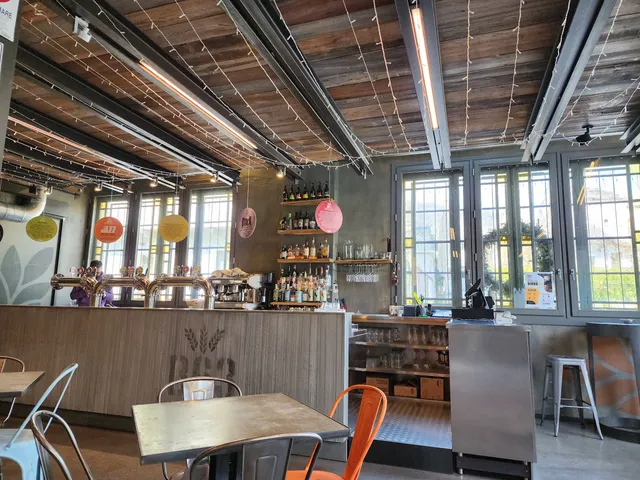
B63 Birrificio

B63 Birrificio

4.4

(1.2K)

Click for details
Ad Forum

Ad Forum

4.3

(648)

Click for details
Ristorante Il Girasole

Ristorante Il Girasole

4.4

(558)

Click for details
Aldente Restaurant

Aldente Restaurant

4.4

(914)

$$

Click for details
Get the Appoverlay
Get the AppOne tap to find yournext favorite spots!
Wanderboat LogoWanderboat

Your everyday Al companion for getaway ideas

CompanyAbout Us
InformationAI Trip PlannerSitemap
SocialXInstagramTiktokLinkedin
LegalTerms of ServicePrivacy Policy

Get the app

© 2025 Wanderboat. All rights reserved.
logo

Reviews of Aosta Cathedral

4.5
(708)
avatar
3.0
7y

Describing Aosta’s Cathedral as an ensemble of architectural styles in a hotchpotch does not perhaps do justice to this great structure; yet, as I approached the church from the west edge of Piazza Giovanni XXIII, this was my first impression of the building. The bell towers at the back, partly hidden from view by the bulky front are purely Romanesque and architecturally sublime. Dating back to the 11th century, they are unquestionably a rare example of untouched Romanesque in this part of Italy. But... move closer and you are faced with a voluminous out-of-style 19th-century neo-classical facade that does not in any way tally with the cathedral’s original architecture. The porticoed atrium, supported on huge columns and decorated with fine frescoes and a series of terracotta statues is undoubtedly an out-of-place replacement to an otherwise sweet Romanesque original. The gaudy fill-in painting on the tympanum is a fine work of art when seen as a stand-alone but is certainly an out-of-place addition here. The only relief is the cathedral’s Gothic interior. Austere but structurally imposing, it still holds a handful of original pieces that are worth checking out. The 12th-century mosaics preserved in the choir date back to the Romanesque era while the 4th-century baptismal font in the central nave is an untouched original. Take one of the several guided tours to the cathedral’s attic (created by lowering the ceiling in the 14th century) where a series of impressive 11th-century frescoes are perhaps the...

   Read more
avatar
4.0
8y

La cattedrale di Santa Maria Assunta e San Giovanni Battista (in francese: Cathédrale Notre-Dame de l'Assomption et Saint-Jean Baptiste) è il principale luogo di culto della città di Aosta, sede vescovile della diocesi omonima; costituisce, assieme alla Collegiata di Sant'Orso, la testimonianza di maggior rilievo della storia dell'arte sacra in Valle d'Aosta. La sua storia ultra millenaria va ricostruita attraverso la molteplicità degli interventi che si sono succeduti e dei linguaggi architettonici impiegati, oltre alle testimonianze artistiche che essa conserva.

La storia

La origine della Cattedrale di Aosta risale alle fasi iniziali di diffusione del Cristianesimo in Valle d'Aosta: già verso la fine del IV secolo, ove oggi è la cattedrale, esisteva- come hanno provato gli scavi archeologici eseguiti - una Domus Ecclesiae di ragguardevoli proporzioni. La chiesa venne completamente riedificata nel corso del secolo XI, per volere di Anselmo I che fu vescovo in Aosta tra il 994 e il 1025(da non confondersi con Anselmo di Aosta, filosofo e santo, nato nel 1033). La "chiesa anselmiana" presentava una pianta basilicale a tre navate con tetto a capriate in legno; il portale d'ingresso era posto al centro del lato meridionale; l'abside maggiore, semicircolare, era affiancata da due torri campanarie. Nella cattedrale "anselmiana", sul lato occidentale, non vi era una vera facciata, ma solamente una "pseudofacciata" a salienti che nella parte inferiore non aveva alcun portale d'ingresso, ma si appoggiava alle strutture murarie sovrastanti il criptoportico di epoca romana. Le tre navate erano segnate da sei coppie di pilastri quadrangolari e da una coppia di pilastri a fascio di sezione quadrilobata; le dimensioni della chiesa erano di 54 x 32,4 metri, con un'altezza di oltre 15 metri per la navata centrale e di 9 metri per quelle laterali. L'interno della navata centrale venne decorato con uno straordinario ciclo di dipinti a fresco disposti su vari registri. I pittori, di "area lombarda", impegnati nella realizzazione di tale programma decorativo furono, con ogni probabilità, gli stessi che in Aosta affrescarono la collegiata di Sant'Orso. Vista dal lato orientale la cattedrale mostrava ben cinque absidi: una grande abside che chiudeva la navata centrale, le due absidi con le quali terminavano le navate minori ed altre due absidiole ricavate al piano inferiore delle torri campanarie. Il coro era in posizione alquanto sopraelevata rispetto alla pavimentazione della chiesa; al di sotto del coro, già alla fine del X secolo, era stata edificata una cripta a tre navatelle con volte a crociera sostenute da agili colonnine con capitelli medievali in marmo. Nella seconda metà dell'XI secolo la cripta, a seguito di un probabile cedimento, dovette essere rifatta: solo le prime campate conservano le colonnine primitive, mentre per le altre campate vennero utilizzate robuste colonne romane di reimpiego. Appoggiato alla navata nord, fu edificato un chiostro come spazio di incontro e di preghiera dei canonici. Sempre nella seconda metà dell'XI secolo la chiesa fu ampliata con l'edificazione del westwerk (massiccio occidentale) in forma di una seconda abside posta in corrispondenza alla navata centrale affiancata da due ulteriori campanili. Si completò in tal modo un progetto costruttivo che vedeva la navata centrale chiusa da due absidi contrapposte, ciascuna di essa affiancata da una coppia di torri campanarie (adottando una scelta di tipo nordico che trovava allora un altro esempio vicino nel coevo duomo di Ivrea). Mentre il coro nell'abside orientale, dedicato a Maria Assunta, era funzionale al collegio dei canonici presieduto dal vescovo, quello nell'abside occidentale, dedicato a San Giovanni Battista, veniva utilizzato per le cerimonie parrocchiali Risalgono ad anni tra la fine del XII e l'inizio del XIII secolo i mosaici del...

   Read more
avatar
5.0
6y

La cattedrale di Santa Maria Assunta e San Giovanni Battista è il principale luogo di culto della città di Aosta, sede vescovile della diocesi omonima; costituisce, assieme alla Collegiata di Sant'Orso, la testimonianza di maggior rilievo della storia dell'arte sacra in Valle d'Aosta. La sua storia ultra millenaria va ricostruita attraverso la molteplicità degli interventi che si sono succeduti con diversi stili architettonici impiegati. L'origine della Cattedrale di Aosta risale alle fasi iniziali di diffusione del Cristianesimo in Valle d'Aosta: già verso la fine del IV secolo. La chiesa venne completamente riedificata nel corso del secolo XI, per volere di Anselmo I che fu vescovo in Aosta tra il 994 e il 1025. Nella cattedrale anselmiana sul lato occidentale, non vi era una vera facciata. Le tre navate erano segnate da sei coppie di pilastri quadrangolari e da una coppia di pilastri a fascio di sezione quadrilobata. L'interno della navata centrale venne decorato con uno straordinario ciclo di dipinti a fresco disposti su vari registri. I pittori, di "area lombarda", impegnati nella realizzazione di tale programma decorativo furono, con ogni probabilità, gli stessi che in Aosta affrescarono la collegiata di Sant'Orso. Vista dal lato orientale la cattedrale mostrava ben cinque absidi: una grande abside che chiudeva la navata centrale, le due absidi con le quali terminavano le navate minori ed altre due absidiole ricavate al piano inferiore delle torri campanarie. Appoggiato alla navata nord, fu edificato un chiostro come spazio di incontro e di preghiera dei canonici. Sempre nella seconda metà dell'XI secolo la chiesa fu ampliata con una seconda abside posta in corrispondenza alla navata centrale affiancata da due ulteriori campanili. Risalgono ad anni tra la fine del XII e l'inizio del XIII secolo i mosaici del pavimento del coro. Dell'antica basilica romanica molto si è perduto in relazione ai numerosi interventi successivi, ispirati da diversi linguaggi artistici e da differenti modalità di fruizione liturgica degli spazi. Restano i due campanili posti ad oriente che – pur modificati in qualche misura nel loro aspetto dall'alta cuspide gotica e dai quattro pinnacoli angolari posti sulla loro cima - mantengono una fisionomia tipicamente romanica; restano i sorprendenti mosaici del coro, la cripta con gli interessanti capitelli medievali. Restano in particolare gli affreschi superstiti - riscoperti nel 1979 nello spazio tra il tetto e le volte quattrocentesche - che lasciano comprendere quale dovesse essere la grandiosità dell'apparato decorativo interno alla chiesa e la sua complessità iconografica. Molto interessante da visitare con...

   Read more
Page 1 of 7
Previous
Next

Posts

Slava RychkovSlava Rychkov
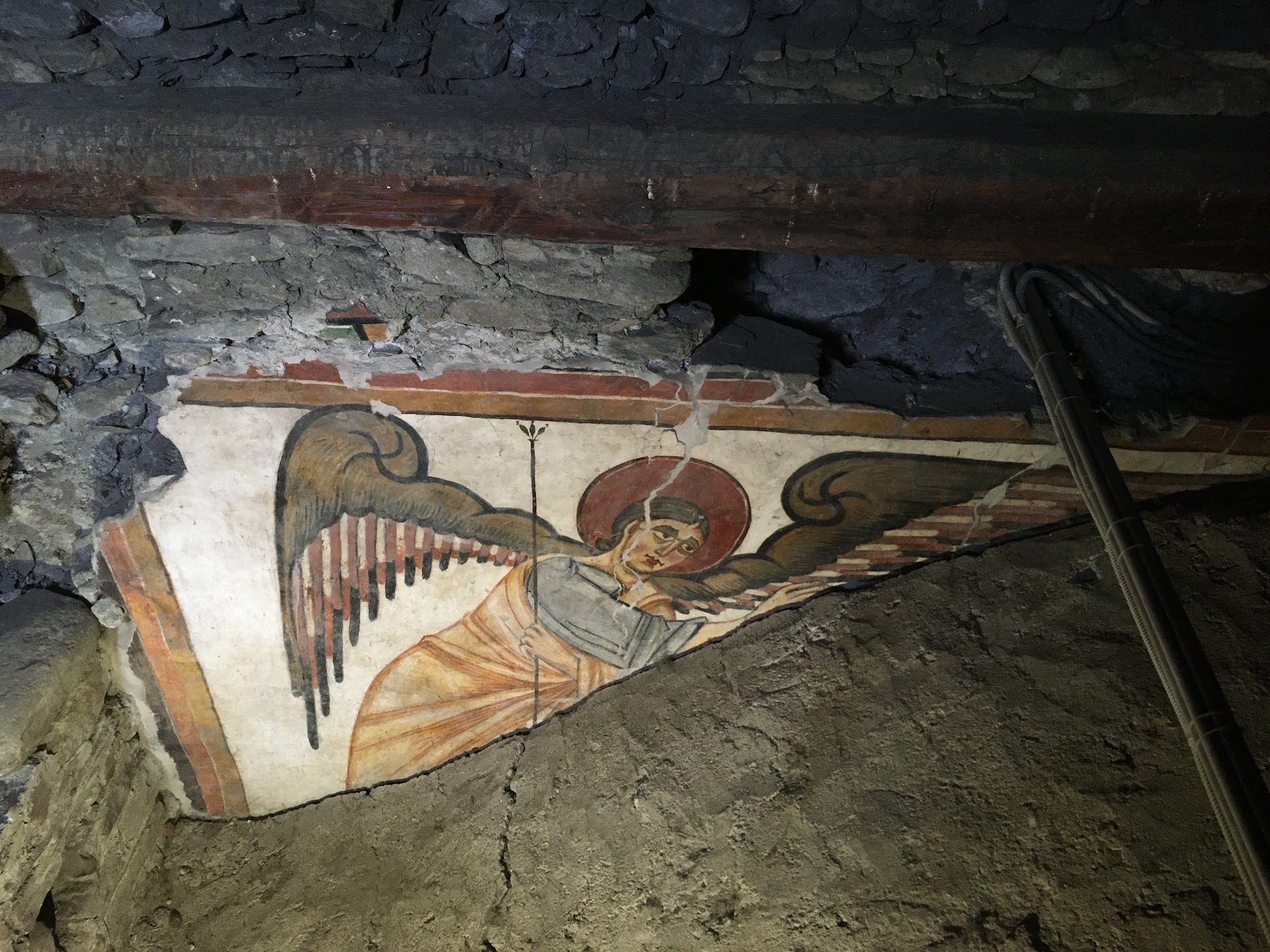
Actually, we wanted to go see Criptoportico forense, but we entered the cathedral instead, and so we discovered a series of hidden treasures: the little museum at the back (with beautiful carved wooden panels), the early Christian church located beneath the floor, the Ottonian frescoes from the 11th century that are now above the ceiling, and a cloister with unusual round/hexagonal columns. All of this was accompanied by the narration of the very kind, knowledgeable and enthusiastic guide of the Cathedral museum (Matteo Del Col). Highly recommended, especially the frescoes! It seems that few people are aware of their existence. It's just a few euros for a 1h+ excursion.
Gerald LapiraGerald Lapira
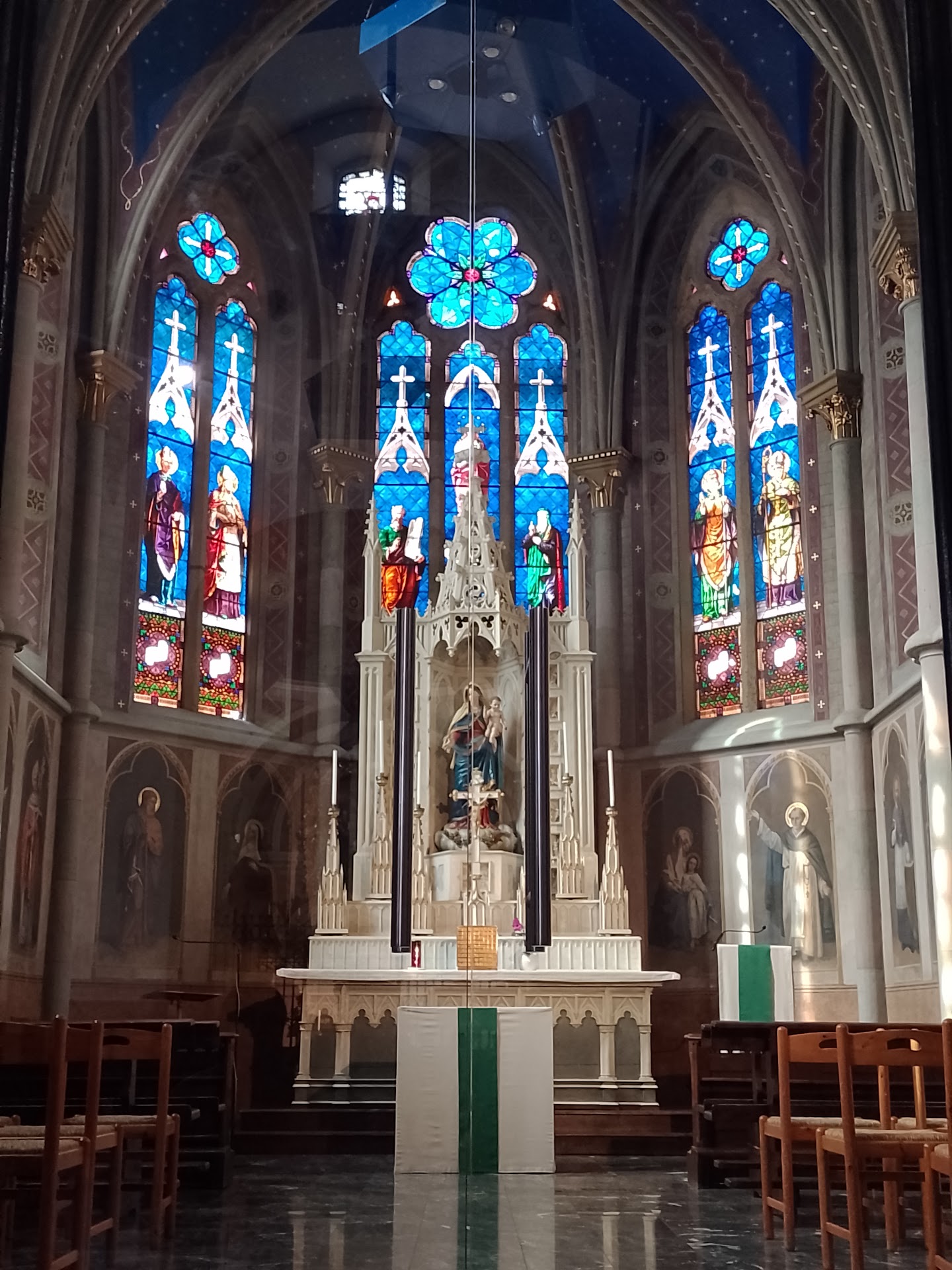
11th century cathedral built over 4th century Roman era ruins. The cathedral is enormous and despite being austere and sombre in style does have a side chapel with beautiful stained glass, large paintings of the Stations of the Cross, and beautiful murals (frescoes). Also worth noting the marble altar and wooden choir. On one side a work of art in metalwork - the reliquary containing remains of San Grato. A variety of architectural styles. There is also a museum and crypt which we did not visit and two bell towers undergoing maintenance at the moment. Entry is free and well worth a visit.
Ronnie MariaRonnie Maria
I have a chance to have a mass (Eucharist) here. Thanks GOD. They are renovating some back building. The building itself quite maintained. They have a museum inside the church but it’s closed in the morning. There are few parking lots not so far from the church. Nice to walk around the church.
See more posts
See more posts
hotel
Find your stay

Pet-friendly Hotels in Aosta

Find a cozy hotel nearby and make it a full experience.

Actually, we wanted to go see Criptoportico forense, but we entered the cathedral instead, and so we discovered a series of hidden treasures: the little museum at the back (with beautiful carved wooden panels), the early Christian church located beneath the floor, the Ottonian frescoes from the 11th century that are now above the ceiling, and a cloister with unusual round/hexagonal columns. All of this was accompanied by the narration of the very kind, knowledgeable and enthusiastic guide of the Cathedral museum (Matteo Del Col). Highly recommended, especially the frescoes! It seems that few people are aware of their existence. It's just a few euros for a 1h+ excursion.
Slava Rychkov

Slava Rychkov

hotel
Find your stay

Affordable Hotels in Aosta

Find a cozy hotel nearby and make it a full experience.

Get the Appoverlay
Get the AppOne tap to find yournext favorite spots!
11th century cathedral built over 4th century Roman era ruins. The cathedral is enormous and despite being austere and sombre in style does have a side chapel with beautiful stained glass, large paintings of the Stations of the Cross, and beautiful murals (frescoes). Also worth noting the marble altar and wooden choir. On one side a work of art in metalwork - the reliquary containing remains of San Grato. A variety of architectural styles. There is also a museum and crypt which we did not visit and two bell towers undergoing maintenance at the moment. Entry is free and well worth a visit.
Gerald Lapira

Gerald Lapira

hotel
Find your stay

The Coolest Hotels You Haven't Heard Of (Yet)

Find a cozy hotel nearby and make it a full experience.

hotel
Find your stay

Trending Stays Worth the Hype in Aosta

Find a cozy hotel nearby and make it a full experience.

I have a chance to have a mass (Eucharist) here. Thanks GOD. They are renovating some back building. The building itself quite maintained. They have a museum inside the church but it’s closed in the morning. There are few parking lots not so far from the church. Nice to walk around the church.
Ronnie Maria

Ronnie Maria

See more posts
See more posts