Porta Saragozza things to do, attractions, restaurants, events info and trip planning
Basic Info
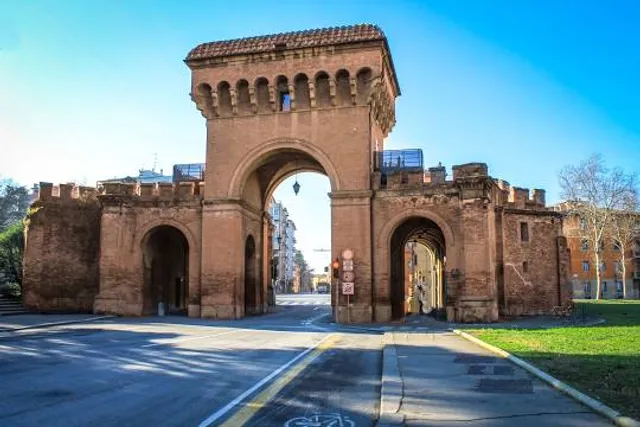
Porta Saragozza
Mura di Porta Saragozza, 40123 Bologna BO, Italy
4.5(1.8K)
Open until 12:00 AM
Save
spot
spot
Ratings & Description
Info
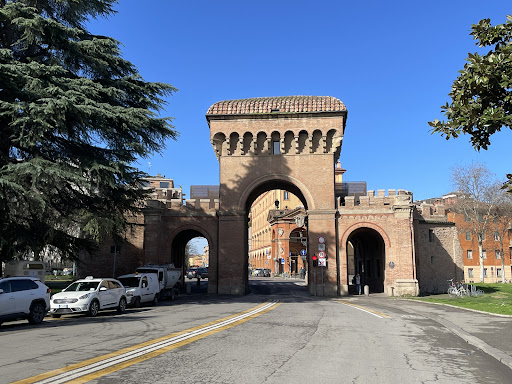
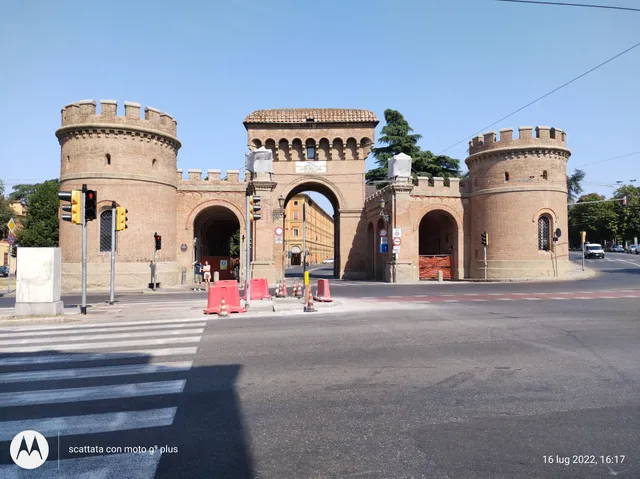
The Porta Saragozza of Bologna was one of the gates or portals in the medieval walls of this city. The gate was built in the 13-14th centuries, and by 1334 it was provided with a drawbridge crossing a moat.
Cultural
Accessibility
attractions: Bonaccorsi Arch, Museo della Beata Vergine di San Luca, Palazzo Albergati, Ex Chiesa di San Mattia, Museo Illusione tra arte e scienza a Palazzo Belloni, Palazzo Pallavicini, ANNARITA VITALI Stylist Fashion Designer Vintage Bijoux Jewels Glamour Moda Costume Couture Style, Mercato delle Erbe, Giardino Vittorio Melloni, Fuga Impossibile - Escape Room, restaurants: Berberè Porta Saragozza, Neri Bologna Bar Pasticceria, Trattoria Amedeo, Ristorante Biagi, La Piccola Baita, Trattoria Casa Mia, Black Cat Live Music Pub, All'Osteria Bottega, Pasta Fresca Nonna Cesira, Bistrot Boccabuona, local businesses: Cinema Chaplin, Villa Cassarini Gardens, Bellinzona Cinema Theater, Taste Bologna - Bologna Food Tour, Pizzeria Basilibò, Vintage in the Garden Bologna, Boido Tartufi Bologna, La Carniceria, Palazzo Belloni, Tatata Bologna
 Learn more insights from Wanderboat AI.
Open hoursSee all hours
FriOpen 24 hoursOpen
Plan your stay

Pet-friendly Hotels in Bologna
Find a cozy hotel nearby and make it a full experience.

Affordable Hotels in Bologna
Find a cozy hotel nearby and make it a full experience.

The Coolest Hotels You Haven't Heard Of (Yet)
Find a cozy hotel nearby and make it a full experience.

Trending Stays Worth the Hype in Bologna
Find a cozy hotel nearby and make it a full experience.
Reviews
Live events
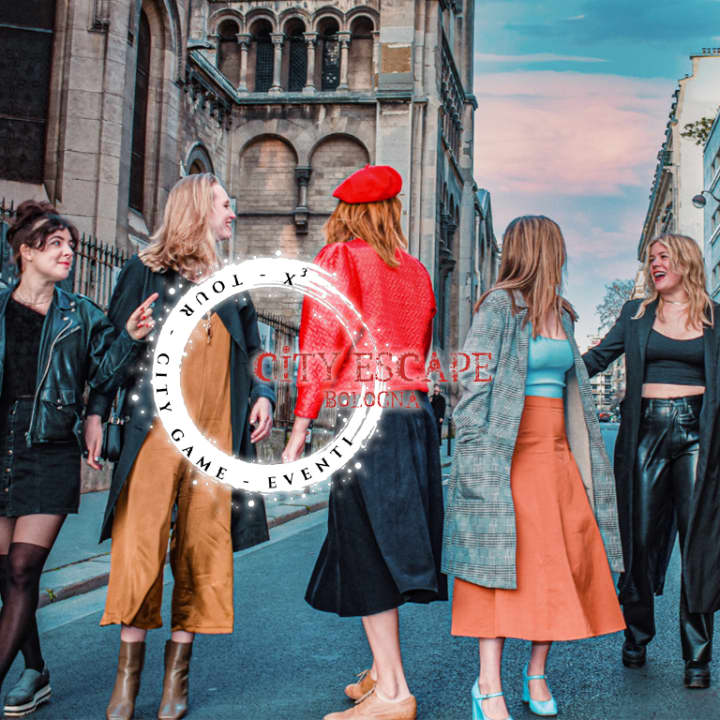
City Escape 2026 - Bologna
Fri, Feb 20 • 1:00 PM
Piazza Maggiore, Bologna, 40124
View details
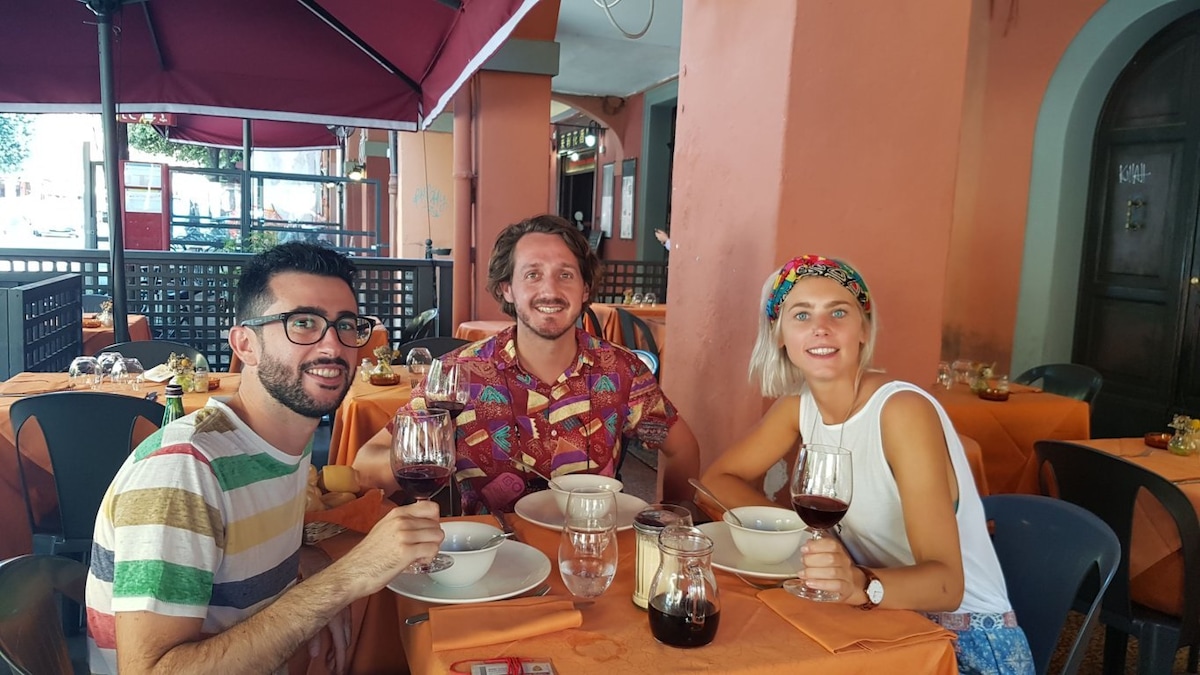
Bologna Food Tour from a local perspective
Sat, Feb 21 • 4:30 PM
40126, Bologna, Emilia-Romagna, Italy
View details
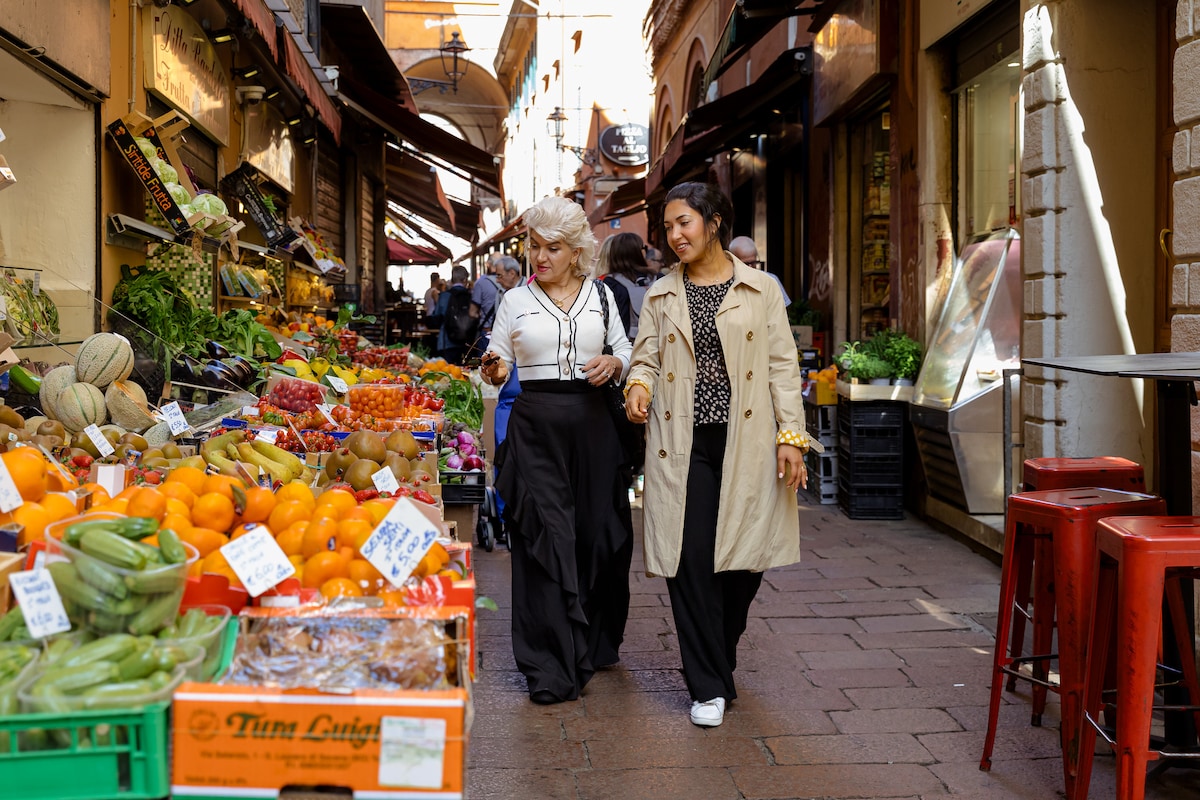
Exploring the Secrets of Bologna
Fri, Feb 20 • 2:00 PM
40124, Bologna, Emilia-Romagna, Italy
View details
Nearby attractions of Porta Saragozza
Bonaccorsi Arch
Museo della Beata Vergine di San Luca
Palazzo Albergati
Ex Chiesa di San Mattia
Museo Illusione tra arte e scienza a Palazzo Belloni
Palazzo Pallavicini
ANNARITA VITALI Stylist Fashion Designer Vintage Bijoux Jewels Glamour Moda Costume Couture Style
Mercato delle Erbe
Giardino Vittorio Melloni
Fuga Impossibile - Escape Room
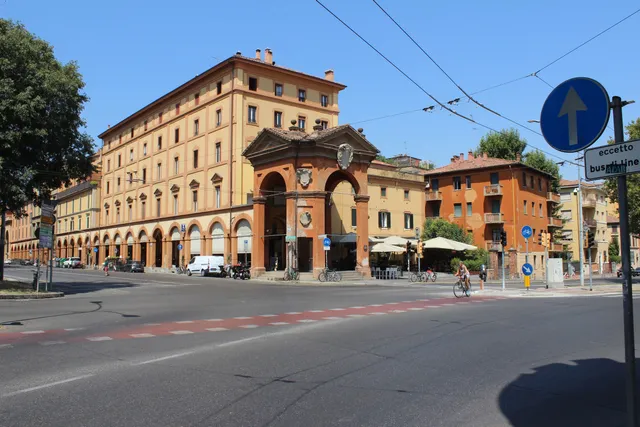
Bonaccorsi Arch
4.4
(58)
Open until 12:00 AM
Click for details
Museo della Beata Vergine di San Luca
4.9
(12)
Open until 12:00 AM
Click for details
Palazzo Albergati
4.5
(1.7K)
Open 24 hours
Click for details
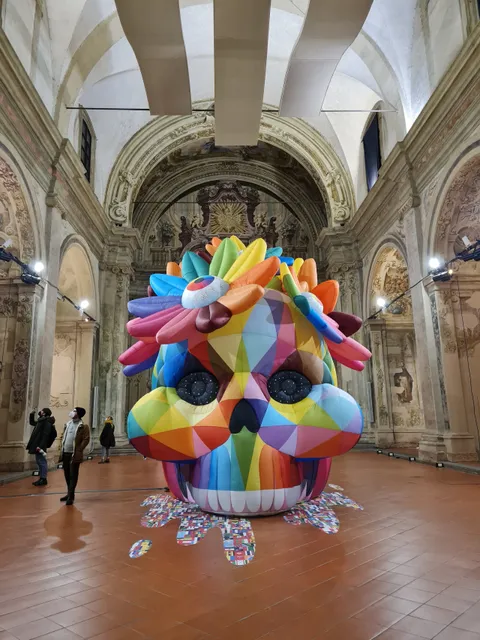
Ex Chiesa di San Mattia
4.4
(131)
Closed
Click for details
Nearby restaurants of Porta Saragozza
Berberè Porta Saragozza
Neri Bologna Bar Pasticceria
Trattoria Amedeo
Ristorante Biagi
La Piccola Baita
Trattoria Casa Mia
Black Cat Live Music Pub
All'Osteria Bottega
Pasta Fresca Nonna Cesira
Bistrot Boccabuona
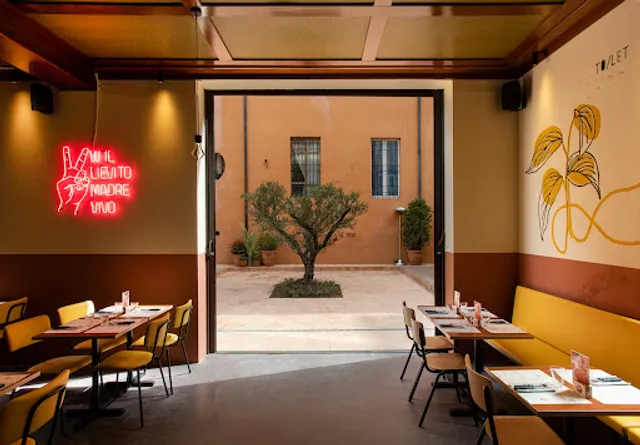
Berberè Porta Saragozza
4.5
(990)
Closed
Click for details
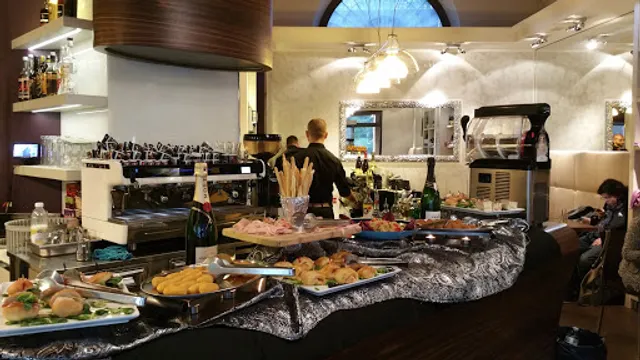
Neri Bologna Bar Pasticceria
4.1
(761)
$$
Open until 9:30 PM
Click for details
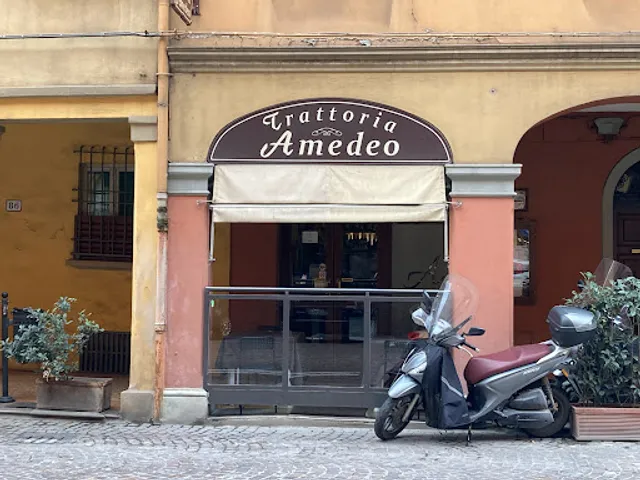
Trattoria Amedeo
4.5
(664)
Closed
Click for details
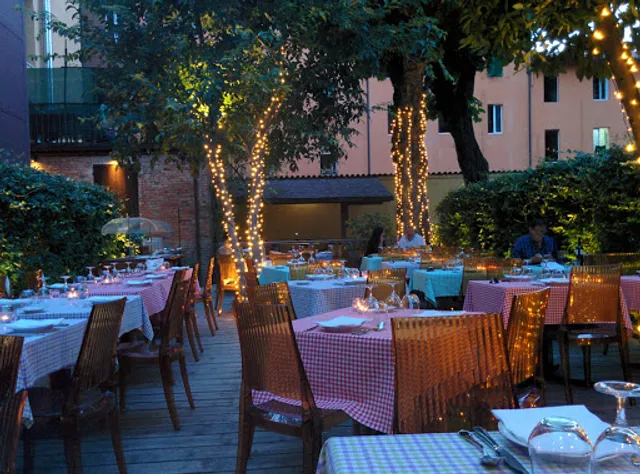
Ristorante Biagi
4.1
(543)
Closed
Click for details
Nearby local services of Porta Saragozza
Cinema Chaplin
Villa Cassarini Gardens
Bellinzona Cinema Theater
Taste Bologna - Bologna Food Tour
Pizzeria Basilibò
Vintage in the Garden Bologna
Boido Tartufi Bologna
La Carniceria
Palazzo Belloni
Tatata Bologna
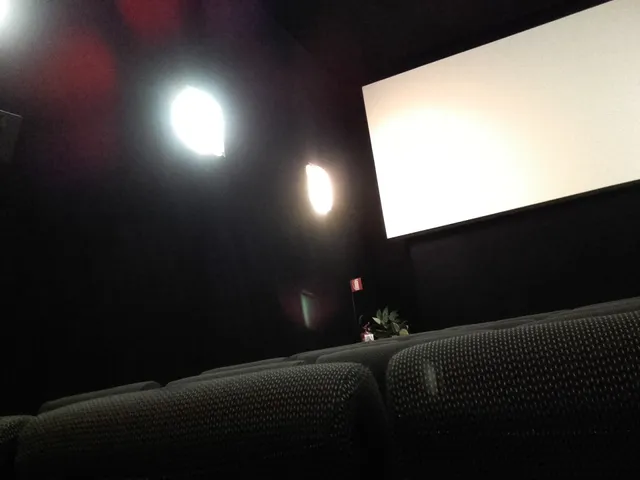
Cinema Chaplin
4.0
(258)
Click for details
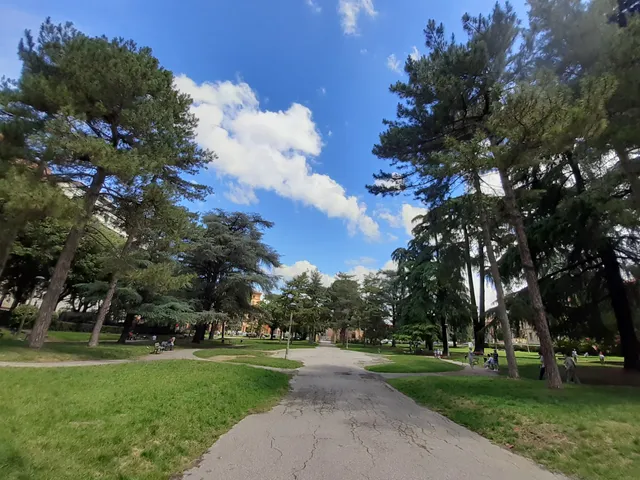
Villa Cassarini Gardens
4.2
(434)
Click for details
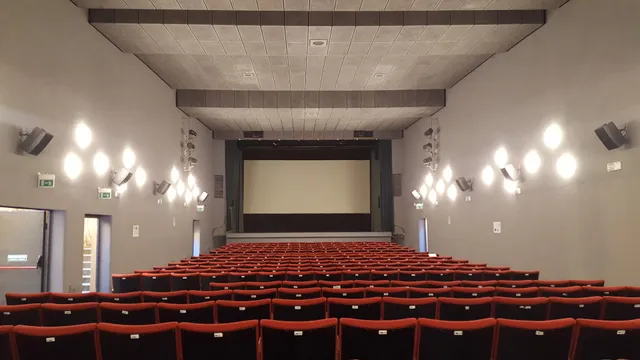
Bellinzona Cinema Theater
4.2
(298)
Click for details
Taste Bologna - Bologna Food Tour
5.0
(435)
Click for details