Tempio Voltiano things to do, attractions, restaurants, events info and trip planning
Basic Info
Tempio Voltiano
Viale Guglielmo Marconi, 1, 22100 Como CO, Italy
4.4(2.2K)
Closed

tickets
Save
spot
spot
Ratings & Description
Info
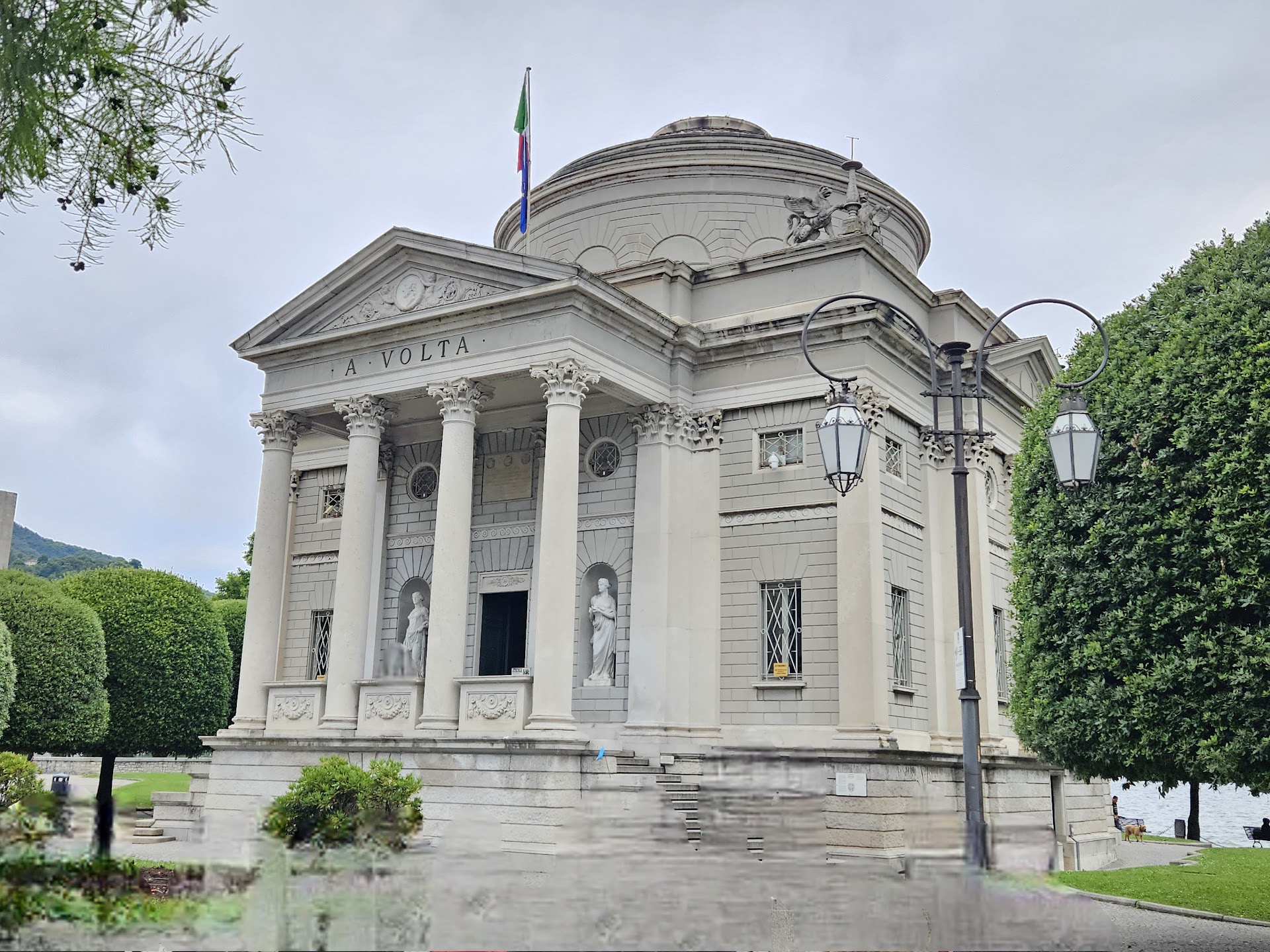
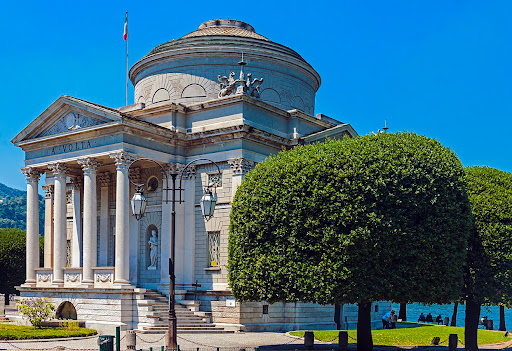
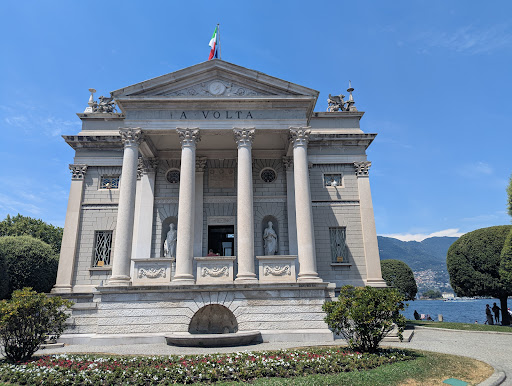
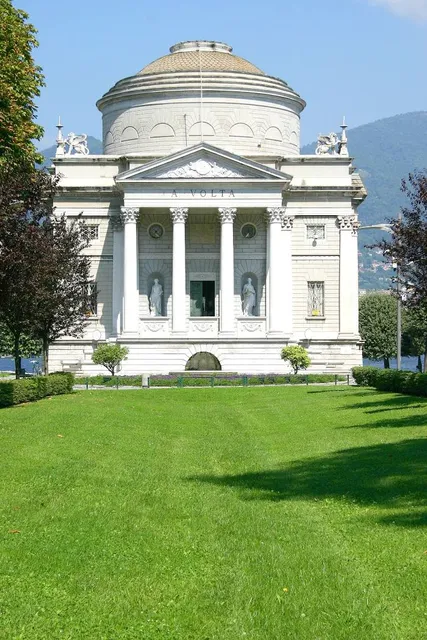
The Tempio Voltiano is a museum in the city of Como, Italy that is dedicated to Alessandro Volta, a prolific scientist and the inventor of the electrical battery. Volta was born in Como in 1745, held his first professorship there until 1779, and retired to Como in 1819.
Cultural
Accessibility
attractions: War Memorial, Giardini a Lago, Stadio Giuseppe Sinigaglia Djarum, Rent boat&rib private tours, Life Electric, Alessandro Volta Statue, ALDO COPPOLA COMO, Cattedrale di Santa Maria Assunta - Duomo di Como, Lungolago Viale Geno, University of Insubria, restaurants: Cova Casabianca, Ostello Bello Lake Como, LUCE COMO, Ristorante e Bar Canottieri Lario Como, Gelateria L'Ulivo By Sedar, Gelateria Lariana, Stilo Ristorante Pizzeria, Royal Pizzeria Kebab, Comocafé, BAR Ostello Bello Como, local businesses: War Memorial, Monumento alla Resistenza Europea, Carrefour Market, Rent Boat Dany private tour, Piscina Sinigaglia, Il Medeghino, Hercules Lake Como Boat Tour, Aero Club - Como, Como 1907, Bounce Luggage Storage - 24/7 Como
 Learn more insights from Wanderboat AI.
Phone
+39 335 848 9213
Website
comune.como.it
Open hoursSee all hours
Fri10 a.m. - 6 p.m.Closed
Plan your stay

Pet-friendly Hotels in Como
Find a cozy hotel nearby and make it a full experience.

Affordable Hotels in Como
Find a cozy hotel nearby and make it a full experience.

The Coolest Hotels You Haven't Heard Of (Yet)
Find a cozy hotel nearby and make it a full experience.

Trending Stays Worth the Hype in Como
Find a cozy hotel nearby and make it a full experience.
Reviews
Live events

SANREMO COVER NIGHT
Fri, Feb 27 • 8:00 PM
4 Via Jacopo Rezia 22100 Como
View details

MALEDETTO SANREMO • SANREMO BELLO QUIZ • Ostello Bello Como
Sat, Feb 28 • 8:30 PM
9 Viale Fratelli Rosselli 22100 Como
View details

Monza: Corso gratuito di memoria
Tue, Mar 3 • 8:00 PM
16 Via Alessandro Manzoni 20900 Monza
View details
Nearby attractions of Tempio Voltiano
War Memorial
Giardini a Lago
Stadio Giuseppe Sinigaglia Djarum
Rent boat&rib private tours
Life Electric
Alessandro Volta Statue
ALDO COPPOLA COMO
Cattedrale di Santa Maria Assunta - Duomo di Como
Lungolago Viale Geno
University of Insubria

War Memorial
4.4
(476)
Open until 12:00 AM
Click for details
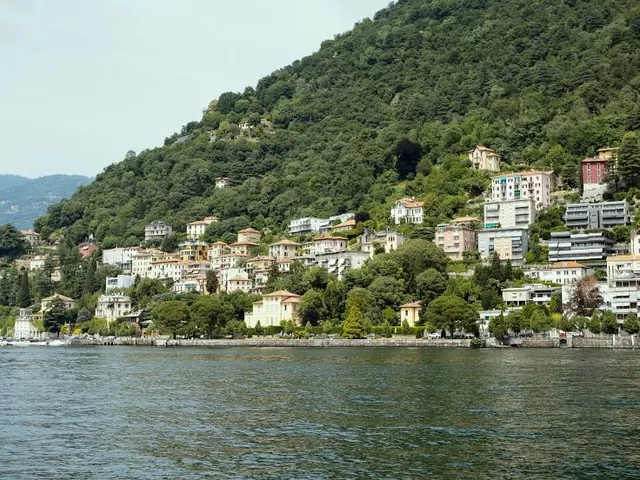
Giardini a Lago
4.2
(248)
Open 24 hours
Click for details

Stadio Giuseppe Sinigaglia Djarum
4.1
(834)
Open 24 hours
Click for details

Rent boat&rib private tours
5.0
(218)
Open until 12:00 AM
Click for details
Nearby restaurants of Tempio Voltiano
Cova Casabianca
Ostello Bello Lake Como
LUCE COMO
Ristorante e Bar Canottieri Lario Como
Gelateria L'Ulivo By Sedar
Gelateria Lariana
Stilo Ristorante Pizzeria
Royal Pizzeria Kebab
Comocafé
BAR Ostello Bello Como

Cova Casabianca
4.2
(19)
Closed
Click for details
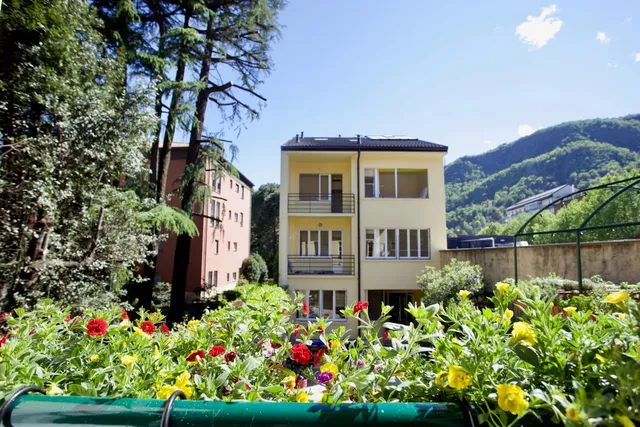
Ostello Bello Lake Como
4.6
(923)
Click for details
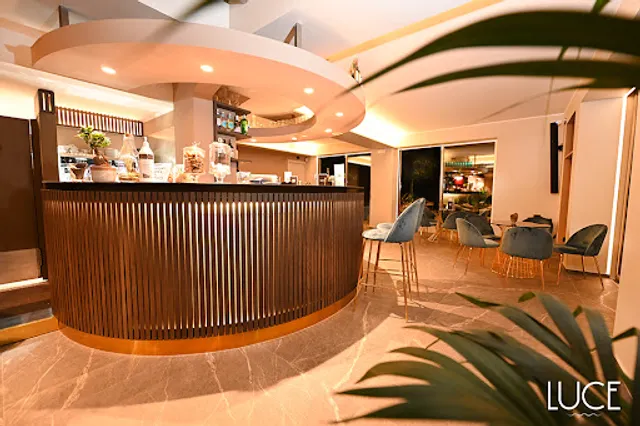
LUCE COMO
4.4
(380)
Open until 2:00 AM
Click for details
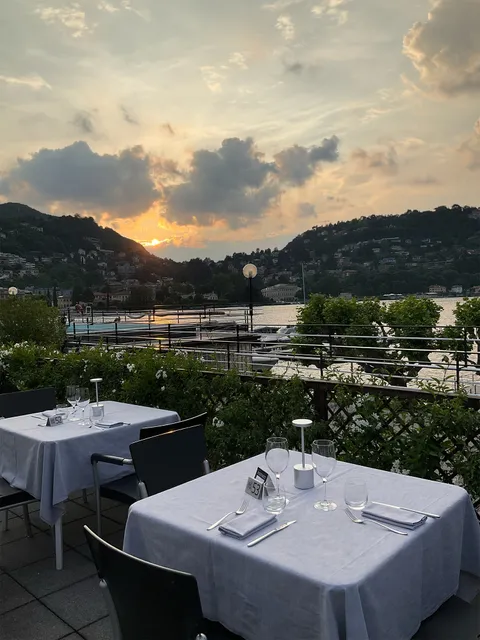
Ristorante e Bar Canottieri Lario Como
4.3
(274)
$$
Open until 10:00 PM
Click for details
Nearby local services of Tempio Voltiano
War Memorial
Monumento alla Resistenza Europea
Carrefour Market
Rent Boat Dany private tour
Piscina Sinigaglia
Il Medeghino
Hercules Lake Como Boat Tour
Aero Club - Como
Como 1907
Bounce Luggage Storage - 24/7 Como
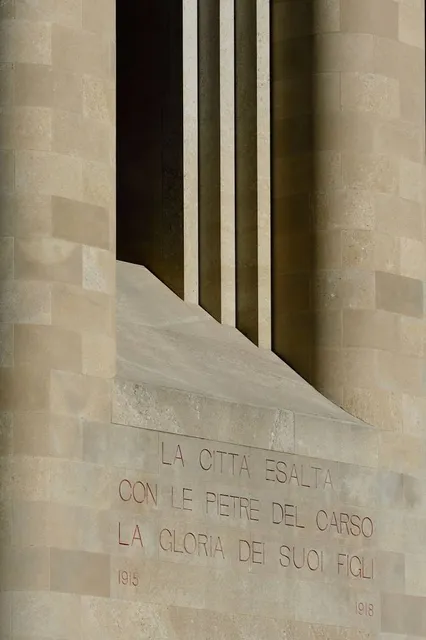
War Memorial
4.4
(382)
Click for details
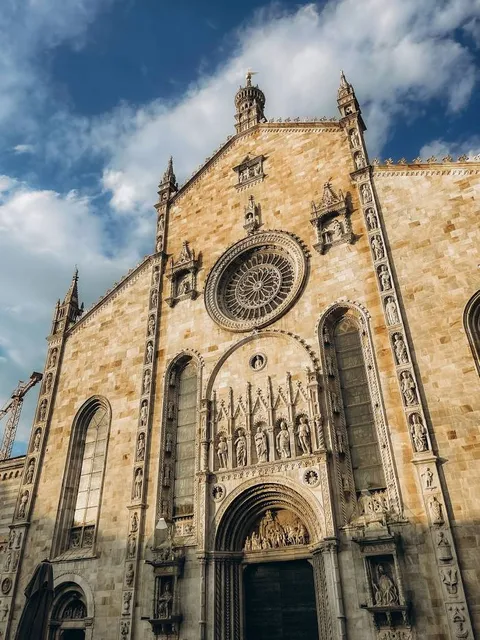
Monumento alla Resistenza Europea
4.3
(263)
Click for details
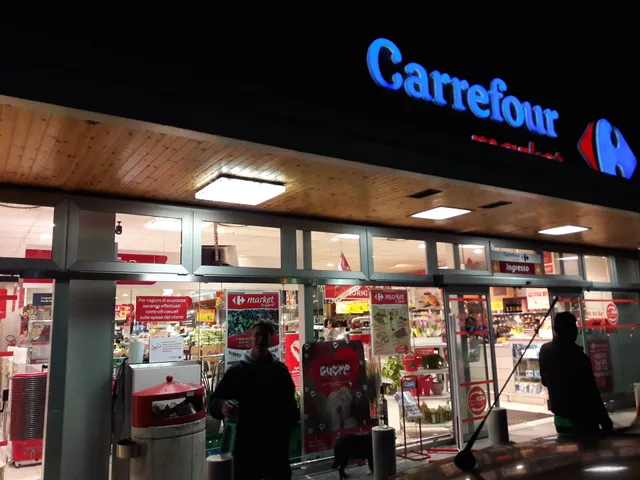
Carrefour Market
4.0
(1.5K)
Click for details

Rent Boat Dany private tour
5.0
(90)
Click for details