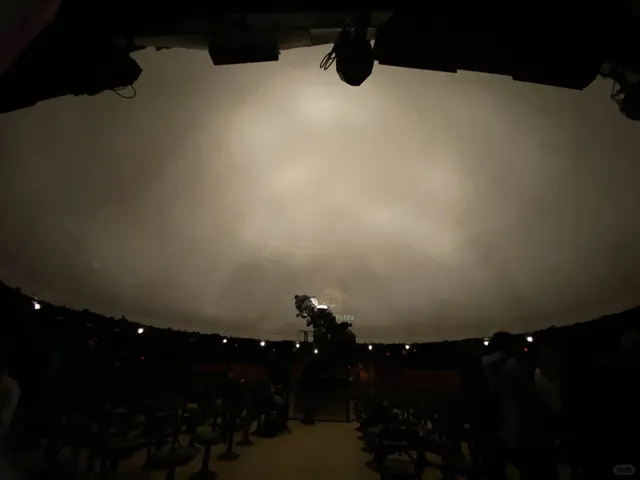
Indro Montanelli Gardens things to do, attractions, restaurants, events info and trip planning
Basic Info
Indro Montanelli Gardens
Via Palestro, 20121 Milano MI, Italy
4.5(9.6K)
Closed
Save
spot
spot
Ratings & Description
Info
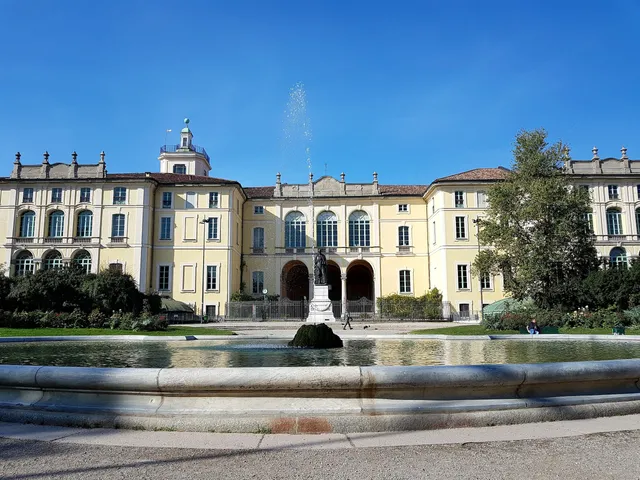
Giardini Pubblici Indro Montanelli, formerly known as Giardini Pubblici and Giardini di Porta Venezia are a major and historic city park in Milan, Italy, located in the Porta Venezia district, north-east of the city center, in the Zone 1 administrative division.
Outdoor
Family friendly
Pet friendly
attractions: Modern Art Gallery, Milan Natural History Museum, PAC Padiglione d'Arte Contemporanea, Villaggio delle Meraviglie, Villa Reale, Giardini Indro Montanelli, Area Cani - Indro Montanelli, Civico Planetario Ulrico Hoepli, Palazzo Dugnani, Indro Montanelli Statue, restaurants: LùBar, Il Chiosco di Pippo, Bar Bianco, Nàpiz' Milano, Swiss Corner, The Tropical Cream Snc, Terrazza Palestro, Biancolatte, Flower Burger, Bar & Pub La Comida da Jenny Milano, local businesses: Giardino della Villa Belgiojoso Bonaparte, Palazzo Bovara - Circolo del Commercio, Laboratorio Orafo Meda Orafi 1916 - Anelli, Fedi e Solitari di fidanzamento, Gioielli artigianali - SOLO SU APPUNTAMENTO, Viro Steak Restaurant Milano, Corso Buenos Aires, Palazzo Castiglioni, Kartell Milano, Planetario, U.S. Consulate General Milan, DMAG outlet
 Learn more insights from Wanderboat AI.
Phone
+39 02 0202
Website
comune.milano.it
Open hoursSee all hours
Sun6 AM - 12 AMClosed
Plan your stay

Pet-friendly Hotels in Milan
Find a cozy hotel nearby and make it a full experience.

Affordable Hotels in Milan
Find a cozy hotel nearby and make it a full experience.

The Coolest Hotels You Haven't Heard Of (Yet)
Find a cozy hotel nearby and make it a full experience.

Trending Stays Worth the Hype in Milan
Find a cozy hotel nearby and make it a full experience.
Reviews
Live events
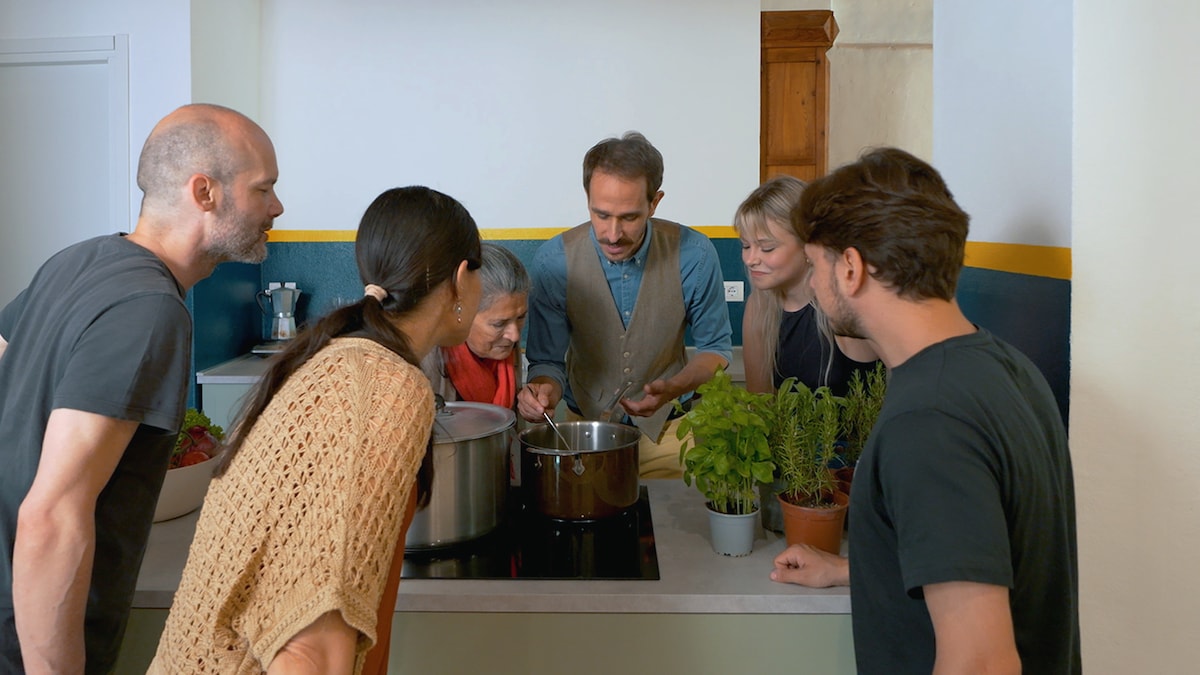
Make pasta and tiramisù in an Italian home
Mon, Feb 9 • 11:00 AM
20159, Milan, Lombardy, Italy
View details
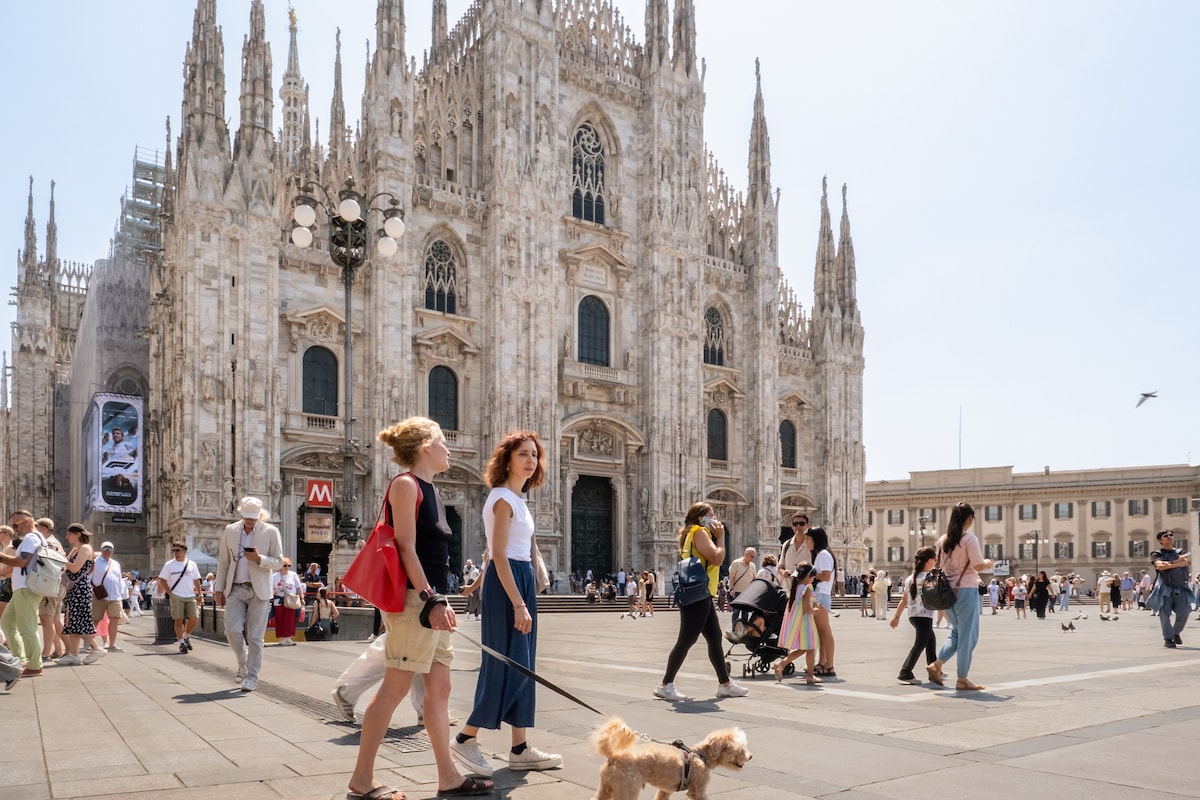
The Total tour of Milan: be a local
Mon, Feb 9 • 9:30 AM
20122, Milan, Lombardy, Italy
View details

Valentines Day By Vertigo - Officina Milano
Thu, Feb 12 • 9:00 PM
7 Via Giovenale 20136 Milano
View details
Nearby attractions of Indro Montanelli Gardens
Modern Art Gallery
Milan Natural History Museum
PAC Padiglione d'Arte Contemporanea
Villaggio delle Meraviglie
Villa Reale
Giardini Indro Montanelli
Area Cani - Indro Montanelli
Civico Planetario Ulrico Hoepli
Palazzo Dugnani
Indro Montanelli Statue
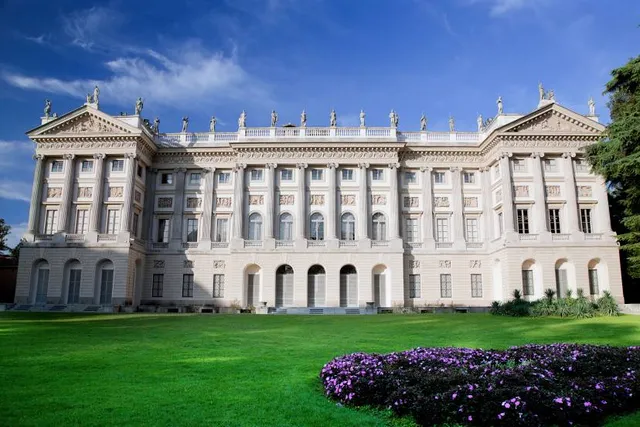
Modern Art Gallery
4.5
(1.4K)
Closed
Click for details
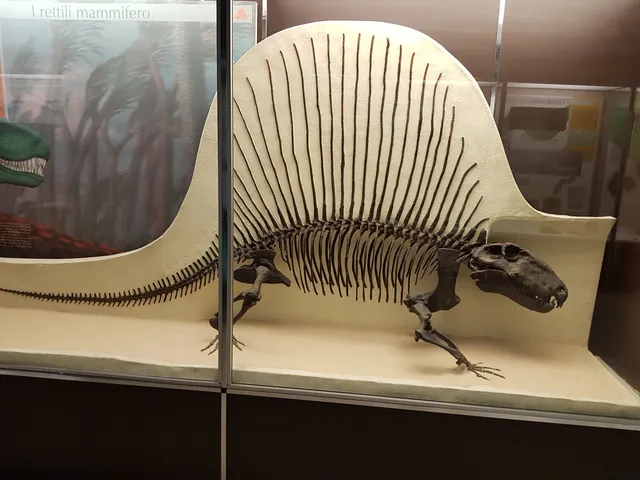
Milan Natural History Museum
4.5
(4.4K)
Closed
Click for details
PAC Padiglione d'Arte Contemporanea
4.5
(484)
Closed
Click for details
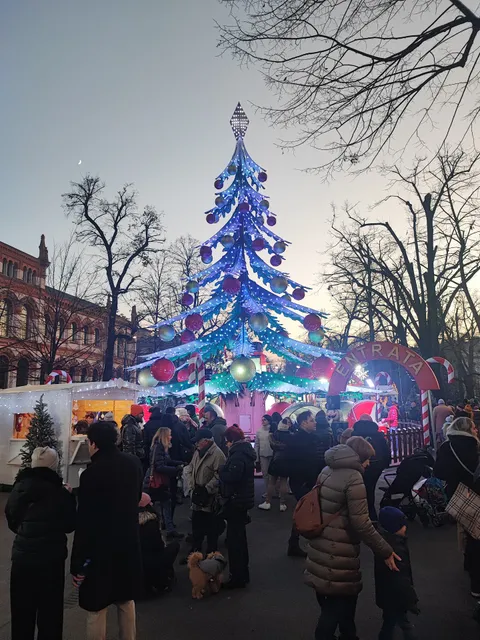
Villaggio delle Meraviglie
4.0
(308)
Closed
Click for details
Nearby restaurants of Indro Montanelli Gardens
LùBar
Il Chiosco di Pippo
Bar Bianco
Nàpiz' Milano
Swiss Corner
The Tropical Cream Snc
Terrazza Palestro
Biancolatte
Flower Burger
Bar & Pub La Comida da Jenny Milano
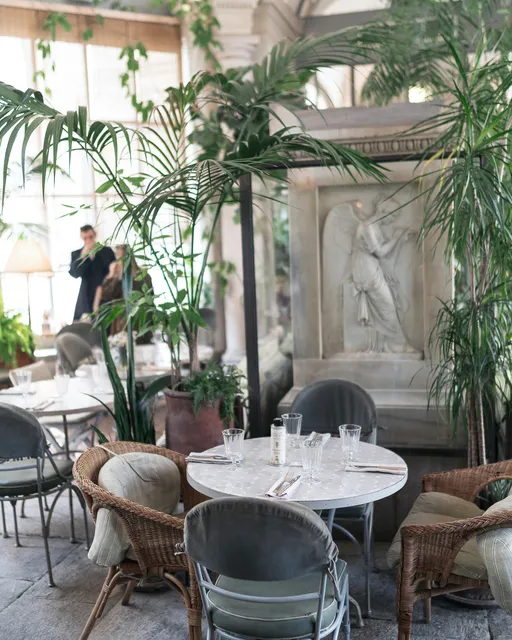
LùBar
4.0
(2.1K)
Closed
Click for details

Il Chiosco di Pippo
3.9
(366)
Closed
Click for details
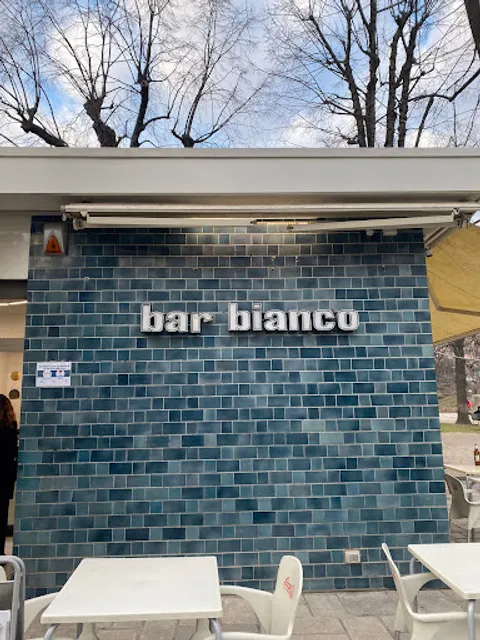
Bar Bianco
3.9
(453)
Closed
Click for details
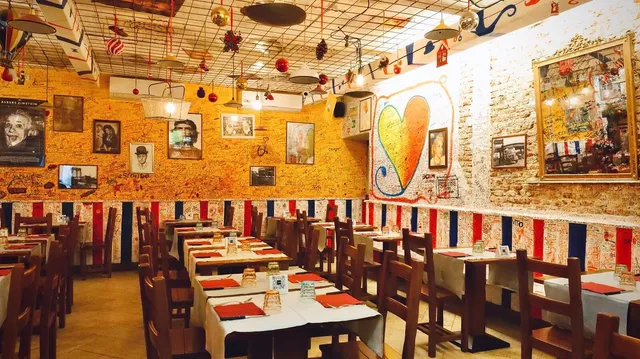
Nàpiz' Milano
4.7
(1.9K)
Closed
Click for details
Nearby local services of Indro Montanelli Gardens
Giardino della Villa Belgiojoso Bonaparte
Palazzo Bovara - Circolo del Commercio
Laboratorio Orafo Meda Orafi 1916 - Anelli, Fedi e Solitari di fidanzamento, Gioielli artigianali - SOLO SU APPUNTAMENTO
Viro Steak Restaurant Milano
Corso Buenos Aires
Palazzo Castiglioni
Kartell Milano
Planetario
U.S. Consulate General Milan
DMAG outlet
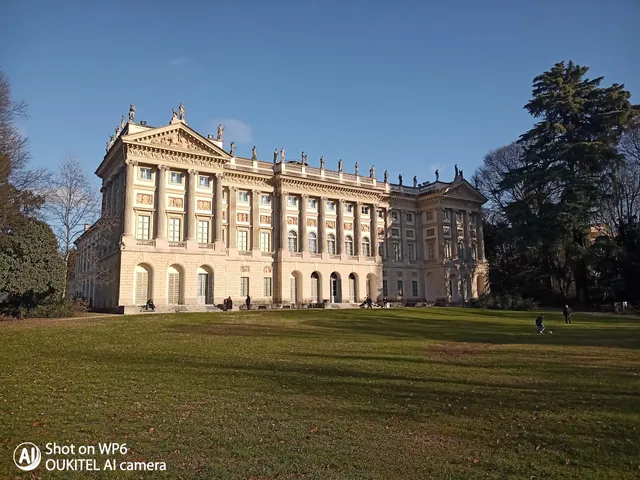
Giardino della Villa Belgiojoso Bonaparte
4.6
(171)
Click for details

Palazzo Bovara - Circolo del Commercio
4.6
(222)
Click for details
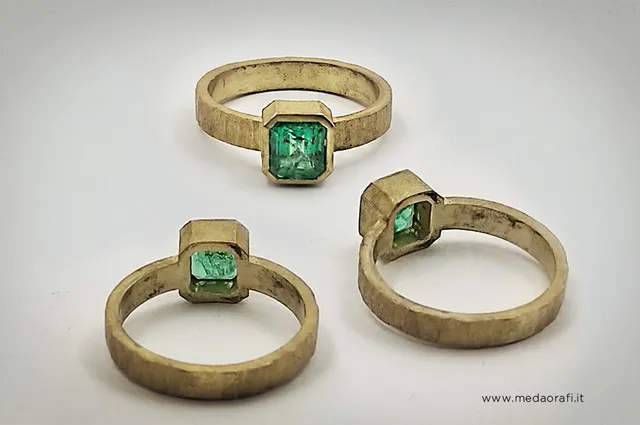
Laboratorio Orafo Meda Orafi 1916 - Anelli, Fedi e Solitari di fidanzamento, Gioielli artigianali - SOLO SU APPUNTAMENTO
5.0
(171)
Click for details
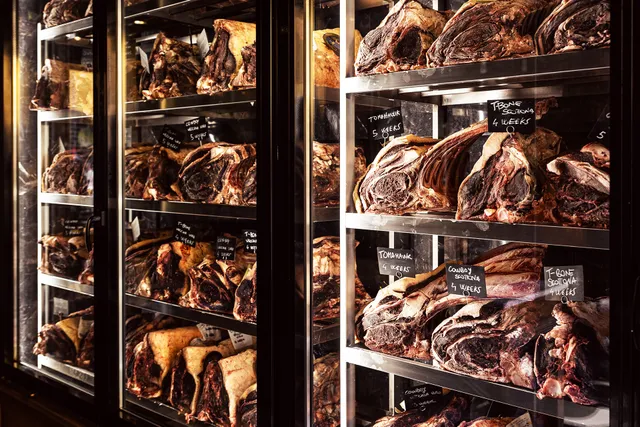
Viro Steak Restaurant Milano
4.8
(144)
Click for details