HTML SitemapExplore
logo
Find Things to DoFind The Best Restaurants

Monument of the Four Moors — Attraction in Pisa

Name
Monument of the Four Moors
Description
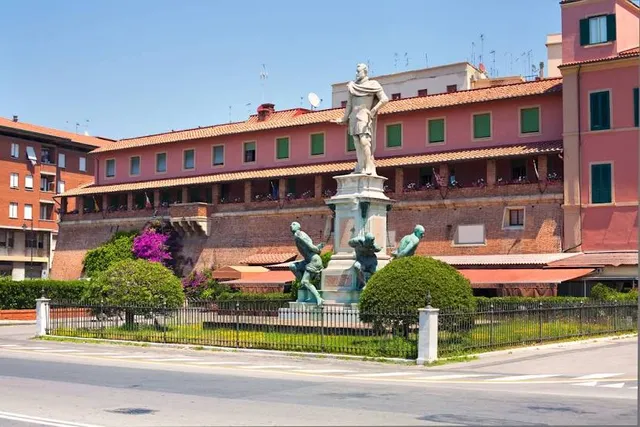
The Monument of the Four Moors is located in Livorno, Italy. It was completed in 1626 to commemorate the victories of Ferdinand I of Tuscany over the Ottomans. It is the most famous monument of Livorno and is located in Piazza Micheli.
Nearby attractions
Monumento dei Quattro Mori
Piazza Giuseppe Micheli, 57123 Livorno LI, Italy
Porto Mediceo
Via del Molo Mediceo, 57123 Livorno LI, Italy
Fortezza Vecchia
Piazzale dei Marmi, 57126 Livorno LI, Italy
Synagogue of Livorno
Via del Tempio, 57123 Livorno LI, Italy
Fortezza Nuova
Scali della Fortezza Nuova, 57123 Livorno LI, Italy
Museo della città (Livorno)
Italy Leghorn, Piazza del Luogo Pio, 19, 57123 Livorno LI, Italy
Il mastio di Matilde
57123 Livorno, Province of Livorno, Italy
Piazza Grande
P.za Grande, 8, 57123 Livorno LI, Italy
Church of San Ferdinando
Piazza Anita Garibaldi, 1, 57123 Livorno LI, Italy
Galleria Fidanda
Via della Venezia, 7, 57123 Livorno LI, Italy
Nearby restaurants
Il Vinaino
Piazza Colonnella, 14, 57123 Livorno LI, Italy
Il Chiosco del Porto
57123 Livorno, Province of Livorno, Italy
Granduca Ristorante
Piazza Giuseppe Micheli, 18, 57126 Livorno LI, Italy
il Ritrovino Osteria
Piazza Colonnella, 16, 57123 Livorno LI, Italy
Mare Matto
Via Enrico Cialdini, 2, 57123 Livorno LI, Italy
Il Porto Fish Restaurant Livorno BST
Via S. Giovanni, 44, 57123 Livorno LI, Italy
Signor Nico
Piazza Giuseppe Micheli, 57123 Livorno LI, Italy
La Fortuna
Via Grande, 235, 57123 Livorno LI, Italy
Paninoteca Skip Livorno
Via Grande, 251, 57123 Zona Porto LI, Italy
Ristorante Le Volte
Via Calafati, 4, 57123 Livorno LI, Italy
Related posts
Keywords
Monument of the Four Moors tourism.Monument of the Four Moors hotels.Monument of the Four Moors bed and breakfast. flights to Monument of the Four Moors.Monument of the Four Moors attractions.Monument of the Four Moors restaurants.Monument of the Four Moors travel.Monument of the Four Moors travel guide.Monument of the Four Moors travel blog.Monument of the Four Moors pictures.Monument of the Four Moors photos.Monument of the Four Moors travel tips.Monument of the Four Moors maps.Monument of the Four Moors things to do.
Monument of the Four Moors things to do, attractions, restaurants, events info and trip planning
Monument of the Four Moors
ItalyTuscanyPisaMonument of the Four Moors

Basic Info

Monument of the Four Moors

Piazza Giuseppe Micheli, 18, 57123 Livorno LI, Italy
4.4(2K)
Open until 12:00 AM
Save
spot

Ratings & Description

Info

The Monument of the Four Moors is located in Livorno, Italy. It was completed in 1626 to commemorate the victories of Ferdinand I of Tuscany over the Ottomans. It is the most famous monument of Livorno and is located in Piazza Micheli.

Cultural
Accessibility
attractions: Monumento dei Quattro Mori, Porto Mediceo, Fortezza Vecchia, Synagogue of Livorno, Fortezza Nuova, Museo della città (Livorno), Il mastio di Matilde, Piazza Grande, Church of San Ferdinando, Galleria Fidanda, restaurants: Il Vinaino, Il Chiosco del Porto, Granduca Ristorante, il Ritrovino Osteria, Mare Matto, Il Porto Fish Restaurant Livorno BST, Signor Nico, La Fortuna, Paninoteca Skip Livorno, Ristorante Le Volte
logoLearn more insights from Wanderboat AI.
Open hoursSee all hours
FriOpen 24 hoursOpen

Plan your stay

hotel
Pet-friendly Hotels in Pisa
Find a cozy hotel nearby and make it a full experience.

hotel
Affordable Hotels in Pisa
Find a cozy hotel nearby and make it a full experience.

hotel
The Coolest Hotels You Haven't Heard Of (Yet)
Find a cozy hotel nearby and make it a full experience.

hotel
Trending Stays Worth the Hype in Pisa
Find a cozy hotel nearby and make it a full experience.

Reviews

Nearby attractions of Monument of the Four Moors

Monumento dei Quattro Mori

Porto Mediceo

Fortezza Vecchia

Synagogue of Livorno

Fortezza Nuova

Museo della città (Livorno)

Il mastio di Matilde

Piazza Grande
Church of San Ferdinando

Galleria Fidanda

Monumento dei Quattro Mori

Monumento dei Quattro Mori

4.4

(2.1K)

Open 24 hours
Click for details
Porto Mediceo

Porto Mediceo

4.4

(654)

Open until 12:00 AM
Click for details
Fortezza Vecchia

Fortezza Vecchia

4.4

(1.4K)

Open 24 hours
Click for details
Synagogue of Livorno

Synagogue of Livorno

4.4

(42)

Open 24 hours
Click for details

Things to do nearby

Explore Pisa off-the-beaten-path
Fri, Dec 5 • 10:00 AM
56125, Pisa, Tuscany, Italy
View details
Discover Pisas sights and bites
Fri, Dec 5 • 10:00 AM
56126, Pisa, Tuscany, Italy
View details
Taste organic Tuscan wines at a historic vineyard
Fri, Dec 5 • 3:30 PM
56127, Pisa, Tuscany, Italy
View details

Nearby restaurants of Monument of the Four Moors

Il Vinaino

Il Chiosco del Porto

Granduca Ristorante

il Ritrovino Osteria

Mare Matto

Il Porto Fish Restaurant Livorno BST

Signor Nico

La Fortuna

Paninoteca Skip Livorno
Ristorante Le Volte

Il Vinaino

Il Vinaino

4.2

(396)

$

Click for details
Il Chiosco del Porto

Il Chiosco del Porto

4.4

(208)

Click for details
Granduca Ristorante

Granduca Ristorante

3.8

(235)

$$$

Click for details
il Ritrovino Osteria

il Ritrovino Osteria

4.7

(228)

$$

Click for details
Get the Appoverlay
Get the AppOne tap to find yournext favorite spots!
Wanderboat LogoWanderboat

Your everyday Al companion for getaway ideas

CompanyAbout Us
InformationAI Trip PlannerSitemap
SocialXInstagramTiktokLinkedin
LegalTerms of ServicePrivacy Policy

Get the app

© 2025 Wanderboat. All rights reserved.
logo

Posts

Giulia Carmen FasoloGiulia Carmen Fasolo
Essendo un monumento storico all’aperto, non ha giorni e orari di chiusura. Credo che l’espressività dei Mori renda molto di più di presenza anziché in foto, poiché se n possono cogliere le sfumature. Un po’ di storia... Sul finire del XVI secolo, per volontà di Francesco I de' Medici furono avviati i primi lavori per la realizzazione della nuova città fortificata di Livorno, secondo il progetto dell'architetto Bernardo Buontalenti; tuttavia fu Ferdinando I, salito al potere nel 1587, a dare maggior impulso al colossale cantiere, tanto da essere considerato il vero fondatore della città. Per celebrare questa impresa ed i trionfi riportati contro i corsari barbareschi dall'Ordine dei cavalieri di Santo Stefano, Ferdinando fece erigere un monumento in suo onore. La statua del granduca fu commissionata allo scultore Giovanni Bandini, che la realizzò a Carrara a partire dal 1595, per essere quindi trasportata per mare a Livorno nel 1601. Tuttavia l'imponente monumento restò ai margini della piazza della darsena per ben 16 anni, fino al 1617, quando fu innalzato su un piedistallo alla presenza di Cosimo II de' Medici, succeduto al padre Ferdinando nel 1609. Successivamente, nel 1621 fu dato incarico a Pietro Tacca di completare l'opera di Bandini con l'aggiunta, alla base del piedistallo, di quattro mori incatenati, che lo scultore portò a termine in più riprese, tra il 1623 ed il 1626. Lo stesso Tacca eseguì un gruppo di trofei barbareschi che furono collocati intorno alla statua di Ferdinando, mentre un suo allievo, Taddeo di Michele, realizzò la sommità del piedistallo in marmo. Il monumento avrebbe dovuto essere completato da due fontane con mostri marini, realizzate dal Tacca intorno agli anni trenta del Seicento, che però non giunsero mai a Livorno, ma furono poste in piazza della Santissima Annunziata a Firenze. Il monumento dei Quattro Mori rischiò tuttavia di essere distrutto durante l'invasione francese di Livorno, nel marzo del 1799; l'esercito transalpino, apparentemente animato da ideali di libertà e uguaglianza sociale, vedeva nei mori incatenati un simbolo di oppressione e tirannide. Ciò nonostante l'opera riuscì ad essere salvata, ma i soldati francesi la depredarono dei trofei barbareschi. Nell'Ottocento, tramontata l'ipotesi di trasferire il gruppo scultoreo in piazza Grande, il monumento fu solamente arretrato al centro della piazza antistante la darsena del porto. Un'altra proposta per il suo trasferimento si registra negli anni che precedono la seconda guerra mondiale, quando viene avanzata l'idea di collocarlo al centro della piazza delle adunate che sarebbe dovuta sorgere attorno al nuovo Palazzo del Governo. Lo scoppio della guerra portò alla sospensione di ogni piano, mentre, per salvare il monumento dai bombardamenti, fu deciso di trasferire la statua di Ferdinando I nella Certosa di Calci, mentre i Quattro mori furono dapprima sistemati al Cisternino di Pian di Rota e successivamente nella Villa medicea di Poggio a Caiano. Nel giugno 1950, a seguito di accurati restauri, le opere tornarono a Livorno e furono ricollocate al loro posto, ai margini di una città ancora devastata dai bombardamenti. Nei secoli, il monumento dei Quattro mori impressionò numerosi viaggiatori e scrittori stranieri, che lo descrissero nelle proprie opere: è il caso, tra gli altri, del reverendo islandese Ólafur Egilsson (secondo quarto del XVII secolo), oppure di Ethel Lilian Voynich, che ricordò il gruppo nel proprio romanzo storico Il figlio del cardinale, uno dei libri più letti nel mondo comunista negli anni della Guerra Fredda.
Linda NolanLinda Nolan
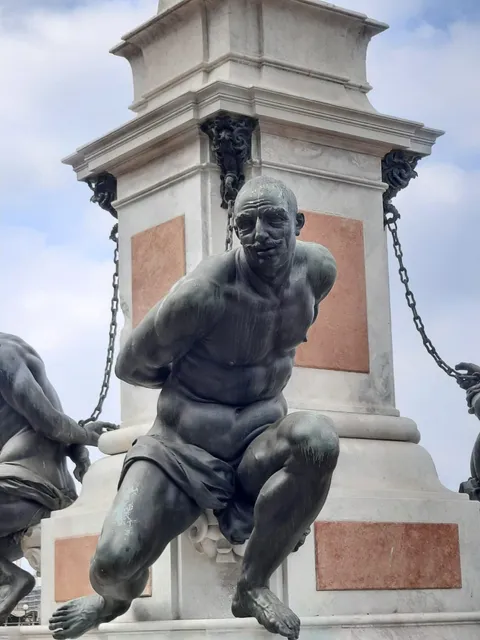
Important but problematic monument from the 16th-early 17th centuries. The monument it not in its original location or configuration, but is is extraordinary for the four bronze sculptures by Tacca representing the "types" of people who were enslaved to work on the Medici ships and port of Livorno. I say "types" w scare quotes bc some think two of the figures, atleast, are portraits of real people. That can owed to Tacca's attention to the people as human rather than stereotypes. For the time period it was much more common to show enslaved people as ignorant and without humanity. Not here. I could go on, but won't. I recommend looking up the history of the monument. Lots online in past few years as the monument was the site of BLM gatherings in Livorno. We are so lucky the over life size bronze sculptures were not destroyed (melted down) for their material in the 19th century! Two other parts (fountains) of the monument are found one piazza over. There is also a nice cafe just across street from monument where you can sit outside and contemplate the view.
Dada ZDDada ZD
If you are visiting Livorno on a day trip from Pisa or Florence, the Piazza del Pamiglione in front of the monument is likely to be the drop off and pick up points of the coach. Guarding the north entrance to the city of Livorno and overlooking the port, the Monument of the Four Moors is considered to be the most famous monument of this city. The statue of Ferdinando I standing on top of four struggling Moors is a reminder of the unjust imperialism . Livorno is the Medici port and this statue commemorates the defeat of Moor pirates who were kidnapped and sold into slavery , from ships and coastal towns around the Mediterranean. The Medici system of port defences, initiated in this city was innovative and a game changer for many towns including on islands like Elba and Malta. This statue - like the fortifications and reminder of what Medici did - is stunning and beautiful.
See more posts
See more posts
hotel
Find your stay

Pet-friendly Hotels in Pisa

Find a cozy hotel nearby and make it a full experience.

Essendo un monumento storico all’aperto, non ha giorni e orari di chiusura. Credo che l’espressività dei Mori renda molto di più di presenza anziché in foto, poiché se n possono cogliere le sfumature. Un po’ di storia... Sul finire del XVI secolo, per volontà di Francesco I de' Medici furono avviati i primi lavori per la realizzazione della nuova città fortificata di Livorno, secondo il progetto dell'architetto Bernardo Buontalenti; tuttavia fu Ferdinando I, salito al potere nel 1587, a dare maggior impulso al colossale cantiere, tanto da essere considerato il vero fondatore della città. Per celebrare questa impresa ed i trionfi riportati contro i corsari barbareschi dall'Ordine dei cavalieri di Santo Stefano, Ferdinando fece erigere un monumento in suo onore. La statua del granduca fu commissionata allo scultore Giovanni Bandini, che la realizzò a Carrara a partire dal 1595, per essere quindi trasportata per mare a Livorno nel 1601. Tuttavia l'imponente monumento restò ai margini della piazza della darsena per ben 16 anni, fino al 1617, quando fu innalzato su un piedistallo alla presenza di Cosimo II de' Medici, succeduto al padre Ferdinando nel 1609. Successivamente, nel 1621 fu dato incarico a Pietro Tacca di completare l'opera di Bandini con l'aggiunta, alla base del piedistallo, di quattro mori incatenati, che lo scultore portò a termine in più riprese, tra il 1623 ed il 1626. Lo stesso Tacca eseguì un gruppo di trofei barbareschi che furono collocati intorno alla statua di Ferdinando, mentre un suo allievo, Taddeo di Michele, realizzò la sommità del piedistallo in marmo. Il monumento avrebbe dovuto essere completato da due fontane con mostri marini, realizzate dal Tacca intorno agli anni trenta del Seicento, che però non giunsero mai a Livorno, ma furono poste in piazza della Santissima Annunziata a Firenze. Il monumento dei Quattro Mori rischiò tuttavia di essere distrutto durante l'invasione francese di Livorno, nel marzo del 1799; l'esercito transalpino, apparentemente animato da ideali di libertà e uguaglianza sociale, vedeva nei mori incatenati un simbolo di oppressione e tirannide. Ciò nonostante l'opera riuscì ad essere salvata, ma i soldati francesi la depredarono dei trofei barbareschi. Nell'Ottocento, tramontata l'ipotesi di trasferire il gruppo scultoreo in piazza Grande, il monumento fu solamente arretrato al centro della piazza antistante la darsena del porto. Un'altra proposta per il suo trasferimento si registra negli anni che precedono la seconda guerra mondiale, quando viene avanzata l'idea di collocarlo al centro della piazza delle adunate che sarebbe dovuta sorgere attorno al nuovo Palazzo del Governo. Lo scoppio della guerra portò alla sospensione di ogni piano, mentre, per salvare il monumento dai bombardamenti, fu deciso di trasferire la statua di Ferdinando I nella Certosa di Calci, mentre i Quattro mori furono dapprima sistemati al Cisternino di Pian di Rota e successivamente nella Villa medicea di Poggio a Caiano. Nel giugno 1950, a seguito di accurati restauri, le opere tornarono a Livorno e furono ricollocate al loro posto, ai margini di una città ancora devastata dai bombardamenti. Nei secoli, il monumento dei Quattro mori impressionò numerosi viaggiatori e scrittori stranieri, che lo descrissero nelle proprie opere: è il caso, tra gli altri, del reverendo islandese Ólafur Egilsson (secondo quarto del XVII secolo), oppure di Ethel Lilian Voynich, che ricordò il gruppo nel proprio romanzo storico Il figlio del cardinale, uno dei libri più letti nel mondo comunista negli anni della Guerra Fredda.
Giulia Carmen Fasolo

Giulia Carmen Fasolo

hotel
Find your stay

Affordable Hotels in Pisa

Find a cozy hotel nearby and make it a full experience.

Get the Appoverlay
Get the AppOne tap to find yournext favorite spots!
Important but problematic monument from the 16th-early 17th centuries. The monument it not in its original location or configuration, but is is extraordinary for the four bronze sculptures by Tacca representing the "types" of people who were enslaved to work on the Medici ships and port of Livorno. I say "types" w scare quotes bc some think two of the figures, atleast, are portraits of real people. That can owed to Tacca's attention to the people as human rather than stereotypes. For the time period it was much more common to show enslaved people as ignorant and without humanity. Not here. I could go on, but won't. I recommend looking up the history of the monument. Lots online in past few years as the monument was the site of BLM gatherings in Livorno. We are so lucky the over life size bronze sculptures were not destroyed (melted down) for their material in the 19th century! Two other parts (fountains) of the monument are found one piazza over. There is also a nice cafe just across street from monument where you can sit outside and contemplate the view.
Linda Nolan

Linda Nolan

hotel
Find your stay

The Coolest Hotels You Haven't Heard Of (Yet)

Find a cozy hotel nearby and make it a full experience.

hotel
Find your stay

Trending Stays Worth the Hype in Pisa

Find a cozy hotel nearby and make it a full experience.

If you are visiting Livorno on a day trip from Pisa or Florence, the Piazza del Pamiglione in front of the monument is likely to be the drop off and pick up points of the coach. Guarding the north entrance to the city of Livorno and overlooking the port, the Monument of the Four Moors is considered to be the most famous monument of this city. The statue of Ferdinando I standing on top of four struggling Moors is a reminder of the unjust imperialism . Livorno is the Medici port and this statue commemorates the defeat of Moor pirates who were kidnapped and sold into slavery , from ships and coastal towns around the Mediterranean. The Medici system of port defences, initiated in this city was innovative and a game changer for many towns including on islands like Elba and Malta. This statue - like the fortifications and reminder of what Medici did - is stunning and beautiful.
Dada ZD

Dada ZD

See more posts
See more posts

Reviews of Monument of the Four Moors

4.4
(2,002)
avatar
5.0
6y

Essendo un monumento storico all’aperto, non ha giorni e orari di chiusura. Credo che l’espressività dei Mori renda molto di più di presenza anziché in foto, poiché se n possono cogliere le sfumature.

Un po’ di storia... Sul finire del XVI secolo, per volontà di Francesco I de' Medici furono avviati i primi lavori per la realizzazione della nuova città fortificata di Livorno, secondo il progetto dell'architetto Bernardo Buontalenti; tuttavia fu Ferdinando I, salito al potere nel 1587, a dare maggior impulso al colossale cantiere, tanto da essere considerato il vero fondatore della città. Per celebrare questa impresa ed i trionfi riportati contro i corsari barbareschi dall'Ordine dei cavalieri di Santo Stefano, Ferdinando fece erigere un monumento in suo onore. La statua del granduca fu commissionata allo scultore Giovanni Bandini, che la realizzò a Carrara a partire dal 1595, per essere quindi trasportata per mare a Livorno nel 1601. Tuttavia l'imponente monumento restò ai margini della piazza della darsena per ben 16 anni, fino al 1617, quando fu innalzato su un piedistallo alla presenza di Cosimo II de' Medici, succeduto al padre Ferdinando nel 1609. Successivamente, nel 1621 fu dato incarico a Pietro Tacca di completare l'opera di Bandini con l'aggiunta, alla base del piedistallo, di quattro mori incatenati, che lo scultore portò a termine in più riprese, tra il 1623 ed il 1626. Lo stesso Tacca eseguì un gruppo di trofei barbareschi che furono collocati intorno alla statua di Ferdinando, mentre un suo allievo, Taddeo di Michele, realizzò la sommità del piedistallo in marmo. Il monumento avrebbe dovuto essere completato da due fontane con mostri marini, realizzate dal Tacca intorno agli anni trenta del Seicento, che però non giunsero mai a Livorno, ma furono poste in piazza della Santissima Annunziata a Firenze. Il monumento dei Quattro Mori rischiò tuttavia di essere distrutto durante l'invasione francese di Livorno, nel marzo del 1799; l'esercito transalpino, apparentemente animato da ideali di libertà e uguaglianza sociale, vedeva nei mori incatenati un simbolo di oppressione e tirannide. Ciò nonostante l'opera riuscì ad essere salvata, ma i soldati francesi la depredarono dei trofei barbareschi. Nell'Ottocento, tramontata l'ipotesi di trasferire il gruppo scultoreo in piazza Grande, il monumento fu solamente arretrato al centro della piazza antistante la darsena del porto. Un'altra proposta per il suo trasferimento si registra negli anni che precedono la seconda guerra mondiale, quando viene avanzata l'idea di collocarlo al centro della piazza delle adunate che sarebbe dovuta sorgere attorno al nuovo Palazzo del Governo. Lo scoppio della guerra portò alla sospensione di ogni piano, mentre, per salvare il monumento dai bombardamenti, fu deciso di trasferire la statua di Ferdinando I nella Certosa di Calci, mentre i Quattro mori furono dapprima sistemati al Cisternino di Pian di Rota e successivamente nella Villa medicea di Poggio a Caiano. Nel giugno 1950, a seguito di accurati restauri, le opere tornarono a Livorno e furono ricollocate al loro posto, ai margini di una città ancora devastata dai bombardamenti. Nei secoli, il monumento dei Quattro mori impressionò numerosi viaggiatori e scrittori stranieri, che lo descrissero nelle proprie opere: è il caso, tra gli altri, del reverendo islandese Ólafur Egilsson (secondo quarto del XVII secolo), oppure di Ethel Lilian Voynich, che ricordò il gruppo nel proprio romanzo storico Il figlio del cardinale, uno dei libri più letti nel mondo comunista negli anni della...

   Read more
avatar
4.0
4y

Important but problematic monument from the 16th-early 17th centuries. The monument it not in its original location or configuration, but is is extraordinary for the four bronze sculptures by Tacca representing the "types" of people who were enslaved to work on the Medici ships and port of Livorno. I say "types" w scare quotes bc some think two of the figures, atleast, are portraits of real people. That can owed to Tacca's attention to the people as human rather than stereotypes. For the time period it was much more common to show enslaved people as ignorant and without humanity. Not here. I could go on, but won't. I recommend looking up the history of the monument. Lots online in past few years as the monument was the site of BLM gatherings in Livorno. We are so lucky the over life size bronze sculptures were not destroyed (melted down) for their material in the 19th century!

Two other parts (fountains) of the monument are found one piazza over.

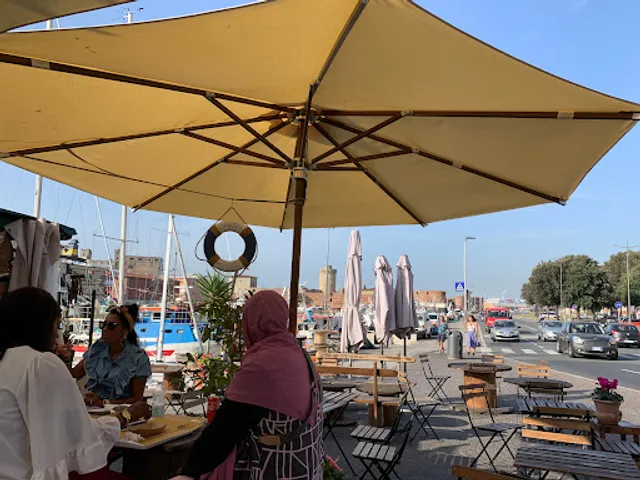
There is also a nice cafe just across street from monument where you can sit outside and...

   Read more
avatar
5.0
40w

Before judging this sculpture, you need to know its history. If you can’t be bothered to read, don’t bother traveling

—-The bronze figures, sculpted by Pietro Tacca, represent captured pirates, not enslaved people. These men were corsairs from North Africa, part of the Ottoman-backed groups that raided European coastal towns, capturing civilians for ransom or enslavement. The chains symbolize the defeat of piracy, not the oppression of any specific group.

The contrast between the marble statue of Ferdinando I and the dark bronze figures has also led to confusion. The “Mori” (Moors) were cast in bronze, not marble, and their darker color comes from the material itself, not a racial statement.

For Livorno, a historically multicultural port city, the Quattro Mori is a symbol of naval strength and historical triumph, not a glorification of slavery. Understanding the true history behind the monument is essential to appreciating its artistic and historical significance.

You have been blessed with knowledge now,...

   Read more
Page 1 of 7
Previous
Next