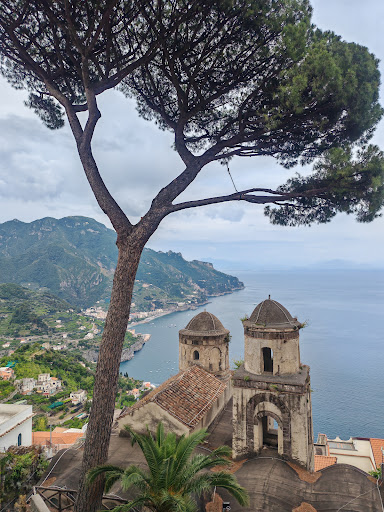
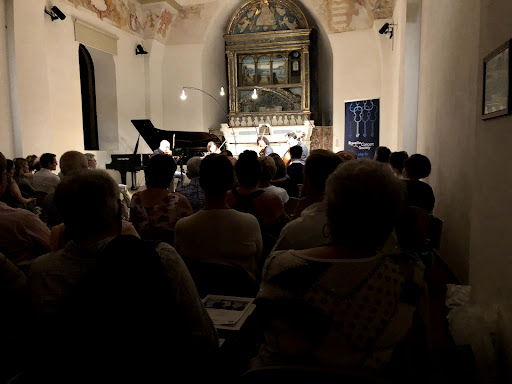
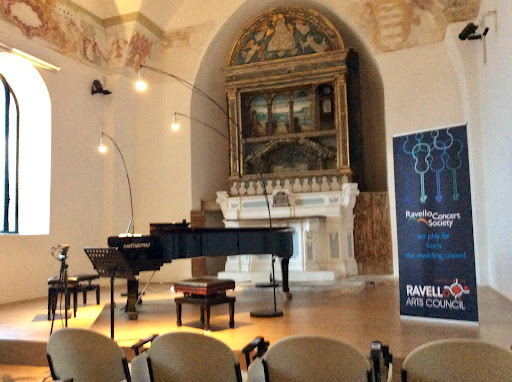
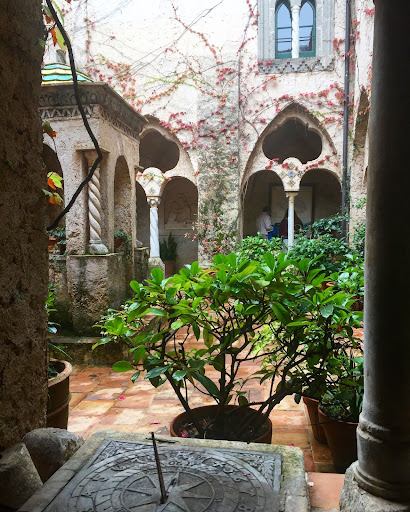
Church of the Annunziata things to do, attractions, restaurants, events info and trip planning
Basic Info
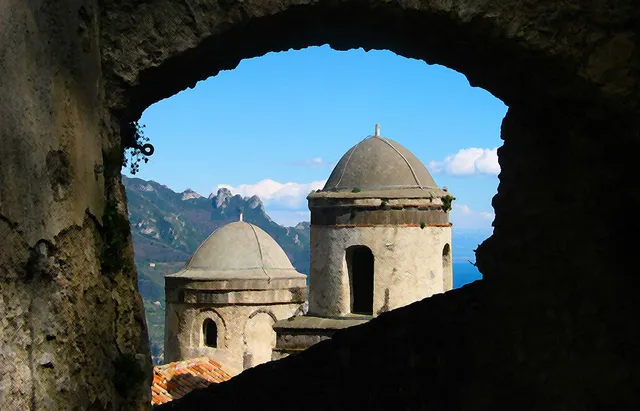
Church of the Annunziata
The Annunziata Historic Building, Via della Annunziata, 84010 Ravello SA, Italy
4.7(18)
Open until 8:00 PM
Save
spot
spot
Ratings & Description
Info
Cultural
Scenic
attractions: Villa Rufolo, Ravello Panorama Amalfi Coast, Fondazione Ravello, Giardini Principessa di Piemonte, Coral Museum, Oscar Niemeyer Auditorium, Church of Saint Mary 'a Gradillo', Church of Saint John the Apostle of the Toro, Infinity Terrace, restaurants: Ristorante Vittoria, Duomo Caffè Ravello Costa di Amalfi, Salvatore Ravello, Trattoria Pizzeria Cumpa' Cosimo, Mimí Pizzeria&Cucina, La cucina di sofi, Garden Ravelo Restaurant, Ristorante Sigilgaida, Al Ristoro del Moro, Pizzeria take away A... Gradillo - Ravello, local businesses: Duomo di ravello, Enotavola Wine Bar, Villa Cimbrone Gardens, Santuario dei Santi Cosma e Damiano, Parco del Dragone
 Learn more insights from Wanderboat AI.
Phone
+39 089 842 4082
Open hoursSee all hours
Wed9 AM - 8 PMOpen
Plan your stay

Pet-friendly Hotels in Ravello
Find a cozy hotel nearby and make it a full experience.

Affordable Hotels in Ravello
Find a cozy hotel nearby and make it a full experience.

The Coolest Hotels You Haven't Heard Of (Yet)
Find a cozy hotel nearby and make it a full experience.

Trending Stays Worth the Hype in Ravello
Find a cozy hotel nearby and make it a full experience.
Reviews
Live events

The Jury Experience: morte per mano dell’IA. Chi paga il prezzo?
Sat, Feb 14 • 6:30 PM
Via Castriota, 43, Torre Annunziata, 80058
View details
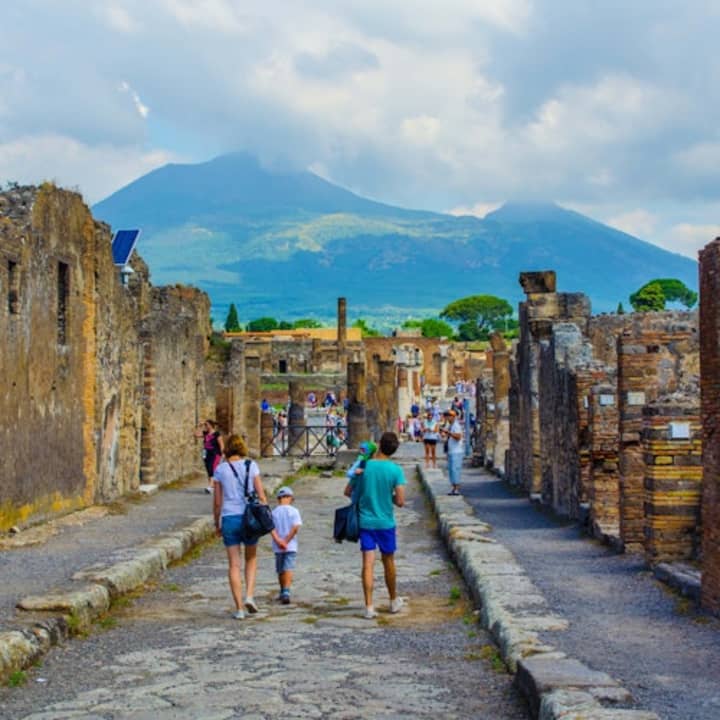
Pompei: Ingresso riservato
Wed, Feb 11 • 9:00 AM
Meeting House Square, Dublin 2
View details

Vesuvio e Pompei: ingresso Skip-The-Line, audioguida e andata e ritorno
Wed, Feb 11 • 9:10 AM
Pompei, 80045
View details
Nearby attractions of Church of the Annunziata
Villa Rufolo
Ravello Panorama Amalfi Coast
Fondazione Ravello
Giardini Principessa di Piemonte
Coral Museum
Oscar Niemeyer Auditorium
Church of Saint Mary 'a Gradillo'
Church of Saint John the Apostle of the Toro
Infinity Terrace
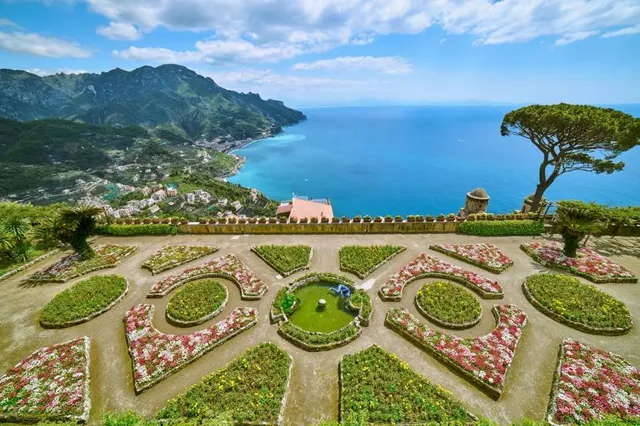
Villa Rufolo
4.6
(7.6K)
Closed
Click for details
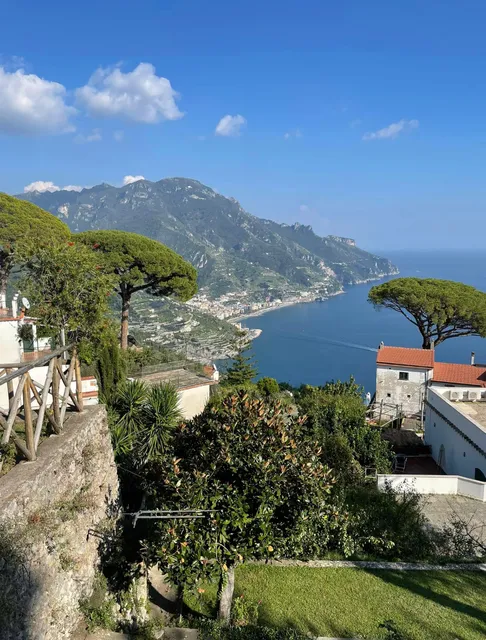
Ravello Panorama Amalfi Coast
4.9
(108)
Open 24 hours
Click for details
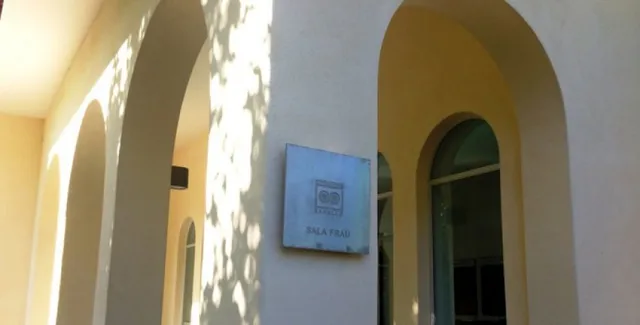
Fondazione Ravello
4.4
(13)
Closed
Click for details
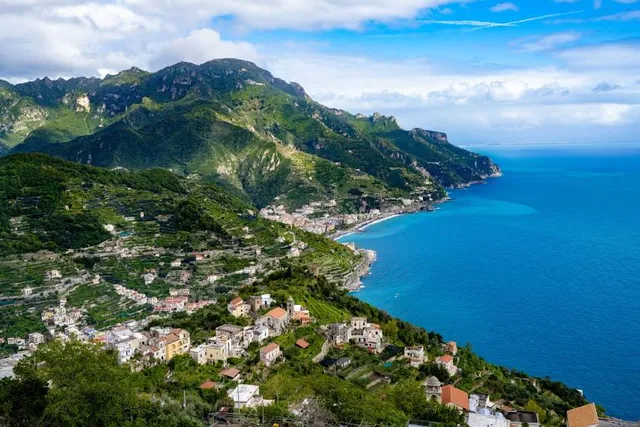
Giardini Principessa di Piemonte
4.8
(147)
Open 24 hours
Click for details
Nearby restaurants of Church of the Annunziata
Ristorante Vittoria
Duomo Caffè Ravello Costa di Amalfi
Salvatore Ravello
Trattoria Pizzeria Cumpa' Cosimo
Mimí Pizzeria&Cucina
La cucina di sofi
Garden Ravelo Restaurant
Ristorante Sigilgaida
Al Ristoro del Moro
Pizzeria take away A... Gradillo - Ravello
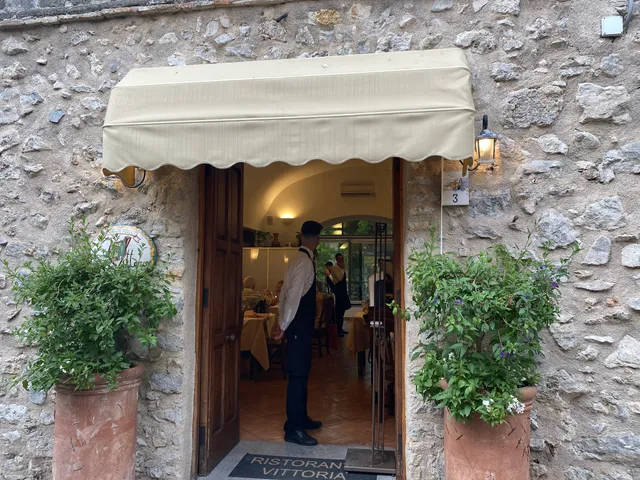
Ristorante Vittoria
4.3
(481)
Closed
Click for details
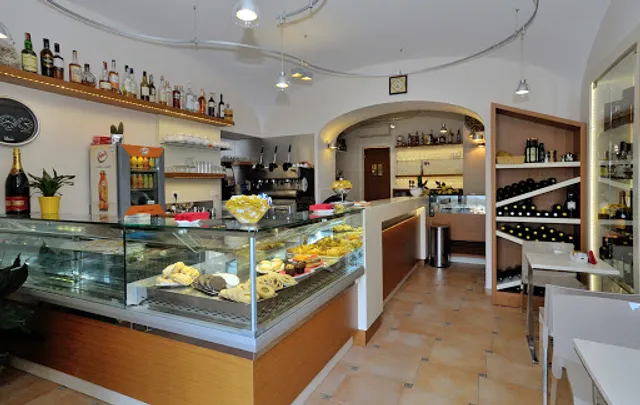
Duomo Caffè Ravello Costa di Amalfi
3.7
(248)
Click for details
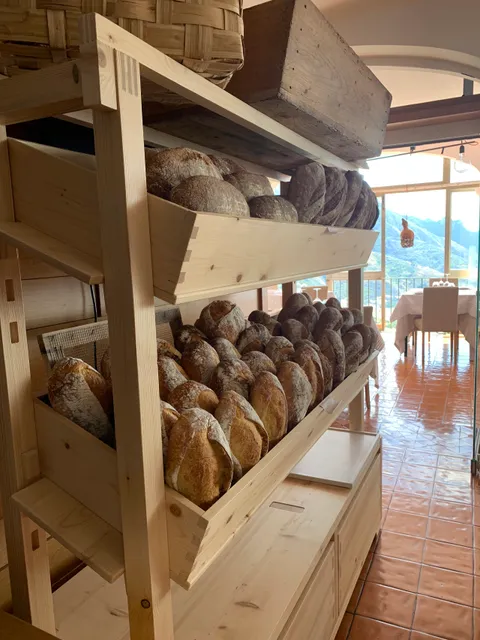
Salvatore Ravello
4.3
(446)
$$$
Closed
Click for details
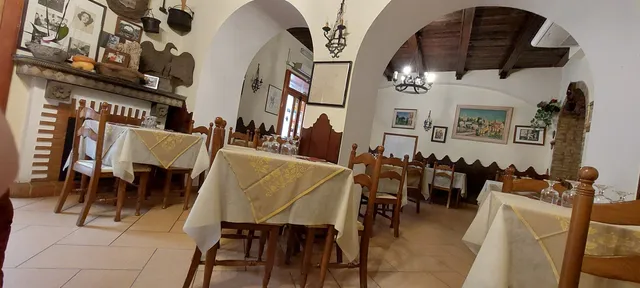
Trattoria Pizzeria Cumpa' Cosimo
3.9
(826)
Closed
Click for details
Nearby local services of Church of the Annunziata
Duomo di ravello
Enotavola Wine Bar
Villa Cimbrone Gardens
Santuario dei Santi Cosma e Damiano
Parco del Dragone
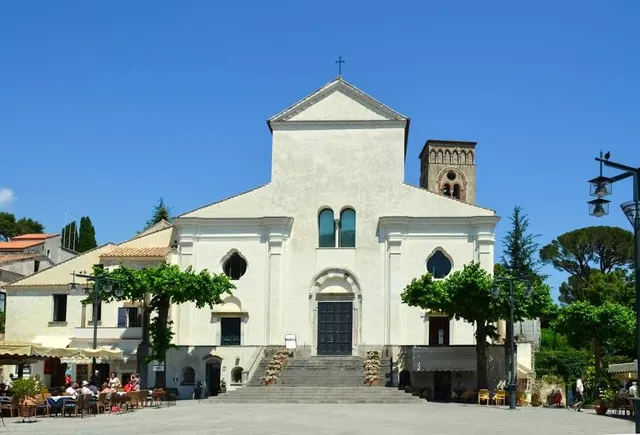
Duomo di ravello
4.6
(266)
Click for details
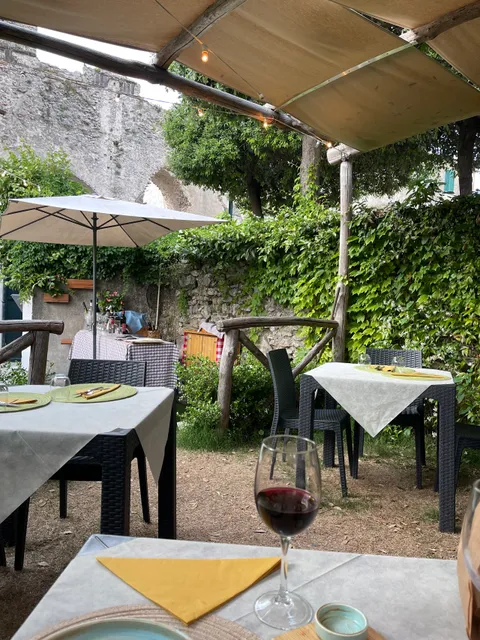
Enotavola Wine Bar
4.1
(133)
Click for details
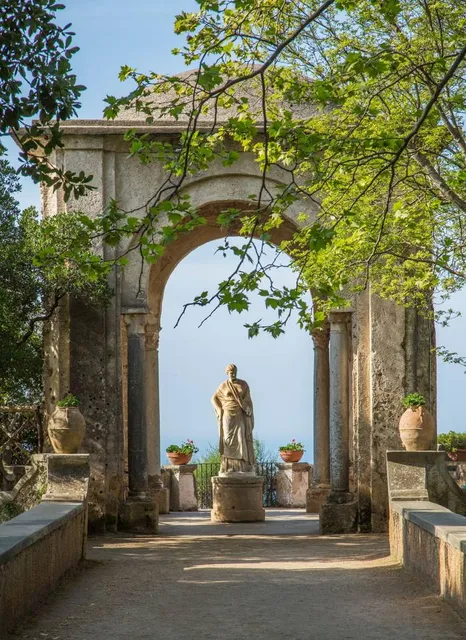
Villa Cimbrone Gardens
4.8
(1.3K)
Click for details
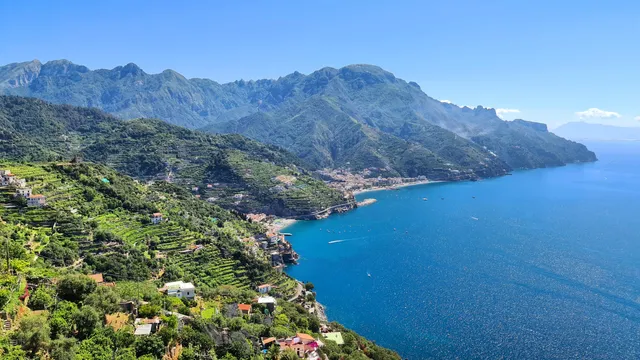
Santuario dei Santi Cosma e Damiano
4.6
(24)
Click for details