Archbishop's Chapel of St. Andrew things to do, attractions, restaurants, events info and trip planning
Basic Info
Archbishop's Chapel of St. Andrew
P.za Arcivescovado, 1, 48121 Ravenna RA, Italy
4.8(551)
Closed
Save
spot
spot
Ratings & Description
Info
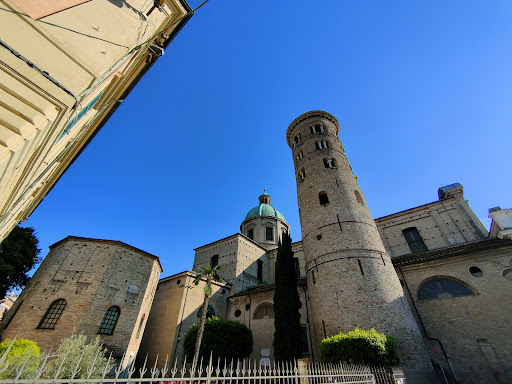
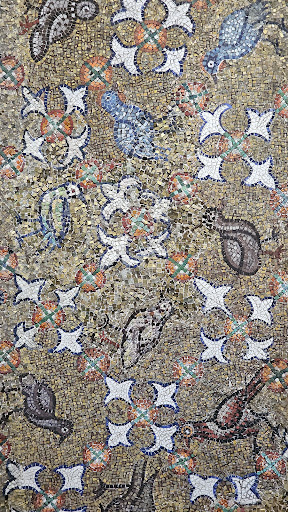
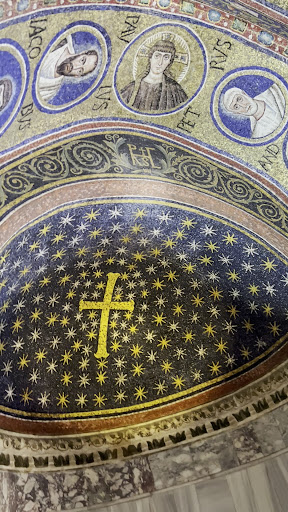
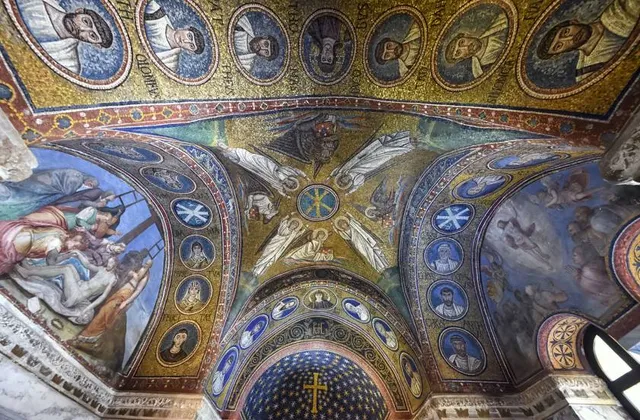
The Archbishop's Chapel is a chapel on the first floor of the bishops' palace in Ravenna, Italy, the smallest of the famous mosaic sites of the city. It is a private oratory of Trinitarian bishops dating from the turn of the 6th century.
Cultural
Family friendly
Accessibility
attractions: Archiepiscopal Museum, Ravenna, Battistero Neoniano (o degli Ortodossi), Dante's Tomb, Fontanella Piazza del Popolo, Giardino Rasponi o delle erbe dimenticate, Palazzo Rasponi dalle Teste, Basilica of Saint Francis, Porta Gaza, Biblioteca Classense, Ravenna Tourist Office, restaurants: Ca' de Vèn, Sushikaiten Ravenna, Caffè Belli Ravenna, Ristorante sushi Gusto, Zeno_Caffè&Cucina, Profumo di Piadina "Laboratorio del Palato", Berc - Pizza Bar, Fellini Scalino Cinque, Ristorante Marchesini, Osteria dei Battibecchi, local businesses: Baptisterio neoniano, Cathedral of the Resurrection of Jesus Christ, ORDNAS Computers, Il Gatto con gli stivali, Nora Thai Kitchen, Archdiocese Of Ravenna - Cervia, IQOS PARTNER - Tabaccheria Duomo, Ravenna, LABART SCUOLA D'ARTE E ARTIGIANATO APS, Piazza S. Francesco, 7, L'Eternauta
 Learn more insights from Wanderboat AI.
Phone
+39 0544 541688
Website
ravennamosaici.it
Open hoursSee all hours
Wed10 AM - 4:30 PMClosed
Plan your stay

Pet-friendly Hotels in Ravenna
Find a cozy hotel nearby and make it a full experience.

Affordable Hotels in Ravenna
Find a cozy hotel nearby and make it a full experience.

The Coolest Hotels You Haven't Heard Of (Yet)
Find a cozy hotel nearby and make it a full experience.

Trending Stays Worth the Hype in Ravenna
Find a cozy hotel nearby and make it a full experience.
Reviews
Live events

Jam Republic
Fri, Feb 13 • 9:30 PM
via Piangipane, 153, Piangipane, Emilia-Romagna, Via Piangipane, 153, 48124 Ravenna RA, Italia, Ravenna, Italy
View details

Massimo Silverio + Julinko - Bronson Club, Ravenna
Fri, Feb 13 • 9:00 PM
Bronson, Via Cella, 50, 48124 Ravenna RA, Italia, Ravenna, Italy
View details

1,2,3...CANTATE CON ME!_Almagià in Festa_Gran Ballo di Carnevale
Sat, Feb 14 • 4:30 PM
Via dell'Almagià, 48122 Ravenna RA, Italia, Ravenna, Italy
View details
Nearby attractions of Archbishop's Chapel of St. Andrew
Archiepiscopal Museum, Ravenna
Battistero Neoniano (o degli Ortodossi)
Dante's Tomb
Fontanella Piazza del Popolo
Giardino Rasponi o delle erbe dimenticate
Palazzo Rasponi dalle Teste
Basilica of Saint Francis
Porta Gaza
Biblioteca Classense
Ravenna Tourist Office
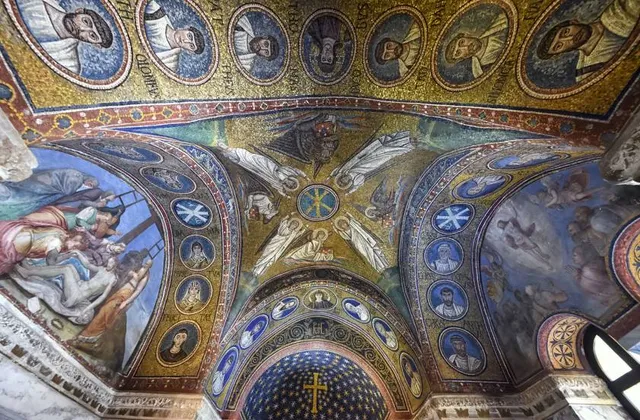
Archiepiscopal Museum, Ravenna
4.5
(1.3K)
Closed
Click for details
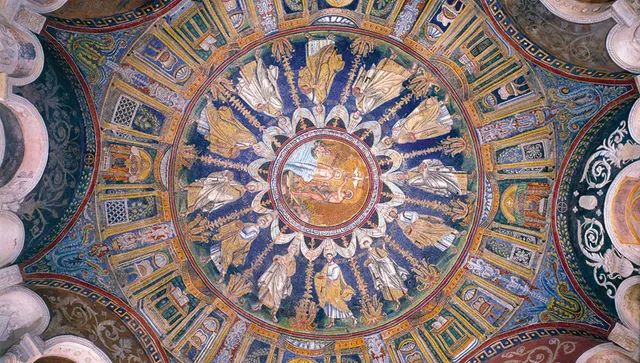
Battistero Neoniano (o degli Ortodossi)
4.8
(1.4K)
Closed
Click for details
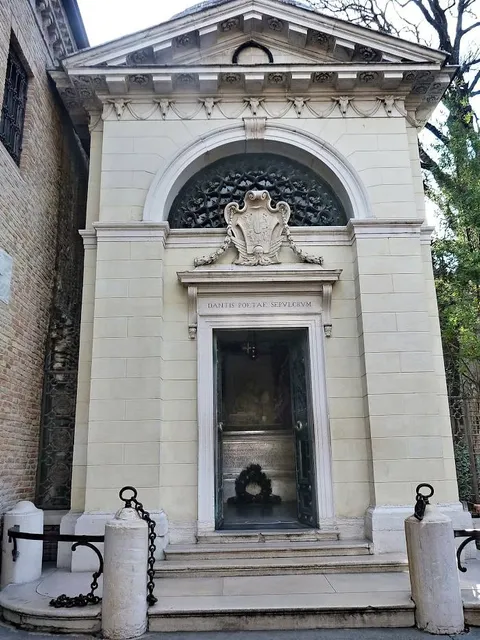
Dante's Tomb
4.5
(4.9K)
Closed
Click for details
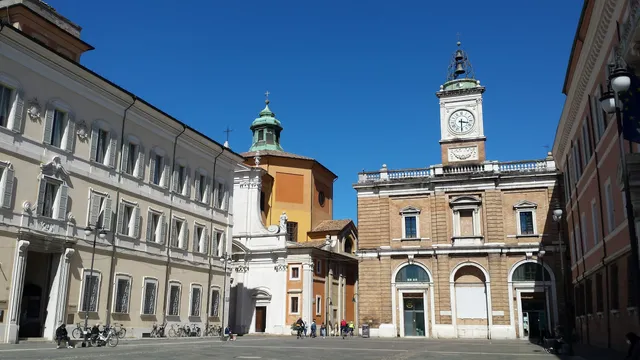
Fontanella Piazza del Popolo
4.4
(5.1K)
Open until 12:00 AM
Click for details
Nearby restaurants of Archbishop's Chapel of St. Andrew
Ca' de Vèn
Sushikaiten Ravenna
Caffè Belli Ravenna
Ristorante sushi Gusto
Zeno_Caffè&Cucina
Profumo di Piadina "Laboratorio del Palato"
Berc - Pizza Bar
Fellini Scalino Cinque
Ristorante Marchesini
Osteria dei Battibecchi
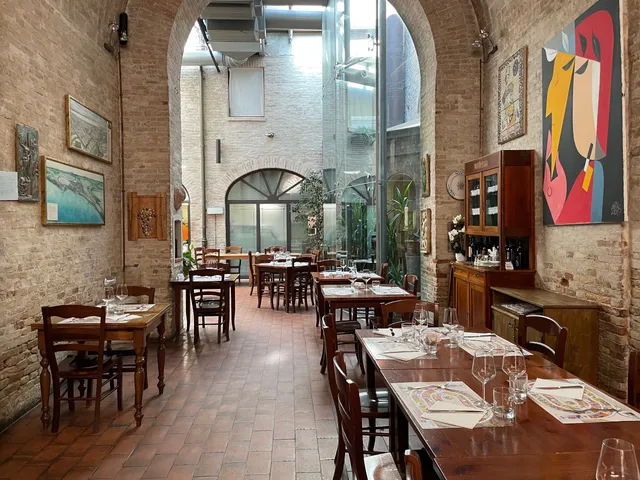
Ca' de Vèn
4.4
(2.5K)
Closed
Click for details

Sushikaiten Ravenna
4.0
(374)
Open until 12:00 AM
Click for details
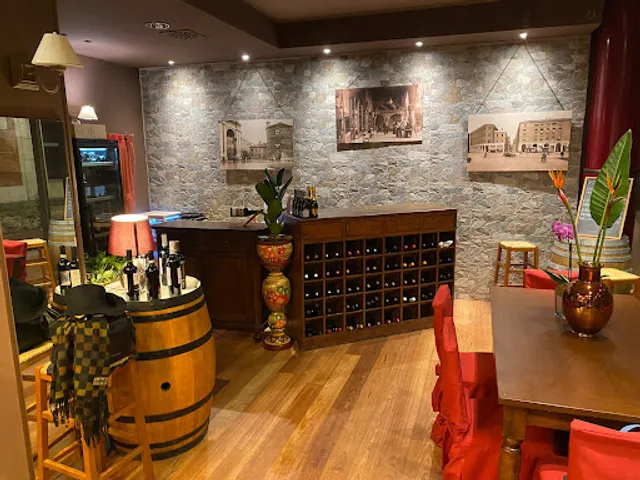
Caffè Belli Ravenna
4.2
(152)
Closed
Click for details
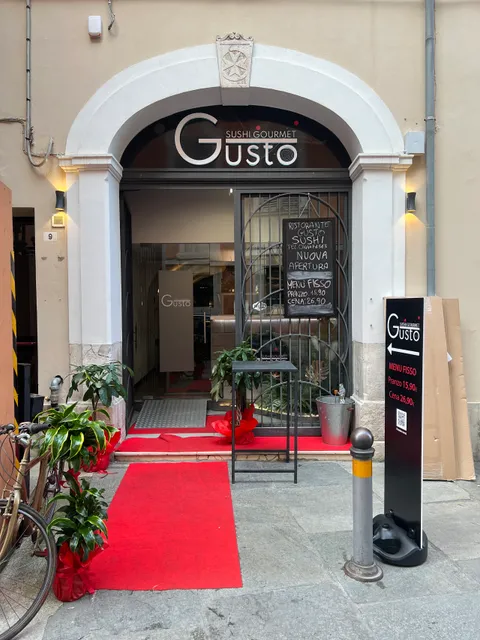
Ristorante sushi Gusto
4.6
(341)
Closed
Click for details
Nearby local services of Archbishop's Chapel of St. Andrew
Baptisterio neoniano
Cathedral of the Resurrection of Jesus Christ
ORDNAS Computers
Il Gatto con gli stivali
Nora Thai Kitchen
Archdiocese Of Ravenna - Cervia
IQOS PARTNER - Tabaccheria Duomo, Ravenna
LABART SCUOLA D'ARTE E ARTIGIANATO APS
Piazza S. Francesco, 7
L'Eternauta
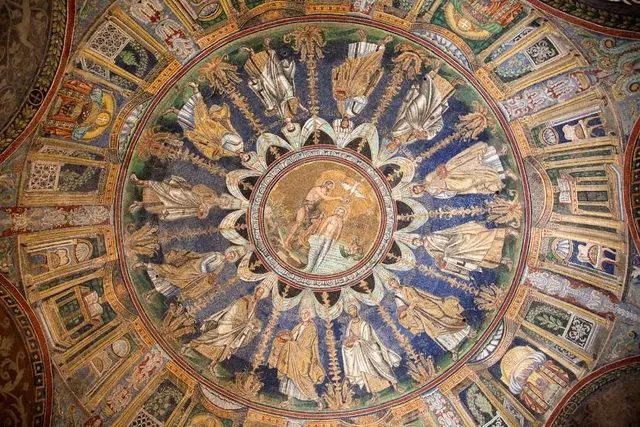
Baptisterio neoniano
4.7
(927)
Click for details
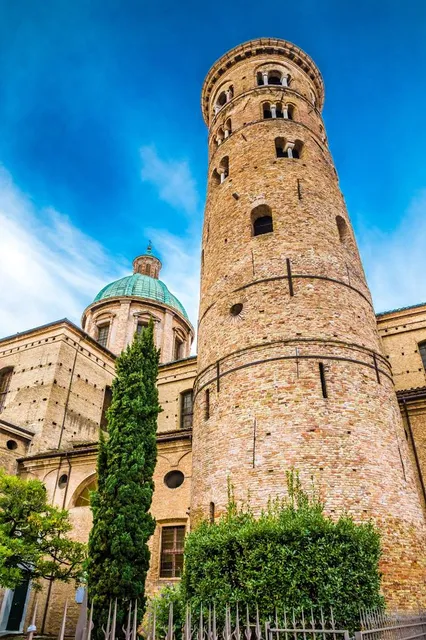
Cathedral of the Resurrection of Jesus Christ
4.5
(390)
Click for details
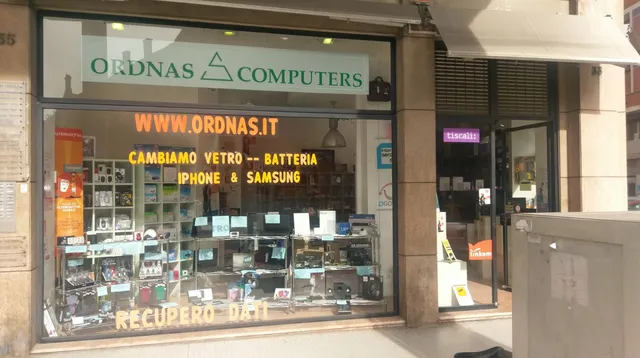
ORDNAS Computers
4.6
(184)
Click for details
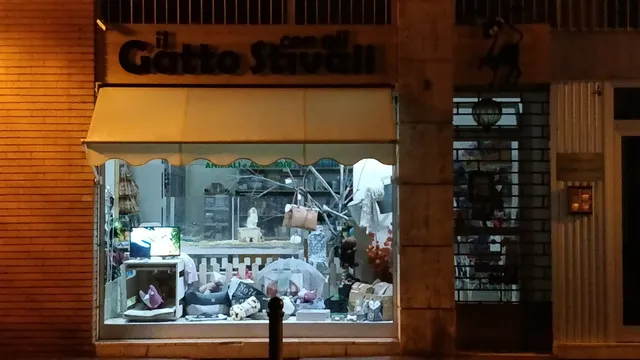
Il Gatto con gli stivali
4.6
(70)
Click for details