Basilica di San Vitale things to do, attractions, restaurants, events info and trip planning
Basic Info
Basilica di San Vitale
Via San Vitale, 17, 48121 Ravenna RA, Italy
4.8(3.9K)
Closed


tickets
Save
spot
spot
Ratings & Description
Info
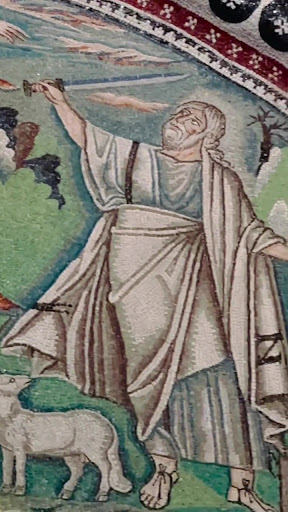
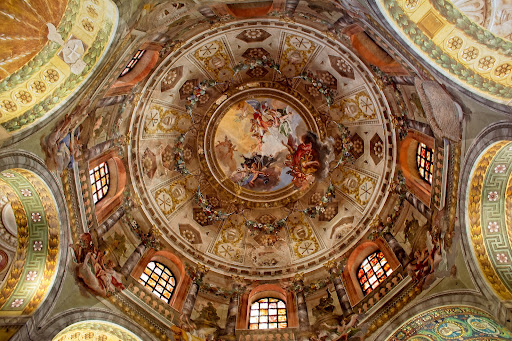
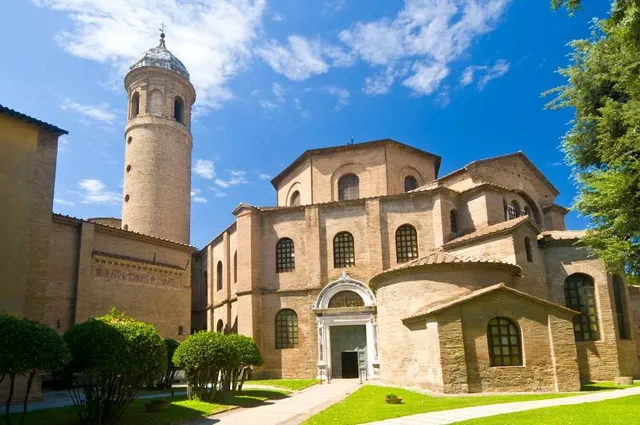
The Basilica of San Vitale is a late antique church in Ravenna, Italy. The sixth-century church is an important surviving example of early Christian Byzantine art and architecture, and its mosaics in particular are some of the most-studied works in Byzantine art..
Cultural
Accessibility
attractions: Mausoleo di Galla Placidia, National Museum of Ravenna, Chiesa di Santa Maria Maggiore, Porta Adriana, Chiesa di Sant'Eufemia-Domus dei Tappeti di Pietra, Fontanella Piazza del Popolo, Museo Byron e del Risorgimento, Palazzo Rasponi dalle Teste, Il Papavero & Abaco Guide di Ravenna, Kobra - Dante - Street art, restaurants: Osteria Del Tempo Perso, Osteria dalla Zabariona, Coffee Corte Cavour, Osteria Passatelli, Casa Spadoni, Puro & Bio Ravenna, Fricandò, Piadineria dalla Zabariona, Mercato Coperto, Babaleus - Ristorante Pizzeria, local businesses: Flying Tiger Copenhagen, ZARA, Annafietta Mosaicisti | Ravenna, Book&Shop - Biglietteria Basilica di San Vitale, Soprintendenza Archeologia, Belle Arti e Paesaggio per le province di Ravenna, Forlì-Cesena e Rimini, Church of the Holy Cross, Erboristeria Giorgioni - centro storico, ALE-HOP, Akomena Spazio Mosaico, Mosaici di Ravenna
 Learn more insights from Wanderboat AI.
Phone
+39 0544 541688
Website
ravennamosaici.it
Open hoursSee all hours
Thu10 AM - 4:45 PMClosed
Plan your stay

Pet-friendly Hotels in Ravenna
Find a cozy hotel nearby and make it a full experience.

Affordable Hotels in Ravenna
Find a cozy hotel nearby and make it a full experience.

The Coolest Hotels You Haven't Heard Of (Yet)
Find a cozy hotel nearby and make it a full experience.

Trending Stays Worth the Hype in Ravenna
Find a cozy hotel nearby and make it a full experience.
Reviews
Live events

PER UNA SCUOLA CHE RICONOSCA L’ALTRO
Fri, Feb 27 • 5:00 PM
Piazza Medaglie d'Oro, 4 48100 Ravenna
View details

Cantine in Città 2026
Sat, Feb 28 • 12:00 PM
2 Via dell' Almagià 48122 Ravenna
View details

Metti un pomeriggio a palazzo
Sun, Mar 1 • 3:00 PM
54 Via Camillo Benso Cavour 48121 Ravenna
View details
Nearby attractions of Basilica di San Vitale
Mausoleo di Galla Placidia
National Museum of Ravenna
Chiesa di Santa Maria Maggiore
Porta Adriana
Chiesa di Sant'Eufemia-Domus dei Tappeti di Pietra
Fontanella Piazza del Popolo
Museo Byron e del Risorgimento
Palazzo Rasponi dalle Teste
Il Papavero & Abaco Guide di Ravenna
Kobra - Dante - Street art
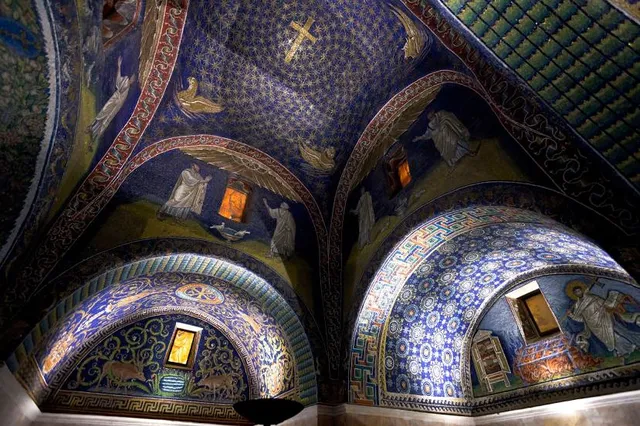
Mausoleo di Galla Placidia
4.8
(3.2K)
Closed
Click for details
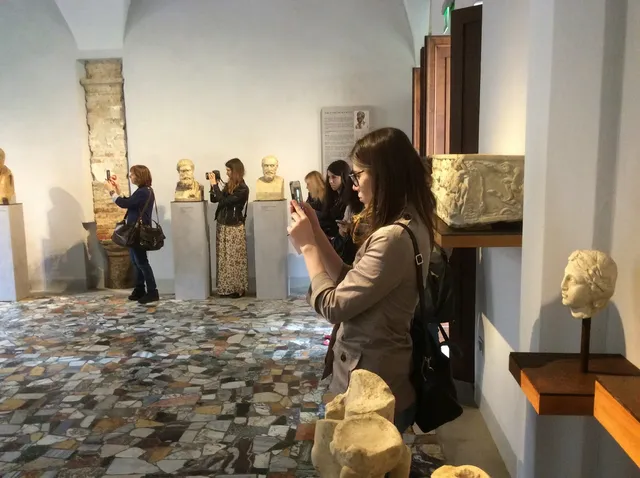
National Museum of Ravenna
4.3
(241)
Closed
Click for details
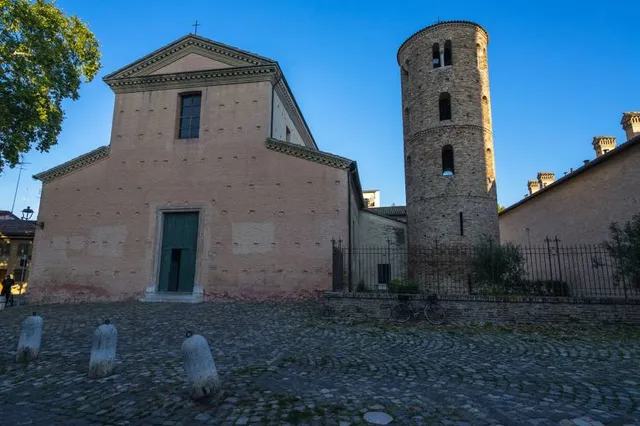
Chiesa di Santa Maria Maggiore
4.6
(107)
Closed
Click for details
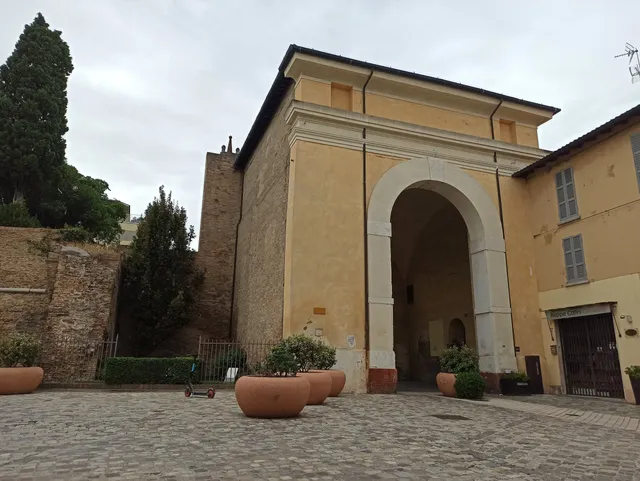
Porta Adriana
4.3
(717)
Open until 12:00 AM
Click for details
Nearby restaurants of Basilica di San Vitale
Osteria Del Tempo Perso
Osteria dalla Zabariona
Coffee Corte Cavour
Osteria Passatelli
Casa Spadoni
Puro & Bio Ravenna
Fricandò
Piadineria dalla Zabariona
Mercato Coperto
Babaleus - Ristorante Pizzeria
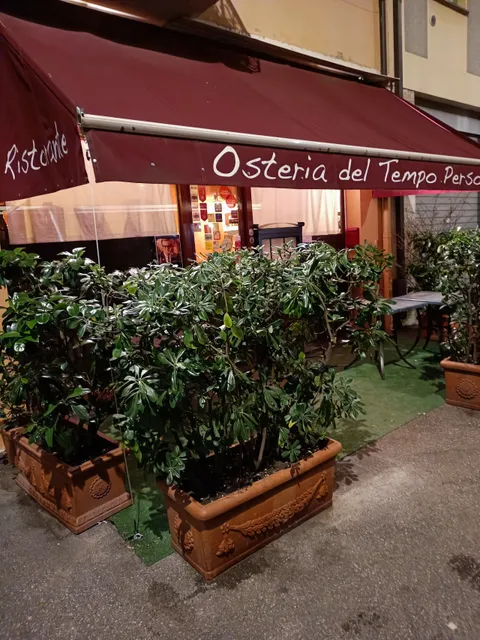
Osteria Del Tempo Perso
4.5
(471)
$$
Open until 12:00 AM
Click for details
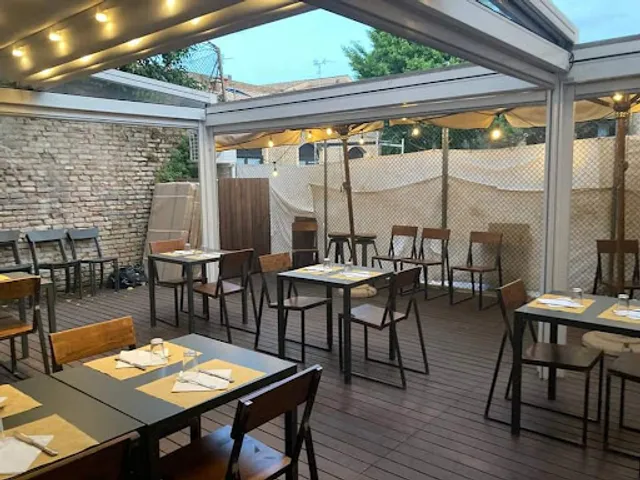
Osteria dalla Zabariona
4.4
(333)
$$
Open until 12:00 AM
Click for details
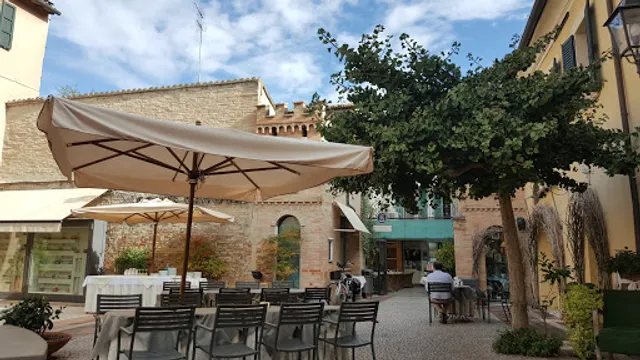
Coffee Corte Cavour
4.0
(537)
$
Closed
Click for details
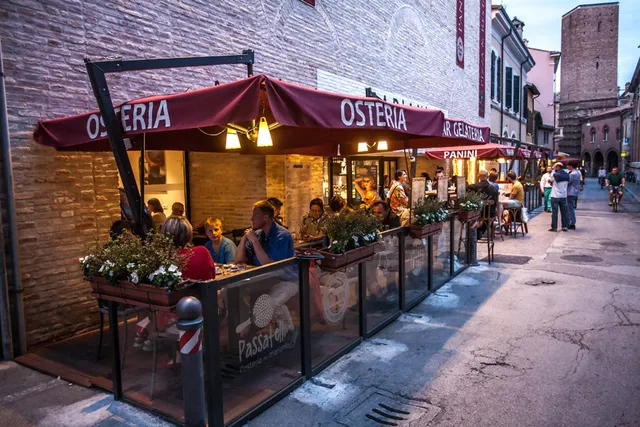
Osteria Passatelli
4.4
(2.1K)
$$
Closed
Click for details
Nearby local services of Basilica di San Vitale
Flying Tiger Copenhagen
ZARA
Annafietta Mosaicisti | Ravenna
Book&Shop - Biglietteria Basilica di San Vitale
Soprintendenza Archeologia, Belle Arti e Paesaggio per le province di Ravenna, Forlì-Cesena e Rimini
Church of the Holy Cross
Erboristeria Giorgioni - centro storico
ALE-HOP
Akomena Spazio Mosaico
Mosaici di Ravenna

Flying Tiger Copenhagen
4.3
(553)
Click for details
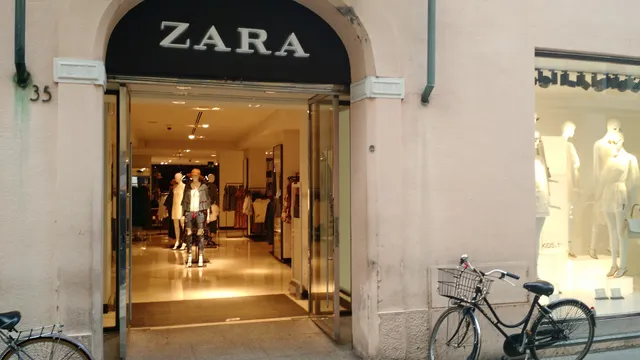
ZARA
3.8
(594)
Click for details
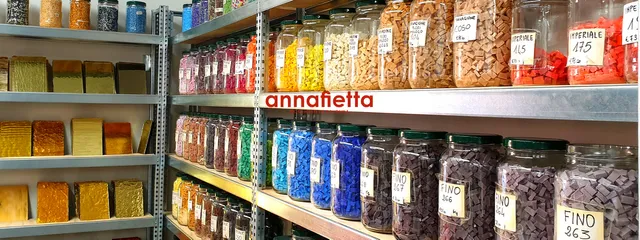
Annafietta Mosaicisti | Ravenna
4.9
(44)
Click for details
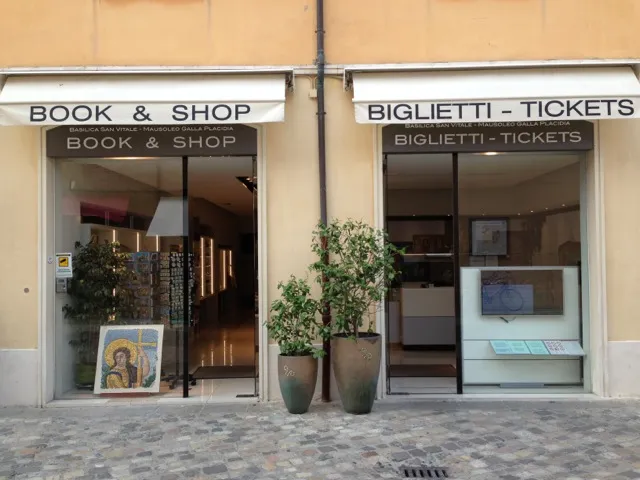
Book&Shop - Biglietteria Basilica di San Vitale
3.2
(32)
Click for details