HTML SitemapExplore
logo
Find Things to DoFind The Best Restaurants

Mausoleo di Galla Placidia — Attraction in Ravenna

Name
Mausoleo di Galla Placidia
Description
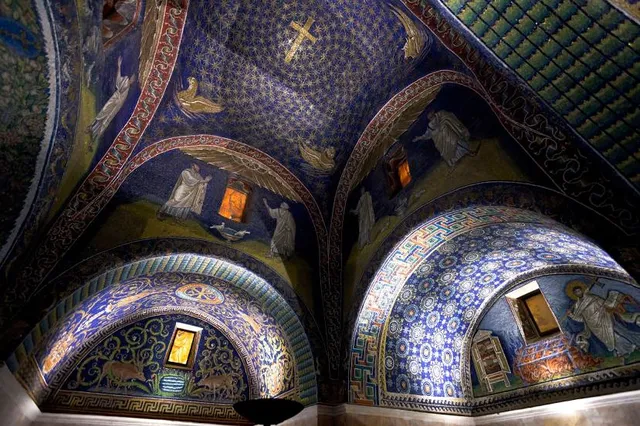
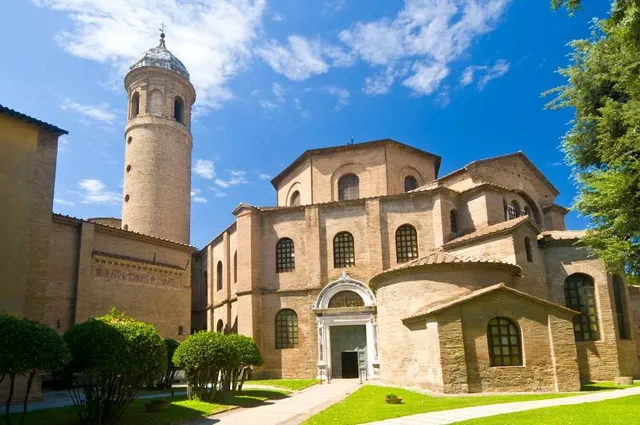
The Mausoleum of Galla Placidia is a Late Antique Roman building in Ravenna, Italy, built between 425 and 450. It was added to the World Heritage List together with seven other structures in Ravenna in 1996.
Nearby attractions
Basilica di San Vitale
Via San Vitale, 17, 48121 Ravenna RA, Italy
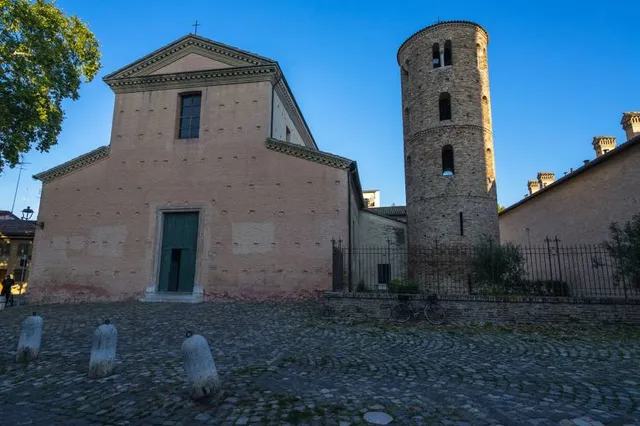
Chiesa di Santa Maria Maggiore
Via Galla Placidia, SNC, 48121 Ravenna RA, Italy
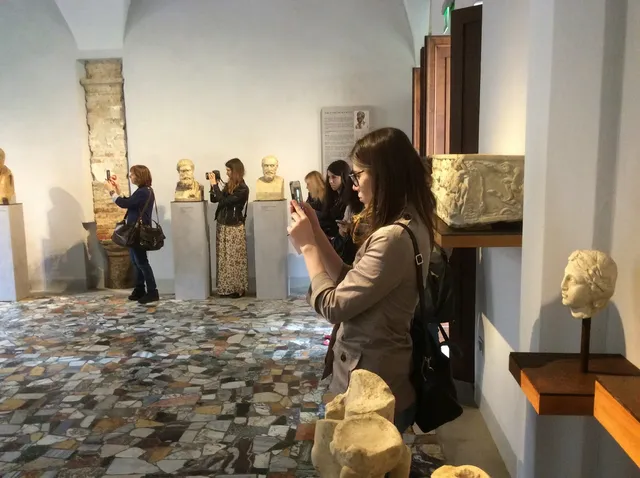
National Museum of Ravenna
Via San Vitale, 17, 48121 Ravenna RA, Italy
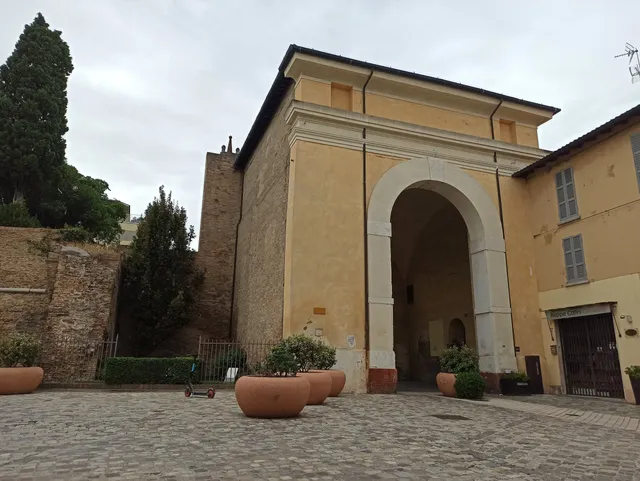
Porta Adriana
Via Camillo Benso Cavour, 48121 Ravenna RA, Italy
Chiesa di Sant'Eufemia-Domus dei Tappeti di Pietra
Via Gian Battista Barbiani, 16, 48121 Ravenna RA, Italy
Fontanella Piazza del Popolo
P.za del Popolo, 48121 Ravenna RA, Italy
Battistero degli Ariani
Piazzetta degli Ariani, 48121 Ravenna RA, Italy
Palazzo Rasponi dalle Teste
Piazza John Fitzgerald Kennedy, 12, 48121 Ravenna RA, Italy
Dante's Tomb
Via Dante Alighieri, 48121 Ravenna RA, Italy
Basilica of Saint John Baptist
Via Girolamo Rossi, 45, 48121 Ravenna RA, Italy
Nearby restaurants
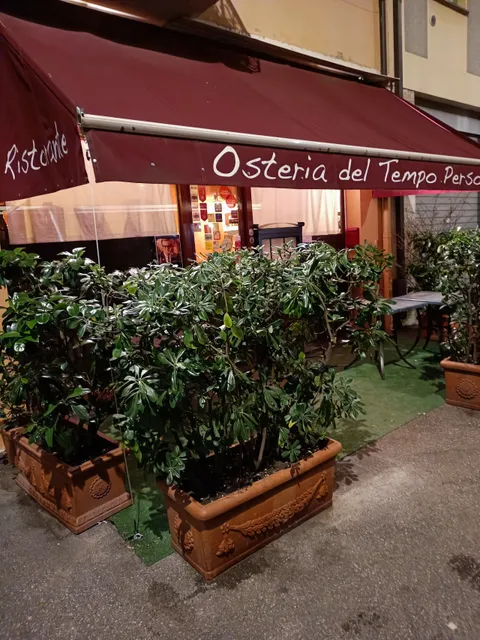
Osteria Del Tempo Perso
Via Gamba, 12, 48121 Ravenna RA, Italy
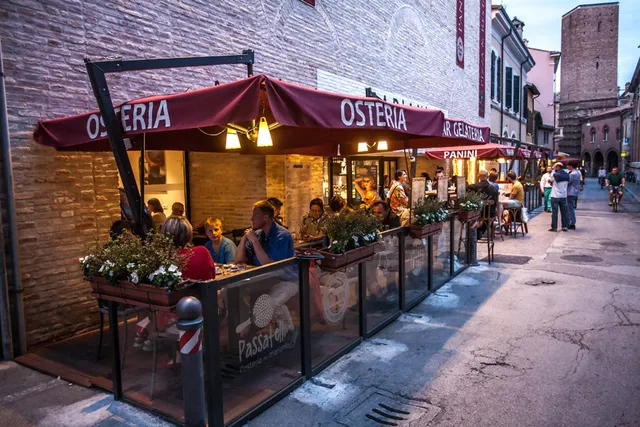
Osteria Passatelli
Via Ponte Marino, 19, 48121 Ravenna RA, Italy
Osteria dalla Zabariona
Via Giuliano Argentario, 19, 48121 Ravenna RA, Italy
Mercato Coperto
P.za Andrea Costa, 6, 48121 Ravenna RA, Italy
Babaleus - Ristorante Pizzeria
Vicolo Gabbiani, 7, 48121 Ravenna RA, Italy
Casa Spadoni
Via San Vitale, 34, 48121 Ravenna RA, Italy
L’Antica Pizzeria Da Michele Ravenna
Via Ponte Marino, 23, 48121 Ravenna RA, Italy
Ristorante La Gardèla Ravenna
Via Ponte Marino, 3, 48121 Ravenna RA, Italy
Fricandò
Via Maggiore, 7, 48121 Ravenna RA, Italy
Piadineria dalla Zabariona
Via Giuliano Argentario, 26, 48121 Ravenna RA, Italy
Related posts
Keywords
Mausoleo di Galla Placidia tourism.Mausoleo di Galla Placidia hotels.Mausoleo di Galla Placidia bed and breakfast. flights to Mausoleo di Galla Placidia.Mausoleo di Galla Placidia attractions.Mausoleo di Galla Placidia restaurants.Mausoleo di Galla Placidia travel.Mausoleo di Galla Placidia travel guide.Mausoleo di Galla Placidia travel blog.Mausoleo di Galla Placidia pictures.Mausoleo di Galla Placidia photos.Mausoleo di Galla Placidia travel tips.Mausoleo di Galla Placidia maps.Mausoleo di Galla Placidia things to do.
Mausoleo di Galla Placidia things to do, attractions, restaurants, events info and trip planning
Mausoleo di Galla Placidia
ItalyEmilia-RomagnaRavennaMausoleo di Galla Placidia

Basic Info

Mausoleo di Galla Placidia

Via San Vitale, 17, 48121 Ravenna RA, Italy
4.8(3.2K)
Open 24 hours
Save
spot

Ratings & Description

Info

The Mausoleum of Galla Placidia is a Late Antique Roman building in Ravenna, Italy, built between 425 and 450. It was added to the World Heritage List together with seven other structures in Ravenna in 1996.

Cultural
Accessibility
attractions: Basilica di San Vitale, Chiesa di Santa Maria Maggiore, National Museum of Ravenna, Porta Adriana, Chiesa di Sant'Eufemia-Domus dei Tappeti di Pietra, Fontanella Piazza del Popolo, Battistero degli Ariani, Palazzo Rasponi dalle Teste, Dante's Tomb, Basilica of Saint John Baptist, restaurants: Osteria Del Tempo Perso, Osteria Passatelli, Osteria dalla Zabariona, Mercato Coperto, Babaleus - Ristorante Pizzeria, Casa Spadoni, L’Antica Pizzeria Da Michele Ravenna, Ristorante La Gardèla Ravenna, Fricandò, Piadineria dalla Zabariona
logoLearn more insights from Wanderboat AI.
Phone
+39 0544 541688
Website
ravennamosaici.it

Plan your stay

hotel
Pet-friendly Hotels in Ravenna
Find a cozy hotel nearby and make it a full experience.

hotel
Affordable Hotels in Ravenna
Find a cozy hotel nearby and make it a full experience.

hotel
The Coolest Hotels You Haven't Heard Of (Yet)
Find a cozy hotel nearby and make it a full experience.

hotel
Trending Stays Worth the Hype in Ravenna
Find a cozy hotel nearby and make it a full experience.

Reviews

Nearby attractions of Mausoleo di Galla Placidia

Basilica di San Vitale

Chiesa di Santa Maria Maggiore

National Museum of Ravenna

Porta Adriana

Chiesa di Sant'Eufemia-Domus dei Tappeti di Pietra

Fontanella Piazza del Popolo

Battistero degli Ariani

Palazzo Rasponi dalle Teste

Dante's Tomb
Basilica of Saint John Baptist

Basilica di San Vitale

Basilica di San Vitale

4.8

(4K)

Open 24 hours
Click for details
Chiesa di Santa Maria Maggiore

Chiesa di Santa Maria Maggiore

4.6

(114)

Open 24 hours
Click for details
National Museum of Ravenna

National Museum of Ravenna

4.3

(227)

Open 24 hours
Click for details
Porta Adriana

Porta Adriana

4.3

(698)

Open 24 hours
Click for details

Things to do nearby

Explore UNESCO treasures at Ravenna
Fri, Dec 5 • 10:00 AM
48121, Ravenna, Emilia-Romagna, Italy
View details
Cooking class according to grandmas recipes
Fri, Dec 5 • 3:00 PM
48018, Faenza, Emilia-Romagna, Italy
View details
Toccare con Arte, un viaggio sensoriale nel teatro
Fri, Dec 5 • 5:30 PM
2 Via Angelo Mariani, 48121 Ravenna
View details

Nearby restaurants of Mausoleo di Galla Placidia

Osteria Del Tempo Perso

Osteria Passatelli

Osteria dalla Zabariona

Mercato Coperto

Babaleus - Ristorante Pizzeria

Casa Spadoni

L’Antica Pizzeria Da Michele Ravenna

Ristorante La Gardèla Ravenna

Fricandò

Piadineria dalla Zabariona

Osteria Del Tempo Perso

Osteria Del Tempo Perso

4.4

(485)

$$

Click for details
Osteria Passatelli

Osteria Passatelli

4.4

(2K)

$$

Click for details
Osteria dalla Zabariona

Osteria dalla Zabariona

4.4

(325)

Click for details
Mercato Coperto

Mercato Coperto

4.3

(1.6K)

Click for details
Get the Appoverlay
Get the AppOne tap to find yournext favorite spots!
Wanderboat LogoWanderboat

Your everyday Al companion for getaway ideas

CompanyAbout Us
InformationAI Trip PlannerSitemap
SocialXInstagramTiktokLinkedin
LegalTerms of ServicePrivacy Policy

Get the app

© 2025 Wanderboat. All rights reserved.
logo

Reviews of Mausoleo di Galla Placidia

4.8
(3,228)
avatar
5.0
2y

Mausoleum build in the 5th century for Galla Placida, the imperial daughter of the roman emperor Theodosius I, also called Theodosius The Great (347 AD – 395 AD), an emperor bn in Hispania and devout orthodox christian, that was known by his success in several campaigns against the Goths, tw civil wars and in establishing an orthodox doctrine (The Creed of Nicaea) in opposition to the Aria (The Creed of Nicaea) being the last emperor to rule the entire Roman Empire before its administration was permanently split between the West and East.

His daughter became sister, wife and mother of emperors, and Galla Placidia reigned the Western Roman Empire. Built c.430 AD, and like the exterior of most of Ravennas majestic places it is rustic and sober, made with orange bricks, but the interior has a magnificent decoration.

You can see countless stars of the cupola - although similar to the great pagan mausoleums with a central plan, single entrance door, vertex of the roof and external sobriety, the inside of this mausoleum is entirely covered with Christian symbols of immortality and eternal life.

For Galla Placidia the glory of the Christian Roman Empire was expressed by the cross, and the mausoleum has the form of a Latin cross, which is the main symbol of the mosaic at the center of the vault.

It is the celestial cross shining among the stars of the sky – the sky of eternal salvation; the sky of the Kingdom of God. The heavenly vault of the great entrance, with its symbols of light, demonstrates well enough the fundamental theme of the concept that the bishop of Ravenna, Petrus Chrysologus, and Galla Placidia held concerning the way towards the prize of eternity for the Christian.

Like most of the places of Ravenna, especially the smaller ones, it is usually crowded with tourists, and if you want photos without them you have to be patient and wait for the exact moment to take them - tripods are forbidden so plan before...

   Read more
avatar
5.0
44w

Museo Galla Placidia – A Hidden Gem in Ravenna with Incredible Mosaics

If you’re in Ravenna, don’t miss the Museo Galla Placidia—a small but absolutely stunning museum that’s packed with some of the most exquisite Byzantine mosaics you’ll find anywhere in the world. Though it’s not as large as some of the other attractions in the city, it’s a true hidden gem that will leave you in awe.

The museum is home to some of the most beautiful mosaics in Ravenna, especially in its mausoleum, which houses the tomb of Galla Placidia, the daughter of the Roman Emperor Theodosius I. The mosaics here are simply breathtaking, with intricate patterns and vivid colors that have remained remarkably well-preserved. One of the highlights is the Starry Sky Mosaic, which covers the ceiling and creates the illusion of a sky filled with twinkling stars—a truly magical sight.

The Galla Placidia Mausoleum is small in size, but the artwork and symbolism contained within its walls are monumental. The mosaics here depict Christian themes, including biblical scenes and symbolic representations, with a sense of serenity and grandeur that makes it feel timeless.

Why Visit: • The museum offers an up-close look at Byzantine art and mosaics, showcasing craftsmanship that’s over 1,500 years old. • It’s not crowded, making it a peaceful spot to reflect and admire the incredible mosaics in a serene setting. • The Starry Sky Mosaic is one of the most unique and beautiful features in Ravenna.

Though small, the Museo Galla Placidia offers a rich and immersive experience, and the mosaics alone make it one of the most remarkable spots in Ravenna. If you love art, history, and architecture, this is a...

   Read more
avatar
5.0
5y

Ravenna is a city of fascinating mosaics. We are fascinated by every Basilica, every church, every square, every street, every brick, every mosaics .... Its rich history leaves no one indifferent. The presence of the Romans and Byzantines left a deep mark on the development and wealth of Ravenna. So this Galla Placidia Mausoleum is a wonderful example of Byzantine art. According to legend Galla Placidia built this building to serve as a mausoleum for her and her family. The most interesting details inside the mausoleum are the beautiful mosaics that cover the entire interior of the building. The mosaics depict the four apostles of Christ on the vault and the eight apostles on the walls and with colorful decorations symbolize the victory of eternal life over death. Above the front door is a painted Jesus Christ with his stick. In this, early, view of Christ, he is presented as a young man, a shepherd in the natural environment, which differs greatly from the later presentation. There are three sarcophagi in the mausoleum that allegedly guard the remains of Galla Placidia and her family members. Galla Placidia had a rich and turbulent history. Aelia Galla Placidia (388-450AD) was the daughter of Emperor Theodosius the First, the last Roman ruler to hold both empires, the Eastern Roman Empire and the Western Roman Empire. Aelia Galla Placidia (388-450AD) was the daughter of Emperor Theodosius the First, the last Roman ruler to hold both empires, the Eastern Roman Empire and the Western Roman Empire. Extremely beautiful mausoleum...

   Read more
Page 1 of 7
Previous
Next

Posts

RBRB
Mausoleum build in the 5th century for Galla Placida, the imperial daughter of the roman emperor Theodosius I, also called Theodosius The Great (347 AD – 395 AD), an emperor bn in Hispania and devout orthodox christian, that was known by his success in several campaigns against the Goths, tw civil wars and in establishing an orthodox doctrine (The Creed of Nicaea) in opposition to the Aria (The Creed of Nicaea) being the last emperor to rule the entire Roman Empire before its administration was permanently split between the West and East. His daughter became sister, wife and mother of emperors, and Galla Placidia reigned the Western Roman Empire. Built c.430 AD, and like the exterior of most of Ravennas majestic places it is rustic and sober, made with orange bricks, but the interior has a magnificent decoration. You can see countless stars of the cupola - although similar to the great pagan mausoleums with a central plan, single entrance door, vertex of the roof and external sobriety, the inside of this mausoleum is entirely covered with Christian symbols of immortality and eternal life. For Galla Placidia the glory of the Christian Roman Empire was expressed by the cross, and the mausoleum has the form of a Latin cross, which is the main symbol of the mosaic at the center of the vault. It is the celestial cross shining among the stars of the sky – the sky of eternal salvation; the sky of the Kingdom of God. The heavenly vault of the great entrance, with its symbols of light, demonstrates well enough the fundamental theme of the concept that the bishop of Ravenna, Petrus Chrysologus, and Galla Placidia held concerning the way towards the prize of eternity for the Christian. Like most of the places of Ravenna, especially the smaller ones, it is usually crowded with tourists, and if you want photos without them you have to be patient and wait for the exact moment to take them - tripods are forbidden so plan before taking a shot.
I. MorganI. Morgan
Museo Galla Placidia – A Hidden Gem in Ravenna with Incredible Mosaics If you’re in Ravenna, don’t miss the Museo Galla Placidia—a small but absolutely stunning museum that’s packed with some of the most exquisite Byzantine mosaics you’ll find anywhere in the world. Though it’s not as large as some of the other attractions in the city, it’s a true hidden gem that will leave you in awe. The museum is home to some of the most beautiful mosaics in Ravenna, especially in its mausoleum, which houses the tomb of Galla Placidia, the daughter of the Roman Emperor Theodosius I. The mosaics here are simply breathtaking, with intricate patterns and vivid colors that have remained remarkably well-preserved. One of the highlights is the Starry Sky Mosaic, which covers the ceiling and creates the illusion of a sky filled with twinkling stars—a truly magical sight. The Galla Placidia Mausoleum is small in size, but the artwork and symbolism contained within its walls are monumental. The mosaics here depict Christian themes, including biblical scenes and symbolic representations, with a sense of serenity and grandeur that makes it feel timeless. Why Visit: • The museum offers an up-close look at Byzantine art and mosaics, showcasing craftsmanship that’s over 1,500 years old. • It’s not crowded, making it a peaceful spot to reflect and admire the incredible mosaics in a serene setting. • The Starry Sky Mosaic is one of the most unique and beautiful features in Ravenna. Though small, the Museo Galla Placidia offers a rich and immersive experience, and the mosaics alone make it one of the most remarkable spots in Ravenna. If you love art, history, and architecture, this is a must-see location.
Asiyah Noemi KosoAsiyah Noemi Koso
Ravenna is a city of fascinating mosaics. We are fascinated by every Basilica, every church, every square, every street, every brick, every mosaics .... Its rich history leaves no one indifferent. The presence of the Romans and Byzantines left a deep mark on the development and wealth of Ravenna. So this Galla Placidia Mausoleum is a wonderful example of Byzantine art. According to legend Galla Placidia built this building to serve as a mausoleum for her and her family. The most interesting details inside the mausoleum are the beautiful mosaics that cover the entire interior of the building. The mosaics depict the four apostles of Christ on the vault and the eight apostles on the walls and with colorful decorations symbolize the victory of eternal life over death. Above the front door is a painted Jesus Christ with his stick. In this, early, view of Christ, he is presented as a young man, a shepherd in the natural environment, which differs greatly from the later presentation. There are three sarcophagi in the mausoleum that allegedly guard the remains of Galla Placidia and her family members. Galla Placidia had a rich and turbulent history. Aelia Galla Placidia (388-450AD) was the daughter of Emperor Theodosius the First, the last Roman ruler to hold both empires, the Eastern Roman Empire and the Western Roman Empire. Aelia Galla Placidia (388-450AD) was the daughter of Emperor Theodosius the First, the last Roman ruler to hold both empires, the Eastern Roman Empire and the Western Roman Empire. Extremely beautiful mausoleum full of mosaics.
See more posts
See more posts
hotel
Find your stay

Pet-friendly Hotels in Ravenna

Find a cozy hotel nearby and make it a full experience.

Mausoleum build in the 5th century for Galla Placida, the imperial daughter of the roman emperor Theodosius I, also called Theodosius The Great (347 AD – 395 AD), an emperor bn in Hispania and devout orthodox christian, that was known by his success in several campaigns against the Goths, tw civil wars and in establishing an orthodox doctrine (The Creed of Nicaea) in opposition to the Aria (The Creed of Nicaea) being the last emperor to rule the entire Roman Empire before its administration was permanently split between the West and East. His daughter became sister, wife and mother of emperors, and Galla Placidia reigned the Western Roman Empire. Built c.430 AD, and like the exterior of most of Ravennas majestic places it is rustic and sober, made with orange bricks, but the interior has a magnificent decoration. You can see countless stars of the cupola - although similar to the great pagan mausoleums with a central plan, single entrance door, vertex of the roof and external sobriety, the inside of this mausoleum is entirely covered with Christian symbols of immortality and eternal life. For Galla Placidia the glory of the Christian Roman Empire was expressed by the cross, and the mausoleum has the form of a Latin cross, which is the main symbol of the mosaic at the center of the vault. It is the celestial cross shining among the stars of the sky – the sky of eternal salvation; the sky of the Kingdom of God. The heavenly vault of the great entrance, with its symbols of light, demonstrates well enough the fundamental theme of the concept that the bishop of Ravenna, Petrus Chrysologus, and Galla Placidia held concerning the way towards the prize of eternity for the Christian. Like most of the places of Ravenna, especially the smaller ones, it is usually crowded with tourists, and if you want photos without them you have to be patient and wait for the exact moment to take them - tripods are forbidden so plan before taking a shot.
RB

RB

hotel
Find your stay

Affordable Hotels in Ravenna

Find a cozy hotel nearby and make it a full experience.

Get the Appoverlay
Get the AppOne tap to find yournext favorite spots!
Museo Galla Placidia – A Hidden Gem in Ravenna with Incredible Mosaics If you’re in Ravenna, don’t miss the Museo Galla Placidia—a small but absolutely stunning museum that’s packed with some of the most exquisite Byzantine mosaics you’ll find anywhere in the world. Though it’s not as large as some of the other attractions in the city, it’s a true hidden gem that will leave you in awe. The museum is home to some of the most beautiful mosaics in Ravenna, especially in its mausoleum, which houses the tomb of Galla Placidia, the daughter of the Roman Emperor Theodosius I. The mosaics here are simply breathtaking, with intricate patterns and vivid colors that have remained remarkably well-preserved. One of the highlights is the Starry Sky Mosaic, which covers the ceiling and creates the illusion of a sky filled with twinkling stars—a truly magical sight. The Galla Placidia Mausoleum is small in size, but the artwork and symbolism contained within its walls are monumental. The mosaics here depict Christian themes, including biblical scenes and symbolic representations, with a sense of serenity and grandeur that makes it feel timeless. Why Visit: • The museum offers an up-close look at Byzantine art and mosaics, showcasing craftsmanship that’s over 1,500 years old. • It’s not crowded, making it a peaceful spot to reflect and admire the incredible mosaics in a serene setting. • The Starry Sky Mosaic is one of the most unique and beautiful features in Ravenna. Though small, the Museo Galla Placidia offers a rich and immersive experience, and the mosaics alone make it one of the most remarkable spots in Ravenna. If you love art, history, and architecture, this is a must-see location.
I. Morgan

I. Morgan

hotel
Find your stay

The Coolest Hotels You Haven't Heard Of (Yet)

Find a cozy hotel nearby and make it a full experience.

hotel
Find your stay

Trending Stays Worth the Hype in Ravenna

Find a cozy hotel nearby and make it a full experience.

Ravenna is a city of fascinating mosaics. We are fascinated by every Basilica, every church, every square, every street, every brick, every mosaics .... Its rich history leaves no one indifferent. The presence of the Romans and Byzantines left a deep mark on the development and wealth of Ravenna. So this Galla Placidia Mausoleum is a wonderful example of Byzantine art. According to legend Galla Placidia built this building to serve as a mausoleum for her and her family. The most interesting details inside the mausoleum are the beautiful mosaics that cover the entire interior of the building. The mosaics depict the four apostles of Christ on the vault and the eight apostles on the walls and with colorful decorations symbolize the victory of eternal life over death. Above the front door is a painted Jesus Christ with his stick. In this, early, view of Christ, he is presented as a young man, a shepherd in the natural environment, which differs greatly from the later presentation. There are three sarcophagi in the mausoleum that allegedly guard the remains of Galla Placidia and her family members. Galla Placidia had a rich and turbulent history. Aelia Galla Placidia (388-450AD) was the daughter of Emperor Theodosius the First, the last Roman ruler to hold both empires, the Eastern Roman Empire and the Western Roman Empire. Aelia Galla Placidia (388-450AD) was the daughter of Emperor Theodosius the First, the last Roman ruler to hold both empires, the Eastern Roman Empire and the Western Roman Empire. Extremely beautiful mausoleum full of mosaics.
Asiyah Noemi Koso

Asiyah Noemi Koso

See more posts
See more posts