HTML SitemapExplore
logo
Find Things to DoFind The Best Restaurants

Stadio Palatino — Attraction in Rome

Name
Stadio Palatino
Description
Nearby attractions
Circus Maximus
00186 Rome, Metropolitan City of Rome Capital, Italy
Colosseum
Piazza del Colosseo, 1, 00184 Roma RM, Italy
Roman Forum
00186 Rome, Metropolitan City of Rome Capital, Italy
Arch of Constantine
Piazza del Colosseo, 00184 Roma RM, Italy
Domus Severiana
Via dei Cerchi, 119, 00186 Roma RM, Italy
Domus Flavia
Via di S. Gregorio, 30, 00186 Roma RM, Italy
Campagna Amica Market
Via di S. Teodoro, 74, 00186 Roma RM, Italy
Arch of Titus
Via Sacra, 00186 Roma RM, Italy
Mouth of Truth
Piazza della Bocca della Verità, 00186 Roma RM, Italy
Parco archeologico del Colosseo
Piazza S. Maria Nova, 53, 00186 Roma RM, Italy
Nearby restaurants
Osteria Circo
Via dei Cerchi, 77/79, 00186 Roma RM, Italy
075 zerosettantacinque
Via dei Cerchi, 65, 00186 Roma RM, Italy
Guenda
Via dei Cerchi, 73, 00186 Roma RM, Italy
Ristorante Ad hoc
Via dei Cerchi, 75, 00186 Roma RM, Italy
ViMi Ristorante
Viale Aventino, 14, 00153 Roma RM, Italy
La Nuova Piazzetta
Vicolo del Buon Consiglio, 23/a, 00184 Roma RM, Italy
Conso pizza e cucina
Via dei Cerchi, 57, 00186 Roma RM, Italy
Ristorante Alvaro Al Circo Massimo
Via dei Cerchi, 53, 00186 Roma RM, Italy
Ristoro Della Salute
Piazza del Colosseo, 2A, 00184 Roma RM, Italy
Terrazza Celio
Viale di Parco del Celio, 00184 Roma RM, Italy
Nearby hotels
Il Monastero Collection
Via dei Cerchi, 87, 00186 Roma RM, Italy
Kolbe Hotel Rome
Via di S. Teodoro, 48, 00186 Roma RM, Italy
Rhinoceros Roma
Via del Velabro, 9, 00186 Roma RM, Italy
Fauno Urban Resort Roma
Via della Fonte di Fauno, 31, 00153 Roma RM, Italy
Fortyseven Hotel
Via Luigi Petroselli, 47, 00186 Roma RM, Italy
Fori Romani
Via di S. Teodoro, 12, 00186 Roma RM, Italy
Palazzo Velabro
Palazzo Velabro, Via del Velabro, 16, 00186 Roma RM, Italy
Domus al Palatino
Via di S. Teodoro, 68, 00186 Roma RM, Italy
Elegant Apartment Behind The Colosseum
Via dei Fienili, 95, 00186 Roma RM, Italy
Circo Massimo Guest House
Via dell'Ara di Conso, 4, 00153 Roma RM, Italy
Related posts
Keywords
Stadio Palatino tourism.Stadio Palatino hotels.Stadio Palatino bed and breakfast. flights to Stadio Palatino.Stadio Palatino attractions.Stadio Palatino restaurants.Stadio Palatino travel.Stadio Palatino travel guide.Stadio Palatino travel blog.Stadio Palatino pictures.Stadio Palatino photos.Stadio Palatino travel tips.Stadio Palatino maps.Stadio Palatino things to do.
Stadio Palatino things to do, attractions, restaurants, events info and trip planning
Stadio Palatino
ItalyLazioRomeStadio Palatino

Basic Info

Stadio Palatino

Via di S. Gregorio, 30, 00186 Roma RM, Italy
4.7(269)
Open 24 hours
Save
spot

Ratings & Description

Info

Cultural
Outdoor
Scenic
attractions: Circus Maximus, Colosseum, Roman Forum, Arch of Constantine, Domus Severiana, Domus Flavia, Campagna Amica Market, Arch of Titus, Mouth of Truth, Parco archeologico del Colosseo, restaurants: Osteria Circo, 075 zerosettantacinque, Guenda, Ristorante Ad hoc, ViMi Ristorante, La Nuova Piazzetta, Conso pizza e cucina, Ristorante Alvaro Al Circo Massimo, Ristoro Della Salute, Terrazza Celio
logoLearn more insights from Wanderboat AI.

Plan your stay

hotel
Pet-friendly Hotels in Rome
Find a cozy hotel nearby and make it a full experience.

hotel
Affordable Hotels in Rome
Find a cozy hotel nearby and make it a full experience.

hotel
The Coolest Hotels You Haven't Heard Of (Yet)
Find a cozy hotel nearby and make it a full experience.

hotel
Trending Stays Worth the Hype in Rome
Find a cozy hotel nearby and make it a full experience.

Reviews

Nearby attractions of Stadio Palatino

Circus Maximus

Colosseum

Roman Forum

Arch of Constantine

Domus Severiana

Domus Flavia

Campagna Amica Market

Arch of Titus

Mouth of Truth
Parco archeologico del Colosseo

Circus Maximus

Circus Maximus

4.5

(20.3K)

Open 24 hours
Click for details
Colosseum

Colosseum

4.8

(134.8K)

Open 24 hours
Click for details
Roman Forum

Roman Forum

4.8

(44.8K)

Open 24 hours
Click for details
Arch of Constantine

Arch of Constantine

4.7

(2.9K)

Open 24 hours
Click for details

Things to do nearby

Catacombs: The Coolest Underground Tour in Rome
Sat, Dec 6 • 10:00 AM
00147, Rome, Lazio, Italy
View details
Pasta-making class, wine tasting and dinner
Fri, Dec 5 • 3:30 PM
00044, Frascati, Lazio, Italy
View details
Pasta and Pizza cooking class with wine and more
Sun, Dec 7 • 10:30 AM
00142, Rome, Lazio, Italy
View details

Nearby restaurants of Stadio Palatino

Osteria Circo

075 zerosettantacinque

Guenda

Ristorante Ad hoc

ViMi Ristorante

La Nuova Piazzetta

Conso pizza e cucina

Ristorante Alvaro Al Circo Massimo

Ristoro Della Salute

Terrazza Celio

Osteria Circo

Osteria Circo

4.4

(983)

Click for details
075 zerosettantacinque

075 zerosettantacinque

4.5

(1.2K)

$

Click for details
Guenda

Guenda

4.7

(251)

Click for details
Ristorante Ad hoc

Ristorante Ad hoc

4.7

(233)

Click for details
Get the Appoverlay
Get the AppOne tap to find yournext favorite spots!

The hit list

restaurant
Best 10 Restaurants to Visit in Rome
February 12 · 5 min read
attraction
Best 10 Attractions to Visit in Rome
February 12 · 5 min read
Rome

Plan your trip with Wanderboat

Welcome to Wanderboat AI, your AI search for local Eats and Fun, designed to help you explore your city and the world with ease.

Powered by Wanderboat AI trip planner.
Wanderboat LogoWanderboat

Your everyday Al companion for getaway ideas

CompanyAbout Us
InformationAI Trip PlannerSitemap
SocialXInstagramTiktokLinkedin
LegalTerms of ServicePrivacy Policy

Get the app

© 2025 Wanderboat. All rights reserved.
logo

Posts

kepurlaukiskepurlaukis
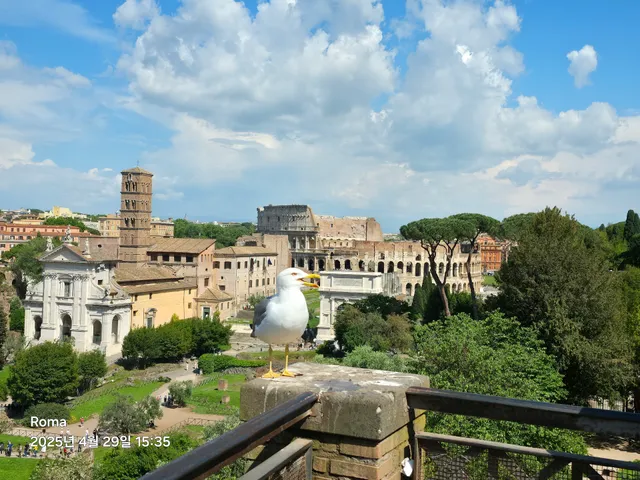
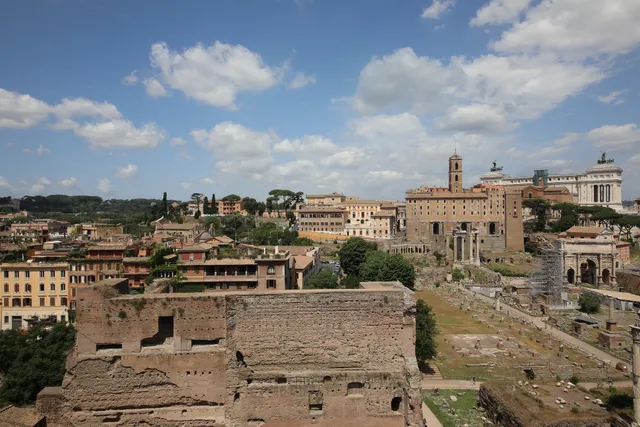
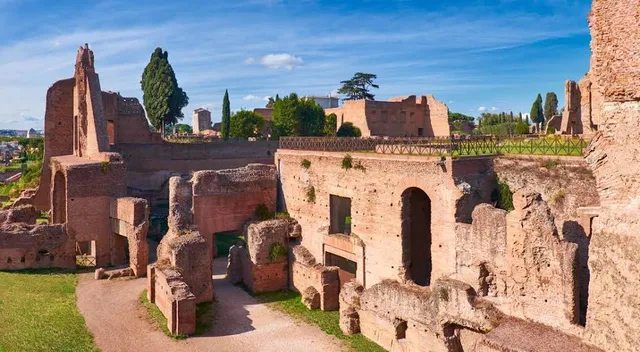
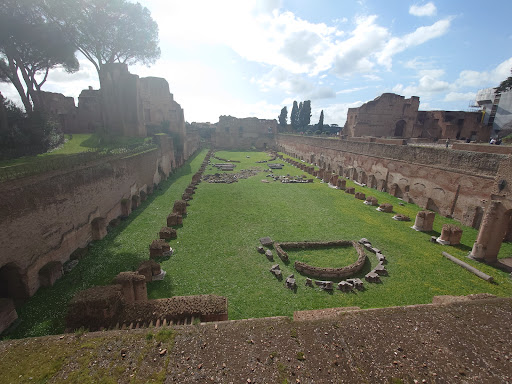
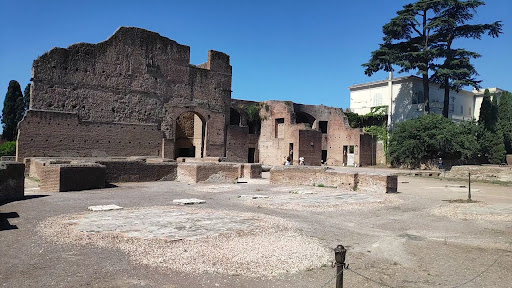
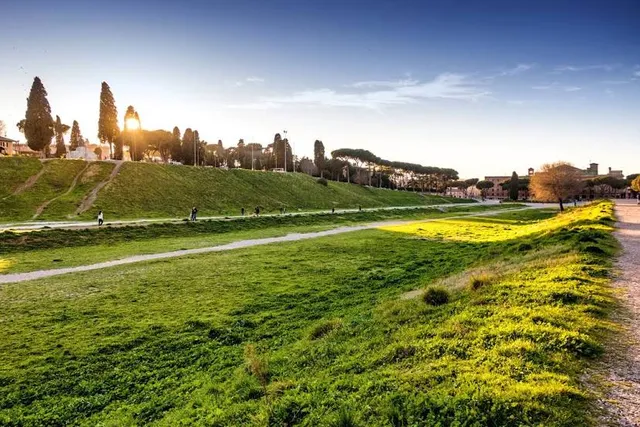
Stadio Palatino, also known as the Palatine Stadium, is an intriguing archaeological site nestled within the historic Palatine Hill. While lesser-known compared to other attractions in Rome, it offers a unique glimpse into ancient Roman sports and entertainment. Visitors can explore the remains of this ancient stadium, imagining the roar of the crowds and the excitement of the games that once took place here. With its historical significance and tranquil atmosphere, Stadio Palatino provides a fascinating detour for those exploring the wonders of the Palatine Hill.
Augusto DuarteAugusto Duarte
Una delle tre parti del Palazzo Domiziano o Palazzo Flavio, lungo tutto il suo fianco orientale era costituita dal grande Ippodromo o Stadio. Domiziano lo costruì per avere il suo proprio stadio ad uso privato della famiglia imperiale e dei suoi ospiti, inaccessibile all'esterno. Gli ippodromi, all'inizio costituivano luoghi per esercitazioni di cavalli, a Roma passarono a designare spazi rettangolari allungati. Derivati dai ginnasi greci, erano lussuose aree di giardino presenti nelle ville più richi. La sua funzione, forse, era quella di giardino, dove si facevano le passeggiate, e pure di maneggio. Ci sono fonti che affermano che vi si svolgeranno dei giochi. Il edificio era in forma di circo, cioè un rettangolo molto allungato con uno dei lati minori curvo. Misurava 160 per 48 m, aveva un muro perimetrale dotato di un porticato articolato su due piani. Il livello inferiore del circo era composto da enormi pilastri, dei quali oggi sono visibile i basamenti, realizatti con mattoni, rivestiti di marmi. Il piano superiore era costituito da colonne marmoree, di cui resta solo l'angolo nord-ovest. Al centro del lato orientale era situato il grande palco imperiale, un podio a emiciclo, formato da una esedra semicircolare. Oltre a essere il posto da dove l'imperatore assisteva alle gare organizzate in suo onore , ospitava anche il rito del "lectisternium", con il quale le statue degli dèi, trasportare su lettighe, venivano religiosamente poste nella tribuna affinché anch'esse godessero dei giochi. L'arena era divisa in due per una spina longitudinale. Alle due estremità sono poste delle due costruzioni semicircolari che potevano essere delle fontane.
Milen DimitrovMilen Dimitrov
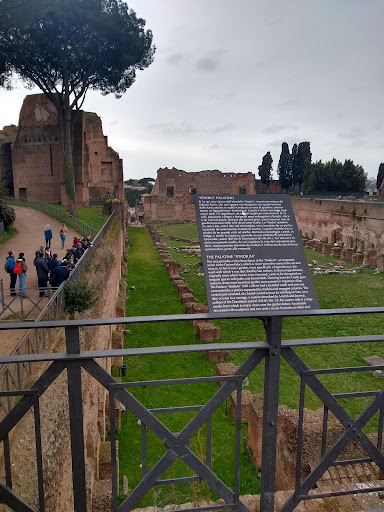
I did not expect to find a hippodrome on the Palatine hill. A new about the Circus Maximus down the hill, but was not aware of this feature in the Domus Flavia. Nevertheless, it is preserved in a very good condition and there is a nice lookout on the side of the Palatine hill (see the attached pictures). As I later learned, the Stadium was built by Domitian in the end of 1st century AD (along with the Odeon and the Domus Flavia itself). And in fact, this was neither a stadium, nor a hippodrome, but a sunken garden ... Visited April 2017
See more posts
See more posts
hotel
Find your stay

Pet-friendly Hotels in Rome

Find a cozy hotel nearby and make it a full experience.

Stadio Palatino, also known as the Palatine Stadium, is an intriguing archaeological site nestled within the historic Palatine Hill. While lesser-known compared to other attractions in Rome, it offers a unique glimpse into ancient Roman sports and entertainment. Visitors can explore the remains of this ancient stadium, imagining the roar of the crowds and the excitement of the games that once took place here. With its historical significance and tranquil atmosphere, Stadio Palatino provides a fascinating detour for those exploring the wonders of the Palatine Hill.
kepurlaukis

kepurlaukis

hotel
Find your stay

Affordable Hotels in Rome

Find a cozy hotel nearby and make it a full experience.

Get the Appoverlay
Get the AppOne tap to find yournext favorite spots!
Una delle tre parti del Palazzo Domiziano o Palazzo Flavio, lungo tutto il suo fianco orientale era costituita dal grande Ippodromo o Stadio. Domiziano lo costruì per avere il suo proprio stadio ad uso privato della famiglia imperiale e dei suoi ospiti, inaccessibile all'esterno. Gli ippodromi, all'inizio costituivano luoghi per esercitazioni di cavalli, a Roma passarono a designare spazi rettangolari allungati. Derivati dai ginnasi greci, erano lussuose aree di giardino presenti nelle ville più richi. La sua funzione, forse, era quella di giardino, dove si facevano le passeggiate, e pure di maneggio. Ci sono fonti che affermano che vi si svolgeranno dei giochi. Il edificio era in forma di circo, cioè un rettangolo molto allungato con uno dei lati minori curvo. Misurava 160 per 48 m, aveva un muro perimetrale dotato di un porticato articolato su due piani. Il livello inferiore del circo era composto da enormi pilastri, dei quali oggi sono visibile i basamenti, realizatti con mattoni, rivestiti di marmi. Il piano superiore era costituito da colonne marmoree, di cui resta solo l'angolo nord-ovest. Al centro del lato orientale era situato il grande palco imperiale, un podio a emiciclo, formato da una esedra semicircolare. Oltre a essere il posto da dove l'imperatore assisteva alle gare organizzate in suo onore , ospitava anche il rito del "lectisternium", con il quale le statue degli dèi, trasportare su lettighe, venivano religiosamente poste nella tribuna affinché anch'esse godessero dei giochi. L'arena era divisa in due per una spina longitudinale. Alle due estremità sono poste delle due costruzioni semicircolari che potevano essere delle fontane.
Augusto Duarte

Augusto Duarte

hotel
Find your stay

The Coolest Hotels You Haven't Heard Of (Yet)

Find a cozy hotel nearby and make it a full experience.

hotel
Find your stay

Trending Stays Worth the Hype in Rome

Find a cozy hotel nearby and make it a full experience.

I did not expect to find a hippodrome on the Palatine hill. A new about the Circus Maximus down the hill, but was not aware of this feature in the Domus Flavia. Nevertheless, it is preserved in a very good condition and there is a nice lookout on the side of the Palatine hill (see the attached pictures). As I later learned, the Stadium was built by Domitian in the end of 1st century AD (along with the Odeon and the Domus Flavia itself). And in fact, this was neither a stadium, nor a hippodrome, but a sunken garden ... Visited April 2017
Milen Dimitrov

Milen Dimitrov

See more posts
See more posts

Reviews of Stadio Palatino

4.7
(269)
avatar
5.0
6y

Estádio Palatino, conhecido em italiano como Stadio Palatino, correspondia a um terço do enorme Palácio de Domiciano no monte Palatino de Roma, Itália. Foi a última estrutura a ser construída, depois do Palácio Flávio e do Palácio Augusto, respectivamente as partes pública e privada do complexo. O enorme complexo ocupa toda a parte central do Palatino desde o fim do século I, substituindo diversos edifícios muito antigos, da época republicana até Nero. Os trabalhos foram dirigidos pelo arquiteto Rabírio e iniciaram pouco depois de 81 (ano da ascensão de Domiciano) e terminaram em 92. O complexo foi descoberto e escavado no século XVIII, o que levou rapidamente a grandes perdas por causa de saques e roubos, comprometendo irremediavelmente o estado do edifício. O estádio é feito de tijolos, cujos selos são todos da época de Domiciano, com algumas reformas da época de Adriano (pórticos) e Sétimo Severo (êxedra). O pequeno recinto oval que se vê ainda hoje na parte meridional da arena foi construído na época de Teodorico, o Grande, quando o local foi utilizado como anfiteatro (certamente não para lutas de gladiadores, pois este tipo de espetáculo já havia sido abolido na época de Honório). O estádio passou então a ser utilizado sobretudo como jardim e picadeiro privado (viridário), presentes nas villas privadas da época segundo os relatos de Plínio, o Jovem. Nos "Atos de São Sebastião" se menciona um "Hipódromo do Palácio" (Hippodromus Palatii), provavelmente o Estádio Palatino. Este estádio era um edifício em forma de circo, com um retângulo muito alongado com uma das extremidades menores curva (a meridional), com cerca de 160 x 48 metros. Ocupa todo o lado oriental do Palácio Augusto por um total de 88 metros. O perímetro era decorado por um pórtico com dois andares, composto, no nível inferior, de pilares de tijolos revestidos de mármore (dos quais só restam as bases) e, no superior, de colunas de mármore, como se pode ver na reconstrução no ângulo setentrional. No lado oriental, no centro, se abria a tribuna, em forma semicircular, no nível superior do pórtico e ligeiramente pronunciada, suportada por baixo por três espaços abertos para o estádio. A arena propriamente dita está repartida no centro por uma spina, da qual restam apenas os elementos terminais,...

   Read more
avatar
5.0
1y

The Stadio Palatino called the stadium of the palatine is a long, rectangular structure on the Palatine Hill, part of the expansive palace complex built by Emperor Domitian. Though its precise purpose is debated, it likely served as a private garden or arena for athletic events and imperial ceremonies. The stadium features a track-like layout with an apsidal end, flanked by seating and colonnades, reflecting Domitian’s passion for sports and entertainment. Today, the ruins provide a glimpse into the luxurious and multifaceted nature of imperial palace life in...

   Read more
avatar
5.0
1y

Stadio Palatino, also known as the Palatine Stadium, is an intriguing archaeological site nestled within the historic Palatine Hill. While lesser-known compared to other attractions in Rome, it offers a unique glimpse into ancient Roman sports and entertainment. Visitors can explore the remains of this ancient stadium, imagining the roar of the crowds and the excitement of the games that once took place here. With its historical significance and tranquil atmosphere, Stadio Palatino provides a fascinating detour for those exploring the wonders of the...

   Read more
Page 1 of 7
Previous
Next