Circus Maximus things to do, attractions, restaurants, events info and trip planning
Basic Info
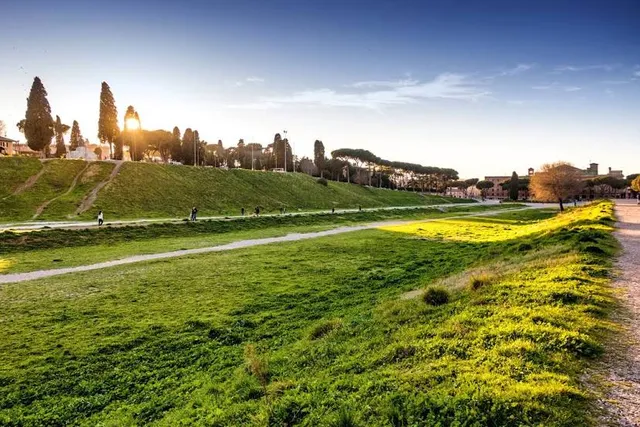
Circus Maximus
00186 Rome, Metropolitan City of Rome Capital, Italy
4.5(21.3K)
Open 24 hours
Save
spot
spot
Ratings & Description
Info
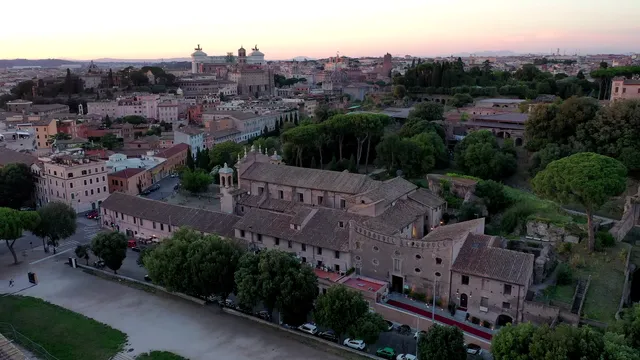
The Circus Maximus is an ancient Roman chariot-racing stadium and mass entertainment venue in Rome, Italy. In the valley between the Aventine and Palatine hills, it was the first and largest stadium in ancient Rome and its later Empire.
Cultural
Outdoor
Pet friendly
attractions: Roseto comunale, Mouth of Truth, Monument to Giuseppe Mazzini, Giardino degli Aranci, Stadio Palatino, Basilica di Santa Maria in Cosmedin, Campagna Amica Market, Colosseum, Domus Severiana, Roseto di Roma Capitale | Area Concorso, restaurants: Osteria Circo, 075 zerosettantacinque, ViMi Ristorante, Rosso Eat Drink Stay, Guenda, NUMA al Circo, Gusto Massimo Bar Bistrò di TIZIANO DI M. E. F. S.r.l., Ristorante Ad hoc, Cerchi Ice Cream, Falo Bistrot - Roma, local businesses: Palatine Hill, Jardim de rosas municipal, Exclusive Suite, Palatine Hill, Deal Done Aventino, Circo Massimo Farmers Market, ZEN REAL ESTATE SRL, Case Romane del Celio, Palatine Hill, Orti Farnesiani sul Palatino
 Learn more insights from Wanderboat AI.
Phone
+39 06 0608
Website
turismoroma.it
Plan your stay

Pet-friendly Hotels in Rome
Find a cozy hotel nearby and make it a full experience.

Affordable Hotels in Rome
Find a cozy hotel nearby and make it a full experience.

The Coolest Hotels You Haven't Heard Of (Yet)
Find a cozy hotel nearby and make it a full experience.

Trending Stays Worth the Hype in Rome
Find a cozy hotel nearby and make it a full experience.
Reviews
Live events
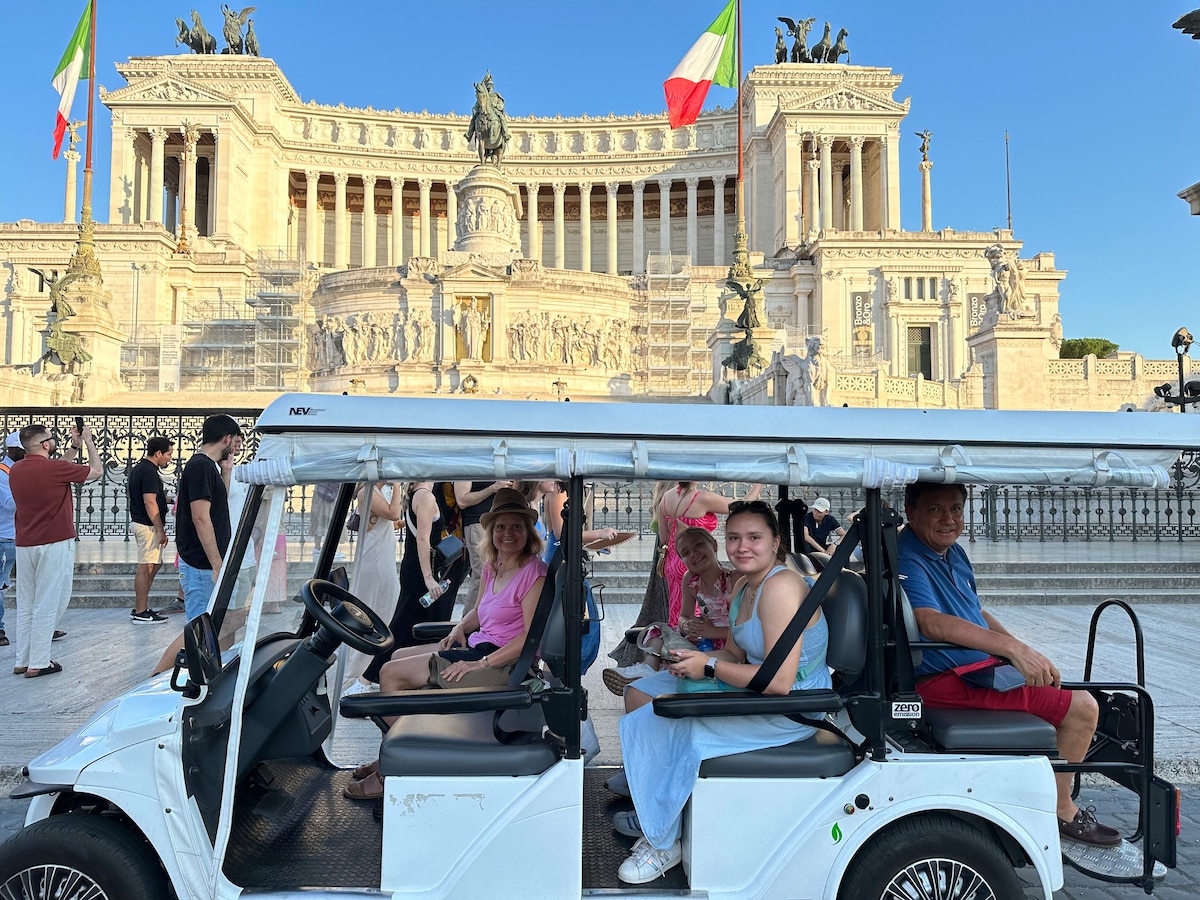
Discover Rome Highlights by Golf Cart
Sun, Feb 22 • 1:00 PM
00184, Rome, Lazio, Italy
View details

Festa di Capodanno Cinese a Roma - Anno del Cavallo 2026
Sat, Feb 21 • 9:00 AM
Piazza Vittorio Emanuele II 00185 Roma
View details

Indian Film Festival - Bajirao Mastani
Fri, Feb 27 • 6:30 PM
43 Piazza della Repubblica #45 00184 Roma
View details
Nearby attractions of Circus Maximus
Roseto comunale
Mouth of Truth
Monument to Giuseppe Mazzini
Giardino degli Aranci
Stadio Palatino
Basilica di Santa Maria in Cosmedin
Campagna Amica Market
Colosseum
Domus Severiana
Roseto di Roma Capitale | Area Concorso
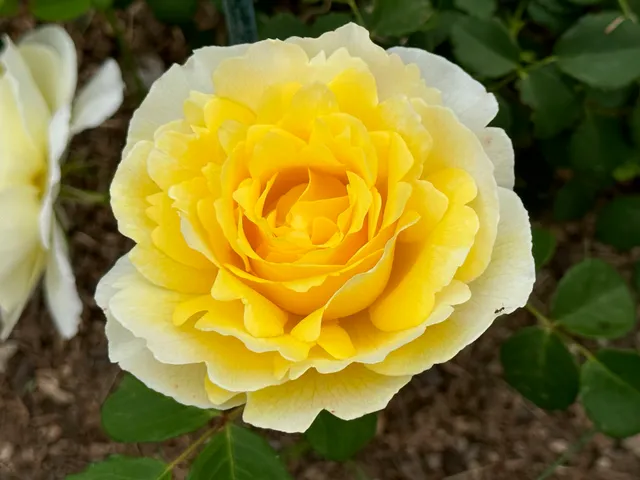
Roseto comunale
4.7
(481)
Open 24 hours
Click for details
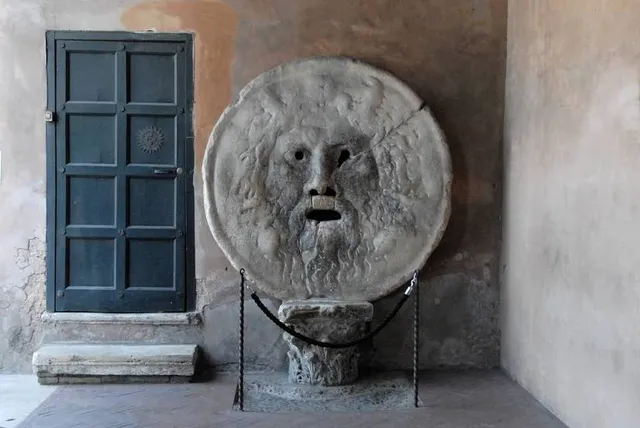
Mouth of Truth
4.3
(9K)
Closed
Click for details
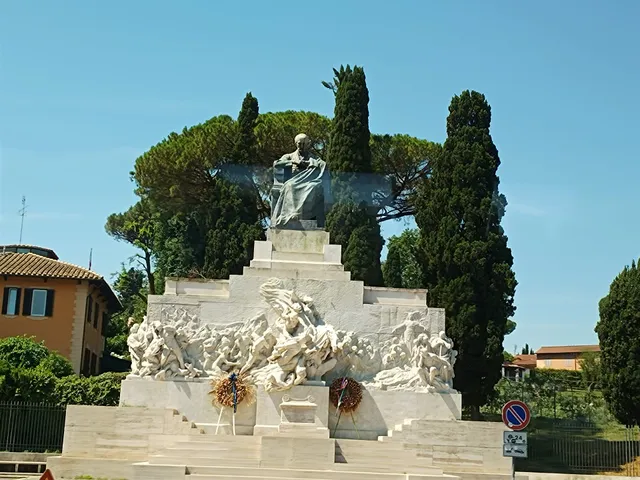
Monument to Giuseppe Mazzini
4.4
(107)
Open until 12:00 AM
Click for details
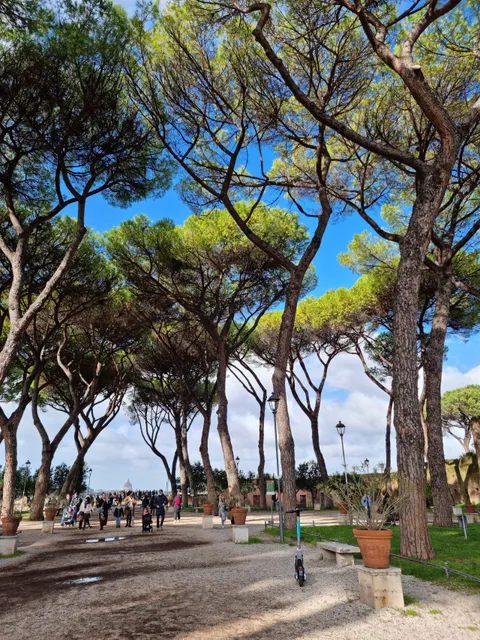
Giardino degli Aranci
4.7
(9.2K)
Closed
Click for details
Nearby restaurants of Circus Maximus
Osteria Circo
075 zerosettantacinque
ViMi Ristorante
Rosso Eat Drink Stay
Guenda
NUMA al Circo
Gusto Massimo Bar Bistrò di TIZIANO DI M. E. F. S.r.l.
Ristorante Ad hoc
Cerchi Ice Cream
Falo Bistrot - Roma
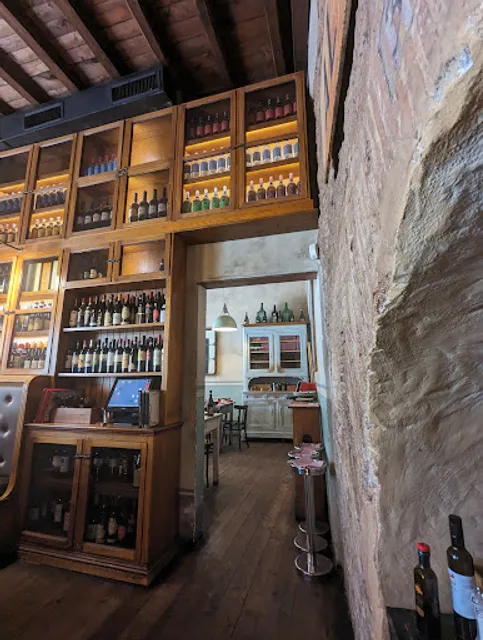
Osteria Circo
4.4
(994)
Closed
Click for details
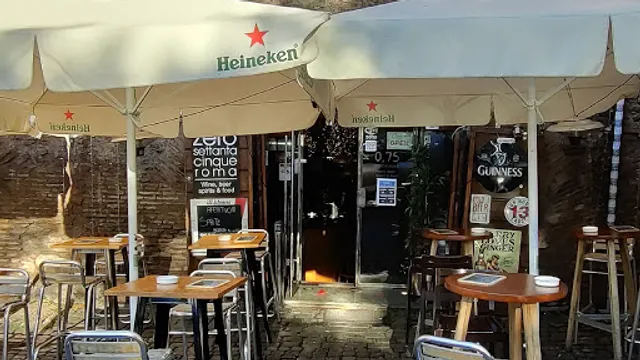
075 zerosettantacinque
4.5
(1.1K)
Open until 2:00 AM
Click for details
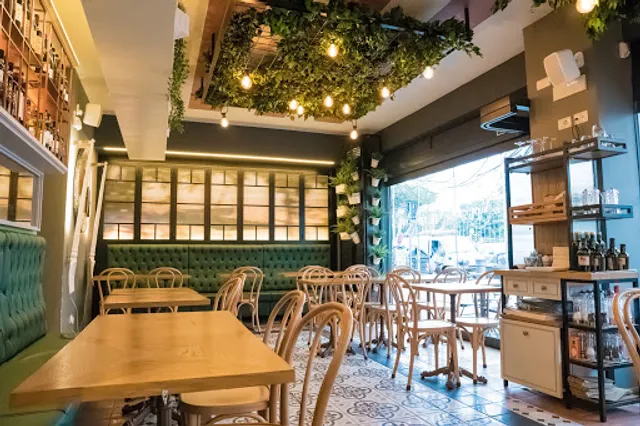
ViMi Ristorante
4.4
(1.7K)
Open until 12:00 AM
Click for details
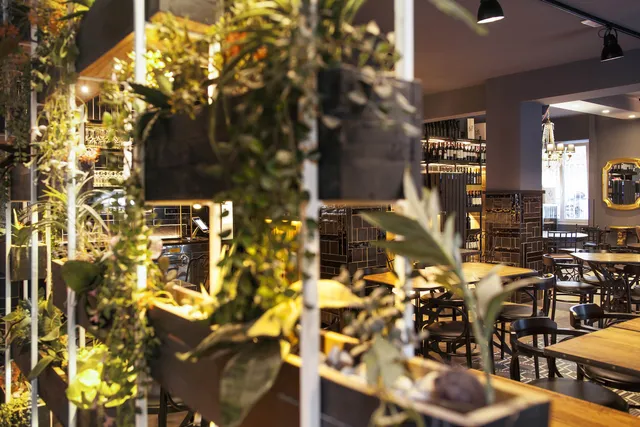
Rosso Eat Drink Stay
4.0
(1.6K)
Open until 2:00 AM
Click for details
Nearby local services of Circus Maximus
Palatine Hill
Jardim de rosas municipal
Exclusive Suite
Palatine Hill
Deal Done Aventino
Circo Massimo Farmers Market
ZEN REAL ESTATE SRL
Case Romane del Celio
Palatine Hill
Orti Farnesiani sul Palatino
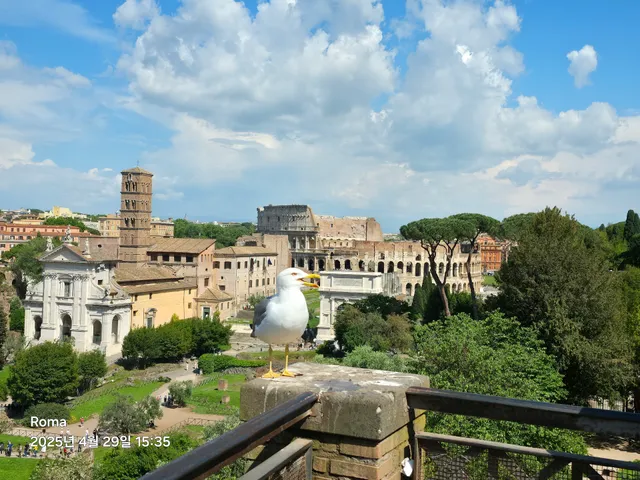
Palatine Hill
4.7
(5.3K)
Click for details
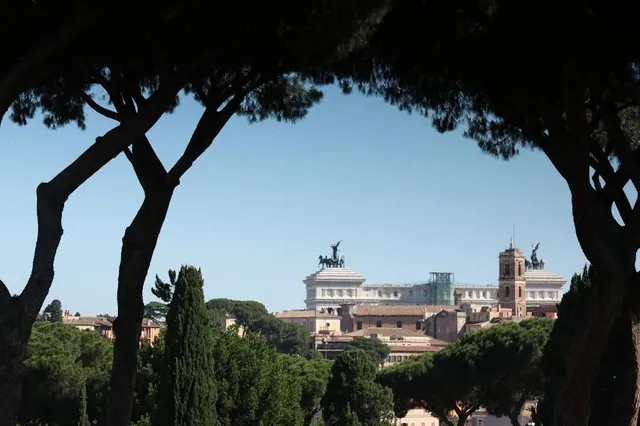
Jardim de rosas municipal
4.7
(262)
Click for details
Exclusive Suite
4.7
(160)
Click for details
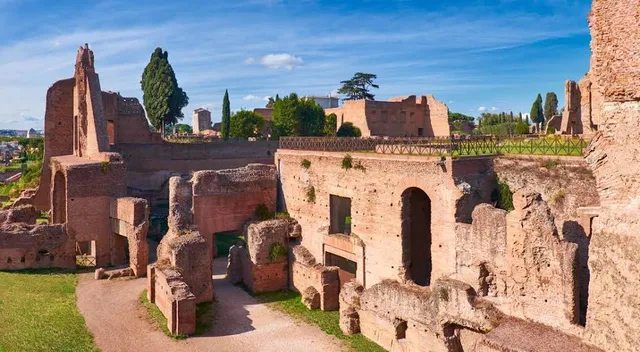
Palatine Hill
4.7
(1.2K)
Click for details


The hit list

Plan your trip with Wanderboat
Welcome to Wanderboat AI, your AI search for local Eats and Fun, designed to help you explore your city and the world with ease.
Powered by Wanderboat AI trip planner.