Castello Maniace things to do, attractions, restaurants, events info and trip planning
Basic Info
Castello Maniace
Piazza Federico di Svevia, 5, 96100 Siracusa SR, Italy
4.4(3.8K)
Closed

tickets
Save
spot
spot
Ratings & Description
Info
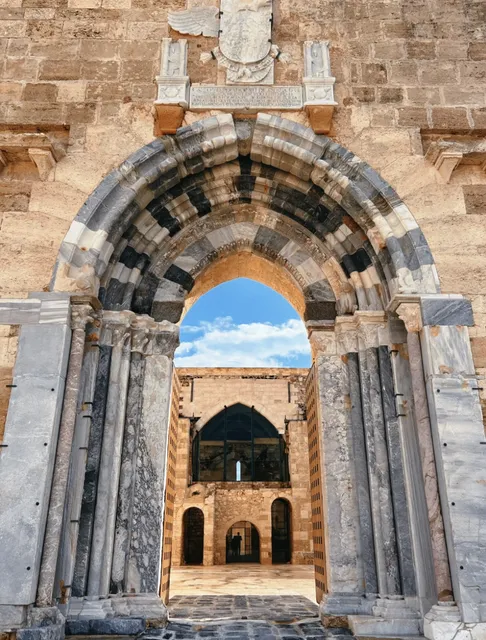
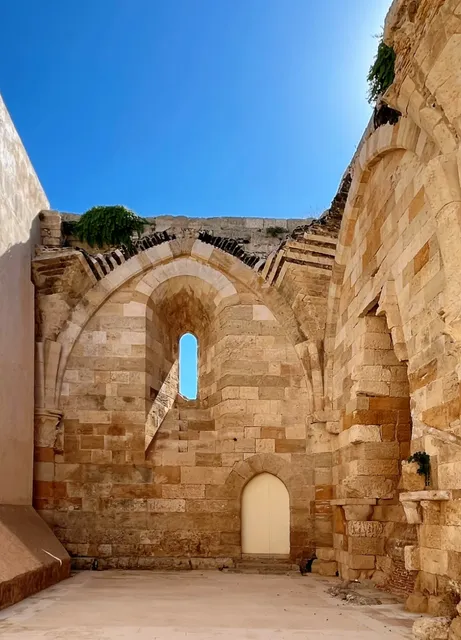
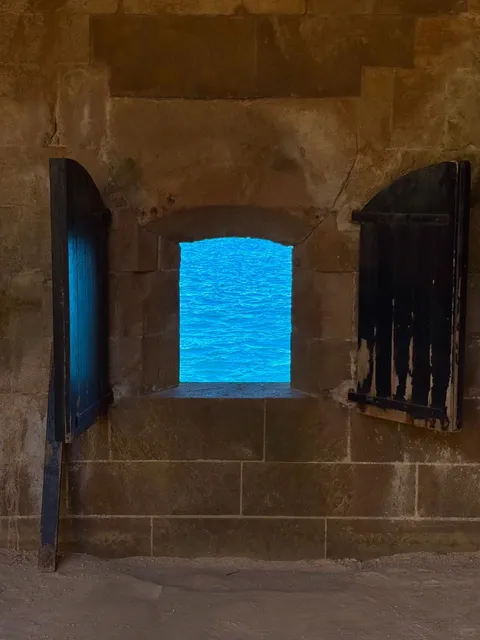
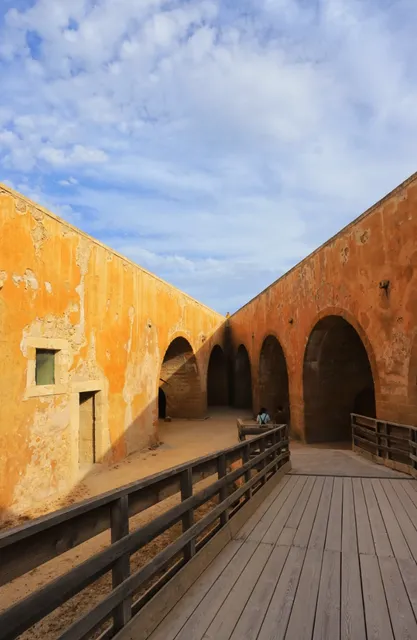
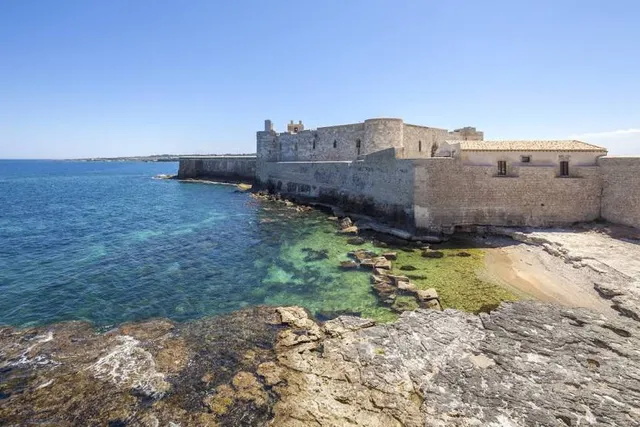
The Castello Maniace is a citadel and castle in Syracuse, Sicily, southern Italy. It is situated at the far point of the Ortygia island promontory, where it was constructed between 1232 and 1240 by the Emperor Frederick II.
Cultural
Outdoor
Accessibility
attractions: Arethusa Spring, Spiaggia di Cala Rossa, Chiesa dello Spirito Santo, Galleria regionale di Palazzo Bellomo di Siracusa, Piazza del Duomo di Siracusa, Syracuse Cathedral, Chiesa di San Martino, Teatro Comunale di Siracusa, Syracuse Museum of Puppets, Fountain of Diana, restaurants: Sunset Ortigia, Taverna Sveva, Mikatú, I Castellani, Camelia 44, Cortile Spirito Santo, Osteria Mariano, Cala Piada, Bubble Break, Ristorante Arricrìati, local businesses: Syracuse Faculty of Architecture, Zefiro Solarium, Largo della Gancia, 5, Lungomare Alfeo, Alimentari Randieri Lucia, Circo Fortuna, GELATI BIANCA, Aretusa Ceramiche & Souvenir, Fonte Aretusa, Chiesa di Santa Lucia alla Badia
 Learn more insights from Wanderboat AI.
Website
comune.siracusa.it
Open hoursSee all hours
Sun8:30 AM - 12:45 PMClosed
Plan your stay

Pet-friendly Hotels in Syracuse
Find a cozy hotel nearby and make it a full experience.

Affordable Hotels in Syracuse
Find a cozy hotel nearby and make it a full experience.

The Coolest Hotels You Haven't Heard Of (Yet)
Find a cozy hotel nearby and make it a full experience.

Trending Stays Worth the Hype in Syracuse
Find a cozy hotel nearby and make it a full experience.
Reviews
Live events
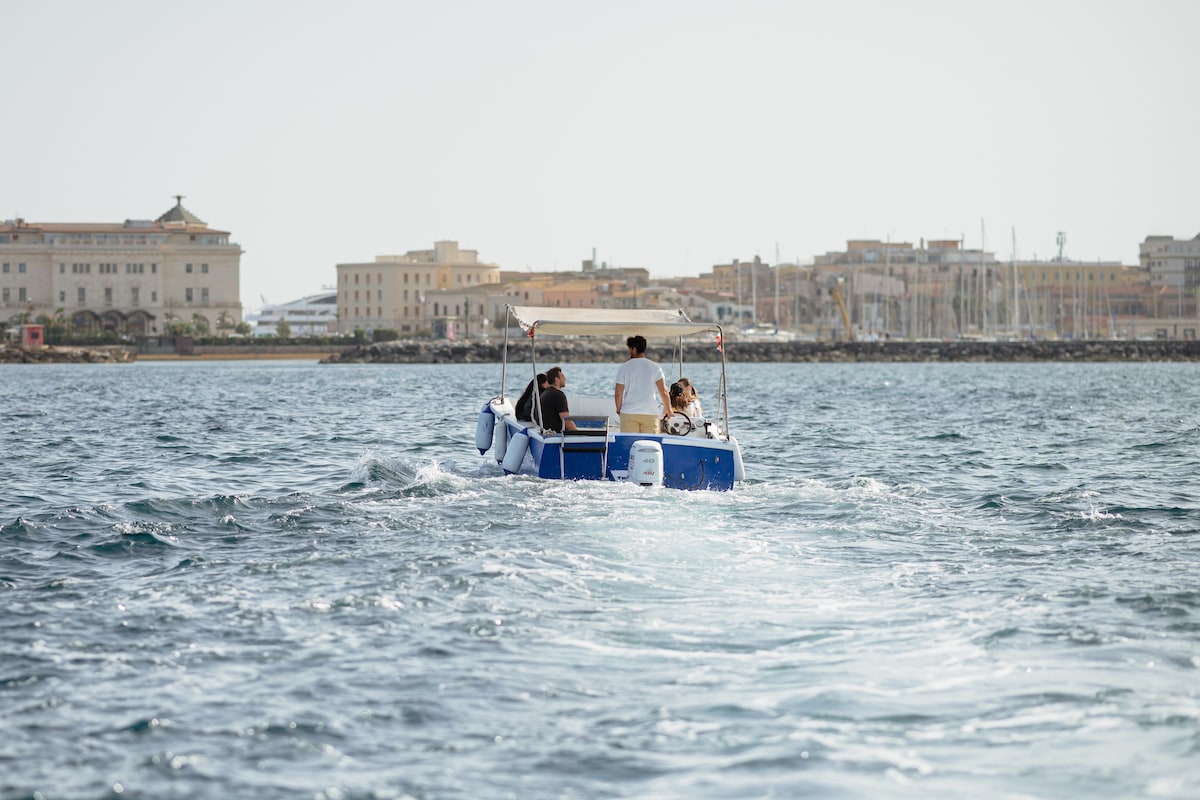
Explore marine caves and syracuse
Sun, Feb 22 • 2:00 PM
96100, Syracuse, Sicily, Italy
View details
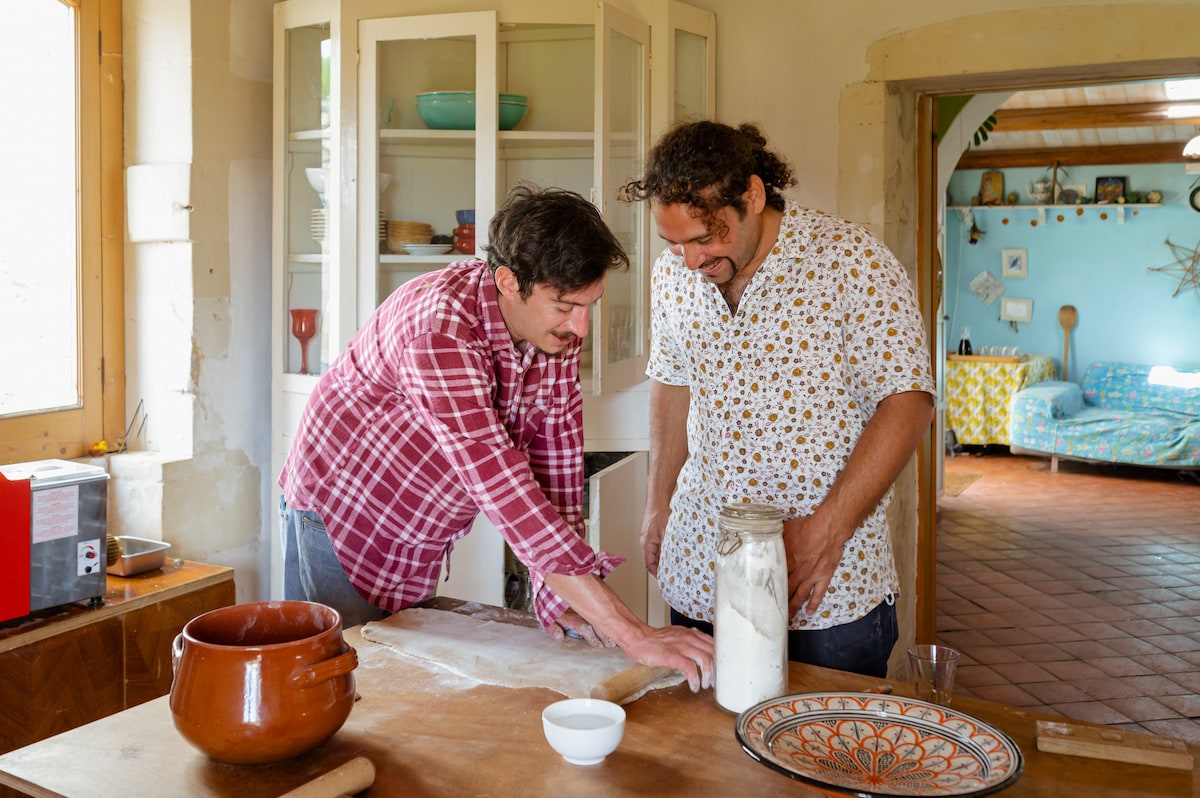
Slowlife Family Farm Cook With Us - Farm To Table
Tue, Feb 24 • 9:30 AM
96017, Noto, Sicily, Italy
View details
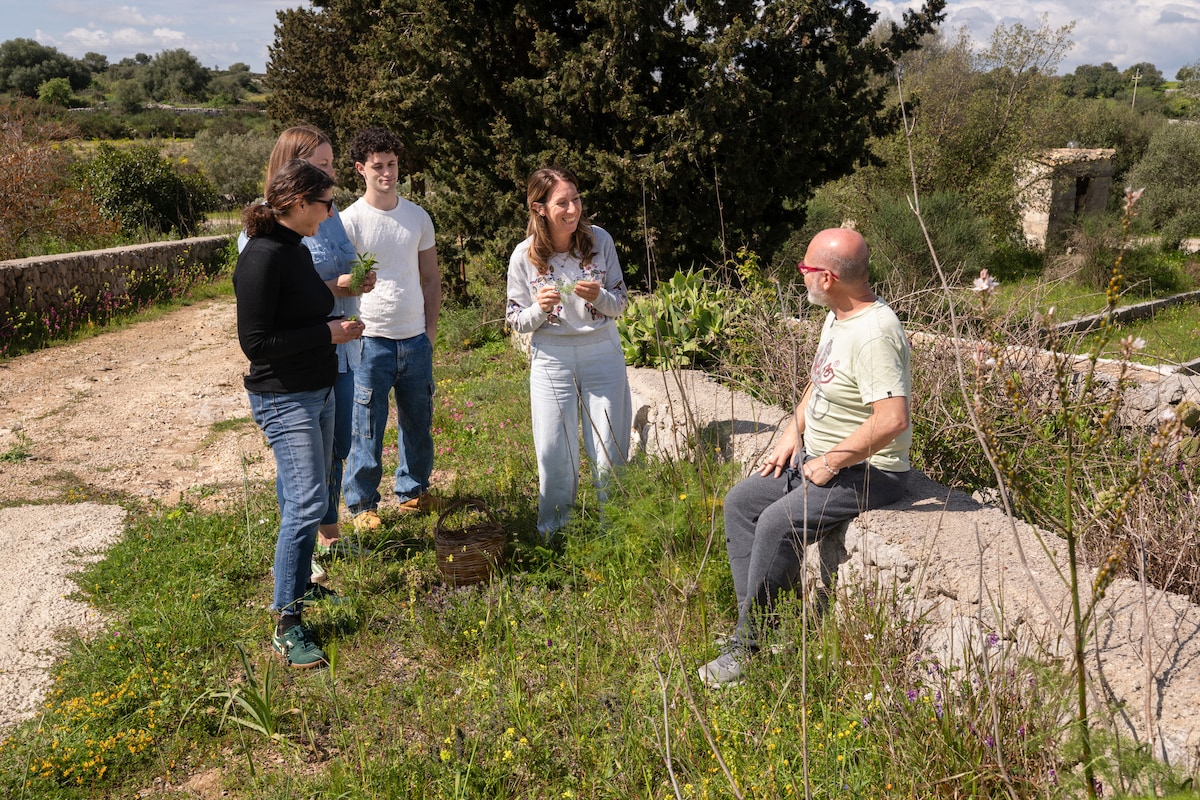
Experience the authentic Sicily
Mon, Feb 23 • 10:30 AM
96017, Noto, Sicilia, Italy
View details
Nearby attractions of Castello Maniace
Arethusa Spring
Spiaggia di Cala Rossa
Chiesa dello Spirito Santo
Galleria regionale di Palazzo Bellomo di Siracusa
Piazza del Duomo di Siracusa
Syracuse Cathedral
Chiesa di San Martino
Teatro Comunale di Siracusa
Syracuse Museum of Puppets
Fountain of Diana
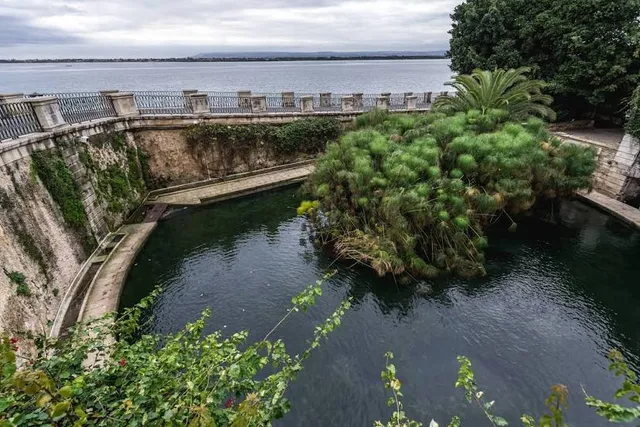
Arethusa Spring
4.5
(5.7K)
Closed
Click for details
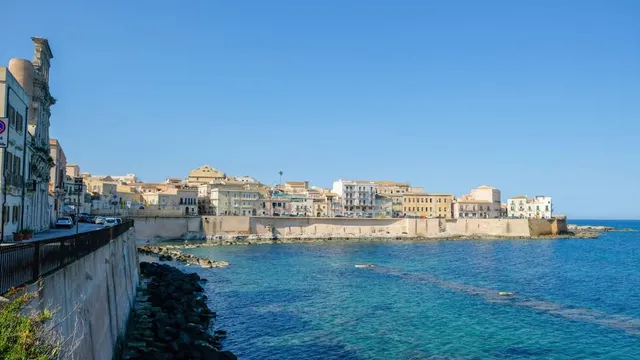
Spiaggia di Cala Rossa
4.2
(786)
Open until 12:00 AM
Click for details
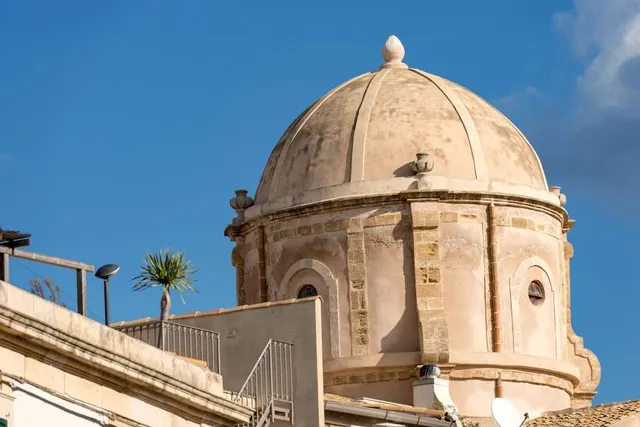
Chiesa dello Spirito Santo
4.4
(54)
Open 24 hours
Click for details
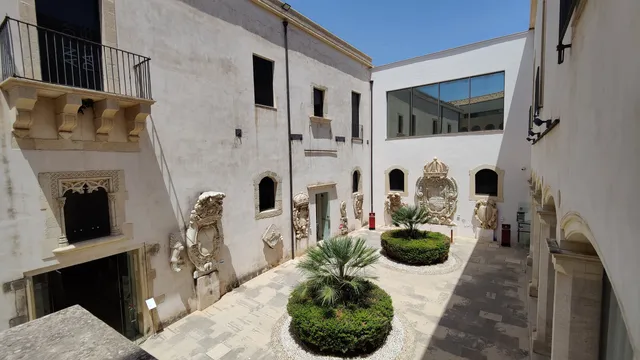
Galleria regionale di Palazzo Bellomo di Siracusa
4.4
(316)
Closed
Click for details
Nearby restaurants of Castello Maniace
Sunset Ortigia
Taverna Sveva
Mikatú
I Castellani
Camelia 44
Cortile Spirito Santo
Osteria Mariano
Cala Piada
Bubble Break
Ristorante Arricrìati
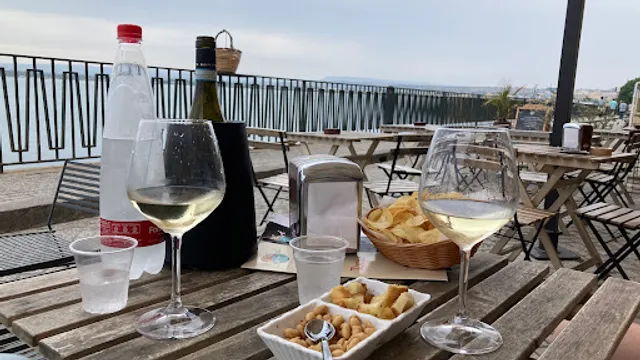
Sunset Ortigia
4.0
(546)
Open until 12:00 AM
Click for details
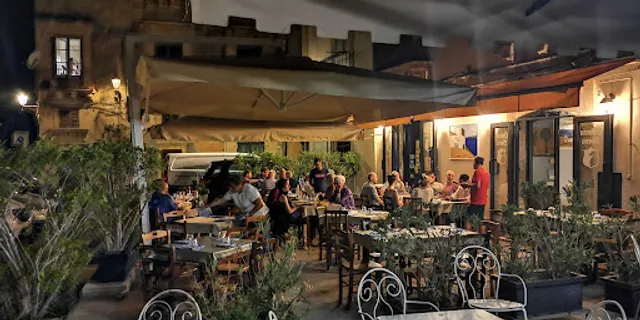
Taverna Sveva
4.4
(477)
Open until 3:30 PM
Click for details
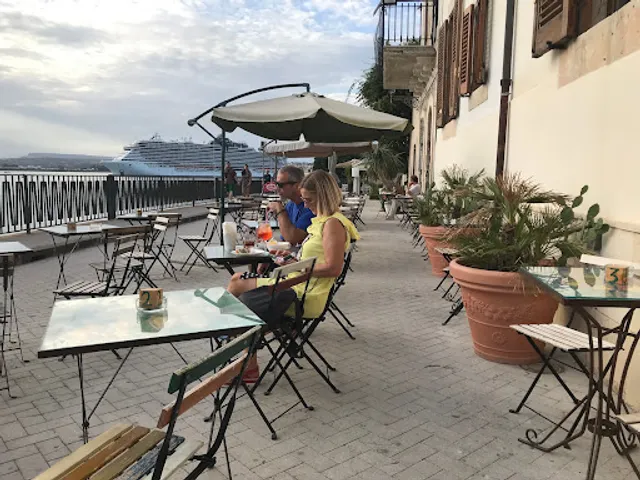
Mikatú
4.2
(396)
Open until 12:00 AM
Click for details
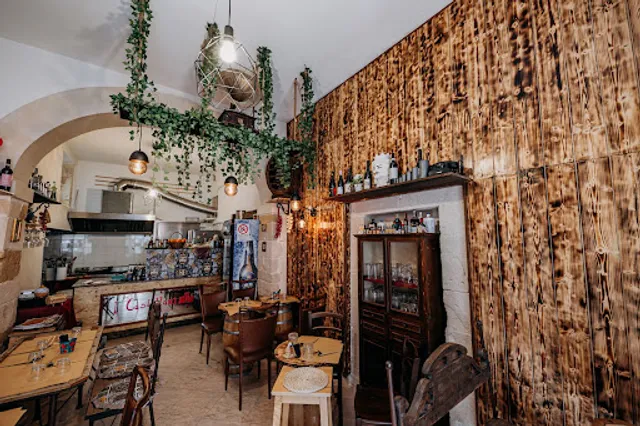
I Castellani
4.7
(197)
Open until 3:00 PM
Click for details
Nearby local services of Castello Maniace
Syracuse Faculty of Architecture
Zefiro Solarium
Largo della Gancia, 5
Lungomare Alfeo
Alimentari Randieri Lucia
Circo Fortuna
GELATI BIANCA
Aretusa Ceramiche & Souvenir
Fonte Aretusa
Chiesa di Santa Lucia alla Badia
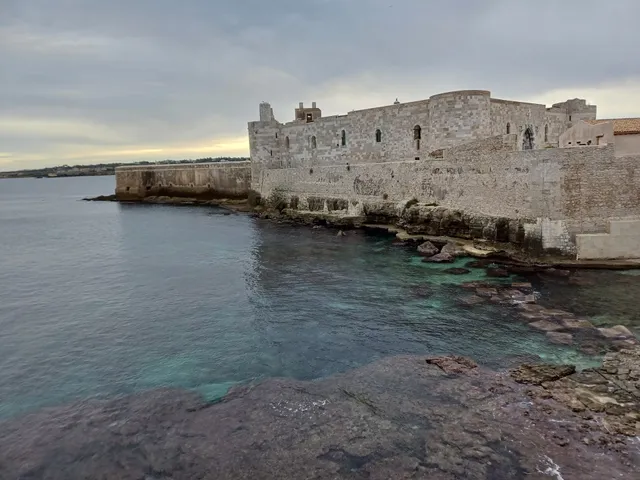
Syracuse Faculty of Architecture
3.7
(24)
Click for details
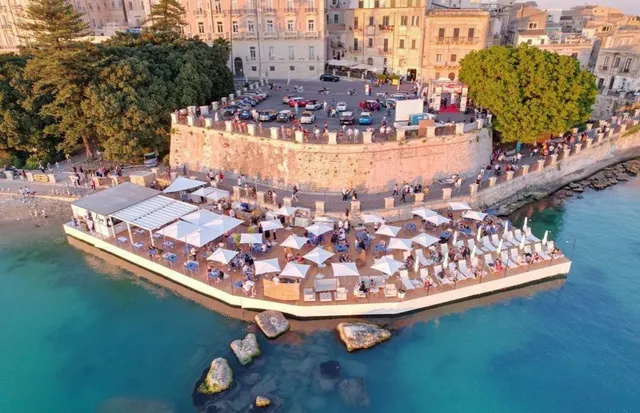
Zefiro Solarium
4.0
(480)
Click for details
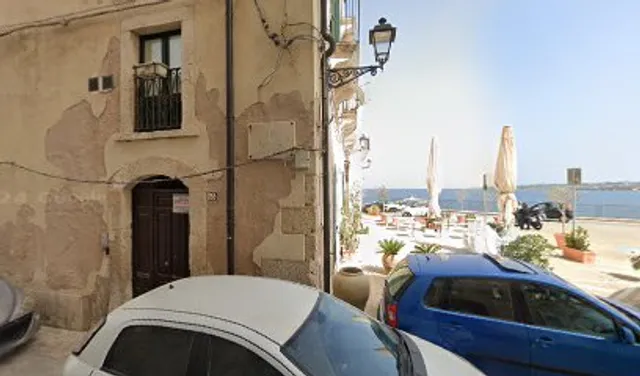
Largo della Gancia, 5
4.4
(594)
Click for details
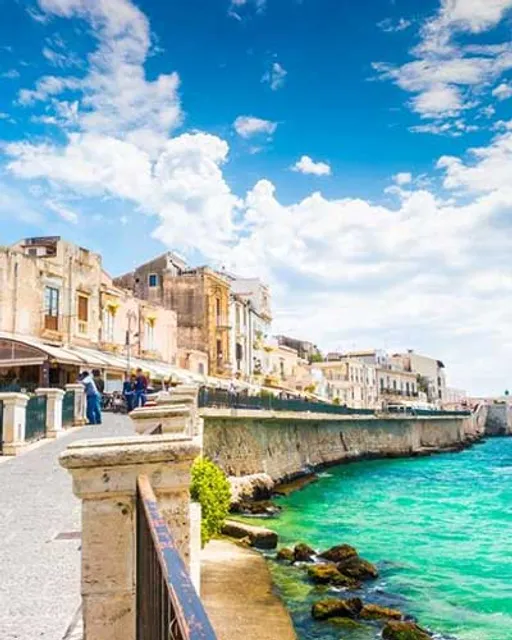
Lungomare Alfeo
4.7
(19)
Click for details