Syracuse Cathedral things to do, attractions, restaurants, events info and trip planning
Basic Info
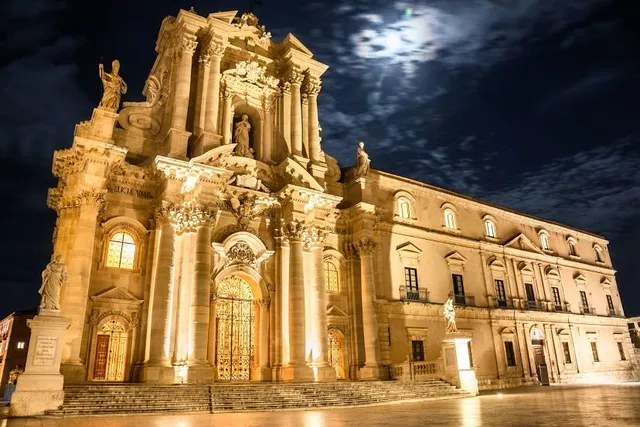
Syracuse Cathedral
Piazza Duomo, 5, 96100 Siracusa SR, Italy
4.7(4.7K)
Open until 7:00 PM
Save
spot
spot
Ratings & Description
Info
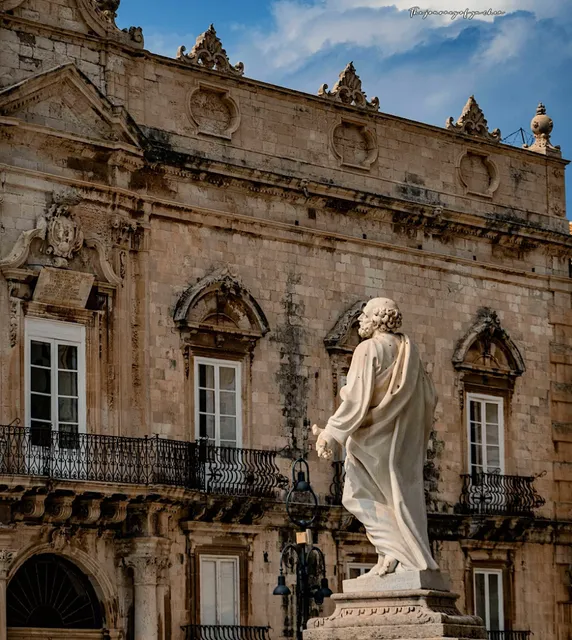
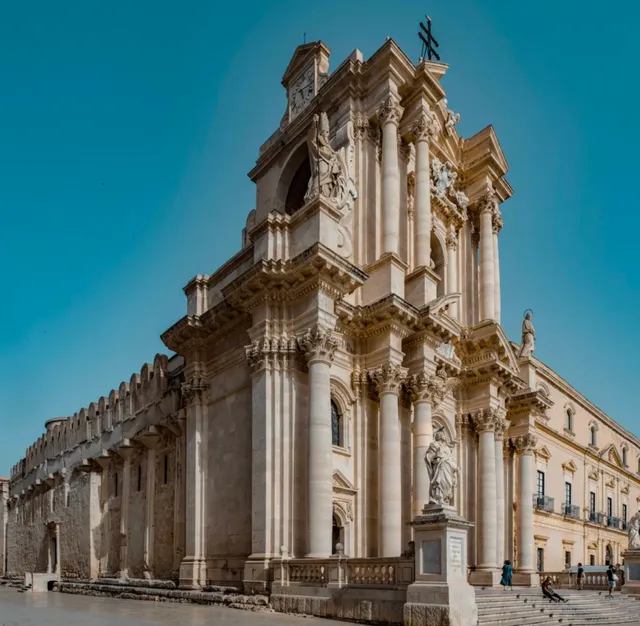
The Cathedral of Syracuse, formally the Cattedrale metropolitana della Natività di Maria Santissima, is an ancient Catholic church in Syracuse, Sicily, the seat of the Catholic Archdiocese of Siracusa.
Cultural
Accessibility
attractions: Piazza del Duomo di Siracusa, Fountain of Diana, Temple of Athena, Arethusa Spring, Misfatto a Palazzo, Informazioni Turistiche Sos Tourist, Archbishop's Palace, Teatro Comunale di Siracusa, Artemision, Secreta Palatii, restaurants: ‘a Putia delle cose buone, Ristorante La Volpe e L'uva, Gran Caffe del Duomo, La Sciccheria Ristorante Ortigia, Locanda Del Collegio, Trattoria Spizzuliamu, Castello Fiorentino, Pasticceria Artale, PESCOMARE TRATTORIA PIZZERIA FORNO A LEGNA, FiCo Restaurant, local businesses: Island of Ortigia, Good Vibes Ortigia, Chiesa di Santa Lucia alla Badia, église Santa Lucia alla Badia, Via Saverio Landolina, 21, Amandorla Marciante, Zefiro Solarium, Le Antiche Siracuse Srl, Archdiocese of Syracuse, Cappella di Santa Lucia
 Learn more insights from Wanderboat AI.
Phone
+39 0931 66571
Website
arcidiocesi.siracusa.it
Open hoursSee all hours
Fri7:30 AM - 7 PMOpen
Plan your stay

Pet-friendly Hotels in Syracuse
Find a cozy hotel nearby and make it a full experience.

Affordable Hotels in Syracuse
Find a cozy hotel nearby and make it a full experience.

The Coolest Hotels You Haven't Heard Of (Yet)
Find a cozy hotel nearby and make it a full experience.

Trending Stays Worth the Hype in Syracuse
Find a cozy hotel nearby and make it a full experience.
Reviews
Live events
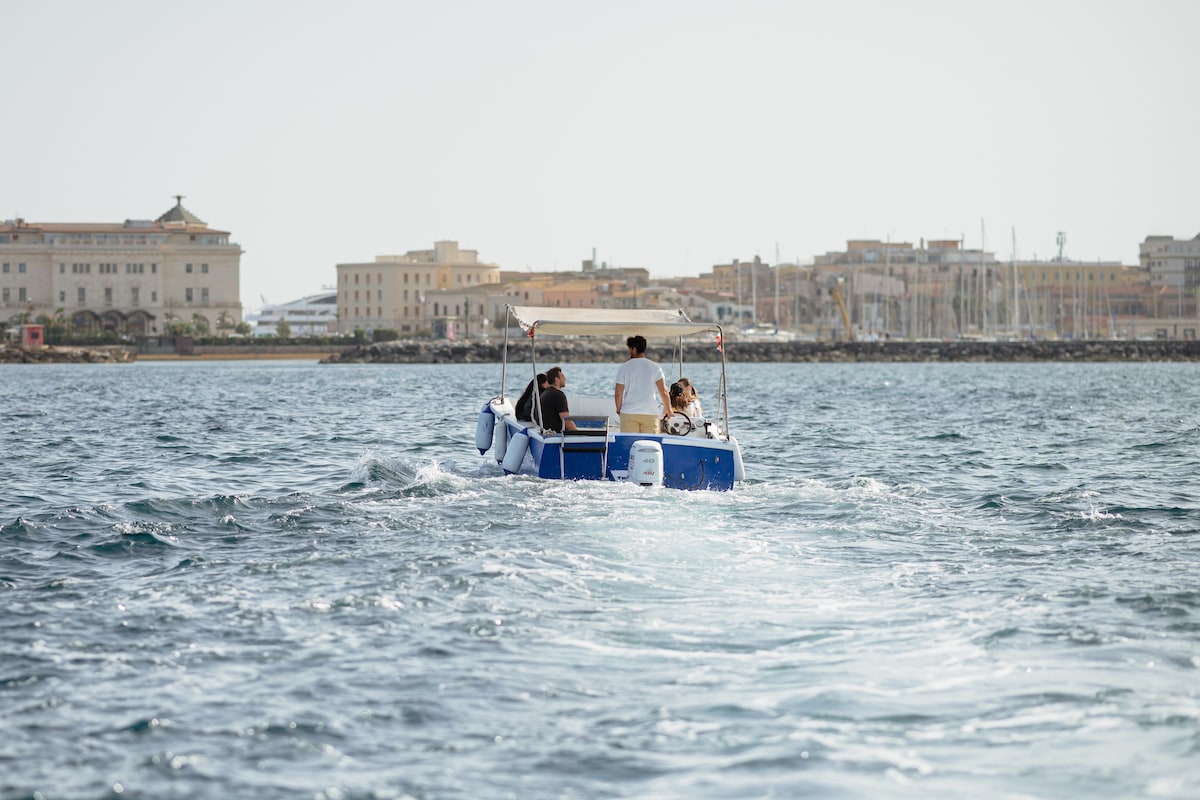
Explore marine caves and syracuse
Fri, Feb 20 • 2:00 PM
96100, Syracuse, Sicily, Italy
View details
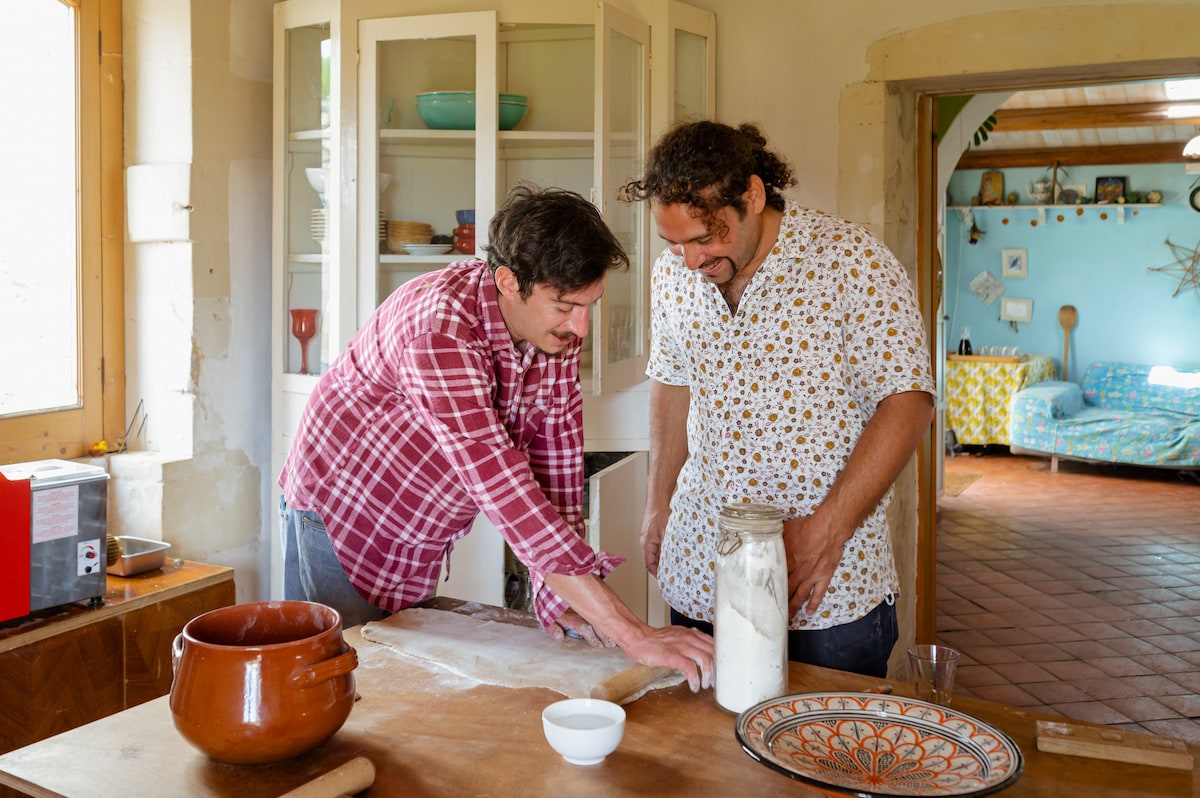
Slowlife Family Farm Cook With Us - Farm To Table
Tue, Feb 24 • 9:30 AM
96017, Noto, Sicily, Italy
View details
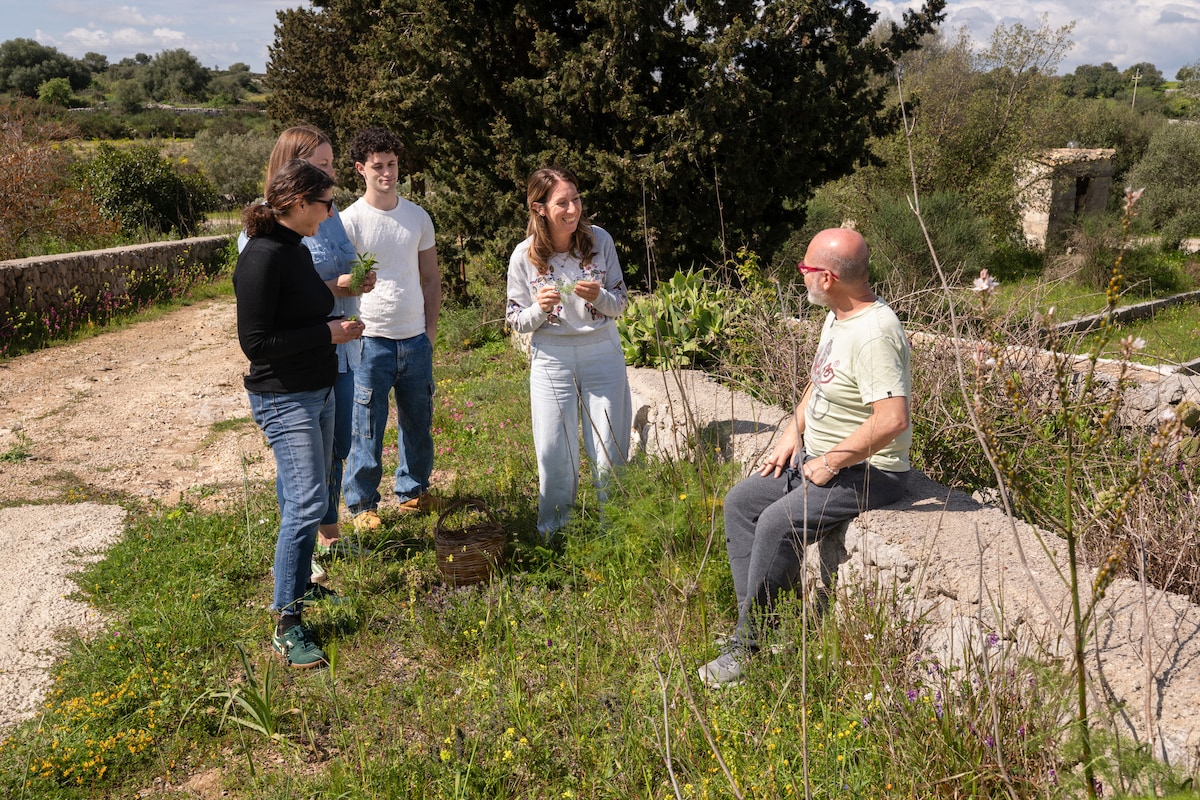
Experience the authentic Sicily
Mon, Feb 23 • 10:30 AM
96017, Noto, Sicilia, Italy
View details
Nearby attractions of Syracuse Cathedral
Piazza del Duomo di Siracusa
Fountain of Diana
Temple of Athena
Arethusa Spring
Misfatto a Palazzo
Informazioni Turistiche Sos Tourist
Archbishop's Palace
Teatro Comunale di Siracusa
Artemision
Secreta Palatii
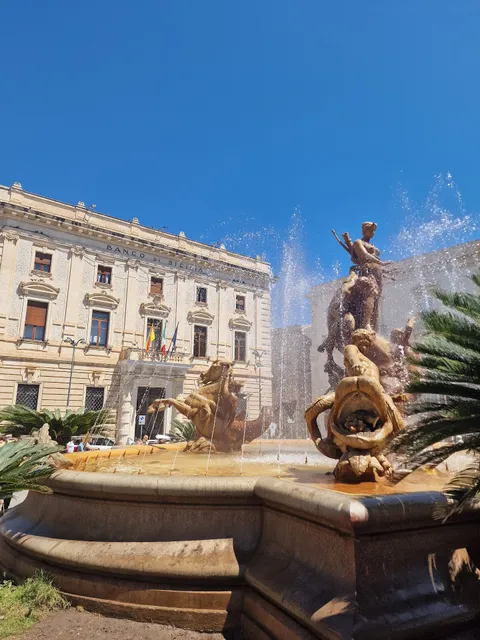
Piazza del Duomo di Siracusa
4.8
(4.9K)
Closed
Click for details
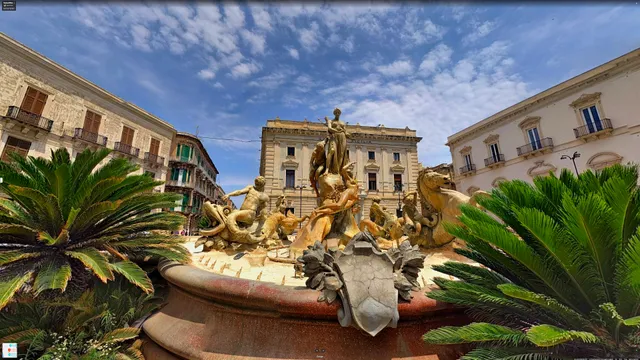
Fountain of Diana
4.6
(3.5K)
Open until 12:00 AM
Click for details
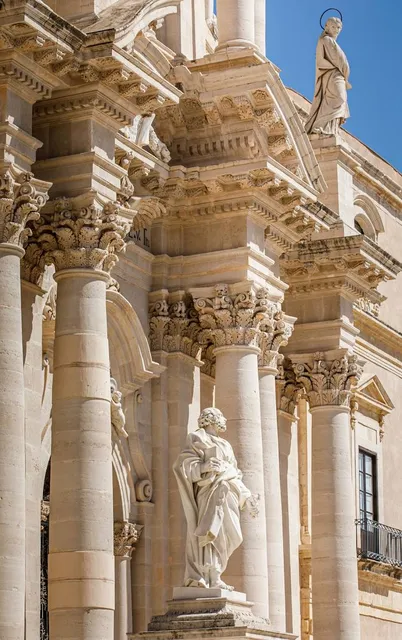
Temple of Athena
4.8
(189)
Open until 8:00 PM
Click for details
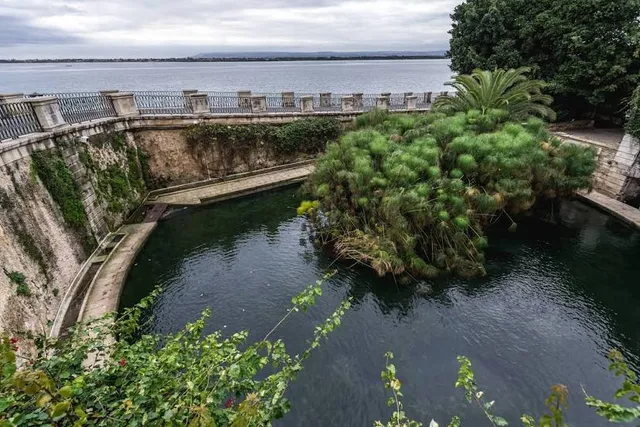
Arethusa Spring
4.5
(5.7K)
Closed
Click for details
Nearby restaurants of Syracuse Cathedral
‘a Putia delle cose buone
Ristorante La Volpe e L'uva
Gran Caffe del Duomo
La Sciccheria Ristorante Ortigia
Locanda Del Collegio
Trattoria Spizzuliamu
Castello Fiorentino
Pasticceria Artale
PESCOMARE TRATTORIA PIZZERIA FORNO A LEGNA
FiCo Restaurant
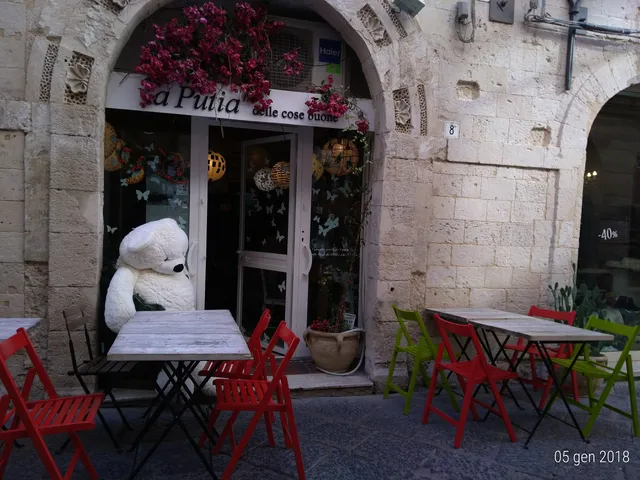
‘a Putia delle cose buone
4.6
(2.3K)
Open until 12:00 AM
Click for details
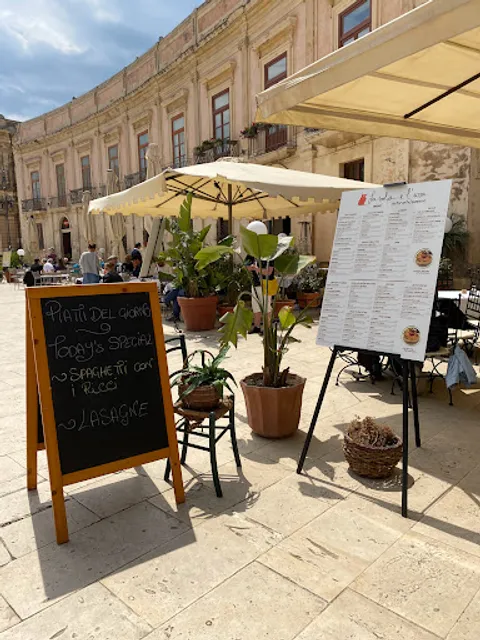
Ristorante La Volpe e L'uva
4.0
(405)
Click for details
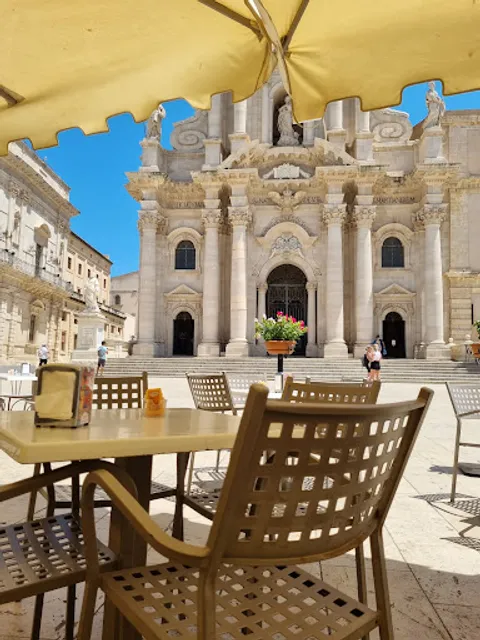
Gran Caffe del Duomo
3.4
(414)
Open until 10:00 PM
Click for details
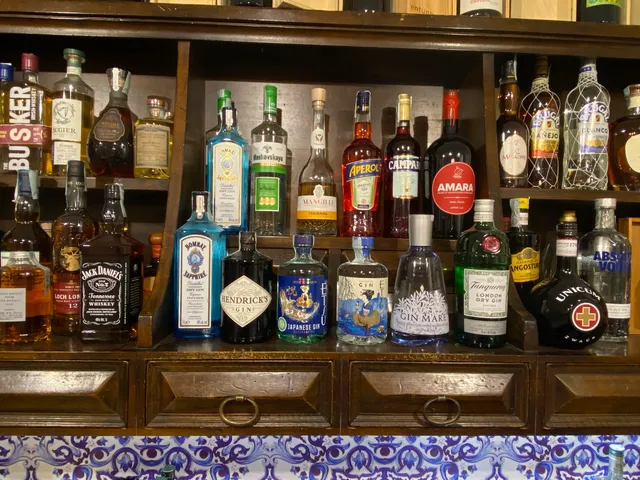
La Sciccheria Ristorante Ortigia
4.4
(626)
Open until 3:30 PM
Click for details
Nearby local services of Syracuse Cathedral
Island of Ortigia
Good Vibes Ortigia
Chiesa di Santa Lucia alla Badia
église Santa Lucia alla Badia
Via Saverio Landolina, 21
Amandorla Marciante
Zefiro Solarium
Le Antiche Siracuse Srl
Archdiocese of Syracuse
Cappella di Santa Lucia
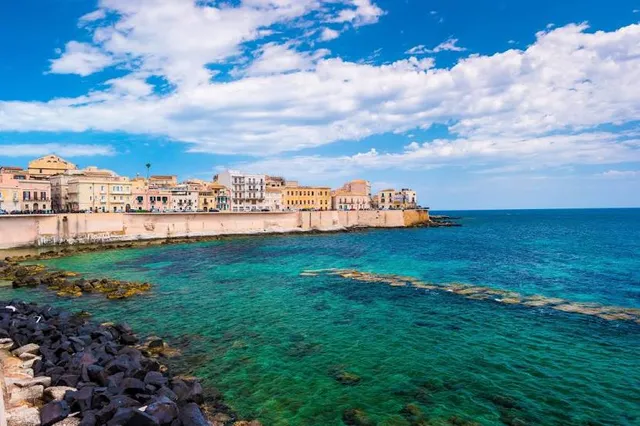
Island of Ortigia
4.8
(3.3K)
Click for details
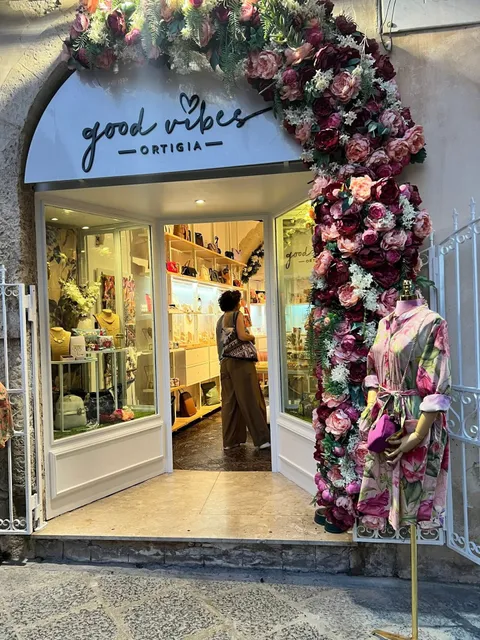
Good Vibes Ortigia
5.0
(258)
Click for details
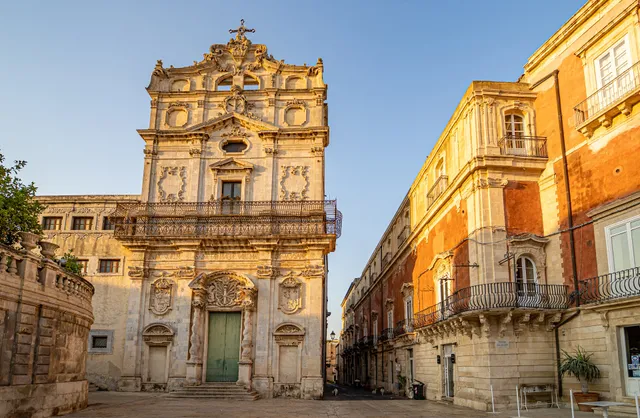
Chiesa di Santa Lucia alla Badia
4.4
(299)
Click for details
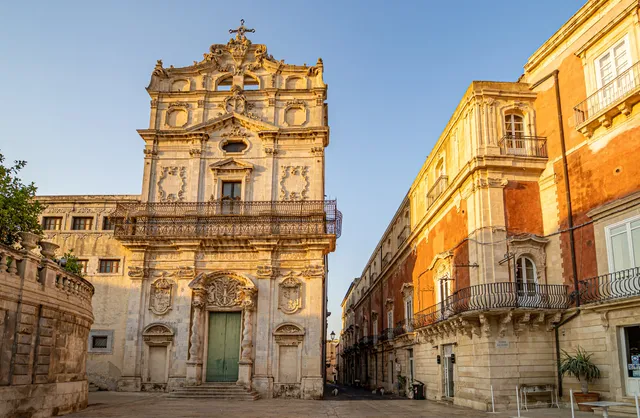
église Santa Lucia alla Badia
4.4
(220)
Click for details