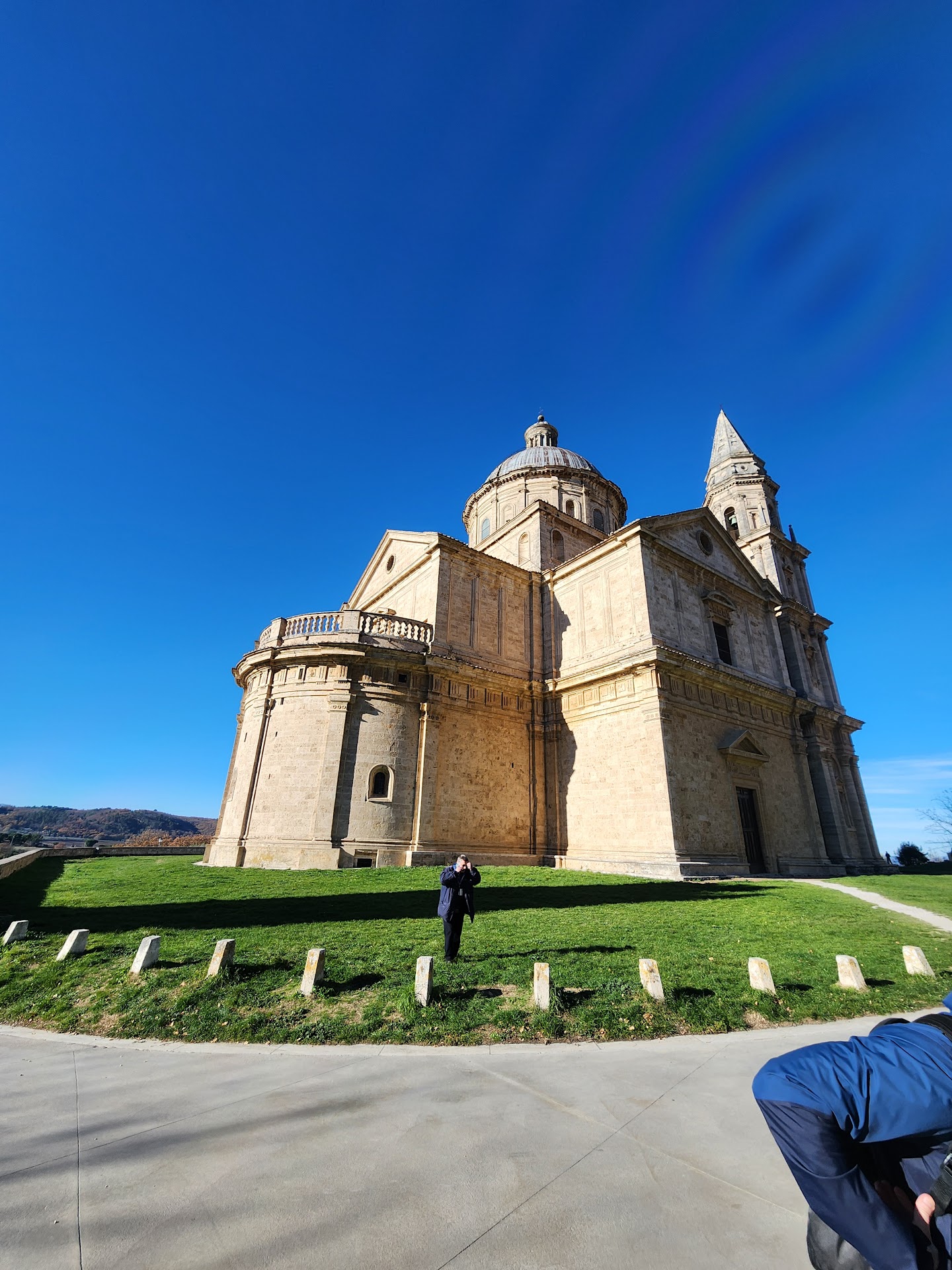
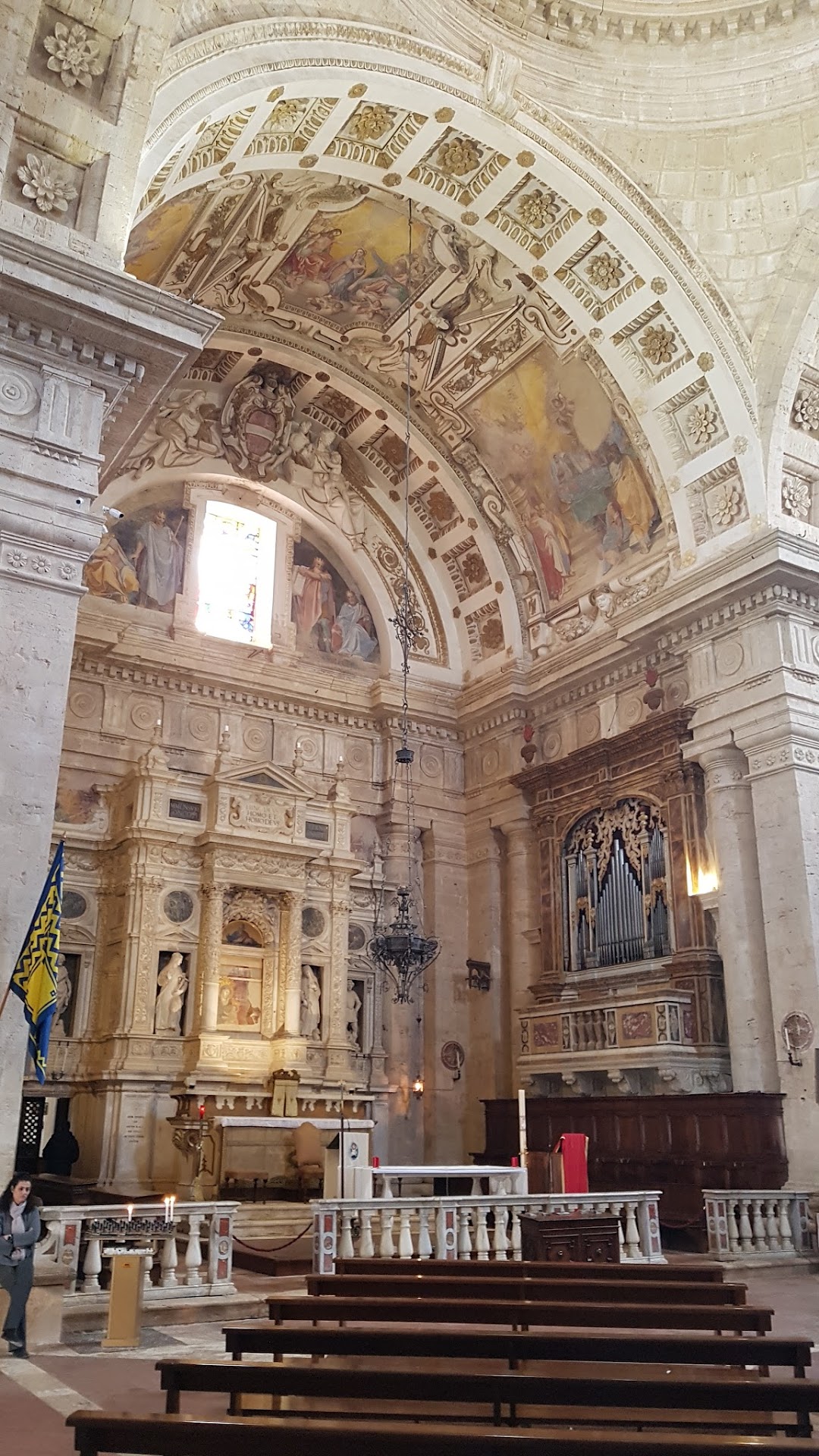
Sanctuary of the Madonna di San Biagio things to do, attractions, restaurants, events info and trip planning
Basic Info
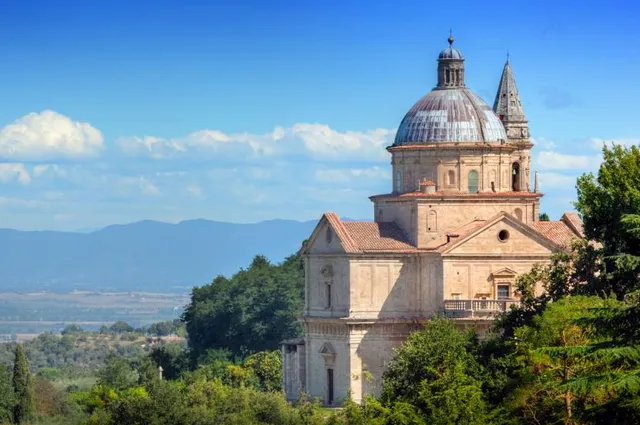
Sanctuary of the Madonna di San Biagio
Via di S. Biagio, 20, 53045 San Biagio SI, Italy
4.6(1.1K)
Open until 12:00 AM
Save
spot
spot
Ratings & Description
Info
San Biagio is a church outside Montepulciano, Tuscany, central Italy.
Cultural
Family friendly
attractions: Cathedral Saint Mary Of The Assumption, De' Ricci Cantine Storiche in Montepulciano, Val d Orcia da Montepulciano, Az. Agr. Crociani Susanna Crociani, Contucci, Talosa - Cantina Storica, Museo Civico Pinacoteca Crociani, Azienda Agricola Canneto, Saint Lucy, restaurants: Ristorante La Grotta, Gattavecchi Winery, Osteria Del Conte Montepulciano, OSTERIA ACQUACHETA È CHIUSA PER FERIE FINO AL 25 MARZO COMPRESO SI AUGURA BUONA VITA A TUTTI ‼️, Lalma Cafe & Tea Room, Ristorante ai 4 Venti, La Corte Dell' Ulivo, La Schiaccia dell'Opio, L'Angolo dei Sapori, Osteria del Borgo, local businesses: St. Agostino Church, Comune di Montepulciano, Piazza Grande, STUART APARTMENTS, Terrazza panoramica, Veduta Panoramica, Chiesa del Gesù, AJ Tuscany
 Learn more insights from Wanderboat AI.
Phone
+39 0577 286300
Website
tempiosanbiagio.it
Open hoursSee all hours
WedClosedOpen
Plan your stay

Pet-friendly Hotels in Unione dei Comuni Valdichiana Senese
Find a cozy hotel nearby and make it a full experience.

Affordable Hotels in Unione dei Comuni Valdichiana Senese
Find a cozy hotel nearby and make it a full experience.

The Coolest Hotels You Haven't Heard Of (Yet)
Find a cozy hotel nearby and make it a full experience.

Trending Stays Worth the Hype in Unione dei Comuni Valdichiana Senese
Find a cozy hotel nearby and make it a full experience.
Reviews
Live events

Visit the pig farm and taste the typical products
Wed, Jan 28 • 12:00 PM
53045, Montepulciano, Toscana, Italy
View details

Make Italian food in Montepulciano with a chef
Thu, Jan 29 • 10:00 AM
53045, Montepulciano Stazione, Tuscany, Italy
View details
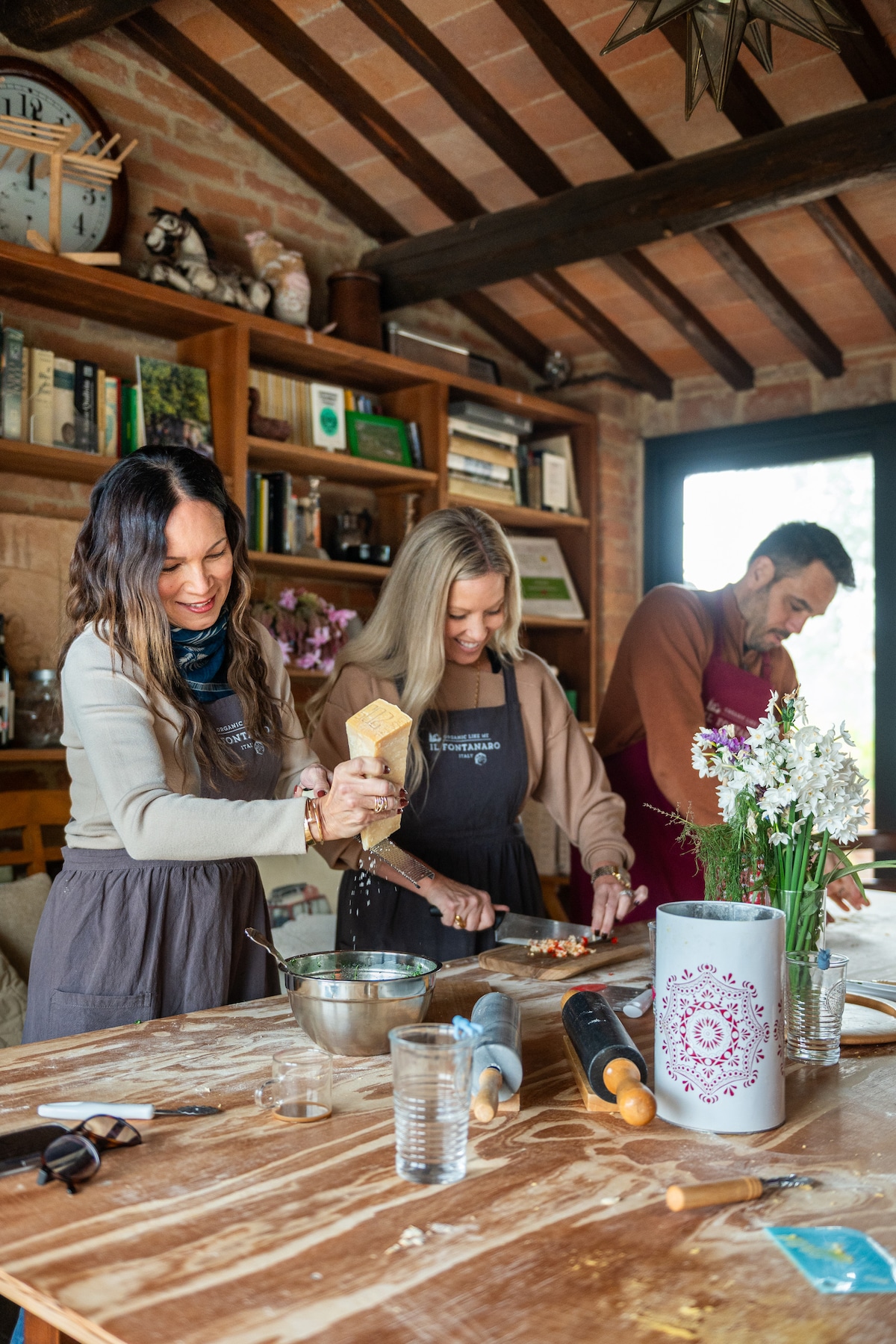
Prepare fresh Italian dishes with local chef
Wed, Jan 28 • 10:00 AM
06060, Paciano, Umbria, Italy
View details
Nearby attractions of Sanctuary of the Madonna di San Biagio
Cathedral Saint Mary Of The Assumption
De' Ricci Cantine Storiche in Montepulciano
Val d Orcia da Montepulciano
Az. Agr. Crociani Susanna Crociani
Contucci
Talosa - Cantina Storica
Museo Civico Pinacoteca Crociani
Azienda Agricola Canneto
Saint Lucy
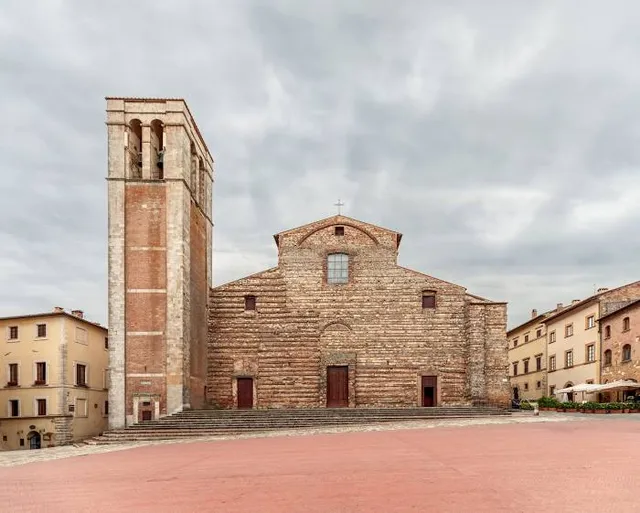
Cathedral Saint Mary Of The Assumption
4.4
(283)
Open 24 hours
Click for details
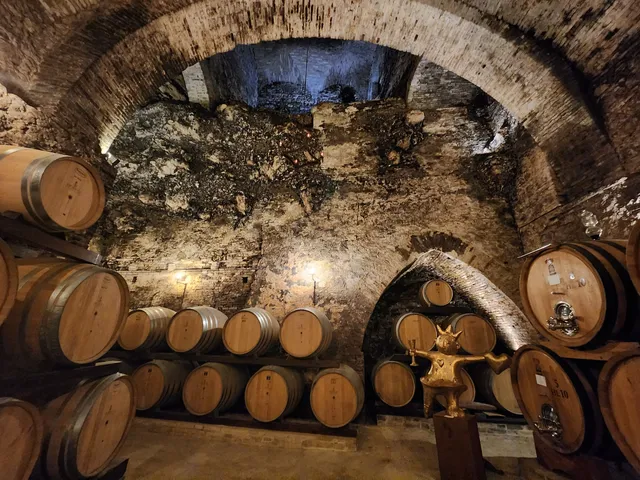
De' Ricci Cantine Storiche in Montepulciano
4.8
(448)
Closed
Click for details
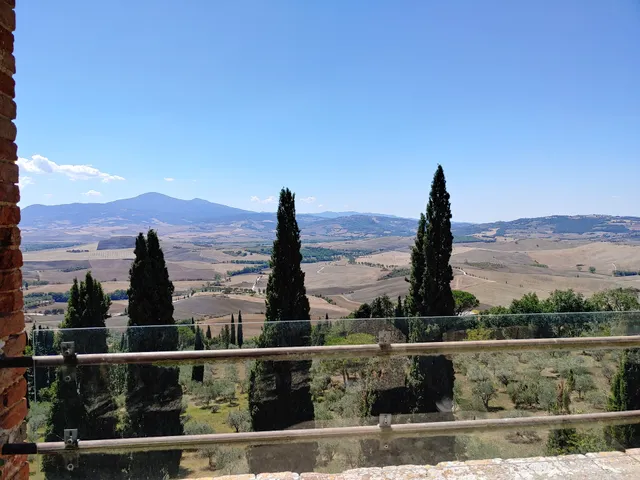
Val d Orcia da Montepulciano
4.7
(299)
Open 24 hours
Click for details
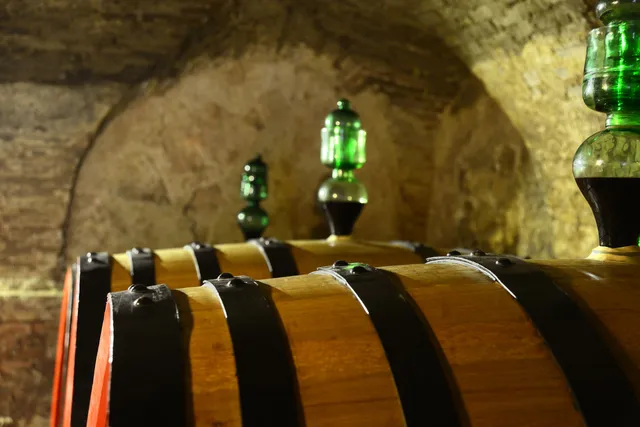
Az. Agr. Crociani Susanna Crociani
4.8
(119)
Open 24 hours
Click for details
Nearby restaurants of Sanctuary of the Madonna di San Biagio
Ristorante La Grotta
Gattavecchi Winery
Osteria Del Conte Montepulciano
OSTERIA ACQUACHETA È CHIUSA PER FERIE FINO AL 25 MARZO COMPRESO SI AUGURA BUONA VITA A TUTTI ‼️
Lalma Cafe & Tea Room
Ristorante ai 4 Venti
La Corte Dell' Ulivo
La Schiaccia dell'Opio
L'Angolo dei Sapori
Osteria del Borgo
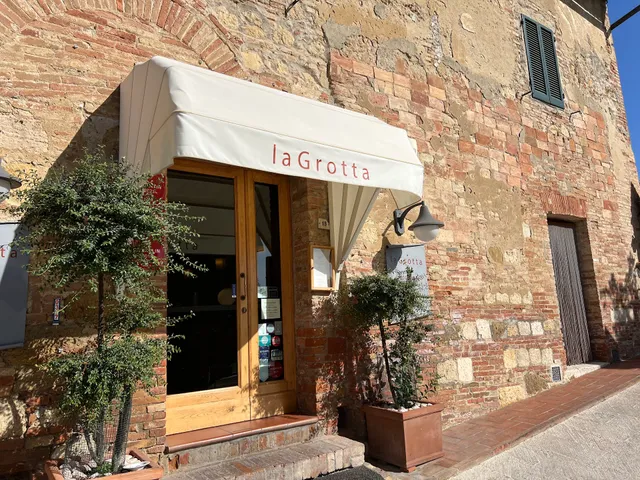
Ristorante La Grotta
4.7
(350)
$$$
Open until 12:00 AM
Click for details
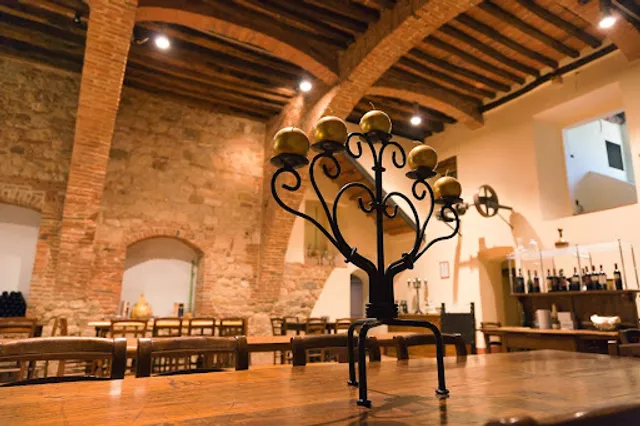
Gattavecchi Winery
4.6
(400)
Open until 12:00 AM
Click for details
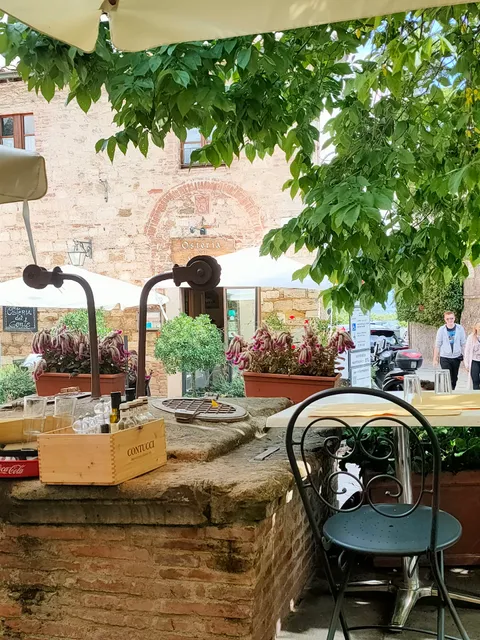
Osteria Del Conte Montepulciano
4.5
(727)
Closed
Click for details
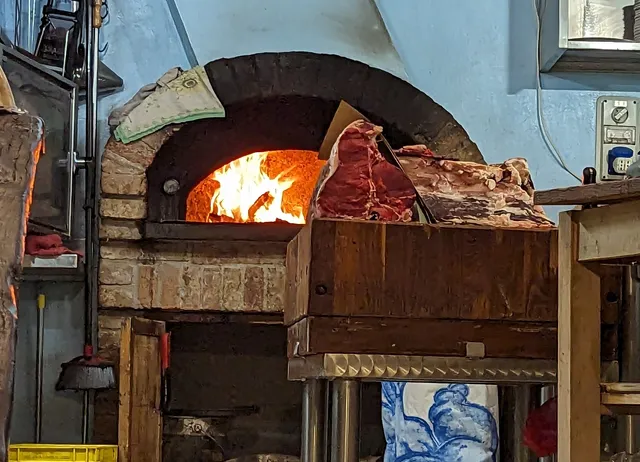
OSTERIA ACQUACHETA È CHIUSA PER FERIE FINO AL 25 MARZO COMPRESO SI AUGURA BUONA VITA A TUTTI ‼️
4.7
(1.3K)
Open until 12:00 AM
Click for details
Nearby local services of Sanctuary of the Madonna di San Biagio
St. Agostino Church
Comune di Montepulciano
Piazza Grande
STUART APARTMENTS
Terrazza panoramica
Veduta Panoramica
Chiesa del Gesù
AJ Tuscany
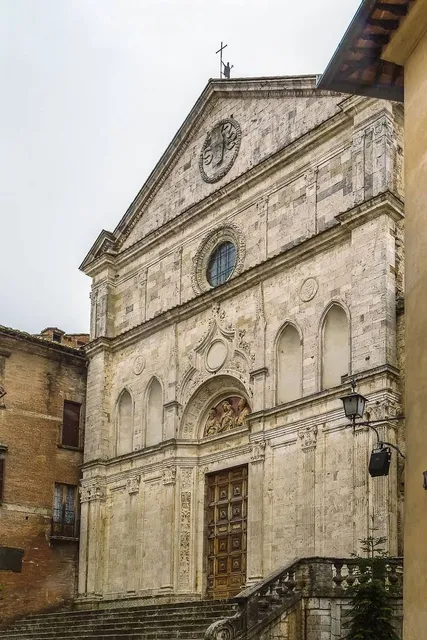
St. Agostino Church
4.4
(135)
Click for details
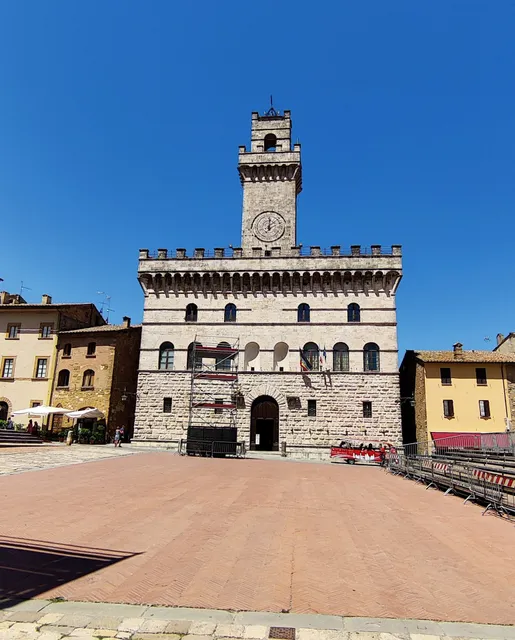
Comune di Montepulciano
4.6
(233)
Click for details
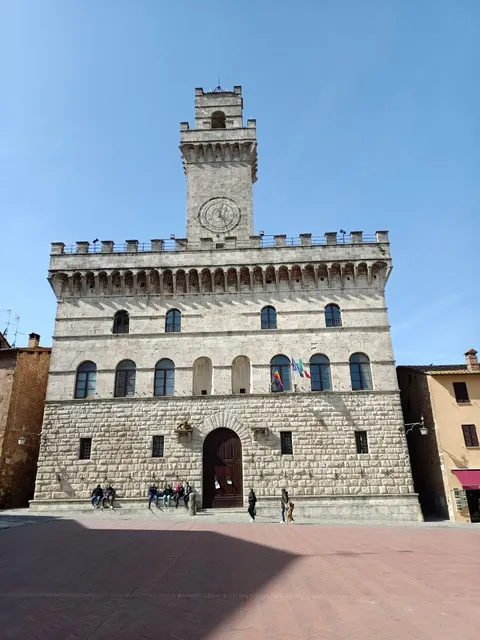
Piazza Grande
4.7
(134)
Click for details
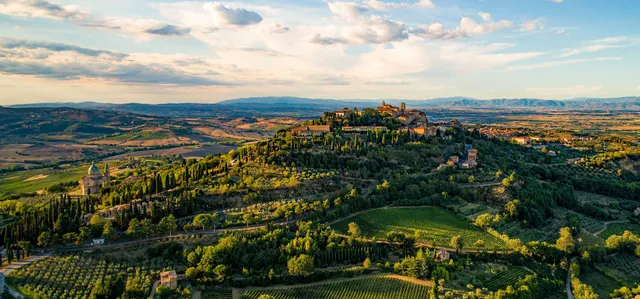
STUART APARTMENTS
5.0
(20)
Click for details