Greek Orthodox Archdiocese of Italy and Malta things to do, attractions, restaurants, events info and trip planning
Basic Info
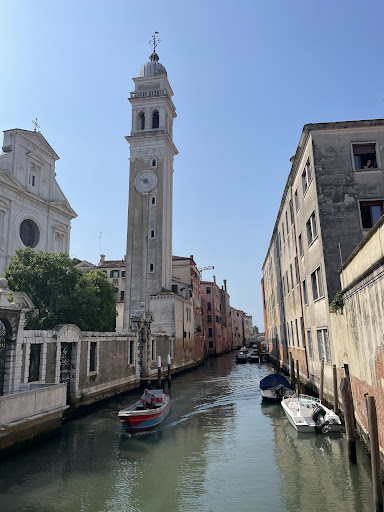
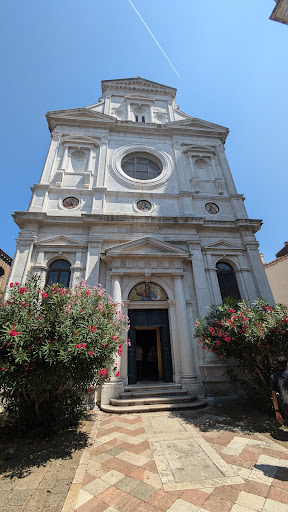
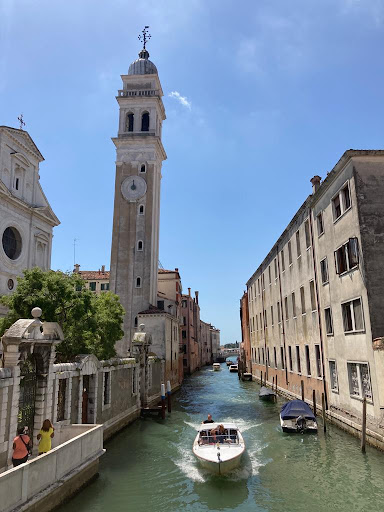
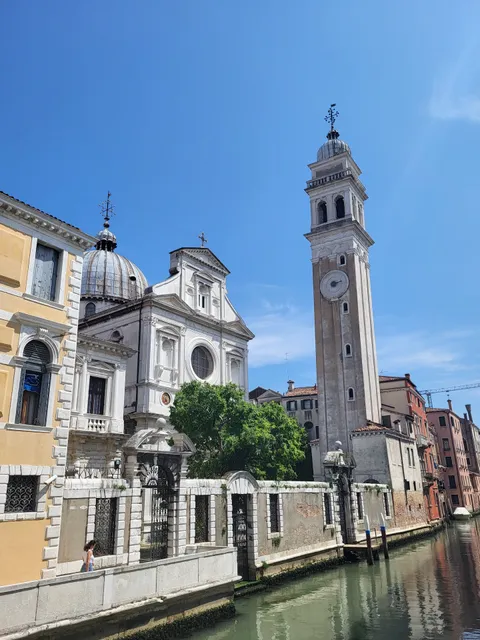
Greek Orthodox Archdiocese of Italy and Malta
Salizada dei Greci, 3421, 30122 Venezia VE, Italy
4.7(35)
Closed
Save
spot
spot
Ratings & Description
Info
Cultural
Accessibility
attractions: Stefan Nedialkov Popdimitrov, Scuola di San Giorgio degli Schiavoni, Chiesa della Pietà - Santa Maria della Visitazione, Bridge of Sighs, Doge's Palace, Museo delle Icone, Piazza San Marco, Saint Mark's Basilica, Monument to Victor Emmanuel II, Venetian Arsenal, restaurants: Trattoria Ali D'oro, Ristorante alla Conchiglia, Osteria Oliva Nera, Trattoria da Remigio, Hostaria sul Ponte dei Greci, Trattoria da Denis, La Mela Verde, Ristorante Local, Taverna Scalinetto - Ristorante, Prebateo, local businesses: Libreria Acqua Alta, Librairie Acqua Alta, Riva degli Schiavoni, St. Mark's Square, Museum of Icone's, Chiesa di San Zaccaria, Wellness Center Venice, Morbido & croccante, Bridge of Dreams, Iglesia de San Lorenzo
 Learn more insights from Wanderboat AI.
Phone
+39 041 523 9569
Website
ortodossia.it
Open hoursSee all hours
Sat9:30 AM - 2 PMClosed
Plan your stay

Pet-friendly Hotels in Venice
Find a cozy hotel nearby and make it a full experience.

Affordable Hotels in Venice
Find a cozy hotel nearby and make it a full experience.

The Coolest Hotels You Haven't Heard Of (Yet)
Find a cozy hotel nearby and make it a full experience.

Trending Stays Worth the Hype in Venice
Find a cozy hotel nearby and make it a full experience.
Reviews
Live events
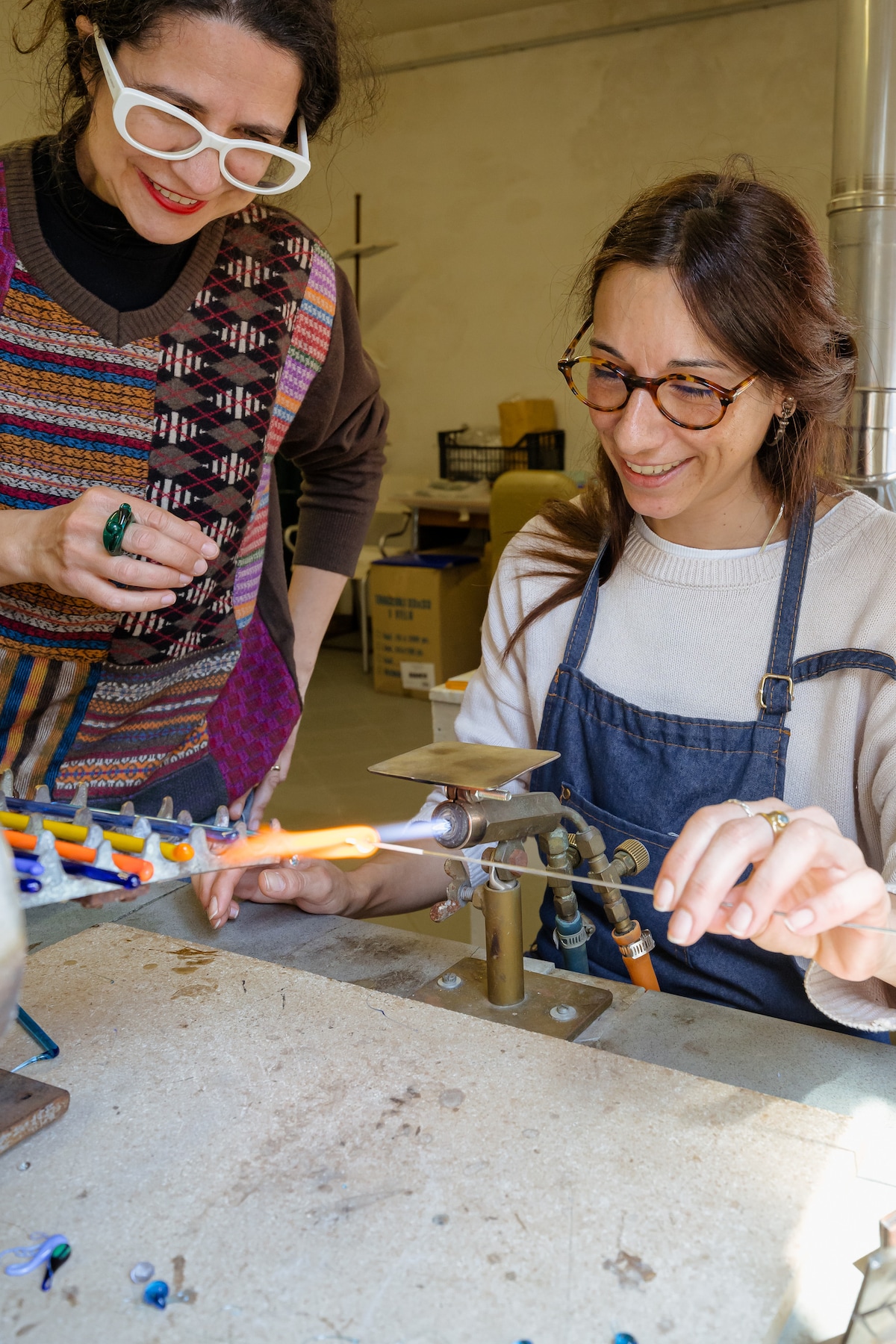
Create Murano Glass with an Expert Master
Tue, Feb 10 • 11:00 AM
30141, Venice, Veneto, Italy
View details

Legends, Ghosts and Ghouls of Venice
Sat, Feb 7 • 9:00 PM
30121, Venice, Veneto, Italy
View details
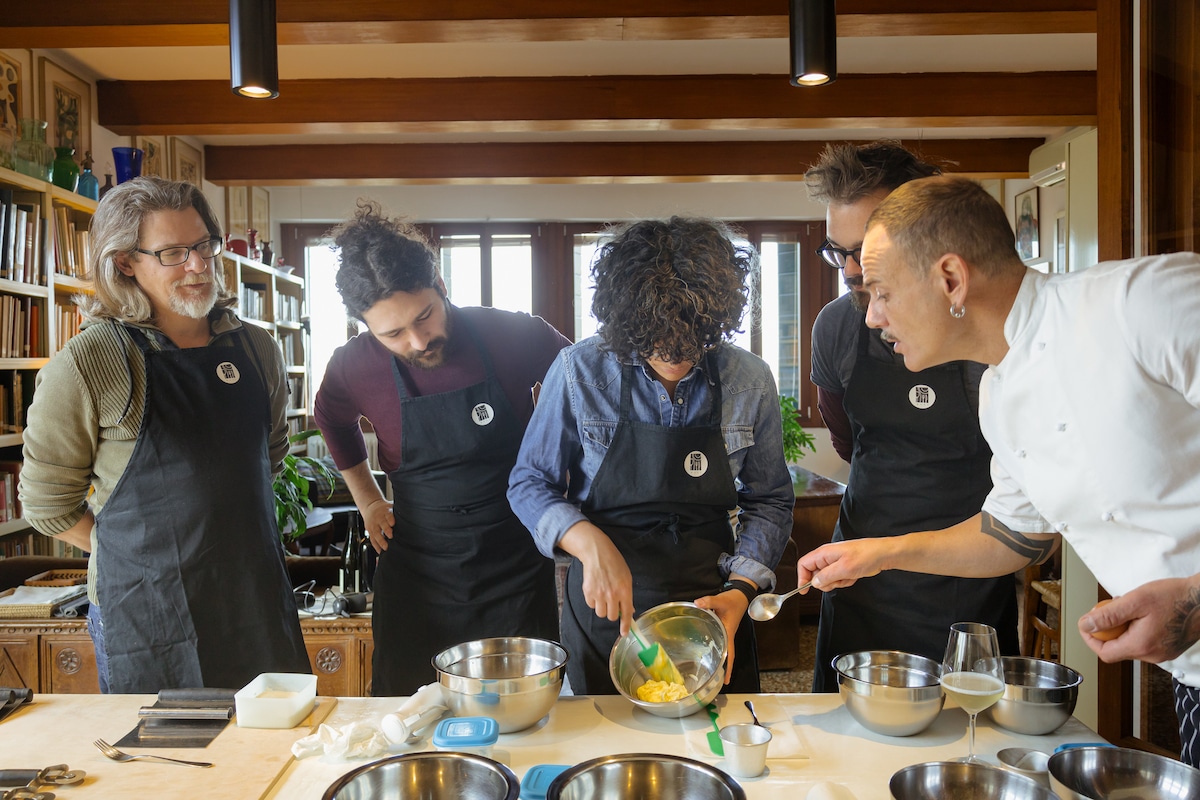
Hands-on cooking class: tiramisù and fresh pasta
Sat, Feb 7 • 5:00 PM
30100, Venice, Veneto, Italy
View details
Nearby attractions of Greek Orthodox Archdiocese of Italy and Malta
Stefan Nedialkov Popdimitrov
Scuola di San Giorgio degli Schiavoni
Chiesa della Pietà - Santa Maria della Visitazione
Bridge of Sighs
Doge's Palace
Museo delle Icone
Piazza San Marco
Saint Mark's Basilica
Monument to Victor Emmanuel II
Venetian Arsenal

Stefan Nedialkov Popdimitrov
4.4
(15)
Open 24 hours
Click for details
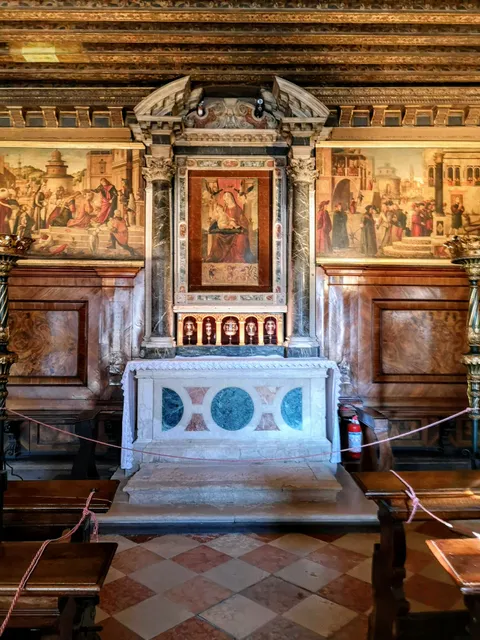
Scuola di San Giorgio degli Schiavoni
4.5
(419)
Closed
Click for details
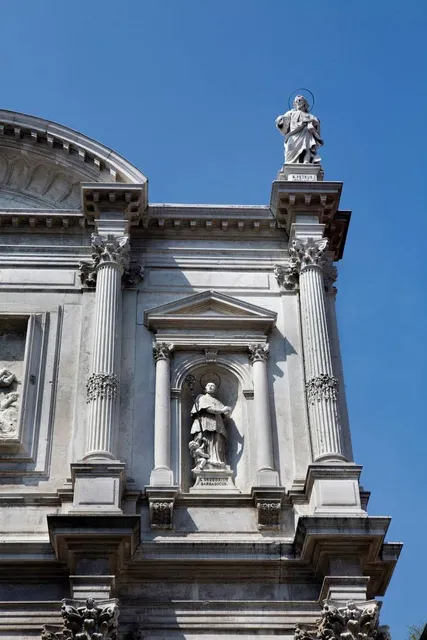
Chiesa della Pietà - Santa Maria della Visitazione
4.7
(664)
Closed
Click for details
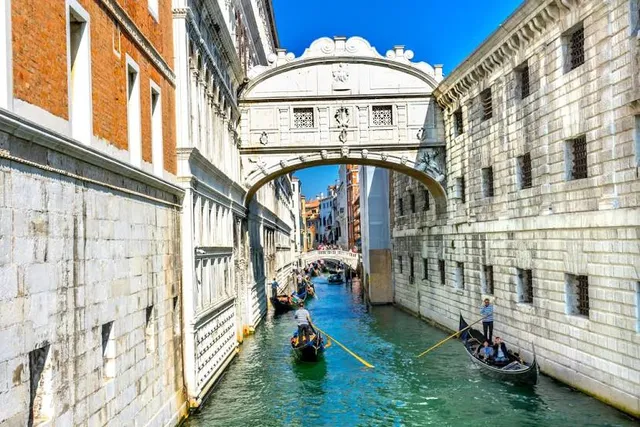
Bridge of Sighs
4.6
(10.3K)
Open until 11:00 PM
Click for details
Nearby restaurants of Greek Orthodox Archdiocese of Italy and Malta
Trattoria Ali D'oro
Ristorante alla Conchiglia
Osteria Oliva Nera
Trattoria da Remigio
Hostaria sul Ponte dei Greci
Trattoria da Denis
La Mela Verde
Ristorante Local
Taverna Scalinetto - Ristorante
Prebateo
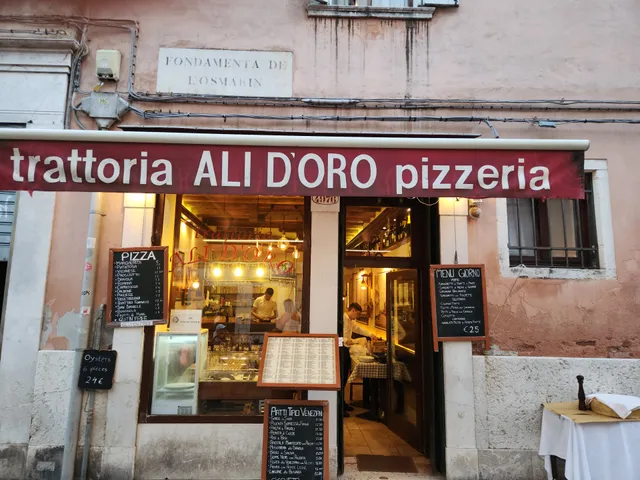
Trattoria Ali D'oro
4.4
(1.5K)
Open until 11:00 PM
Click for details
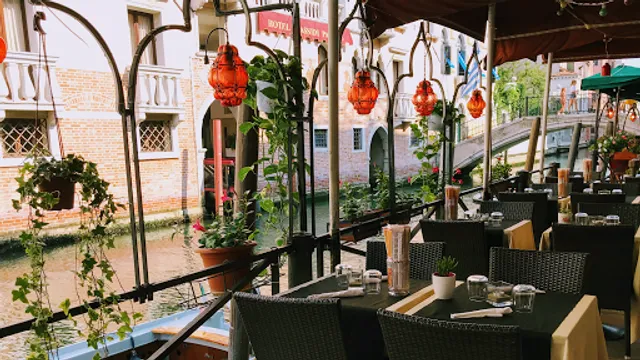
Ristorante alla Conchiglia
4.7
(1.3K)
Open until 10:30 PM
Click for details
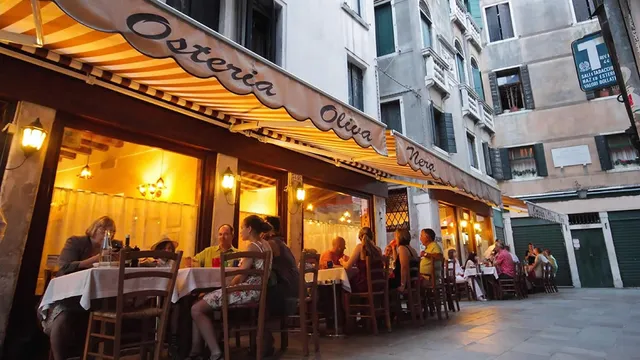
Osteria Oliva Nera
4.5
(474)
$$
Open until 9:30 PM
Click for details
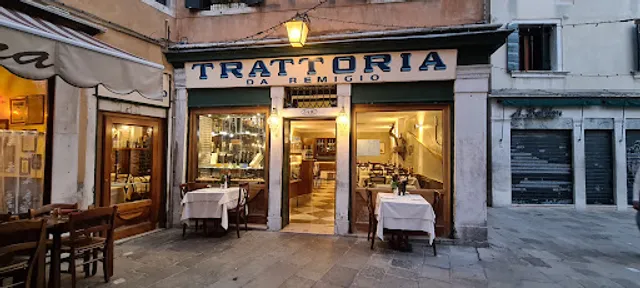
Trattoria da Remigio
4.2
(449)
$$
Open until 10:00 PM
Click for details
Nearby local services of Greek Orthodox Archdiocese of Italy and Malta
Libreria Acqua Alta
Librairie Acqua Alta
Riva degli Schiavoni
St. Mark's Square
Museum of Icone's
Chiesa di San Zaccaria
Wellness Center Venice
Morbido & croccante
Bridge of Dreams
Iglesia de San Lorenzo
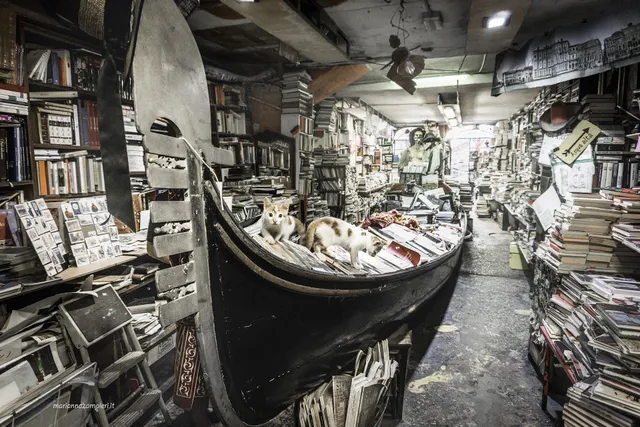
Libreria Acqua Alta
4.4
(11K)
Click for details

Librairie Acqua Alta
4.5
(8.7K)
Click for details
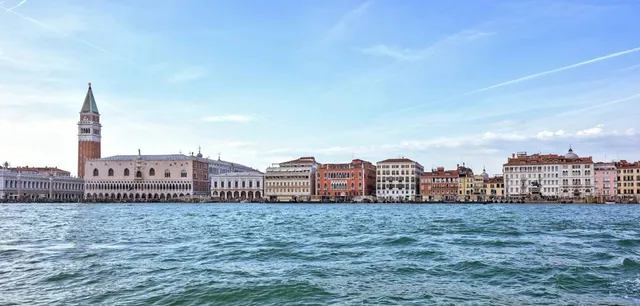
Riva degli Schiavoni
4.7
(514)
Click for details
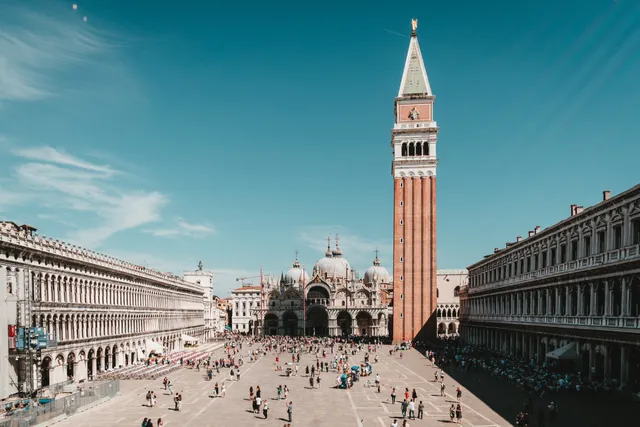
St. Mark's Square
4.7
(53.6K)
Click for details