Bridge of Sighs things to do, attractions, restaurants, events info and trip planning
Basic Info
Bridge of Sighs
30124 Venice, Metropolitan City of Venice, Italy
4.6(9.8K)
Open until 7:00 PM


tickets
Save
spot
spot
Ratings & Description
Info
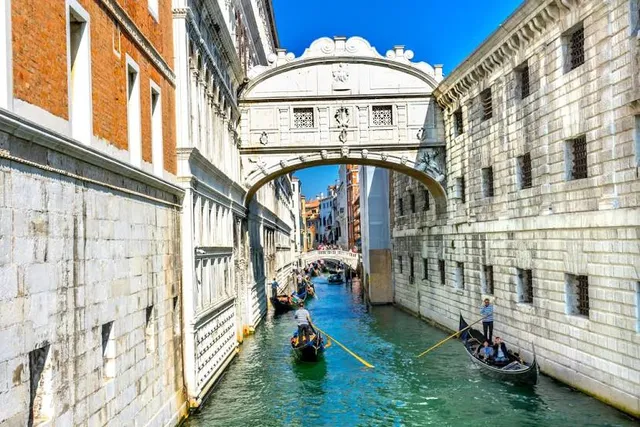
The Bridge of Sighs is a bridge in Venice, Italy. The enclosed bridge is made of white limestone, has windows with stone bars, passes over the Rio di Palazzo, and connects the New Prison to the interrogation rooms in the Doge's Palace.
Cultural
Outdoor
Accessibility
attractions: Doge's Palace, Piazza San Marco, Saint Mark's Basilica, St Mark's Campanile, Ponte della Paglia, St. Mark’s Museum, Clock Tower, Palazzo delle Prigioni, Carta Gate, Giardini Reali, restaurants: Rossopomodoro Venezia San Marco, Magna Bevi Tasi, Trattoria Alla Rivetta, Caffè Florian, Birreria Forst, Taverna Dei Dogi, La Nuova Grotta, Trattoria Ai Leoncini, Ristorante Trovatore, Dal Moro's, local businesses: St. Mark's Square, Biblioteca Nazionale Marciana, rio del Palazzo, National Archeological Museum, Traghetto Gondole Molo, Venice Events, Riva degli Schiavoni, Libreria Acqua Alta, Librairie Acqua Alta, Vecchia Murano V.M. srl
 Learn more insights from Wanderboat AI.
Phone
+39 848 082 000
Website
palazzoducale.visitmuve.it
Open hoursSee all hours
Wed9 AM - 7 PMOpen
Plan your stay

Pet-friendly Hotels in Venice
Find a cozy hotel nearby and make it a full experience.

Affordable Hotels in Venice
Find a cozy hotel nearby and make it a full experience.

The Coolest Hotels You Haven't Heard Of (Yet)
Find a cozy hotel nearby and make it a full experience.

Trending Stays Worth the Hype in Venice
Find a cozy hotel nearby and make it a full experience.
Reviews
Live events

Create Murano Glass with an Expert Master
Thu, Feb 26 • 1:30 PM
30141, Venice, Veneto, Italy
View details

Slide & Storytelling: Trasformare informazioni e dati in messaggi visivi
Wed, Feb 25 • 6:30 PM
Calle Giovanni Legrenzi 30171 Venezia
View details

Legends, Ghosts and Ghouls of Venice
Thu, Feb 26 • 9:00 PM
30121, Venice, Veneto, Italy
View details
Nearby attractions of Bridge of Sighs
Doge's Palace
Piazza San Marco
Saint Mark's Basilica
St Mark's Campanile
Ponte della Paglia
St. Mark’s Museum
Clock Tower
Palazzo delle Prigioni
Carta Gate
Giardini Reali
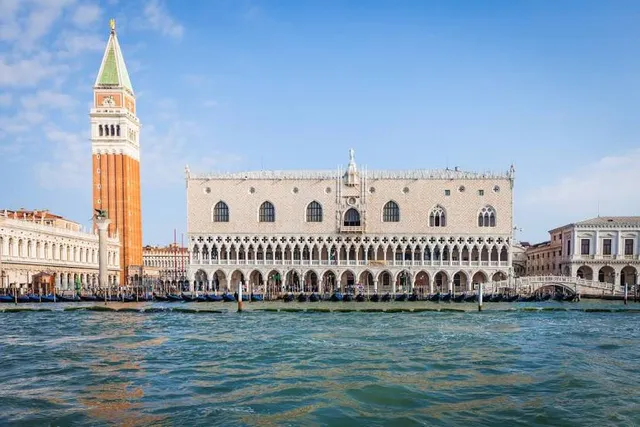
Doge's Palace
4.7
(13.1K)
Open until 6:00 PM
Click for details
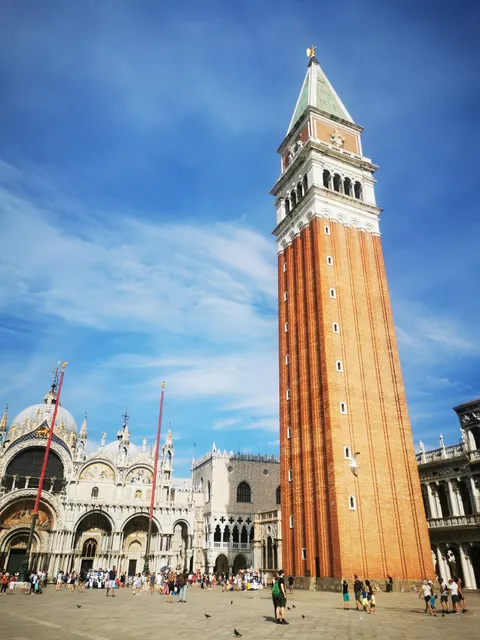
Piazza San Marco
4.7
(62.3K)
Open 24 hours
Click for details
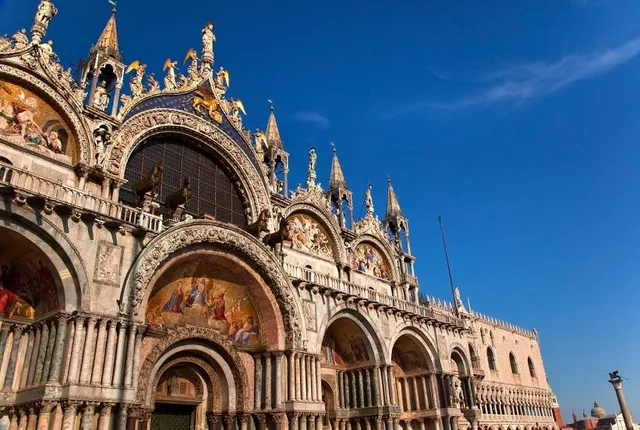
Saint Mark's Basilica
4.7
(10.2K)
Open until 5:15 PM
Click for details
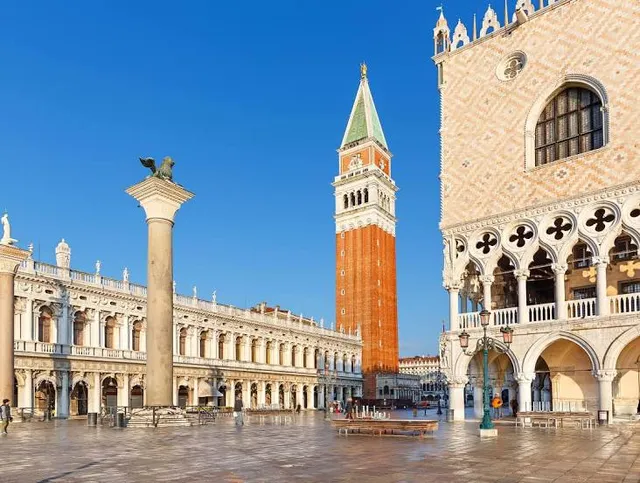
St Mark's Campanile
4.7
(3.9K)
Open until 8:45 PM
Click for details
Nearby restaurants of Bridge of Sighs
Rossopomodoro Venezia San Marco
Magna Bevi Tasi
Trattoria Alla Rivetta
Caffè Florian
Birreria Forst
Taverna Dei Dogi
La Nuova Grotta
Trattoria Ai Leoncini
Ristorante Trovatore
Dal Moro's
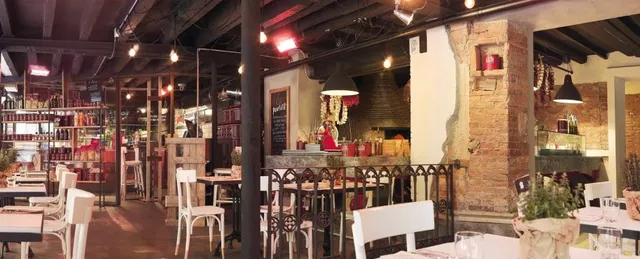
Rossopomodoro Venezia San Marco
4.1
(4.2K)
$
Open until 11:30 PM
Click for details
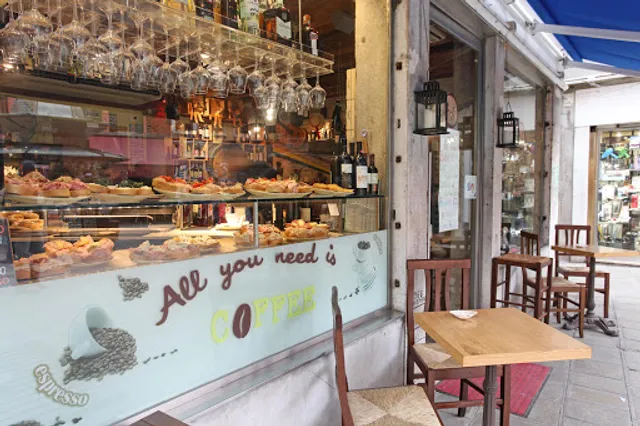
Magna Bevi Tasi
4.5
(885)
Open until 12:00 AM
Click for details
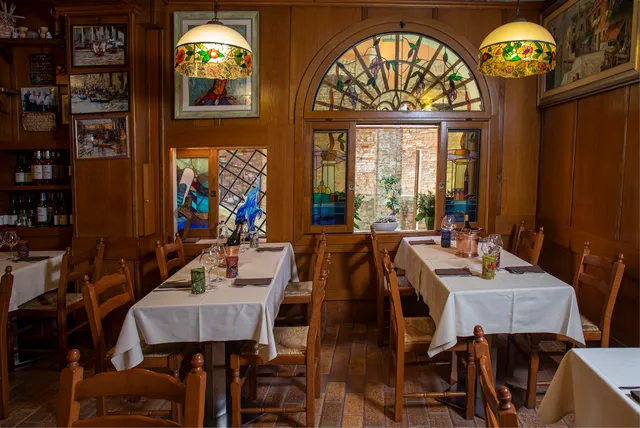
Trattoria Alla Rivetta
4.2
(1.1K)
Open until 10:00 PM
Click for details
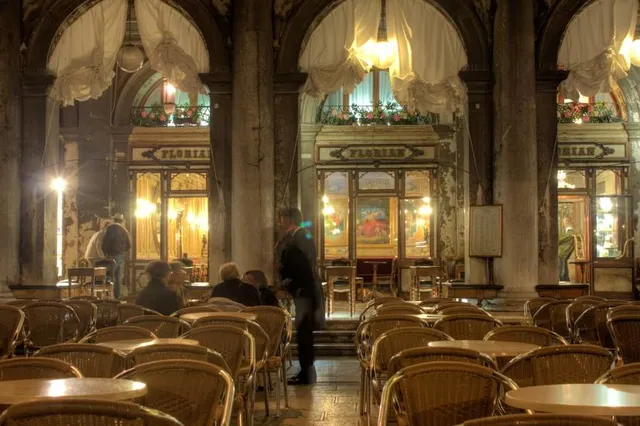
Caffè Florian
3.9
(3.2K)
$$
Open until 11:00 PM
Click for details
Nearby local services of Bridge of Sighs
St. Mark's Square
Biblioteca Nazionale Marciana
rio del Palazzo
National Archeological Museum
Traghetto Gondole Molo
Venice Events
Riva degli Schiavoni
Libreria Acqua Alta
Librairie Acqua Alta
Vecchia Murano V.M. srl
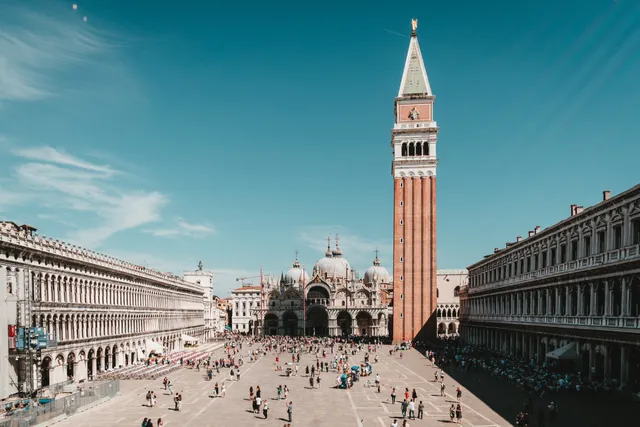
St. Mark's Square
4.7
(52.3K)
Click for details
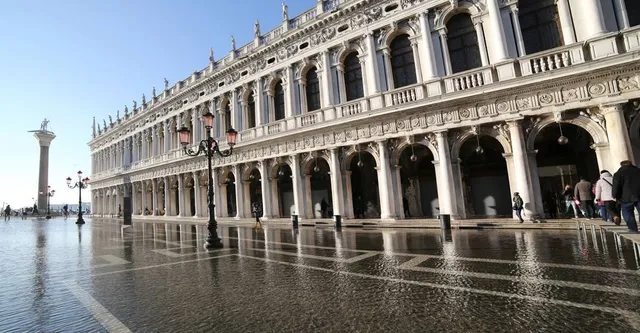
Biblioteca Nazionale Marciana
4.1
(3.2K)
Click for details
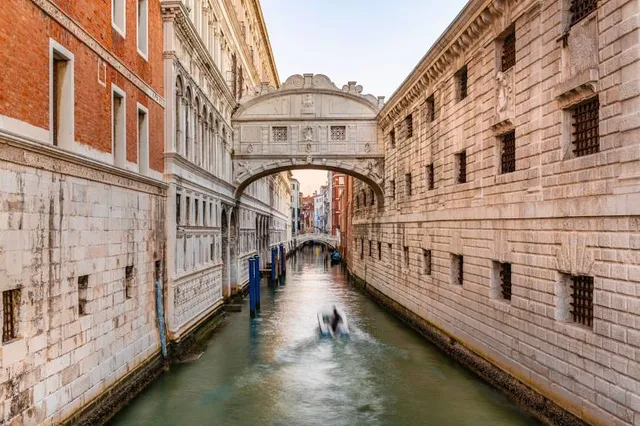
rio del Palazzo
4.7
(143)
Click for details
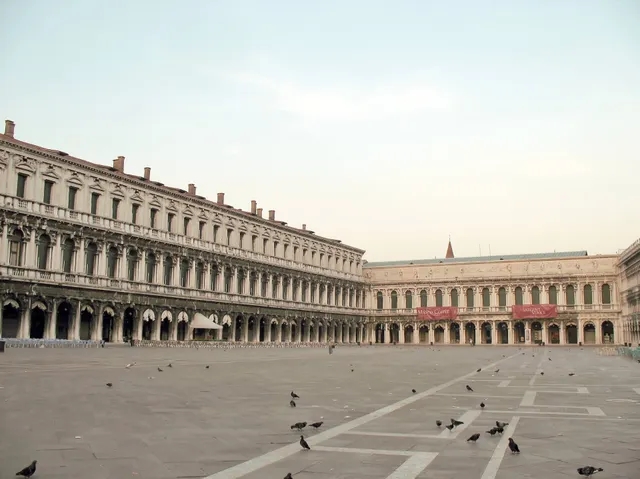
National Archeological Museum
4.2
(249)
Click for details