Chiesa di San Zaccaria things to do, attractions, restaurants, events info and trip planning
Basic Info
Chiesa di San Zaccaria
Campo S. Zaccaria, 4693, 30122 Venezia VE, Italy
4.4(169)
Closed
Save
spot
spot
Ratings & Description
Info
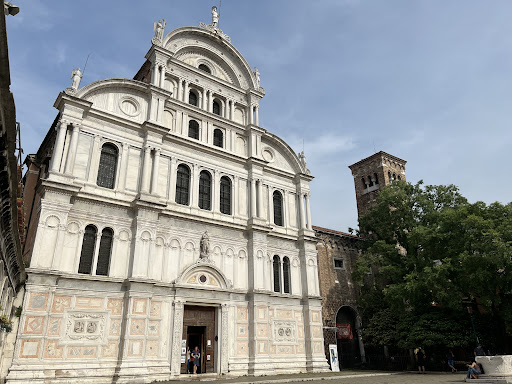
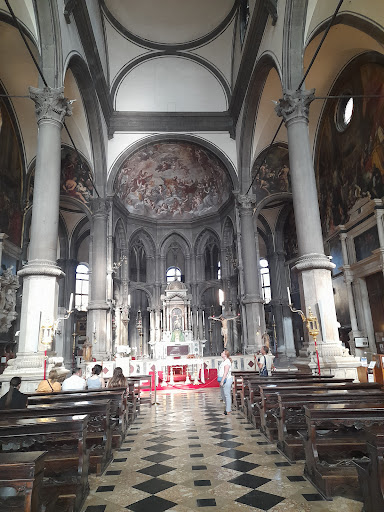
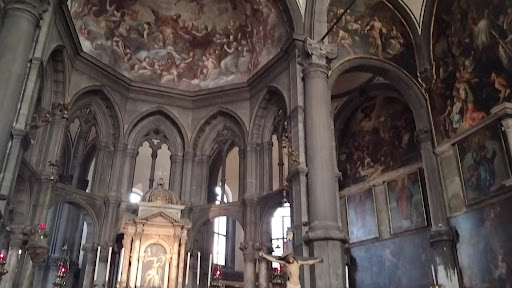
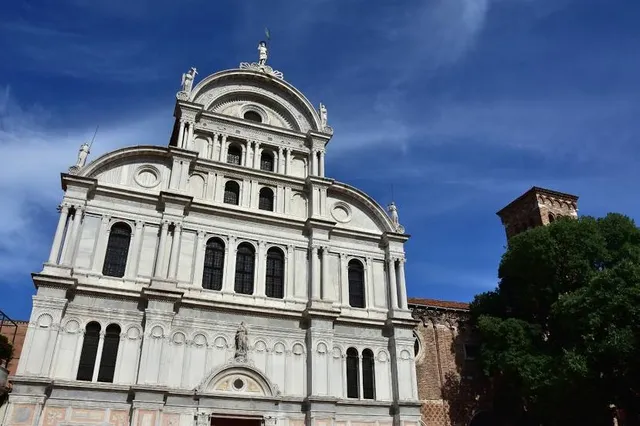
The Church of San Zaccaria is a 15th-century former monastic church in central Venice, Italy. It is a large edifice, located in the Campo San Zaccaria, just off the waterfront to the southeast of Piazza San Marco and St Mark's Basilica. It is dedicated to St. Zechariah, the father of John the Baptist.
Cultural
Accessibility
attractions: Bridge of Sighs, Doge's Palace, Monument to Victor Emmanuel II, Chiesa della Pietà - Santa Maria della Visitazione, St Mark's Campanile, Ponte della Paglia, Museo di Palazzo Grimani, Piazza San Marco, Saint Mark's Basilica, Palazzo delle Prigioni, restaurants: Bacaro Risorto Castello, Trattoria Ali D'oro, TRATTORIA ZACCARIA, Ristorante - Pizzeria da Roberto, Trattoria da Nino Venezia, Trattoria Alla Rivetta, Ristorante alla Conchiglia, Ristorante Antica Sacrestia, Magna Bevi Tasi, Hostaria sul Ponte dei Greci, local businesses: St. Mark's Square, Riva degli Schiavoni, Libreria Acqua Alta, Librairie Acqua Alta, Morbido & croccante, Magic Venice Carnival, Grand canal, venice, Chiesa Parrocchiale di Santa Maria Formosa, Wellness Center Venice, Museum of Icone's
 Learn more insights from Wanderboat AI.
Open hoursSee all hours
Mon10 AM - 6 PMClosed
Plan your stay

Pet-friendly Hotels in Venice
Find a cozy hotel nearby and make it a full experience.

Affordable Hotels in Venice
Find a cozy hotel nearby and make it a full experience.

The Coolest Hotels You Haven't Heard Of (Yet)
Find a cozy hotel nearby and make it a full experience.

Trending Stays Worth the Hype in Venice
Find a cozy hotel nearby and make it a full experience.
Reviews
Live events
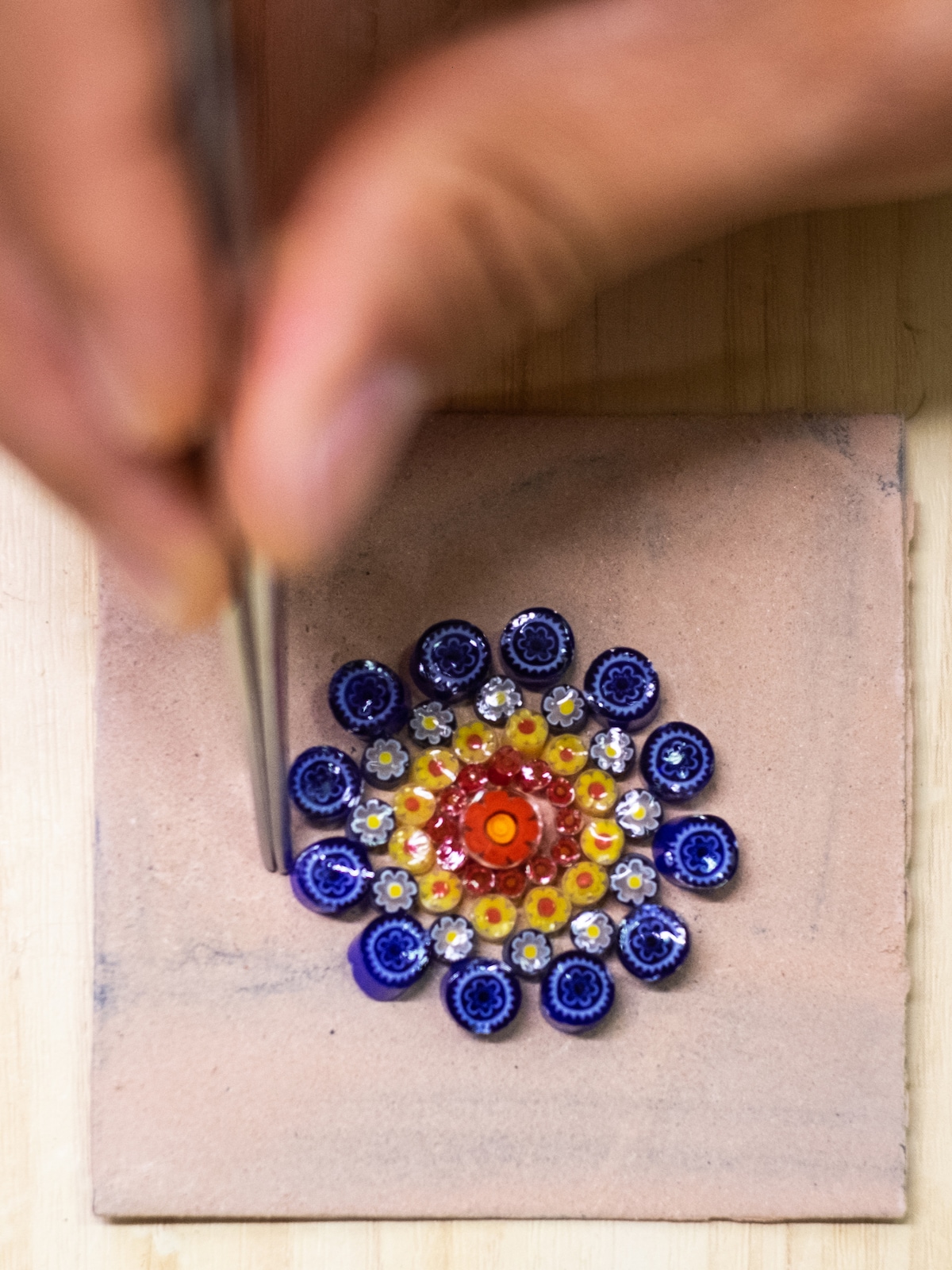
Create a unique pendant with Murano glass
Mon, Jan 26 • 10:00 AM
30141, Venice, Veneto, Italy
View details

International College PARTY Anda Venice • Free Entry • Venerdì 30.01
Fri, Jan 30 • 9:30 PM
10 Via Ortigara 30171 Venezia
View details

Murano Glass Workshop
Sun, Feb 1 • 9:15 AM
30124, Venice, Veneto, Italy
View details
Nearby attractions of Chiesa di San Zaccaria
Bridge of Sighs
Doge's Palace
Monument to Victor Emmanuel II
Chiesa della Pietà - Santa Maria della Visitazione
St Mark's Campanile
Ponte della Paglia
Museo di Palazzo Grimani
Piazza San Marco
Saint Mark's Basilica
Palazzo delle Prigioni
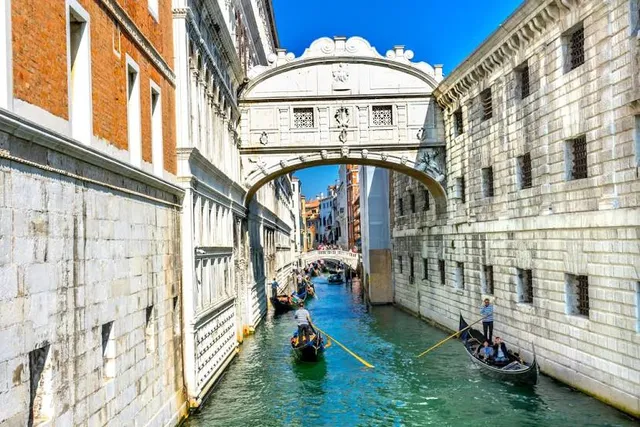
Bridge of Sighs
4.6
(9.7K)
Closed
Click for details
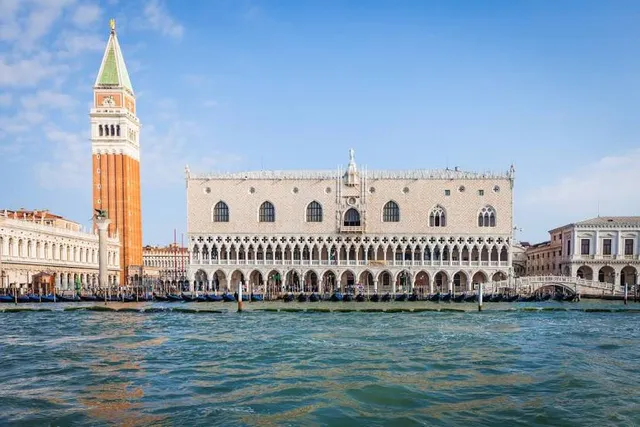
Doge's Palace
4.7
(13K)
Closed
Click for details
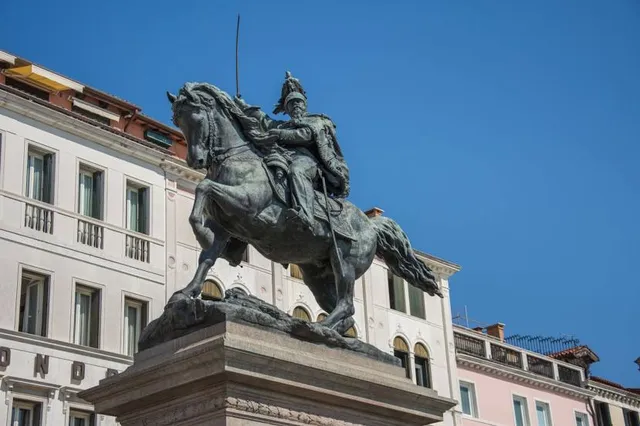
Monument to Victor Emmanuel II
4.6
(444)
Open until 12:00 AM
Click for details
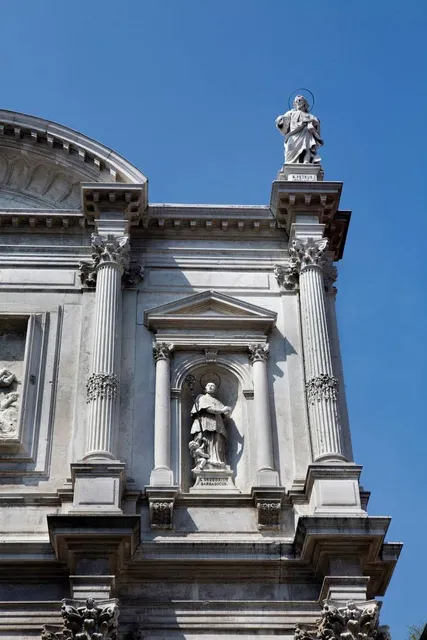
Chiesa della Pietà - Santa Maria della Visitazione
4.7
(644)
Open until 12:00 AM
Click for details
Nearby restaurants of Chiesa di San Zaccaria
Bacaro Risorto Castello
Trattoria Ali D'oro
TRATTORIA ZACCARIA
Ristorante - Pizzeria da Roberto
Trattoria da Nino Venezia
Trattoria Alla Rivetta
Ristorante alla Conchiglia
Ristorante Antica Sacrestia
Magna Bevi Tasi
Hostaria sul Ponte dei Greci
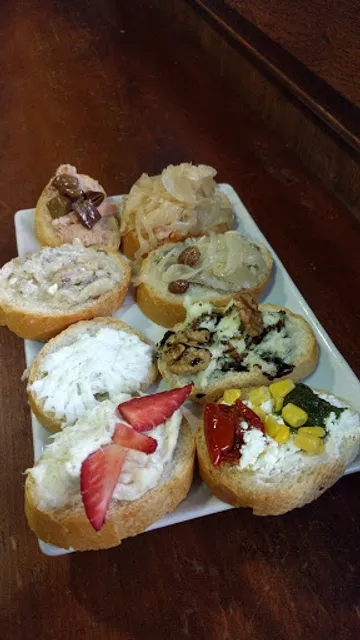
Bacaro Risorto Castello
4.5
(1.0K)
Closed
Click for details
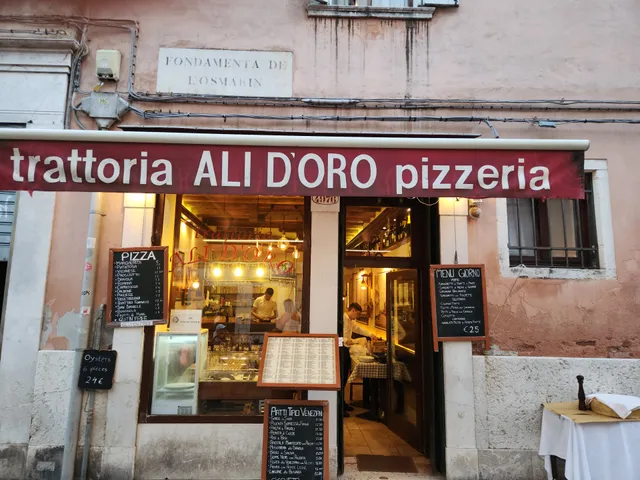
Trattoria Ali D'oro
4.4
(1.7K)
Closed
Click for details
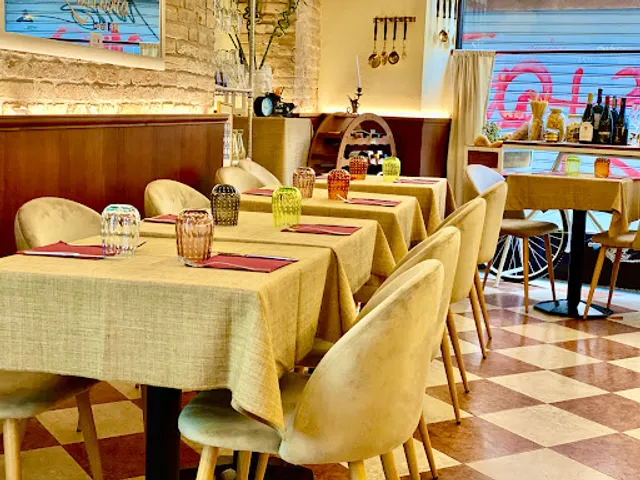
TRATTORIA ZACCARIA
4.4
(661)
Closed
Click for details
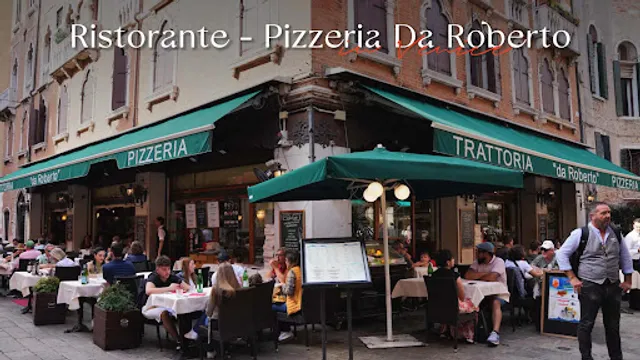
Ristorante - Pizzeria da Roberto
4.0
(960)
Closed
Click for details
Nearby local services of Chiesa di San Zaccaria
St. Mark's Square
Riva degli Schiavoni
Libreria Acqua Alta
Librairie Acqua Alta
Morbido & croccante
Magic Venice Carnival
Grand canal, venice
Chiesa Parrocchiale di Santa Maria Formosa
Wellness Center Venice
Museum of Icone's
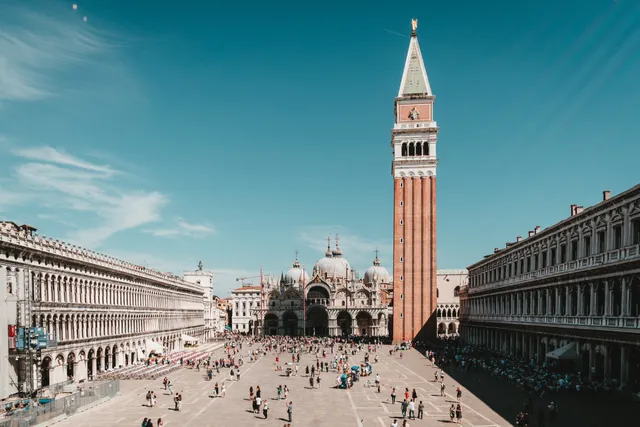
St. Mark's Square
4.7
(55.3K)
Click for details
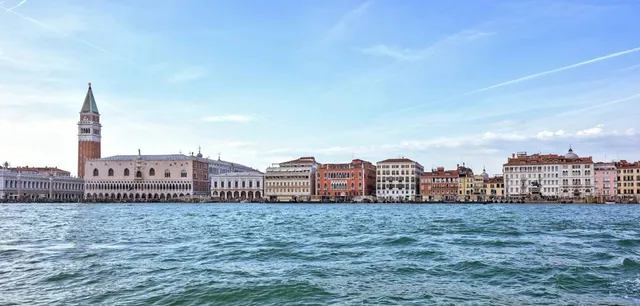
Riva degli Schiavoni
4.7
(558)
Click for details
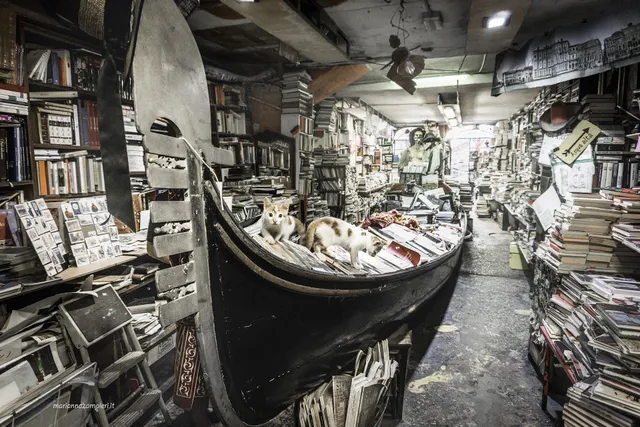
Libreria Acqua Alta
4.4
(11.2K)
Click for details

Librairie Acqua Alta
4.5
(8.4K)
Click for details