Castelvecchio Museum things to do, attractions, restaurants, events info and trip planning
Basic Info
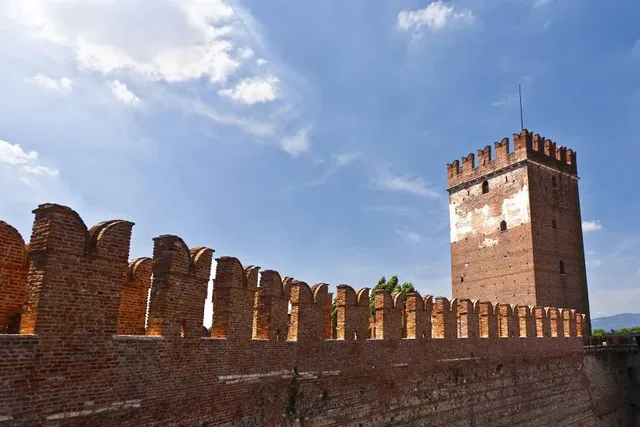
Castelvecchio Museum
Corso Castelvecchio, 2, 37121 Verona VR, Italy
4.6(7.7K)
Open until 12:00 AM


tickets
Save
spot
spot
Ratings & Description
Info
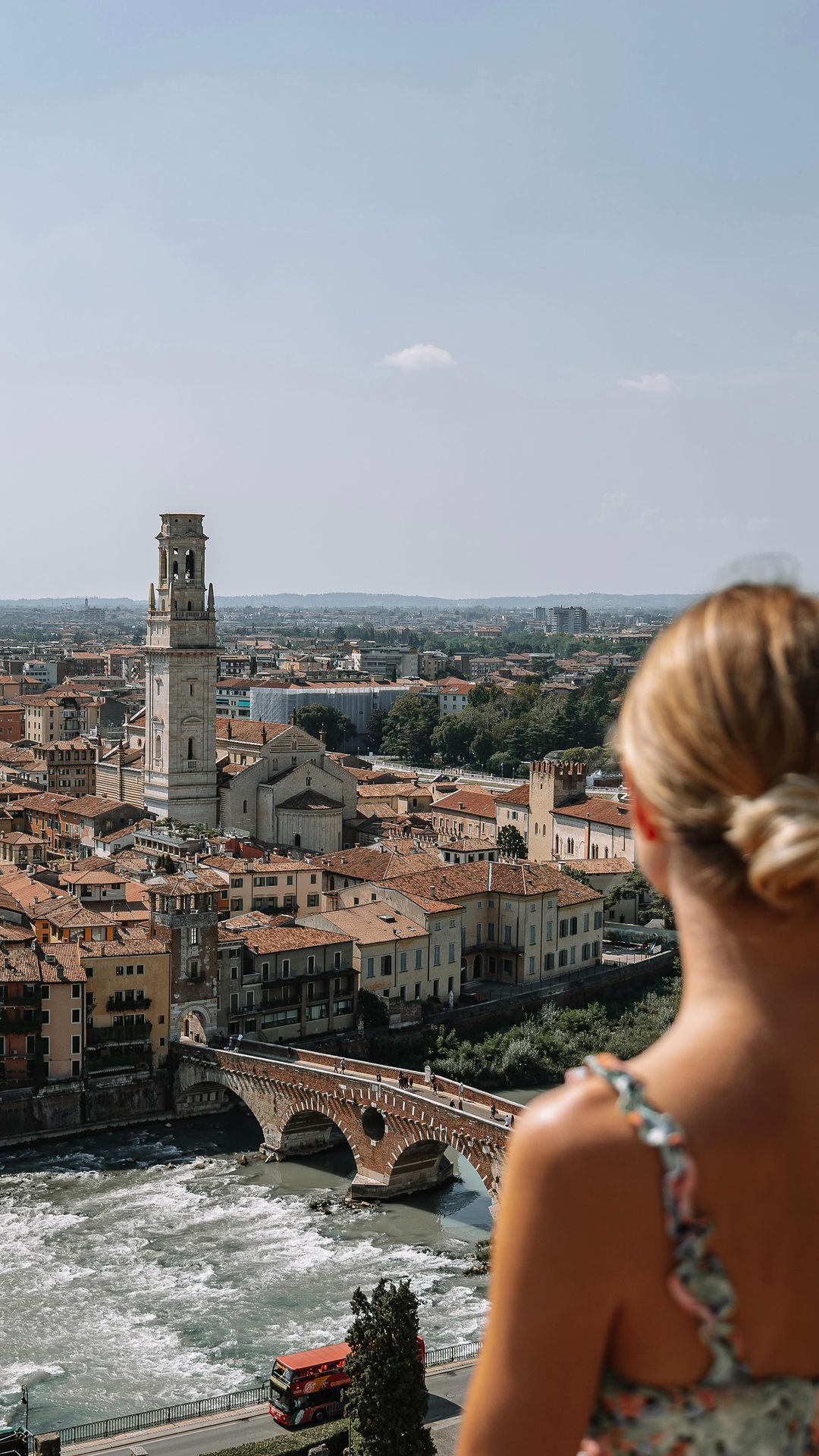
Castelvecchio is a castle in Verona, northern Italy. It is the most important military construction of the Scaliger dynasty that ruled the city in the Middle Ages.
Cultural
Family friendly
Accessibility
attractions: Ponte Scaligero, Arco dei Gavi, Verona Arena, Chiesa di San Zeno in Oratorio (San Zenetto), I Portoni della Bra, Museo Lapidario Maffeiano, Basilica di San Lorenzo, Verona, Porta Borsari, Free Walking Tour Verona, Ponte della Vittoria, restaurants: Torcolino da Barca, Buon Gusto Castelvecchio, La Cantina del 15, Locanda di Castelvecchio, Garage Coffee Bros. - Flagship Store, Nosh Verona - Asian Street Food, ROMA33, Bottiglieria Castello, Ristorante Osteria Casa Vino, Osteria il Ciottolo, local businesses: Supermercato Eurospar Manin, Mr. Gulliver Vintage Store Abbigliamento Accessori Scarpe, Humana Vintage Verona, Pam, Strillone Society, Dress Abbigliamento, iN's Mercato, Gran Guardia Palace, Masterdrone Store Verona, Multisala Rivoli
 Learn more insights from Wanderboat AI.
Phone
+39 045 806 2611
Website
comune.verona.it
Open hoursSee all hours
MonClosedOpen
Plan your stay

Pet-friendly Hotels in Verona
Find a cozy hotel nearby and make it a full experience.

Affordable Hotels in Verona
Find a cozy hotel nearby and make it a full experience.

The Coolest Hotels You Haven't Heard Of (Yet)
Find a cozy hotel nearby and make it a full experience.

Trending Stays Worth the Hype in Verona
Find a cozy hotel nearby and make it a full experience.
Reviews
Live events

Verona Cooking Class: fresh Pasta and Tiramisù
Mon, Feb 23 • 10:00 AM
37122, Verona, Veneto, Italy
View details
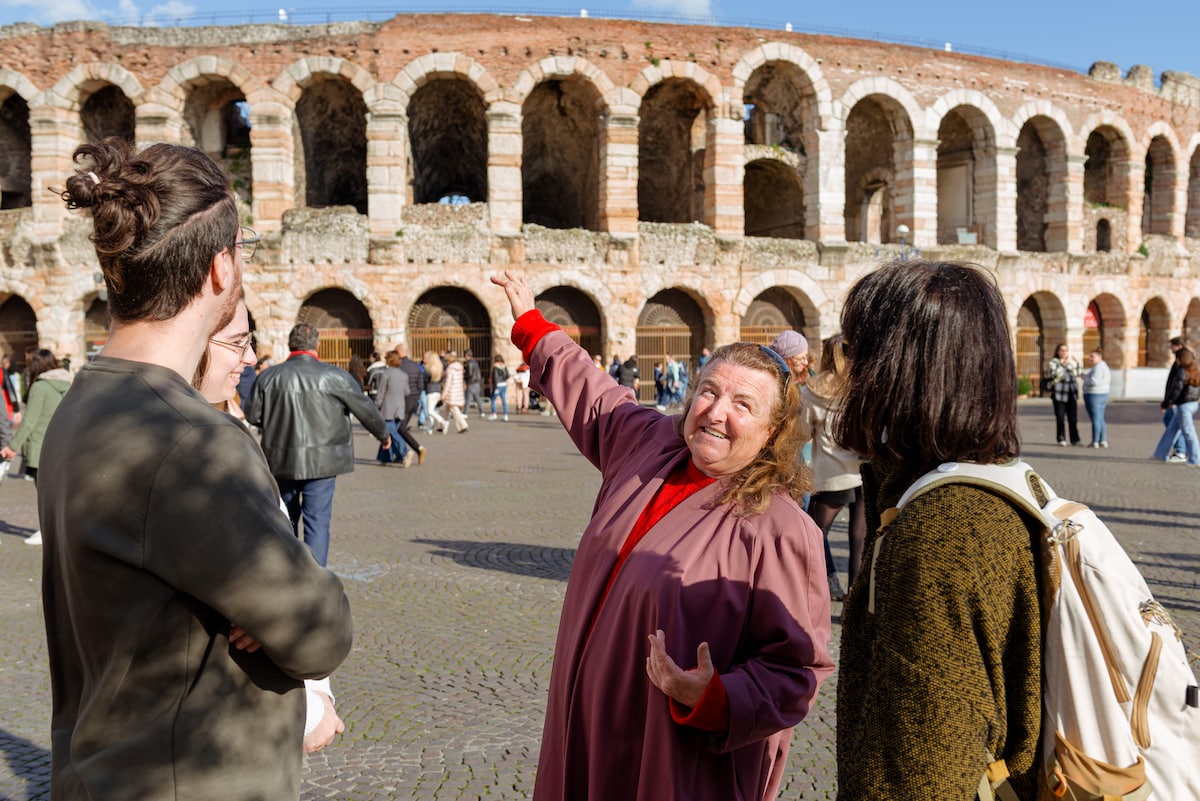
Live the true history of Verona
Mon, Feb 23 • 1:30 PM
37121, Verona, Veneto, Italy
View details
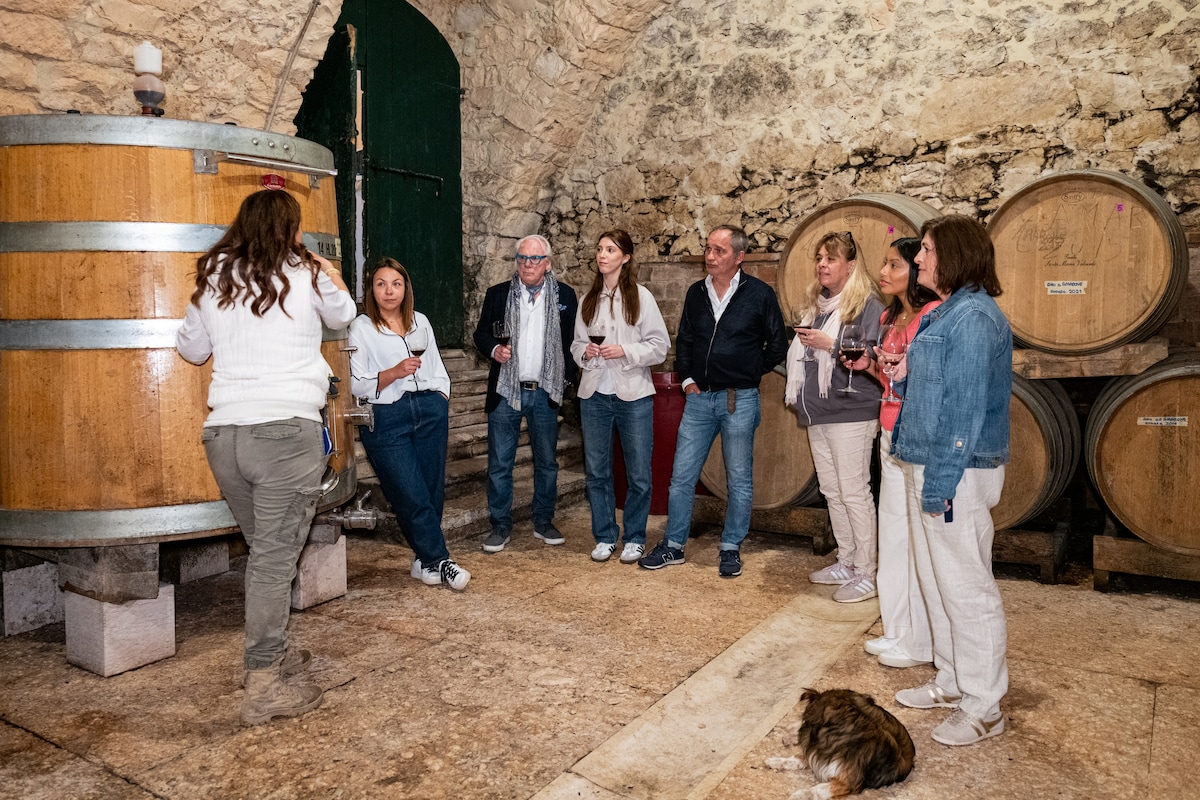
Discover Valpolicella: vineyards and wine
Mon, Feb 23 • 10:30 AM
37020, Marano di Valpolicella, Veneto, Italy
View details
Nearby attractions of Castelvecchio Museum
Ponte Scaligero
Arco dei Gavi
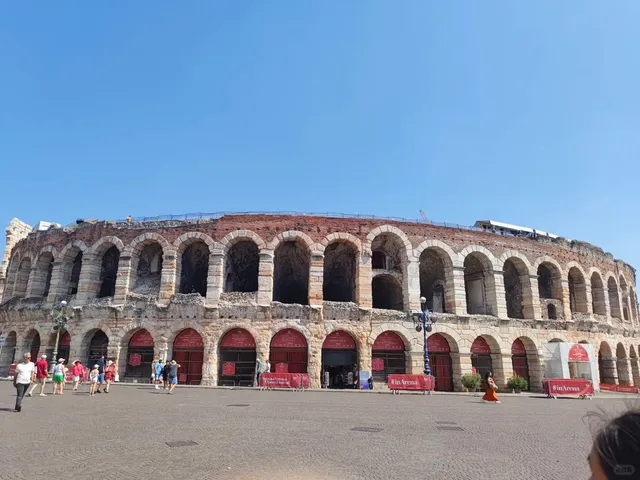
Verona Arena
Chiesa di San Zeno in Oratorio (San Zenetto)
I Portoni della Bra
Museo Lapidario Maffeiano
Basilica di San Lorenzo, Verona
Porta Borsari
Free Walking Tour Verona
Ponte della Vittoria
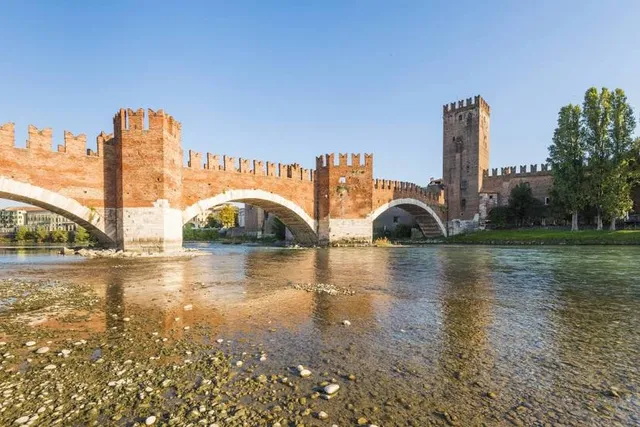
Ponte Scaligero
4.7
(6.8K)
Open until 12:00 AM
Click for details
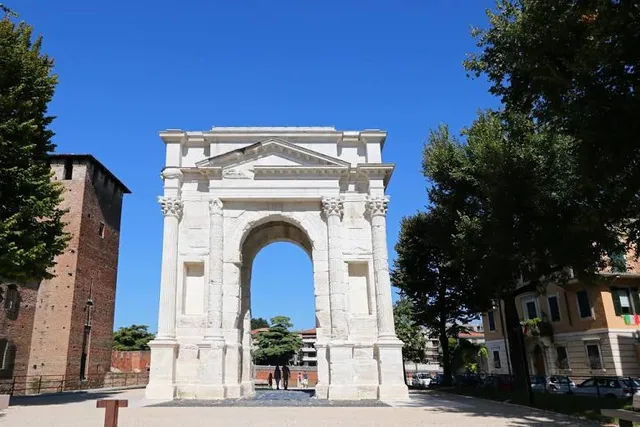
Arco dei Gavi
4.6
(912)
Open until 12:00 AM
Click for details
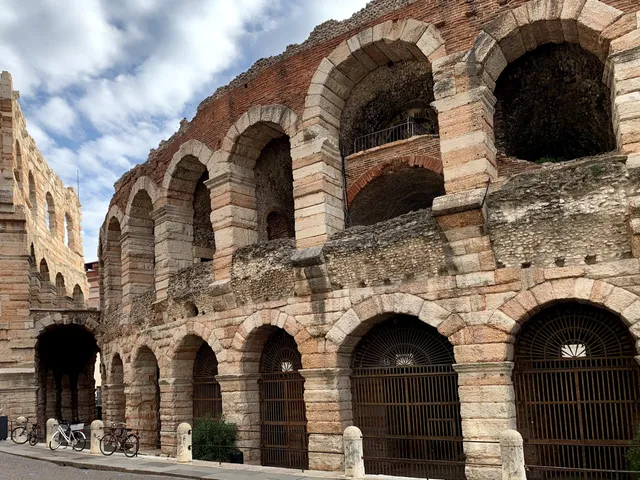
Verona Arena
4.7
(50.7K)
Open 24 hours
Click for details
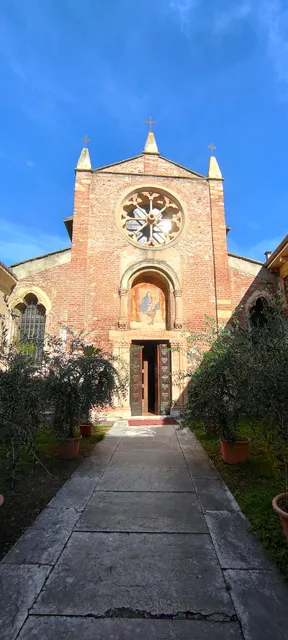
Chiesa di San Zeno in Oratorio (San Zenetto)
4.5
(63)
Open 24 hours
Click for details
Nearby restaurants of Castelvecchio Museum
Torcolino da Barca
Buon Gusto Castelvecchio
La Cantina del 15
Locanda di Castelvecchio
Garage Coffee Bros. - Flagship Store
Nosh Verona - Asian Street Food
ROMA33
Bottiglieria Castello
Ristorante Osteria Casa Vino
Osteria il Ciottolo
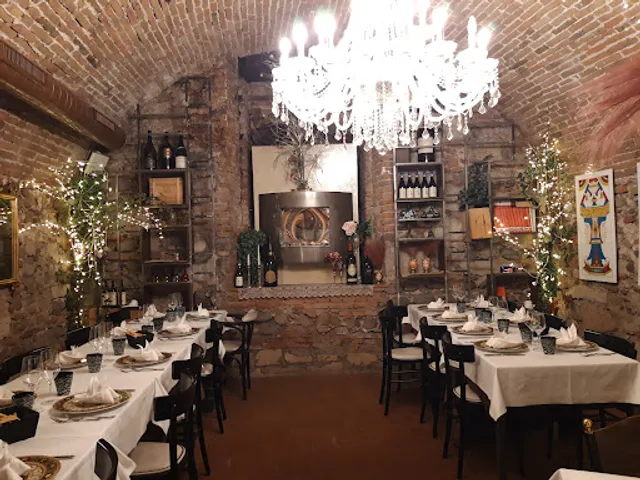
Torcolino da Barca
4.4
(415)
$$
Open until 12:00 AM
Click for details
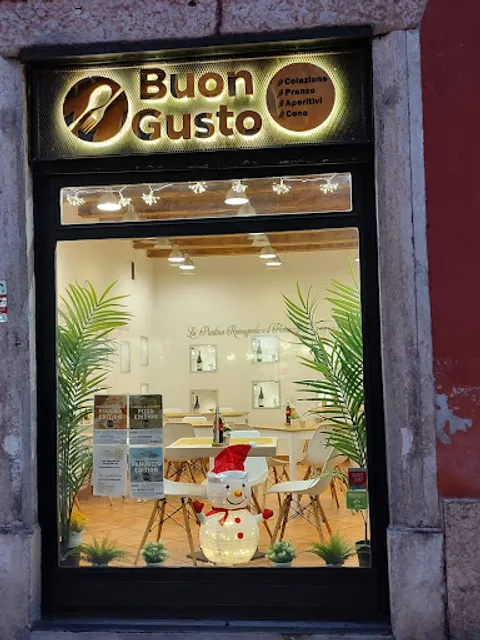
Buon Gusto Castelvecchio
4.6
(605)
Closed
Click for details
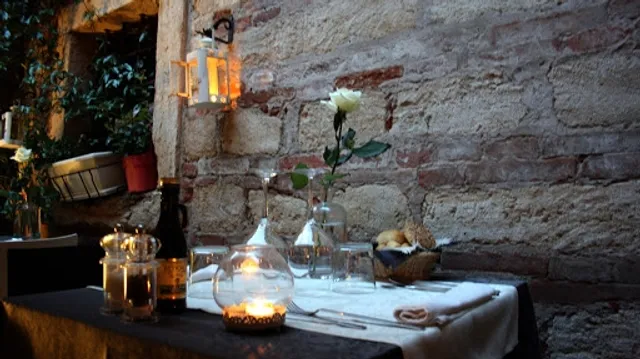
La Cantina del 15
4.6
(307)
Closed
Click for details
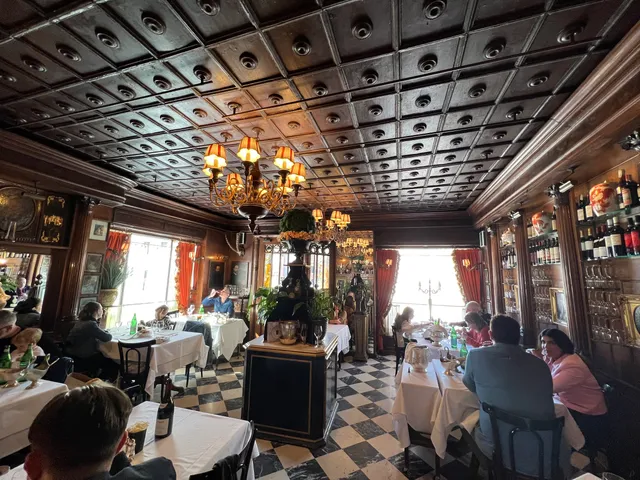
Locanda di Castelvecchio
4.5
(351)
$$$
Closed
Click for details
Nearby local services of Castelvecchio Museum
Supermercato Eurospar Manin
Mr. Gulliver Vintage Store Abbigliamento Accessori Scarpe
Humana Vintage Verona
Pam
Strillone Society
Dress Abbigliamento
iN's Mercato
Gran Guardia Palace
Masterdrone Store Verona
Multisala Rivoli
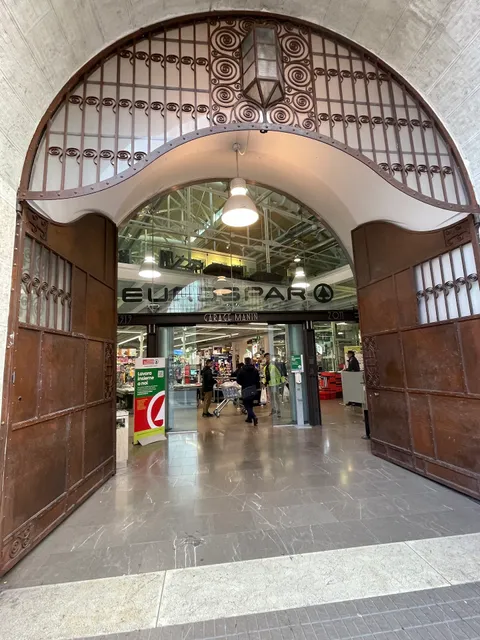
Supermercato Eurospar Manin
4.3
(930)
Click for details
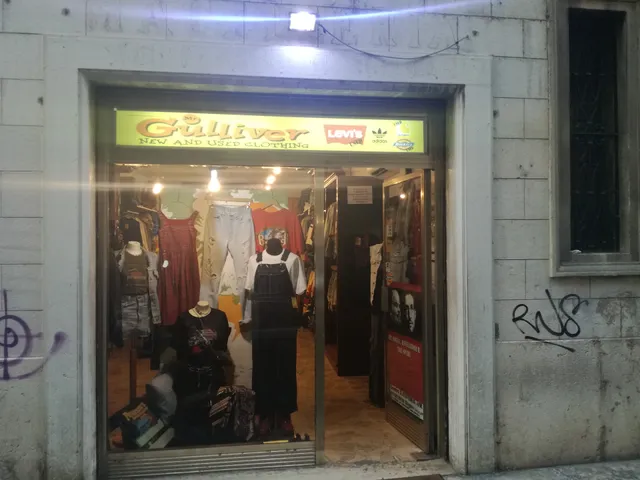
Mr. Gulliver Vintage Store Abbigliamento Accessori Scarpe
4.4
(81)
Click for details
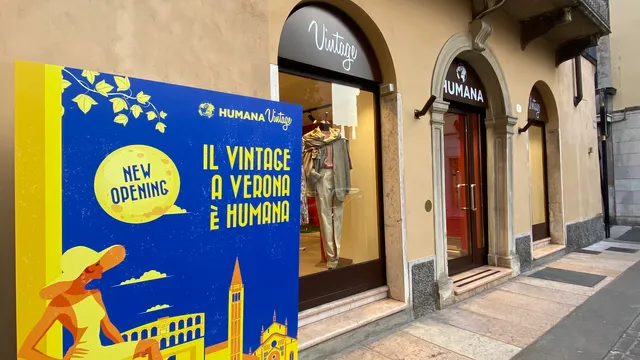
Humana Vintage Verona
4.6
(147)
Click for details
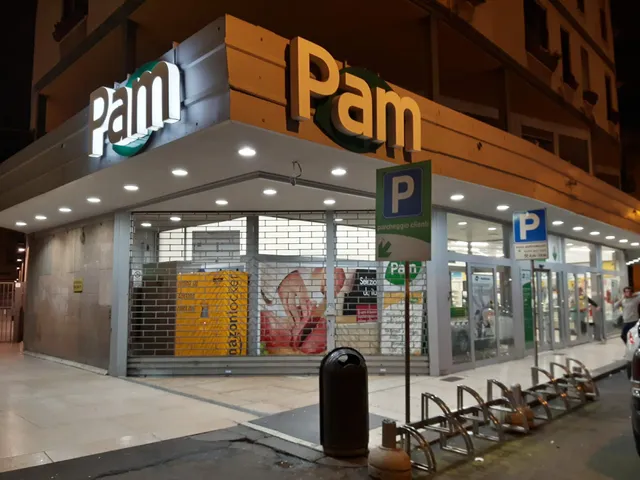
Pam
4.0
(952)
Click for details