Nittenji things to do, attractions, restaurants, events info and trip planning
Basic Info
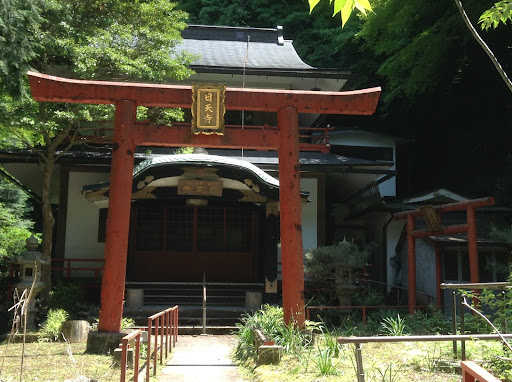
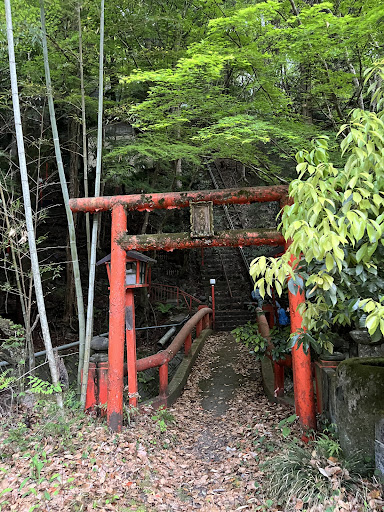
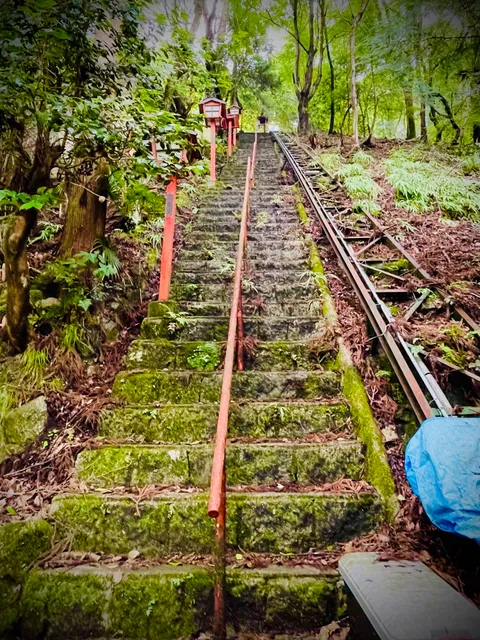
Nittenji
12 Kitashirakawa Biwacho, Sakyo Ward, Kyoto, 606-8293, Japan
4.1(12)
Open 24 hours
Save
spot
spot
Ratings & Description
Info
Cultural
Family friendly
attractions: Higashiyama Jisho-ji, Ginkaku-ji, Nakao Castle Ruins, Kannon-den (Ginkaku), Observation Deck, Philosopher's Path (Tetsugaku no Michi), Kogetsudai, Kita-Shirakawa Tenjingu Shrine, Jōdo-in Temple, Hōnen-in Temple, restaurants: Fu-ka, AG COFFEE. 銀閣寺, 氵庵 -sanzuian-, Yotsugi-chaya, You Go Curry, Café Chikoro, 松葉亭Matsubatei, Ginkakuji Triangle House, Gallery & Cafe nanairoha, Cafe Mercredi, local businesses: Hachi Shrine, Togu-do, So-mon (Main Gate), Hojo (Abbot’s Quarters), Jinsho-ji Temple, Tea Ceremony Experience Gen-An, Sumikko Gurashi Ginkakuji Store, Qu-an, Retro Porcelain Museum, Kyo Tsukimachian Ginkakujiten
 Learn more insights from Wanderboat AI.
Plan your stay

Pet-friendly Hotels in Kyoto
Find a cozy hotel nearby and make it a full experience.

Affordable Hotels in Kyoto
Find a cozy hotel nearby and make it a full experience.

The Coolest Hotels You Haven't Heard Of (Yet)
Find a cozy hotel nearby and make it a full experience.

Trending Stays Worth the Hype in Kyoto
Find a cozy hotel nearby and make it a full experience.
Reviews
Live events
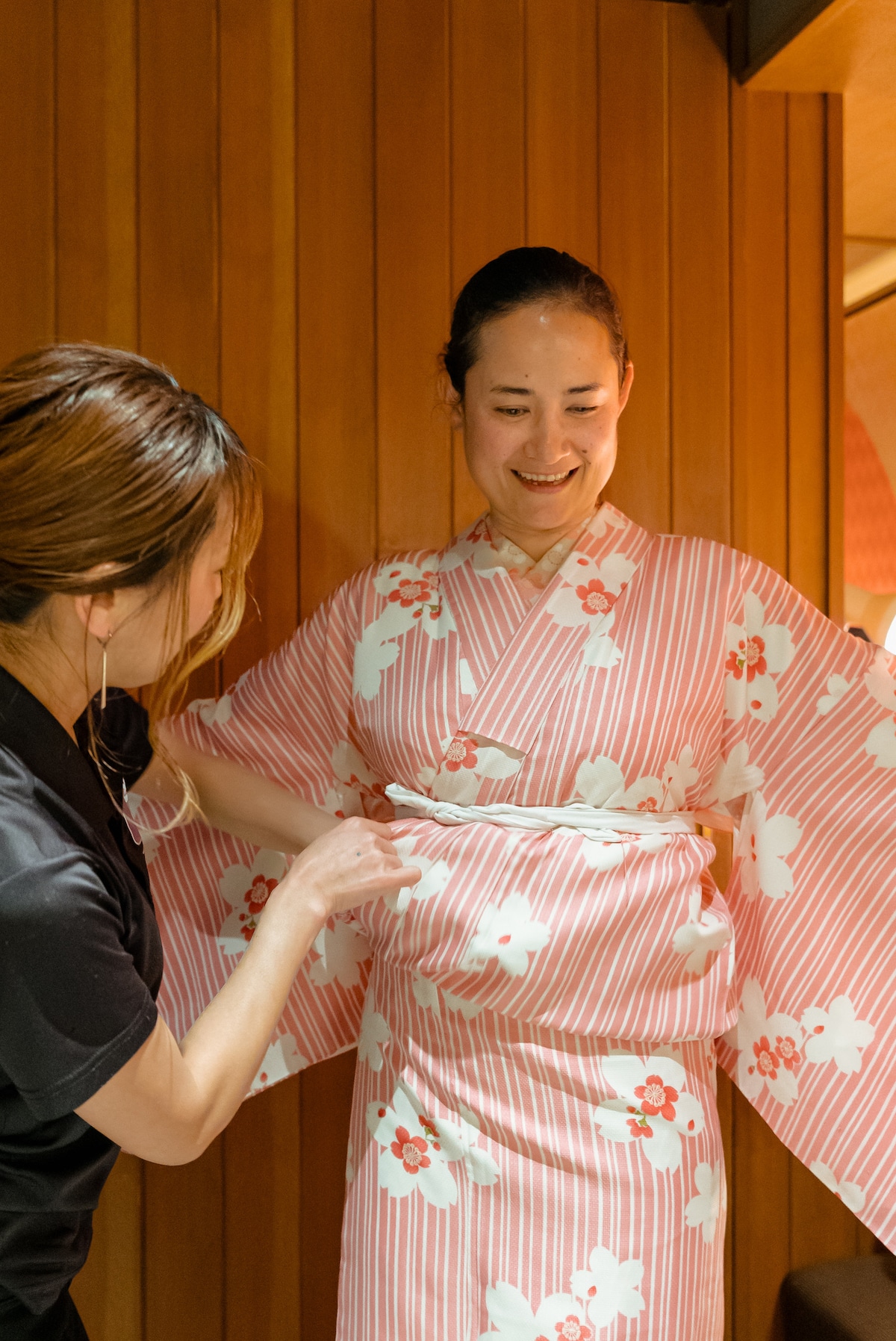
Explore Kyoto in a Kimono
Sat, Feb 28 • 12:00 PM
605-0005, Kyoto, Kyoto, Japan
View details
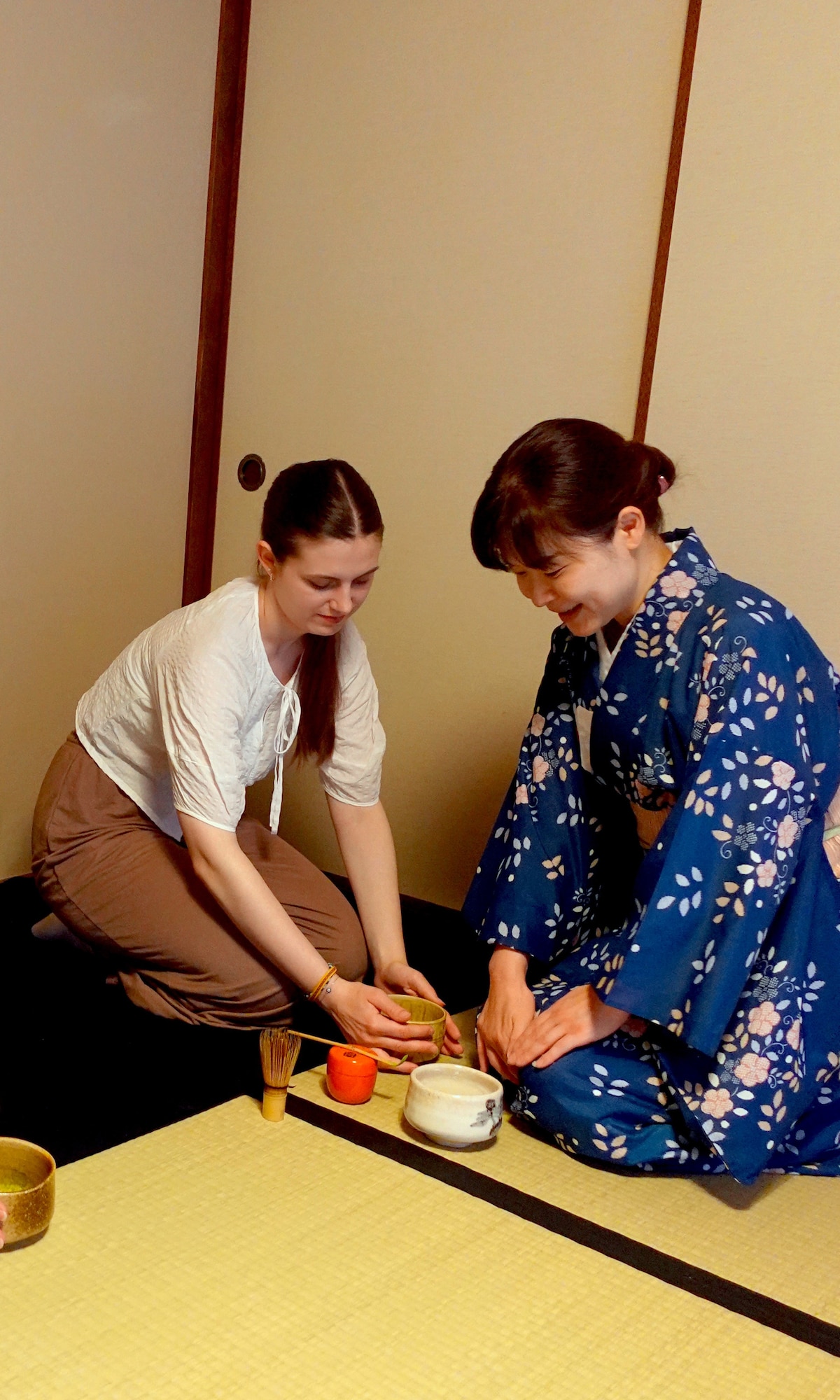
Learn tea ceremony in traditional Kyoto townhouse
Tue, Mar 3 • 10:00 AM
600-8397, Kyoto, Kyoto, Japan
View details

Ultimate Kyoto: 10 Must-Sees & Hidden Gems 1-Day
Sun, Mar 1 • 8:45 AM
616-8373, Kyoto, Kyoto, Japan
View details
Nearby attractions of Nittenji
Higashiyama Jisho-ji
Ginkaku-ji
Nakao Castle Ruins
Kannon-den (Ginkaku)
Observation Deck
Philosopher's Path (Tetsugaku no Michi)
Kogetsudai
Kita-Shirakawa Tenjingu Shrine
Jōdo-in Temple
Hōnen-in Temple
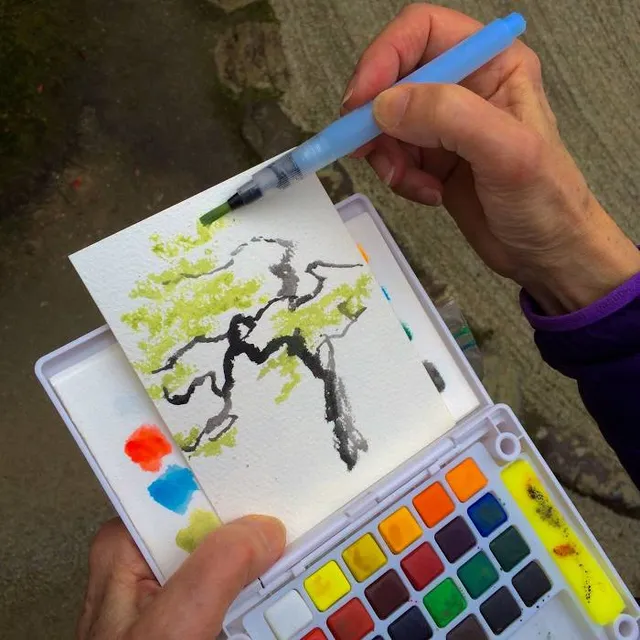
Higashiyama Jisho-ji
4.5
(6.3K)
Open until 5:00 PM
Click for details
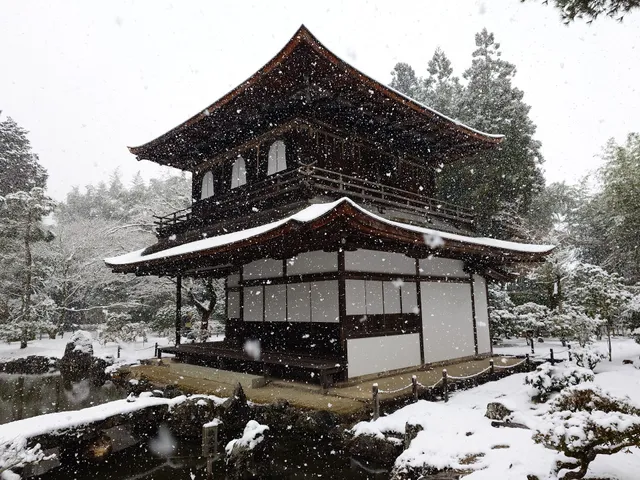
Ginkaku-ji
4.5
(6.8K)
Open until 5:00 PM
Click for details
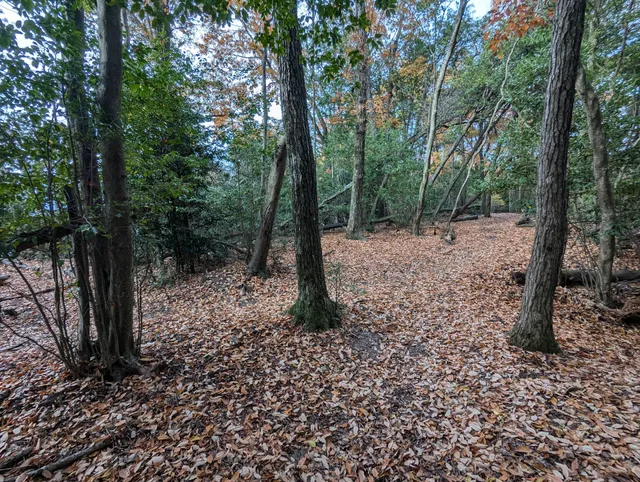
Nakao Castle Ruins
3.8
(8)
Open 24 hours
Click for details
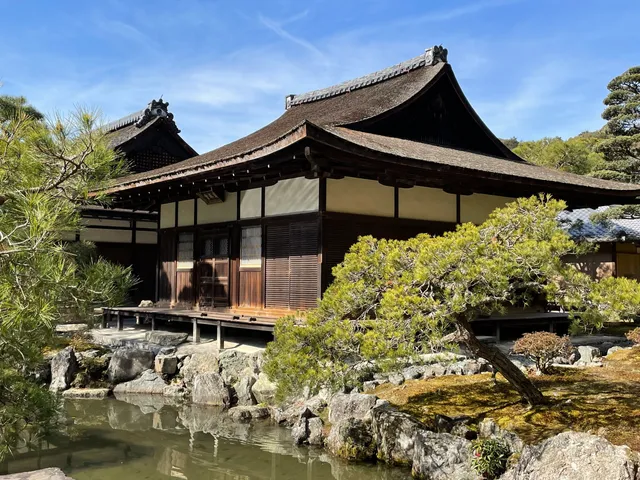
Kannon-den (Ginkaku)
4.6
(154)
Open until 5:00 PM
Click for details
Nearby restaurants of Nittenji
Fu-ka
AG COFFEE. 銀閣寺
氵庵 -sanzuian-
Yotsugi-chaya
You Go Curry
Café Chikoro
松葉亭Matsubatei
Ginkakuji Triangle House
Gallery & Cafe nanairoha
Cafe Mercredi
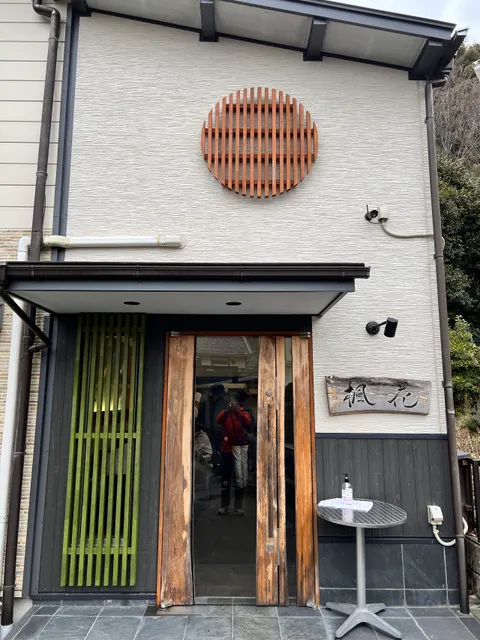
Fu-ka
4.7
(280)
Open until 3:30 PM
Click for details
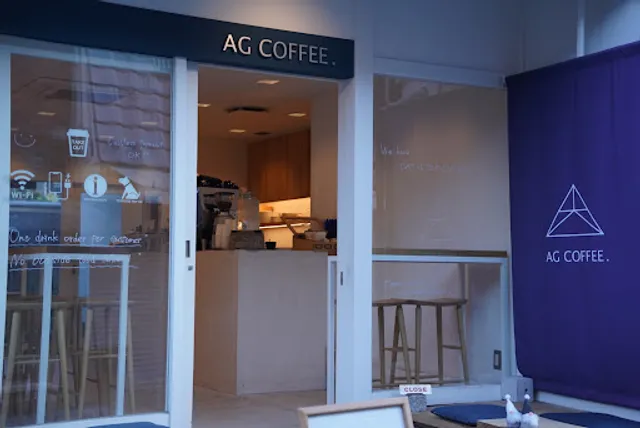
AG COFFEE. 銀閣寺
4.8
(291)
Open until 4:00 PM
Click for details
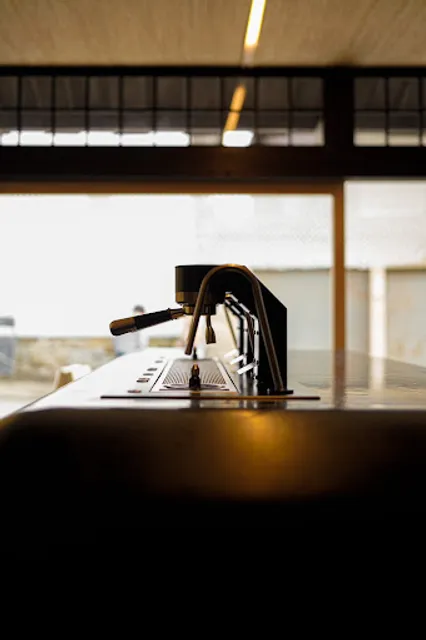
氵庵 -sanzuian-
4.2
(62)
Open until 5:00 PM
Click for details
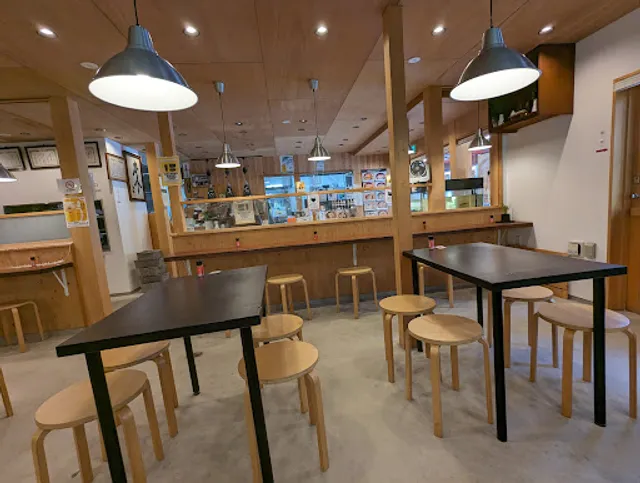
Yotsugi-chaya
3.6
(45)
Click for details
Nearby local services of Nittenji
Hachi Shrine
Togu-do
So-mon (Main Gate)
Hojo (Abbot’s Quarters)
Jinsho-ji Temple
Tea Ceremony Experience Gen-An
Sumikko Gurashi Ginkakuji Store
Qu-an
Retro Porcelain Museum
Kyo Tsukimachian Ginkakujiten
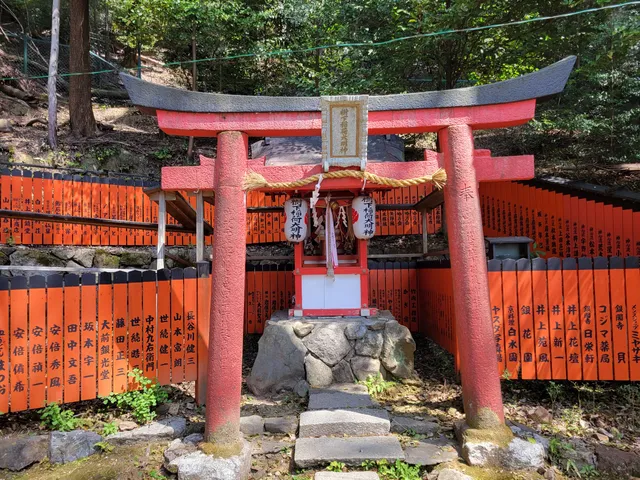
Hachi Shrine
4.1
(79)
Click for details
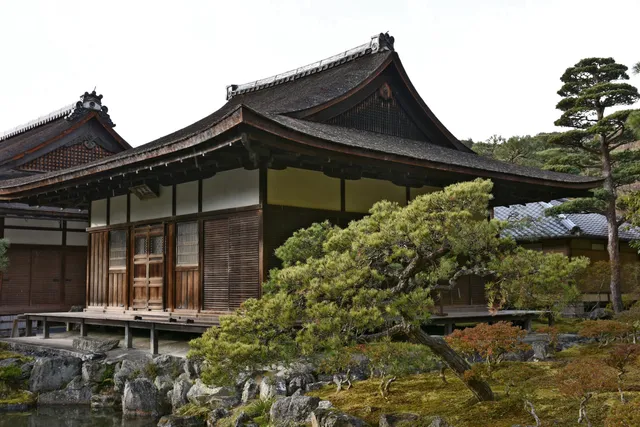
Togu-do
4.6
(24)
Click for details
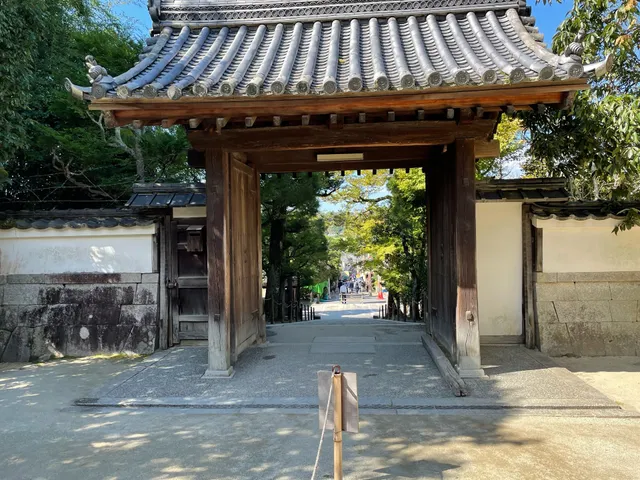
So-mon (Main Gate)
4.4
(21)
Click for details
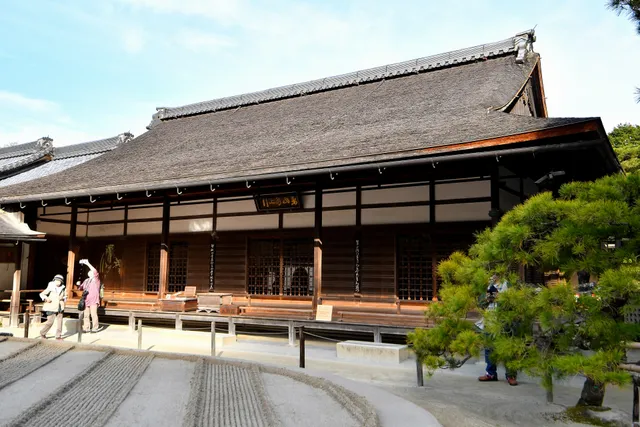
Hojo (Abbot’s Quarters)
4.3
(11)
Click for details