The Cultural Museum of Kyoto things to do, attractions, restaurants, events info and trip planning
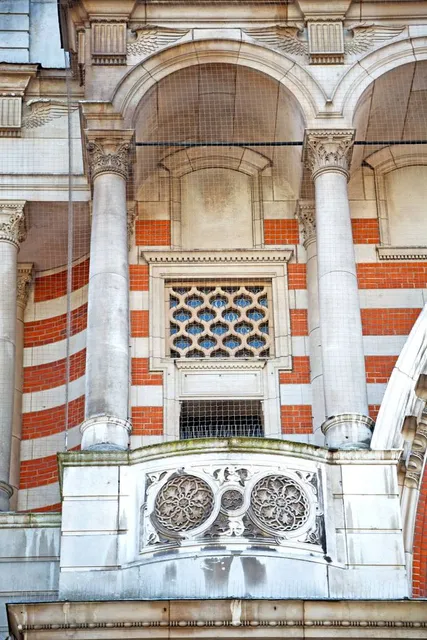
Basic Info
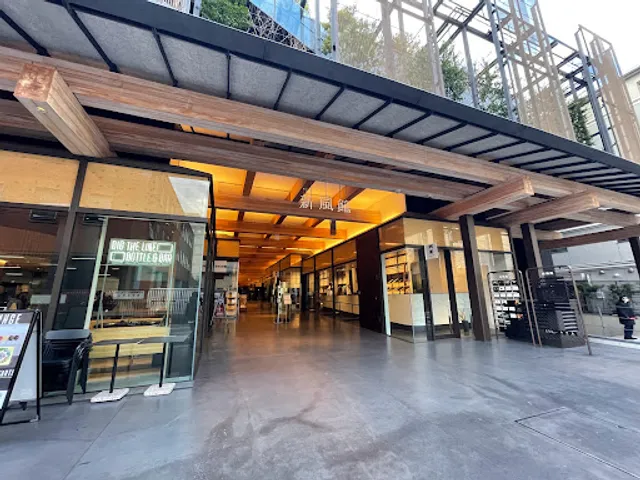
The Cultural Museum of Kyoto
Japan, 〒604-8183 Kyoto, Nakagyo Ward, Higashikatamachi, 623-1
4.1(2.4K)
Open until 12:00 AM


tickets
Save
spot
spot
Ratings & Description
Info
Cultural
Accessibility
attractions: SAMURAI NINJA MUSEUM Kyoto, The Museum of Kyoto - Annex (Former Kyoto Branch, the Bank of Japan), Kaleidoscope Museum of Kyoto, Chōhō-ji (Rokkaku-dō) Temple, Gosho Hachiman-gū Shrine, 京都YMCA, My Sake World Oike Bettei, GEAR /Non-Verbal theatre, Gallery of Kyoto Traditional Arts & Crafts, Kyoto Shinkyogoku Shopping Street, restaurants: Tokura Kyoto Sanjo, Inoda Coffee - Main Shop, 節道, Hyakuten Manten, Chocolat BEL AMER Kyoto-Bettei - Sanjo store, Cafe & Pantry MATSUNOSUKE, Menya Totaro, Nanaya Kyoto Sanjo Shop, Maeda Coffee - The Museum of Kyoto, Relations, local businesses: Pro Antiques 古夢, 70B ANTIQUES, Kyoto Yaoichi Honkan, ShinPuhKan, Ishiusu Soba Watatsune, Daitsuru, Y. & SONS Kyoto(ワイアンドサンズ京都) —Kimono Tailor—, パーソナルカラー診断京都shiro, Uplink Kyoto, Kameya Norikatsu
 Learn more insights from Wanderboat AI.
Phone
+81 75-222-0888
Website
bunpaku.or.jp
Open hoursSee all hours
Tue10 AM - 7:30 PMOpen
Plan your stay

Pet-friendly Hotels in Kyoto
Find a cozy hotel nearby and make it a full experience.

Affordable Hotels in Kyoto
Find a cozy hotel nearby and make it a full experience.

The Coolest Hotels You Haven't Heard Of (Yet)
Find a cozy hotel nearby and make it a full experience.

Trending Stays Worth the Hype in Kyoto
Find a cozy hotel nearby and make it a full experience.
Reviews
Live events
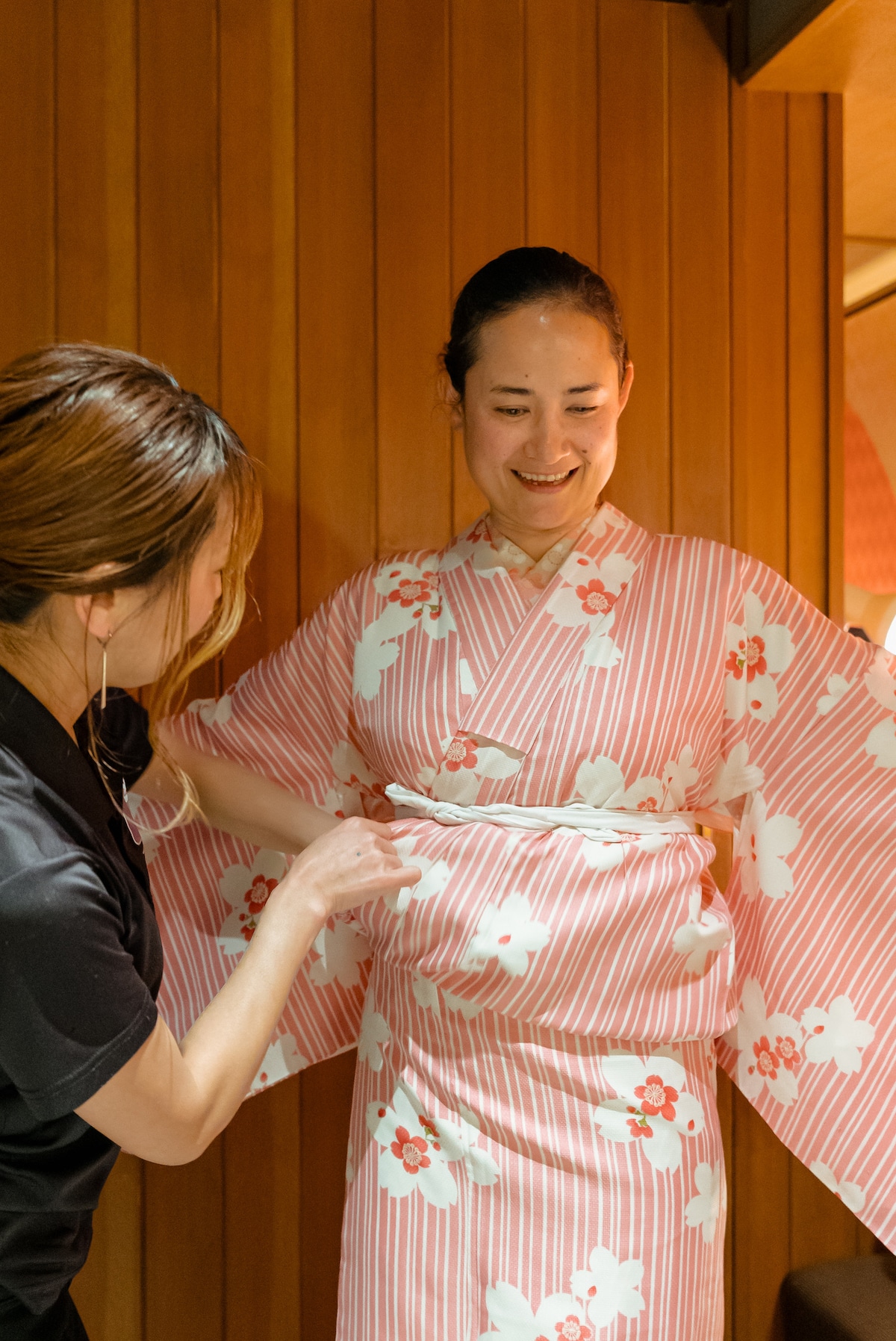
Explore Kyoto in a Kimono
Tue, Feb 17 • 9:00 AM
605-0005, Kyoto, Kyoto, Japan
View details
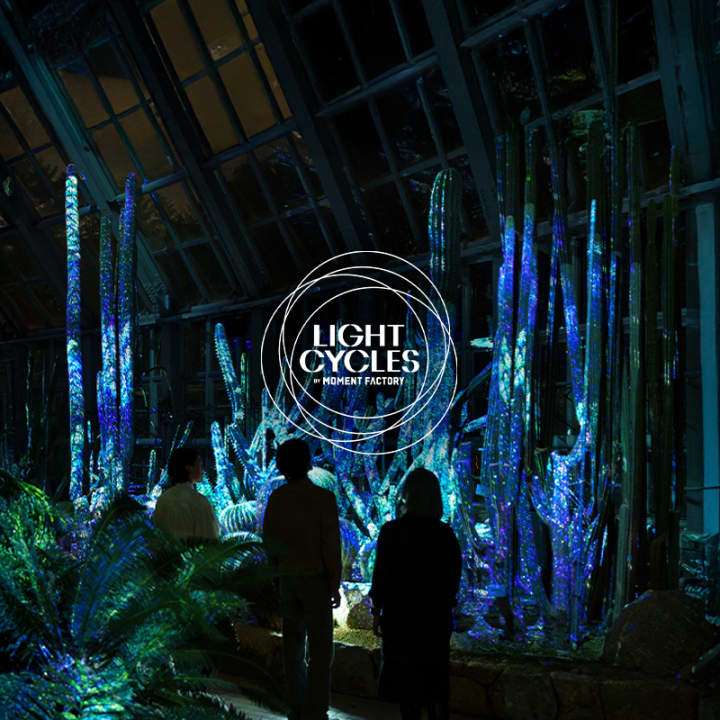
京都府立植物園:LIGHT CYCLES KYOTO (ライトサイクル京都)
Tue, Feb 17 • 6:00 PM
京都市左京区下鴨半木町, 606-0823
View details

Ultimate Kyoto: 10 Must-Sees & Hidden Gems 1-Day
Thu, Feb 19 • 8:45 AM
616-8373, Kyoto, Kyoto, Japan
View details
Nearby attractions of The Cultural Museum of Kyoto
SAMURAI NINJA MUSEUM Kyoto
The Museum of Kyoto - Annex (Former Kyoto Branch, the Bank of Japan)
Kaleidoscope Museum of Kyoto
Chōhō-ji (Rokkaku-dō) Temple
Gosho Hachiman-gū Shrine
京都YMCA
My Sake World Oike Bettei
GEAR /Non-Verbal theatre
Gallery of Kyoto Traditional Arts & Crafts
Kyoto Shinkyogoku Shopping Street
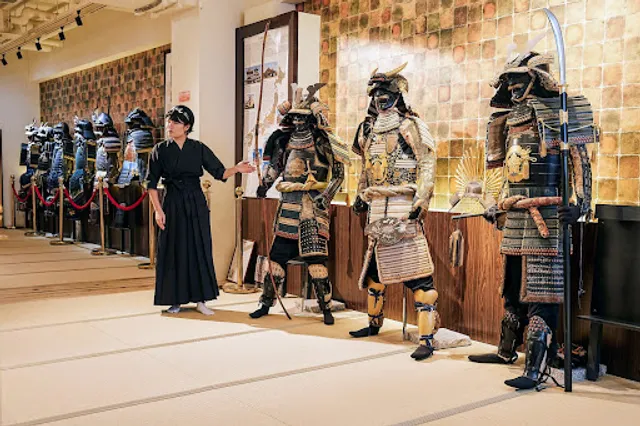
SAMURAI NINJA MUSEUM Kyoto
4.8
(8K)
Closed
Click for details
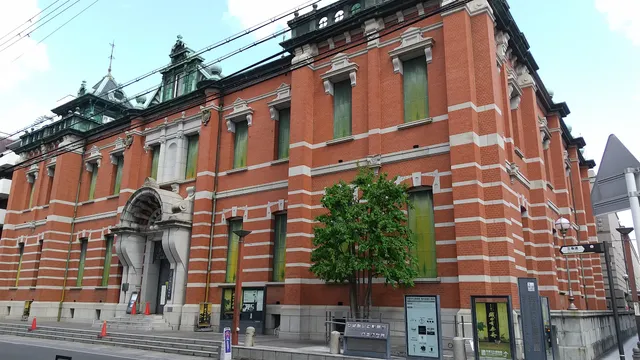
The Museum of Kyoto - Annex (Former Kyoto Branch, the Bank of Japan)
4.4
(238)
Open until 12:00 AM
Click for details

Kaleidoscope Museum of Kyoto
4.2
(276)
Open until 12:00 AM
Click for details
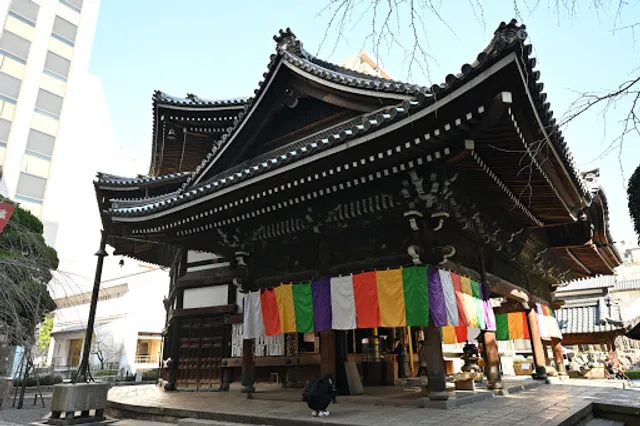
Chōhō-ji (Rokkaku-dō) Temple
4.3
(1.7K)
Closed
Click for details
Nearby restaurants of The Cultural Museum of Kyoto
Tokura Kyoto Sanjo
Inoda Coffee - Main Shop
節道
Hyakuten Manten
Chocolat BEL AMER Kyoto-Bettei - Sanjo store
Cafe & Pantry MATSUNOSUKE
Menya Totaro
Nanaya Kyoto Sanjo Shop
Maeda Coffee - The Museum of Kyoto
Relations
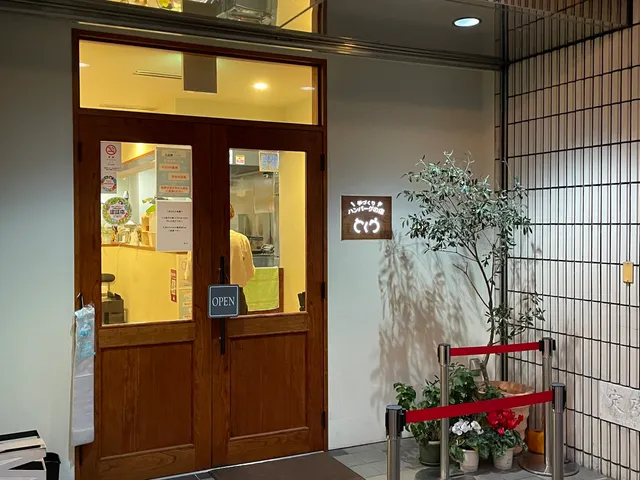
Tokura Kyoto Sanjo
4.5
(936)
Closed
Click for details
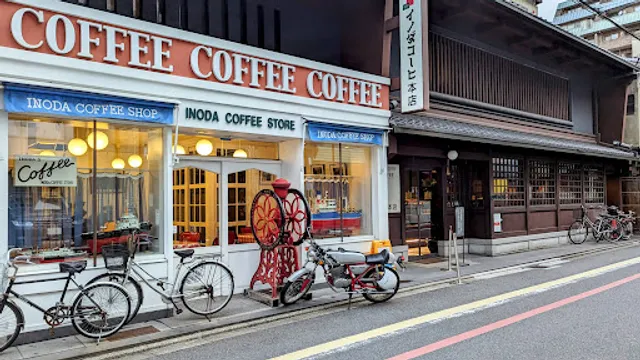
Inoda Coffee - Main Shop
4.3
(2.3K)
Closed
Click for details
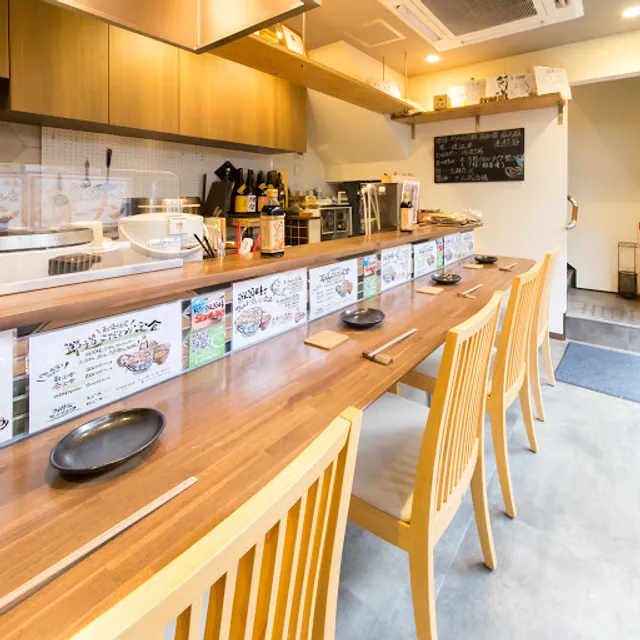
節道
4.4
(1.4K)
Closed
Click for details
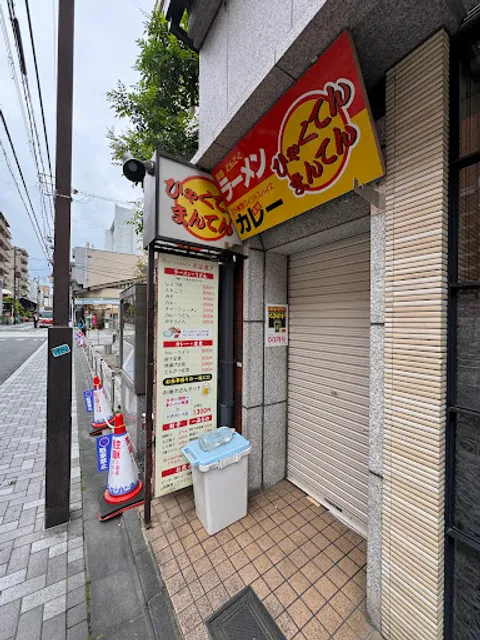
Hyakuten Manten
4.6
(392)
Closed
Click for details
Nearby local services of The Cultural Museum of Kyoto
Pro Antiques 古夢
70B ANTIQUES
Kyoto Yaoichi Honkan
ShinPuhKan
Ishiusu Soba Watatsune
Daitsuru
Y. & SONS Kyoto(ワイアンドサンズ京都) —Kimono Tailor—
パーソナルカラー診断京都shiro
Uplink Kyoto
Kameya Norikatsu

Pro Antiques 古夢
4.5
(123)
Click for details
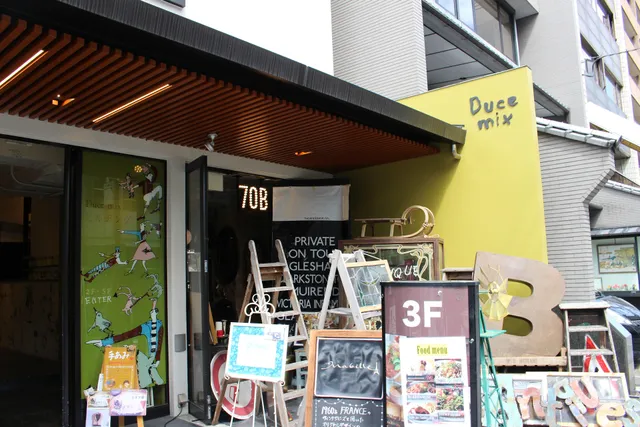
70B ANTIQUES
4.0
(102)
Click for details
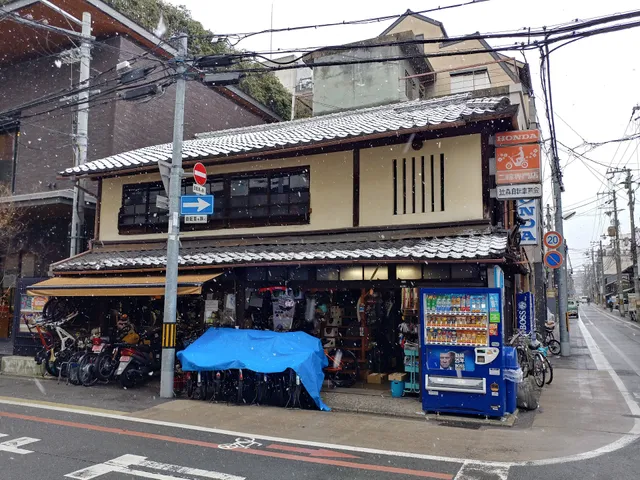
Kyoto Yaoichi Honkan
4.2
(770)
Click for details
ShinPuhKan
4.2
(782)
Click for details