Ibarakiken Gokoku Shrine things to do, attractions, restaurants, events info and trip planning
Basic Info
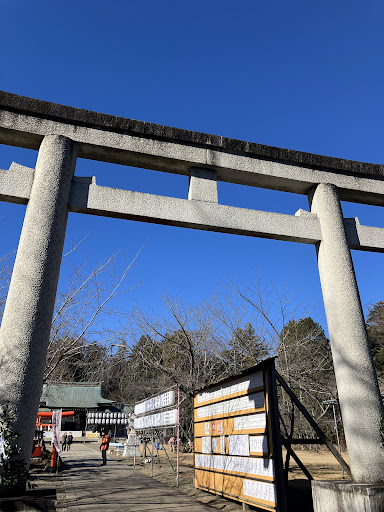
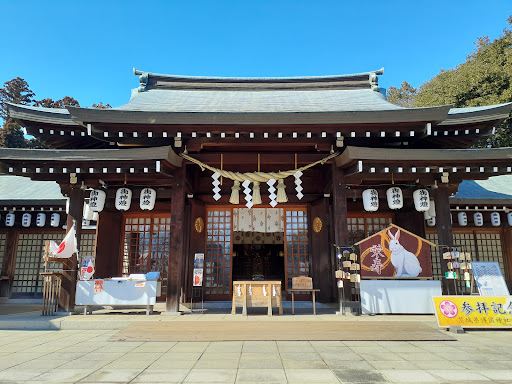
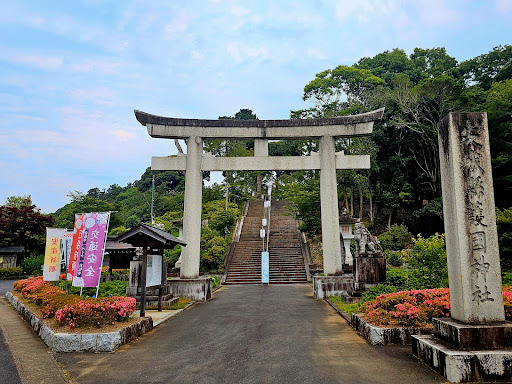
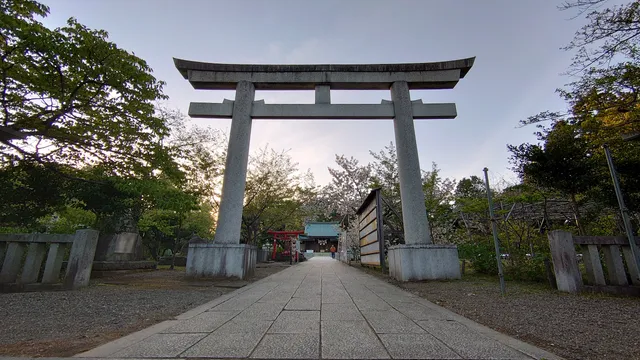
Ibarakiken Gokoku Shrine
1 Chome-2-1 Migawa, Mito, Ibaraki 310-0912, Japan
4.1(393)
Closed
Save
spot
spot
Ratings & Description
Info
Cultural
Scenic
Relaxation
Family friendly
Accessibility
attractions: 偕楽園 もみじ谷, Tokugawa Museum, Kairakuen, Kōbuntei, Ibaraki Prefectural Museum of History, Kairakuen Front Gate, Senba Park, Kobuntei Main Gate, Tokiwa Shrine, 偕楽園公園 四季の原, restaurants: Bonjuan, 食彩館 光彩(こうさい), Chukasobahamadaya Migawaten, 鮨健, Tousui-an, Koubun Cafe, Mon no mae, Ezokko, Kokoriko Cafeteria, 梅み月(うめみづき), local businesses:
 Learn more insights from Wanderboat AI.
Phone
+81 29-241-4781
Website
ibaraki-gokokujinja.jp
Open hoursSee all hours
Wed9 AM - 4 PMClosed
Plan your stay

Pet-friendly Hotels in Mito
Find a cozy hotel nearby and make it a full experience.

Affordable Hotels in Mito
Find a cozy hotel nearby and make it a full experience.

The Coolest Hotels You Haven't Heard Of (Yet)
Find a cozy hotel nearby and make it a full experience.

Trending Stays Worth the Hype in Mito
Find a cozy hotel nearby and make it a full experience.
Reviews
Nearby attractions of Ibarakiken Gokoku Shrine
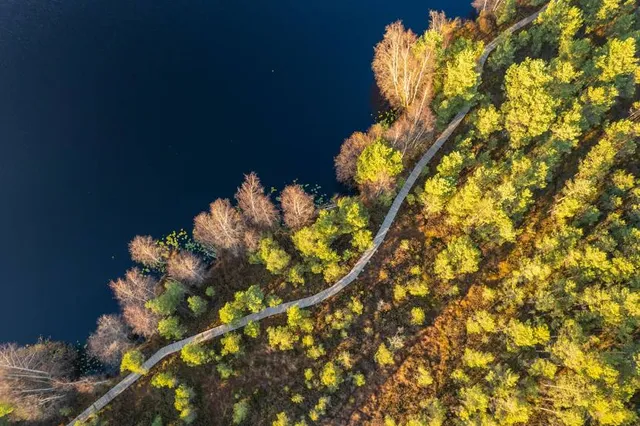
偕楽園 もみじ谷
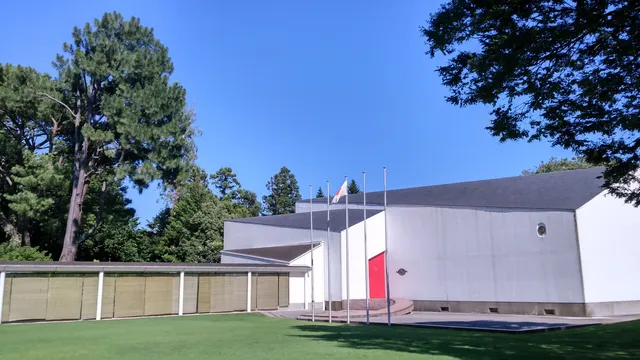
Tokugawa Museum
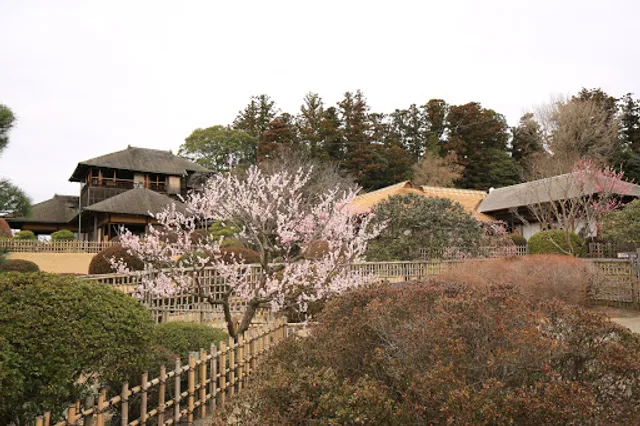
Kairakuen
Kōbuntei
Ibaraki Prefectural Museum of History
Kairakuen Front Gate
Senba Park
Kobuntei Main Gate
Tokiwa Shrine
偕楽園公園 四季の原
偕楽園 もみじ谷
4.2
(219)
Open until 12:00 AM
Click for details
Tokugawa Museum
3.6
(447)
Open until 5:00 PM
Click for details
Kairakuen
4.2
(4.4K)
Open until 6:00 PM
Click for details
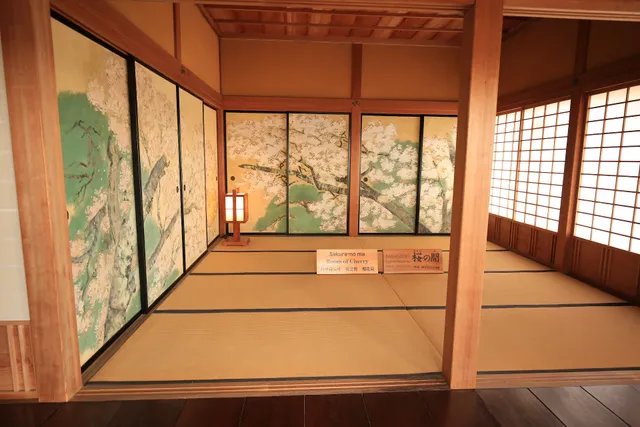
Kōbuntei
4.3
(451)
Open until 4:30 PM
Click for details
Nearby restaurants of Ibarakiken Gokoku Shrine
Bonjuan
食彩館 光彩(こうさい)
Chukasobahamadaya Migawaten
鮨健
Tousui-an
Koubun Cafe
Mon no mae
Ezokko
Kokoriko Cafeteria
梅み月(うめみづき)
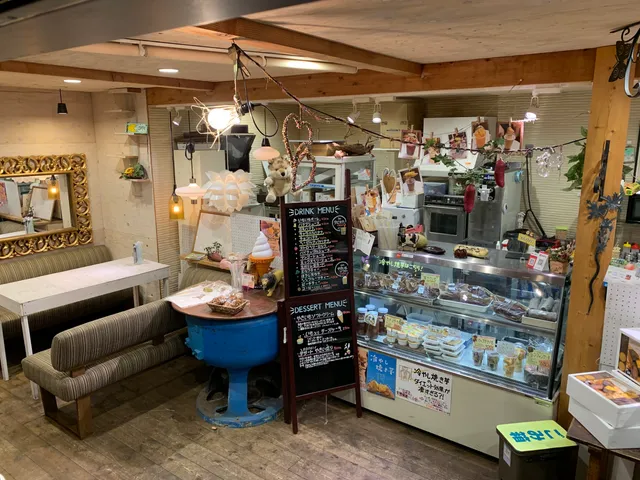
Bonjuan
3.8
(295)
Closed
Click for details
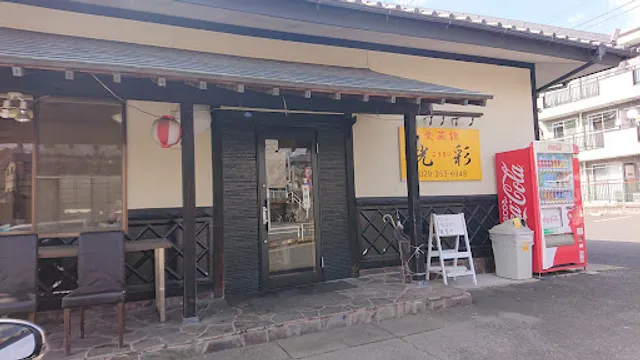
食彩館 光彩(こうさい)
3.9
(129)
Closed
Click for details
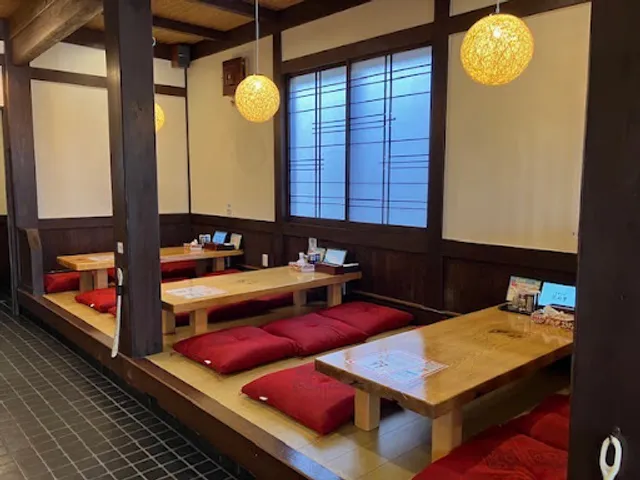
Chukasobahamadaya Migawaten
3.1
(80)
Open until 10:00 PM
Click for details
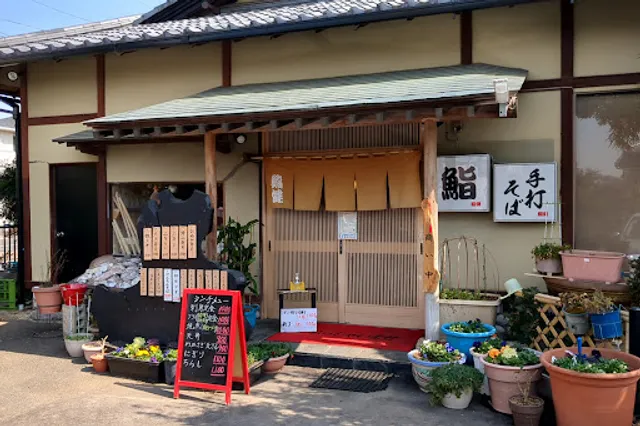
鮨健
4.2
(33)
Closed
Click for details