HTML SitemapExplore
logo
Find Things to DoFind The Best Restaurants

Naminoue Shrine — Attraction in Naha

Name
Naminoue Shrine
Description
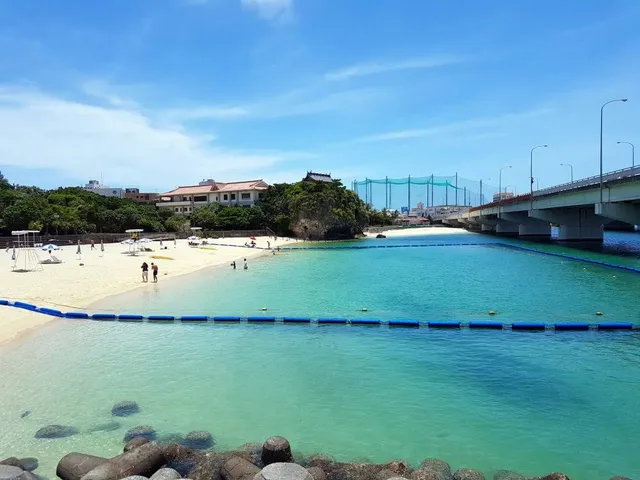
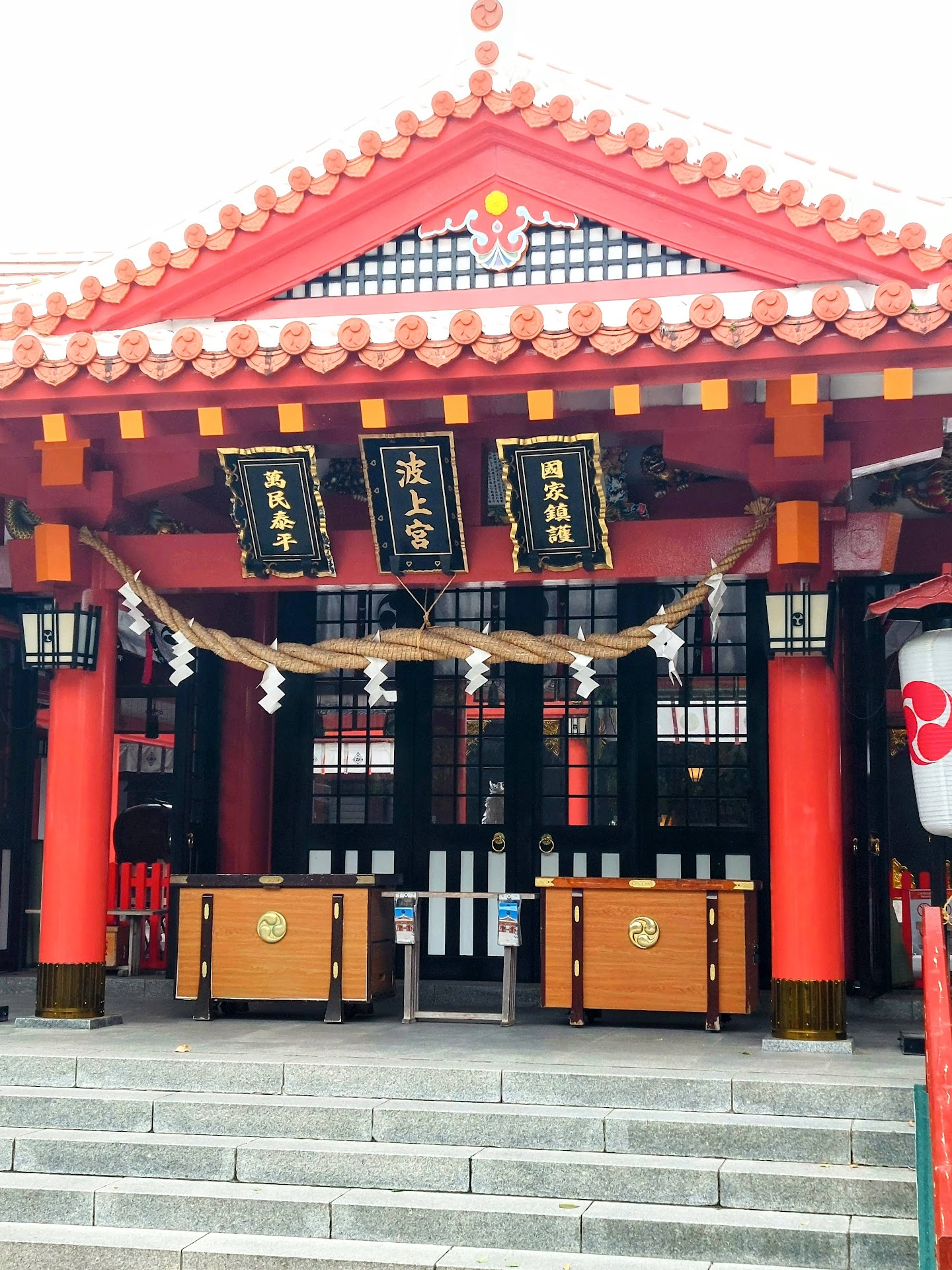
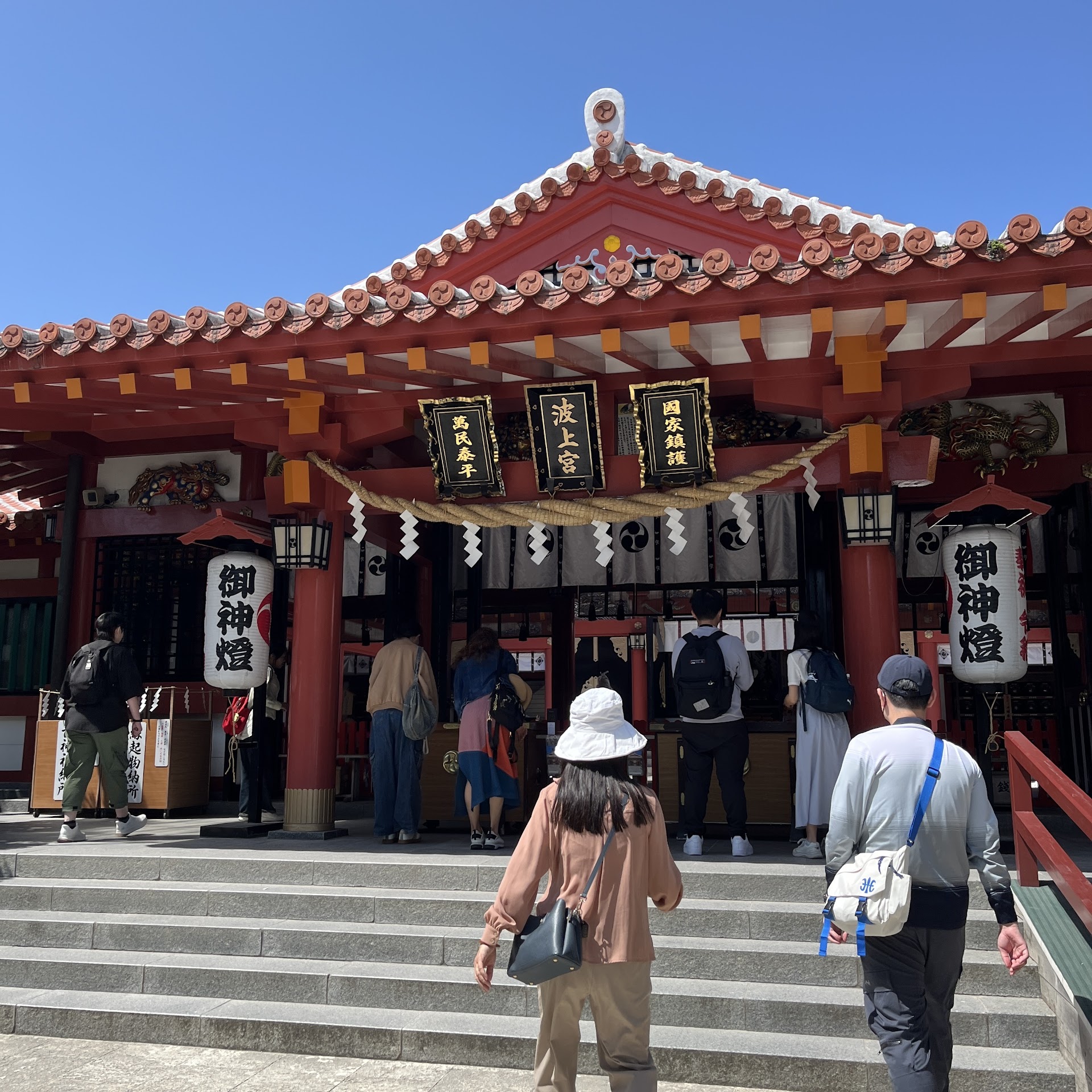
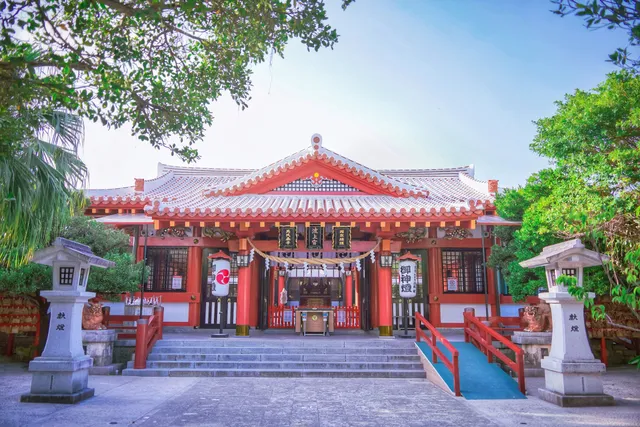
Naminoue Shrine is a Shinto shrine in Naha, Okinawa Prefecture, Japan, the ichinomiya of the prefecture. It sits atop a high bluff, overlooking Naminoue Beach and the ocean.
Nearby attractions
Naminoue Beach
1 Chome-25-9 Wakasa, Naha, Okinawa 900-0031, Japan
Asahigaoka Park
1 Chome Wakasa, Naha, Okinawa 900-0031, Japan
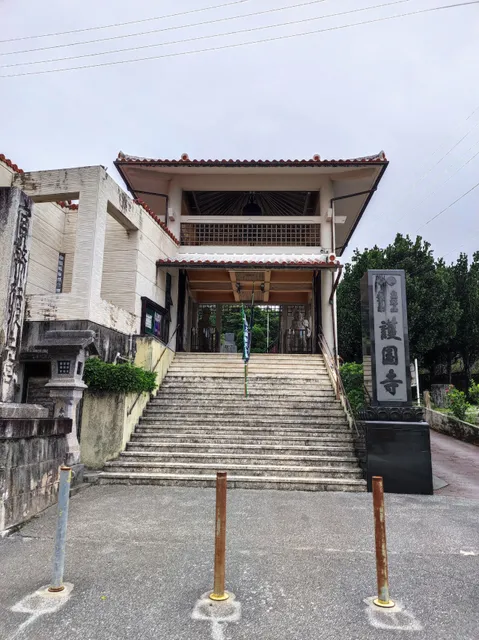
Gokokuji
1 Chome-25-5 Wakasa, Naha, Okinawa 900-0031, Japan
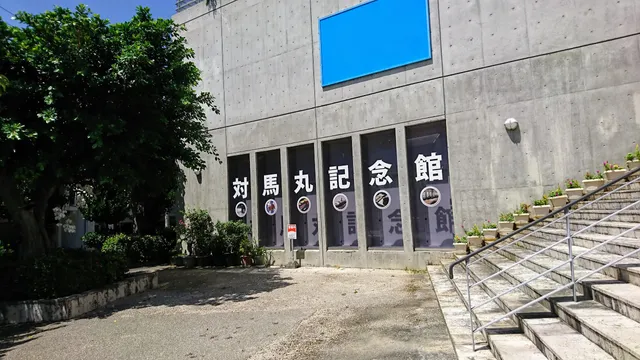
Tsushima-maru Memorial Museum
1 Chome-25-37 Wakasa, Naha, Okinawa 900-0031, Japan
Naminoue Wakuwaku Kids Land
3 Chome-2-1 Tsuji, Naha, Okinawa 900-0037, Japan
Naha Beach
3 Chome-1-40 Tsuji, Naha, Okinawa 900-0037, Japan
Umisora Park
3 Chome-3-1 Tsuji, Naha, Okinawa 900-0037, Japan
Ryuchu
1 Chome-26 Wakasa, Naha, Okinawa 900-0031, Japan
Fukushūen Garden
2 Chome-29-19 Kume, Naha, Okinawa 900-0033, Japan
Fukutsukan
2 Chome-21-5 Wakasa, Naha, Okinawa 900-0031, Japan
Nearby restaurants
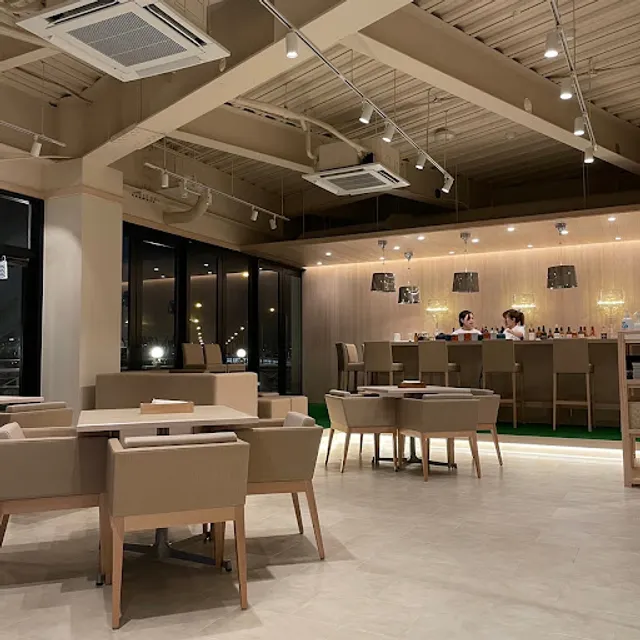
Seaside Garden Naminoue
Japan, 〒900-0037 Okinawa, Naha, Tsuji, 3 Chome−2−1 コスタビレッジエスパーナ 2F
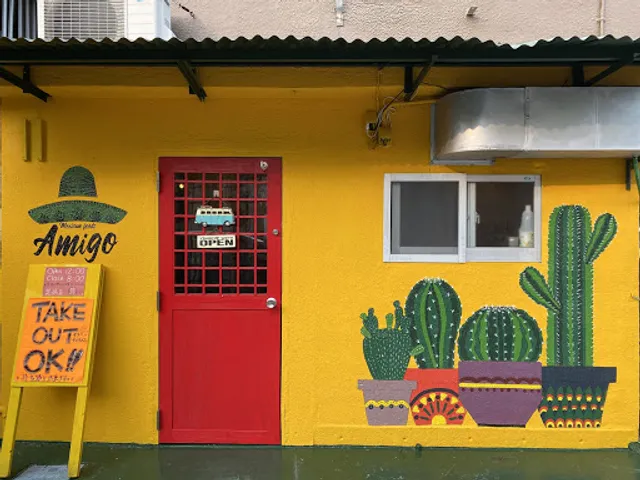
Amigo Tacos
1 Chome-17-21 Wakasa, Naha, Okinawa 900-0031, Japan
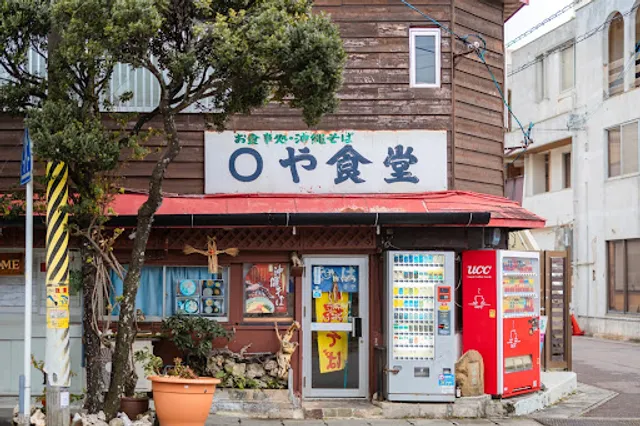
Maruya Diner
2 Chome-9-15 Tsuji, Naha, Okinawa 900-0037, Japan
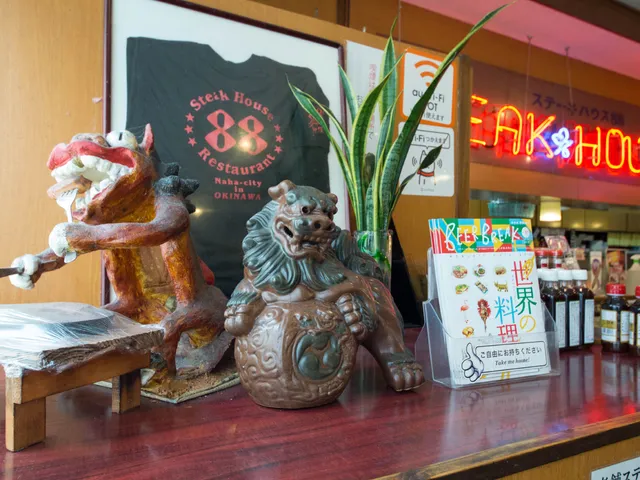
Steak House 88 Tsuji Main Branch
2 Chome-8-21 Tsuji, Naha, Okinawa 900-0037, Japan
Takara Diner
1 Chome-7-10 Wakasa, Naha, Okinawa 900-0031, Japan
HANGERBAR CLAMP
2 Chome-9-25 Tsuji, Naha, Okinawa 900-0037, Japan
Subway Naminoue Beach
3 Chome-2-1 Tsuji, Naha, Okinawa 900-0037, Japan
on the waves
1 Chome-17-1 Wakasa, Naha, Okinawa 900-0031, Japan
Sennichi
1 Chome-7-14 Kume, Naha, Okinawa 900-0033, Japan
Ramen Namizou
2 Chome-28-9 Tsuji, Naha, Okinawa 900-0037, Japan
Related posts
Keywords
Naminoue Shrine tourism.Naminoue Shrine hotels.Naminoue Shrine bed and breakfast. flights to Naminoue Shrine.Naminoue Shrine attractions.Naminoue Shrine restaurants.Naminoue Shrine travel.Naminoue Shrine travel guide.Naminoue Shrine travel blog.Naminoue Shrine pictures.Naminoue Shrine photos.Naminoue Shrine travel tips.Naminoue Shrine maps.Naminoue Shrine things to do.
Naminoue Shrine things to do, attractions, restaurants, events info and trip planning
Naminoue Shrine
JapanOkinawa PrefectureNahaNaminoue Shrine

Basic Info

Naminoue Shrine

1 Chome-25-11 Wakasa, Naha, Okinawa 900-0031, Japan
4.4(6K)
Open 24 hours
Save
spot

Ratings & Description

Info

Naminoue Shrine is a Shinto shrine in Naha, Okinawa Prefecture, Japan, the ichinomiya of the prefecture. It sits atop a high bluff, overlooking Naminoue Beach and the ocean.

Cultural
Family friendly
attractions: Naminoue Beach, Asahigaoka Park, Gokokuji, Tsushima-maru Memorial Museum, Naminoue Wakuwaku Kids Land, Naha Beach, Umisora Park, Ryuchu, Fukushūen Garden, Fukutsukan, restaurants: Seaside Garden Naminoue, Amigo Tacos, Maruya Diner, Steak House 88 Tsuji Main Branch, Takara Diner, HANGERBAR CLAMP, Subway Naminoue Beach, on the waves, Sennichi, Ramen Namizou
logoLearn more insights from Wanderboat AI.
Phone
+81 98-868-3697
Website
naminouegu.jp

Plan your stay

hotel
Pet-friendly Hotels in Naha
Find a cozy hotel nearby and make it a full experience.

hotel
Affordable Hotels in Naha
Find a cozy hotel nearby and make it a full experience.

hotel
The Coolest Hotels You Haven't Heard Of (Yet)
Find a cozy hotel nearby and make it a full experience.

hotel
Trending Stays Worth the Hype in Naha
Find a cozy hotel nearby and make it a full experience.

Reviews

Nearby attractions of Naminoue Shrine

Naminoue Beach

Asahigaoka Park

Gokokuji

Tsushima-maru Memorial Museum

Naminoue Wakuwaku Kids Land

Naha Beach

Umisora Park

Ryuchu

Fukushūen Garden

Fukutsukan

Naminoue Beach

Naminoue Beach

4.0

(1.4K)

Open 24 hours
Click for details
Asahigaoka Park

Asahigaoka Park

4.0

(201)

Open 24 hours
Click for details
Gokokuji

Gokokuji

4.2

(131)

Open 24 hours
Click for details
Tsushima-maru Memorial Museum

Tsushima-maru Memorial Museum

4.3

(274)

Open 24 hours
Click for details

Things to do nearby

Snorkeling in Okinawas Blue Cave
Wed, Dec 10 • 10:00 AM
904-0417, Okinawa, Onna, Kunigami District, Japan
View details
Sunset kayaking in Kadena, Okinawa
Sat, Dec 6 • 4:00 PM
904-0204, Okinawa, Kadena, Nakagami District, Japan
View details
Okinawan night izakaya food tour
Fri, Dec 5 • 5:00 PM
902-0067, Okinawa, Naha, Japan
View details

Nearby restaurants of Naminoue Shrine

Seaside Garden Naminoue

Amigo Tacos

Maruya Diner

Steak House 88 Tsuji Main Branch

Takara Diner

HANGERBAR CLAMP

Subway Naminoue Beach

on the waves

Sennichi

Ramen Namizou

Seaside Garden Naminoue

Seaside Garden Naminoue

4.7

(814)

Click for details
Amigo Tacos

Amigo Tacos

4.8

(200)

Click for details
Maruya Diner

Maruya Diner

4.4

(112)

Click for details
Steak House 88 Tsuji Main Branch

Steak House 88 Tsuji Main Branch

4.1

(1.4K)

Click for details
Get the Appoverlay
Get the AppOne tap to find yournext favorite spots!
Wanderboat LogoWanderboat

Your everyday Al companion for getaway ideas

CompanyAbout Us
InformationAI Trip PlannerSitemap
SocialXInstagramTiktokLinkedin
LegalTerms of ServicePrivacy Policy

Get the app

© 2025 Wanderboat. All rights reserved.
logo

Reviews of Naminoue Shrine

4.4
(5,950)
avatar
5.0
7y

Naminoue Shrine (波上宮 Naminoue-gū) is a Shinto shrine in Naha, Okinawa Prefecture, Japan, the ichinomiya (primary shrine) of the prefecture. It sits atop a high bluff, overlooking Naminoue Beach and the ocean.

Originally a sacred space of the native Ryukyuan religion, due to its location and natural beauty, it was dedicated to nirai kanai, the mythical source of all life, and to the sea. At some point it came to be known as Hana gusuku and Nanminsan; Nanmin is the Okinawan reading of 波上, meaning "above the waves", which is pronounced as Naminoue in Japanese.

In 1890, it was recognized in the system of State Shinto. It is among the ranked, nationally significant shrines or Kanpei-shōsha (官幣小社)

According to legend, it was founded after a fisherman, who had come to that spot to fish everyday, caught a mysterious stone. He began to pray to it, and began to receive better hauls in his fishing; the stone glowed, and the man treasured it. However, the gods (kami) stole the stone, and the man fled. From then on, there was an oracle at that spot, until the time when it became known as Nanminsan. Other stories tell that the man was visited by an avatar of Kumano (ja), who commanded the spiritual protection of the nation, and that, the man having related such to the royal government, the shrine was erected.

According to the historical document Ryūkyū-koku yūrai-ki (琉球国由来記, "Record of the Origin of the Kingdom of Ryūkyū), a Buddhist temple was founded on the site, to be associated with the shrine, in 1367, by Raijū, a monk from Japan's Satsuma province. This was called Naminoue-san Gokoku-ji (波上山護国寺, "Temple for the Protection of the Country, Naminoue Mountain").

The shrine then came to be associated with protection of the many ships coming and going from Naha's port, as Okinawa's trade with Korea, China, Japan, and regions to the south expanded. Prayers were made for safe journeys, and kami of the sea, of navigation and related matters were enshrined there. In addition, at the beginning of each year, the King visited the shrine and formally prayed on behalf of all the nation for good harvests and good fishing, and for the peace and prosperity of the nation. Thus, Naminoue came to be the top shrine of the kingdom. It was officially recorded as such in 1605, in Ryūkyū Shintō-ki (A Record of Ryūkyū Shinto)by Taichū Shōnin, a Japanese Buddhist monk.

In 1633, the shrine was destroyed by fire; and it was re-built.

Following the Meiji Restoration, the Ryūkyū Kingdom was dissolved and formally annexed by Japan as Okinawa Prefecture. The shrine was formally established as a Shinto shrine under the Imperial Household Agency in 1890, and designated as the shrine for the protection of the tranquility of all Okinawa (沖縄総鎮守社, Okinawa sōchinshu sha). In 1924, it was officially designated the center of religious affairs on the island. Symbols of Minamoto no Tametomo, and Ryukyuan kings Shunten, Shō En, Shō Nei, and Shō Tai were enshrined there as the primary objects of worship, as part of efforts to integrate the Ryukyuan royal line into the Japanese system of nobility and Imperial authority.

During the Sino-Japanese War (1894-5) and Russo-Japanese War (1904-5), it was common for women to come to Naminoue to pray that their sons be deemed unfit for military service to the Japanese Empire.

The shrine was destroyed in the 1945 battle of Okinawa; the honden (main hall) and shrine office were rebuilt in 1953, as was the worship hall (haiden), eight years later. Construction of a number of other buildings, including a number of smaller shrines within the grounds, was...

   Read more
avatar
5.0
1y

“Naminoue Shrine” is located in Naha City, near the airport. It is 1 of 8 ancient shrines from the Ryukyu Kingdom, considered a power spot & holy place. It is a Shinto sanctuary with deities & royalty enshrined there. Originally dedicated to kami (deities) of the sea & nirai kanai, the source of life. Then, more for protection & tranquility of the entire prefecture. Later, it became known as Hana gusuku & Nanminsan. Nanmin is the Okinawan reading of 波上, meaning "above the waves". The cliff overlooks Naminoue Beach & the East China Sea, from which people would pray for fertility, peace, & a bountiful fishing harvest. Mariners sailing by look up from ships & pray for a safe voyage or prosperous commerce. This particular shrine is a most popular spot the day after new years, for people to greet the first sunrise with loved ones. We, along with many foreign tourists, often come with families before they depart to pray for safe travels & continued blessings.

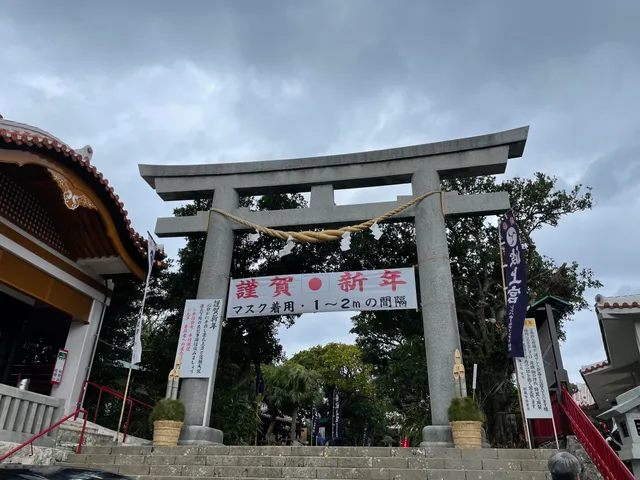
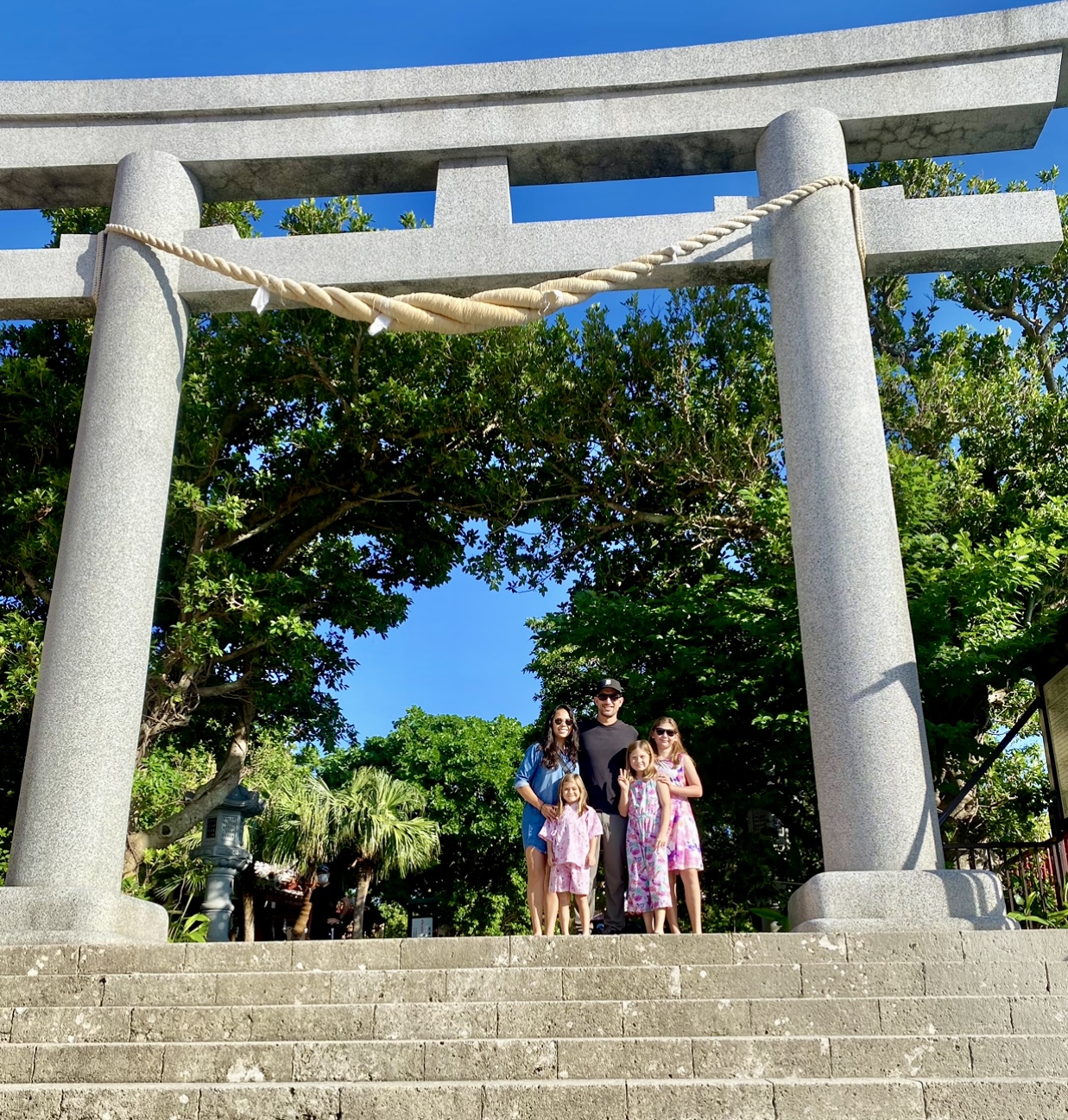
NOTES FOR RESPECTFUL VISIT: Before entering a shrine, there is a Torii Gate signifying a holy place. It is customary to bow before going through & always enter off-center, as that area is for deities to pass. After entering & heading down the Sando (sacred walk way), there’s a hand washing basin used for purification.

STEPS FOR HAND WASHING: 1 - Slight bow towards water basin. 2 - Hold dipper with right hand to pour water on left hand. 3 - Switch hands & pour water on right hand. 4 - Switch hands again, cup your left & pour water inside. 5 - Use to rinse mouth. Don’t swallow. When you spit, cover mouth so as not to be seen. 6 - Rinse left once more. 7 - Pour out remaining water & return dipper. *Scoop enough water at beginning so you don’t have to refill. Perform in fluid motion, at respectively low level, to keep water from falling back into basin.

PRAYING/MONEY OFFERING: stand in front of altar entrance to greet kami-sama. 1 - Give a slight bow & place saisen (money) into box. *An offering to the "god”. No rule on how much so give what you can/want. Best to place in the box quietly, no throwing. Say prayer after you have a relaxed mind & heart. 2 - Bow 2x (deep 90 degree). 3 - Clap 2x (Sturdy hands, chest level) & make prayer/wish. 4 - Bow once (last deep bow to finish)

AMULETS OR CHARMS: you can purchase Omamori here. They are tokens of protection or blessings for various requests. Some are prayers for grades, safe travels, good health, motherhood, fortune, fertility, marriage, etc. Payment in yen only at time of this...

   Read more
avatar
5.0
1y

A Japanese shrine worth visiting

Naminoue-gu is a historic district located in Okinawa's capital city, Naha. Steeped in cultural significance and nestled against the backdrop of modernity, this area seamlessly blends tradition with contemporary allure. At its heart stands Naminoue-gu Shrine, a revered Shinto sanctuary perched atop a scenic cliff overlooking the azure waters of the East China Sea.

The shrine, with its distinctive red torii gate and intricate architectural details, serves as a spiritual haven for locals and a captivating site for visitors. Dedicated to the sea deity, Naminoue-gu Shrine holds annual ceremonies and festivals that attract worshippers and enthusiasts alike, adding a vibrant layer to Okinawa's cultural tapestry.

Beyond the shrine, Naminoue-gu unfolds with quaint streets adorned by traditional Okinawan houses and charming shops. Strolling through these lanes offers a glimpse into the region's rich heritage, with artisans crafting local specialties and showcasing unique handicrafts. Visitors can savor the flavors of Okinawan cuisine in the district's eateries, savoring the distinct tastes of dishes influenced by the island's subtropical climate.

The district also serves as a gateway to Kokusai Dori, Naha's bustling international street, where a myriad of shops, restaurants, and entertainment options beckon. Naminoue-gu, with its juxtaposition of old-world charm and modern dynamism, encapsulates Okinawa's ability to honor its past while embracing the present—a testament to the island's enduring spirit and...

   Read more
Page 1 of 7
Previous
Next

Posts

Rhea KRhea K
“Naminoue Shrine” is located in Naha City, near the airport. It is 1 of 8 ancient shrines from the Ryukyu Kingdom, considered a power spot & holy place. It is a Shinto sanctuary with deities & royalty enshrined there. Originally dedicated to kami (deities) of the sea & nirai kanai, the source of life. Then, more for protection & tranquility of the entire prefecture. Later, it became known as Hana gusuku & Nanminsan. Nanmin is the Okinawan reading of 波上, meaning "above the waves". The cliff overlooks Naminoue Beach & the East China Sea, from which people would pray for fertility, peace, & a bountiful fishing harvest. Mariners sailing by look up from ships & pray for a safe voyage or prosperous commerce. This particular shrine is a most popular spot the day after new years, for people to greet the first sunrise with loved ones. We, along with many foreign tourists, often come with families before they depart to pray for safe travels & continued blessings. NOTES FOR RESPECTFUL VISIT: Before entering a shrine, there is a Torii Gate signifying a holy place. It is customary to bow before going through & always enter off-center, as that area is for deities to pass. After entering & heading down the Sando (sacred walk way), there’s a hand washing basin used for purification. STEPS FOR HAND WASHING: 1 - Slight bow towards water basin. 2 - Hold dipper with right hand to pour water on left hand. 3 - Switch hands & pour water on right hand. 4 - Switch hands again, cup your left & pour water inside. 5 - Use to rinse mouth. Don’t swallow. When you spit, cover mouth so as not to be seen. 6 - Rinse left once more. 7 - Pour out remaining water & return dipper. *Scoop enough water at beginning so you don’t have to refill. Perform in fluid motion, at respectively low level, to keep water from falling back into basin. PRAYING/MONEY OFFERING: stand in front of altar entrance to greet kami-sama. 1 - Give a slight bow & place saisen (money) into box. *An offering to the "god”. No rule on how much so give what you can/want. Best to place in the box quietly, no throwing. Say prayer after you have a relaxed mind & heart. 2 - Bow 2x (deep 90 degree). 3 - Clap 2x (Sturdy hands, chest level) & make prayer/wish. 4 - Bow once (last deep bow to finish) AMULETS OR CHARMS: you can purchase Omamori here. They are tokens of protection or blessings for various requests. Some are prayers for grades, safe travels, good health, motherhood, fortune, fertility, marriage, etc. Payment in yen only at time of this review. *JUNE 2024*
Matt HungMatt Hung
A Japanese shrine worth visiting Naminoue-gu is a historic district located in Okinawa's capital city, Naha. Steeped in cultural significance and nestled against the backdrop of modernity, this area seamlessly blends tradition with contemporary allure. At its heart stands Naminoue-gu Shrine, a revered Shinto sanctuary perched atop a scenic cliff overlooking the azure waters of the East China Sea. The shrine, with its distinctive red torii gate and intricate architectural details, serves as a spiritual haven for locals and a captivating site for visitors. Dedicated to the sea deity, Naminoue-gu Shrine holds annual ceremonies and festivals that attract worshippers and enthusiasts alike, adding a vibrant layer to Okinawa's cultural tapestry. Beyond the shrine, Naminoue-gu unfolds with quaint streets adorned by traditional Okinawan houses and charming shops. Strolling through these lanes offers a glimpse into the region's rich heritage, with artisans crafting local specialties and showcasing unique handicrafts. Visitors can savor the flavors of Okinawan cuisine in the district's eateries, savoring the distinct tastes of dishes influenced by the island's subtropical climate. The district also serves as a gateway to Kokusai Dori, Naha's bustling international street, where a myriad of shops, restaurants, and entertainment options beckon. Naminoue-gu, with its juxtaposition of old-world charm and modern dynamism, encapsulates Okinawa's ability to honor its past while embracing the present—a testament to the island's enduring spirit and cultural vitality.
Tony MTony M
This area has been the sacred area to offer prayers to Nirai Kanai (world of gods) since the day of old. Each boat going in and out of the commerce base of Naha port looked up to the shrine on top of the high cliff, prayed for a safe journey and expressed their appreciation. The shrine was venerated, and people prayed for a rich haul of fish and rich harvest. Every New Year, the King himself, on behalf of his people visited the shrine to pray for the peace and prosperity of the nation. The shrine was admired as the "primary shrine of the kingdom", head of the Eight Shrines in Ryukyu. It was classified as Kanpei-shousha (nationally significant shrine) in the Meiji Era and became the Okinawa Sochinju (shrine that protects the whole of Okinawa) but it was destroyed during the war. After the war, Shamusho (shrine office) and Honden (main shrine) were reconstructed in 1953, and Haiden (hall of worship) was reconstructed in 1961. In 1993, reconstruction of Honden (main shrine) and other shrines was completed during the Heisei reconstruction project. It was designated as the Naha City Historical Site of Cultural Property in 2006.
See more posts
See more posts
hotel
Find your stay

Pet-friendly Hotels in Naha

Find a cozy hotel nearby and make it a full experience.

“Naminoue Shrine” is located in Naha City, near the airport. It is 1 of 8 ancient shrines from the Ryukyu Kingdom, considered a power spot & holy place. It is a Shinto sanctuary with deities & royalty enshrined there. Originally dedicated to kami (deities) of the sea & nirai kanai, the source of life. Then, more for protection & tranquility of the entire prefecture. Later, it became known as Hana gusuku & Nanminsan. Nanmin is the Okinawan reading of 波上, meaning "above the waves". The cliff overlooks Naminoue Beach & the East China Sea, from which people would pray for fertility, peace, & a bountiful fishing harvest. Mariners sailing by look up from ships & pray for a safe voyage or prosperous commerce. This particular shrine is a most popular spot the day after new years, for people to greet the first sunrise with loved ones. We, along with many foreign tourists, often come with families before they depart to pray for safe travels & continued blessings. NOTES FOR RESPECTFUL VISIT: Before entering a shrine, there is a Torii Gate signifying a holy place. It is customary to bow before going through & always enter off-center, as that area is for deities to pass. After entering & heading down the Sando (sacred walk way), there’s a hand washing basin used for purification. STEPS FOR HAND WASHING: 1 - Slight bow towards water basin. 2 - Hold dipper with right hand to pour water on left hand. 3 - Switch hands & pour water on right hand. 4 - Switch hands again, cup your left & pour water inside. 5 - Use to rinse mouth. Don’t swallow. When you spit, cover mouth so as not to be seen. 6 - Rinse left once more. 7 - Pour out remaining water & return dipper. *Scoop enough water at beginning so you don’t have to refill. Perform in fluid motion, at respectively low level, to keep water from falling back into basin. PRAYING/MONEY OFFERING: stand in front of altar entrance to greet kami-sama. 1 - Give a slight bow & place saisen (money) into box. *An offering to the "god”. No rule on how much so give what you can/want. Best to place in the box quietly, no throwing. Say prayer after you have a relaxed mind & heart. 2 - Bow 2x (deep 90 degree). 3 - Clap 2x (Sturdy hands, chest level) & make prayer/wish. 4 - Bow once (last deep bow to finish) AMULETS OR CHARMS: you can purchase Omamori here. They are tokens of protection or blessings for various requests. Some are prayers for grades, safe travels, good health, motherhood, fortune, fertility, marriage, etc. Payment in yen only at time of this review. *JUNE 2024*
Rhea K

Rhea K

hotel
Find your stay

Affordable Hotels in Naha

Find a cozy hotel nearby and make it a full experience.

Get the Appoverlay
Get the AppOne tap to find yournext favorite spots!
A Japanese shrine worth visiting Naminoue-gu is a historic district located in Okinawa's capital city, Naha. Steeped in cultural significance and nestled against the backdrop of modernity, this area seamlessly blends tradition with contemporary allure. At its heart stands Naminoue-gu Shrine, a revered Shinto sanctuary perched atop a scenic cliff overlooking the azure waters of the East China Sea. The shrine, with its distinctive red torii gate and intricate architectural details, serves as a spiritual haven for locals and a captivating site for visitors. Dedicated to the sea deity, Naminoue-gu Shrine holds annual ceremonies and festivals that attract worshippers and enthusiasts alike, adding a vibrant layer to Okinawa's cultural tapestry. Beyond the shrine, Naminoue-gu unfolds with quaint streets adorned by traditional Okinawan houses and charming shops. Strolling through these lanes offers a glimpse into the region's rich heritage, with artisans crafting local specialties and showcasing unique handicrafts. Visitors can savor the flavors of Okinawan cuisine in the district's eateries, savoring the distinct tastes of dishes influenced by the island's subtropical climate. The district also serves as a gateway to Kokusai Dori, Naha's bustling international street, where a myriad of shops, restaurants, and entertainment options beckon. Naminoue-gu, with its juxtaposition of old-world charm and modern dynamism, encapsulates Okinawa's ability to honor its past while embracing the present—a testament to the island's enduring spirit and cultural vitality.
Matt Hung

Matt Hung

hotel
Find your stay

The Coolest Hotels You Haven't Heard Of (Yet)

Find a cozy hotel nearby and make it a full experience.

hotel
Find your stay

Trending Stays Worth the Hype in Naha

Find a cozy hotel nearby and make it a full experience.

This area has been the sacred area to offer prayers to Nirai Kanai (world of gods) since the day of old. Each boat going in and out of the commerce base of Naha port looked up to the shrine on top of the high cliff, prayed for a safe journey and expressed their appreciation. The shrine was venerated, and people prayed for a rich haul of fish and rich harvest. Every New Year, the King himself, on behalf of his people visited the shrine to pray for the peace and prosperity of the nation. The shrine was admired as the "primary shrine of the kingdom", head of the Eight Shrines in Ryukyu. It was classified as Kanpei-shousha (nationally significant shrine) in the Meiji Era and became the Okinawa Sochinju (shrine that protects the whole of Okinawa) but it was destroyed during the war. After the war, Shamusho (shrine office) and Honden (main shrine) were reconstructed in 1953, and Haiden (hall of worship) was reconstructed in 1961. In 1993, reconstruction of Honden (main shrine) and other shrines was completed during the Heisei reconstruction project. It was designated as the Naha City Historical Site of Cultural Property in 2006.
Tony M

Tony M

See more posts
See more posts