Shinkyo Bridge things to do, attractions, restaurants, events info and trip planning
Basic Info
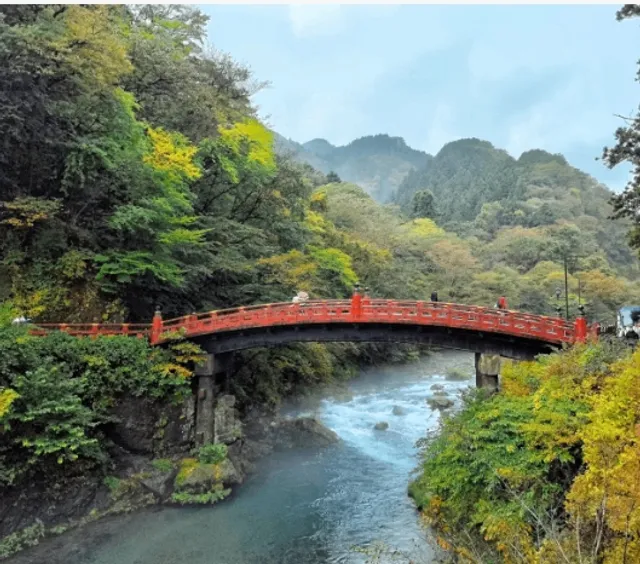
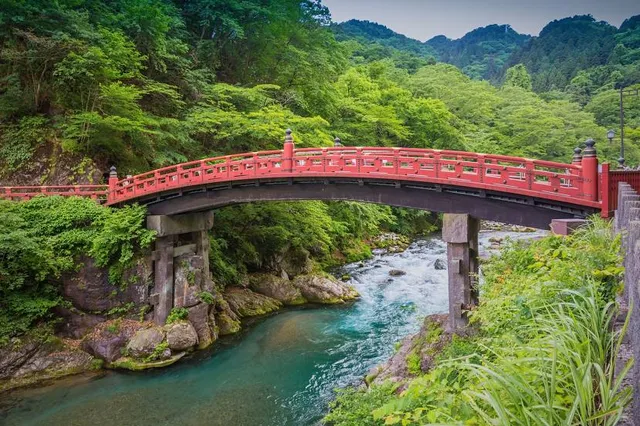
Shinkyo Bridge
Kamihatsuishimachi, Nikko, Tochigi 321-1401, Japan
4.2(4.1K)
Open until 3:30 PM


tickets
Save
spot
spot
Ratings & Description
Info
Cultural
Outdoor
Accessibility
attractions: World Heritage Monument, Rin’nōji Houmotsuden treasure house, Kosugi Hōan Museum of Art, Shōyō-en Garden, Nagasaka-taki Waterfall, Nikko Toshogu Hōmotsukan Museum, Nikkō Tōshōgū, Ōgoma-dō / Goma-dō Hall, Gojū-no-tō (five-storied pagoda), Yōmeimon Gate, restaurants: Grill & Steak Myōgetsubō, HONGŪ CAFE, Mihashi, Asaya Resthouse, Yuba ryōri Aburagen, Cafe-Restaurant Takumi, Shinkyouan, Kanaya Hotel Bakery Shinkyo Store, 日光金谷ホテル ダイニングルーム(NIKKO KANAYA HOTEL MAIN DINING ROOM), Murmur Biiru Stand, local businesses: Hongū-jinja Shrine (Futarasan-jinja Betsugū), Iwasaku Shrine, Rin-no-ji Treasure House, Shinkyo Bridge Reception, Nikkozan Rinnoji Temple, Nikko NASU no Rusk Yasan, TENTO chocolate 日光本店, Shihonryu-ji Temple, Shinkyo Bridge Parking Lot, Nikkō Tōshōgū Museum
 Learn more insights from Wanderboat AI.
Phone
+81 288-54-0535
Website
shinkyo.net
Open hoursSee all hours
Sat9:30 AM - 3:30 PMOpen
Plan your stay

Pet-friendly Hotels in Nikko
Find a cozy hotel nearby and make it a full experience.

Affordable Hotels in Nikko
Find a cozy hotel nearby and make it a full experience.

The Coolest Hotels You Haven't Heard Of (Yet)
Find a cozy hotel nearby and make it a full experience.

Trending Stays Worth the Hype in Nikko
Find a cozy hotel nearby and make it a full experience.
Reviews
Nearby attractions of Shinkyo Bridge
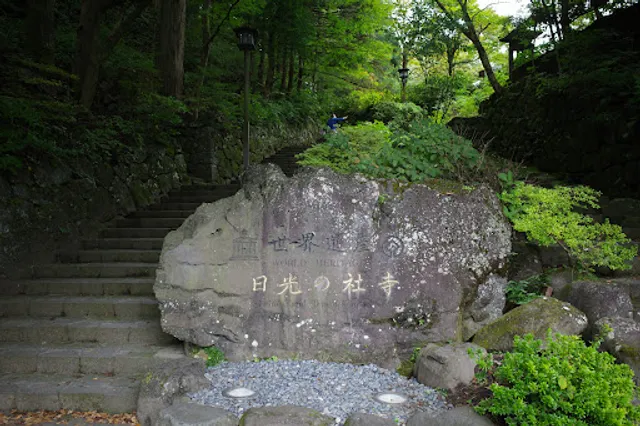
World Heritage Monument
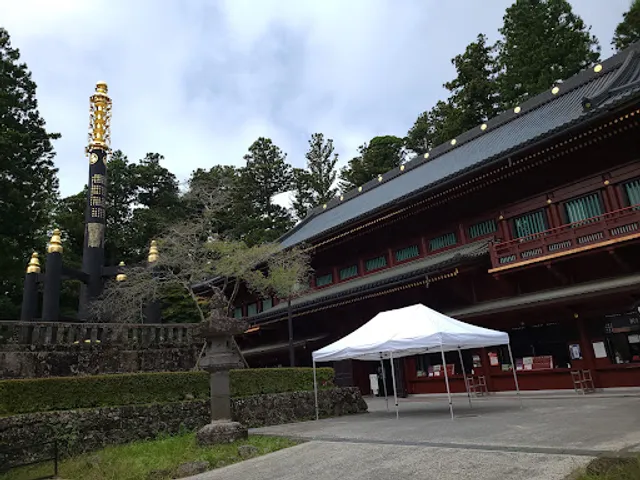
Rin’nōji Houmotsuden treasure house
Kosugi Hōan Museum of Art
Shōyō-en Garden
Nagasaka-taki Waterfall
Nikko Toshogu Hōmotsukan Museum
Nikkō Tōshōgū
Ōgoma-dō / Goma-dō Hall
Gojū-no-tō (five-storied pagoda)
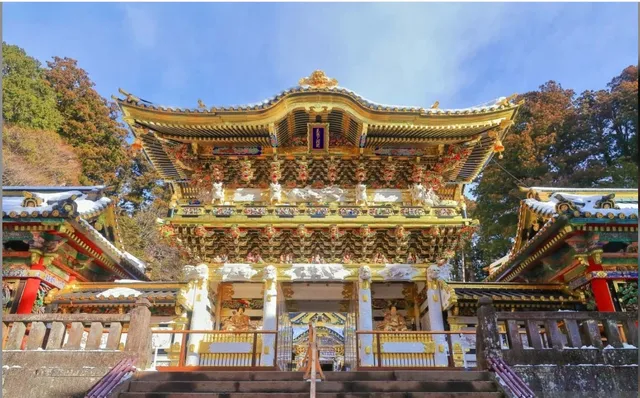
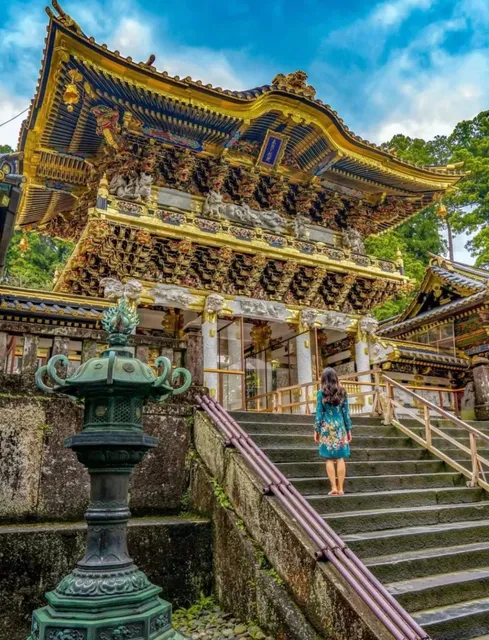
Yōmeimon Gate
World Heritage Monument
4.1
(57)
Open until 12:00 AM
Click for details
Rin’nōji Houmotsuden treasure house
4.2
(624)
Open until 4:00 PM
Click for details
Kosugi Hōan Museum of Art
4.0
(118)
Open until 5:00 PM
Click for details
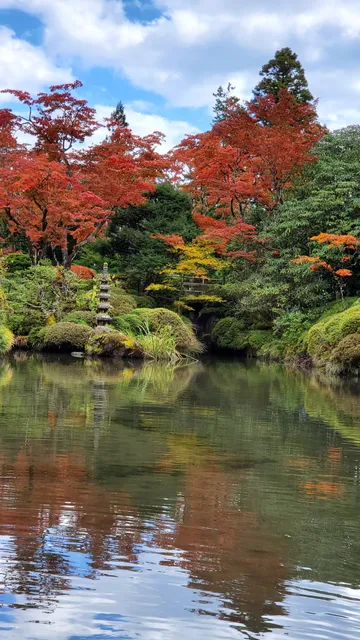
Shōyō-en Garden
4.5
(93)
Open until 4:00 PM
Click for details
Nearby restaurants of Shinkyo Bridge
Grill & Steak Myōgetsubō
HONGŪ CAFE
Mihashi
Asaya Resthouse
Yuba ryōri Aburagen
Cafe-Restaurant Takumi
Shinkyouan
Kanaya Hotel Bakery Shinkyo Store
日光金谷ホテル ダイニングルーム(NIKKO KANAYA HOTEL MAIN DINING ROOM)
Murmur Biiru Stand
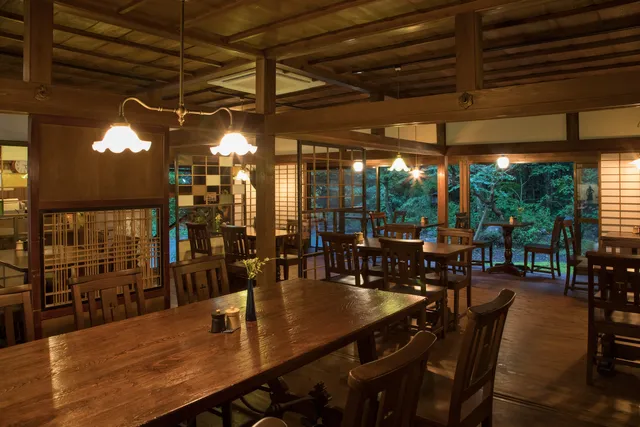
Grill & Steak Myōgetsubō
4.7
(373)
$$$
Open until 12:00 AM
Click for details
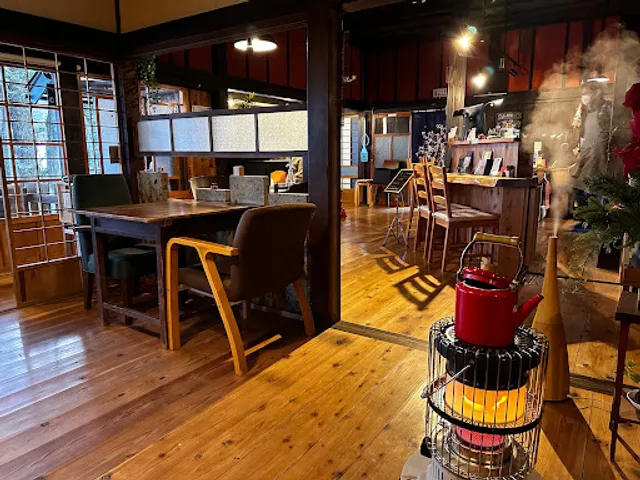
HONGŪ CAFE
4.0
(393)
Open until 5:00 PM
Click for details
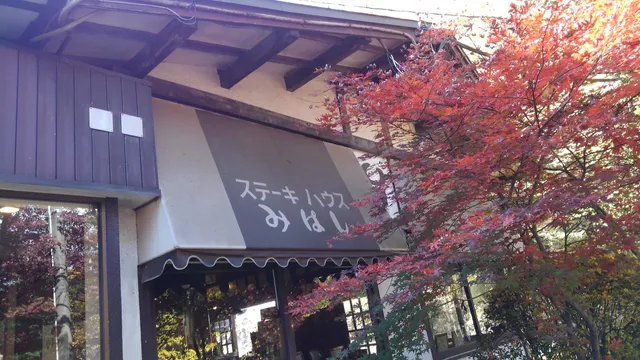
Mihashi
4.4
(306)
$$$
Closed
Click for details
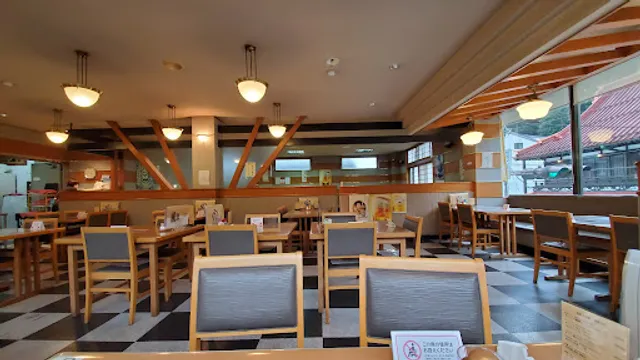
Asaya Resthouse
3.7
(253)
Open until 4:00 PM
Click for details
Nearby local services of Shinkyo Bridge
Hongū-jinja Shrine (Futarasan-jinja Betsugū)
Iwasaku Shrine
Rin-no-ji Treasure House
Shinkyo Bridge Reception
Nikkozan Rinnoji Temple
Nikko NASU no Rusk Yasan
TENTO chocolate 日光本店
Shihonryu-ji Temple
Shinkyo Bridge Parking Lot
Nikkō Tōshōgū Museum
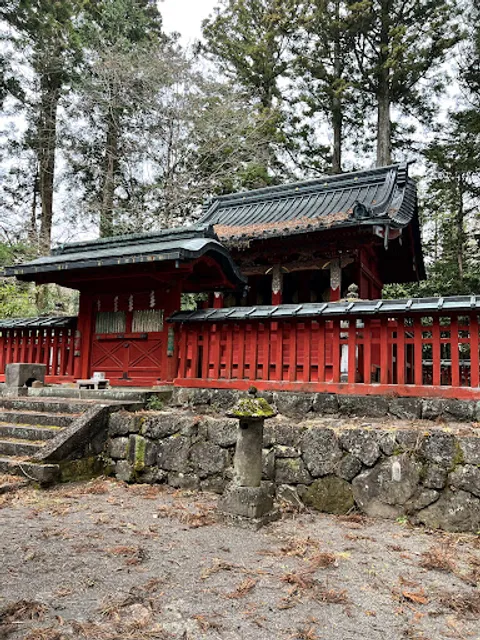
Hongū-jinja Shrine (Futarasan-jinja Betsugū)
4.3
(45)
Click for details
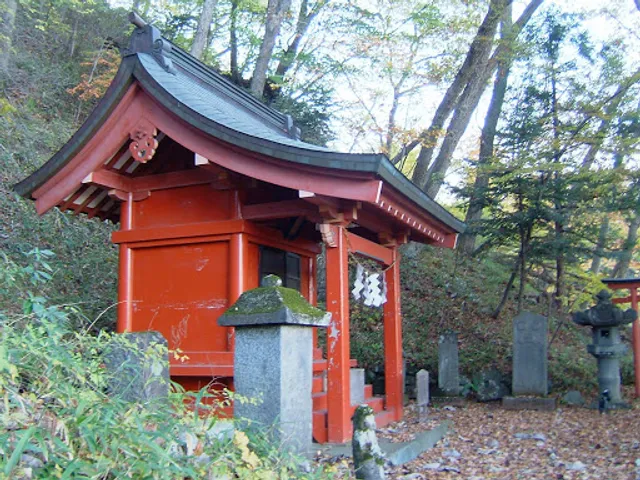
Iwasaku Shrine
4.1
(12)
Click for details
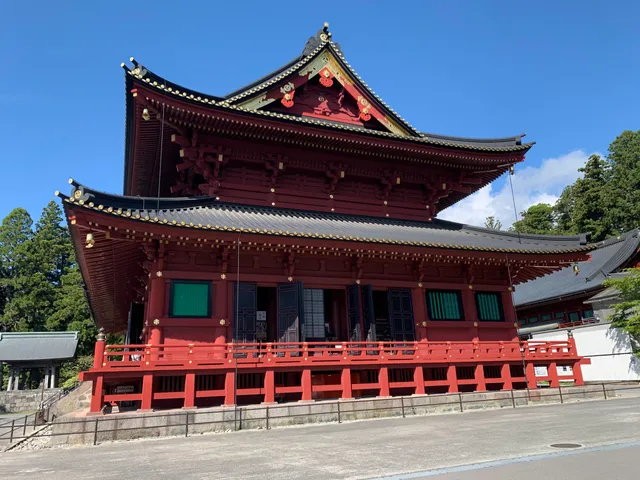
Rin-no-ji Treasure House
4.2
(498)
Click for details
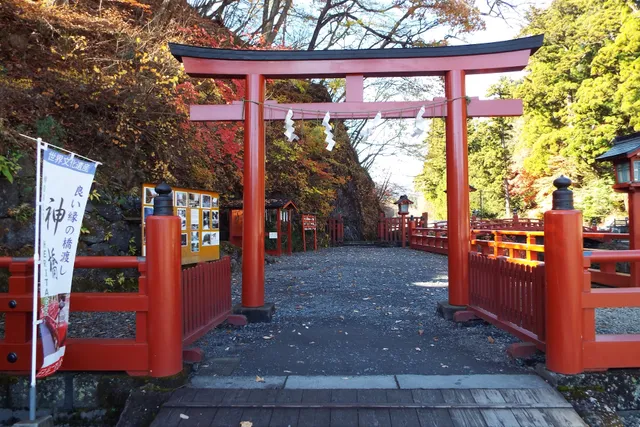
Shinkyo Bridge Reception
3.8
(15)
Click for details