Confusing Map Layout
The maps do not show that some of the buildings are attached.
There are no sign posts guiding to Kuroda Memorial Hall. It only shows it is behind the Horyjuji treasure building. I tried to find a path behind it,beside it, but met dead ends. There is also a road leading towards it according to the map but it is outside the main gate. So I don't know if you can come in again after you exit the gate
Only a small part of the collection is displayed
I was disappointed by the lack of displayed items. I couldn't find Masamune's sword and a lacquer box.
Most of the national treasures were not displayed.
Imagine if Michelangel's David in Galleria dell’Accademia is only taken out for display in random time schedules that's not open to foreigners. Wouldn't tourists be pissed? And what if the Winged Victory of Samothrace or the Mona Lisa in the Louvre Museum was hidden in storage in most times of the year? This is what it felt like in Tokyo National Museum. They hid the National Treasures. So most tourists won't be able to see them unless they happen to be lucky or come to the museum several times. Booo!
Huge spaces between the exhibits Ended up walking more and seeing less. At the end of more than 3 hours my legs hurt yet seeing much less than if I were in other countries' museums.
Bad lighting The Horyjuji collection is creepy with low lightings. There are hundreds of Buddha and deity statuettes staring at you. It felt haunted. I spent only a few minutes here in my way to finding the the Kuroda Memorial Hall.
and 6 Expensive Ticket Price for Special Exhibits. Crowds
The special exhibit was a time sink and I paid ¥2100. Even spending an hour, I only saw a small part of it. There is almost always a people lining up to see each artwork. And the popular ones have several people lining up to see it.
If you are crowd or sick conscious beware. Since you'll be lining with many sick people.
In an hour I ended up only seeing a portion of the collection. And most only because I stood off from a further distance behind the lines so I couldn't appreciate then up close.
7 Confusing Rules on Photograph, even when no sign is displayed.
There was also an incident that turned me off. The special collection is not allowed to be photographed. I followed this rule. But before this sign is displayed, there is a map to the collection's layout. Yet, even that was not allowed to be photographed but there is no 'no camera's sign on it.
After going into the exhibit and walking around and seeing the crowds I felt hopeless that I could see everything. I went back to the entrance and saw the layout guide and took a photo so if I couldn't see everything I could at least search for the pieces that the museum suggested.
But the employee called out to me from a distance and demanded to show her my phone. She did say it in polite words "oshiete kudasai" but it was a demand not a request and she kept insisting I show her my phone's gallery and to delete the photo of the layout guide.
One reviewer said the 'no camera' allowed display is small in the museum exhibits . I guess I was 'lucky' that I was not shouted rudely at like that person.
If you could see the collection in a less busy tine it might be worth it depending on your interest in the collection. I went on Friday, 2pm.
The permanent collection ticket fee is ¥1000
If you buy the special exhibit you could see the permanent collection. That's why I bought it. But to me it seems like a moneymaking scheme to include the permanent collection I to the price for the special exhibit.
I've been to museums in America, Taiwan and Europe and honestly they were better and felt more worth it. The way the pieces are displayed here there's a lot of space in-between most of them so you need to walk farther and see less. 3 hours was not enough to see everything even if the collection is smaller compared to other international museums
This was the first museum that I was excited to got but ended up...
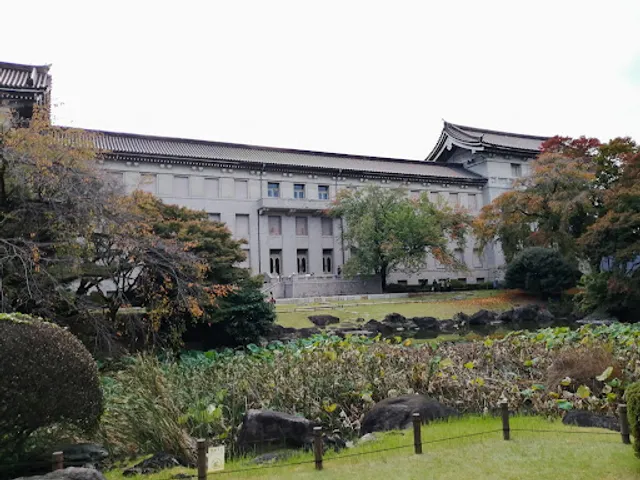
Read moreWelcome to a Journey Through Time! "Tokyo National Museum" - Where Japanese and East Asian Beauty Converge Recommended For: You, seeking historical romance! The national treasures and important cultural properties you've only seen in textbooks are right before your eyes! Feel the breath of Japan's long history and culture. You, who appreciate architectural beauty! Buildings like the Crown Imperial-style Main Building and the Meiji-era Western-style Hyokeikan are works of art in themselves! A must-visit for architecture enthusiasts. You, who crave new discoveries with every visit! With approximately 300 exhibition changes annually, you'll encounter something new every time you step foot inside. You, looking for a great rainy-day activity! With ample indoor facilities, you can comfortably spend hours exploring the spacious galleries. You, eager to interact with international visitors! Meet many foreign tourists earnestly appreciating Japanese art and enjoy a cultural experience in an international atmosphere. Features and Style Tokyo National Museum, affectionately known as "Tohaku," is Japan's oldest museum, established in 1872. It boasts a collection of approximately 120,000 art pieces and archaeological artifacts, primarily from Japan and other East Asian countries, including 89 National Treasures and 653 Important Cultural Properties. Within its vast grounds, you'll find multiple noteworthy buildings: the "Main Building," a grand hall for Japanese art; the "Heiseikan" for Japanese archaeology and special exhibitions; the "Toyokan" for East Asian art; the "Horyuji Homotsukan" housing treasures donated by Horyu-ji Temple; the beautiful Western-style "Hyokeikan" from the Meiji era; and the "Kuroda Kinenkan" dedicated to the works of painter Seiki Kuroda. The Main Building, in particular, is a prime example of the "Crown Imperial style" (Teikan-yoshiki), a blend of Japanese and Western architectural elements, and its magnificent entrance and grand staircase are famous as filming locations for dramas and commercials. In addition to various special exhibitions held throughout the year, the "General Culture Exhibition (Regular Exhibition)" constantly rotates its extensive collection, allowing visitors to either trace the history of Japanese art chronologically or delve deeply into specific genres. The museum also features a beautiful garden, offering stunning seasonal views. Detailed Information Admission Fees General Culture Exhibition (Regular Exhibition) Adults: ¥1,000 University Students: ¥500 High school students and younger, under 18, and over 70: Free (Please present a valid ID to verify age at the entrance.) Special Exhibitions: Separate fees apply (vary depending on the exhibition. Please check the official website for details.) Admission to the Kuroda Memorial Hall and the Research and Information Center is free. Payment Methods Main Gate Ticket Counter (Window): Credit Cards (Visa, MasterCard, JCB, AMEX, Diners, DISCOVER) Electronic Money (iD, Suica and other transportation IC cards, WAON) UnionPay Online Ticket Sales: Credit Cards (VISA, MasterCard, JCB) d払い (d-barai) QR Code Payment (PayPay, Alipay) Access Train: 10-minute walk from JR Ueno Station Park Exit or Uguisudani Station South Exit. 15-minute walk from Tokyo Metro Ginza Line/Hibiya Line Ueno Station (Exits 7, 9) or Chiyoda Line Nezu Station (Exit 1). 15-minute walk from Keisei Electric Railway Keisei Ueno Station. Bus: Take the Taito City Loop Bus "Taito-Megurin" from "Ueno Station / Ueno Park" bus stop → Get off at "Tokyo National Museum-mae" bus stop and walk 2 minutes. Car: 5 minutes from Shuto Expressway Ueno Line, Ueno Exit. No parking available at the museum. We recommend using public transportation. Please use parking facilities near the station. Opening Hours and Closing Days Opening hours and closing days may vary depending on the season and special exhibitions. Please always check the Tokyo...
Read more🎀 Hello Kitty, Anyone? A 50-Year Celebration at Tokyo National Museum! 🏛️🐱✨
🏛️ The Museum: A Cultural Time Capsule
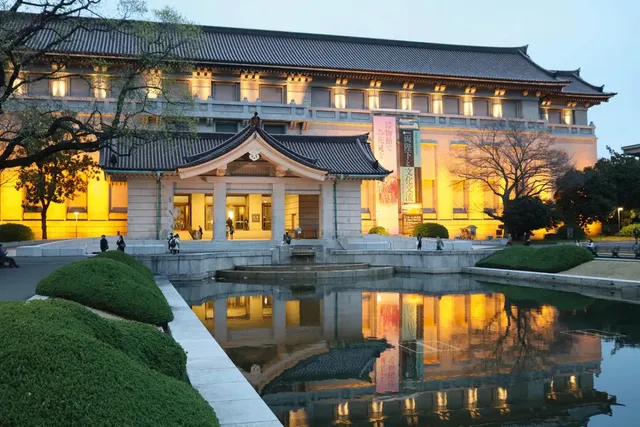
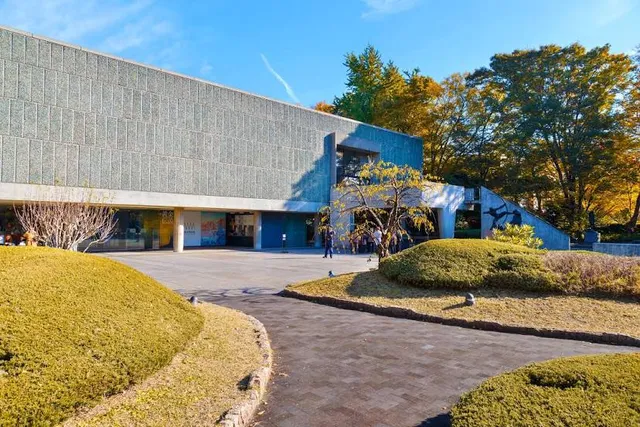
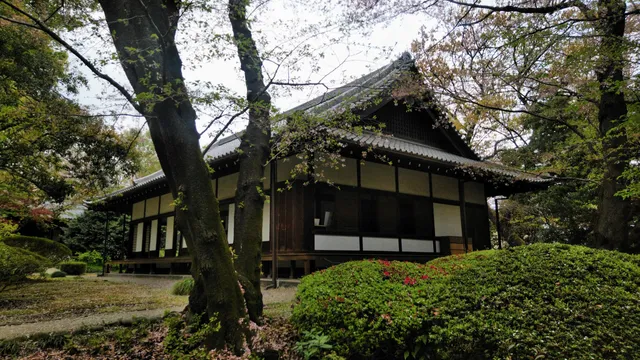
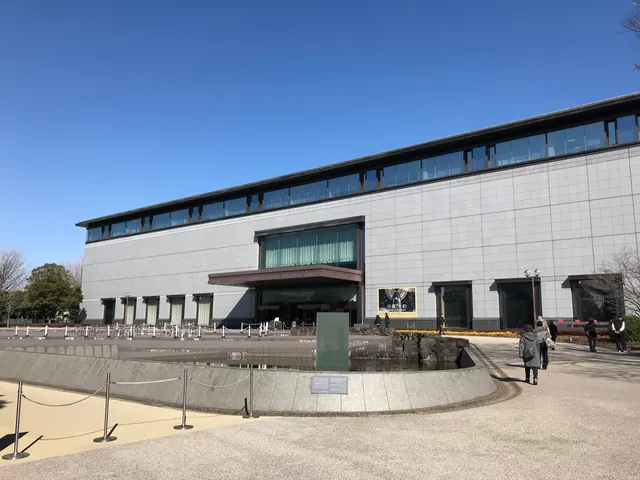
Tokyo National Museum isn’t just Japan’s oldest and largest museum—it’s a whole experience. The moment you step onto the grounds, you’re surrounded by classical Japanese architecture, grand columns, and tree-lined walkways that frame the sky like a painting. 🌸
Inside, history unfolds: 📜 Honkan (Japanese Gallery) – Samurai armor, intricate ceramics, and artifacts spanning centuries. ⚔️🏺 🏺 Heiseikan – Archaeology buffs, this is your playground. 🖼 Hyokeikan – The crossroads of Japanese and Western art.
✨ Blossoms & The Atmosphere Even though it wasn’t peak cherry blossom season, the plum blossoms were out here popping off. I love plum blossoms The air smelled like spring waking up—floral, fresh, and just a little sweet. If you’re into breathtaking scenery, this is your spot.
😩The Crowd: Dead serious- Standing in Line Like It’s Black Friday in the States.
Listen.., Hello Kitty fans are serious and don’t play. - merch lines was LONG—theme park ride long, airport security at rush hour long. 😅
But…….. 🎀 Hello Kitty Like You’ve Never Seen Her Before: Tokyo National Museum’s 50th Anniversary Exhibit! 🏛️🐱✨- It’s Japan. We will be standing in line.
Walking into the Hello Kitty 50th Anniversary Exhibit felt like stepping into a Sanrio fever dream—in the best way possible! 🏛️🐱✨
Step aside, Mona Lisa- There’s an icon with red bows-… If you think Hello Kitty is just a cute character on school supplies, this exhibit disrespectfully proves otherwise. AND… WE aren’t FRIENDS!
The moment you enter, she’s there. The biggest Hello Kitty you’ve ever seen—massive, sparkling, a full-on diva moment. 💎🐱✨ It’s Hello Kitty but luxury.
🔹 The Blinged-Out Hello Kitty: A life-sized diamond-encrusted sculpture. Just standing there, knowing… she’s that girl. 🔹 The Vintage Collection: OG merch from the 70s, 80s, 90s—back when Hello Kitty ruled my childhood. From tiny erasers ✏️ to actual landline phones ☎️ (shoutout to those of us who begged for one just to talk to nobody). 🔹 The Fashion Evolution: Designer collabs that turned Hello Kitty into a runway queen—bags, shoes, dresses, even an exclusive Hello Kitty x Kimono fusion that screamed elegance. 🔹 The Hello Kitty Car: Yep. An actual car. 🚗🎀 Because why wouldn’t she have a car? 🔹 The Global Takeover Wall: A timeline of world domination, showing how she went from a small coin purse in Japan to $89 billion in global sales. 🔹 The Did You Know? • Hello Kitty is Not a Cat-And has a twin sister, Mimmy. (Where has she been all these years?!) • Yep, She’s actually a little girl from London. 🇬🇧 • She has a pet hamster named Sugar. (Because of course she does.) • Sanrio once made a Hello Kitty toilet seat. 🚽🎀 (Luxury knows no bounds.)
And just when you think you’ve seen it all—BAM. The Hello Kitty wedding dress. 👰🏾♀️💖 A full bridal gown covered in Kitty details, bows, and embroidered magic. Would I wear it? ………..Mind your business!
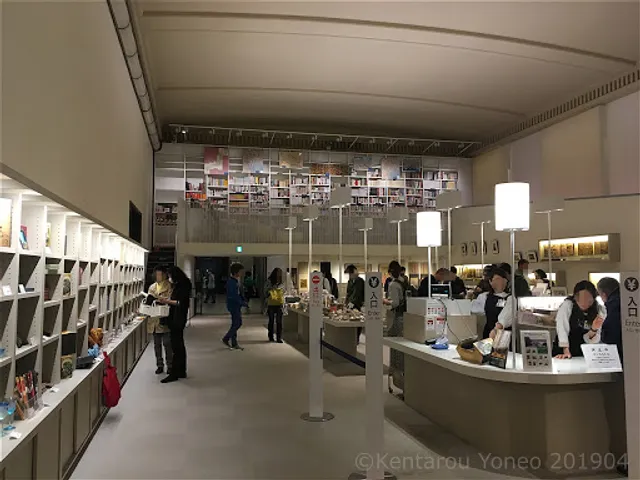
🛍️ The Merch Game Was No Joke
Listen. The gift shop was a battlefield. The exclusive 50th Anniversary plushies? Gone in seconds. The limited-edition Hello Kitty passport holder? Sold out before I even made it through the exhibit. I saw adults side-eyeing each other over who got the last keychain. It was serious.
🎀 Final Thoughts: Worth the Hype?
Absolutely. Hello Kitty is more than just a character—she’s a legacy. She’s 50 years of joy, nostalgia, and quiet global domination. If you grew up with her, this exhibit is a trip down memory lane. If you’re new to the fandom, prepare to be converted.
🎀 ありがとう, Hello Kitty. 50 years of Kawaii greatness. Here’s to 50 more!
: Worth It? 100%.
Here’s the thing, Hello Kitty isn’t just a character—she’s a global icon, a nostalgia trip, a cultural connector. Whether you’re a superfan or just here for the vibes, this exhibit was everything.
Would I do it again? Hmmm….With a game plan for the merch line—absolutely....
Read more