Ueno Toshogu Shrine things to do, attractions, restaurants, events info and trip planning
Basic Info
Ueno Toshogu Shrine
9-88 Uenokoen, Taito City, Tokyo 110-0007, Japan
4.3(2K)
Closed
Save
spot
spot
Ratings & Description
Info
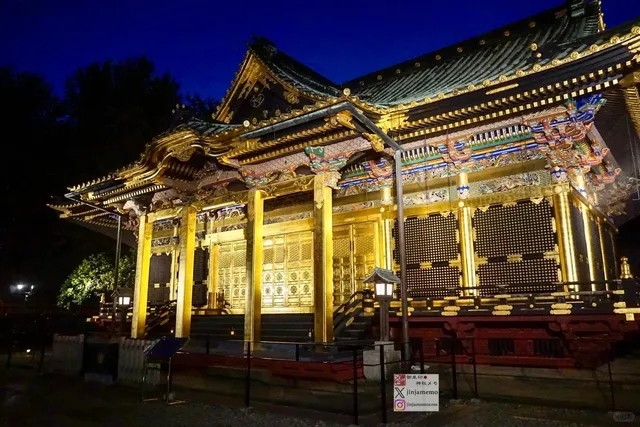
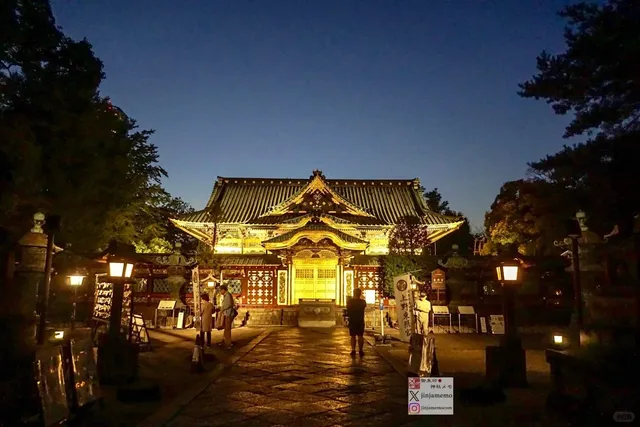
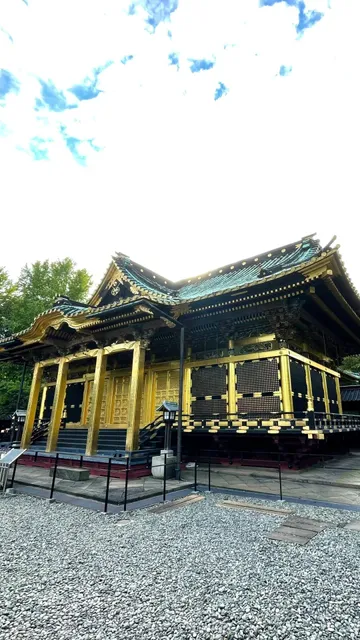
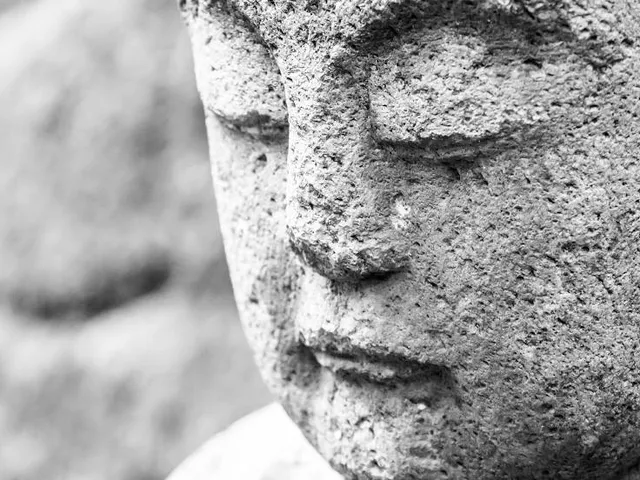
Ueno Tōshō-gū is a Tōshō-gū Shinto shrine located in the Taitō ward of Tokyo, Japan. First established in 1627 by Tōdō Takatora and renovated in 1651 by Tokugawa Iemitsu, the shrine has remained mostly intact since that time, making it a great example of Shinto architecture in the Edo period.
Cultural
Outdoor
Family friendly
attractions: Ueno Park, Kanei-ji Gojunoto (Five Story Pagoda), Ueno Toshogu Shrine Peony Garden, Gojoten Shrine, Shinobazu no Ike Pond, Ueno Park Daibutsu, Panda Forest, Hanazono Inari Shrine, Ueno Park, Shinobazunoike Benten-do, restaurants: Izuei Umekawa-tei, Starbucks Coffee - Ueno Park, Shin Uguisu-tei, Saruyama Kitchen, Seiyoken Headquarters, Cafe Chameleon, cise, EVERYONEs CAFE, Kissako, Restaurant Muse, local businesses: Oisuijin Park, Pavilion of Reptiles and Amphibians, Asian Elephants, Remains of the former residence of Mori Ōgai, Utsunuki Park, Hikaru Aquarium, ecute Ueno, Masaoka Shiki Memorial Field, Ueno Park, Ueno Park Fountain, Geidai Art Plaza
 Learn more insights from Wanderboat AI.
Phone
+81 3-3822-3455
Website
uenotoshogu.com
Open hoursSee all hours
Fri9 AM - 4:30 PMClosed
Plan your stay

Pet-friendly Hotels in Tokyo
Find a cozy hotel nearby and make it a full experience.

Affordable Hotels in Tokyo
Find a cozy hotel nearby and make it a full experience.

The Coolest Hotels You Haven't Heard Of (Yet)
Find a cozy hotel nearby and make it a full experience.

Trending Stays Worth the Hype in Tokyo
Find a cozy hotel nearby and make it a full experience.
Reviews
Live events
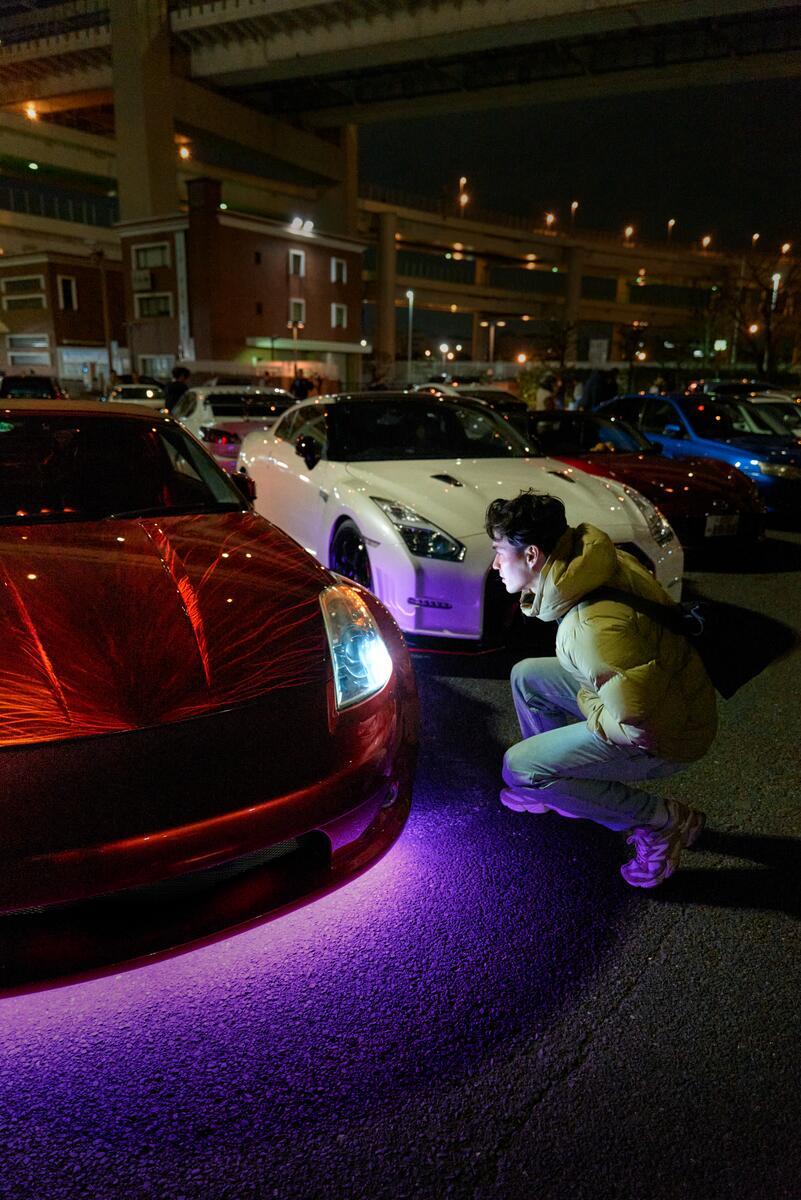
Drive Tokyo’s car culture in a Nissan Skyline
Mon, Feb 23 • 8:30 PM
150-0047, Tokyo Prefecture, Shibuya, Japan
View details

TYFFONIUM 新宿:IT/イット カーニバル
Fri, Feb 20 • 4:20 PM
東京都新宿区西新宿2-2-1 京王プラザホテル 南館2F (2-chōme-2-1 Nishishinjuku, Shinjuku City), 160-8330
View details
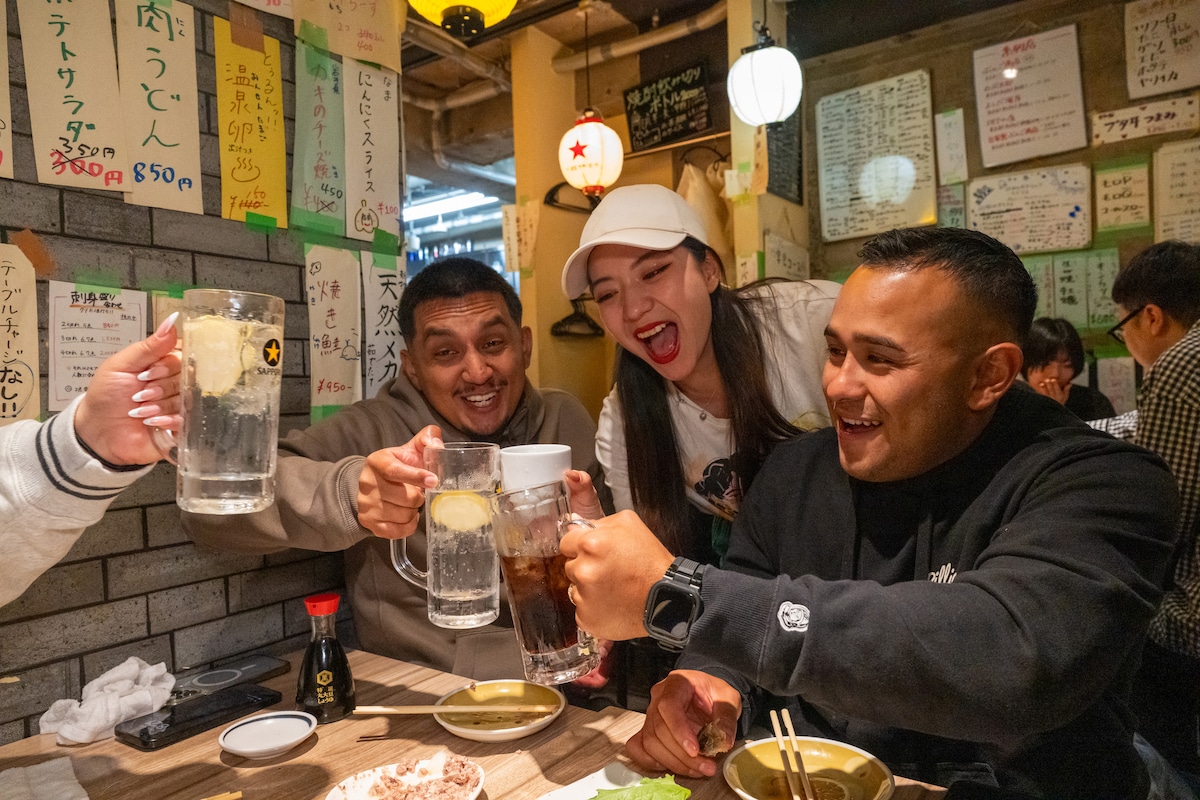
Unlimited Local Night《ALL-Y-Can-DRINK》Shinjuku Gem
Fri, Feb 20 • 7:15 PM
160-0022, Tokyo Prefecture, Shinjuku City, Japan
View details
Nearby attractions of Ueno Toshogu Shrine
Ueno Park
Kanei-ji Gojunoto (Five Story Pagoda)
Ueno Toshogu Shrine Peony Garden
Gojoten Shrine
Shinobazu no Ike Pond
Ueno Park Daibutsu
Panda Forest
Hanazono Inari Shrine
Ueno Park
Shinobazunoike Benten-do
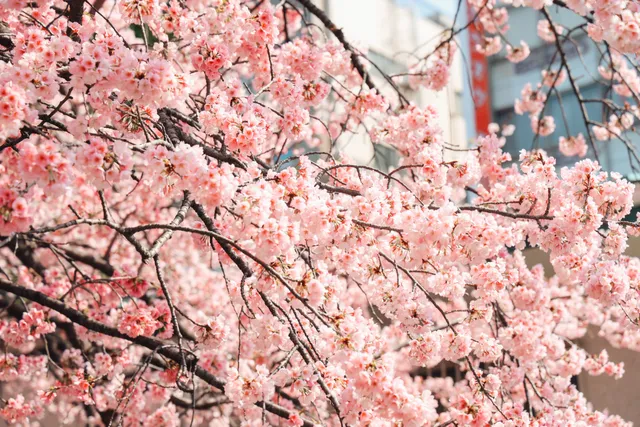
Ueno Park
4.4
(11.9K)
Open until 11:00 PM
Click for details
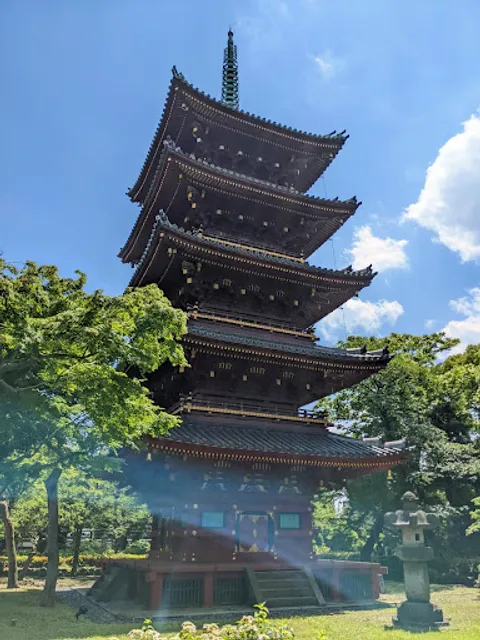
Kanei-ji Gojunoto (Five Story Pagoda)
4.3
(157)
Open until 5:00 PM
Click for details
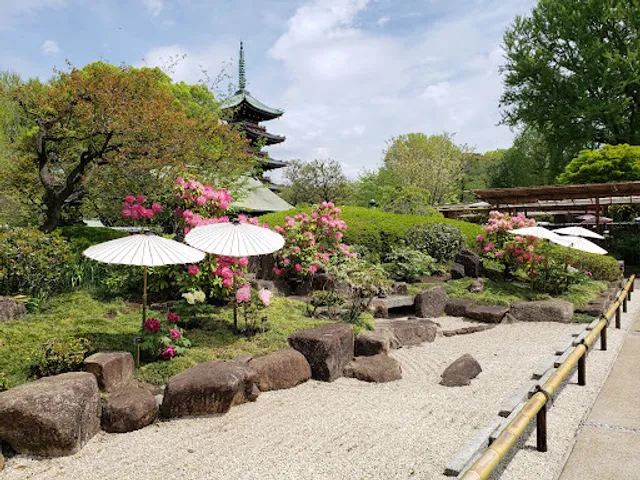
Ueno Toshogu Shrine Peony Garden
4.4
(236)
Closed
Click for details
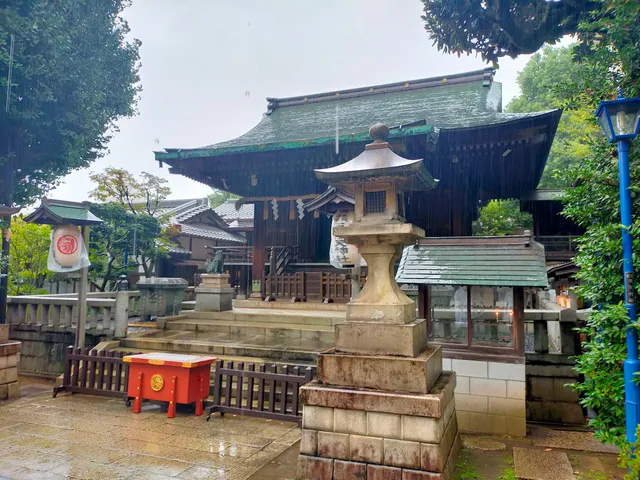
Gojoten Shrine
4.3
(975)
Open until 5:00 PM
Click for details
Nearby restaurants of Ueno Toshogu Shrine
Izuei Umekawa-tei
Starbucks Coffee - Ueno Park
Shin Uguisu-tei
Saruyama Kitchen
Seiyoken Headquarters
Cafe Chameleon
cise
EVERYONEs CAFE
Kissako
Restaurant Muse
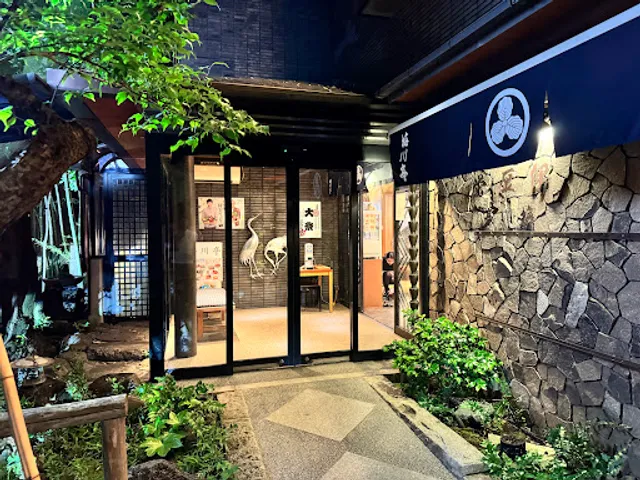
Izuei Umekawa-tei
4.2
(501)
$$$
Closed
Click for details
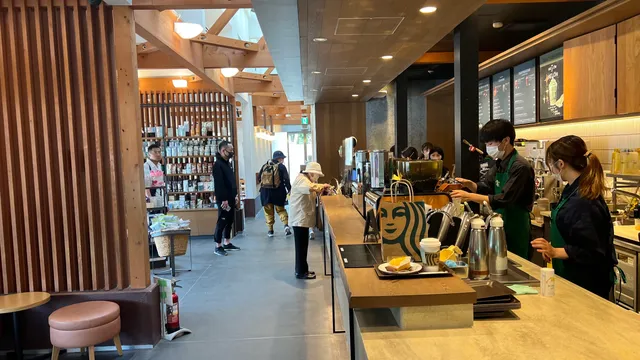
Starbucks Coffee - Ueno Park
4.2
(1.9K)
Open until 9:00 PM
Click for details
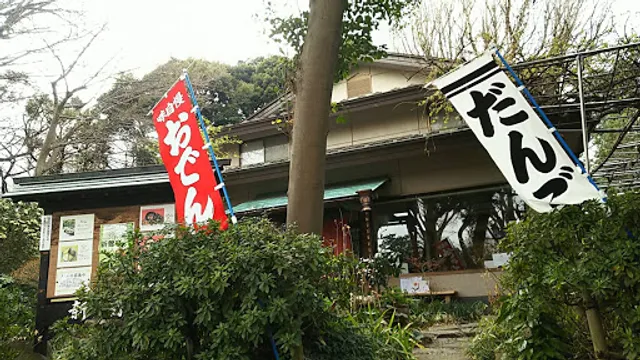
Shin Uguisu-tei
4.2
(127)
Open until 5:00 PM
Click for details
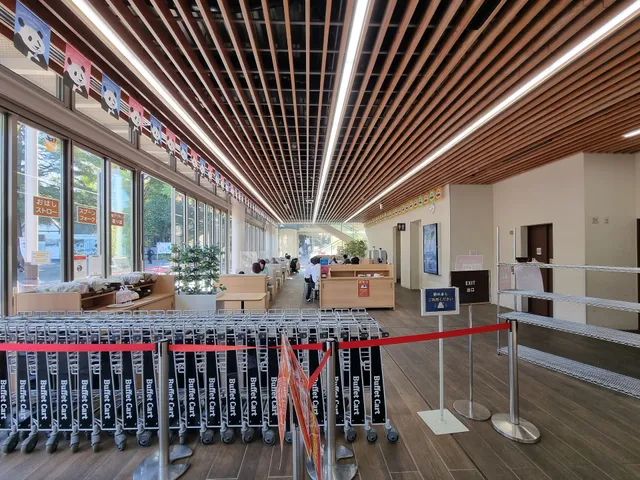
Saruyama Kitchen
3.8
(48)
Closed
Click for details
Nearby local services of Ueno Toshogu Shrine
Oisuijin Park
Pavilion of Reptiles and Amphibians
Asian Elephants
Remains of the former residence of Mori Ōgai
Utsunuki Park
Hikaru Aquarium
ecute Ueno
Masaoka Shiki Memorial Field, Ueno Park
Ueno Park Fountain
Geidai Art Plaza
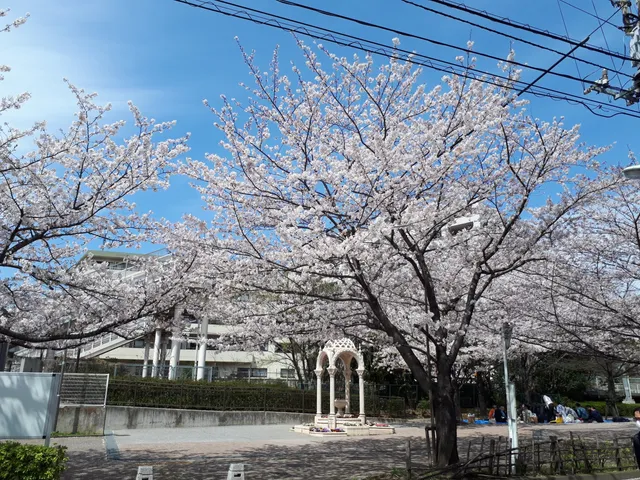
Oisuijin Park
4.0
(227)
Click for details
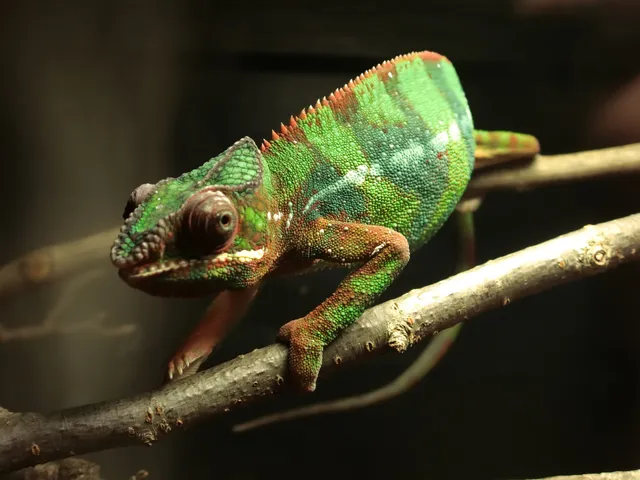
Pavilion of Reptiles and Amphibians
4.2
(228)
Click for details
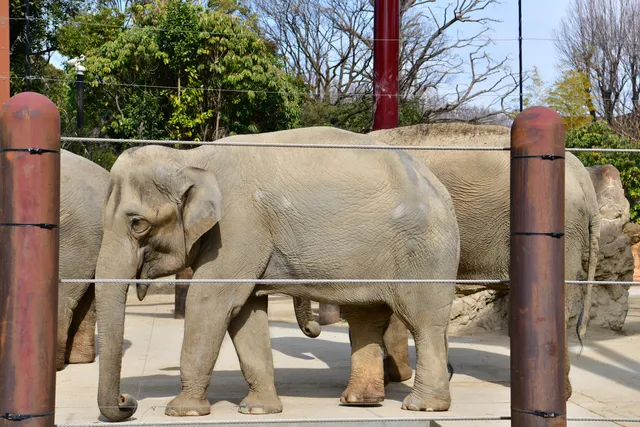
Asian Elephants
4.3
(20)
Click for details
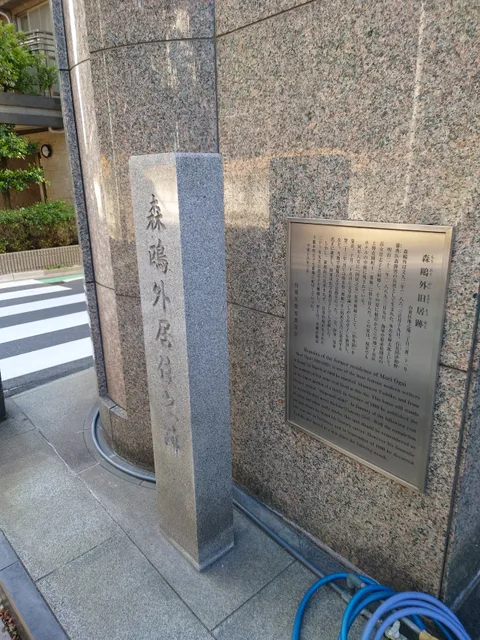
Remains of the former residence of Mori Ōgai
3.5
(18)
Click for details