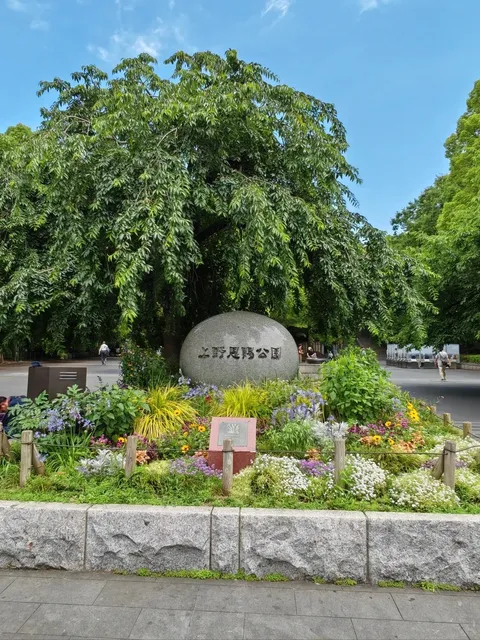
The summer heat was already heavy when I reached Ueno Park that afternoon, 31 July 2025.
Before heading to the Tokyo National Museum, I let myself wander toward the fountain square, drawn by the sound of water and the sight of people gathering in the open plaza. The sun was fierce, its rays bouncing off the stone paths, but the fountain seemed to soften everything. Streams of water shot skyward, catching the light and breaking into fine droplets that drifted with the breeze. As I walked closer, the cool mist touched my skin—just enough to refresh, just enough to remind me that even in Tokyo’s summer intensity, there was relief to be found.
The scene around the fountain was alive with movement. Children dashed back and forth, chasing the water’s spray, their laughter ringing across the square. Some wore little sunhats that wobbled as they ran; others carried colorful balloons or toy fans from nearby stalls. Parents watched from shaded benches, waving folding fans slowly, their drinks sweating in plastic bottles pulled from vending machines. Tourists stood in clusters with cameras ready, waiting for the perfect arc of water to burst into the sky before pressing the shutter. It was noisy, playful, unstructured—yet full of joy.
Vendors lined the walkway, selling cold treats that perfectly matched the season. The smell of sweet syrup drifted from the shaved ice stalls—strawberry, melon, matcha—served in paper cups with long spoons. Nearby, the sound of a street performer’s guitar floated over the crowd, his music mingling with the constant rhythm of splashing water. For a moment, I simply stood there, letting all the senses take over: the shimmer of the fountain, the taste of cool air on a hot day, the sound of laughter and music, and the faint smell of summer food.
As I lingered, I thought of home. The families gathered there reminded me of Malaysian weekends, when people flock to lakesides or city parks, escaping the heat together. Different languages, different snacks, different rhythms—but the same universal desire to enjoy the simple relief of water and shade. In that sense, the fountain was not just Tokyo’s; it was everyone’s.
Eventually, I turned toward the Tokyo National Museum, just a short walk away. Leaving the lively fountain square behind felt like stepping through a doorway—from the laughter of children and the freshness of summer into the solemn stillness of history. Inside the museum, the air was cool and hushed. The displays of ancient artifacts, scrolls, and art spoke of centuries past, each piece carefully preserved, each one carrying the weight of memory. The contrast struck me deeply: outside, life was unfolding in the moment, carefree and fleeting; inside, the spirit of the past demanded reflection and respect.
Walking those halls after experiencing the fountain felt almost symbolic. One space reminded me to live fully in the present, to embrace laughter and small joys. The other called me to honor the past, to learn from it and carry it forward. Together, they shaped the day into something whole—an encounter with both the living pulse of Tokyo and the enduring soul of Japan.
That evening, when I looked back on my time at Ueno, I realized the fountain and the museum were not opposites, but complements. One celebrated the now, the other safeguarded the then. And as a visitor from Malaysia, I felt grateful to witness both—two reflections of life, meeting in a...
Read moreReview of Ueno Park – Tokyo, Japan Overview Ueno Park, located in Taitō, Tokyo, is one of the city's most famous public parks, known for its rich cultural heritage, beautiful natural scenery, and numerous attractions. Originally established in 1873, Ueno Park was one of Japan’s first public parks and has since become a beloved destination for both locals and tourists. It is home to several museums, a zoo, historic temples, and seasonal cherry blossoms, making it a must-visit spot for anyone exploring Tokyo.
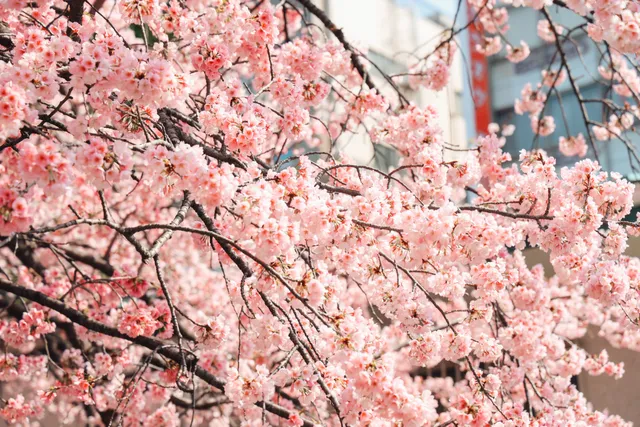
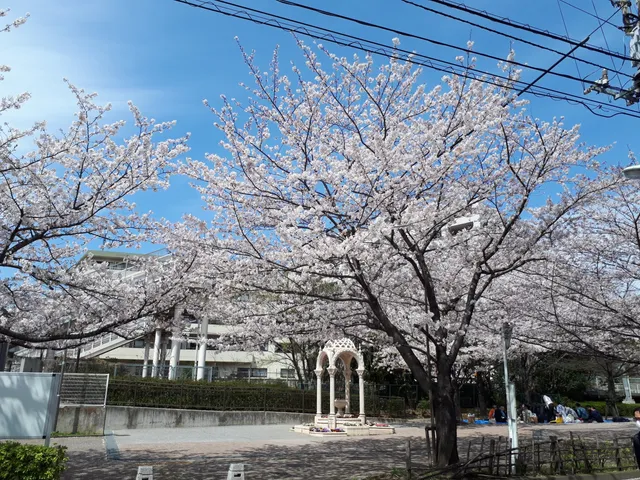
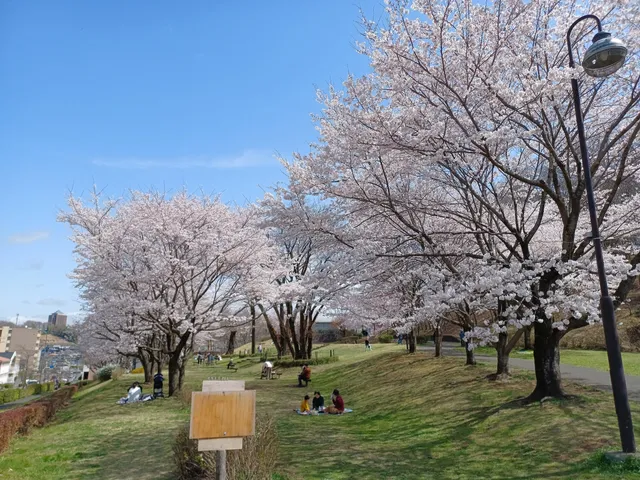
Natural Beauty & Cherry Blossoms One of Ueno Park’s biggest attractions is its stunning natural scenery, especially during spring (March-April) when over 1,000 cherry trees bloom, turning the park into one of the best hanami (cherry blossom viewing) spots in Japan. During this season, the park is filled with picnickers, street performers, and food stalls, creating a lively and festive atmosphere.
Beyond cherry blossoms, the park offers picturesque walking paths, large open spaces, and scenic ponds such as Shinobazu Pond, which is famous for its lotus flowers, small shrine, and rental boats. In autumn, the park transforms with vibrant red and gold foliage, making it a year-round destination for nature lovers.
Top Attractions in Ueno Park Ueno Zoo Japan’s oldest zoo, Ueno Zoo, is home to over 400 species, including its most famous residents—giant pandas. Other highlights include a monkey forest, polar bears, elephants, and a traditional Japanese-style five-story pagoda.
Tokyo National Museum One of Japan’s premier museums, the Tokyo National Museum houses an extensive collection of samurai armor, ancient scrolls, ceramics, and Buddhist artifacts, offering a deep dive into Japan’s history and culture.
National Museum of Nature and Science Perfect for families and science enthusiasts, this museum features interactive exhibits on Japanese wildlife, space exploration, and dinosaurs, including a life-sized blue whale model at its entrance.
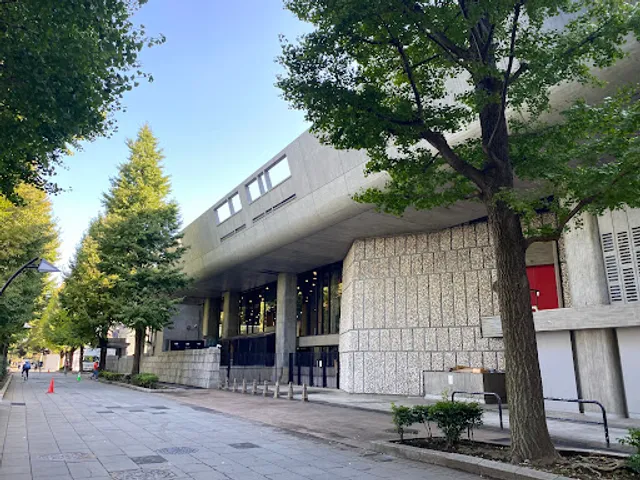
Ueno Royal Museum This museum regularly hosts rotating art exhibitions showcasing both traditional and contemporary Japanese art.
Bentendo Temple & Kiyomizu Kannon-do Ueno Park is home to several historic temples, including Bentendo Temple, which sits on Shinobazu Pond and is dedicated to Benzaiten, the goddess of wisdom and wealth. Another highlight is Kiyomizu Kannon-do, a historic temple with an architecture style inspired by Kyoto’s Kiyomizu-dera.
Visitor Experience Pros: ✔ Diverse attractions including nature, museums, temples, and a zoo. ✔ Beautiful cherry blossoms in spring and colorful foliage in autumn. ✔ Free admission to the park, making it a budget-friendly destination. ✔ Convenient location near Ueno Station, making it easily accessible.
Cons: ✖ Can be very crowded during cherry blossom season. ✖ Some museums and attractions require separate entrance fees.
Best Times to Visit Spring (March-April): Cherry blossoms in full bloom. Autumn (October-November): Vibrant fall foliage. Weekdays or early mornings for a quieter experience. Conclusion Ueno Park is a perfect blend of culture, nature, and entertainment, making it one of Tokyo’s most diverse and enjoyable destinations. Whether you’re visiting for the historic temples, world-class museums, famous zoo, or seasonal beauty, the park offers something...
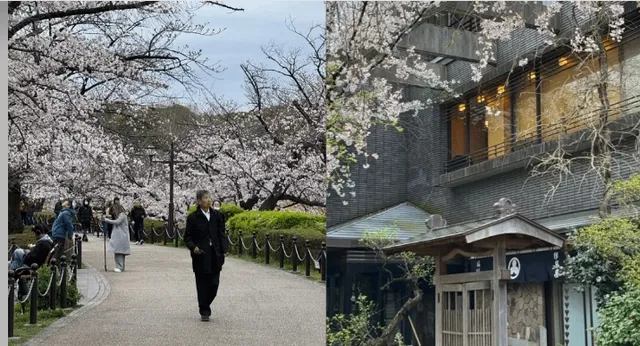
Read moreWe came here early in the morning and there were already a lot of visitors coming to admire the 800 cherry trees inside the park. A lot of picnic mats were even set up under the trees. We chose not to have a picnic, though, because it was raining days before.
We knew that it would soon be populated around noon so we first went to the most popular spot, Sakura-dori, the tunnel of cherry blossom trees. The sight was spectacularly beautiful. Because there weren't that many visitors yet during that morning, the walkway was very spacious. Enough for each lane to have people doing photoshoots.
Next, we went to our favorite part, the Shinobazu Pond. It was even more beautiful that we made a separate review for it.
After relaxing by the pond, we went to the Hanazono Inari Shrine and Peony Garden. The peony garden was underwhelming because the peonies don't seem like they're well taken care of. Since there was nothing else to see, we went to the Ueno Toshogu Shrine. A lot of stalls were lined up along the path and there were also benches for eating. It's actually disappointing to see how they made the shrine a tourist trap. Moreover, it didn't seem like a nice place to relax because the spaces were too small. Some path stones were also worn down and broken, which made most of the path muddy from the rain.
The Five-Story Pagoda could only be seen properly from inside the Ueno Zoo. Speaking of that zoo, it was actually the place we dislike the most inside Ueno Park. We saw from the reviews that their treatment of the animals is downright animal cruelty, so we didn't even bother going inside. Looking at it from the outside and seeing the people lining up still made us feel sick though.
Anyway, it only took us half a day to explore the park, excluding the museums and the temples beyond it, because the sun was already unbearable around the middle of the day. Next time, we'll come during sunset to witness the lights at night from 5pm to 9pm.
As for the park, there were some obvious signs of aging, as it is one of the oldest parks in Japan. Although the park itself is clean, the toilets aren't updated. Better bring your own soap as well because they have none.
According to my husband, Ueno Park is overrated. The only spots we liked were Sakura-dori and Shinobazu Pond. We would love to come back to the pond again to see the lilies. Outside spring (not yet sure for autumn), we don't recommend spending a whole day in Ueno Park.
Bonus recommendation: Don't go to Ameyoko, the nearest shopping street. That place is so dirty, you'd think you stepped...
Read more