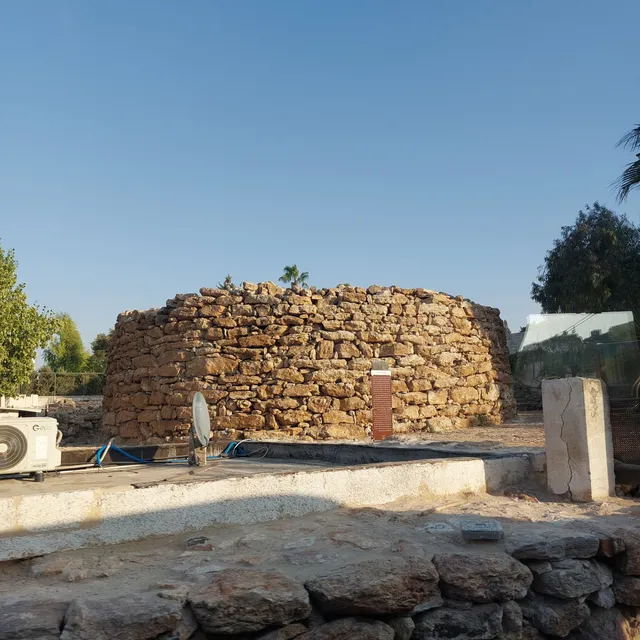
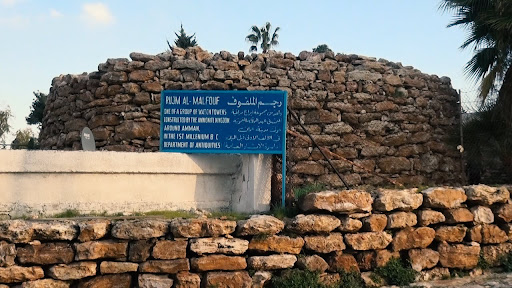
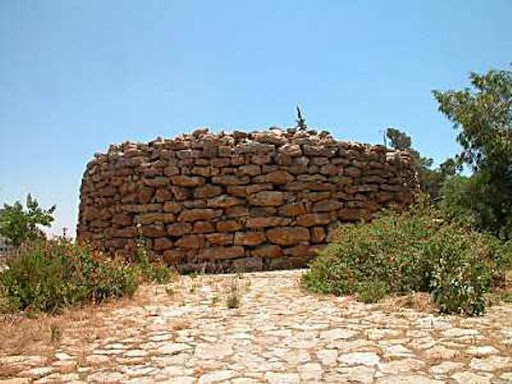
One of the oldest historical monuments in the Jordanian capital Amman, which was built by the Ammonites. It is a tower built in the Iron Age around the thirteenth century BC. Like the rest of the towers that surrounded the Ammonites, it was intended to defend and protect the city and to monitor the movements of the enemies [1].
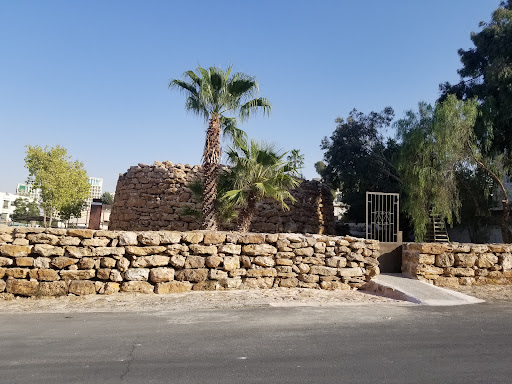
Such towers were built with huge blocks of stone trimmed in a simple way, and they took different shapes, varying between square, rectangular and circular, and most of them were made of solid flint stones. The stoning of cabbage was built in a circular shape with a height of four meters. It was called cabbage for its circular shape. The excavations showed that the tower consisted of two or three layers, and it had a main entrance and four rooms without a roof.
The stoning of cabbage is located west of the Fourth Circle in Jabal Amman, in an area overlooking Wadi Saqra, next to the Registration and Research Center of the Jordanian Department of Antiquities in Jabal Amman. Stoning was first noticed by scholars in the 19th century, through surveys that Glueck interpreted as a frontier center for the Ammonites in the Iron Age I. Based on new data, it is indicated that these buildings had more than one function (ie, forts, settlements, agricultural facilities). Basically the history of the stoning goes back to the Assyrian period (ca. 730-630/20 BC). The outer borders are adjacent to the borders of the Ammonite state. If this is true, the western expansion of the Ammonites did not begin until much later.[2]
It is one of a series of 30 castles that dot the Kingdom of Jordan, dating back to an unknown period.[3] The diameter of the tower is 22 meters stone, archaeologists and historians disagree on its function and origin. Many of the forts, built on hilltops, are now either in agricultural areas or among the buildings of modern Oman.
Preliminary excavations of the stoning, which were carried out at different times in the last two centuries, date the tower to the early Roman occupation of the area. However, its constructive prowess was considered inferior to Roman roads and building standards and materials, which were not comparable to the monuments and structures found at ancient Gerasa (Jerash) or at Jadara (Umm Qais) or other Roman sites found throughout the country.
Later discoveries of pottery vessels and other findings of similar ceramics, dated the tower to an earlier period, in the Iron Age, around the first half of the first millennium BC—although this is still debated.
The original use of rock structures, can be found across Amman, Madaba and Irbid, and also this is still a source of controversy.
Some of these towers are believed to be originally military installations, given their position overlooking valleys and farmland and to prevent potential raids.
Other experts held that these towers and buildings were designed to protect fertile farmland and harvest from hordes of nomads and thieves, as well as to store grain.
A third school of thought believes that watchtowers evolved over time, originally created for defensive purposes and later, converted into agricultural watchmen...
Read moreأحد أقدم المعالم التاريخية في العاصمة الأردنية عمّان التي شيدها العمونيين، وهو عبارة عن برج شيد بالعصر الحديدي في حوالى القرن الثالث عشر قبل الميلاد، وهو كباقي الأبراج التي أحاطت بربة عمون، كانت تهدف للدفاع وحماية المدينة ومراقبة تحركات الاعداء [1].
وقد شيدت مثل هذه الأبراج بكتل ضخمة من الحجارة المشذبة بشكل بسيط، واتخذت أشكالاً مختلفة تتفاوت بين المربع والمستطيل والدائري وأكثرها من الحجارة الصوانية الصمّاء. ورجم الملفوف شيد بشكل دائري بارتفاع أربع أمتار، وقد سمي بالملفوف لشكله الدائري، وأوضحت الحفريات أن البرج كان يتألف من طبقتين أو ثلاث طبقات، وكان له مدخل رئيسي وفيه أربع غرف بدون سقف
يقع رجم الملفوف غرب الدوار الرابع في جبل عمانفي منطقة مشرفة على وادي صقرة، بجانب مركز التسجيل والأبحاث التابع لدائرة الآثار الأردنية بجبل عمان كان الرجم أول ما لاحظ العلماء في القرن 19th، من خلال عمليات المسح التي فسرها غلوك (Glueck) بوصفها مركزا حدوديا للعامونيين في العصر الحديدي الأول. استنادا إلى بيانات جديدة، تشير إلى أن هذه المباني كان لها أكثر من وظيفة (أي حصون مستوطنات، مرافق الزراعية). أساسا تاريخ الرجم يعود إلى العصر الآشوري (ca. 730-630/20 قبل الميلاد) الحدود الخارجية تجاور حدود الدولة العامونية. إذا كان هذا صحيحا، التوسع الغربي للعامونيين لم يبدأ إلا في وقت لاحق.[2]
هو واحد من سلسلة من 30 قلعة تُنقط المملكة الأردنية، يعود تاريخها إلى فترة غير معروفة.[3]قطره البرج 22 متر الحجر, اختلف علماء الآثار والمؤرخين على وظيفتة وأصلة. كثير من الحصون التي بنيت على قمم التلال، هي الآن إما في المناطق الزراعية أو وسط مباني عمان الحديثة.
التنقيبات الأولية للرجم، والتي تمت في أوقات مختلفة من اخر قرنين، ارخت البرج إلى أوائل الاحتلال الروماني للمنطقة. ومع ذلك، براعة بنائة اعتبرت اقل بالنسبة للطرق الرومانية ولمعايير ومواد البناء, التي لم تكن مماثلة لللمعالم والهياكل التي وجدت في جراسا القديمة (جرش) أو في جدارا (أم قيس) أو غيرها من المواقع الرومانية الموجودة في جميع أنحاء البلد.
في وقت لاحق, اكتشافات اواني من الفخار وغيرها من نتائج مماثلة الخزف، ارخت البرج إلى فترة سابقة، في العصر الحديدي، حوالي النصف الأول من الألف الأول قبل الميلاد—على الرغم من أن هذا ما زال قيد المناقشة.
الاستخدام الأصلي للهياكل الصخرية، يمكن العثور عليها في أنحاء عمان ومادبا واربد، وأيضا هذا لا تزال مصدرا للجدل.
يعتقد أن بعض هذه الأبراج هي في الأصل منشآت عسكرية، نظراً لمركزها المطل على الوديان والأراضي الزراعية ولمنع الغارات المحتملة.
خبراء آخرون، راؤوا أن هذه الأبراج والمباني صممت لحماية الأراضي الزراعية الخصبة والحصاد من جحافل البدو الرحل واللصوص، وكذلك لتخزين الحبوب.
وهناك مدرسة فكرية ثالثة تعتقد أن أبراج المراقبة تطورت على مر الزمن، والتي أنشئت أصلا لأغراض دفاعية وفي وقت لاحق، تم تحويلها إلى نواطير زراعية في زمن السلم.
لا يعرف إلا القليل عن ما يسمى فترة العمونيين في الأردن، عدم اكتمال الحفريات الأثرية ساعد في عدم معرفة طريقتهم في الحياة ،بالرغم من وجود عينات كبيرة مثل رجم الملفوف, الذي يظل صدى مفقود منذ زمن طويل.
ثلاثة طوابق بارتفاع خمسة أمتار ونصف، السلالم الحجرية متداعية والمرفق المحيطة في حالة خراب. أسرار العمونيون ذهب، والبرج لا يزال هناك يطل على تطورات عمان الحديثة—التي أخذت اسمها من تلك...
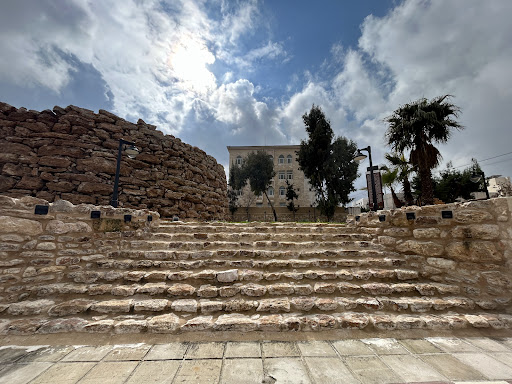
Read moreA nice restoration job has been done recently complete with sign, viewing platform from the top and new stairs. This ancient watchtower is worth a visit if in the neighbourhood and interested in archeology - it’s not much know even by Amman residents. There are a couple more rajm on the way to Mountain Breeze and the Gilead mountains but this is by far the...
Read more