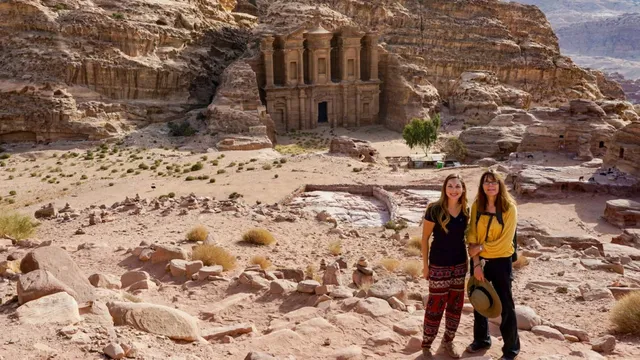
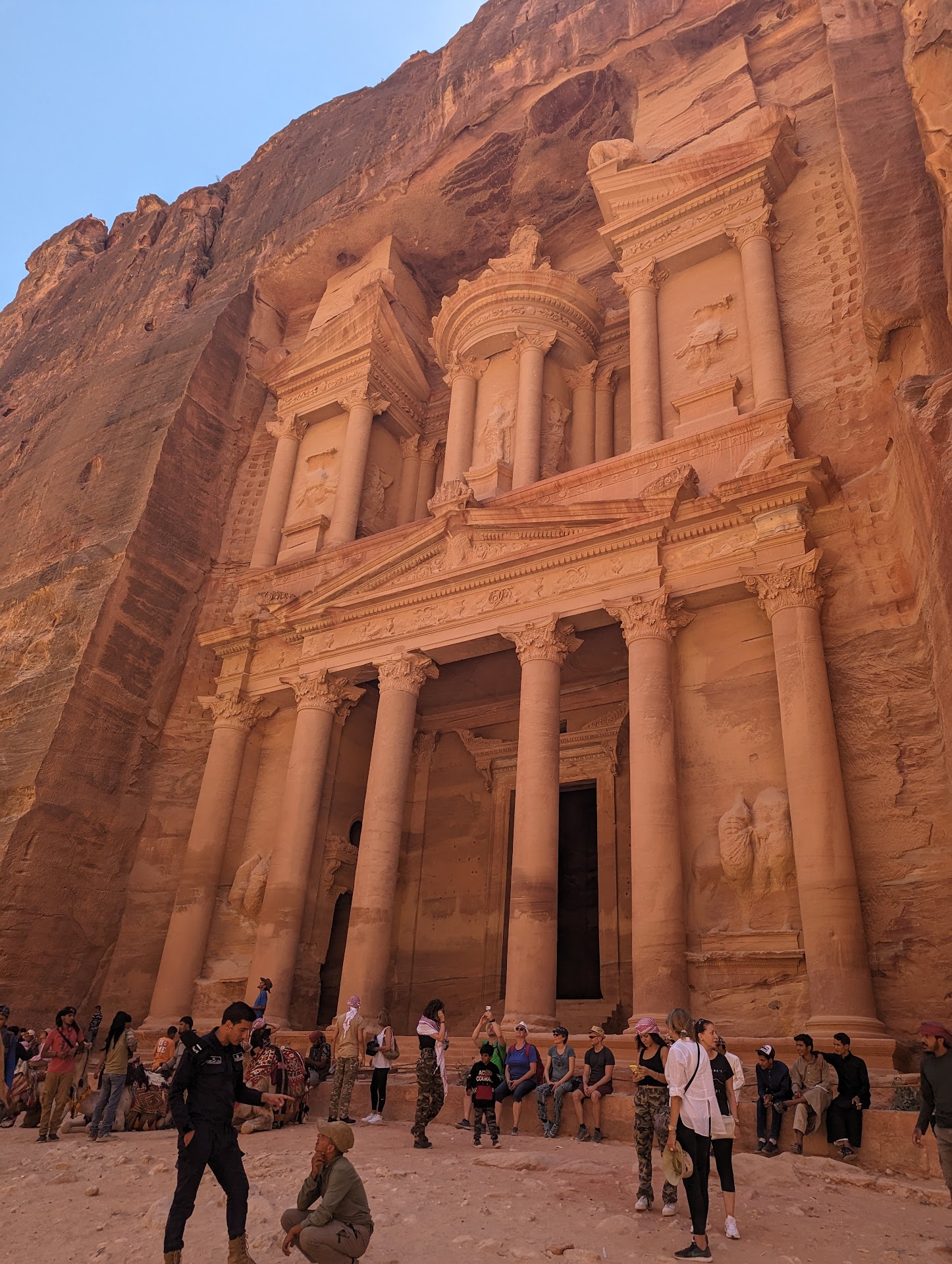
Petra site is breathtaking and absolutely amazing. All lovers of history, archeology and culture will enjoy this site.
Before Visitor Center you can find Petra museum. Visitor Center consists of security checkpoint, toilets, restaurant and a couple of shops. You can find maps of the site with marked hiking trails here. They are written in all mayor languages.
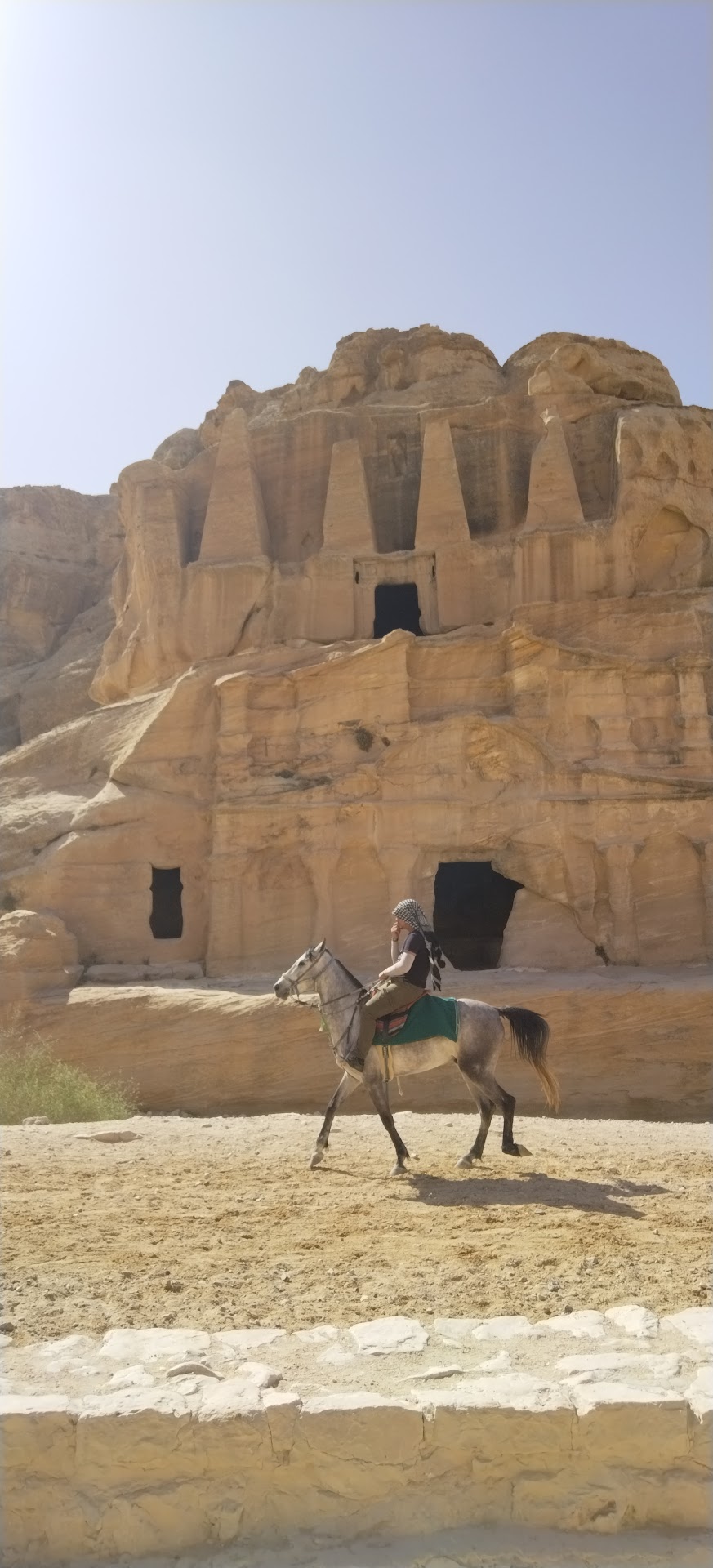
At the beginning of the Petra trail you can find electric cars and horse rides that will take you directly to the Al - Siq canion or directly to the Treasury. This first part takes around 20 min of medium walk and there is no shade.
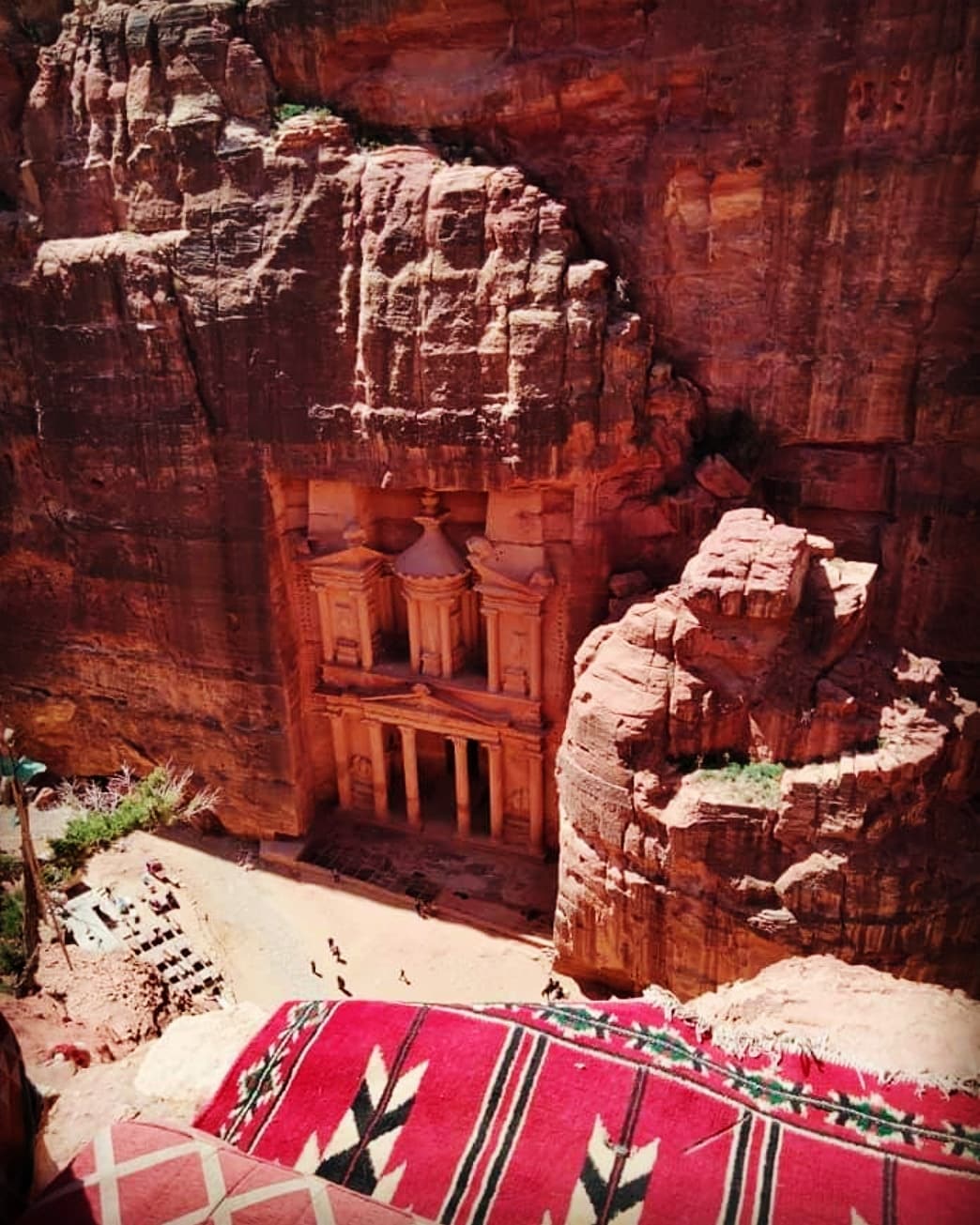
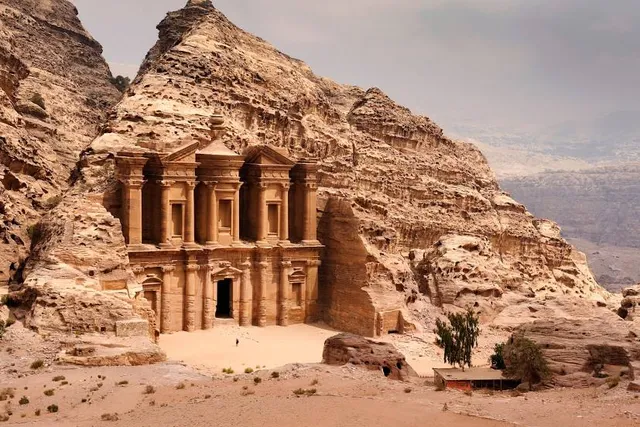
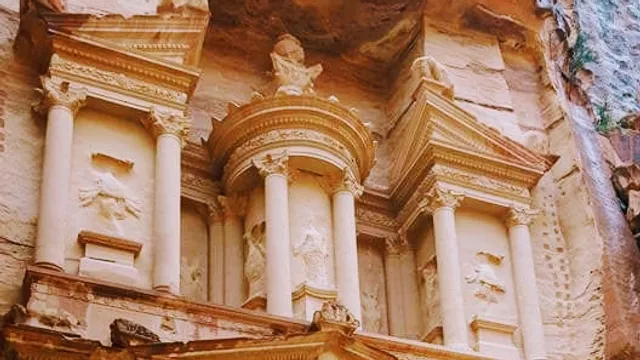
At Al - Siq you will enter a narrow canyon. The tall sandstone cliffs are beautiful and mesmerizing. Plenty of shade here and it takes around 40 min of slow walk. Trail ends when you reach the iconic main Treasury. There are some shops and a cafe here.
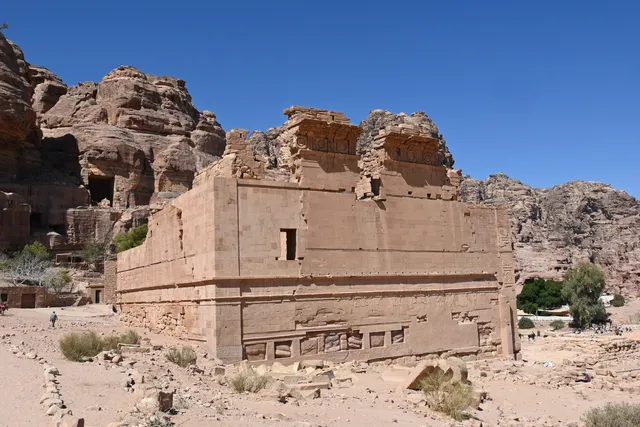
The main trail will lead you to the rest of Petra. The area is huge and open so you can go wherever you like.
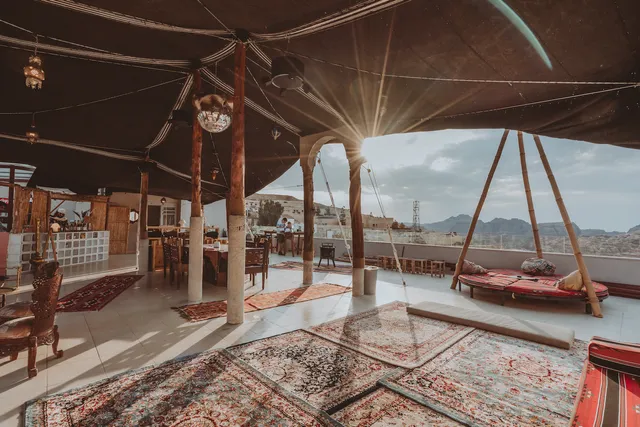
Along the main trail you will find toilets, food &water and plenty of souvenir shops. Bring water with you for side trails, as you won't find cafes there.
The area is huge so take your time to plan what you want to see. My advice is to start at the furthest point of your trail and slowly go back toward the Treasury and Al - Siq. Two days seem ideal to visit all parts of Petra. If you only have one day, start early, preferably as soon as the site opens.
Some areas are slippery and there are no hand railings on the stairs so be careful and watch your step. Also wear appropriate footwear. This is no place for flip flops and sandals.
We visited Petra in April. The weather was sunny and around 30°C. The main trail has almost no shade but there are plenty of cafes where you can get some shade. In other parts you can always hide in the tombs which are also slightly cooler then the outside.
As for clothing - a hat is a must. Since 10 a.m. there is almost no shade once you past the Treasury. Also wear long pants and shirts, or cover your hands with a light scarf to protect yourself from sunburns. We have seen plenty of badly burnt legs on people who came in shorts.
Petra is absolutely magical! Great and challenging trekk rewards you with stunning carvings and amazing vistas. Thus said the only thing that was truly sad was the rampant abuse of the animals. We have seen a boy beat a donkey wit a long thick stick, camels seemed aggravated by the people, and we also seen a lone donkey with a big wound above his nose (it looked like he ran away). We tried to give him some water but he was scared of all people. It made me really mad, especially knowing that these animals bring a lot of profit to their owners hulling thousands of tourist each day up and down Petra. I kindly ask everyone reading this and planing your trip to Petra to walk and resist the urge to hop on a camel, horse or donkey. Petra is an amazing trekking destination and the best way to experience it is to put in some effort. If you get tired you can always take an electric car back to the...
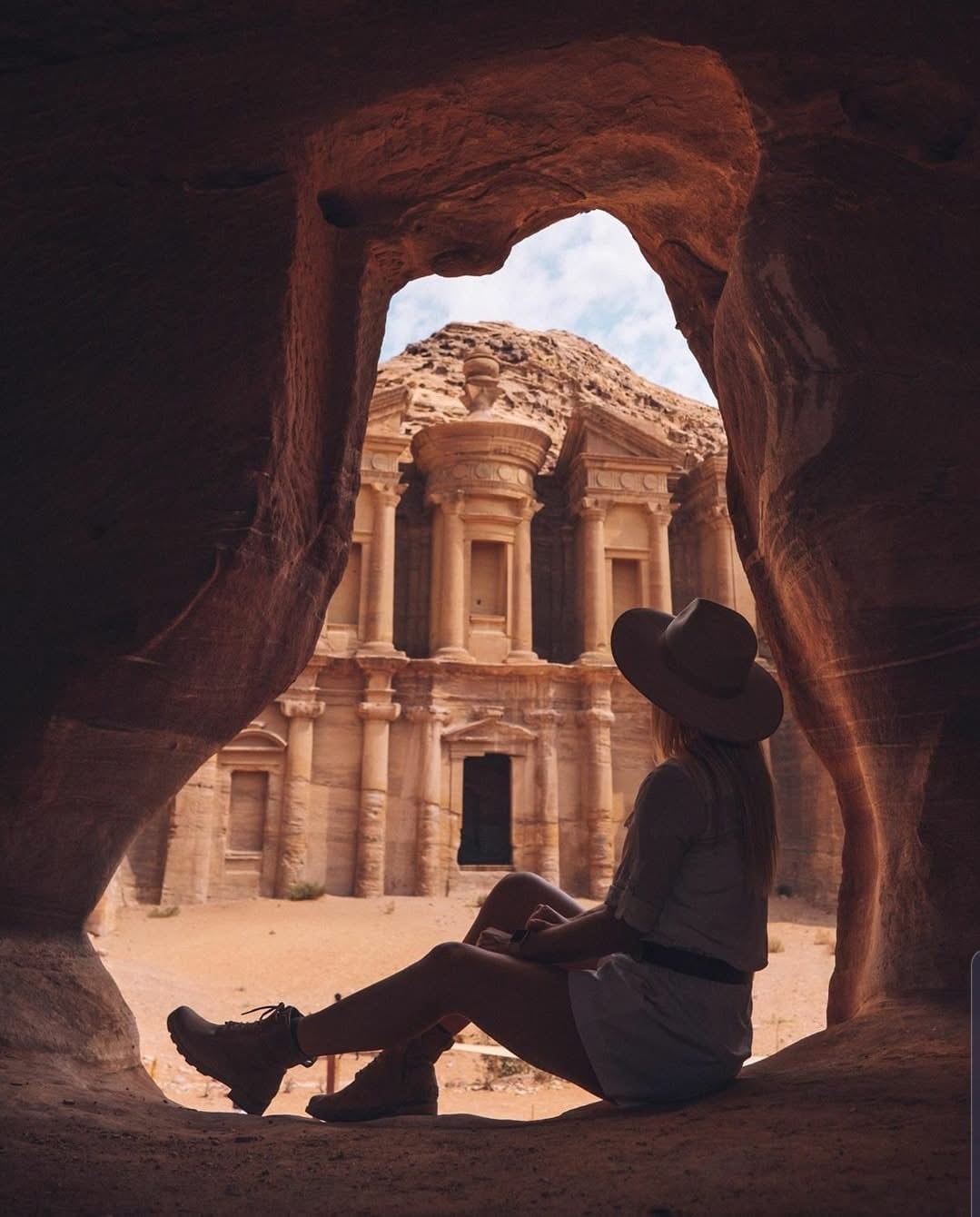
Read moreLong & very hot day but well worth it. Definitely buy a Jordan pass - entry visa, Petra, Wadi Rum for 70 JD instead of 40 / 50 / 10 respectively. Parked outside the museum and got hit by a local taxi driver immediately with 'best plan'. I was sceptical but it was well worth it and the gentleman was very helpful, friendly and gave us some good tips. Got a taxi to the rear entrance of Petra (make sure to haggle price down, it's about 15 minutes we paid 40 JD for 2 in hindsight would have got lower) then paid 5JD each for the ride in on the truck (don't walk it's miles). It's about a 30-40 minute walk to the monastery from drop off point (some shade, some steps / uphill) but definitely better than the route from the visitor centre which we found out on the way back. Great views along the way & some shacks selling cold drinks & tea.
From the monastery it's about 1hr 30m (walking time) at a decent pace, past the other areas to view the visitor centre. Plenty of places for food, drinks and a quick rest along the way. The stairs down can be difficult in places but nothing too strenuous - just decent footwear needed. And absolutely better going down than up! Wear decent footwear & take suncream, plenty of water and a hat! Also having cash is easier to pay for things.
There are camel and donkey rides along the way, lots of souvenir stalls and everyone is very friendly and helpful and don't bother you once you've said no thank you (in tourist season - see below).
Great day out but make sure you're prepared based on your fitness / the weather.
Second visit in Dec 24 - tickets prices a lot higher despite being told they don't change. Very quiet, not a lot of tourists so unfortunately the ask for horse / donkey rides was relentless to the point of being followed for up to 10 minutes a time. We eventually got a 'free' horse ride for our son which is included in the ticket price. Obviously a tip is expected but beware as a large tip is expected! We gave the equivalent of £15 for a 7 minute ride and the 2 gentleman were arguing for more - fortunately my husband speaks a few Arabic words and we walked away but it did taint the visit slightly. Doesn't detract from the beauty of Petra but beware and consider agreeing tip before the ride begins. Be strong if you don't want ride / guide as it's easy to be sucked in purely to...
Read morePetra Inhabited since prehistoric times, this Nabataean caravan-city, situated between the Red Sea and the Dead Sea, was an important crossroads between Arabia, Egypt and Syria-Phoenicia. Petra is half-built, half-carved into the rock, and is surrounded by mountains riddled with passages and gorges. It is one of the world's most famous archaeological sites, where ancient Eastern traditions blend with Hellenistic architecture.
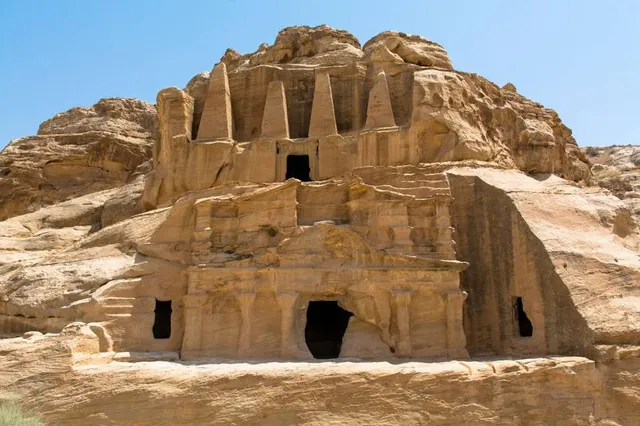
Outstanding Universal Value Brief synthesis Situated between the Red Sea and the Dead Sea and inhabited since prehistoric times, the rock-cut capital city of the Nabateans, became during Hellenistic and Roman times a major caravan centre for the incense of Arabia, the silks of China and the spices of India, a crossroads between Arabia, Egypt and Syria-Phoenicia. Petra is half-built, half-carved into the rock, and is surrounded by mountains riddled with passages and gorges. An ingenious water management system allowed extensive settlement of an essentially arid area during the Nabataean, Roman and Byzantine periods. It is one of the world's richest and largest archaeological sites set in a dominating red sandstone landscape. The Outstanding Universal Value of Petra resides in the vast extent of elaborate tomb and temple architecture; religious high places; the remnant channels, tunnels and diversion dams that combined with a vast network of cisterns and reservoirs which controlled and conserved seasonal rains, and the extensive archaeological remains including of copper mining, temples, churches and other public buildings. The fusion of Hellenistic architectural facades with traditional Nabataean rock-cut temple/tombs including the Khasneh, the Urn Tomb, the Palace Tomb, the Corinthian Tomb and the Deir ("monastery") represents a unique artistic achievement and an outstanding architectural ensemble of the first centuries BC to AD. The varied archaeological remains and architectural monuments from prehistoric times to the medieval periods bear exceptional testimony to the now lost civilisations which succeeded each other at the site. Criterion (i): The dramatic Nabataean/Hellenistic rock-cut temple/tombs approached via a natural winding rocky cleft (the Siq), which is the main entrance from the east to a once extensive trading city, represent a unique artistic. { Unesco World Heritage...
Read more