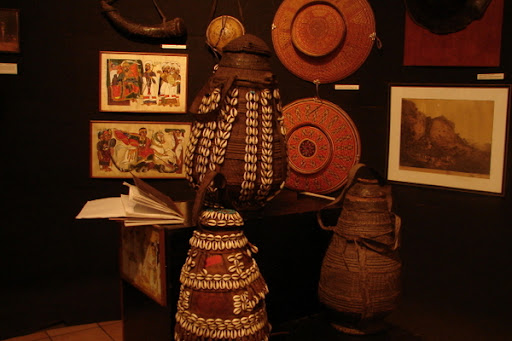
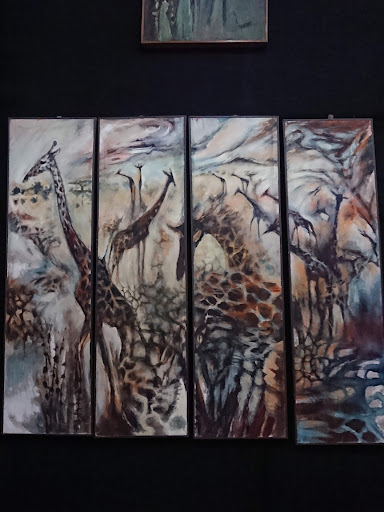
Kenya National Archives things to do, attractions, restaurants, events info and trip planning
Basic Info
Kenya National Archives
Moi Avenue, next to Ambassadeur Hotel, Nairobi, Kenya
4.2(5.4K)
Open until 12:00 AM
Save
spot
spot
Ratings & Description
Info
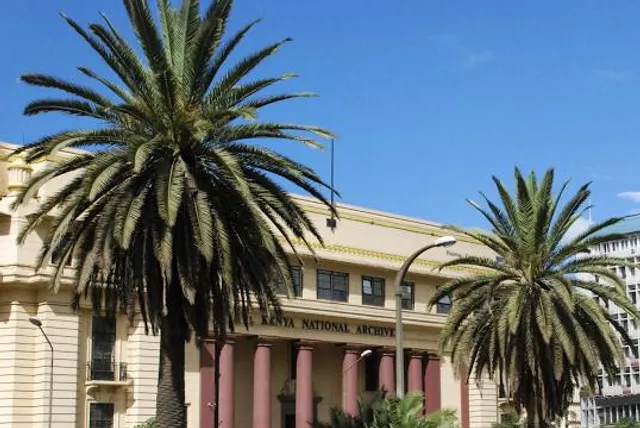
Kenya National Archives and Documentation Services is situated at the edge of the central business district in downtown Nairobi along Moi Avenue next to Ambassadeur Hotel. The archives look out on the landmark Hilton Hotel, while on the rear side is Tom Mboya street.
Cultural
Educational
attractions: National Archives Moi Avenue, Msanii Africa Safaris LTD, August 7th Memorial Park, Kenyatta International Convention Centre, Aquacentury Interior solutions, Cathedral Basilica of the Holy Family, Khoja Jamatkhana, Maasai Market, KICC rooftop, Shree Kutch Satsang Swaminarayan Temple, restaurants: Sizzlin Grills, SABINA JOY PUB, Scratch Bar, Java House - Reinsurance Plaza, Cafe Deli & Delicatessen & Cafe Deli Cakes, Beams Restaurant, Hot Dishes Restaurant (Old Mutual Building), Azuri Restaurant and Cafe, Java House - Mama Ngina St, Mint & Salt, local businesses: Diamond Shopping Mall, Maasai Market, Xquisite Hair Salon & Barber Shop, West African Market, Nairobi skates station, Sukuma Wiki Building, City Market, Aanika Karibu Safaris in Kenya, Muthurwa Open Market, Wakulima Market Nairobi
 Learn more insights from Wanderboat AI.
Phone
+254 722 509212
Open hoursSee all hours
SunClosedOpen
Plan your stay

Pet-friendly Hotels in Nairobi
Find a cozy hotel nearby and make it a full experience.

Affordable Hotels in Nairobi
Find a cozy hotel nearby and make it a full experience.

The Coolest Hotels You Haven't Heard Of (Yet)
Find a cozy hotel nearby and make it a full experience.

Trending Stays Worth the Hype in Nairobi
Find a cozy hotel nearby and make it a full experience.
Reviews
Live events
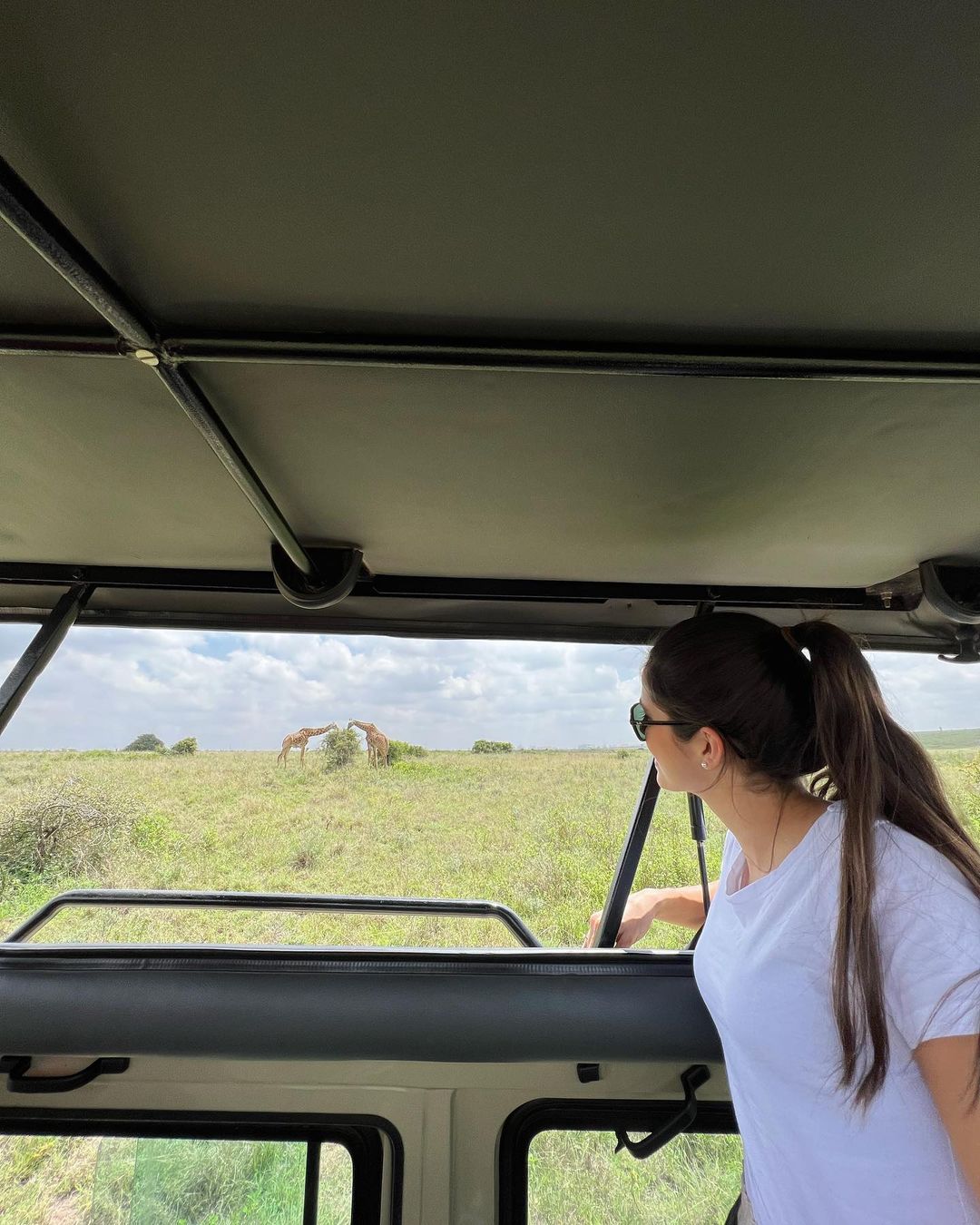
Visit Nairobi National Park
Mon, Feb 23 • 6:00 AM
Nairobi, Kenya
View details

Roast coffee and tour a Kenyan owned Coffee farm
Mon, Feb 23 • 9:00 AM
Kiambu, Kenya
View details
Nearby attractions of Kenya National Archives
National Archives Moi Avenue
Msanii Africa Safaris LTD
August 7th Memorial Park
Kenyatta International Convention Centre
Aquacentury Interior solutions
Cathedral Basilica of the Holy Family
Khoja Jamatkhana
Maasai Market
KICC rooftop
Shree Kutch Satsang Swaminarayan Temple
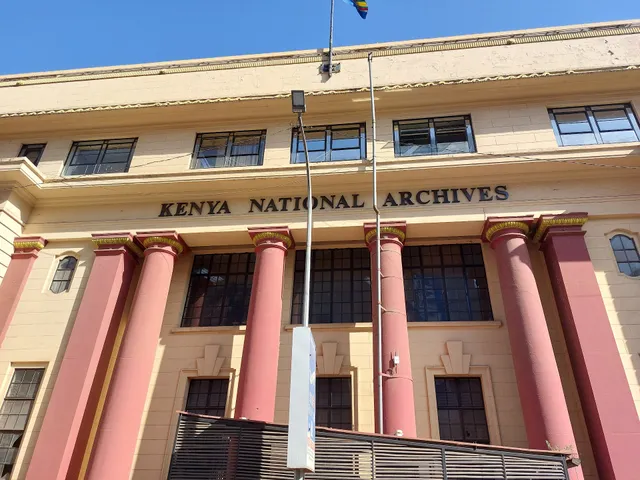
National Archives Moi Avenue
4.3
(625)
Closed
Click for details

Msanii Africa Safaris LTD
4.9
(31)
Open until 12:00 AM
Click for details
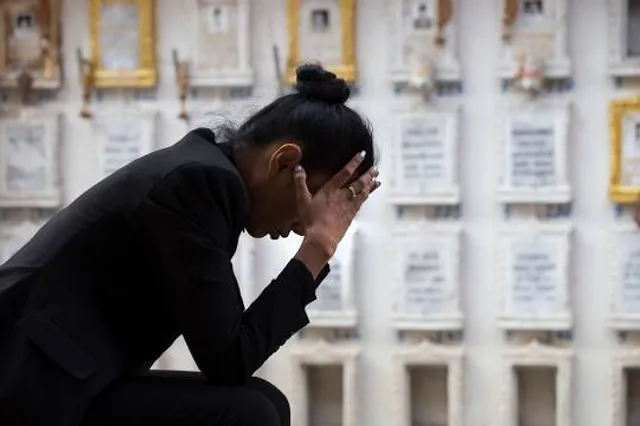
August 7th Memorial Park
4.4
(2.4K)
Closed
Click for details
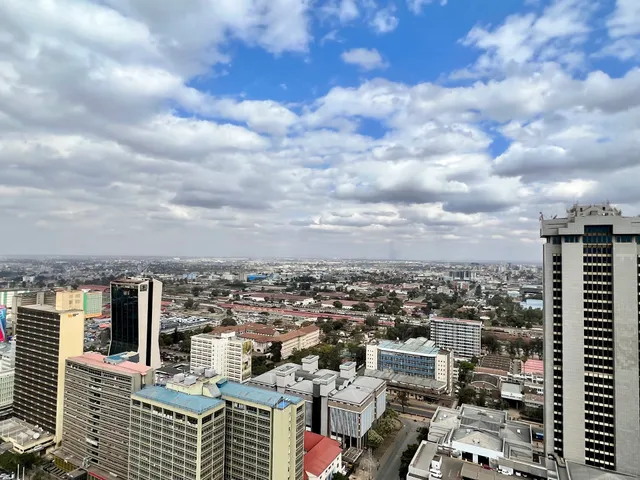
Kenyatta International Convention Centre
4.5
(4.1K)
Open until 12:00 AM
Click for details
Nearby restaurants of Kenya National Archives
Sizzlin Grills
SABINA JOY PUB
Scratch Bar
Java House - Reinsurance Plaza
Cafe Deli & Delicatessen & Cafe Deli Cakes
Beams Restaurant
Hot Dishes Restaurant (Old Mutual Building)
Azuri Restaurant and Cafe
Java House - Mama Ngina St
Mint & Salt
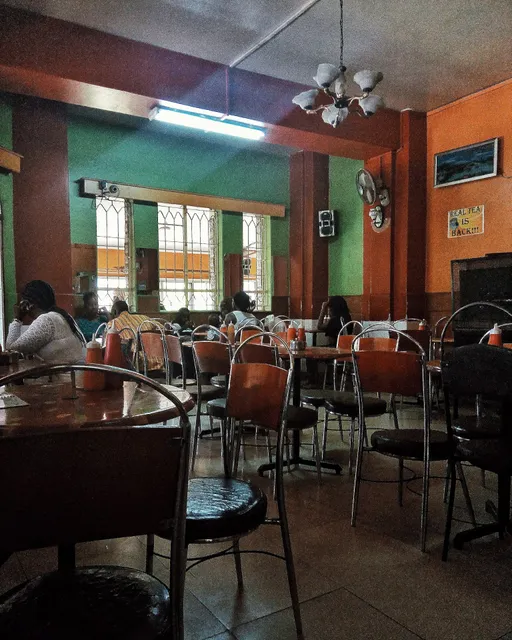
Sizzlin Grills
4.0
(1.2K)
Open until 11:00 PM
Click for details

SABINA JOY PUB
4.1
(354)
$$
Open until 12:00 AM
Click for details
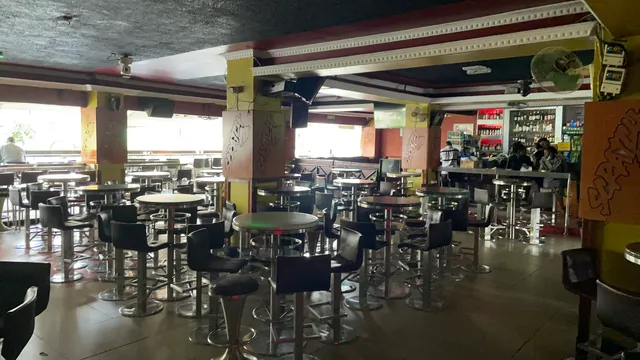
Scratch Bar
4.1
(901)
$$
Open until 12:00 AM
Click for details
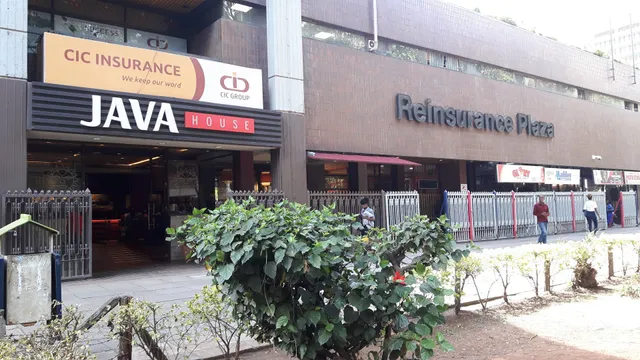
Java House - Reinsurance Plaza
4.3
(1.6K)
$$
Closed
Click for details
Nearby local services of Kenya National Archives
Diamond Shopping Mall
Maasai Market
Xquisite Hair Salon & Barber Shop
West African Market
Nairobi skates station
Sukuma Wiki Building
City Market
Aanika Karibu Safaris in Kenya
Muthurwa Open Market
Wakulima Market Nairobi
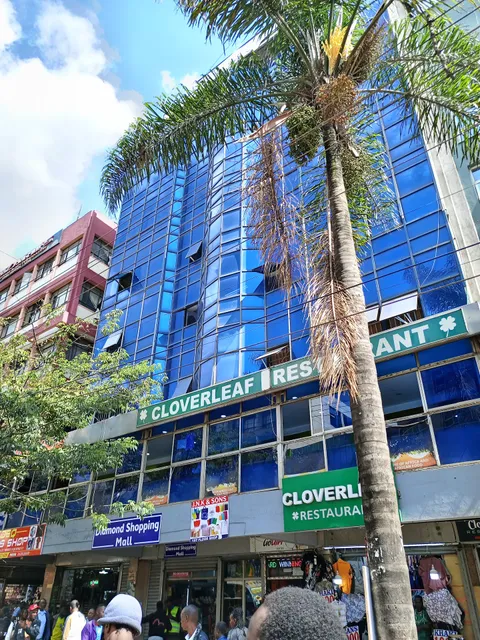
Diamond Shopping Mall
4.3
(174)
Click for details
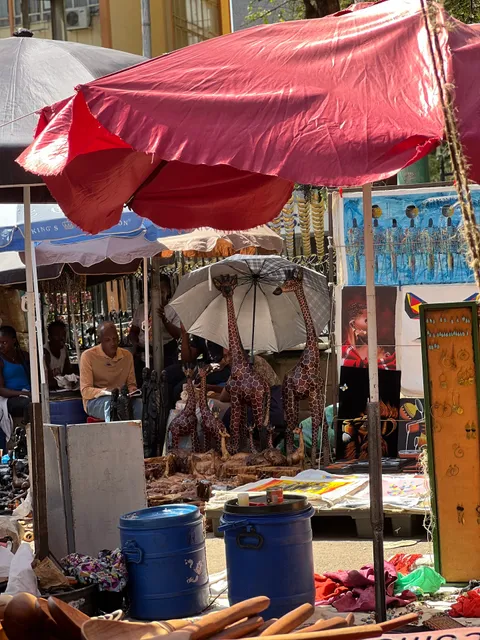
Maasai Market
4.3
(1.5K)
Click for details
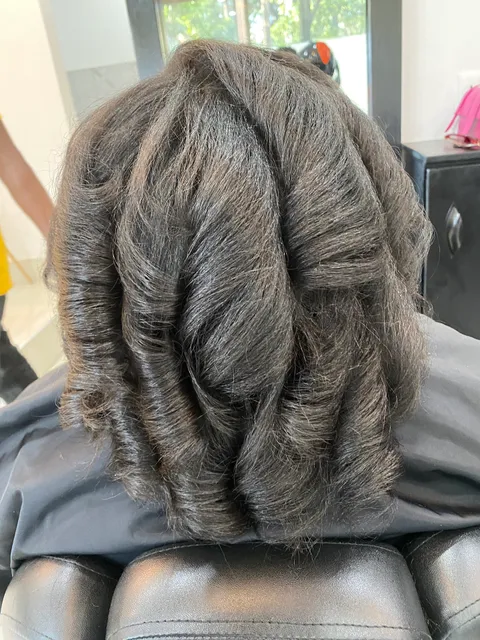
Xquisite Hair Salon & Barber Shop
4.8
(174)
Click for details
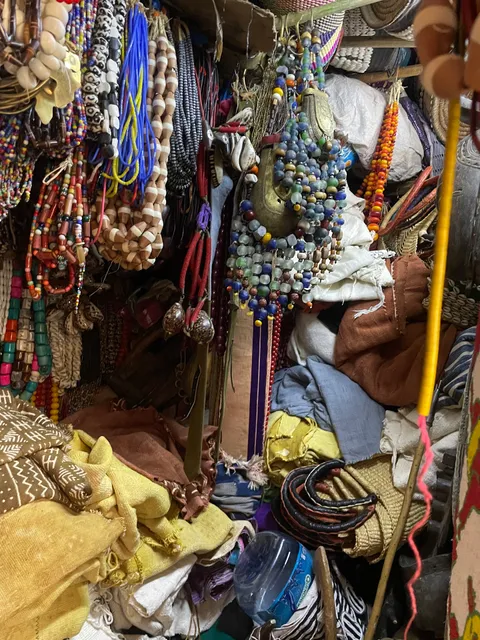
West African Market
4.5
(193)
Click for details