Jamia Mosque things to do, attractions, restaurants, events info and trip planning
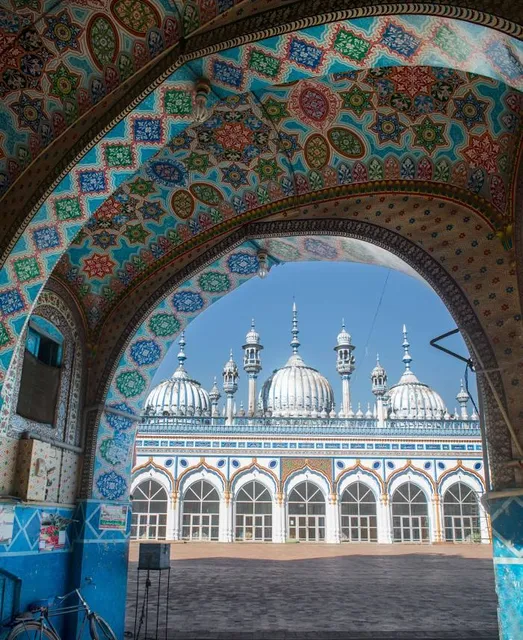
Basic Info
Jamia Mosque
32, Nairobi, Kenya
4.7(55)
Closed
Save
spot
spot
Ratings & Description
Info
Cultural
Accessibility
attractions: Jeevanjee Gardens, Khoja Jamatkhana, Cathedral Basilica of the Holy Family, Maasai Market, Nairobi Gallery, Kenyatta International Convention Centre, Aquacentury Interior solutions, The Galton - Fenzi Memorial, Eastern & Southern Safaris, Central Park Nairobi, restaurants: Kilimanjaro Jamia, Kimathi Street, Java House - Kimathi Street, CJ's, K'Osewe Ranalo Foods, CafeDeli Restaurant, Koinange Street, Kaldis Coffee House Ltd, City Star Restaurant, G&R Restaurant, Valley Coffee Shake Restaurant, Kista Cafe - Banda Street, local businesses: City Market, Aanika Karibu Safaris in Kenya, Kenya National Archives, Maasai Market, Diamond Shopping Mall, Xquisite Hair Salon & Barber Shop, Central Park Nairobi, West African Market, Nairobi skates station, NGARA WEST OPEN AIR MARKET
 Learn more insights from Wanderboat AI.
Phone
+254 20 2243500
Website
facebook.com
Open hoursSee all hours
SatClosed
Plan your stay

Pet-friendly Hotels in Nairobi
Find a cozy hotel nearby and make it a full experience.

Affordable Hotels in Nairobi
Find a cozy hotel nearby and make it a full experience.

The Coolest Hotels You Haven't Heard Of (Yet)
Find a cozy hotel nearby and make it a full experience.

Trending Stays Worth the Hype in Nairobi
Find a cozy hotel nearby and make it a full experience.
Reviews
Live events
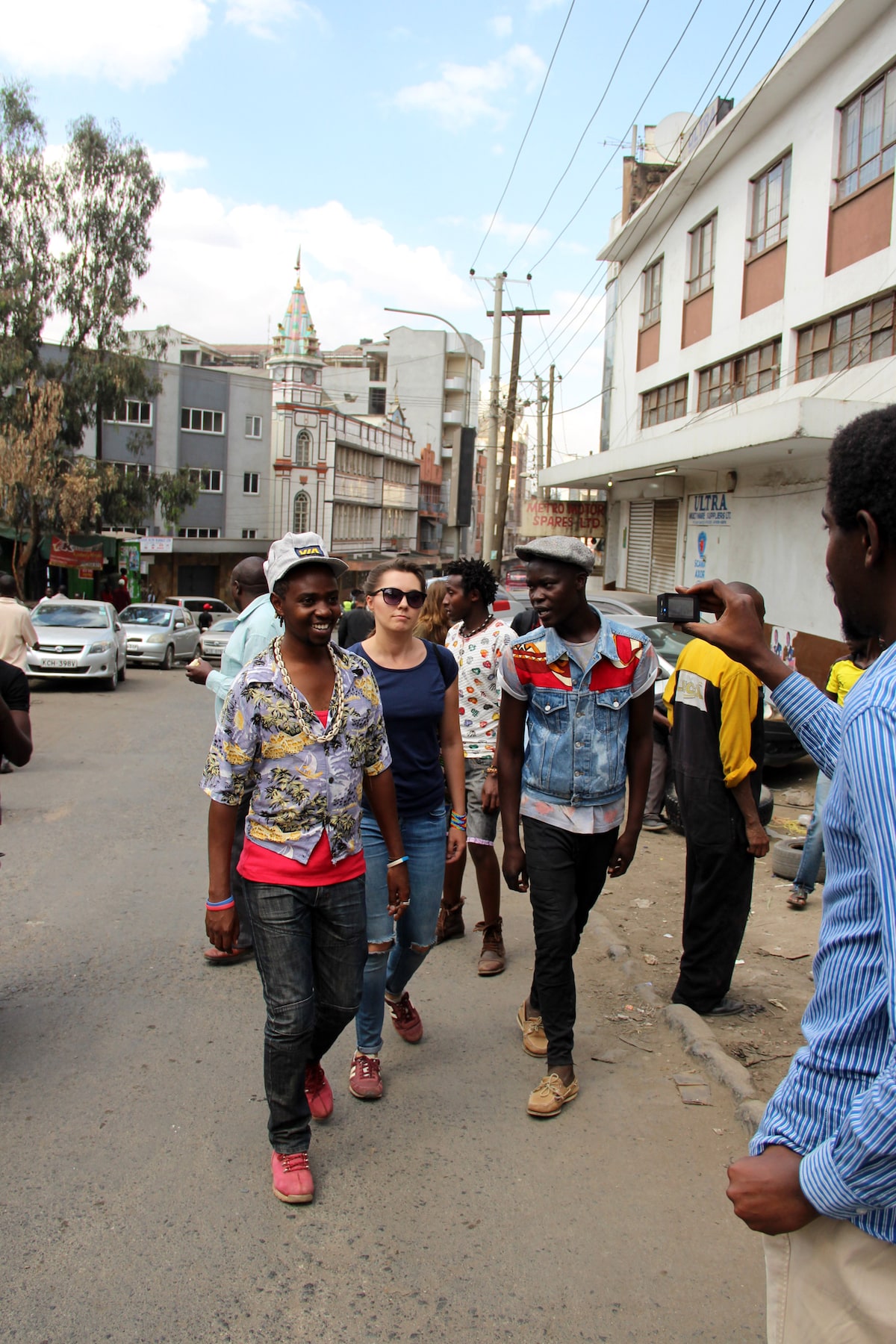
See Nairobi through the eyes of street kids
Sat, Feb 21 • 10:00 AM
Nairobi, Kenya
View details

Roast coffee and tour a Kenyan owned Coffee farm
Sat, Feb 21 • 12:00 PM
Kiambu, Kenya
View details
Nearby attractions of Jamia Mosque
Jeevanjee Gardens
Khoja Jamatkhana
Cathedral Basilica of the Holy Family
Maasai Market
Nairobi Gallery
Kenyatta International Convention Centre
Aquacentury Interior solutions
The Galton - Fenzi Memorial
Eastern & Southern Safaris
Central Park Nairobi
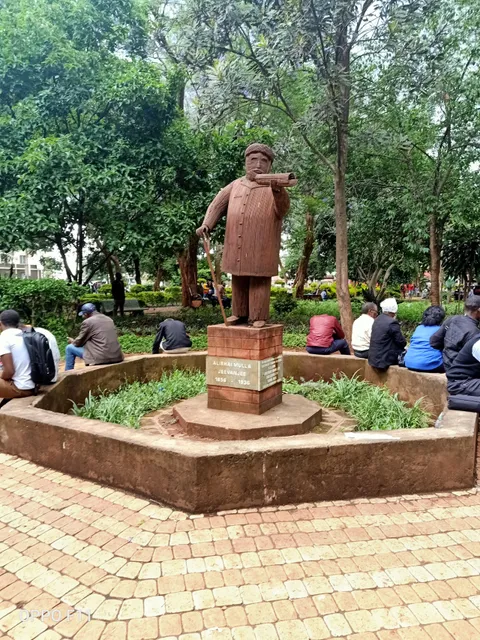
Jeevanjee Gardens
4.0
(1.1K)
Open until 6:00 PM
Click for details
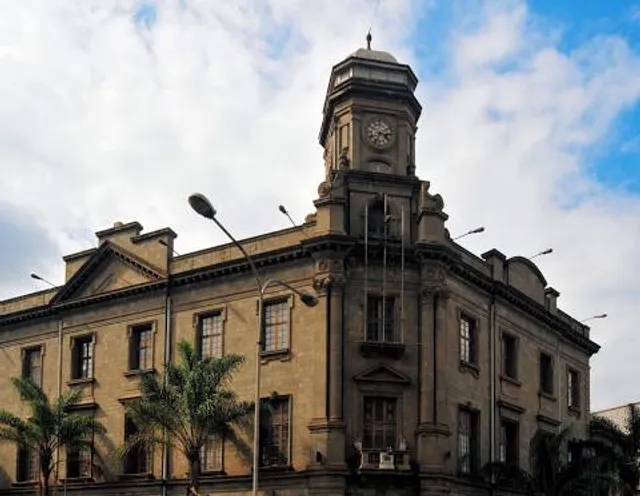
Khoja Jamatkhana
4.1
(438)
Open until 12:00 AM
Click for details
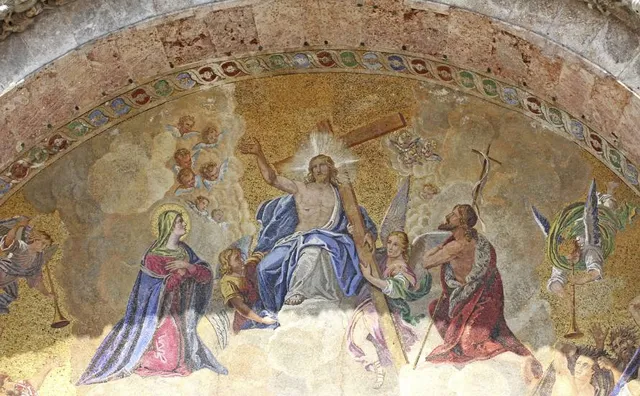
Cathedral Basilica of the Holy Family
4.7
(2K)
Open until 8:00 PM
Click for details
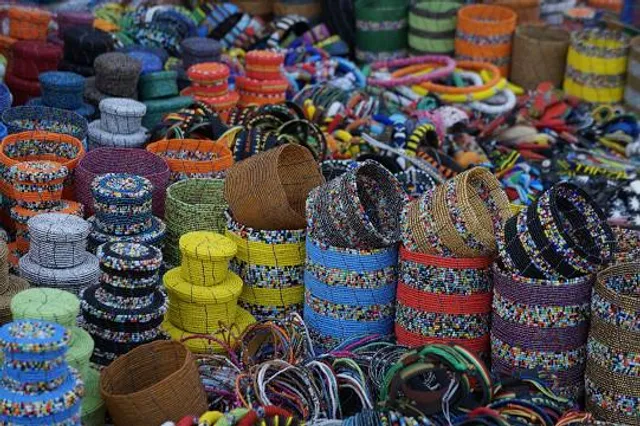
Maasai Market
4.3
(2.3K)
Open until 12:00 AM
Click for details
Nearby restaurants of Jamia Mosque
Kilimanjaro Jamia, Kimathi Street
Java House - Kimathi Street
CJ's
K'Osewe Ranalo Foods
CafeDeli Restaurant, Koinange Street
Kaldis Coffee House Ltd
City Star Restaurant
G&R Restaurant
Valley Coffee Shake Restaurant
Kista Cafe - Banda Street
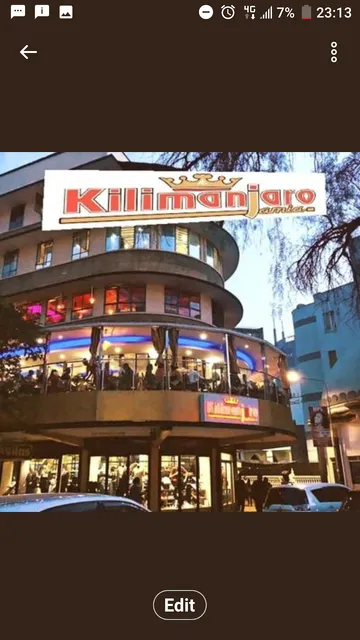
Kilimanjaro Jamia, Kimathi Street
4.3
(2.9K)
Open until 10:00 PM
Click for details
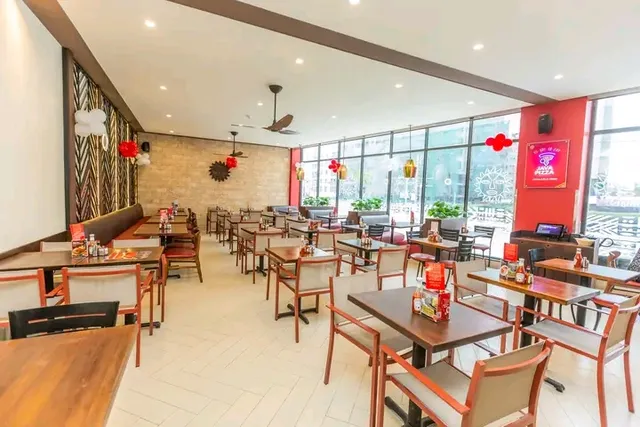
Java House - Kimathi Street
4.3
(1.5K)
Open until 9:00 PM
Click for details
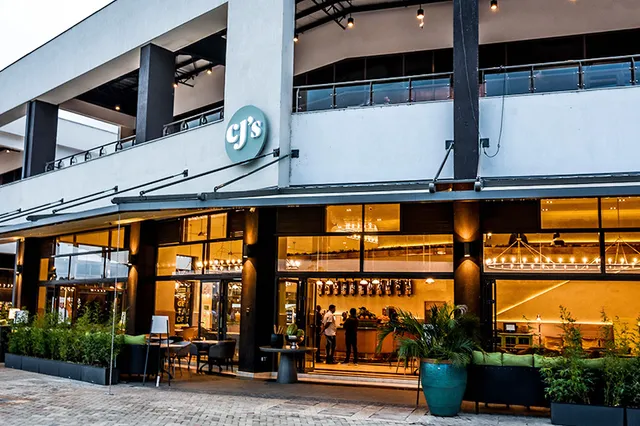
CJ's
4.6
(4.8K)
$$
Open until 12:00 AM
Click for details
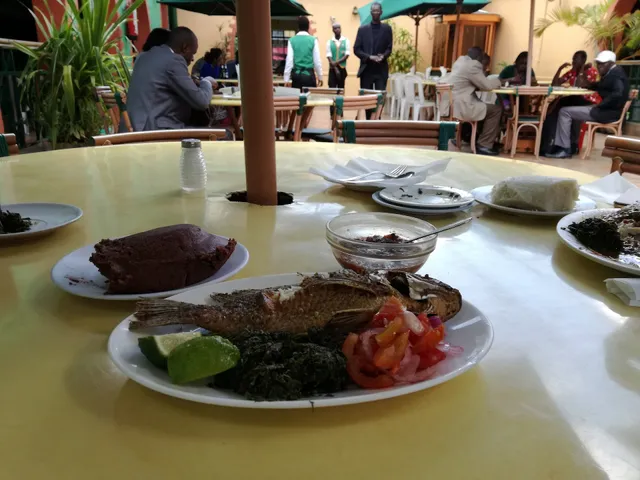
K'Osewe Ranalo Foods
4.3
(813)
Open until 3:00 AM
Click for details
Nearby local services of Jamia Mosque
City Market
Aanika Karibu Safaris in Kenya
Kenya National Archives
Maasai Market
Diamond Shopping Mall
Xquisite Hair Salon & Barber Shop
Central Park Nairobi
West African Market
Nairobi skates station
NGARA WEST OPEN AIR MARKET
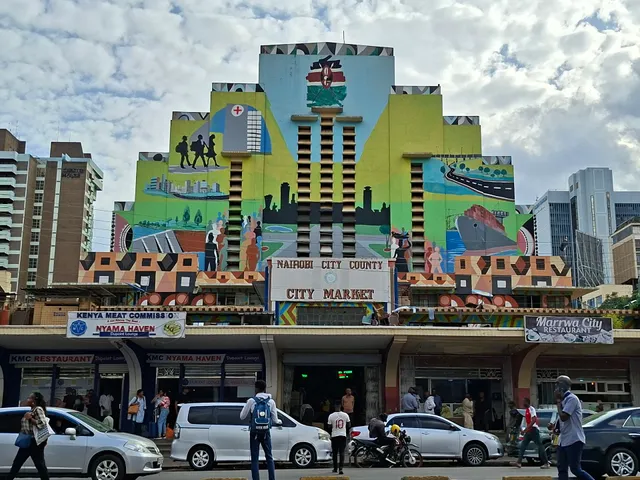
City Market
4.0
(3.3K)
Click for details
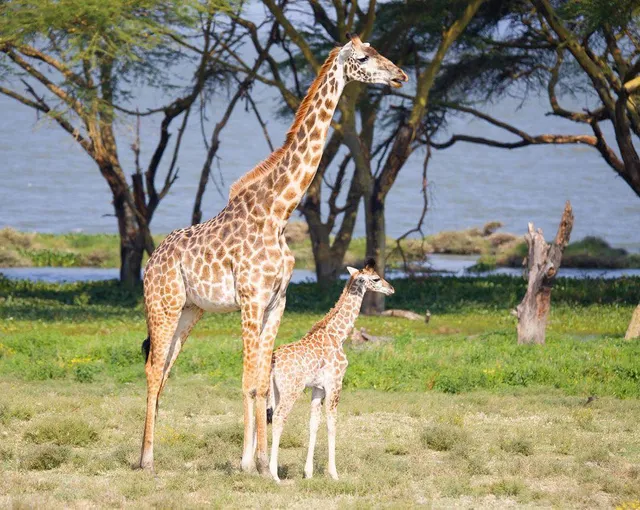
Aanika Karibu Safaris in Kenya
4.8
(536)
Click for details
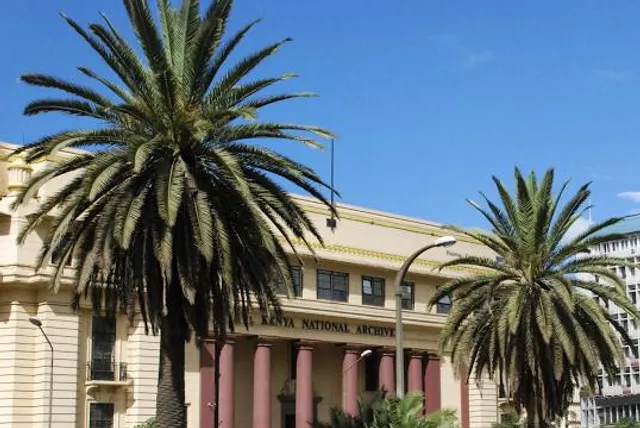
Kenya National Archives
4.2
(5.4K)
Click for details
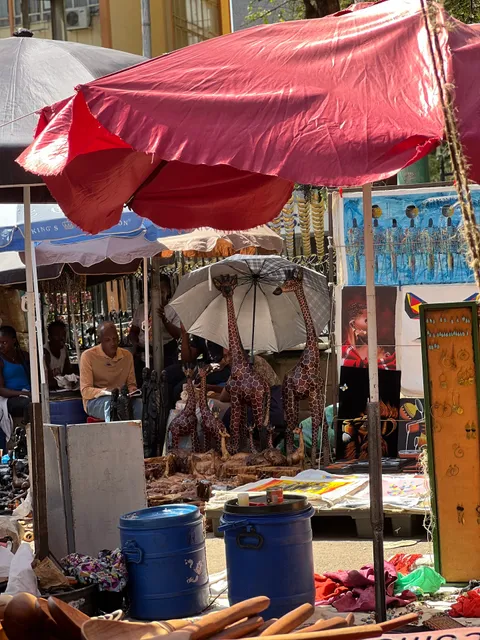
Maasai Market
4.3
(1.5K)
Click for details