Kenya Railway Museum things to do, attractions, restaurants, events info and trip planning

Basic Info
Kenya Railway Museum
PR4F+MX5, Station Rd, Nairobi, Kenya
4.4(673)
Open until 5:00 PM

tickets
Save
spot
spot
Ratings & Description
Info
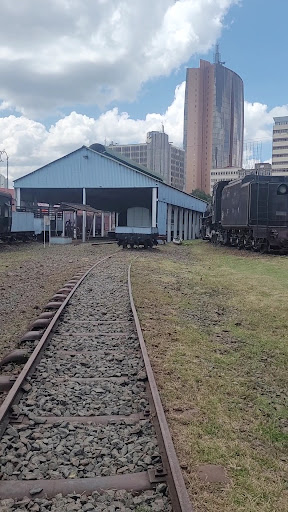
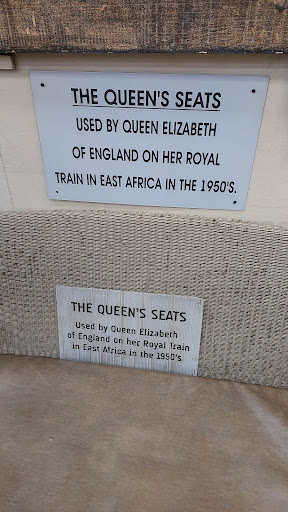
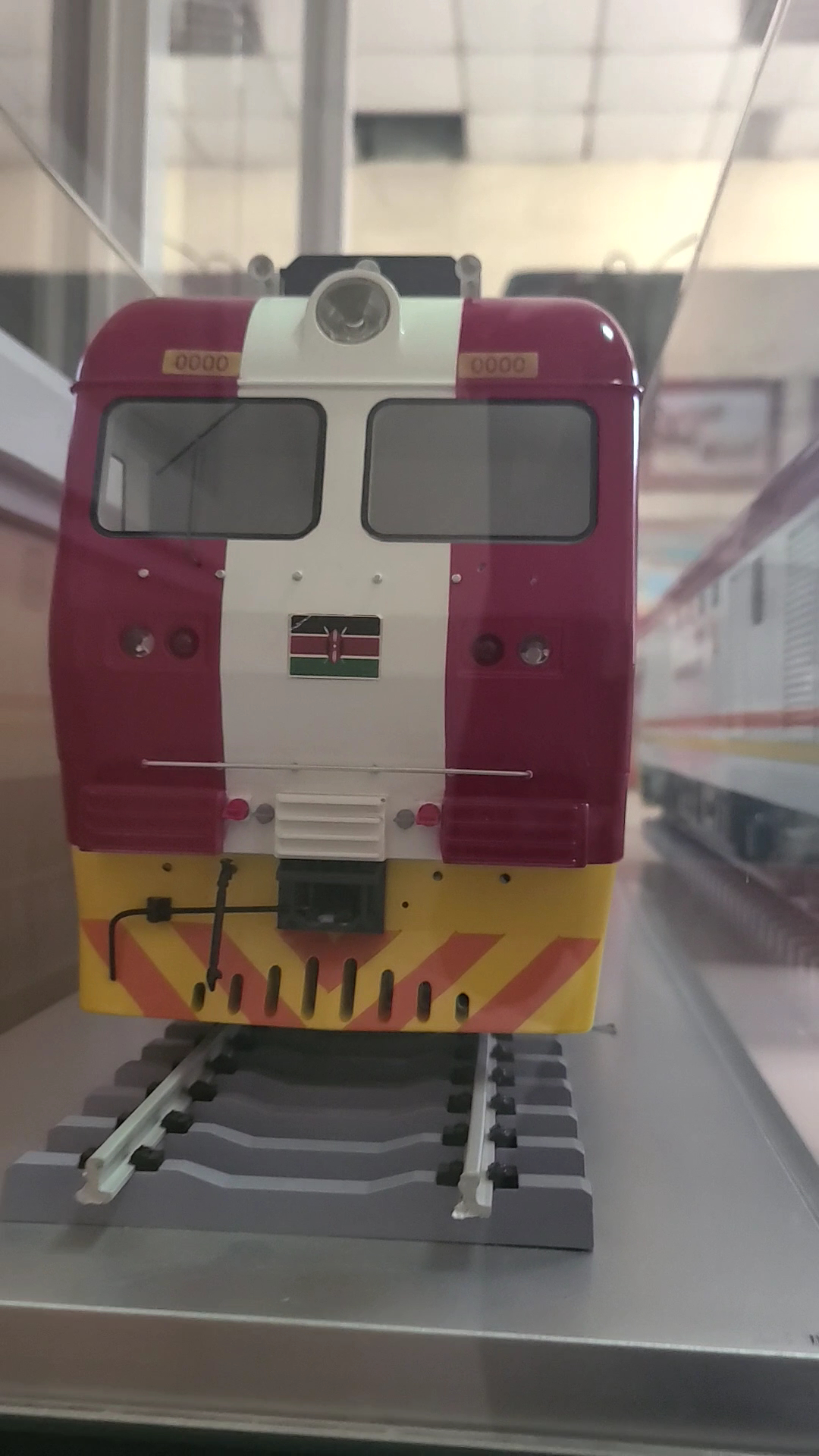
The Nairobi Railway Museum is a railway museum in Nairobi, Kenya, adjacent to Nairobi railway station. Containing exhibits from the defunct East African Railways, it was opened in 1971 by East African Railways and Harbours Corporation. It is operated by Kenya Railways. The museum has maintained its rail connection.
Cultural
Entertainment
Family friendly
Accessibility
attractions: Kenyatta International Convention Centre, Maasai Market, Uhuru Park, August 7th Memorial Park, Cathedral Basilica of the Holy Family, KICC rooftop, Nairobi Gallery, The Galton - Fenzi Memorial, Msanii Africa Safaris LTD, restaurants: Java House - Embassy House, Java House - Phoenix, Cafè Parlour, Rocomamas, Halal Dishes, Tin Tin Restaurant, Garden Square by Ashaki, Java House - Reinsurance Plaza, PRONTO RESTAURANT (City Hall), Urth Caffe, local businesses: Maasai Market, Xquisite Hair Salon & Barber Shop
 Learn more insights from Wanderboat AI.
Phone
+254 709 907411
Website
krc.co.ke
Open hoursSee all hours
Mon8 AM - 5 PMOpen
Plan your stay

Pet-friendly Hotels in Nairobi
Find a cozy hotel nearby and make it a full experience.

Affordable Hotels in Nairobi
Find a cozy hotel nearby and make it a full experience.

The Coolest Hotels You Haven't Heard Of (Yet)
Find a cozy hotel nearby and make it a full experience.

Trending Stays Worth the Hype in Nairobi
Find a cozy hotel nearby and make it a full experience.
Reviews
Live events
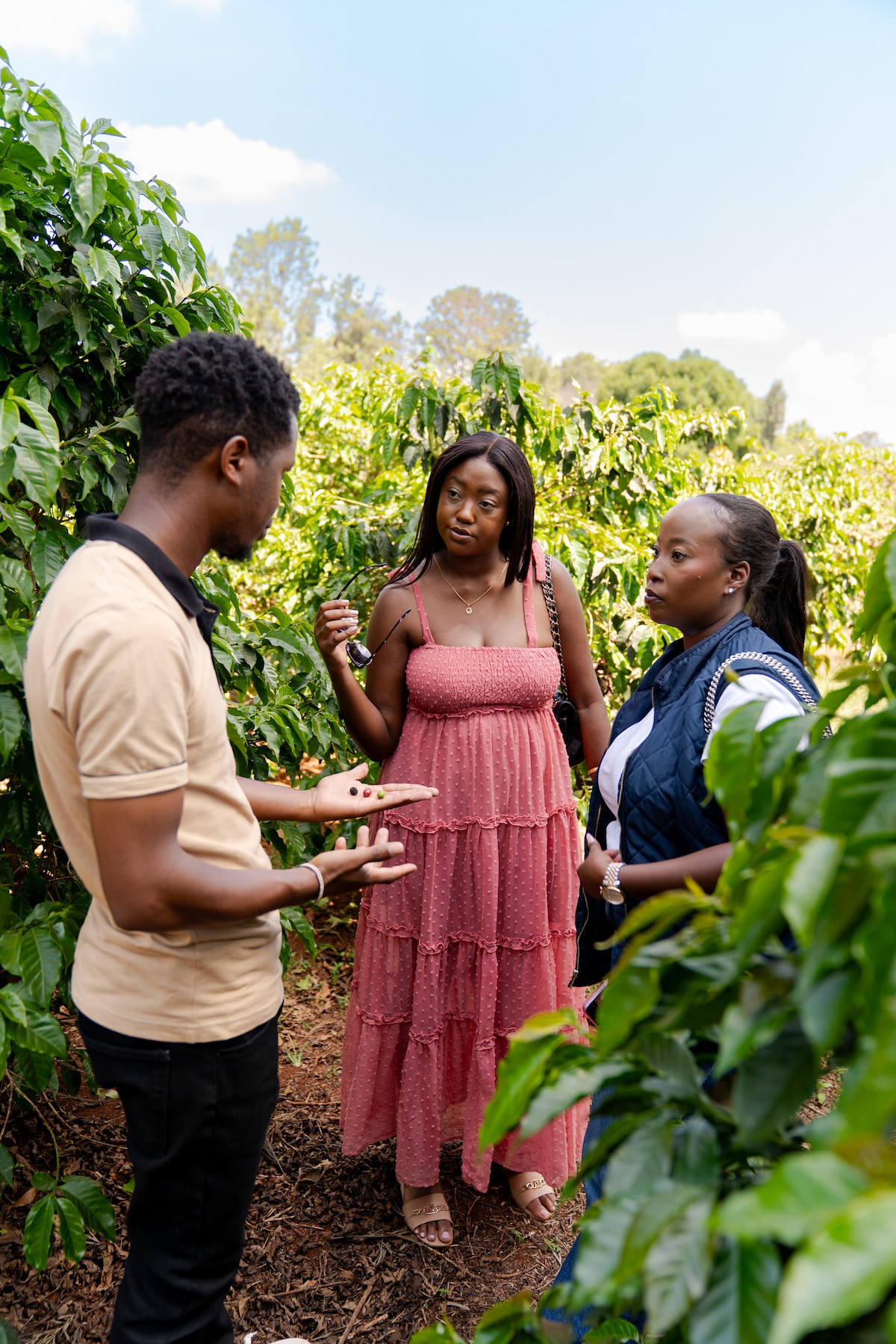
Roast coffee and tour a Kenyan owned Coffee farm
Mon, Feb 23 • 12:00 PM
Kiambu, Kenya
View details
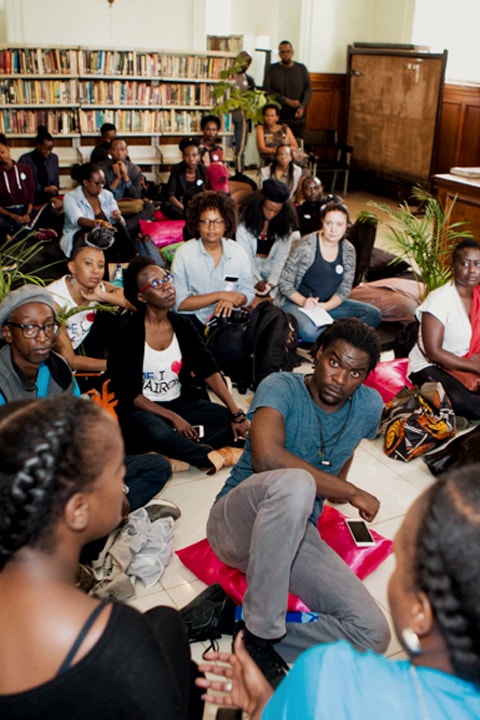
Explore Nairobis iconic public libraries
Tue, Feb 24 • 10:00 AM
Nairobi, Kenya
View details
Nearby attractions of Kenya Railway Museum
Kenyatta International Convention Centre
Maasai Market
Uhuru Park
August 7th Memorial Park
Cathedral Basilica of the Holy Family
KICC rooftop
Nairobi Gallery
The Galton - Fenzi Memorial
Msanii Africa Safaris LTD
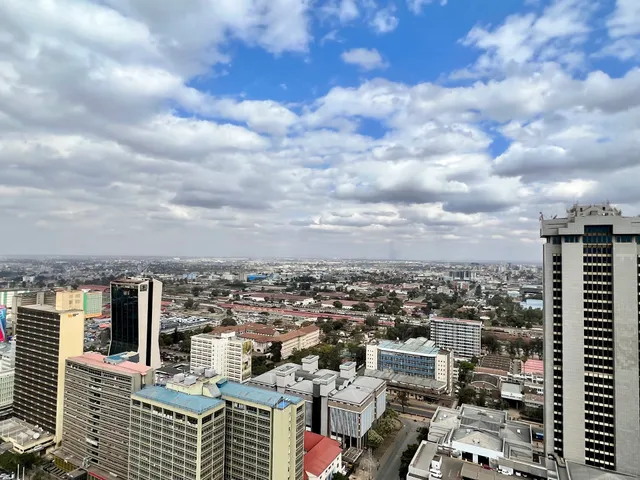
Kenyatta International Convention Centre
4.5
(4.1K)
Open until 12:00 AM
Click for details
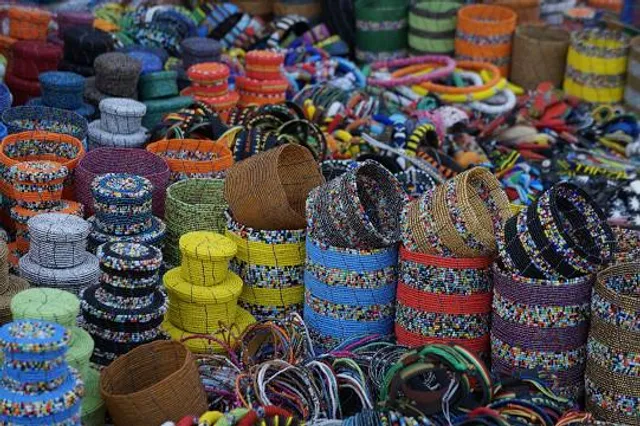
Maasai Market
4.3
(2.3K)
Open until 12:00 AM
Click for details
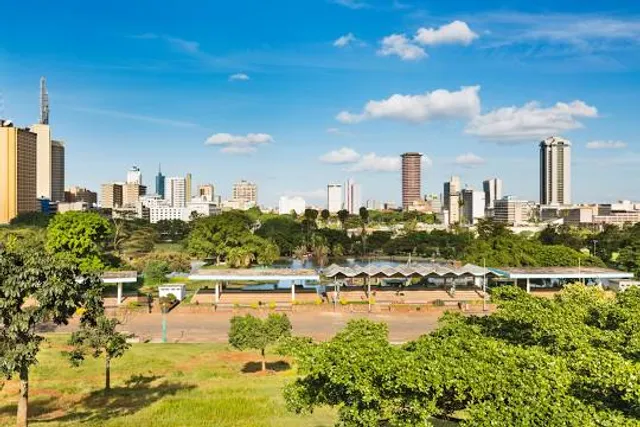
Uhuru Park
4.1
(9.1K)
Open until 5:00 PM
Click for details
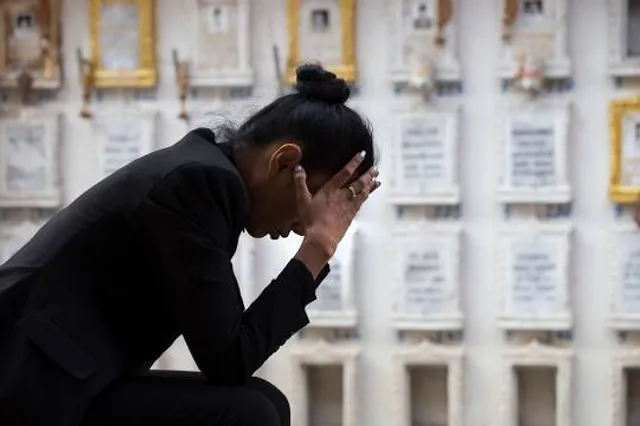
August 7th Memorial Park
4.4
(2.4K)
Open until 6:00 PM
Click for details
Nearby restaurants of Kenya Railway Museum
Java House - Embassy House
Java House - Phoenix
Cafè Parlour
Rocomamas
Halal Dishes
Tin Tin Restaurant
Garden Square by Ashaki
Java House - Reinsurance Plaza
PRONTO RESTAURANT (City Hall)
Urth Caffe
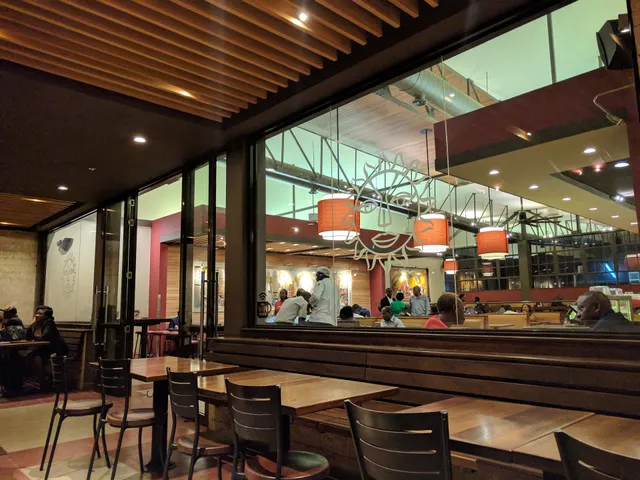
Java House - Embassy House
4.3
(690)
$$
Open until 12:00 AM
Click for details
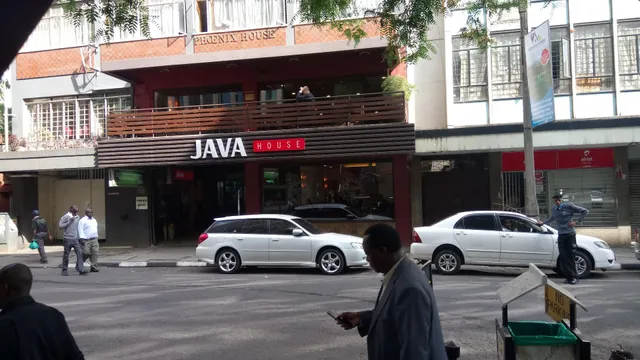
Java House - Phoenix
4.1
(591)
Open until 10:00 PM
Click for details
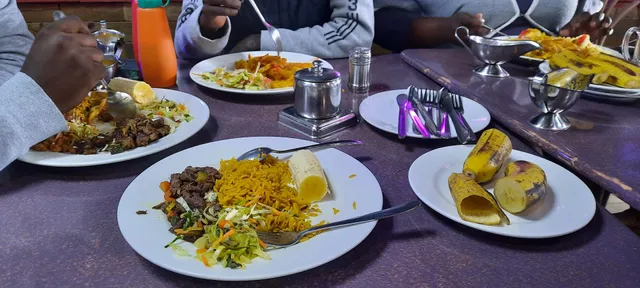
Cafè Parlour
4.4
(75)
$$
Click for details
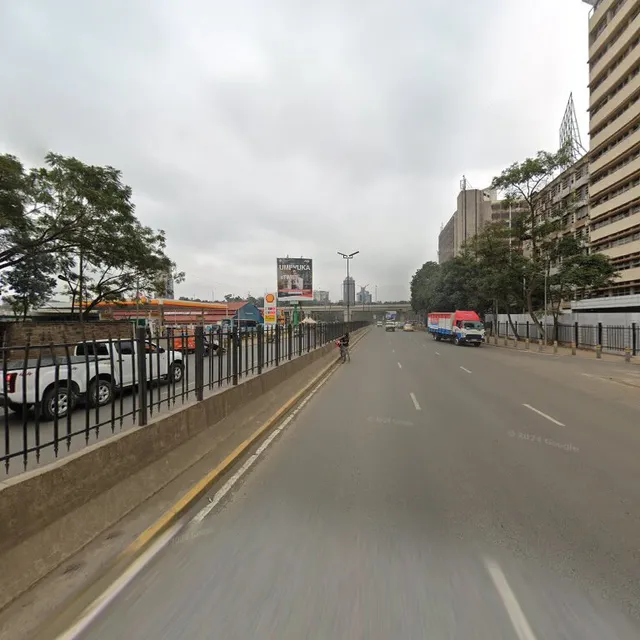
Rocomamas
5.0
(1)
Open until 12:00 AM
Click for details
Nearby local services of Kenya Railway Museum
Maasai Market
Xquisite Hair Salon & Barber Shop
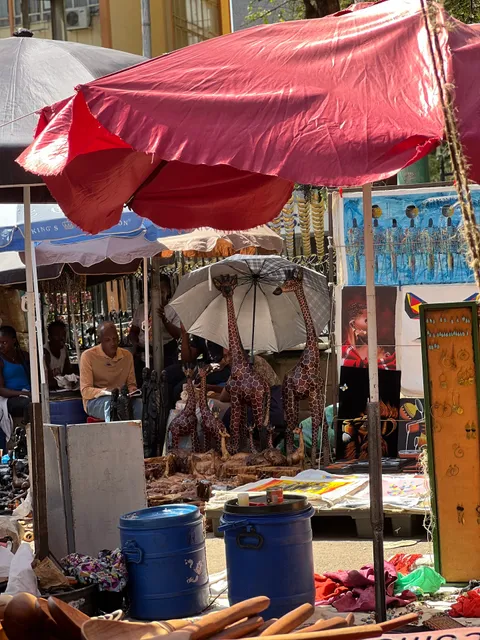
Maasai Market
4.3
(1.5K)
Click for details
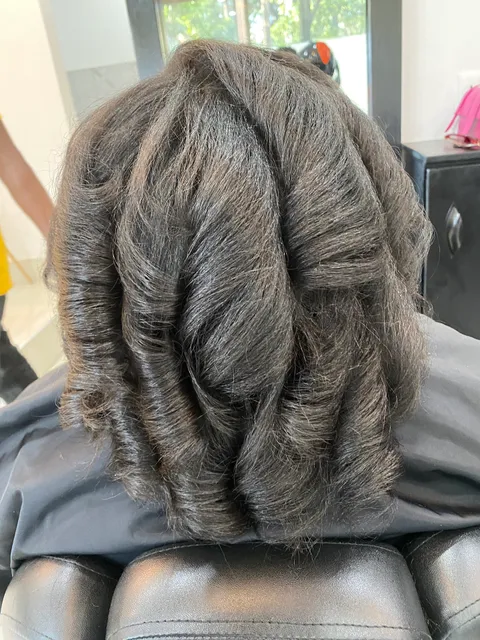
Xquisite Hair Salon & Barber Shop
4.8
(174)
Click for details