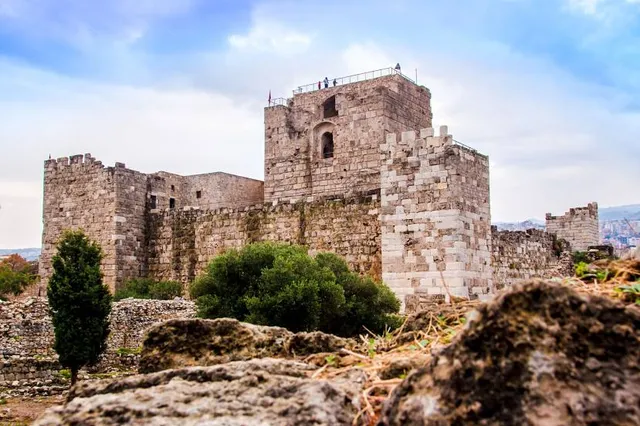
Byblos Citadel, also known as Byblos Castle, is an essential destination for anyone interested in exploring Lebanon's rich and diverse history. Located in the ancient city of Byblos, this well-preserved citadel stands as a testament to the region's strategic importance and historical depth.
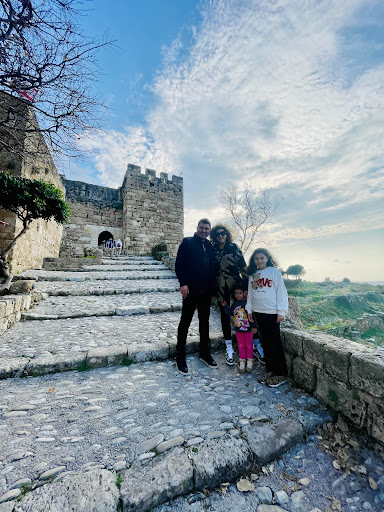
Built by the Crusaders in the 12th century, Byblos Citadel is a formidable structure made from limestone and the remnants of Roman structures. The robust walls, fortified towers, and the overall architectural design reflect the military ingenuity of the era. As you wander through its halls and courtyards, you can feel the palpable history, with each stone telling a story of battles, conquests, and resilience.
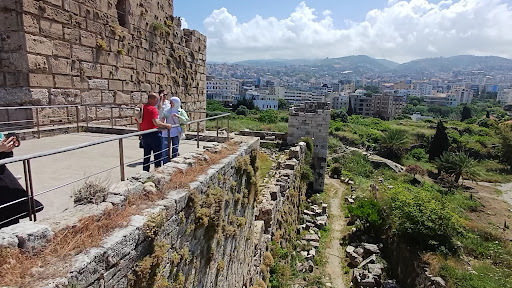
One of the highlights of visiting Byblos Citadel is the panoramic view it offers. From the top, you can enjoy breathtaking vistas of the Mediterranean Sea and the surrounding landscapes, providing a picturesque backdrop that is perfect for photography.
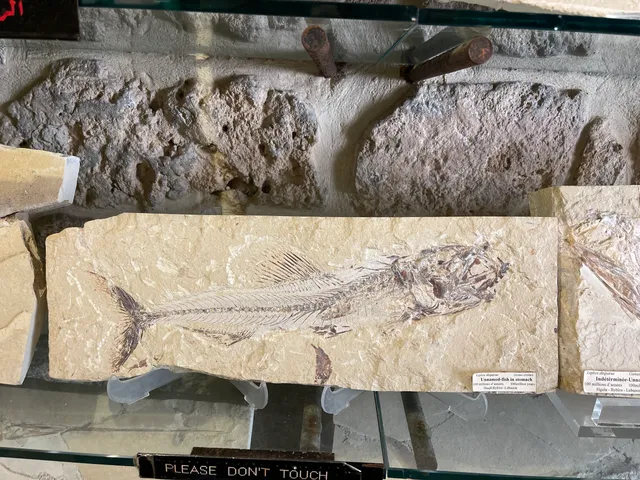
Inside the citadel, various exhibits showcase artifacts from different periods, including Phoenician, Roman, and Byzantine times. These displays offer a comprehensive overview of Byblos' historical significance and its evolution through various civilizations. The nearby archaeological site further enriches the experience, featuring ruins that span several millennia, including ancient temples, tombs, and city walls.
Overall, Byblos Citadel is a remarkable destination that beautifully encapsulates Lebanon's layered history. Its impressive architecture, informative exhibits, and stunning views make it a must-visit site for history enthusiasts and casual tourists alike. A trip to Byblos would be incomplete without exploring this iconic landmark, which continues to stand as a proud symbol of the city's...
Read moreAs a student of archaeology, visiting Jbeil Castle (Byblos Castle) was an extraordinary experience. This sprawling site is a treasure trove of history, beautifully situated within the ancient city of Byblos, one of the oldest continuously inhabited cities in the world.
Accompanied by my professor, I was struck by the castle's architectural grandeur and the layers of history embedded in its stones. Built in the 12th century by the Crusaders, the castle's sturdy limestone and remnants of Roman, Phoenician, and Ottoman influences tell a vivid story of cultural overlap. Walking through its massive halls and ascending its towers offered breathtaking views of the Mediterranean Sea and the surrounding ruins, including ancient temples and a well-preserved amphitheater.
What stood out to me most was the intricate history of the site. Byblos has been a crossroads of civilizations for millennia, and the castle serves as a tangible reminder of its strategic importance and resilience. The detailed carvings, inscriptions, and artifacts showcased on-site further enrich the experience, making it both educational and awe-inspiring.
The site is vast, and exploring it requires time to truly appreciate its beauty and significance. For me, it was not just a visit but a journey into the past. The well-maintained pathways, signage, and museum nearby make it accessible to history enthusiasts and casual visitors alike.
I highly recommend Jbeil Castle to anyone interested in archaeology, history, or simply beautiful places. It left me with a profound appreciation for the layers of history and the stories that ancient...
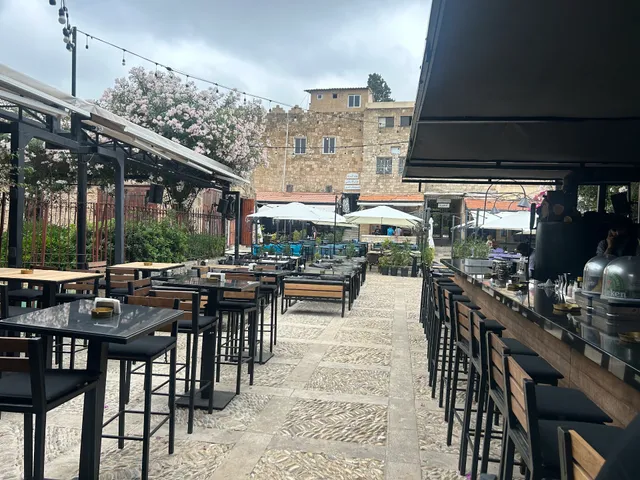
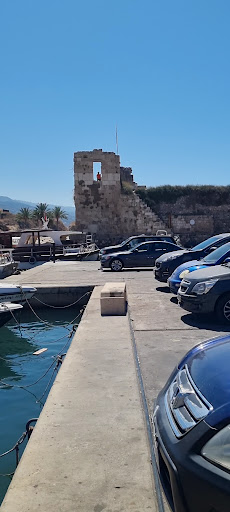
Read moreHad a day off on a recent work trip to Beirut and hotel suggested a visit to Byblos to see the harbour and ancient ruins. It is a UNESCO world heritage site and one of the oldest inhabited villages on earth dating back to approx 8000BC. We took a cab ride from Beirut which took 20 mins along the motorway to the North to the centre of the town. There are plenty of bars, restaurants and shops to spend an afternoon and a small souk to enjoy bartering for some bargains. Walk down to the harbour where it’s a beautiful setting to watch the sun go down whilst having a meal or drinks in one of the restaurants. You can also hire a boat if you want a little coastal cruise. The Ruins themselves are well worth a visit. Right on the front it’s well signposted to the entrance. Fee is approx £4 each and its cash only. You can wander the ancient ruins at your leisure. It is in parts steep and has a lot of steps and uneven surfaces so wear comfy shoes. It’s also wide open so sunscreen in summer is a must otherwise you will fry. Some signs in English, French and Spanish along with Arabic to detail the history. Some amazing well preserved ruins. I recommend this if you have spare time. A couple of hours just to wander the site and shops but a lot longer if you want to enjoy a boat ride and dinner. We arrived at noon and stayed until 6.30pm and was just right to take it all in. Not great if walking long distances is a struggle though as it’s a steep uphill climb to ruins and shops from...
Read more