Jade Emperor God Temple Air Itam things to do, attractions, restaurants, events info and trip planning
Basic Info
Jade Emperor God Temple Air Itam
Lorong Pokok Celi, Taman Bukit Bendera, Penang, 11500 Air Itam, Malaysia
4.5(26)
Save
spot
spot
Ratings & Description
Info
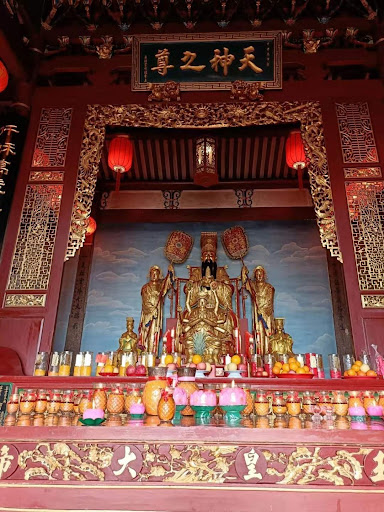
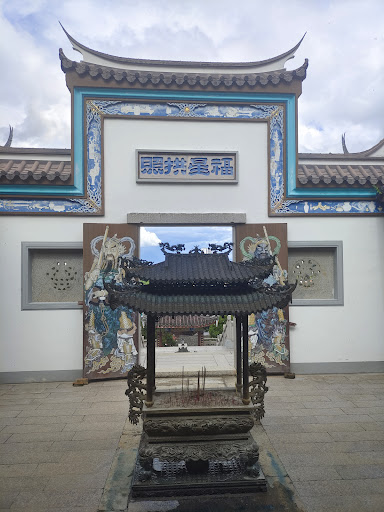
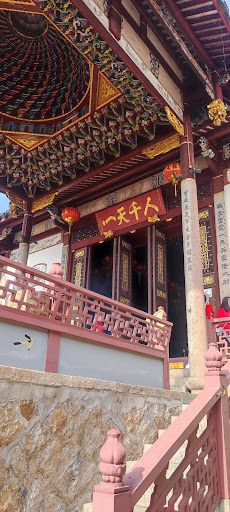
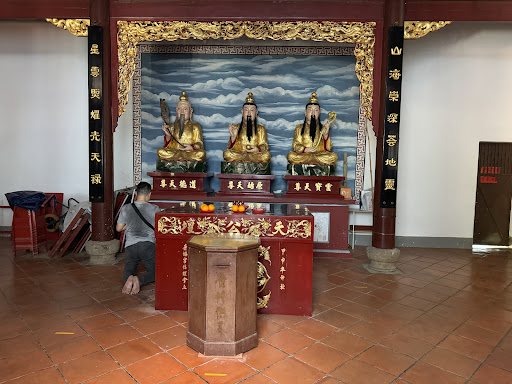
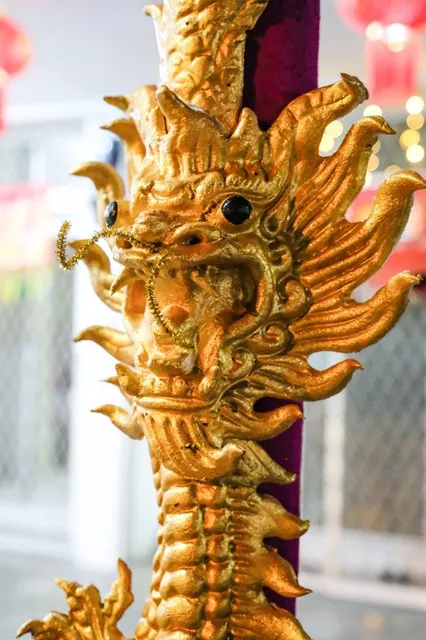
Thean Kong Thnuah Temple or Jade Emperor God Temple is a Chinese temple located at the foot of Penang Hill in Air Itam, Penang.
Cultural
Scenic
Relaxation
Family friendly
Accessibility
attractions: Stesen Bukit Bendera Pulau Pinang, Penang Hill Heritage Trail, Penang Hill Lower Station, Penang Hill Hike, Shan Din Di Mu Niang Niang Temple, Penang Hill Middle Station, Arulmigu Sri Ruthra Veeramuthu Maha Mariamman Devasthanam அருள்மிகு ஸ்ரீ ருத்ர வீரமுத்து மகா மாரியம்மன் தேவஸ்தானம், Air Itam War Memorial Park, Penang Hill Bat Cave Trail, Ayer Itam Wet Market, restaurants: Western Village, 118 Cafe 饮食中心, Penang Air Itam Laksa, Beng Chin Garden, Gratitude Veggie Cafe, Air Itam Market Duck Rice, HEH CAFE, En En Coffee Shop, Hawker Center Air Itam, Happy Vege Café 普素苑, local businesses: Penang Hill, Jade Emperor Temple, Jinggangshan Penang Hill Temple, 妙香林寺 Beow Hiang Lim Temple, 海会塔@妙香林寺 Beow Hiang Lim Temple & Memorial Park, Farah Kitchen, Ayer Itam Night Market
 Learn more insights from Wanderboat AI.
Phone
+60 14-261 5358
Website
m.facebook.com
Plan your stay

Pet-friendly Hotels in George Town
Find a cozy hotel nearby and make it a full experience.

Affordable Hotels in George Town
Find a cozy hotel nearby and make it a full experience.

The Coolest Hotels You Haven't Heard Of (Yet)
Find a cozy hotel nearby and make it a full experience.

Trending Stays Worth the Hype in George Town
Find a cozy hotel nearby and make it a full experience.
Reviews
Live events
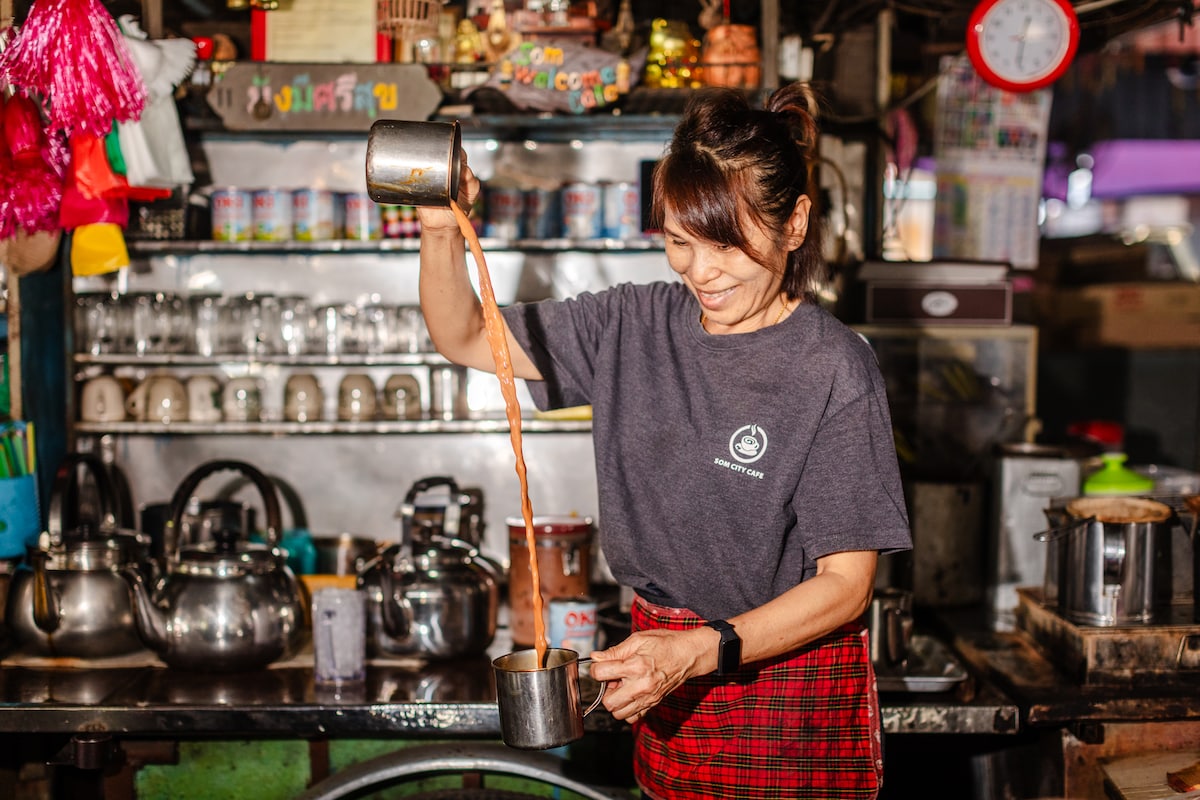
Good Morning Penang Food Tour with 15-plus tasting
Thu, Feb 26 • 9:30 AM
10050, George Town, Penang, Malaysia
View details
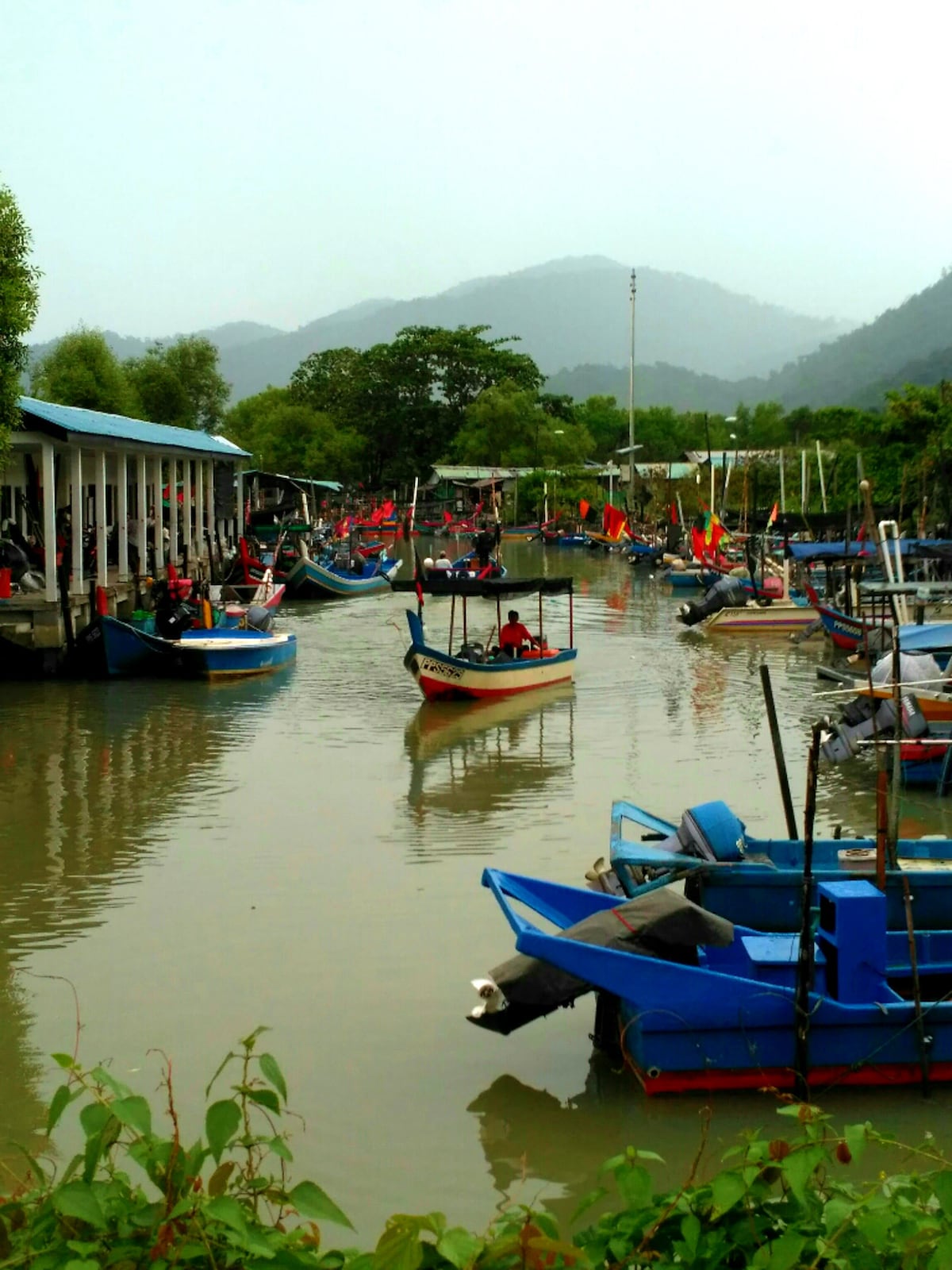
Biking through Malay countryside
Mon, Feb 23 • 7:00 AM
10200, George Town, Penang, Malaysia
View details
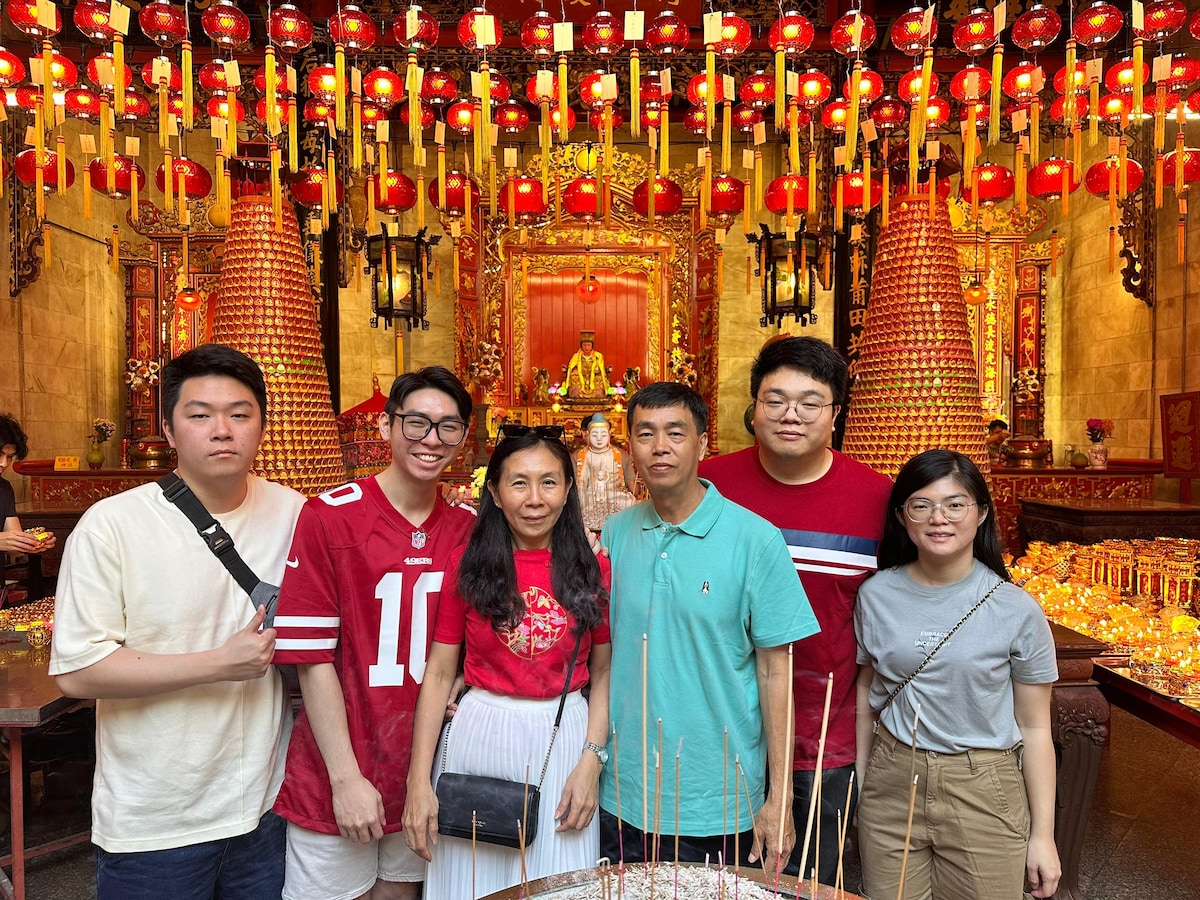
Taste Penangs afternoon street foods
Mon, Feb 23 • 3:30 PM
10450, George Town, Penang, Malaysia
View details
Nearby attractions of Jade Emperor God Temple Air Itam
Stesen Bukit Bendera Pulau Pinang
Penang Hill Heritage Trail
Penang Hill Lower Station
Penang Hill Hike
Shan Din Di Mu Niang Niang Temple
Penang Hill Middle Station
Arulmigu Sri Ruthra Veeramuthu Maha Mariamman Devasthanam அருள்மிகு ஸ்ரீ ருத்ர வீரமுத்து மகா மாரியம்மன் தேவஸ்தானம்
Air Itam War Memorial Park
Penang Hill Bat Cave Trail
Ayer Itam Wet Market
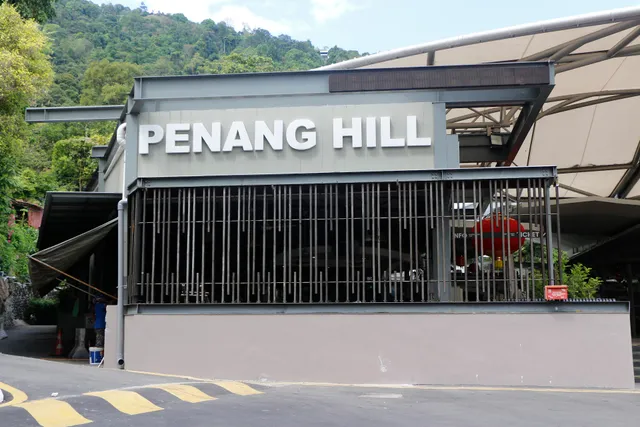
Stesen Bukit Bendera Pulau Pinang
4.3
(4K)
Open until 11:00 PM
Click for details
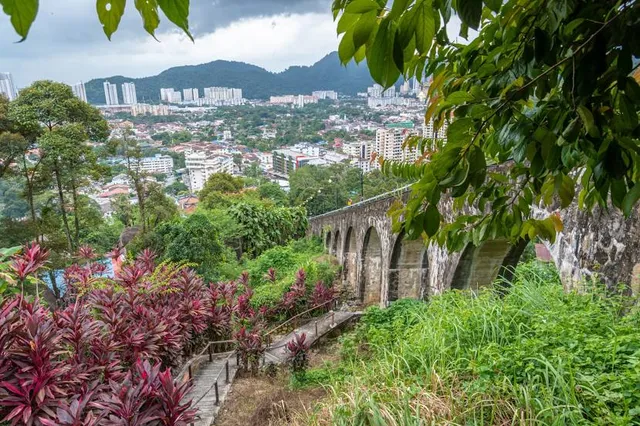
Penang Hill Heritage Trail
4.3
(142)
Open until 12:00 AM
Click for details
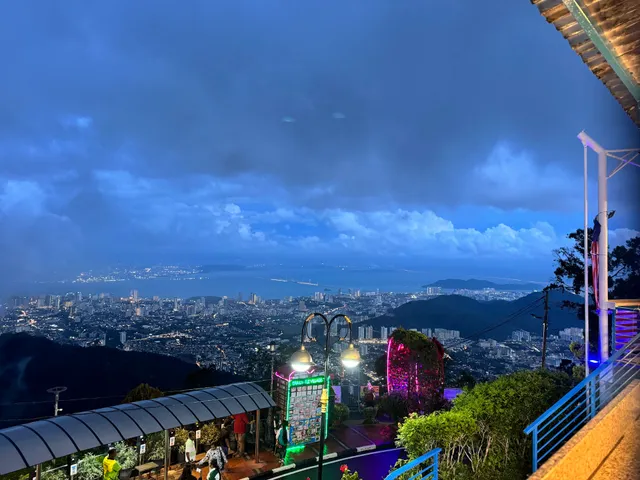
Penang Hill Lower Station
4.3
(300)
Open until 10:00 PM
Click for details
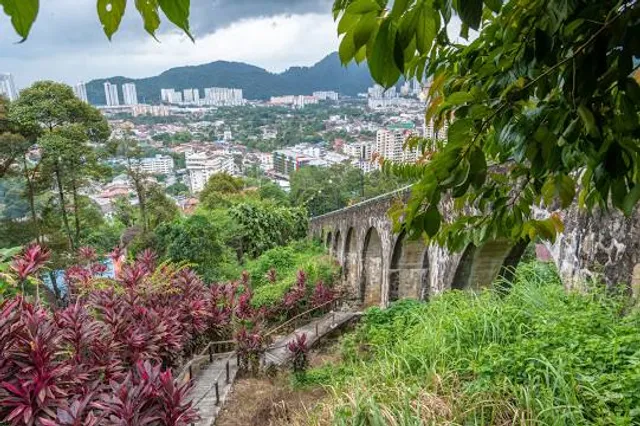
Penang Hill Hike
4.6
(124)
Open 24 hours
Click for details
Nearby restaurants of Jade Emperor God Temple Air Itam
Western Village
118 Cafe 饮食中心
Penang Air Itam Laksa
Beng Chin Garden
Gratitude Veggie Cafe
Air Itam Market Duck Rice
HEH CAFE
En En Coffee Shop
Hawker Center Air Itam
Happy Vege Café 普素苑
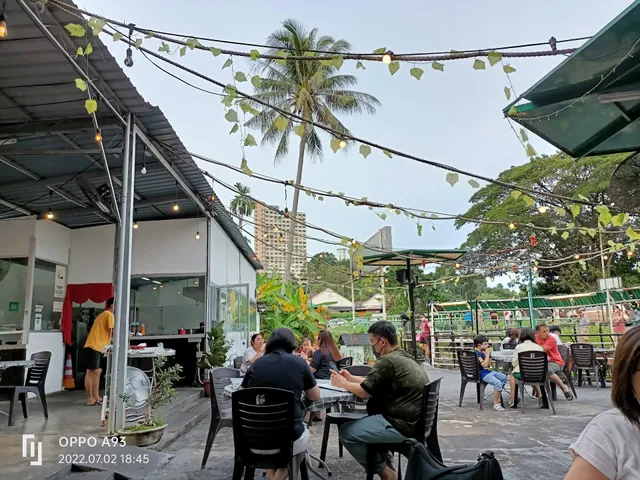
Western Village
4.2
(240)
Click for details
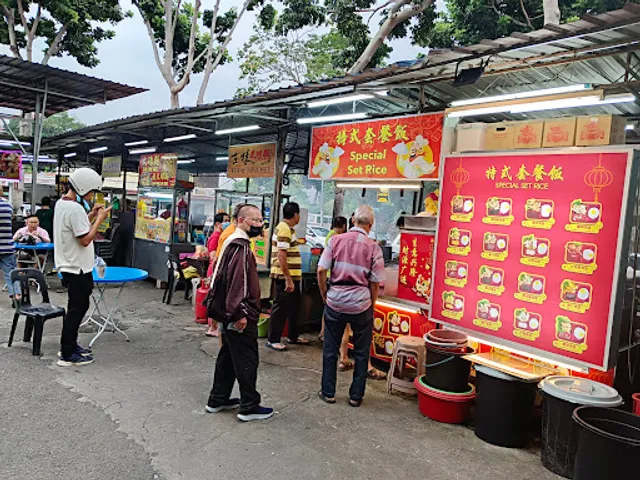
118 Cafe 饮食中心
3.6
(400)
Click for details
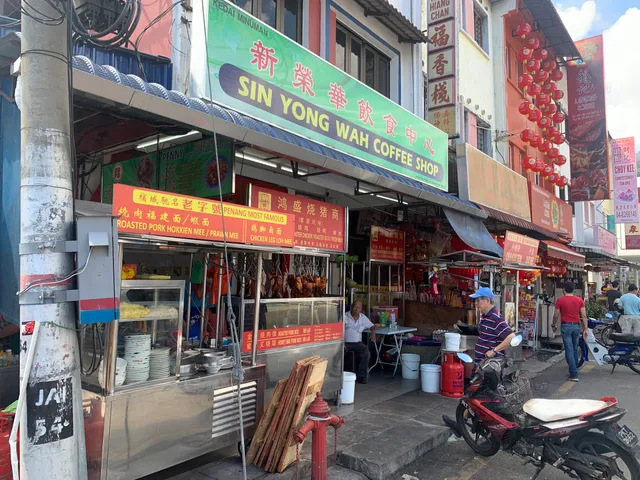
Penang Air Itam Laksa
4.1
(1.6K)
Open until 12:00 AM
Click for details
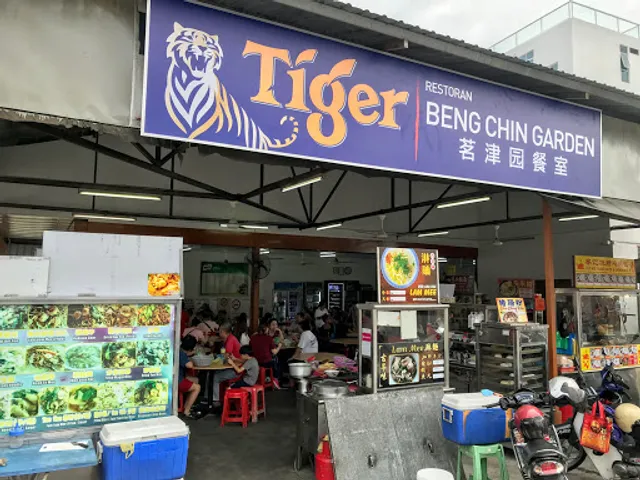
Beng Chin Garden
3.8
(186)
Open until 2:30 PM
Click for details
Nearby local services of Jade Emperor God Temple Air Itam
Penang Hill
Jade Emperor Temple
Jinggangshan Penang Hill Temple
妙香林寺 Beow Hiang Lim Temple
海会塔@妙香林寺 Beow Hiang Lim Temple & Memorial Park
Farah Kitchen
Ayer Itam Night Market
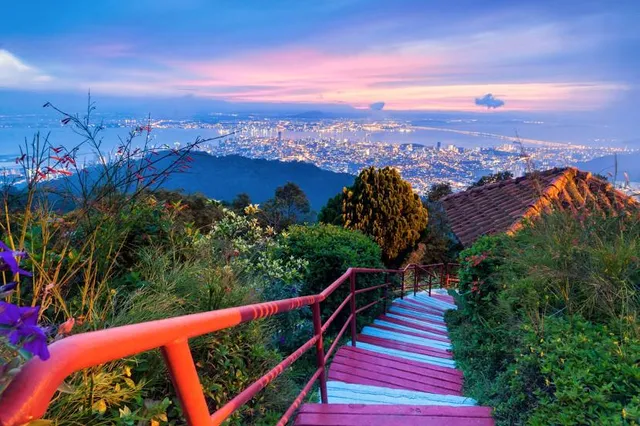
Penang Hill
4.2
(2.3K)
Click for details
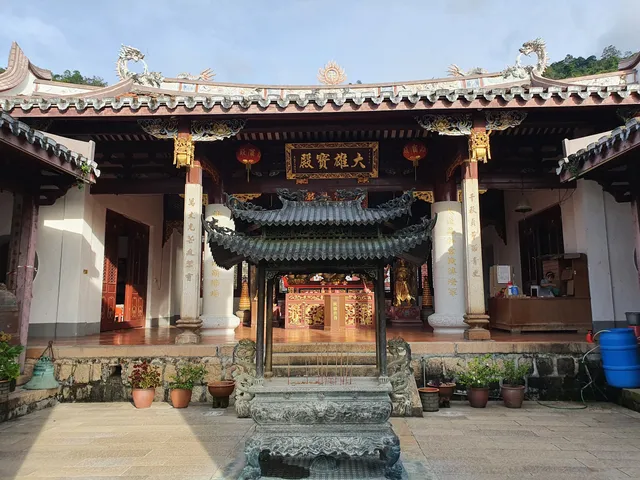
Jade Emperor Temple
4.5
(185)
Click for details
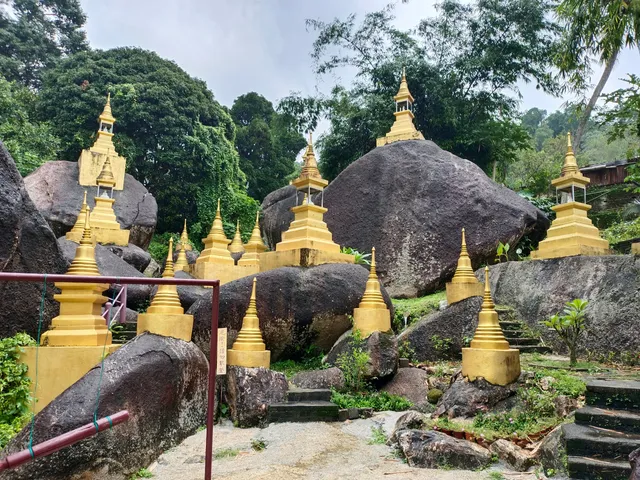
Jinggangshan Penang Hill Temple
4.7
(35)
Click for details
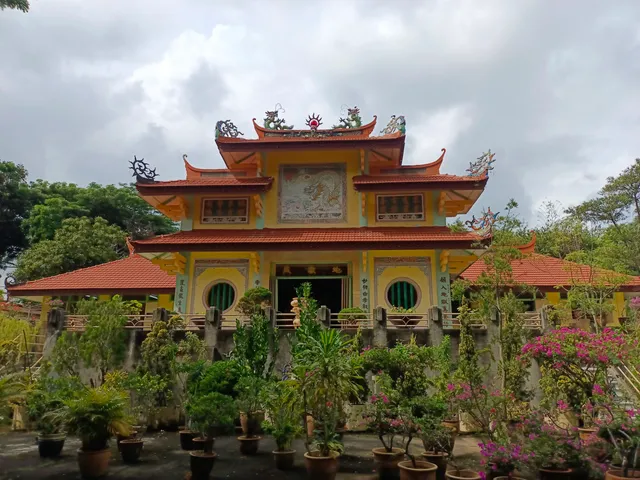
妙香林寺 Beow Hiang Lim Temple
4.1
(150)
Click for details